Official twitter account of Acta Orthopaedica et Traumatologica Journal Impact Factor: 1.1
Joined April 2013
- Tweets 307
- Following 9
- Followers 309
- Likes 0
254 Photos and videos

Jun 12
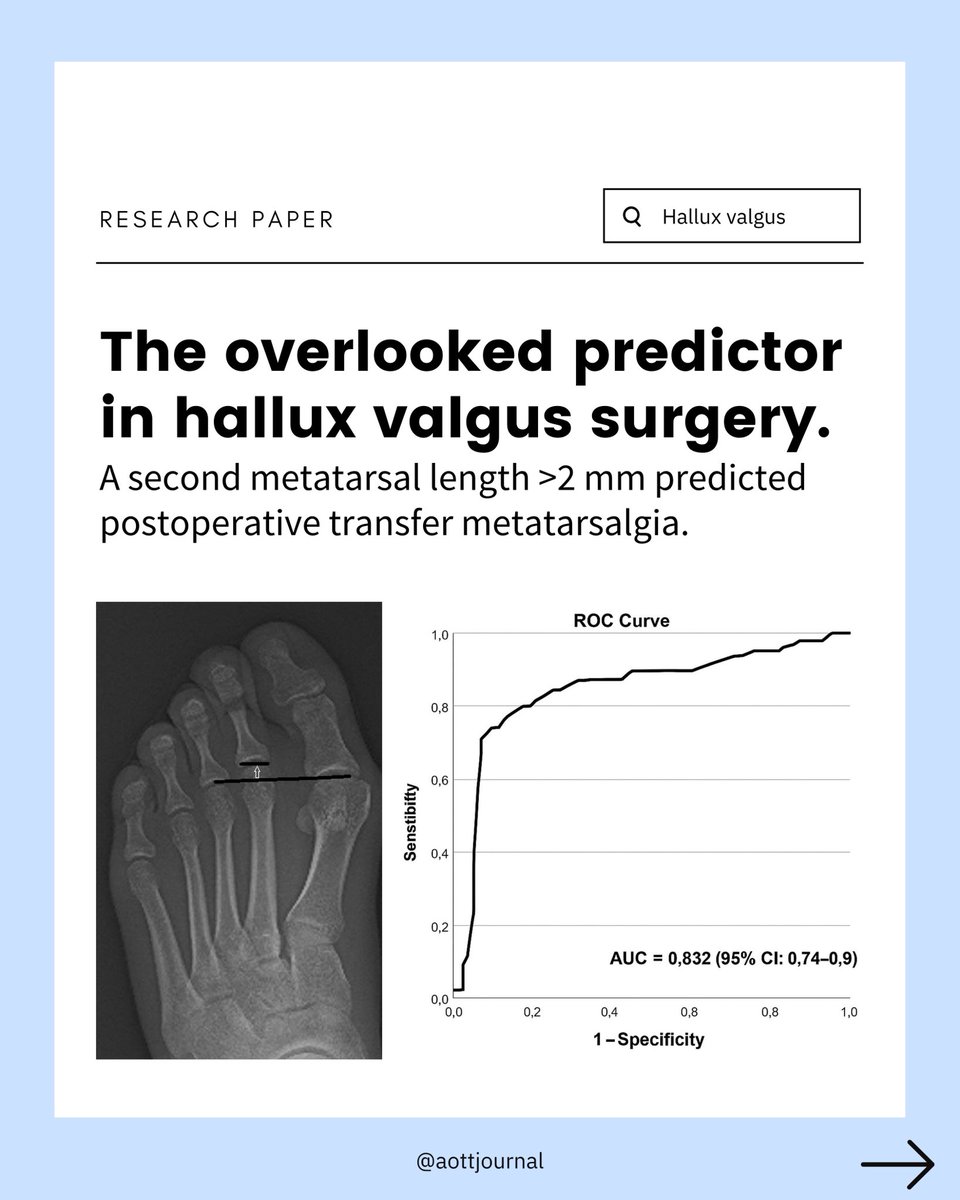
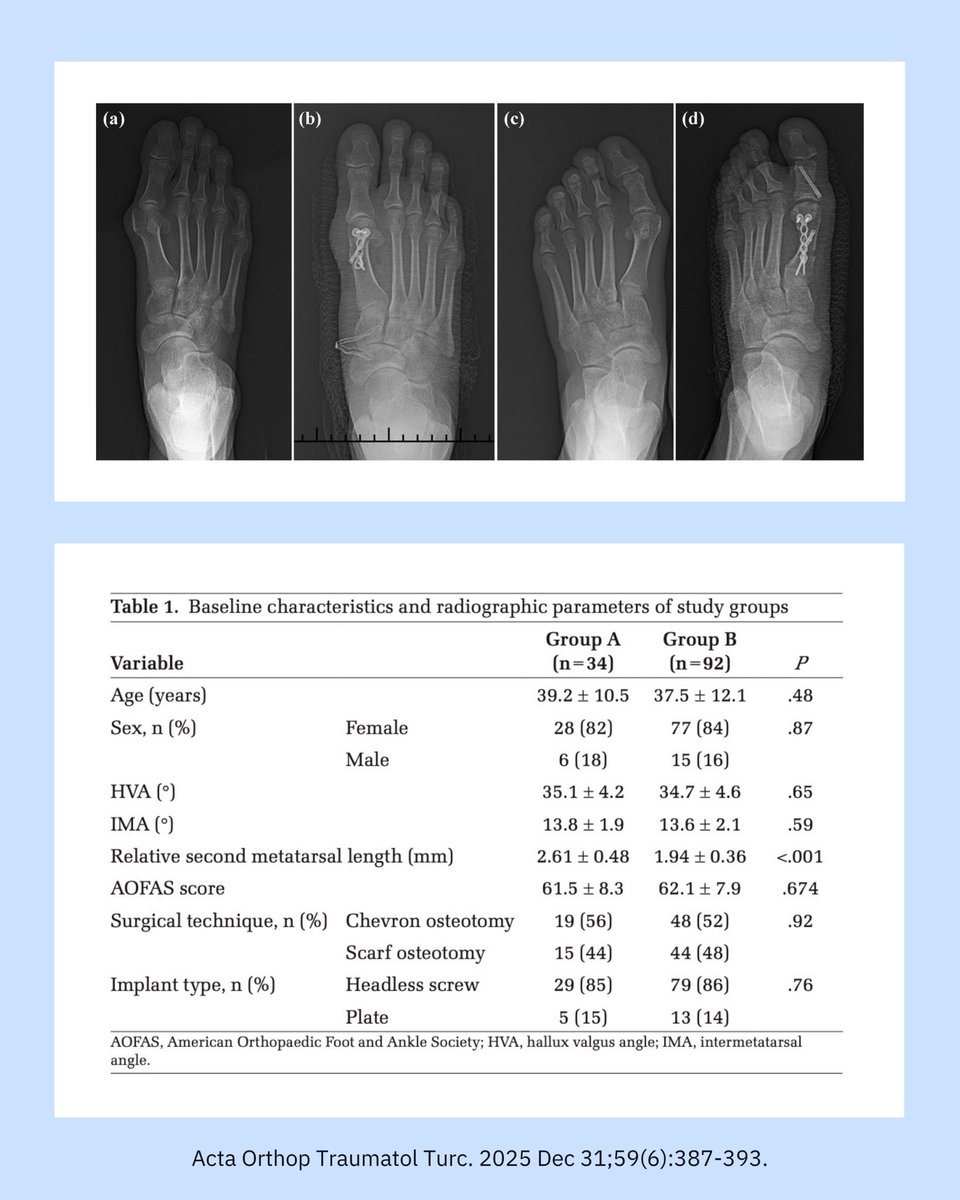
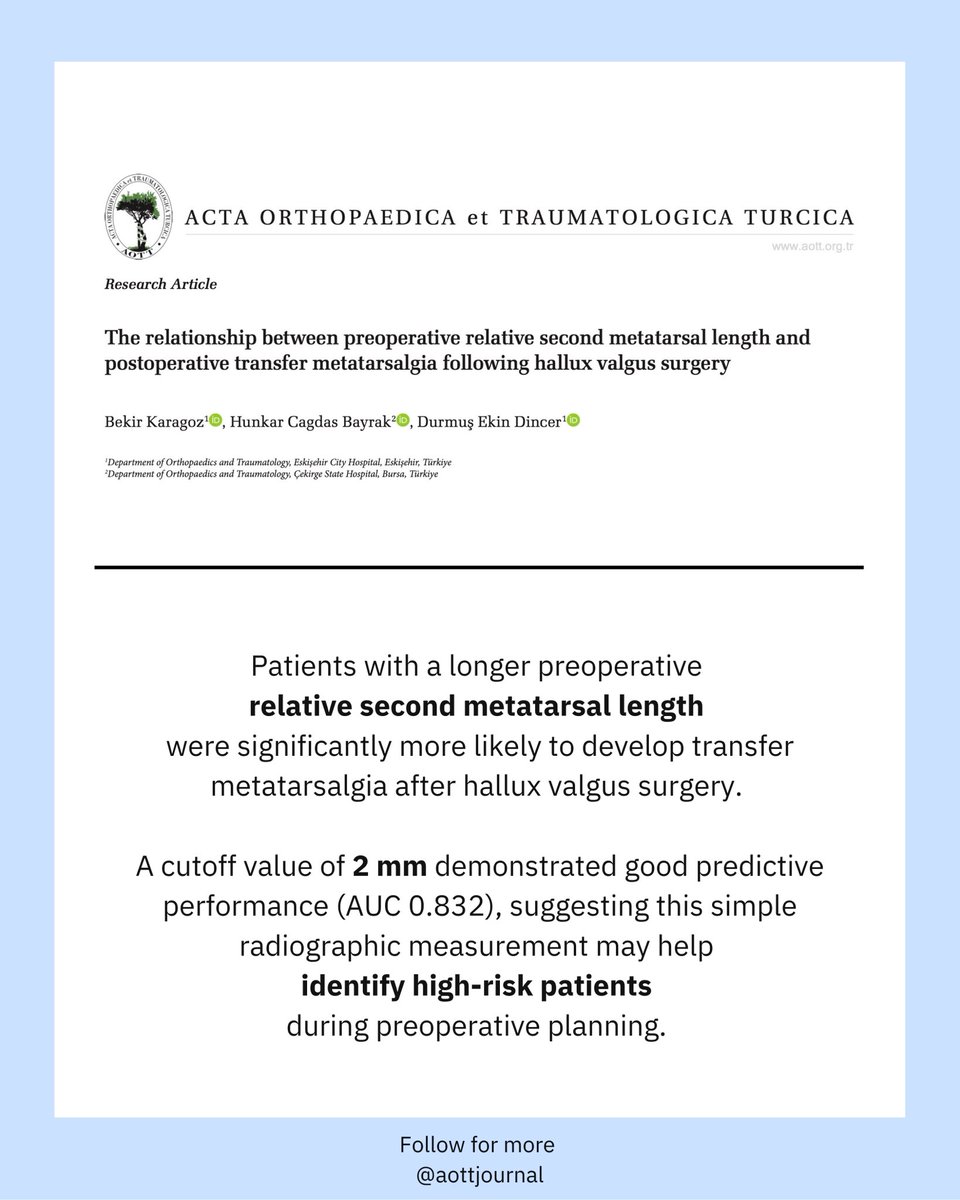
Can a preoperative X-ray predict transfer metatarsalgia after hallux valgus surgery?
A study of 126 patients found that relative second metatarsal length was the only independent predictor of postoperative transfer metatarsalgia. A cutoff of >2 mm identified higher-risk patients (AUC 0.832).
#HalluxValgus #FootAnkle #Orthopaedics
19
Jun 6
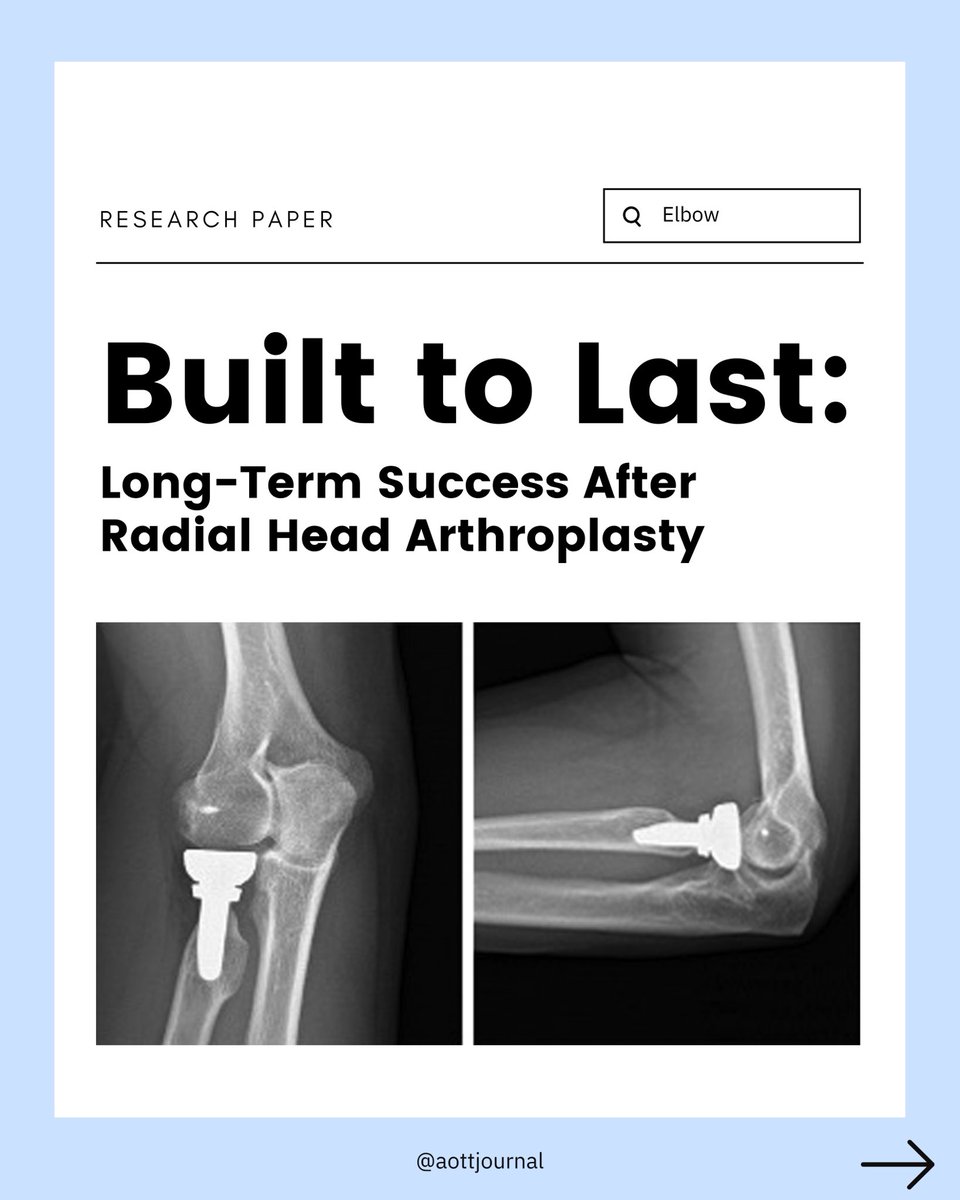
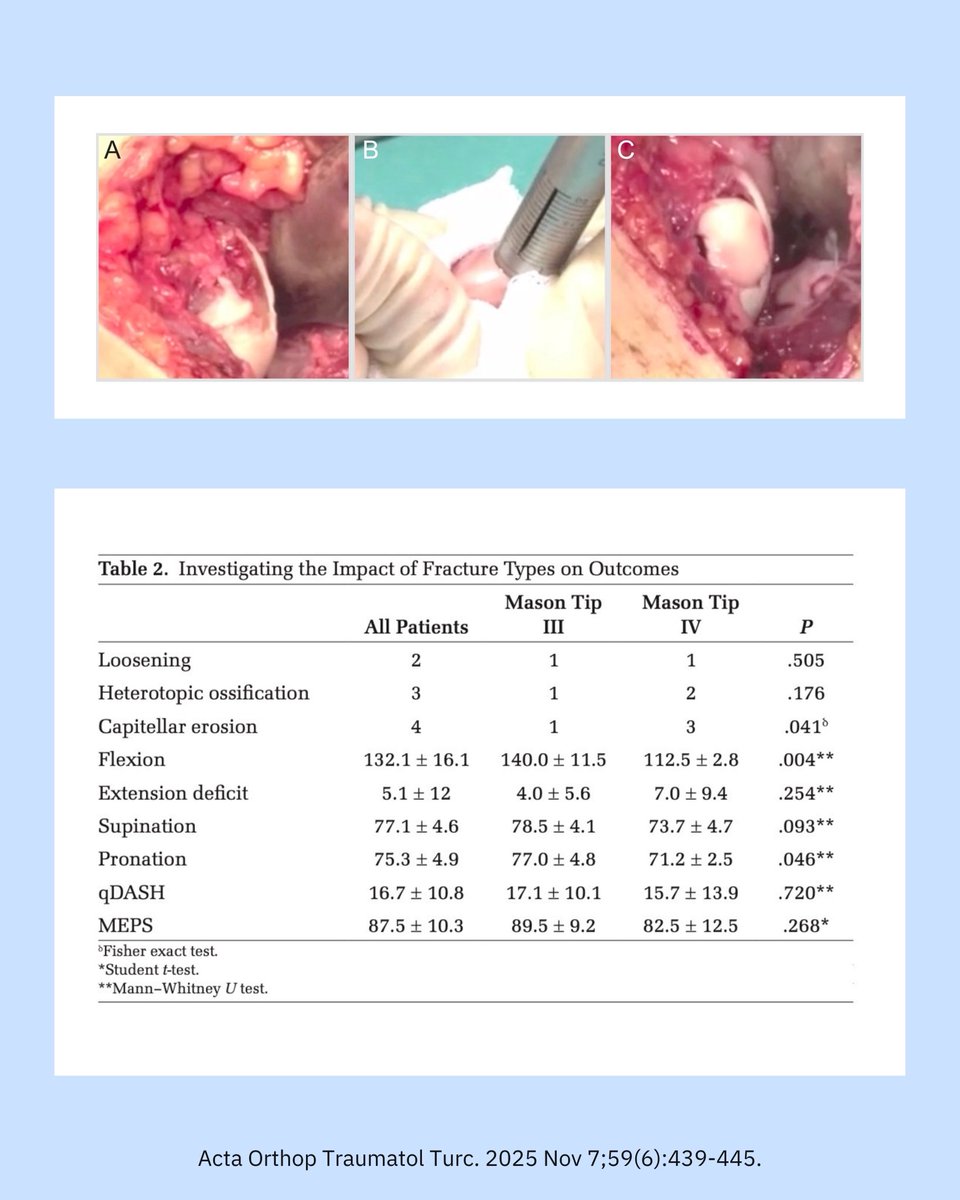
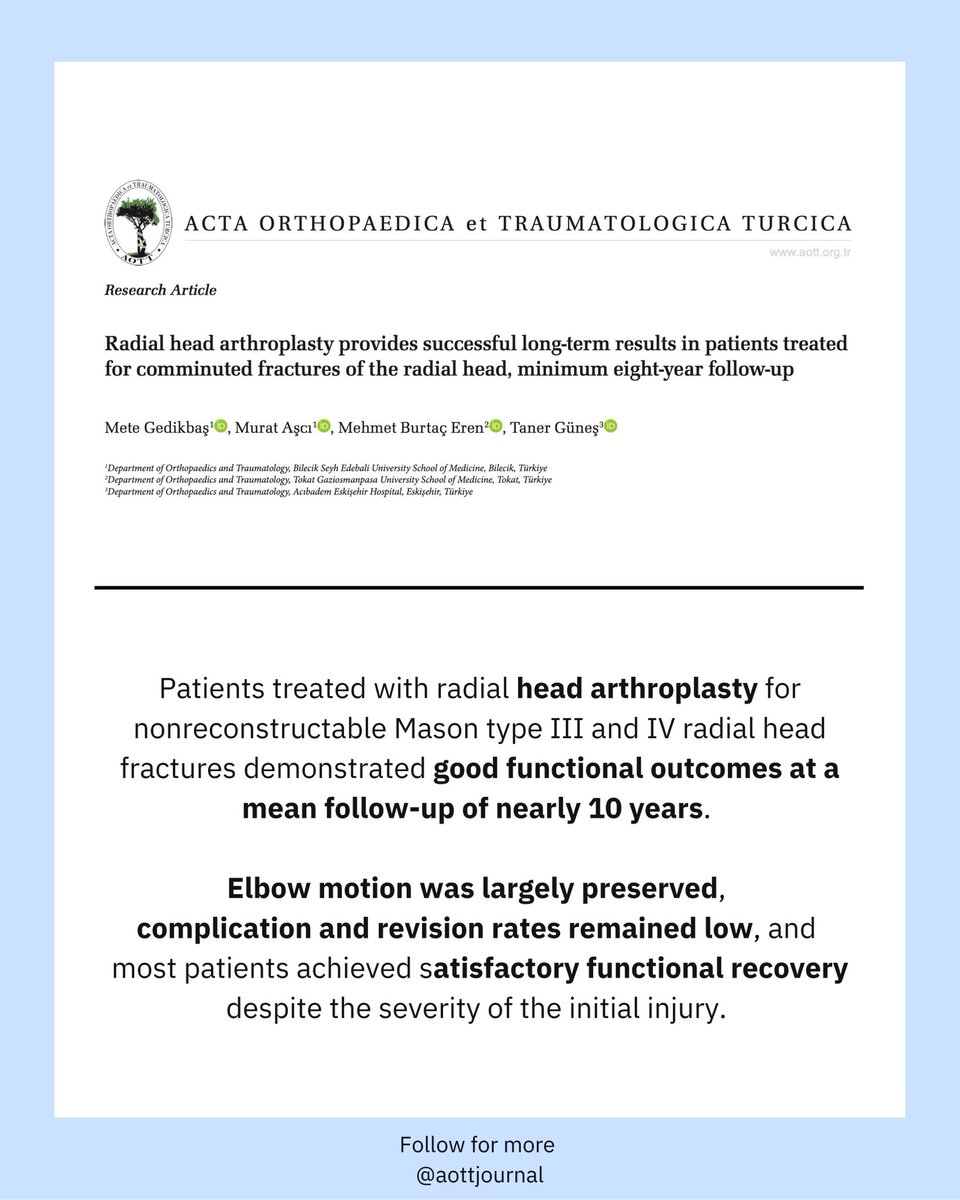
Can a radial head prosthesis stand the test of time?
With a mean follow-up of almost 10 years, patients treated for complex radial head fractures achieved good functional outcomes, satisfactory elbow motion, and low revision rates. The study highlights radial head arthroplasty as a dependable long-term solution when fracture reconstruction is not feasible.
#AOTT #ElbowSurgery #RadialHeadArthroplasty #Orthopaedics
1
20
Jun 2
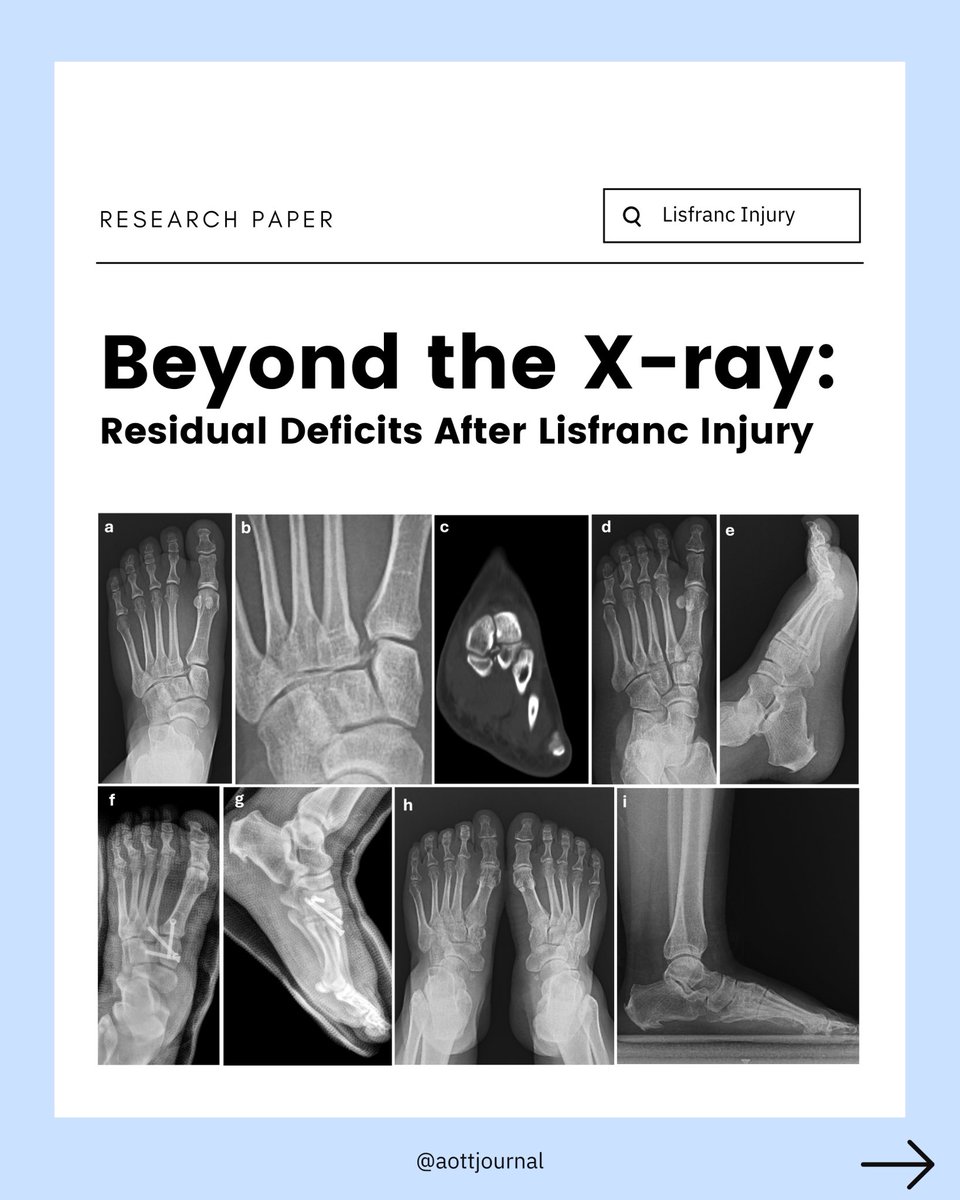
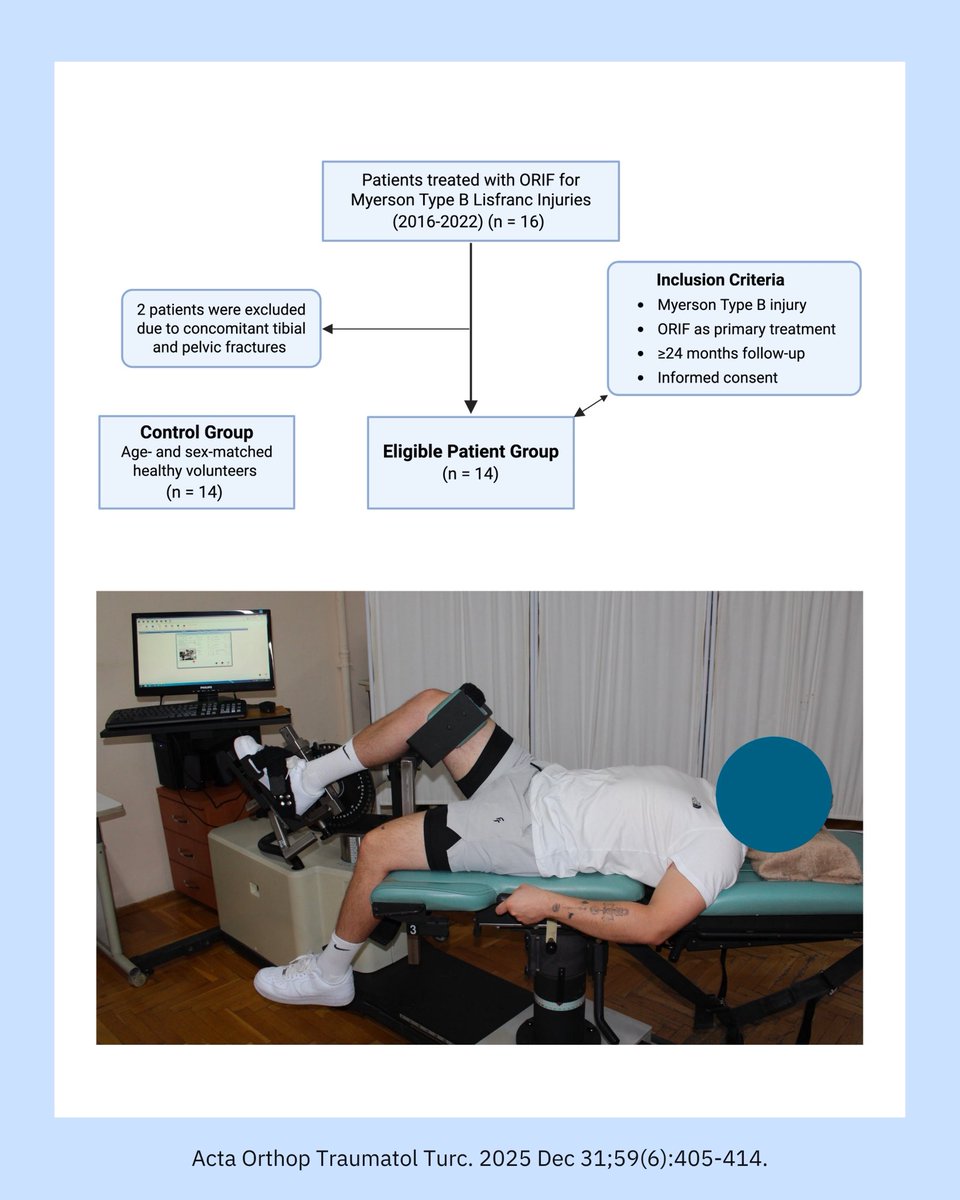
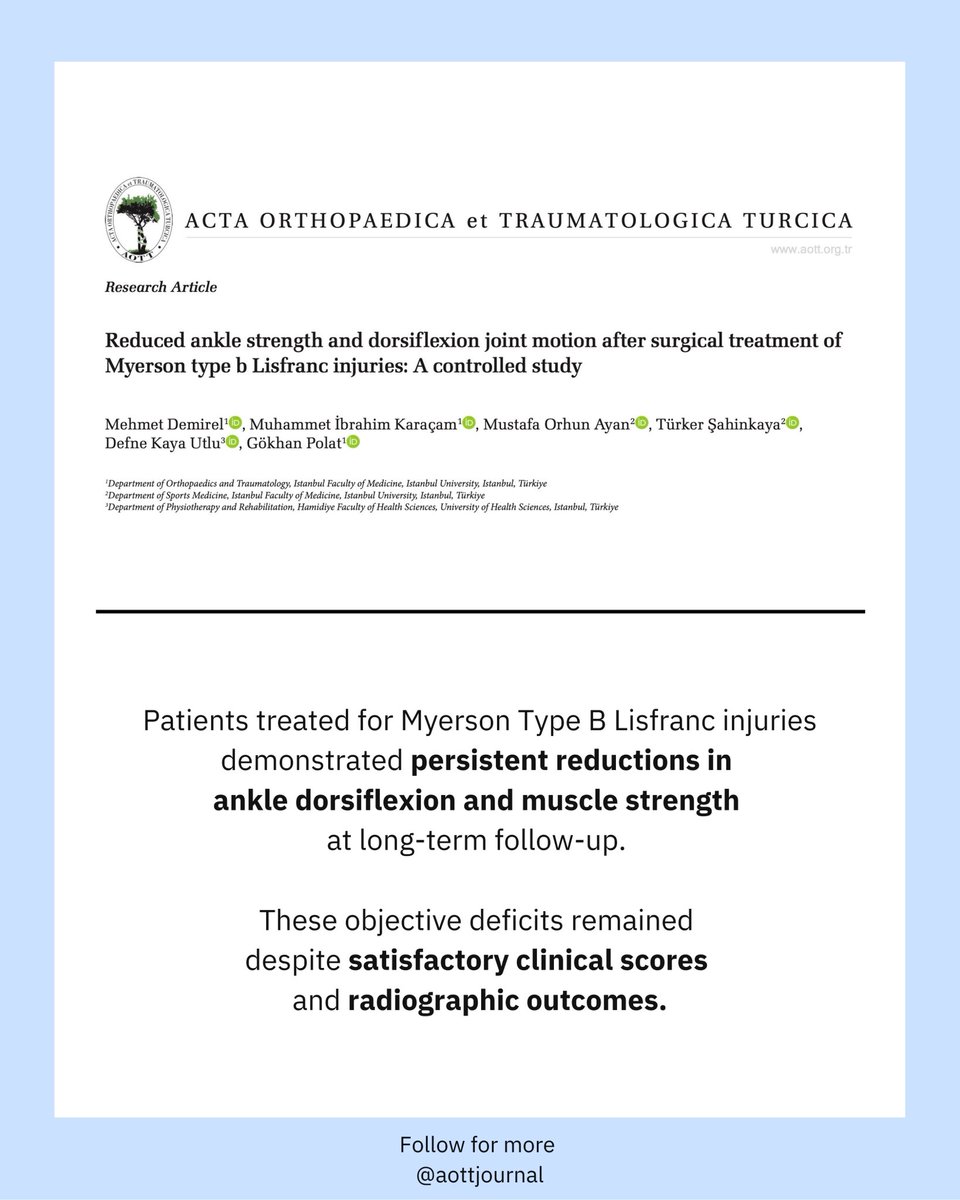
Lisfranc injuries are often considered successfully treated when satisfactory radiographic alignment and clinical outcomes are achieved. However, long-term objective assessment revealed persistent reductions in ankle dorsiflexion and muscle strength despite favorable clinical and radiographic results.
These findings highlight the importance of incorporating objective functional testing into postoperative follow-up and suggest that residual impairments may remain unnoticed when evaluation relies solely on conventional outcome measures.
35
May 10
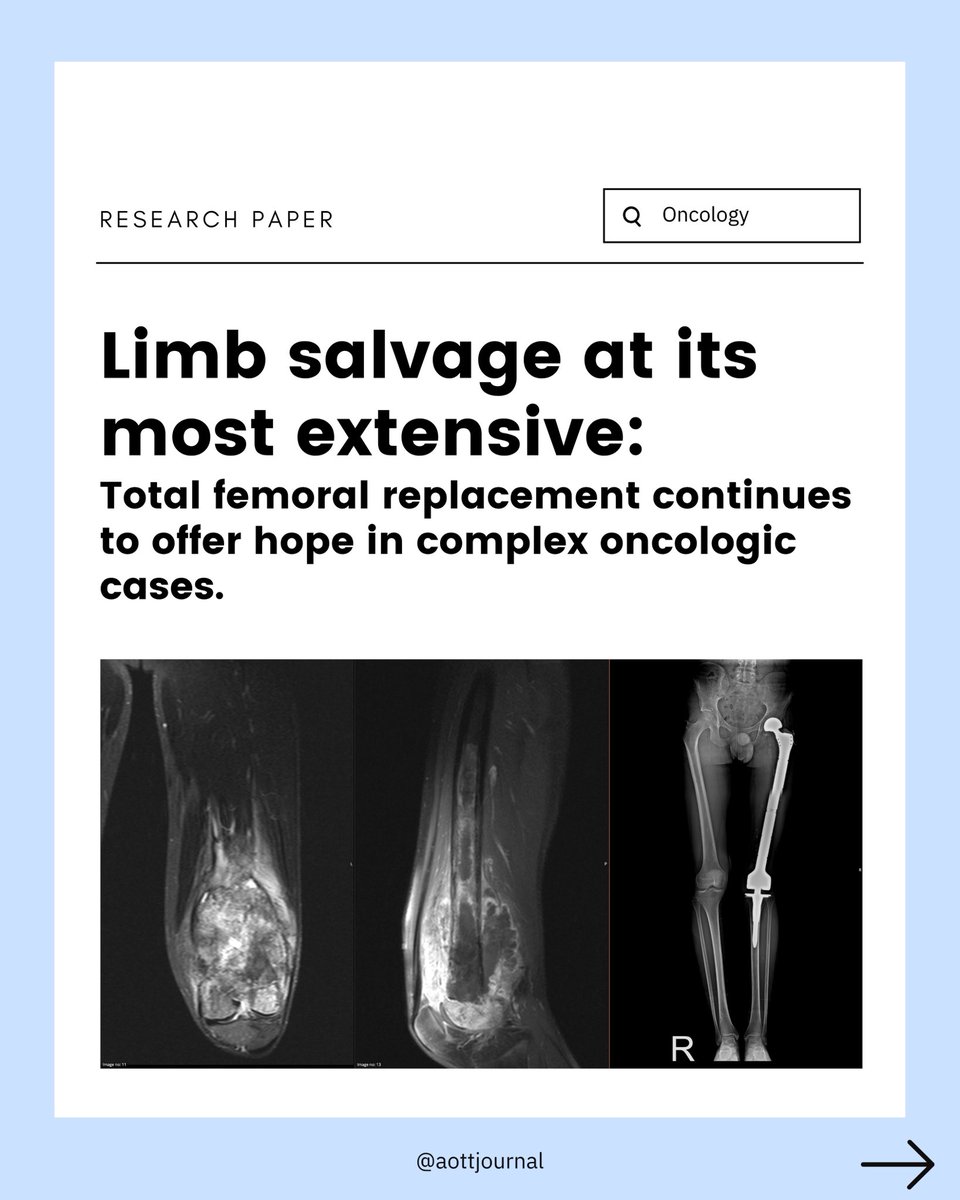
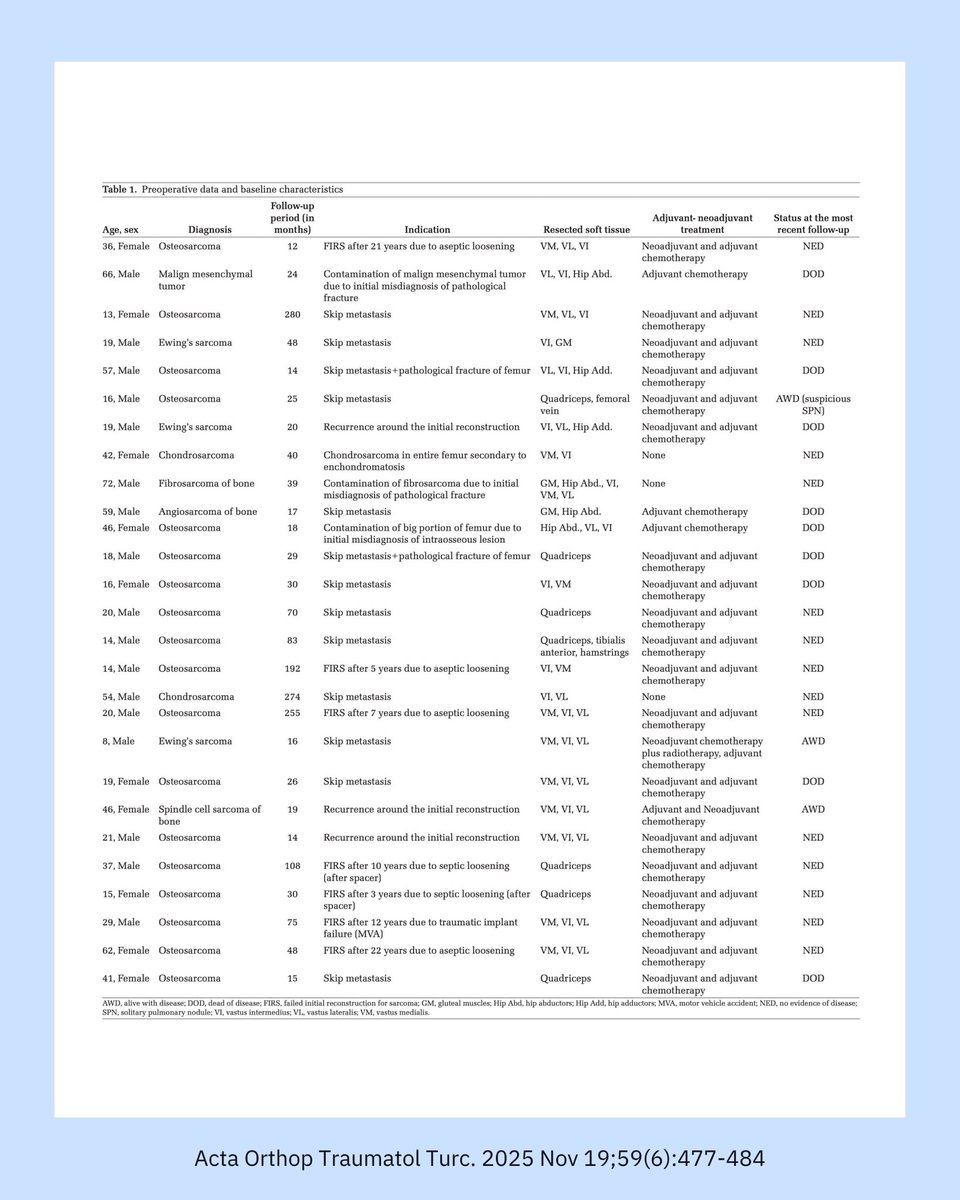
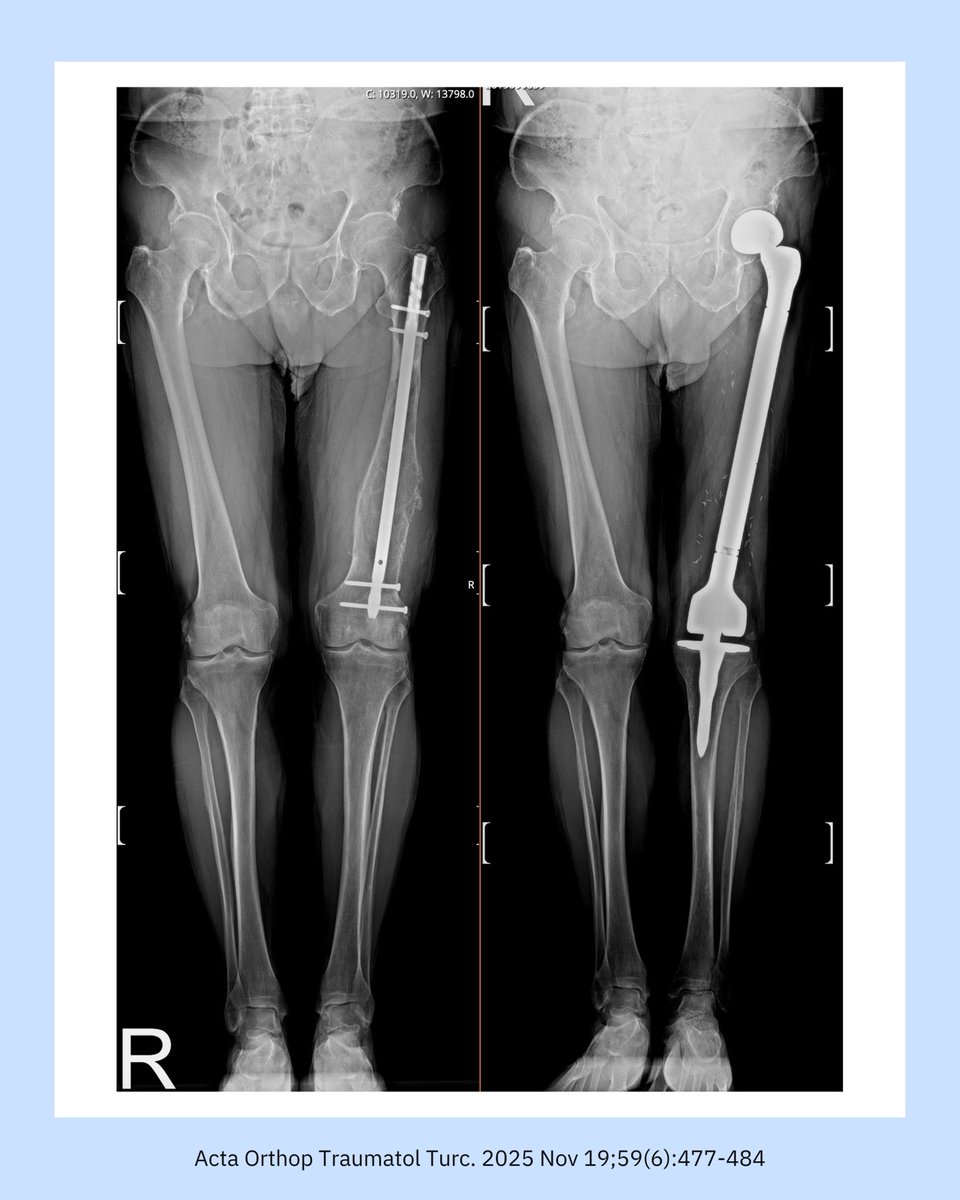
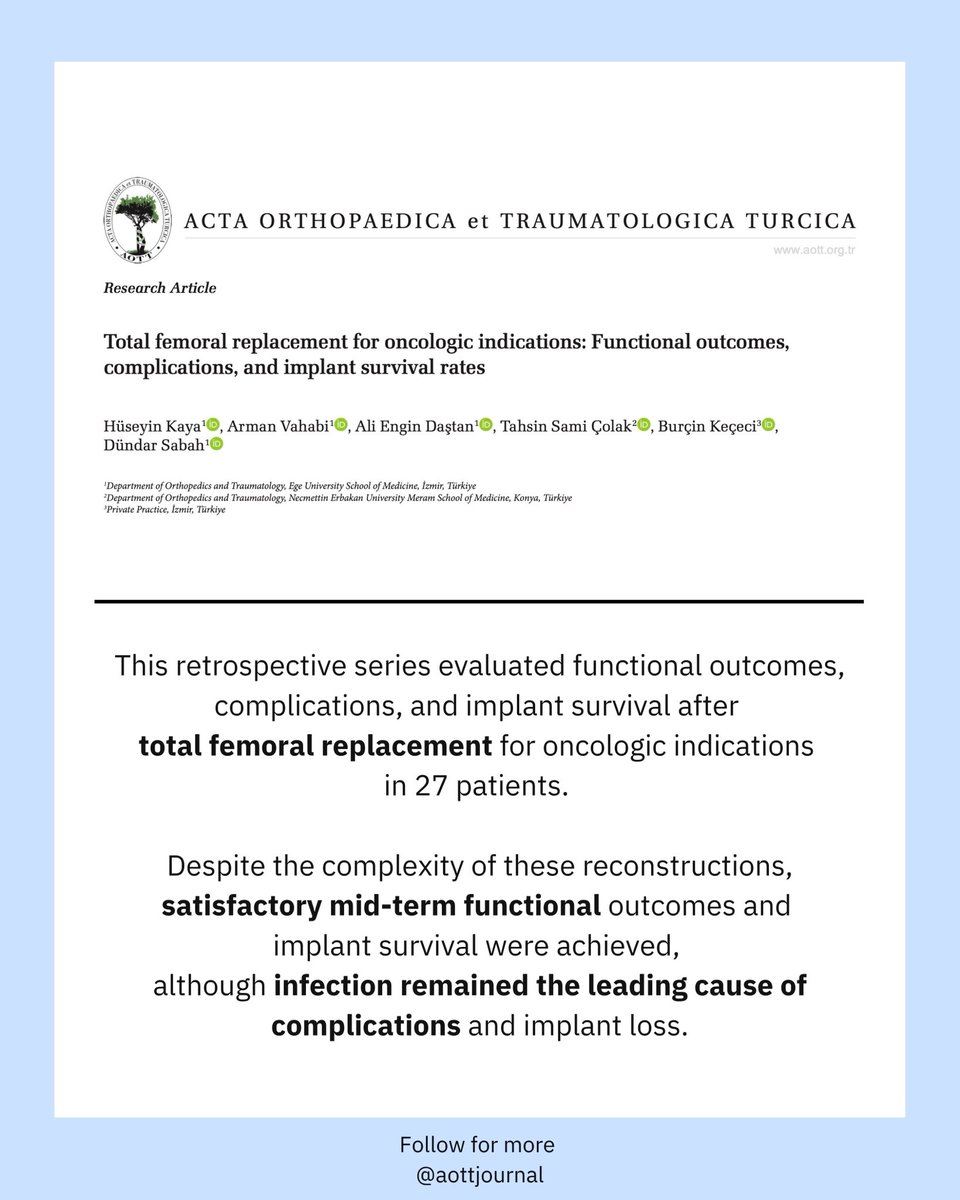
🦴 Total femoral replacement (TFR) remains one of the most demanding limb salvage procedures in orthopedic oncology.
In this single-center series of 27 patients, TFR provided satisfactory functional outcomes and acceptable implant survival in carefully selected oncologic cases. However, complications were frequent, with infection emerging as the leading cause of implant failure and secondary surgery.
📌 Key findings:
• Median MSTS score: 21/30
• 37% complication rate at 60 months
• Infection was the most common complication
• Implant loss occurred in 19% of patients
These findings highlight both the potential and the challenges of TFR as a final reconstructive option in extensive femoral malignancies.
#OrthopedicOncology #LimbSalvage #Megaprosthesis #Sarcoma
23
Apr 20
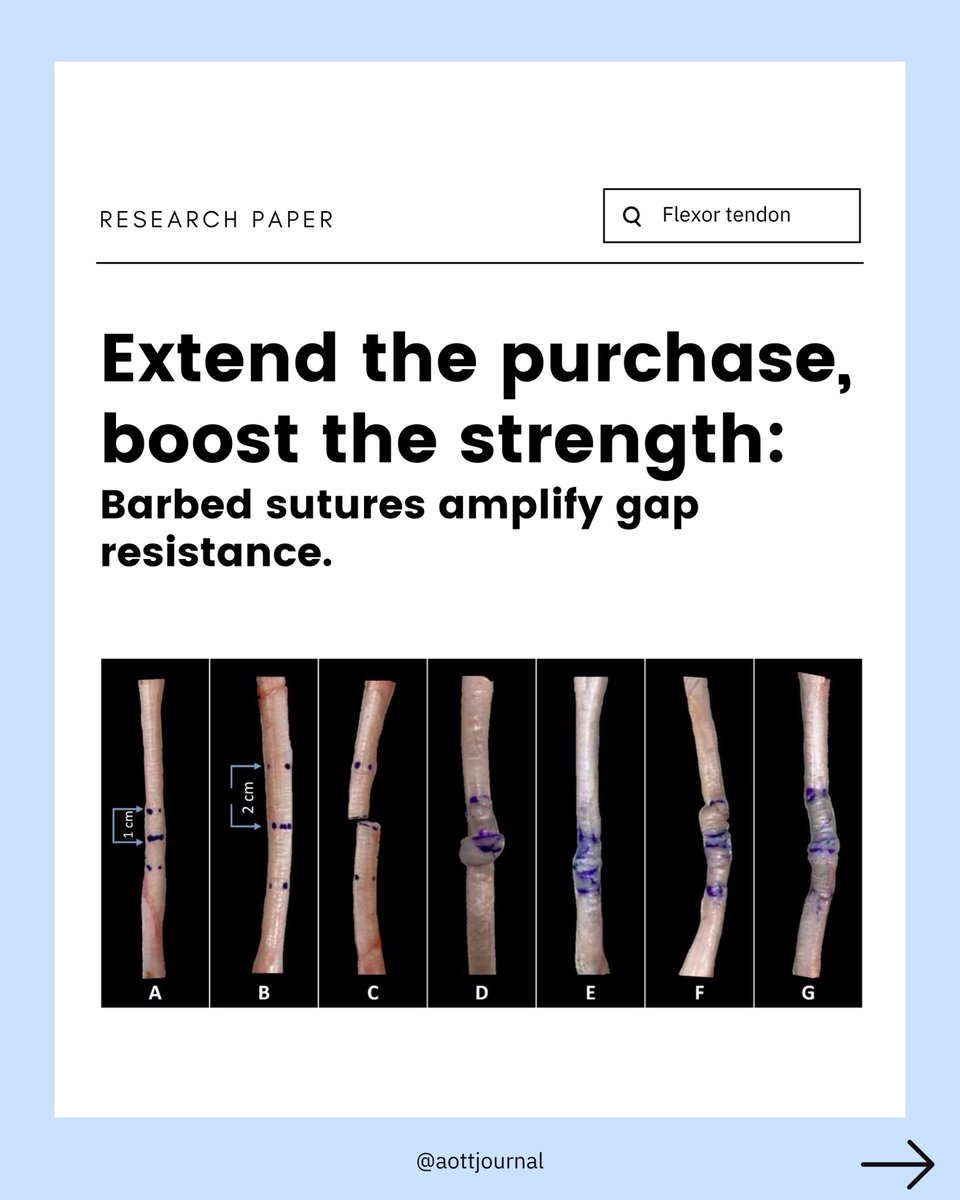
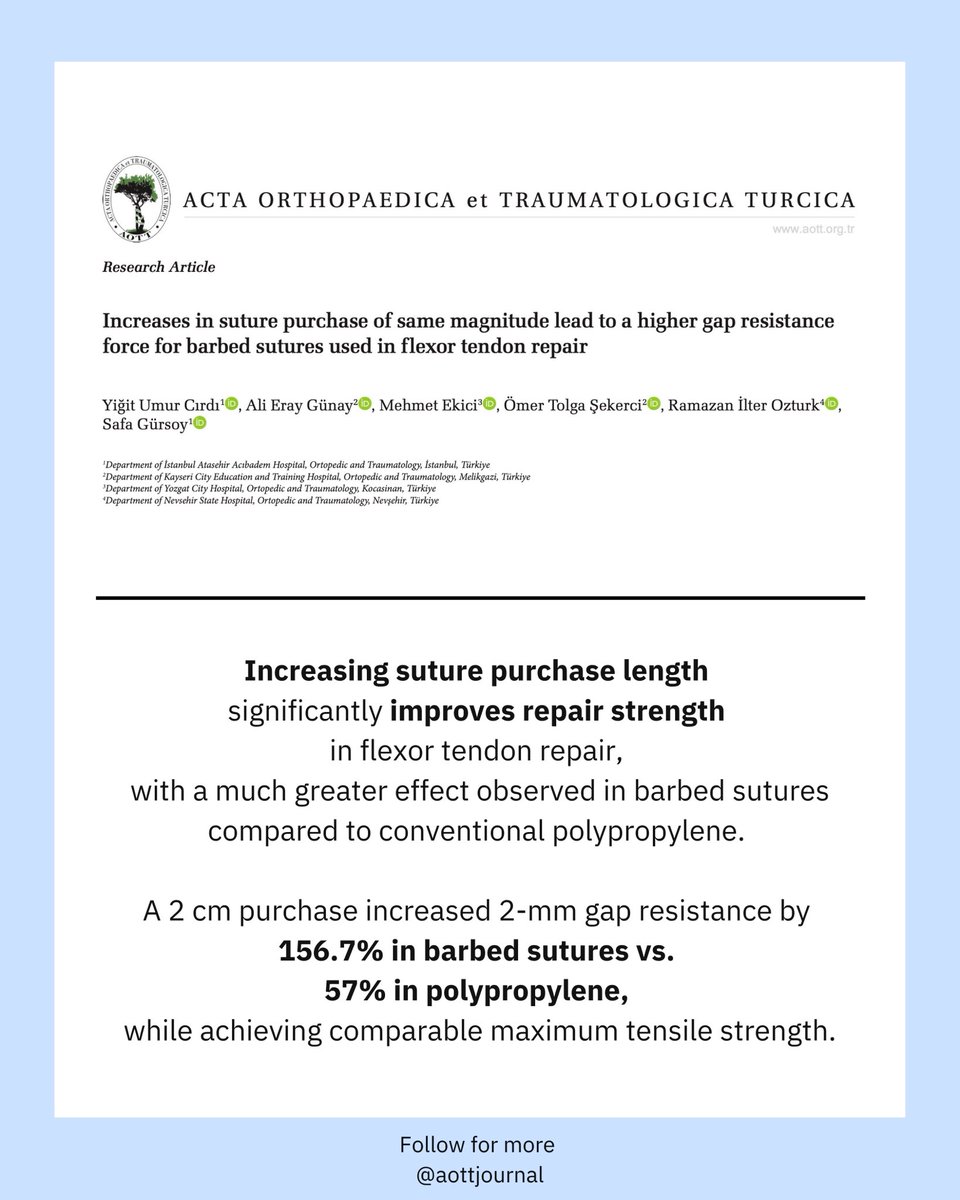
Can a simple technical modification improve tendon repair strength?
This biomechanical study demonstrates that increasing suture purchase length significantly enhances repair strength, with a notably greater effect in barbed sutures. A 2 cm purchase resulted in a 156.7% increase in gap resistance, achieving strength comparable to conventional polypropylene techniques.
These findings suggest that optimizing suture technique—rather than changing materials alone—may improve repair stability and support early rehabilitation protocols.
#Orthopedics #HandSurgery #Biomechanics #SurgicalInnovation

35
Apr 13
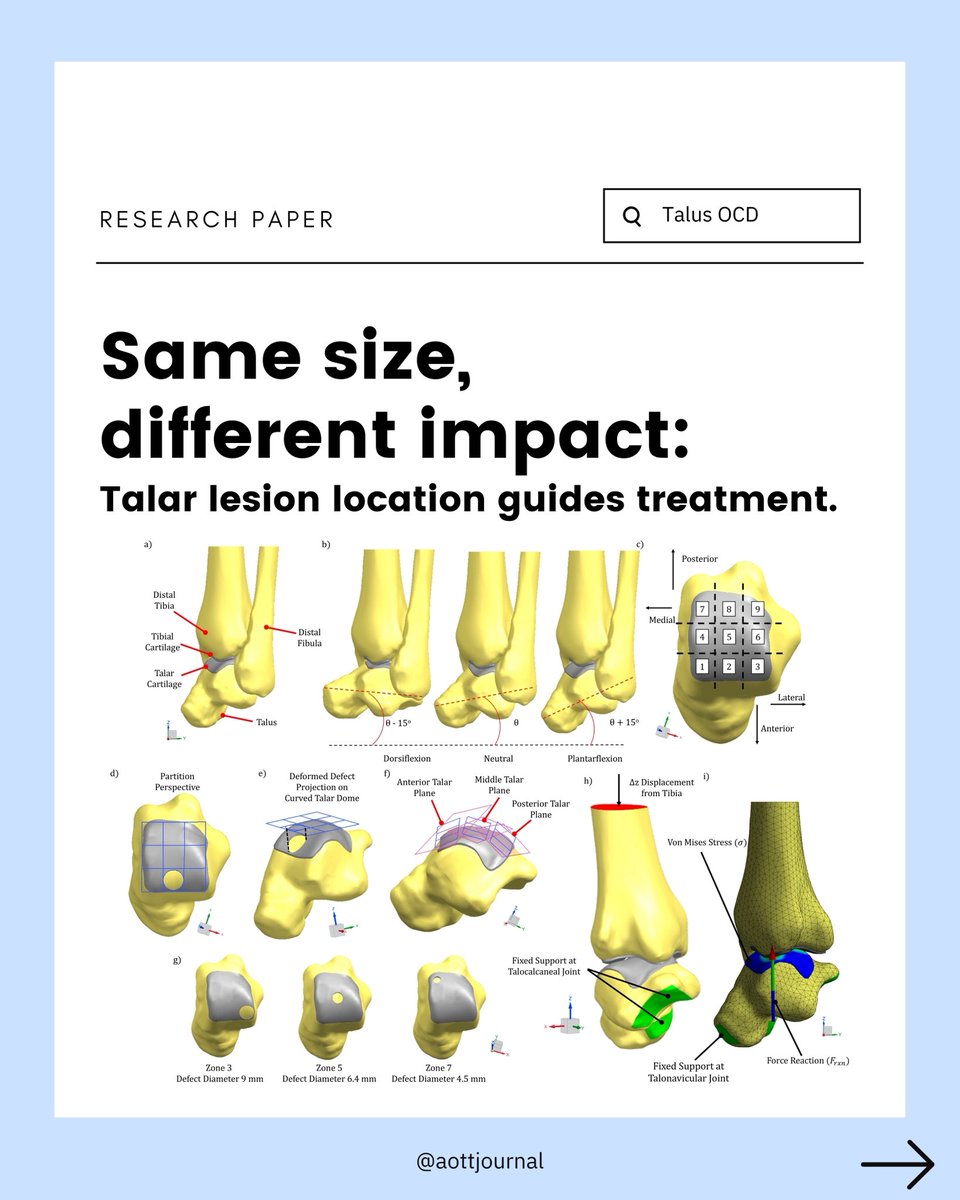
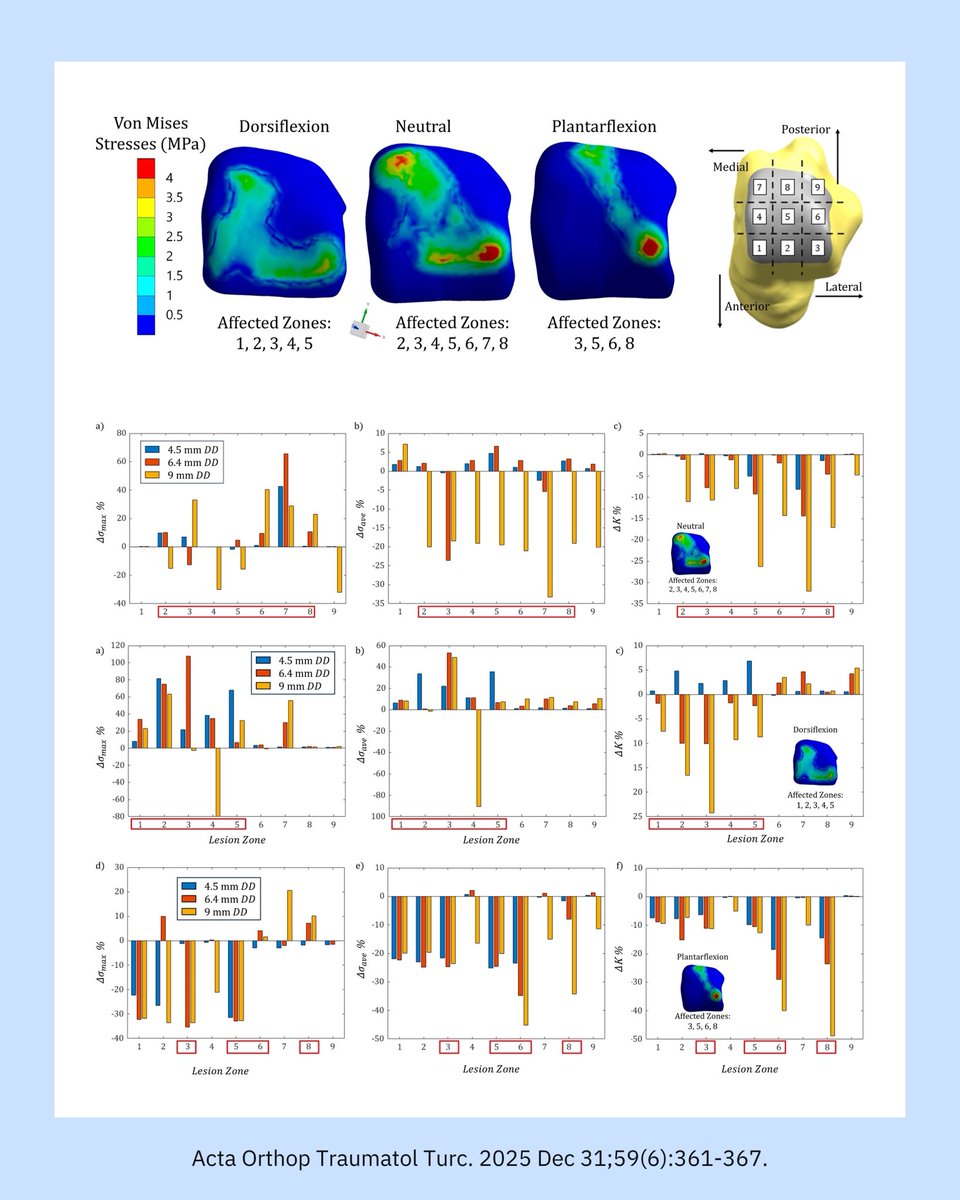
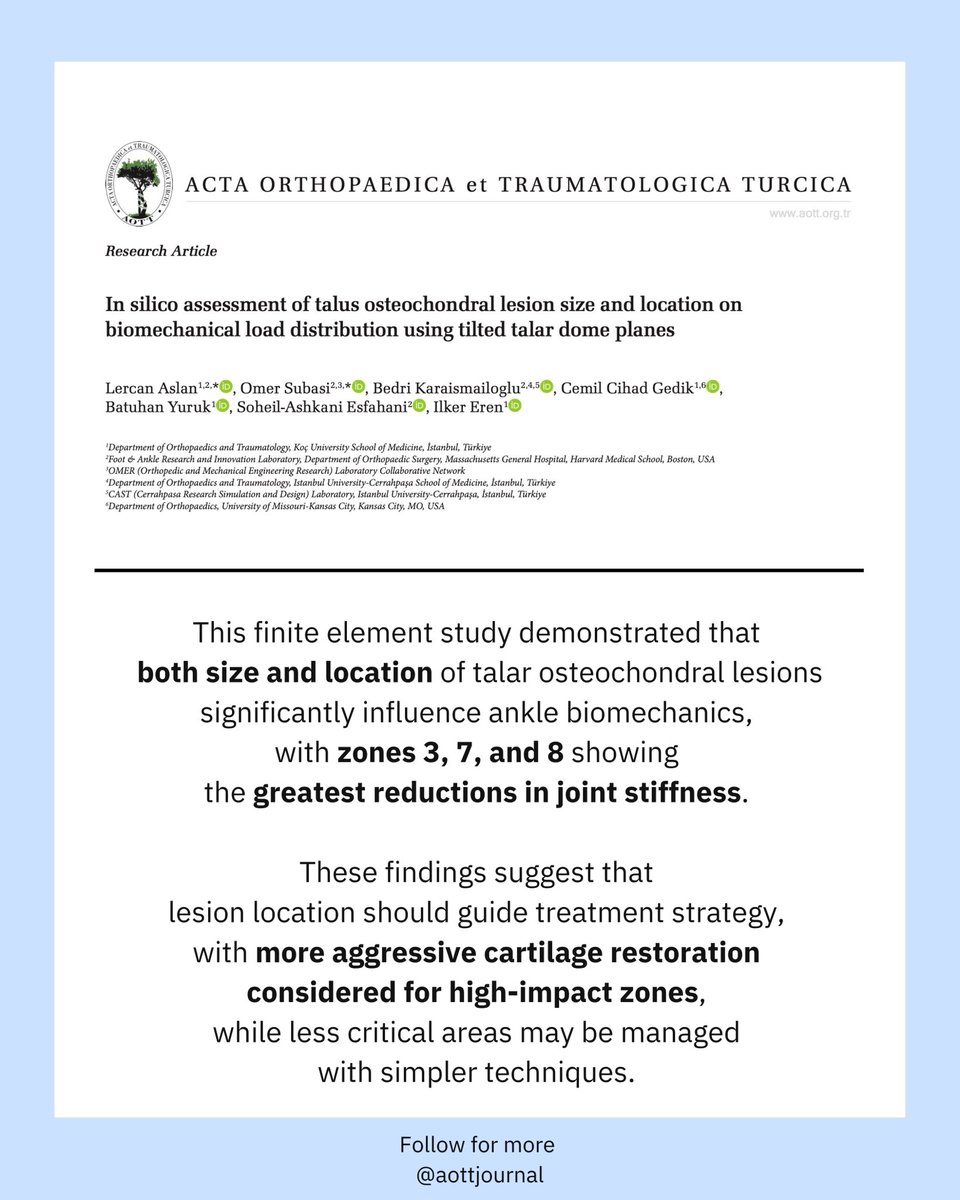
Does lesion location matter in talar osteochondral defects?
This computational study shows that not all lesions behave the same—zones 3, 7, and 8 significantly reduce ankle stiffness, while others have minimal biomechanical impact.
👉 Takeaway: Treatment decisions shouldn’t rely on size alone. Lesion location may be just as critical in guiding surgical strategy.
#FootAndAnkle #OCD #FiniteElementAnalysis #Talus #AOTT
1
1
62
Apr 4
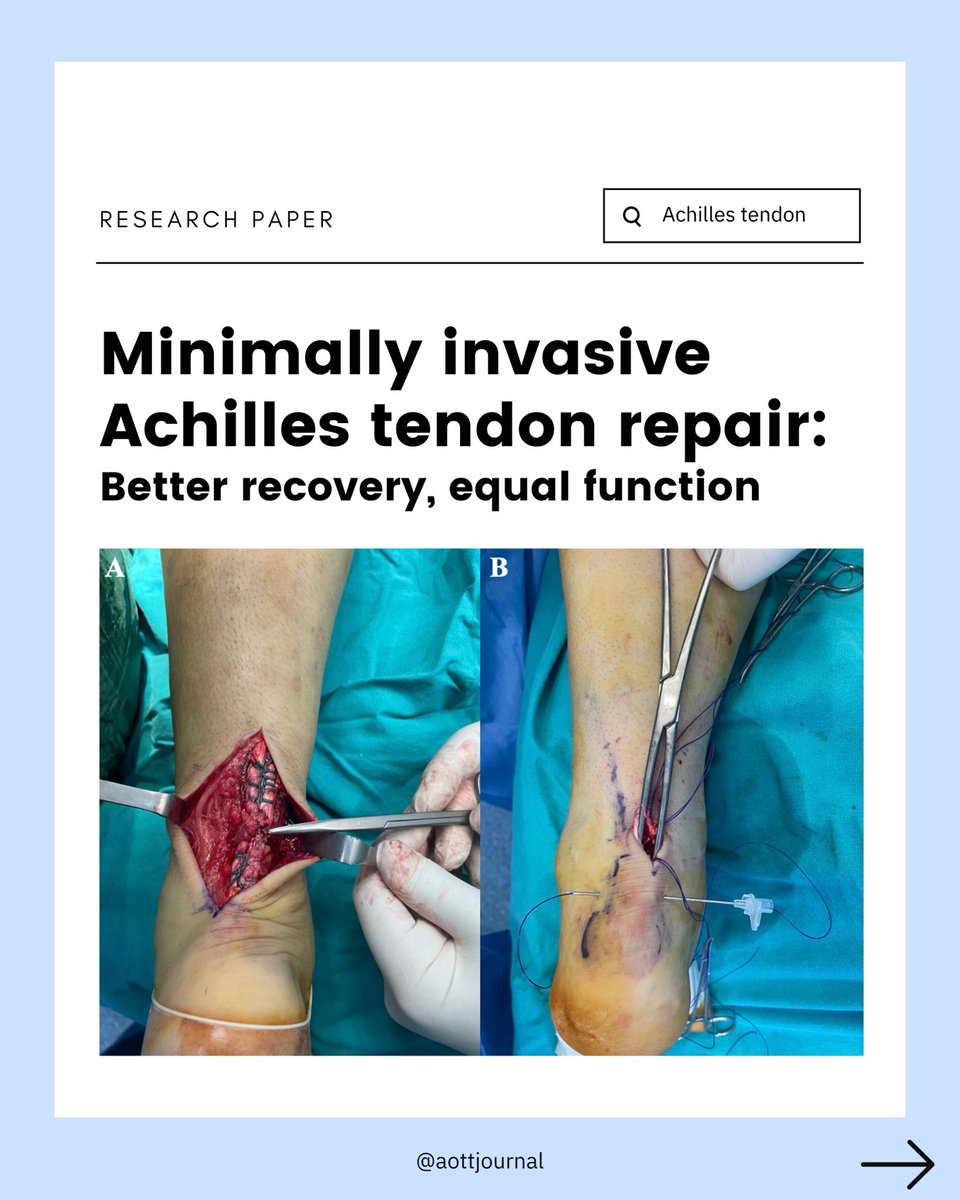
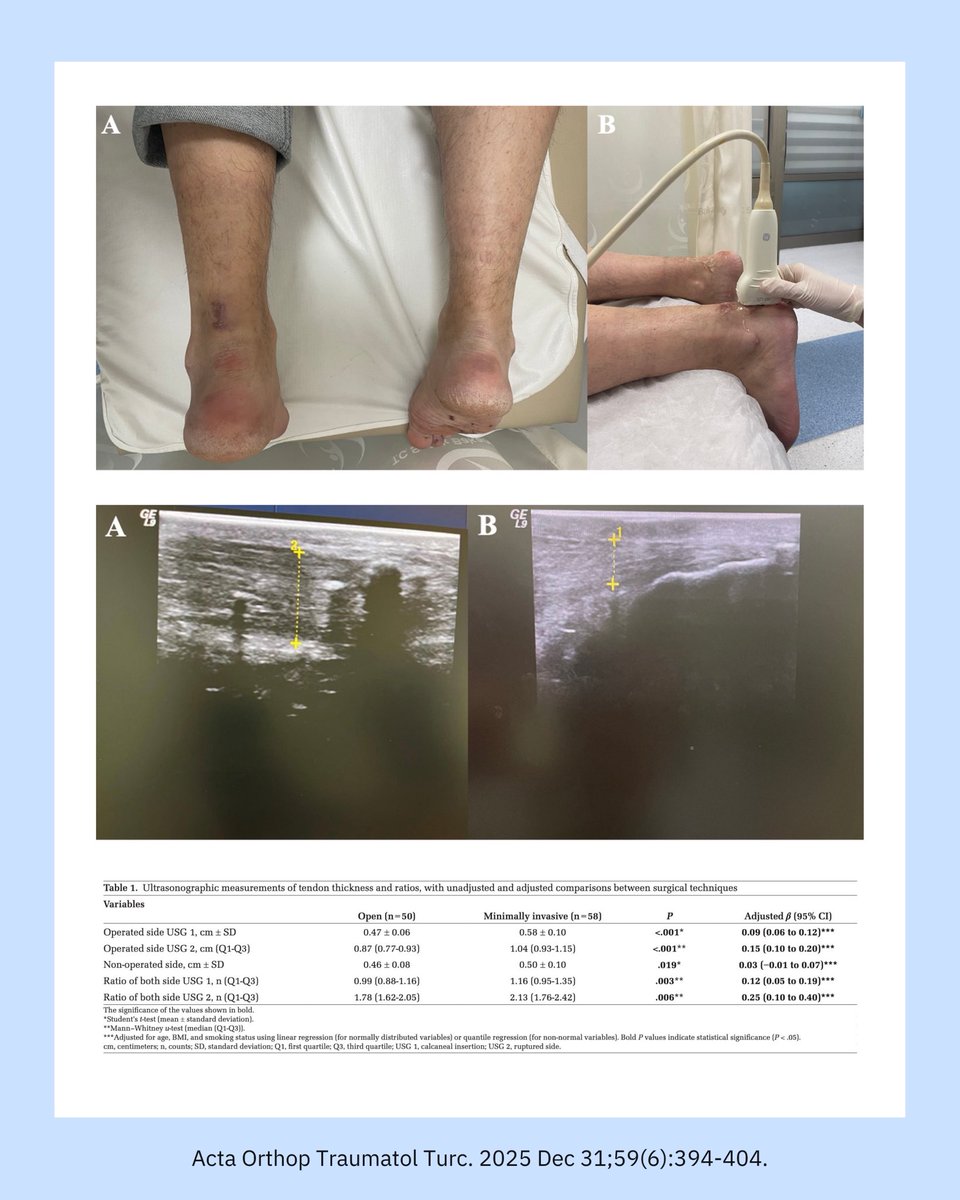
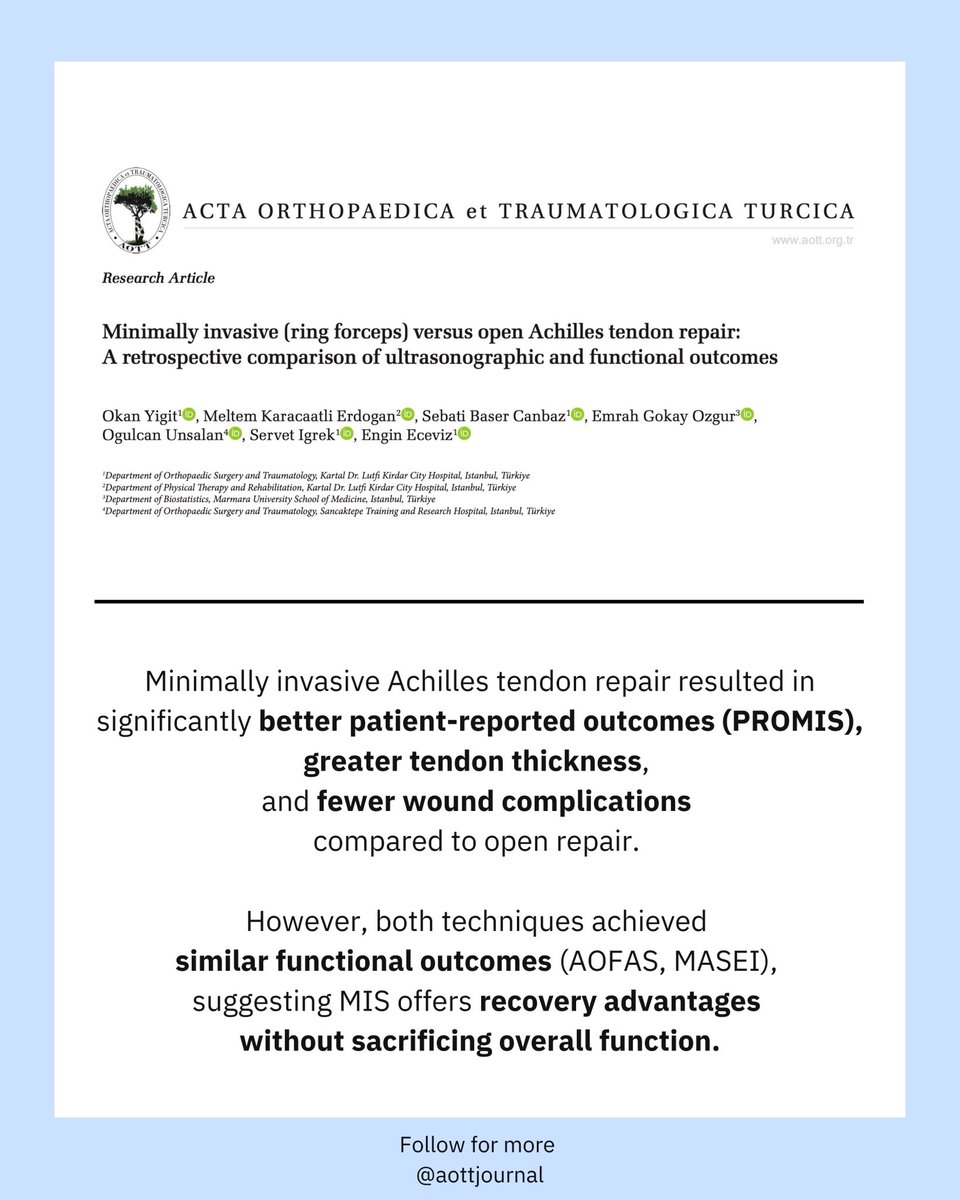
Minimally invasive vs open Achilles tendon repair ?
In this retrospective study of 108 patients, minimally invasive repair showed:
✔Better patient-reported outcomes (PROMIS)
✔Greater tendon thickness on ultrasound
✔Lower wound complication rates
✔Similar functional outcomes (AOFAS, MASEI)
Takeaway: Minimally invasive approaches may enhance recovery while maintaining equivalent function.
#AchillesTendon #FootAndAnkle #SportsInjury #MinimallyInvasive #AOTT
29
Mar 26
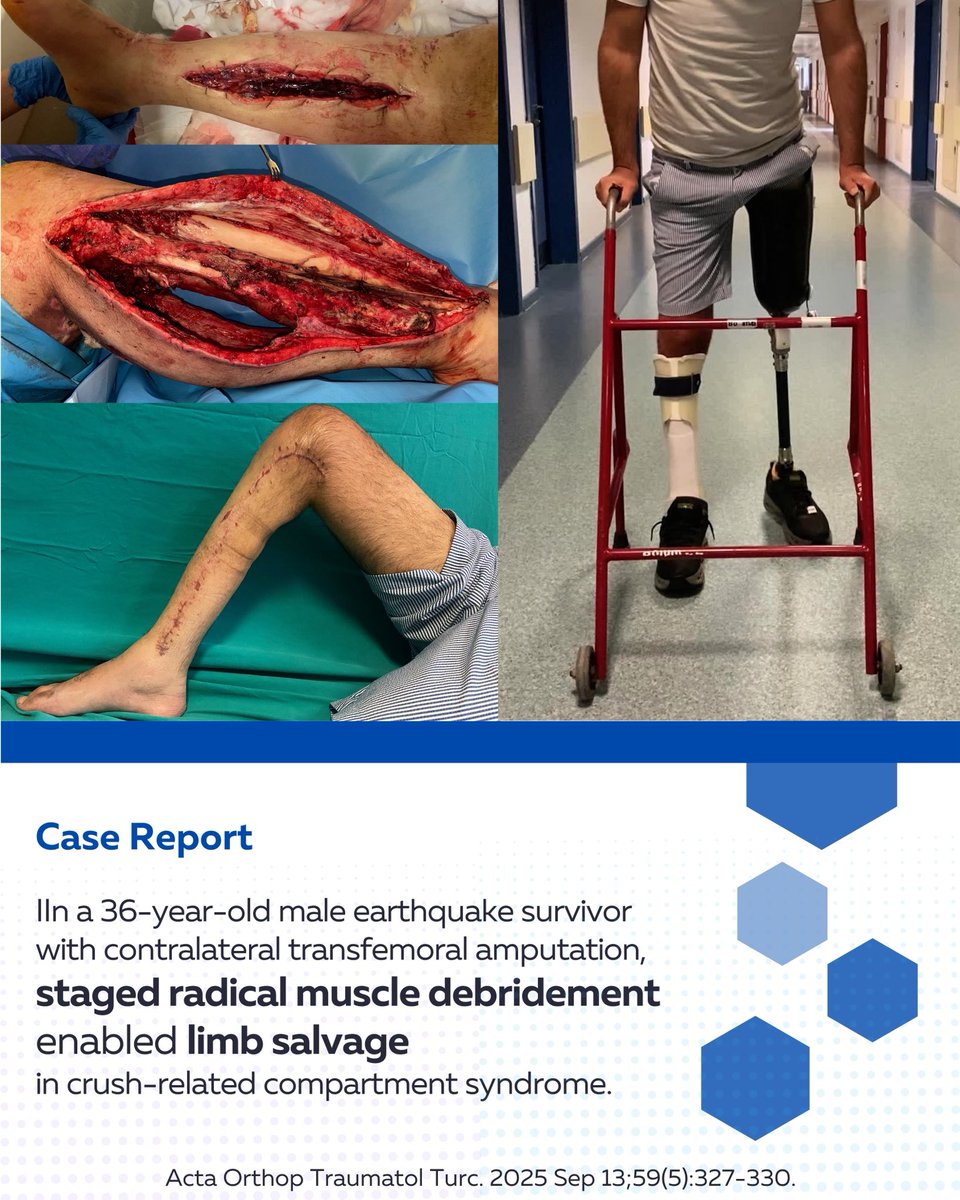
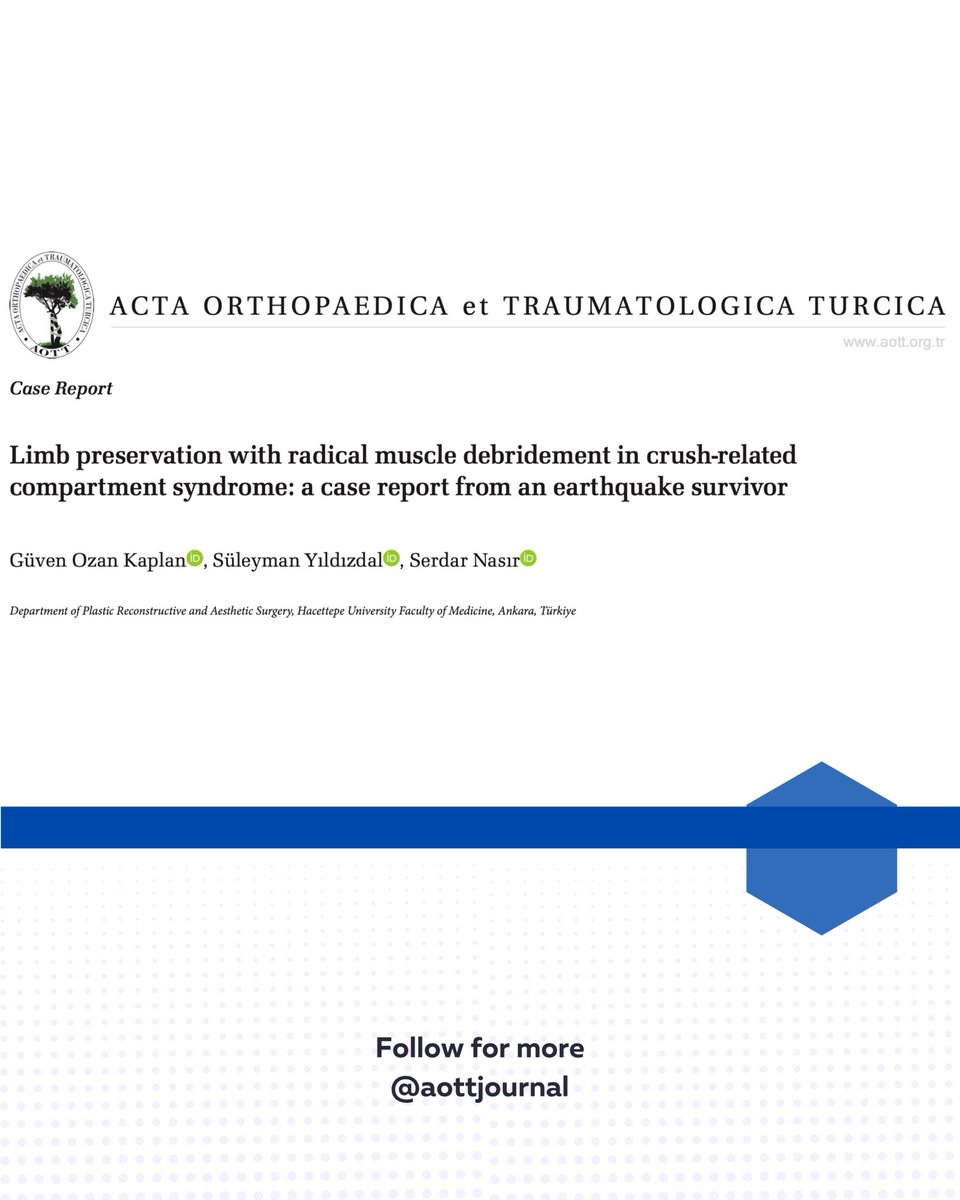
In a 36-year-old male earthquake survivor trapped under rubble for 37 hours and treated with contralateral transfemoral amputation, staged radical muscle debridement enabled limb salvage for crush-related compartment syndrome.
#LimbSalvage #CompartmentSyndrome #CrushInjury #Earthquake #DisasterMedicine
1
41
Mar 4
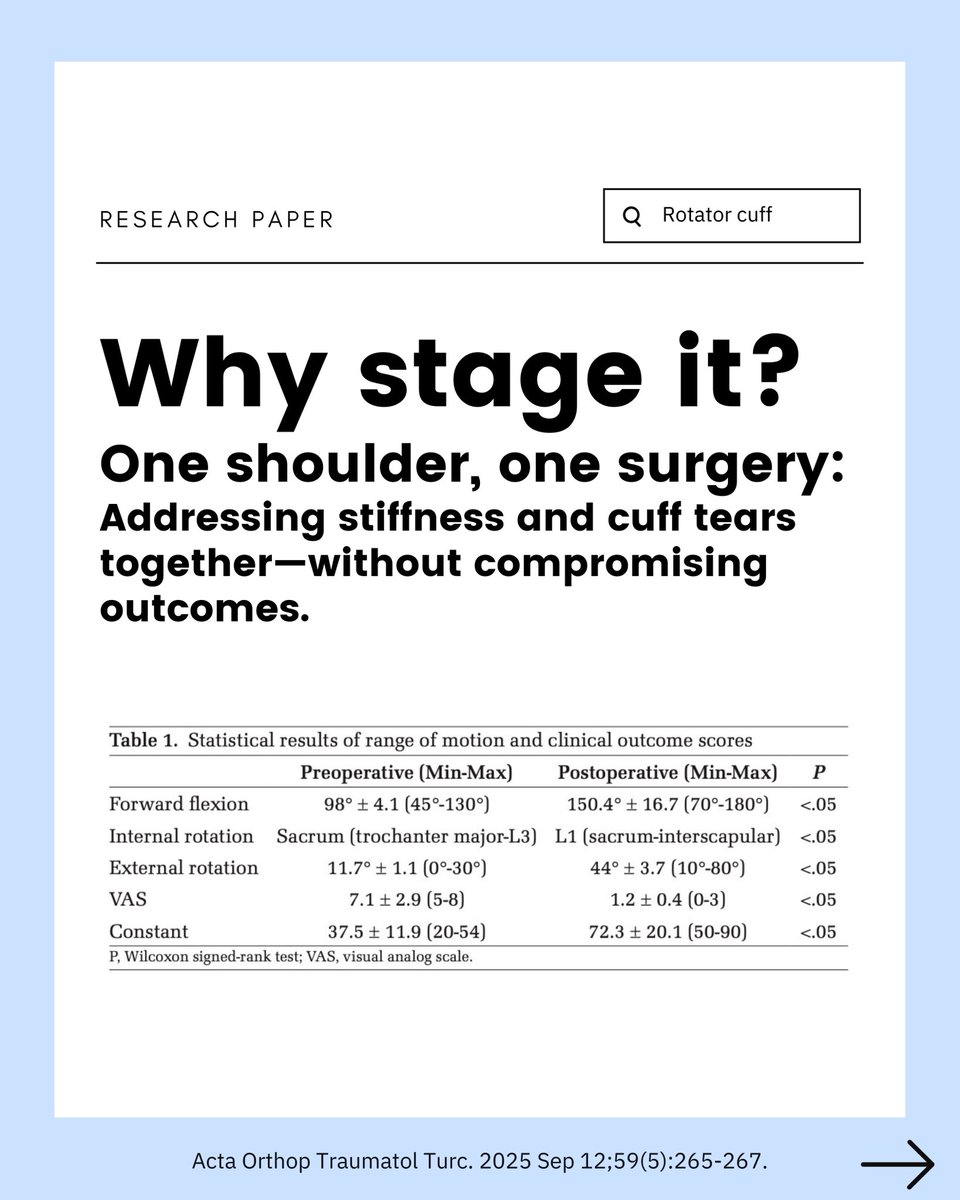
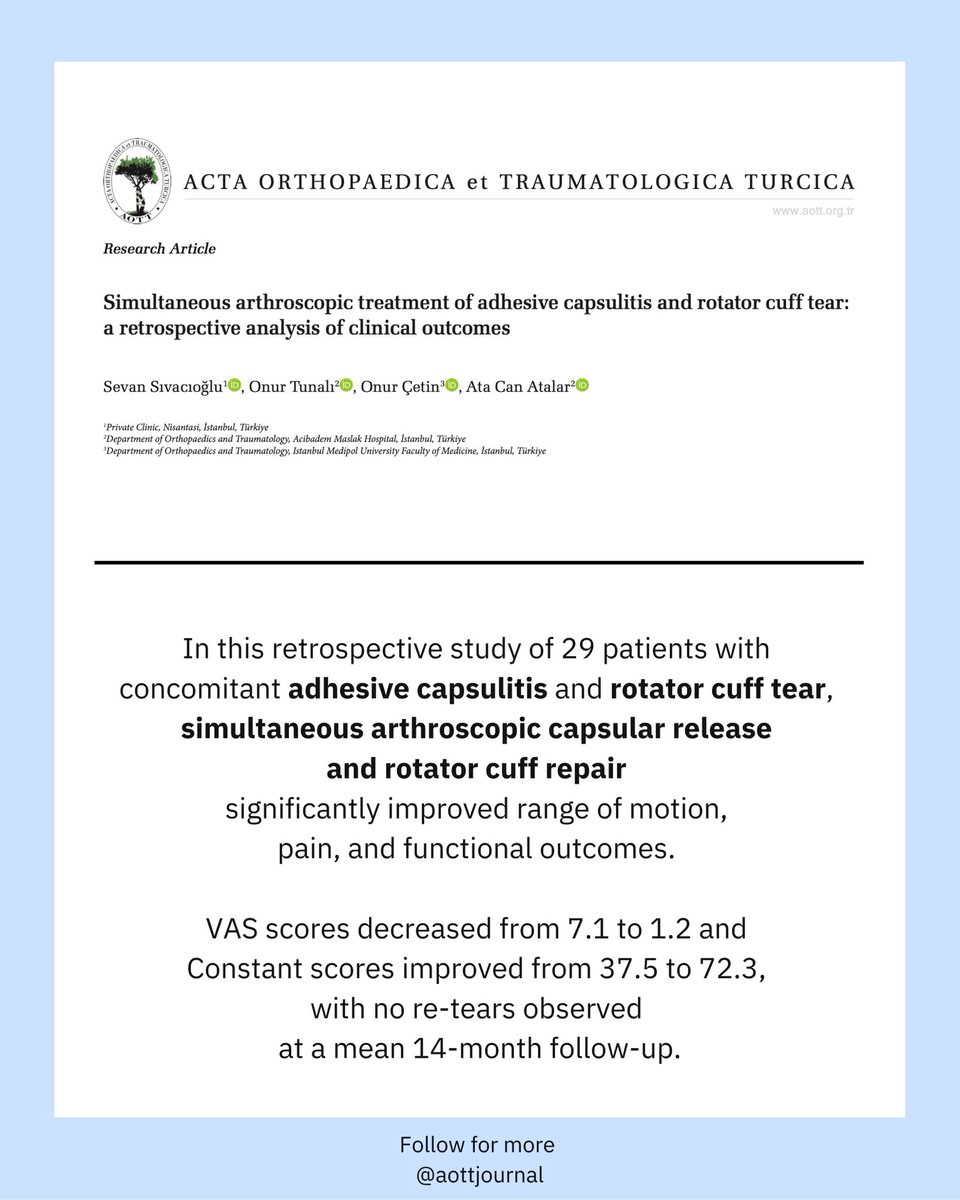
Simultaneous Arthroscopic Treatment of Adhesive Capsulitis & Rotator Cuff Tear
Managing stiffness and rotator cuff tears together has long been debated. Should we stage it—or treat both in one session?
This retrospective study demonstrates that simultaneous arthroscopic capsular release and
rotator cuff repair leads to significant improvements in ROM, pain, and functional outcomes—with no re-tears observed during follow-up.
🔹 VAS: 7.1 ➝ 1.2
🔹 Constant score: 37.5 ➝ 72.3
🔹 Low complication rate
Single anesthesia. Single hospitalization. Meaningful recovery.
#ShoulderSurgery #RotatorCuff #AdhesiveCapsulitis #Arthroscopy
20
Feb 20
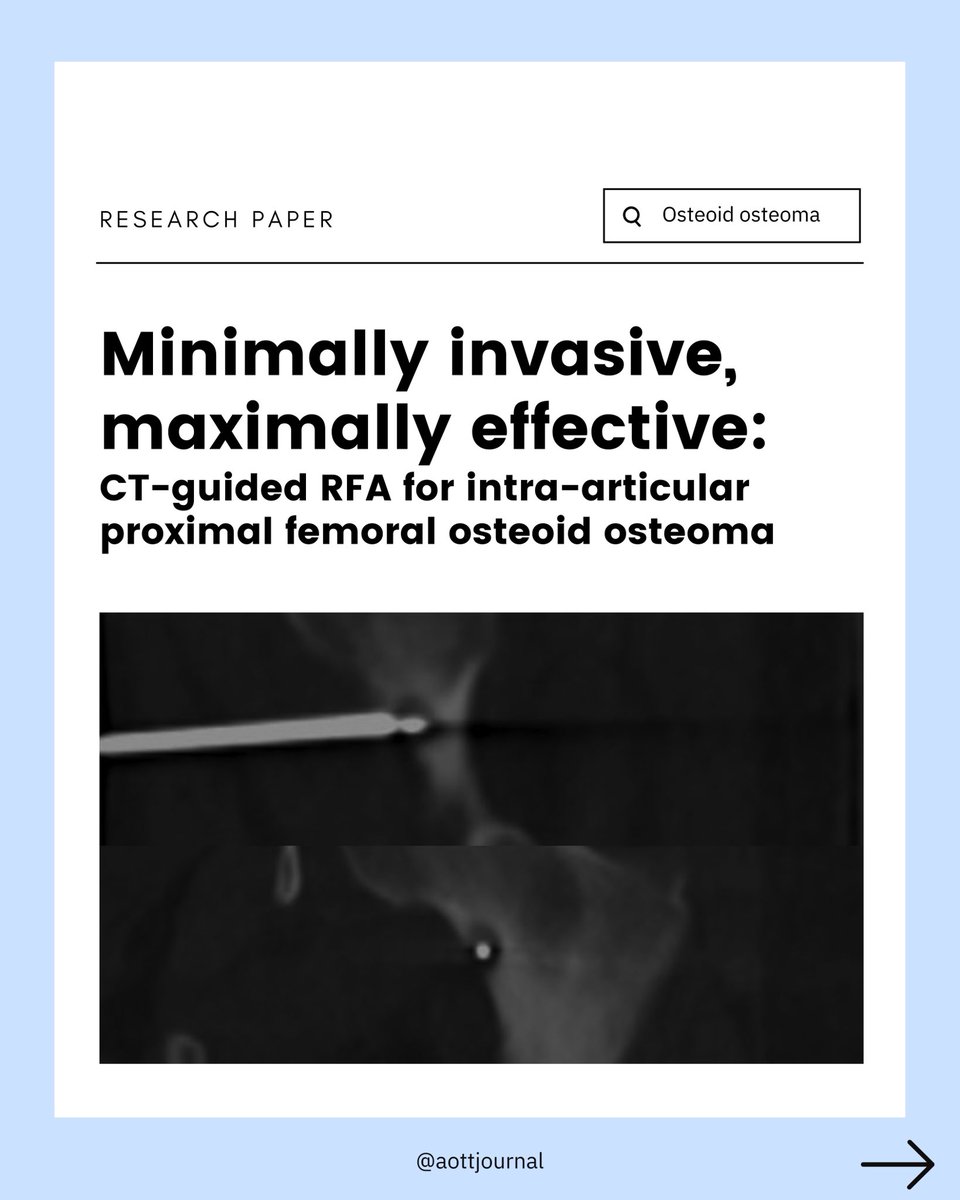
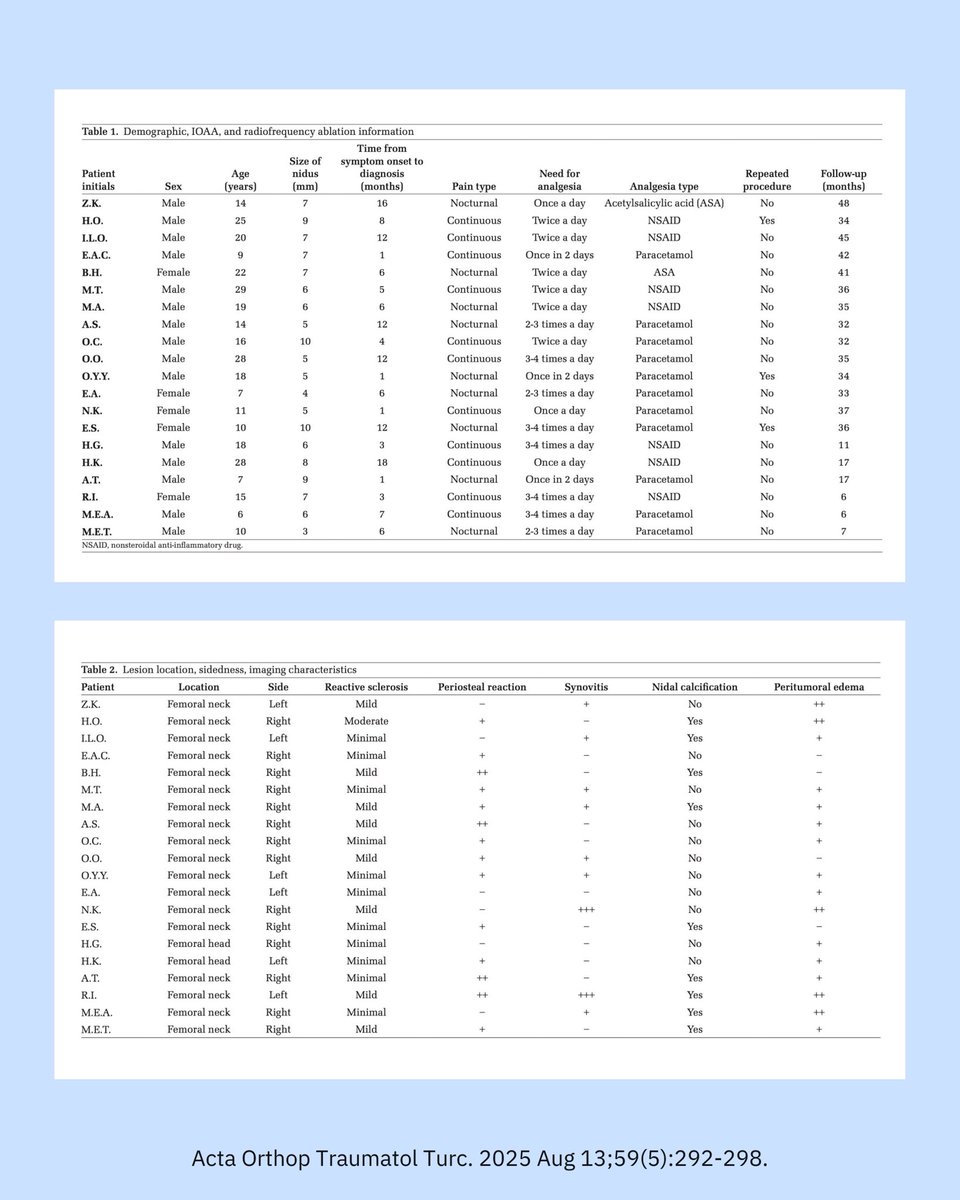
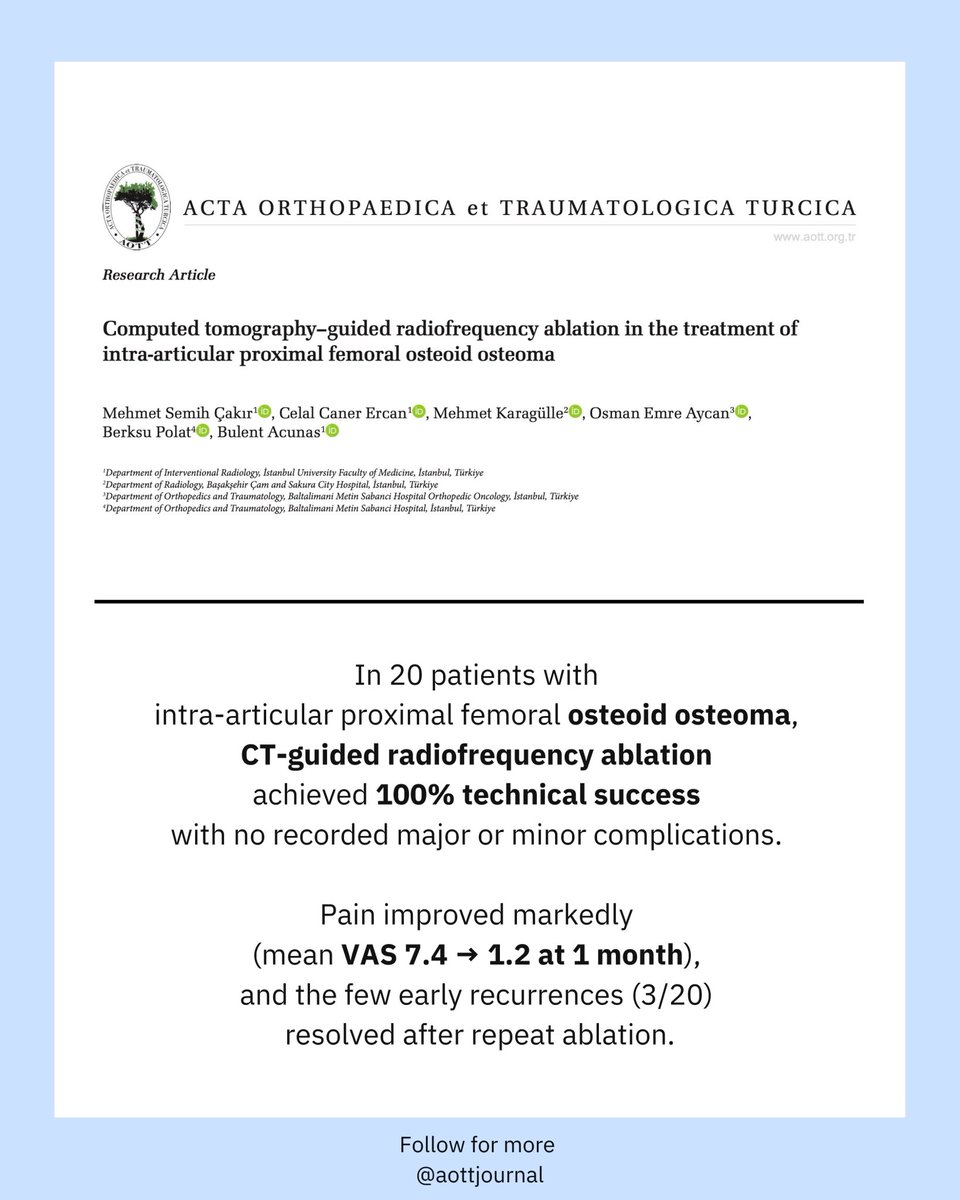
CT-guided RFA for intra-articular proximal femoral osteoid osteoma: 20-patient series with 100% technical success, no major/minor complications, and mean VAS 7.4→1.2 at 1 month. 3/20 needed repeat ablation → full success.
#OsteoidOsteoma #InterventionalRadiology #RFA
2
57
Jan 1
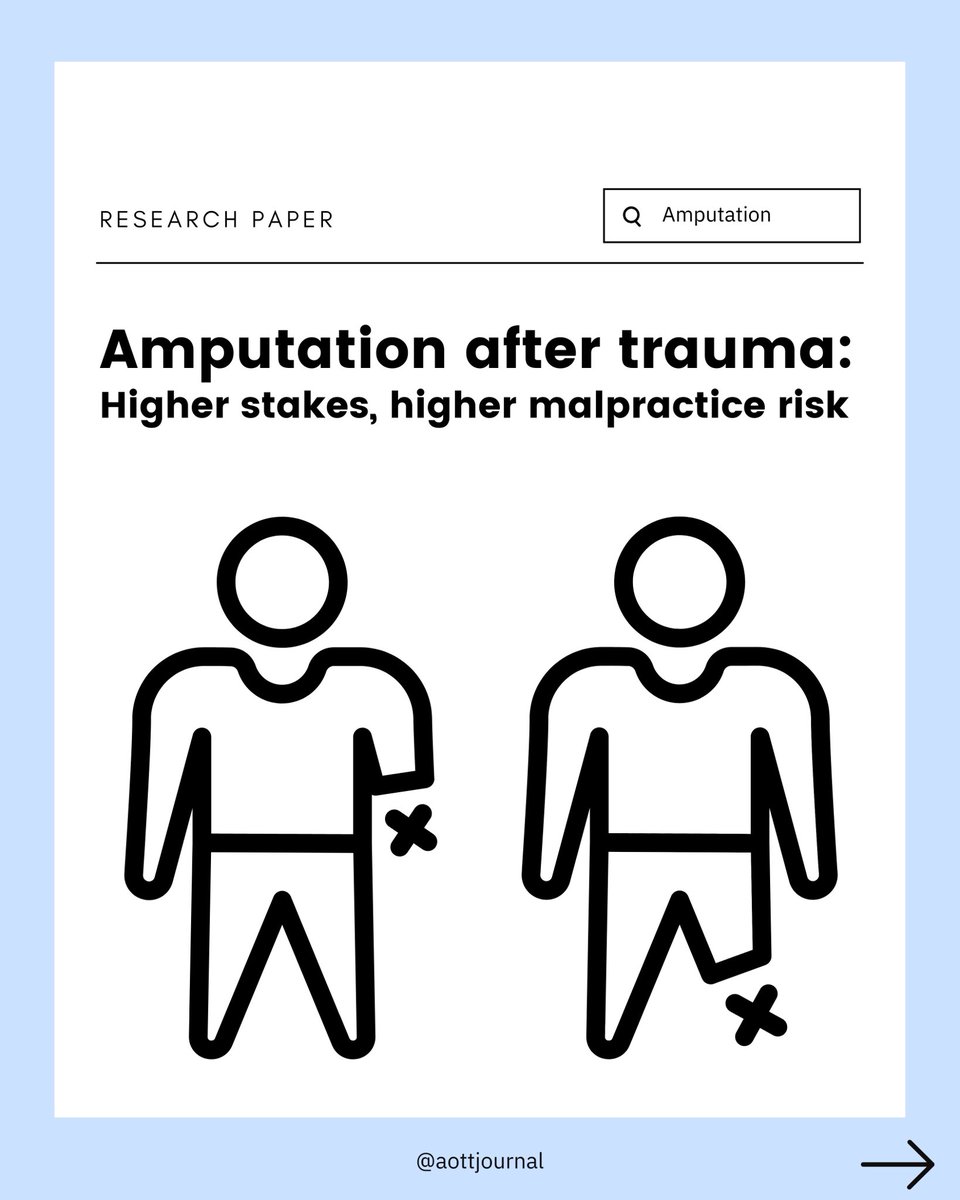
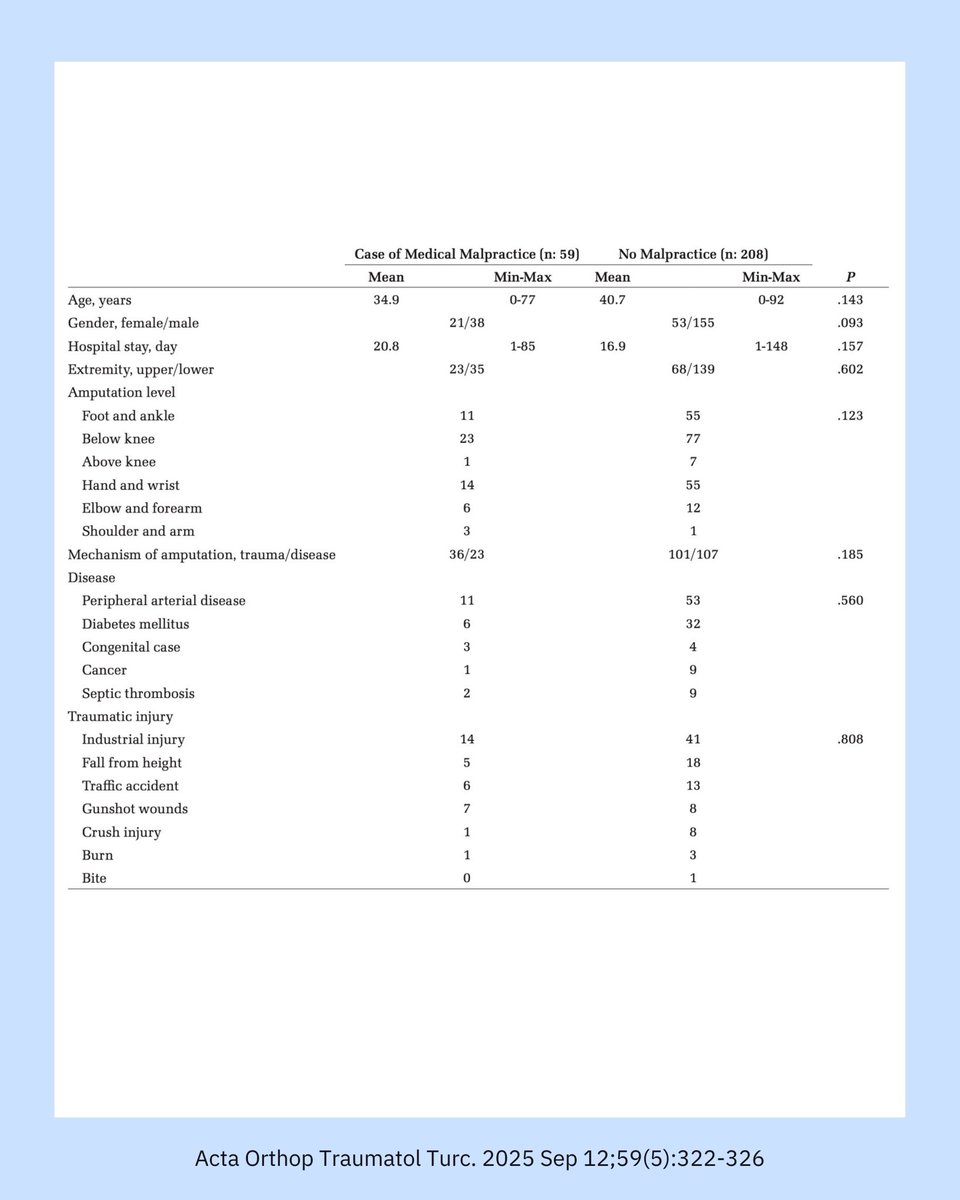
Extremity amputation is among the highest-stakes decisions in orthopedics—and the medico-legal data reflect that. In a review of 290 closed litigation cases, 59 (20.3%) were confirmed malpractice, with a higher malpractice prevalence in traumatic amputations and a significant association with postoperative complications.
Key takeaway: meticulous evaluation, timely decisions, clear informed consent, and thorough documentation matter—especially in trauma.
#Orthopedics #TraumaSurgery #Amputation #medicolegal

1
16
28 Dec 2025
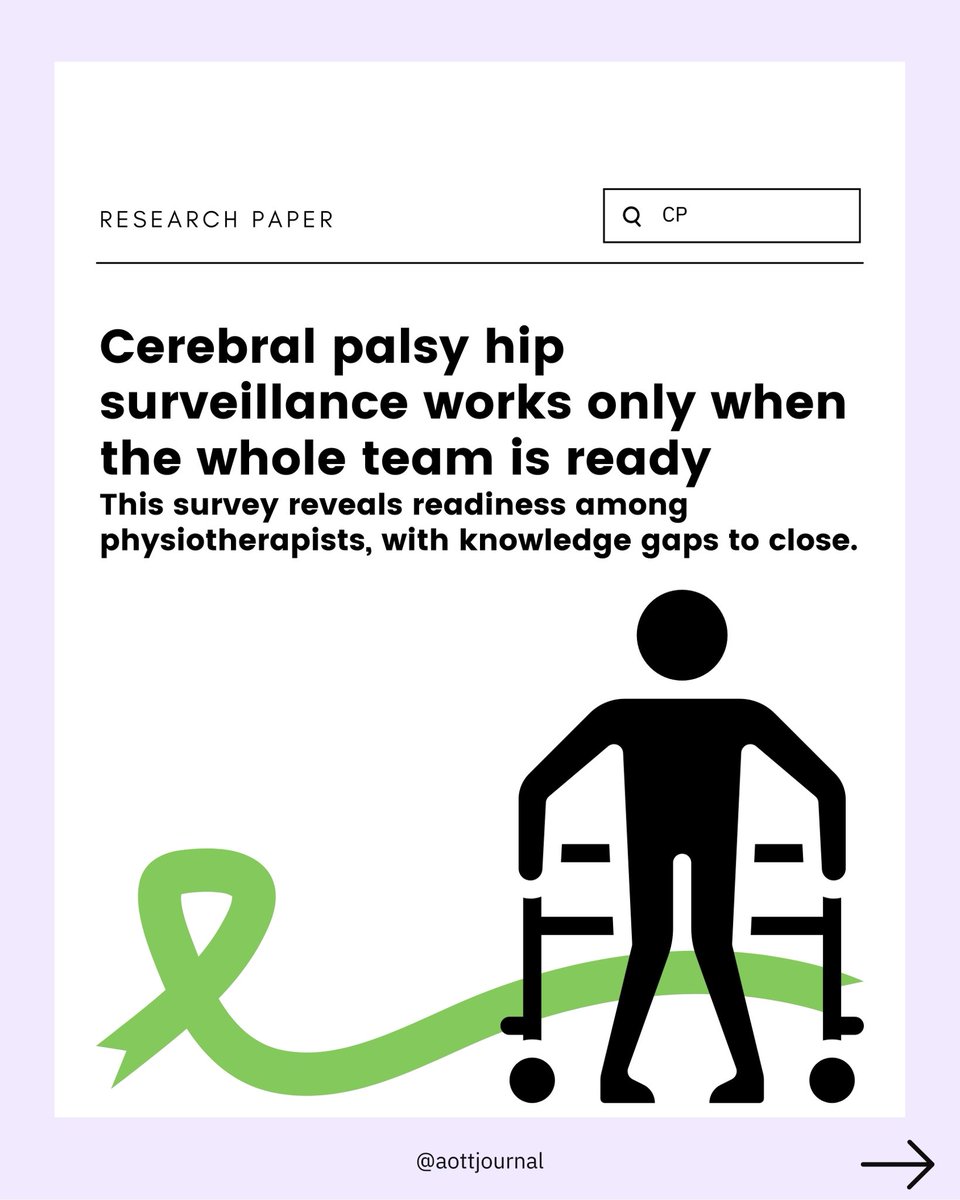
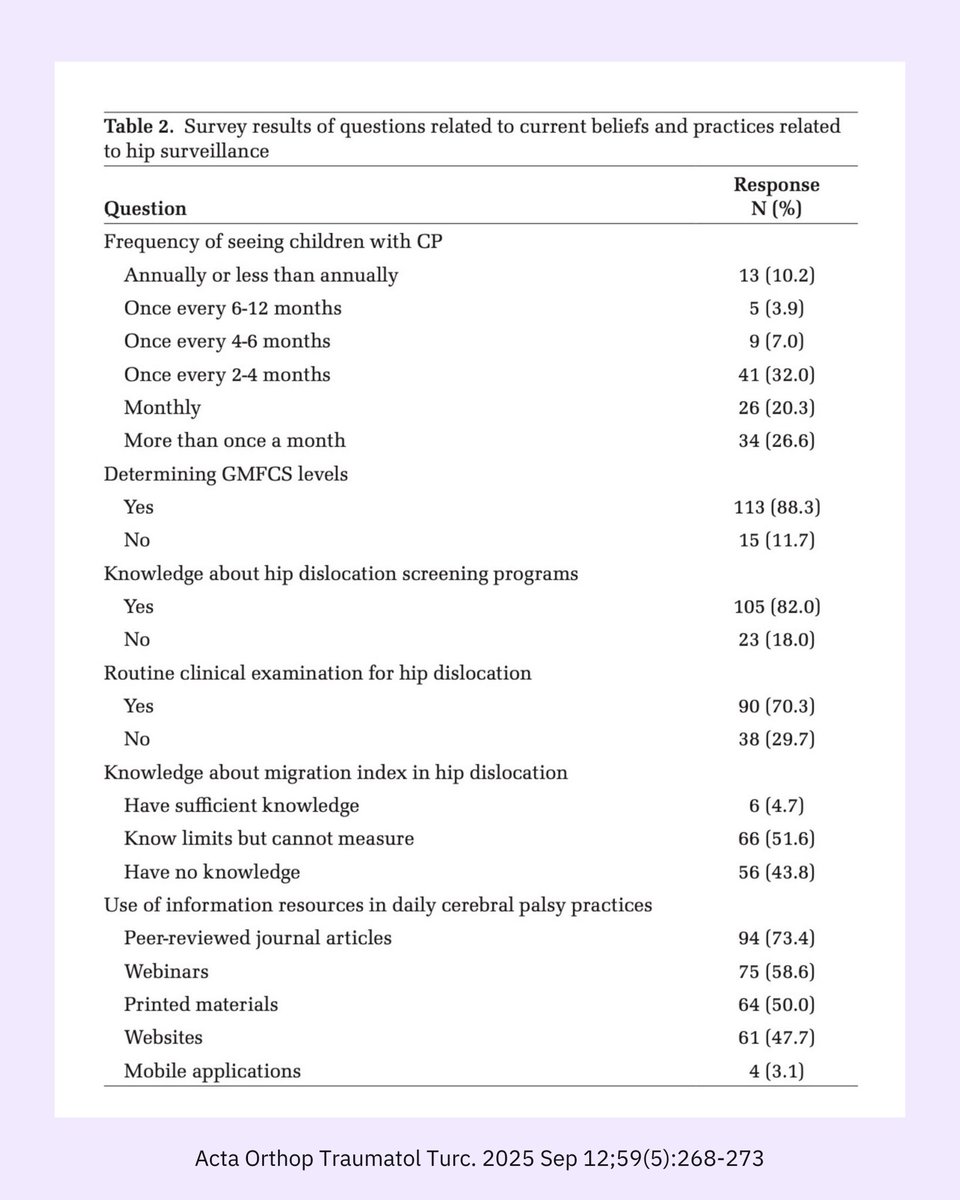
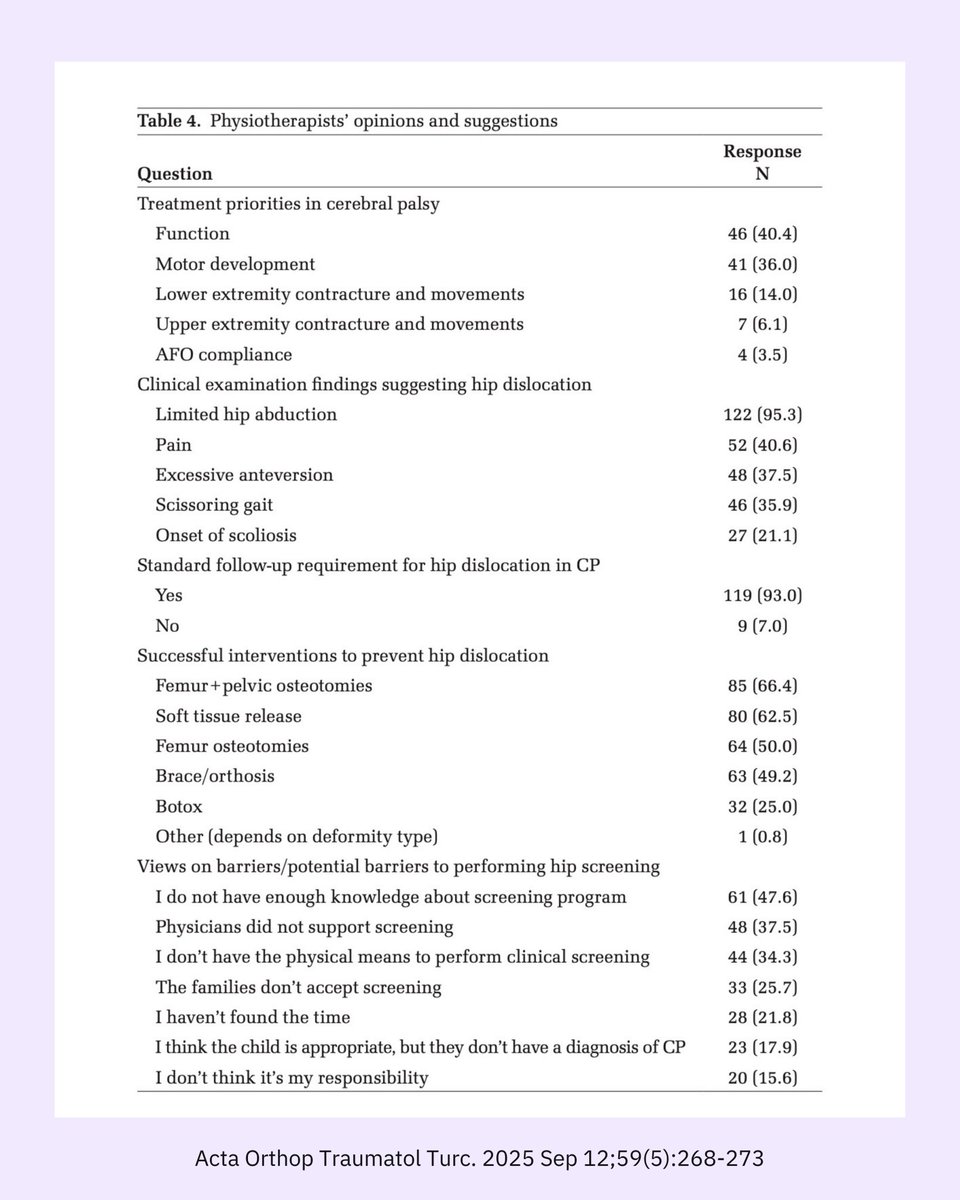
Hip surveillance in cerebral palsy (CP) depends on a well-prepared multidisciplinary team.
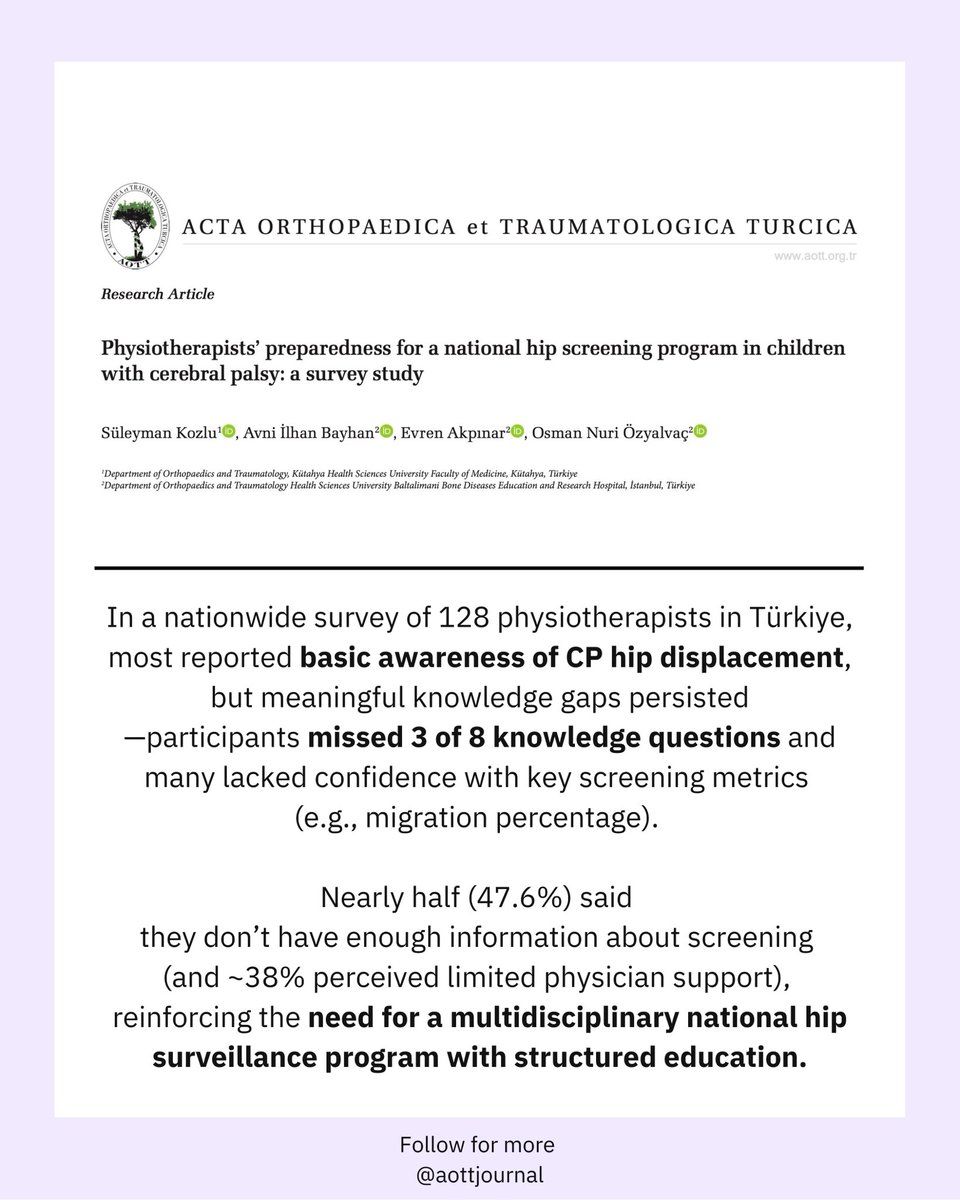
In this survey from Türkiye (n=128 physiotherapists), respondents reported baseline awareness of CP hip displacement, but notable gaps in screening knowledge and confidence remained (participants missed 3/8 knowledge questions; 47.6% reported insufficient information about screening). These findings highlight the value of targeted education and clearer multidisciplinary pathways when planning a national CP hip surveillance approach.
#CerebralPalsy #HipSurveillance #Physiotherapy #Rehabilitation #PediatricOrthopedics
13
17 Dec 2025
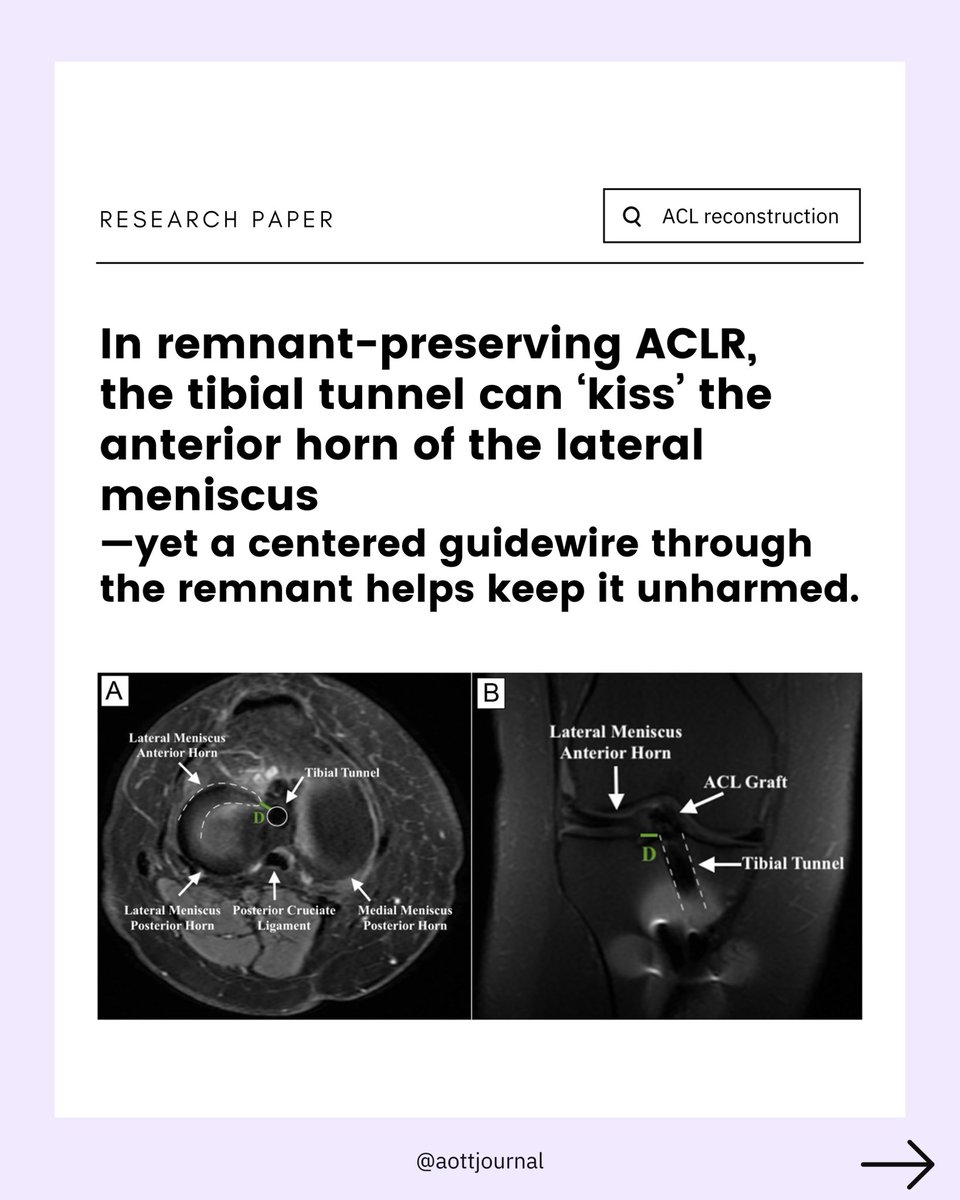
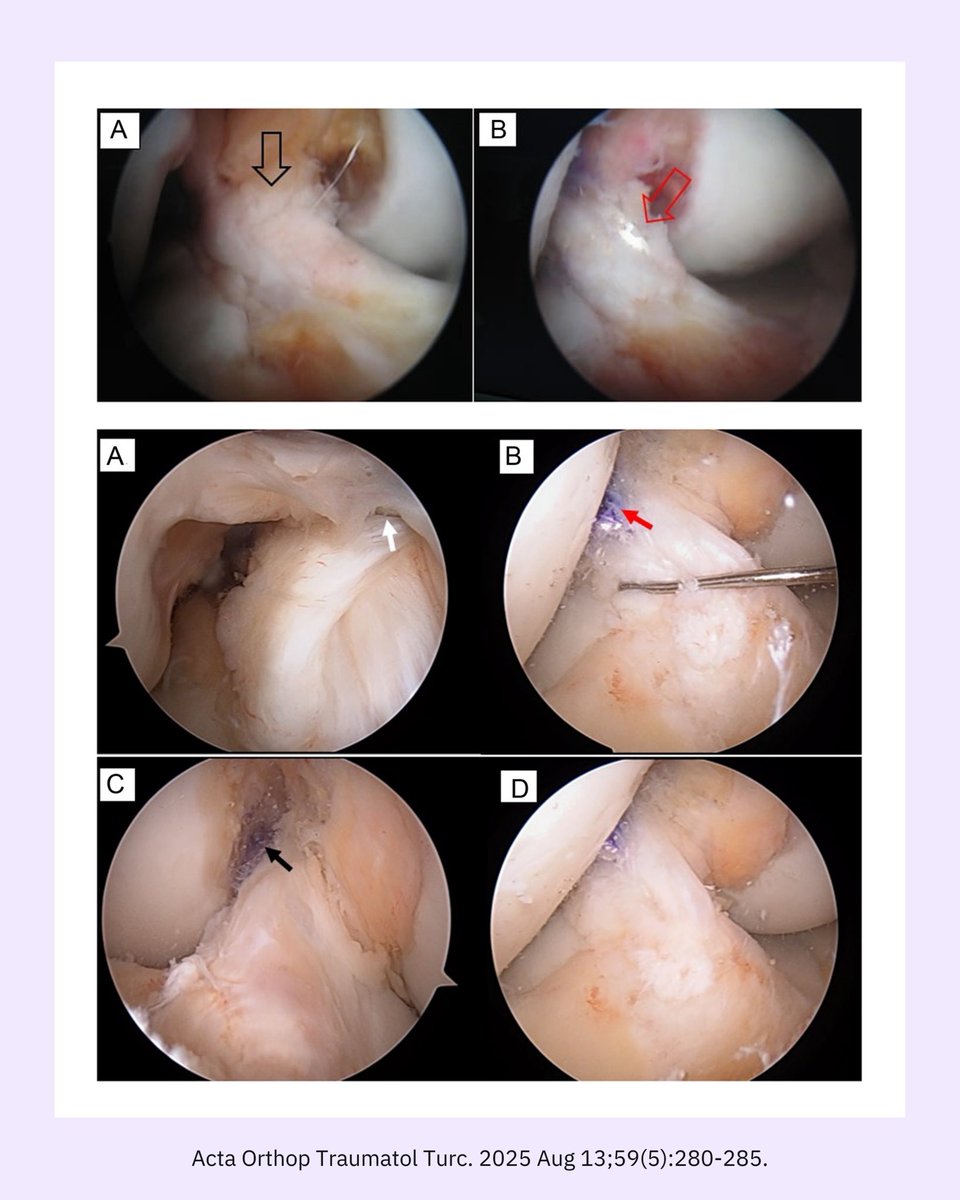
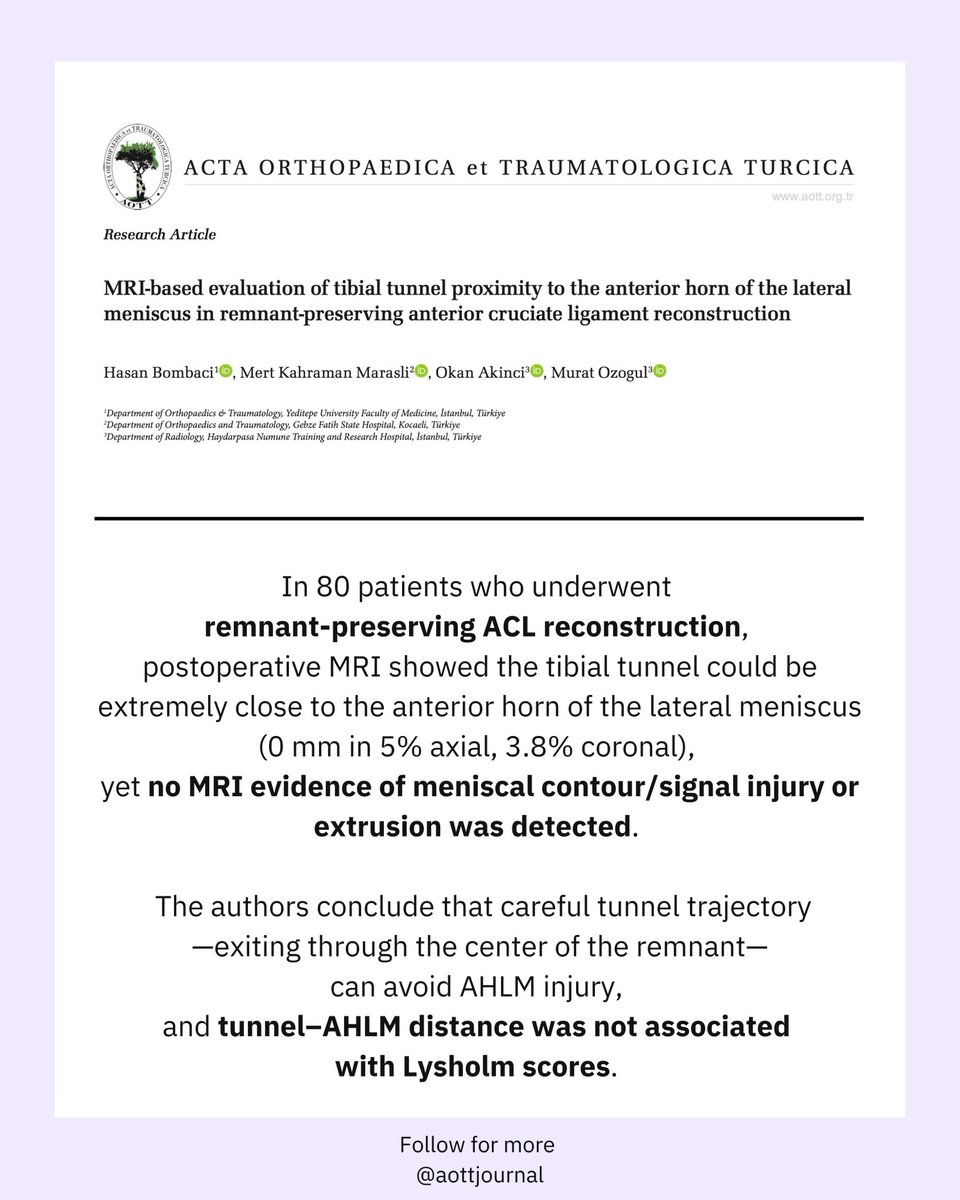
🦵 ACLR Surgical Pearl (MRI-based evidence): Protecting the AHLM in remnant-preserving technique
In a retrospective MRI study of 80 remnant-preserving ACL reconstructions, the tibial tunnel was sometimes extremely close to the anterior horn of the lateral meniscus—even 0mm (tangential) in 5% (axial) and 3.8% (coronal)—yet no MRI signs of meniscal injury,
deformation, complex tear, or extrusion were observed.
✅ Take-home: When performing RP-ACLR, meticulous guidewire positioning so it exits through the center of the remnant may help avoid AHLM injury.
📌 Mean nearest distances: ~3.56 mm (axial) and ~3.60 mm (coronal) with excellent measurement reliability.
1
14
11 Dec 2025
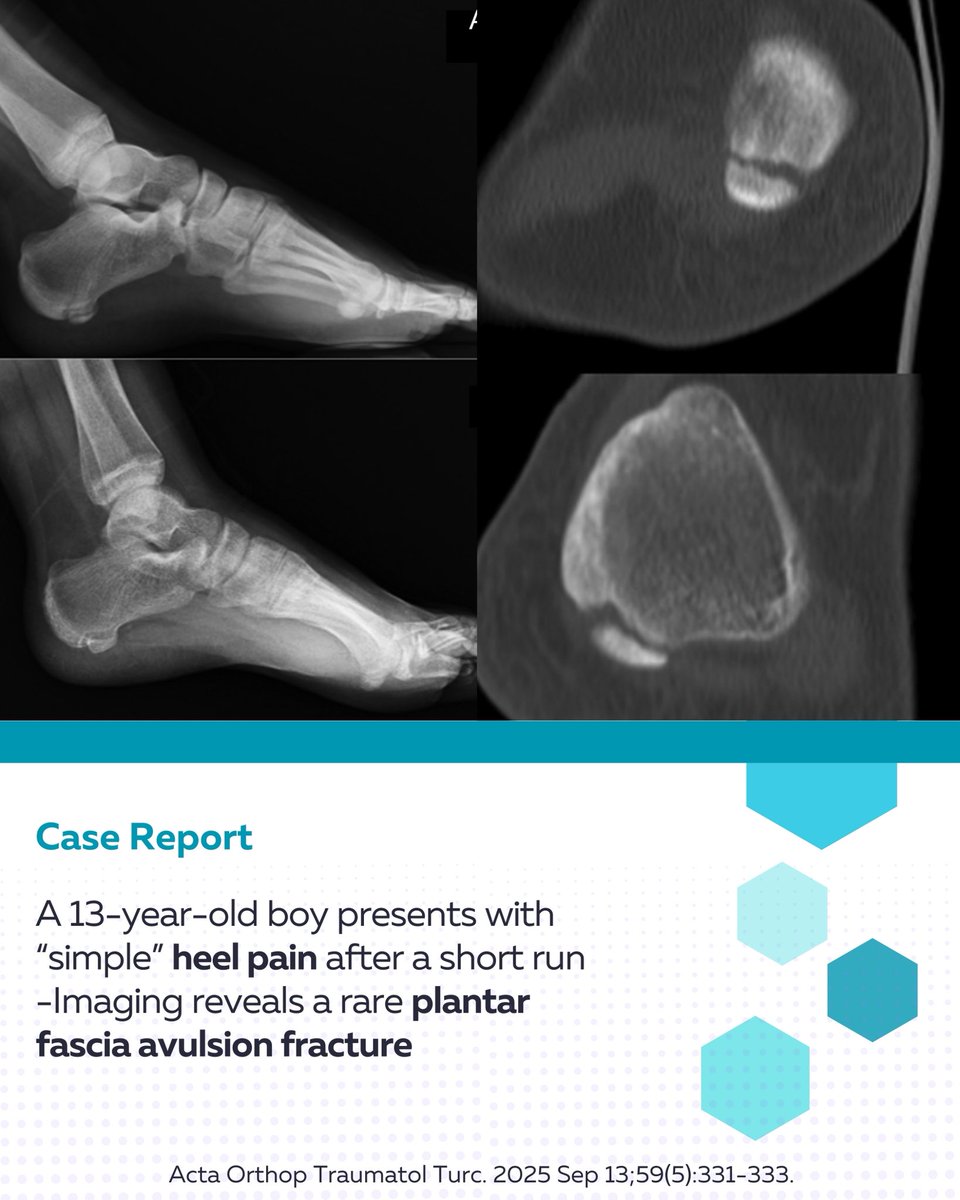
A 13-year-old boy presented with sudden heel pain after a simple run—imaging revealed a rare plantar fascia avulsion fracture of the calcaneus. Managed nonoperatively with immobilization and gradual rehab, he achieved full recovery and returned to sports without symptoms.
This case reminds clinicians to look beyond “simple” heel pain and consider bony avulsions at the plantar fascia insertion in active adolescents.
1
7
26 Oct 2025
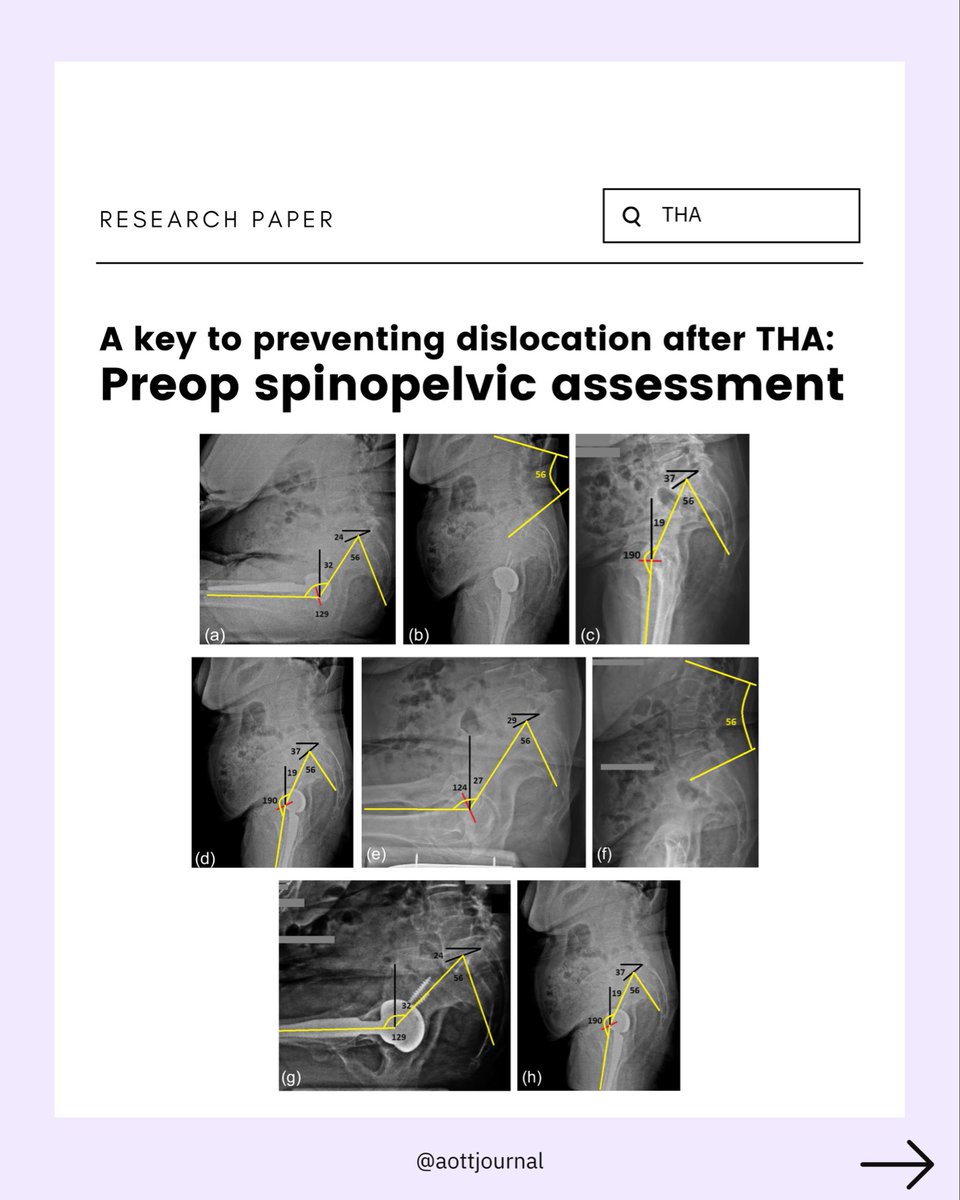
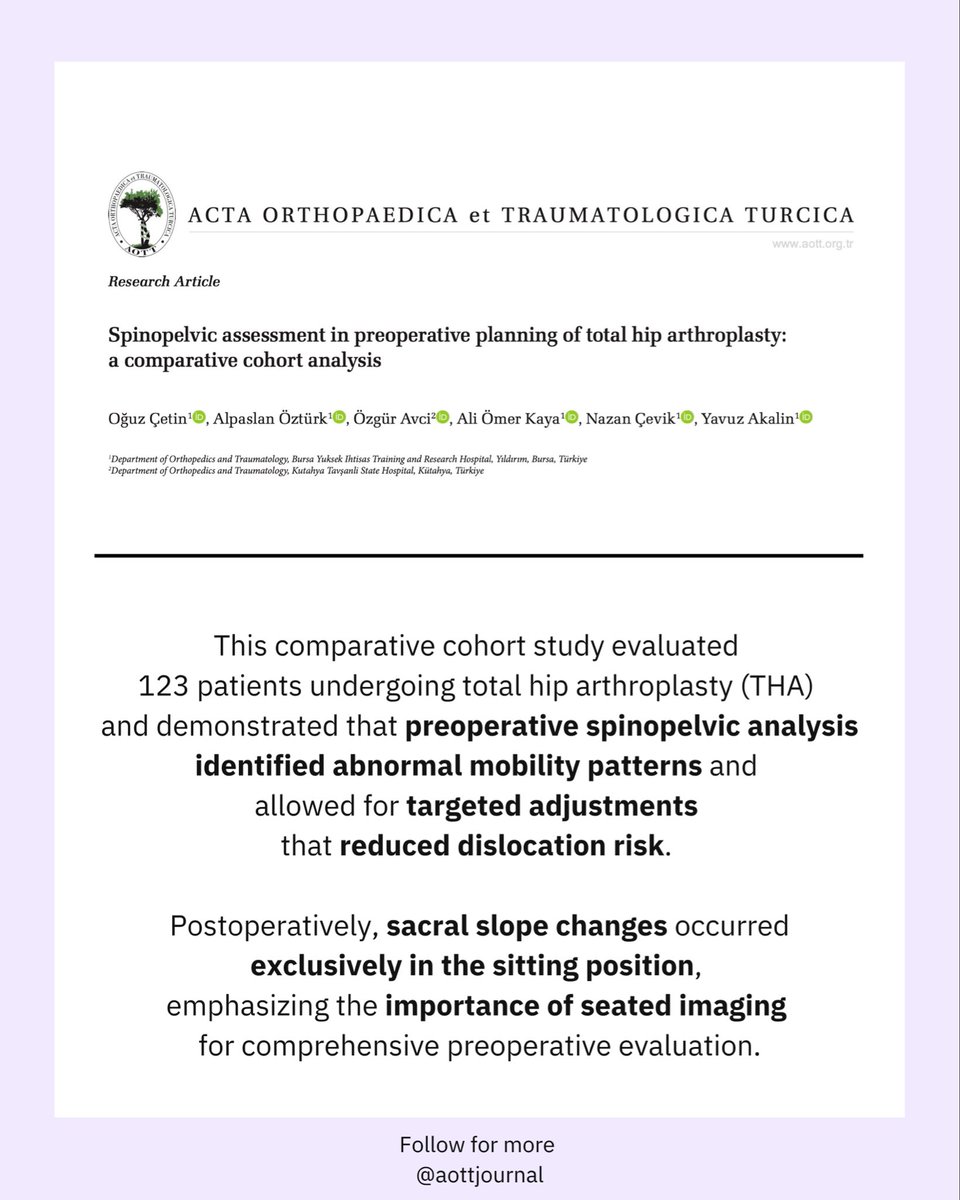
Can careful preoperative imaging prevent dislocation after total hip arthroplasty?
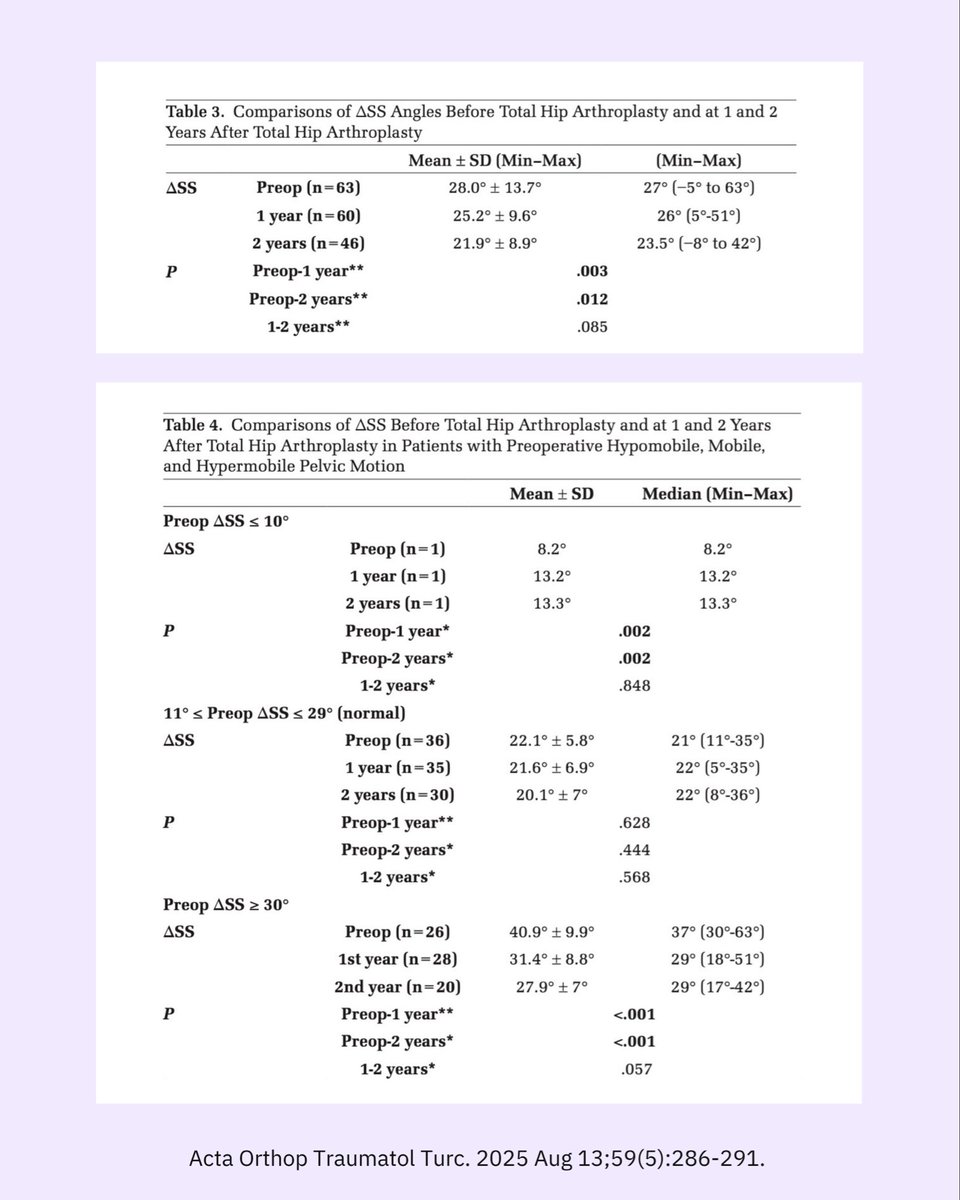
This cohort study shows that analyzing spinopelvic motion before surgery helps identify abnormal mobility patterns and allows surgeons to tailor acetabular component placement—potentially avoiding dislocations altogether.
‼️Sitting sacral slope changed significantly after THA - Highlights the need for seated radiographs in preoperative planning
#Orthopedics #THA #Radiograph #HipArthroplasty #SpinopelvicBalance #AOTT
#ClinicalDecisionMaking #THA
55
22 Oct 2025
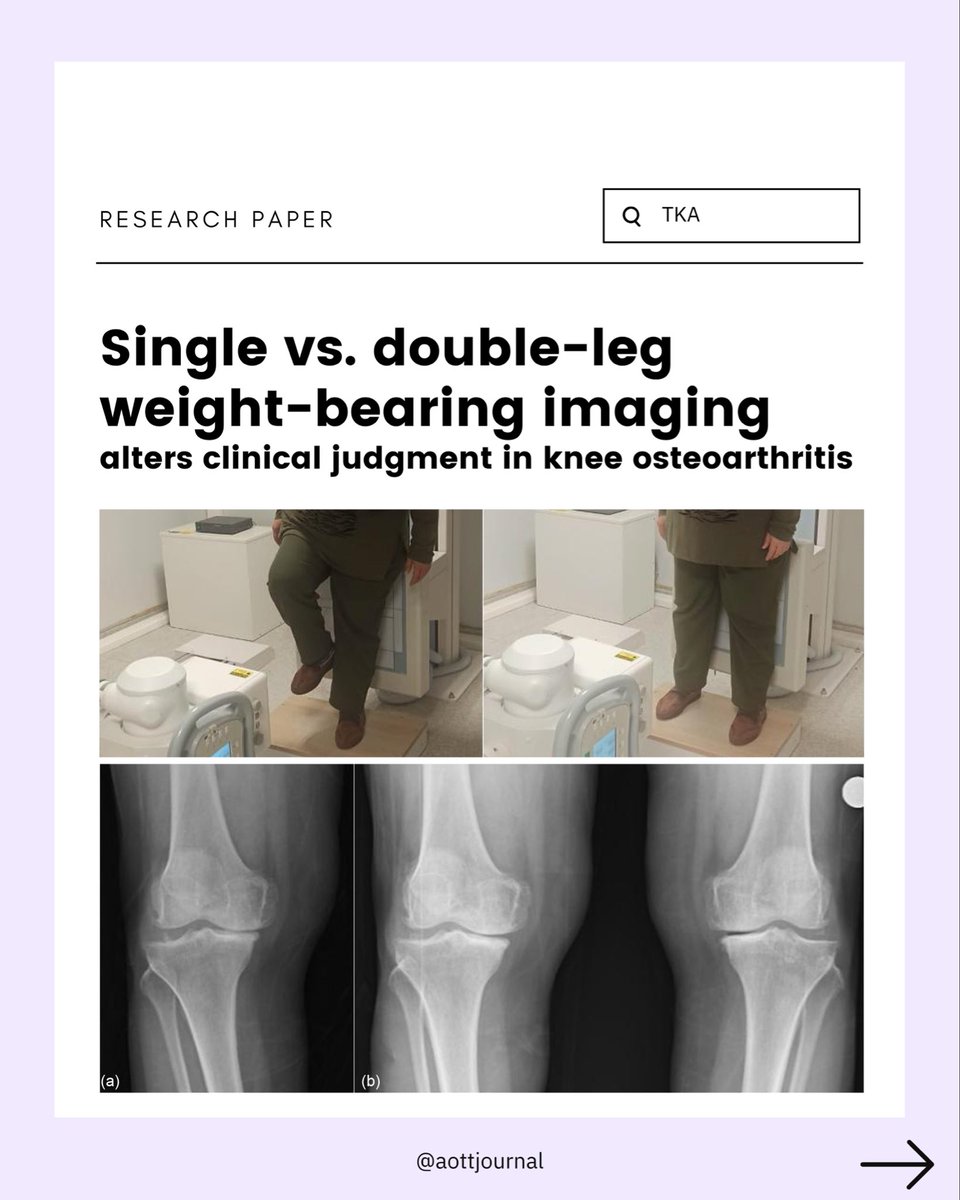
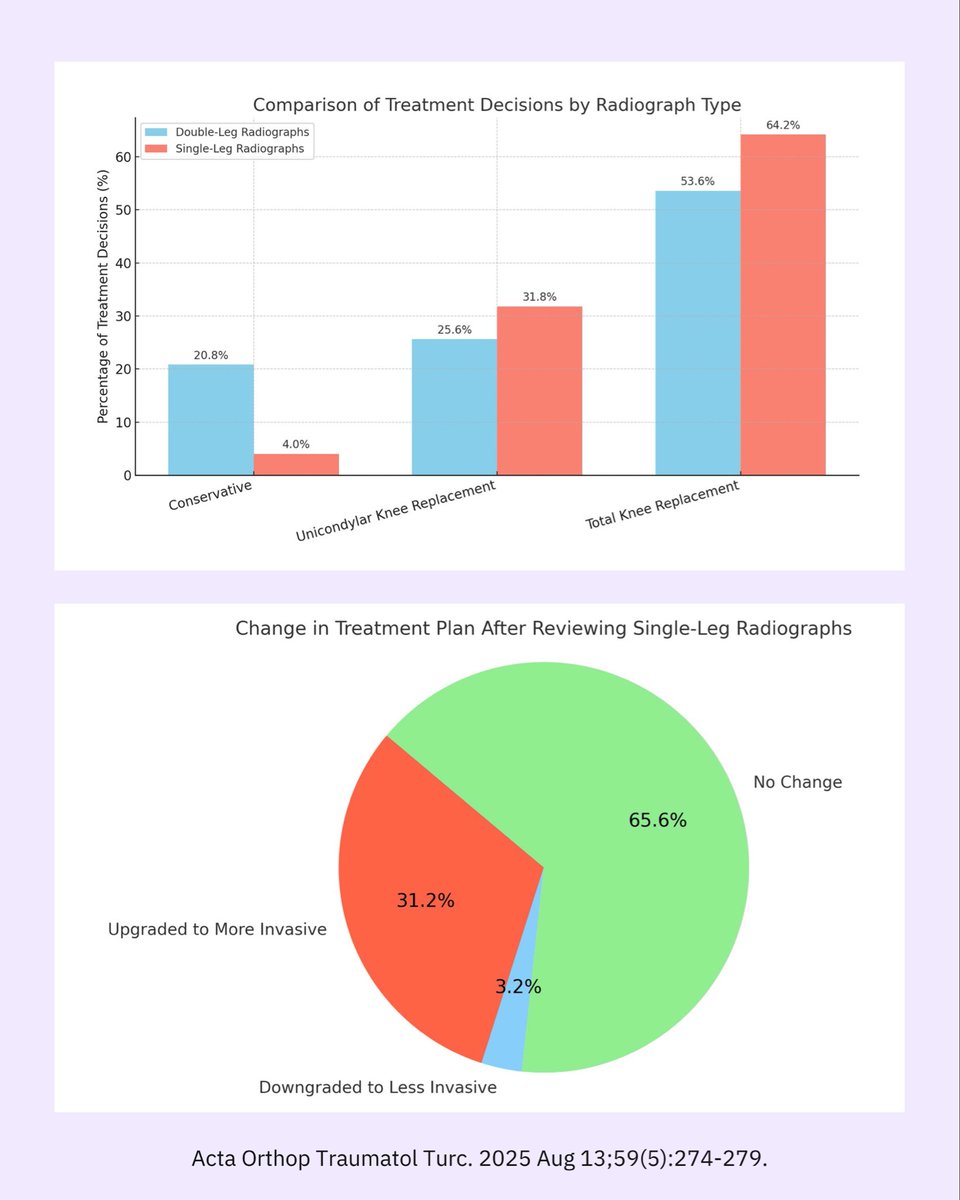
How much can the choice between single-leg and double-leg weight-bearing radiographs change surgical decisions?
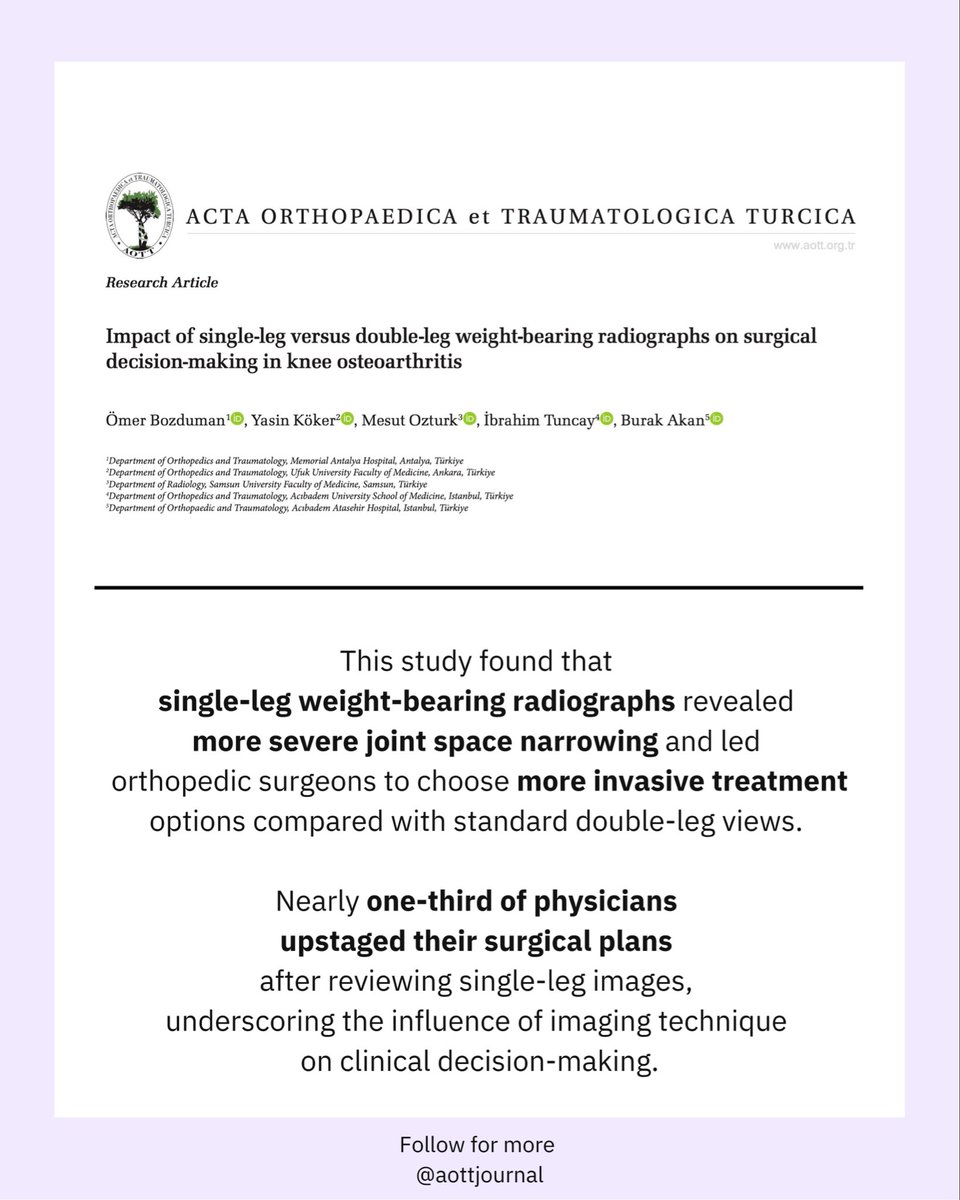
This study compared single-leg and double-leg weight-bearing radiographs in patients with knee osteoarthritis and found that single-leg images often revealed greater joint space narrowing—prompting more aggressive surgical recommendations.
‼️31% of surgeons changed their plans after seeing single-leg X-rays
#Orthopedics #KneeOA #TKA #Radiograph #Radiology #Arthroplasty #AOTT
#ClinicalDecisionMaking
45
17 Oct 2025
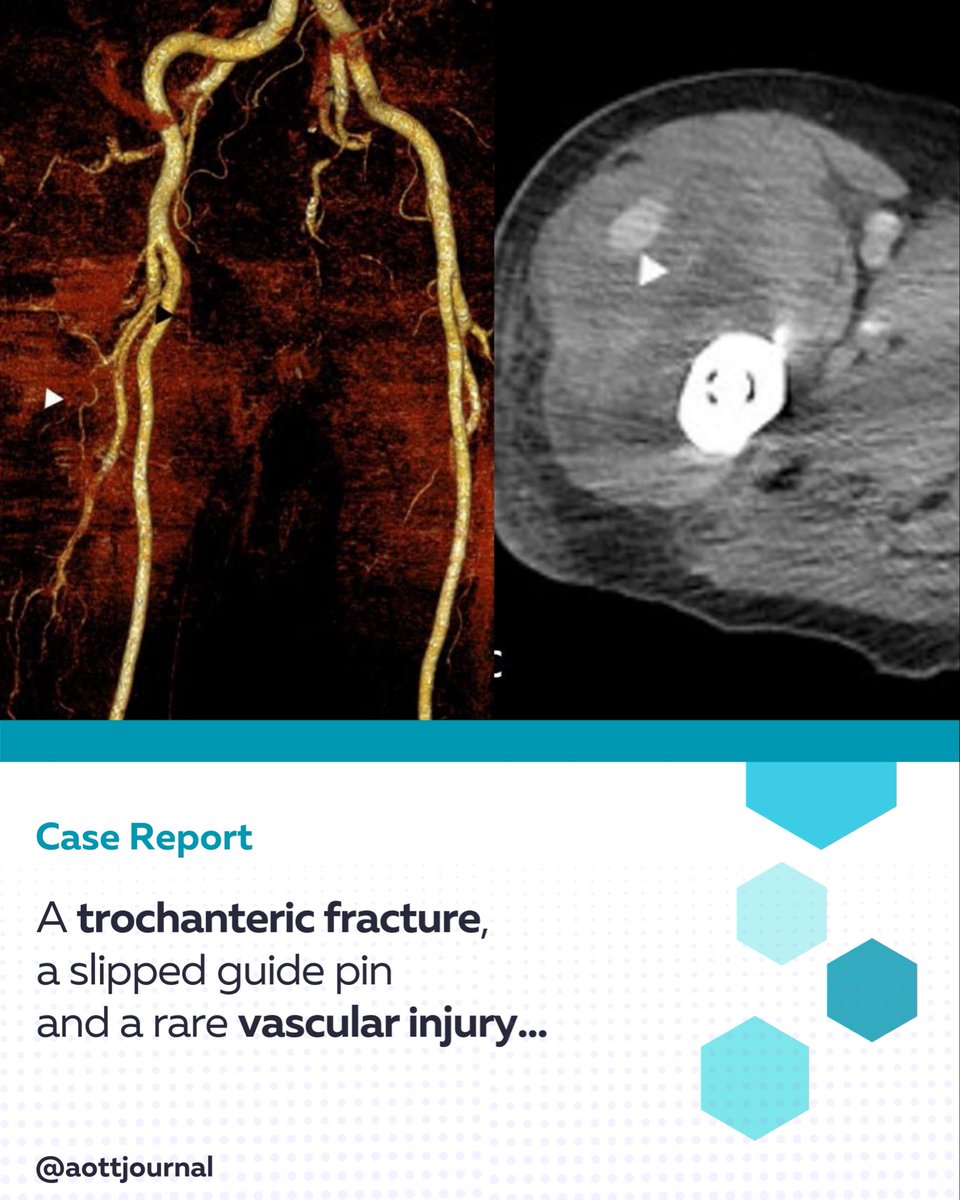
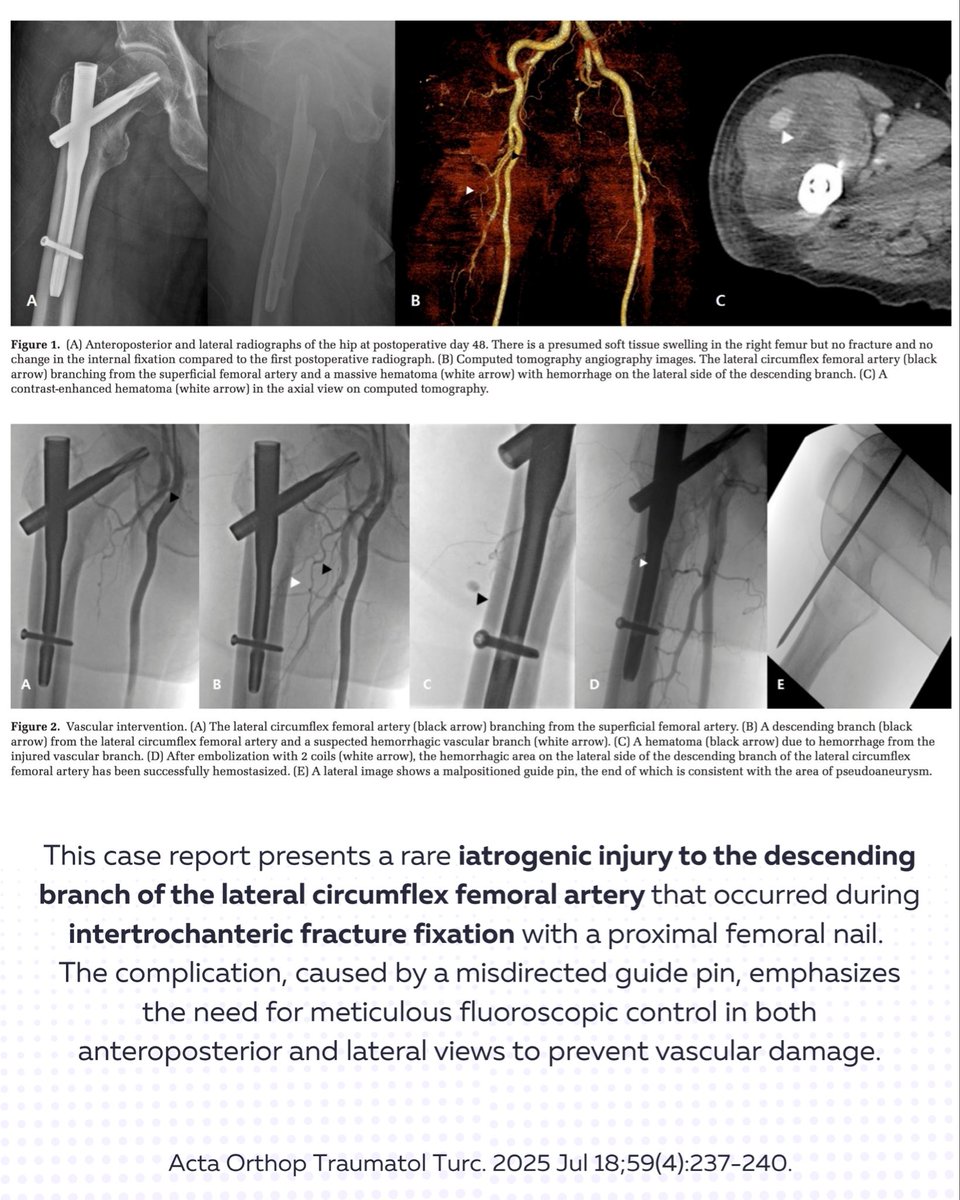
A rare but serious vascular complication can follow trochanteric fracture fixation.
This case report describes an iatrogenic injury to the descending branch of the lateral circumflex femoral artery after a guide pin slipped during hip nailing — successfully treated with embolization.
#Orthopedics #TrochantericFracture #HipFracture #VascularInjury #CaseReport
1
2
110
5 Oct 2025
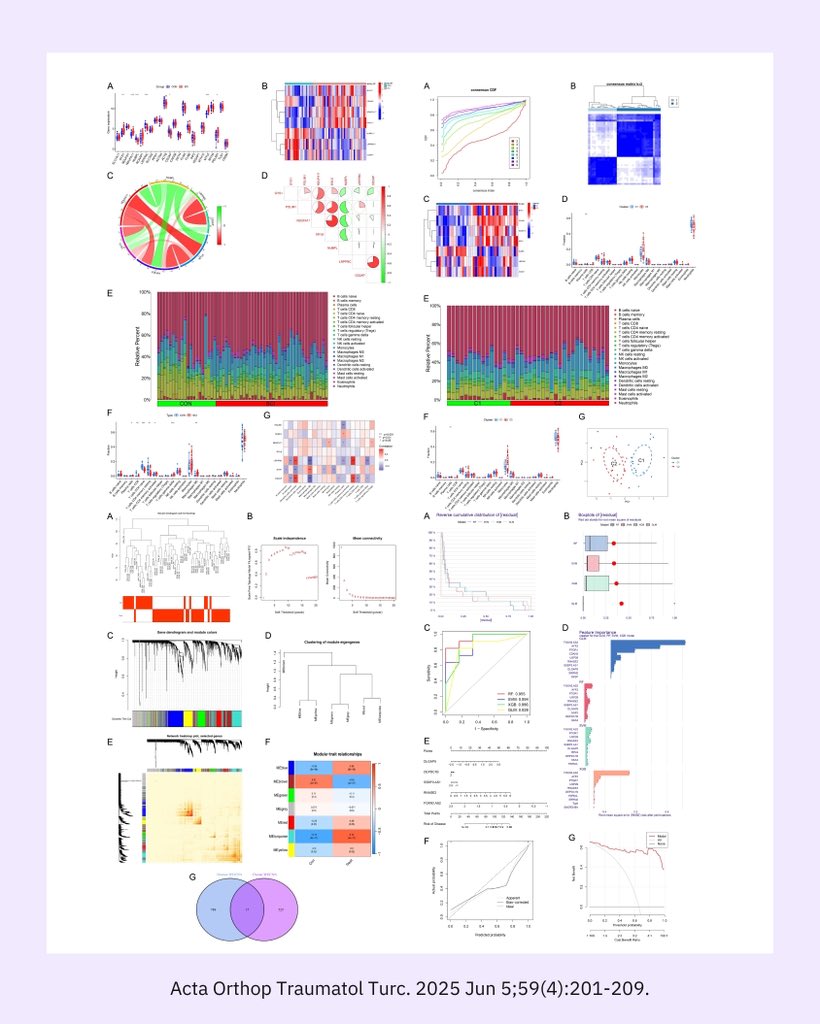
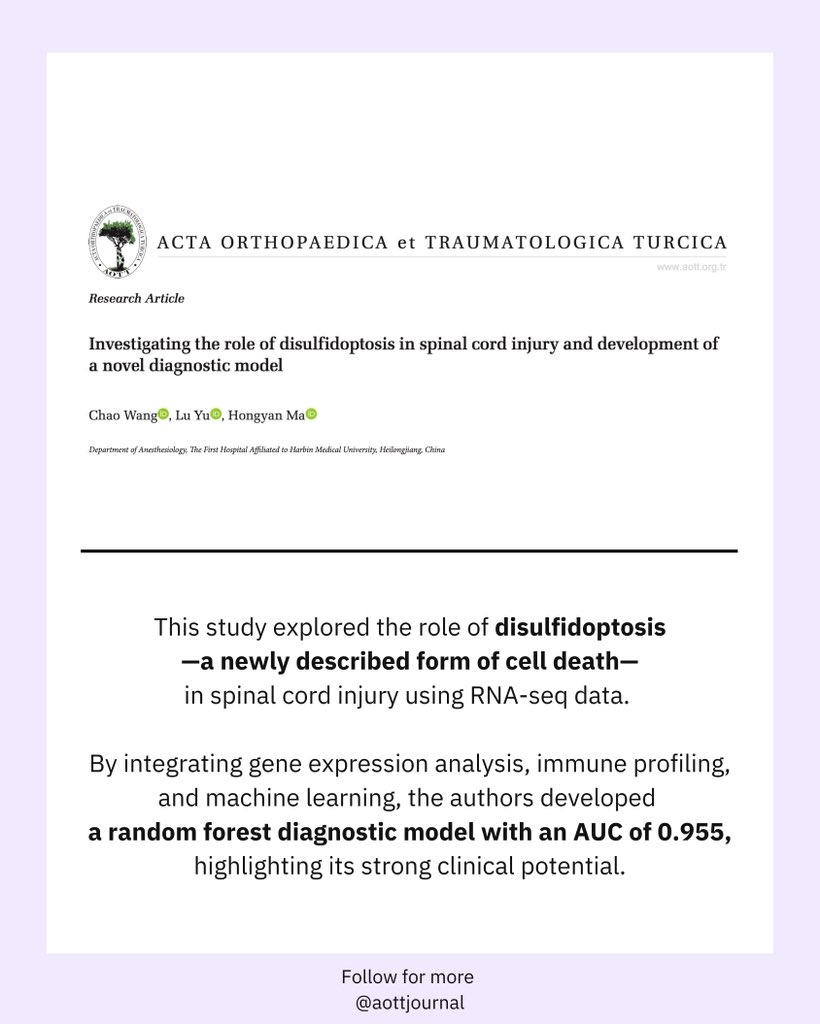
Could a new form of cell death explain spinal cord injury better?
This study investigated disulfidoptosis in SCI and built a machine learning diagnostic model that reached an impressive AUC of 0.955. A step toward precision diagnostics and novel therapeutic insights.
#SpinalCordInjury #Neuroscience #Disulfidoptosis #AIinMedicine
1
39
27 Sep 2025
New in Acta Orthopaedica et Traumatologica Turcica:
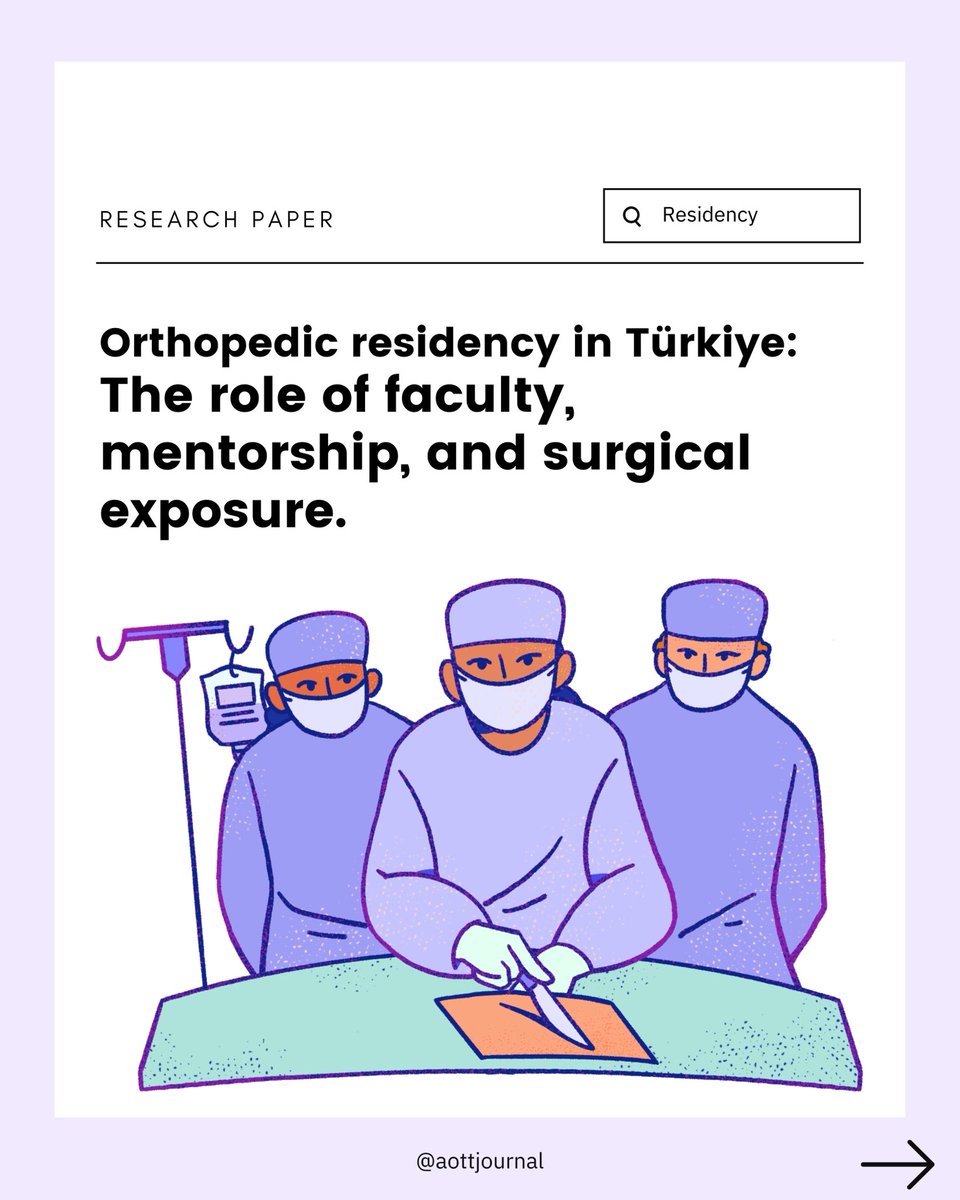
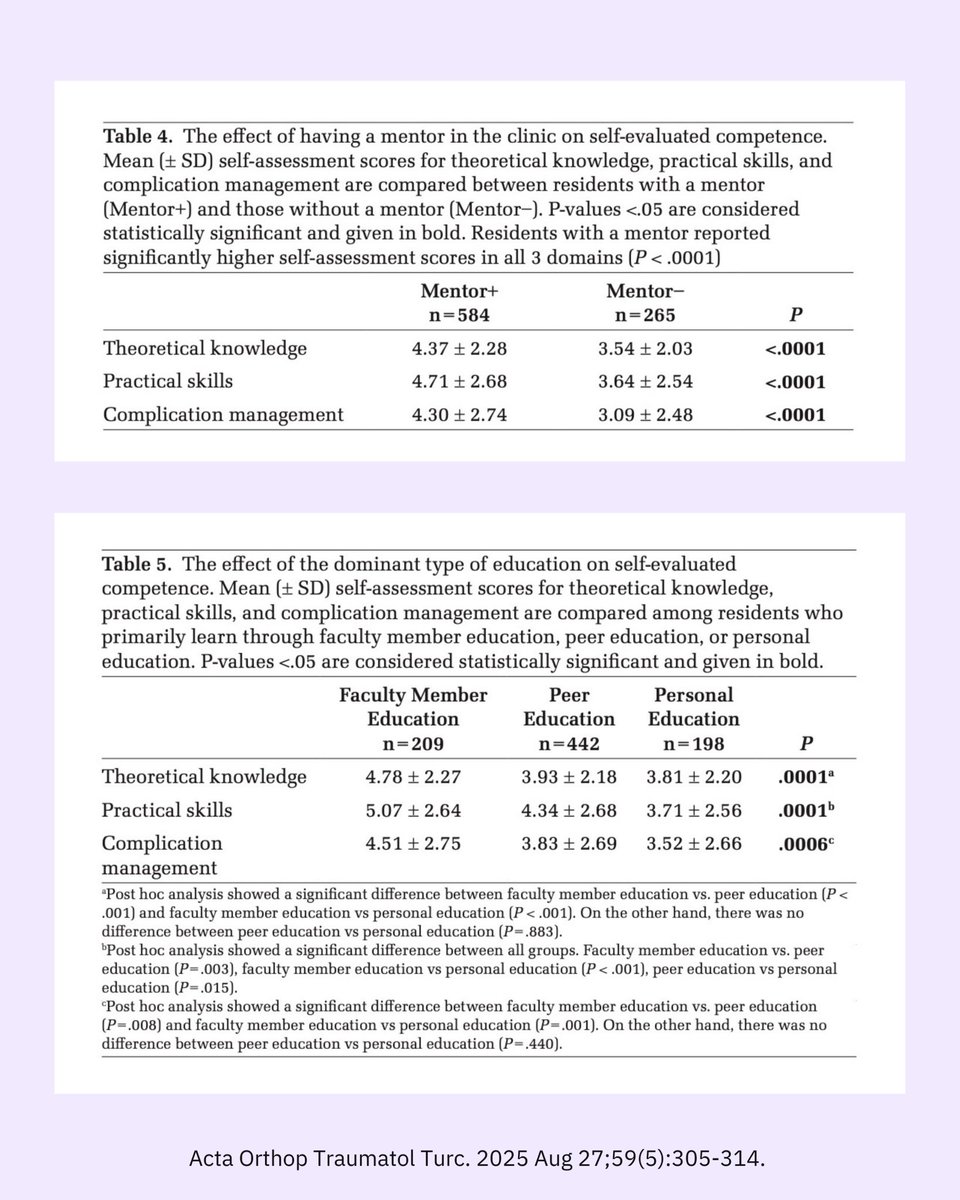
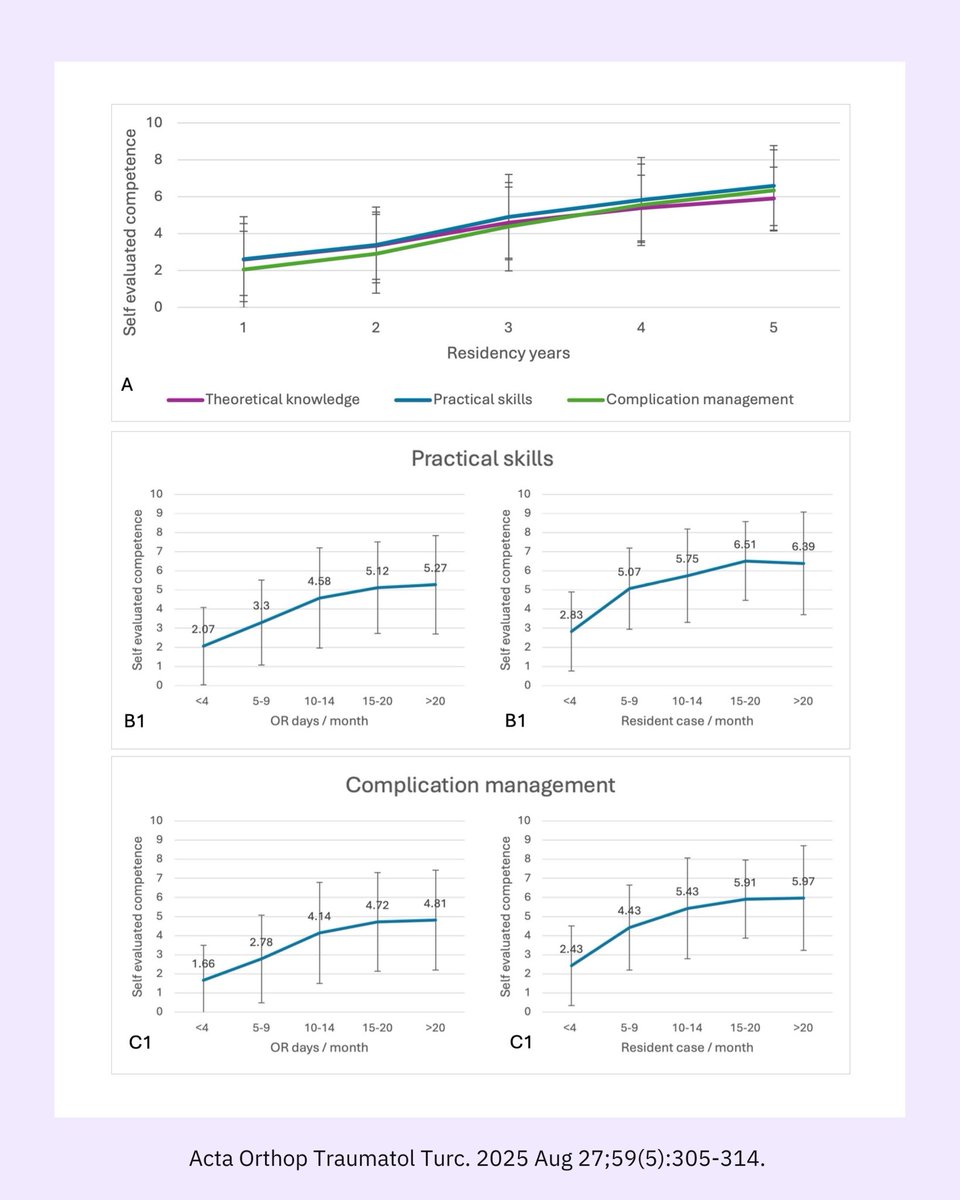
A nationwide survey of 849 orthopedic residents across Türkiye shows major disparities in surgical exposure, theoretical education & faculty engagement.
Residents with mentors report higher competence, greater academic interest & clearer subspecialty goals. #survey #residency #residencyprogram #orthoresidency #orthoresidents #education #faculty #mentor #mentorship

50