📢 Save the date!
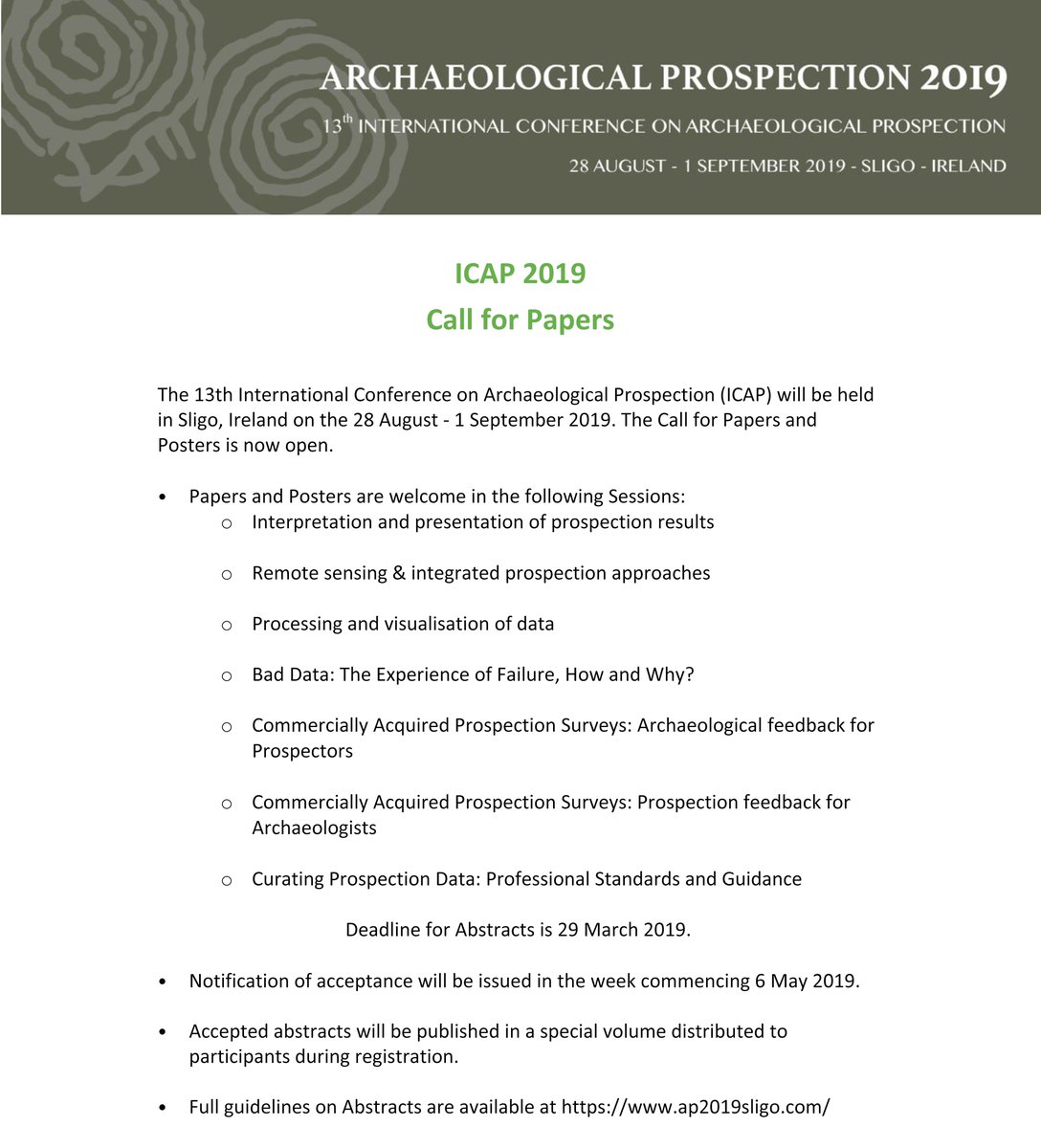
ICAP 2027 will take place in Brno 🇨🇿
🗓 6–11 September 2027
🏛 Venue close to the city centre
📝 Abstract deadline planned for late 2026.
More details coming soon—follow ISAP for updates!
#ICAP2027#ArchaeologicalProspection#ISAP
ISAP Fund Grants 2026 – Apply Now!
Two funding opportunities for innovative work in archaeological prospection:
🔹 Major Grants: deadline 15 Mar | £2000
🔹 Minor Grants: deadline 15 Apr | up to £500
archprospection.org/isap-fun…
Not a ISAP (or AARG) member?
archprospection.org/subscrib…
It has come to our attention that some individuals have been contacted by various email addresses regarding their stay during the ICAP2025 conference. Please be aware that this is a scam!
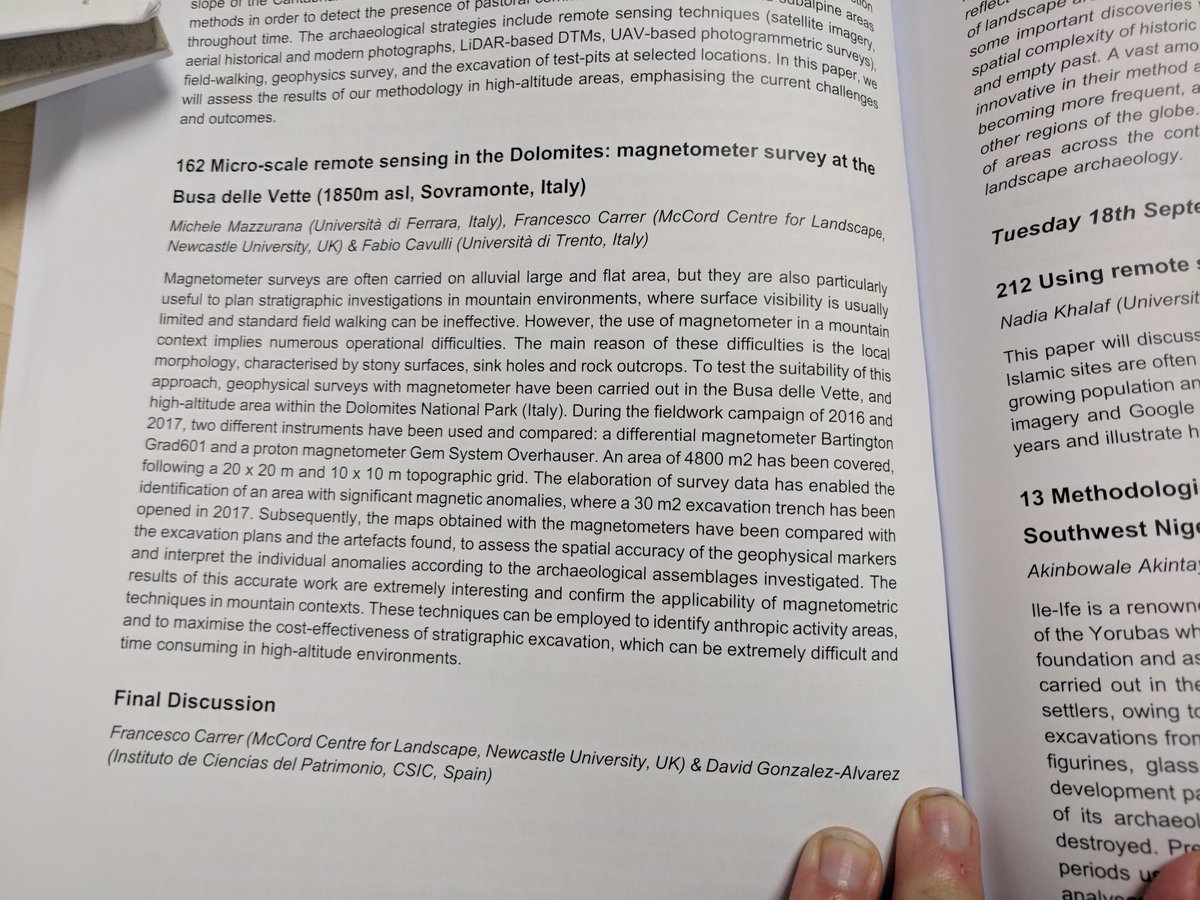
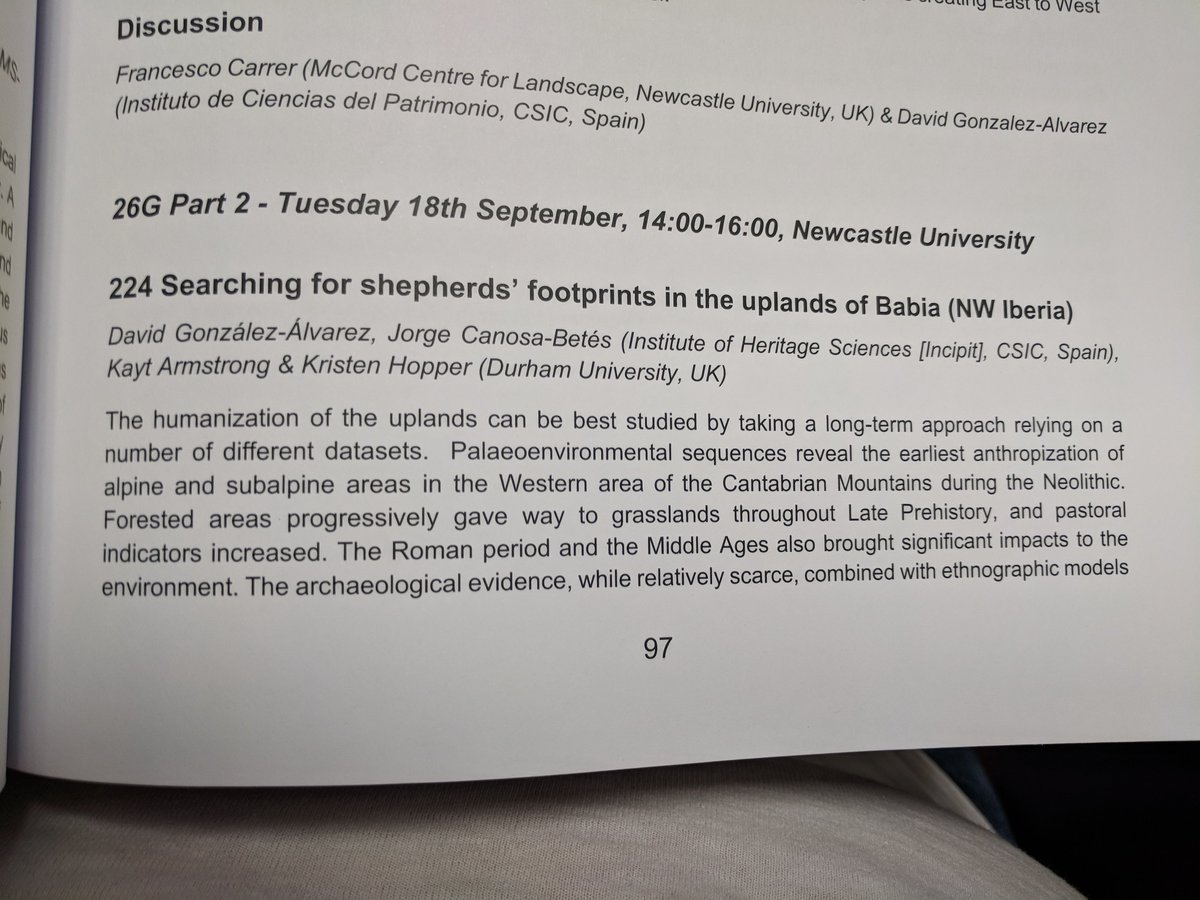
📢ABSTRACT DEADLINE EXTENDED!📢
Submit by 20 Dec 2024 for ICAP2025.
Topics: site prospection, landscape mapping, AI, geospatial analysis, and more.
Accepted abstracts published in ArcheoSciences.
Details: prospect.ugent.be/icap2025/#ICAP2025#ISAP#ArchaeologicalProspection
ISAP merch is still available with the 15% conference discount until tomorrow at archprospection.org/merchand… Proceeds from sales will be used to support ISAP Anniversary Fund grants for which the call is currently open archprospection.org/isap-fun…
📣SAFE THE DATE! The final meeting of @SAGA_COST will take place in Trondheim🇳🇴 from 18-20 April 2023. This last gathering will be hosted by the Department of Archaeology and Cultural History, @NTNU@Vitenskapmuseet. More info to come soon!
#COSTaction#archaeogeophysics
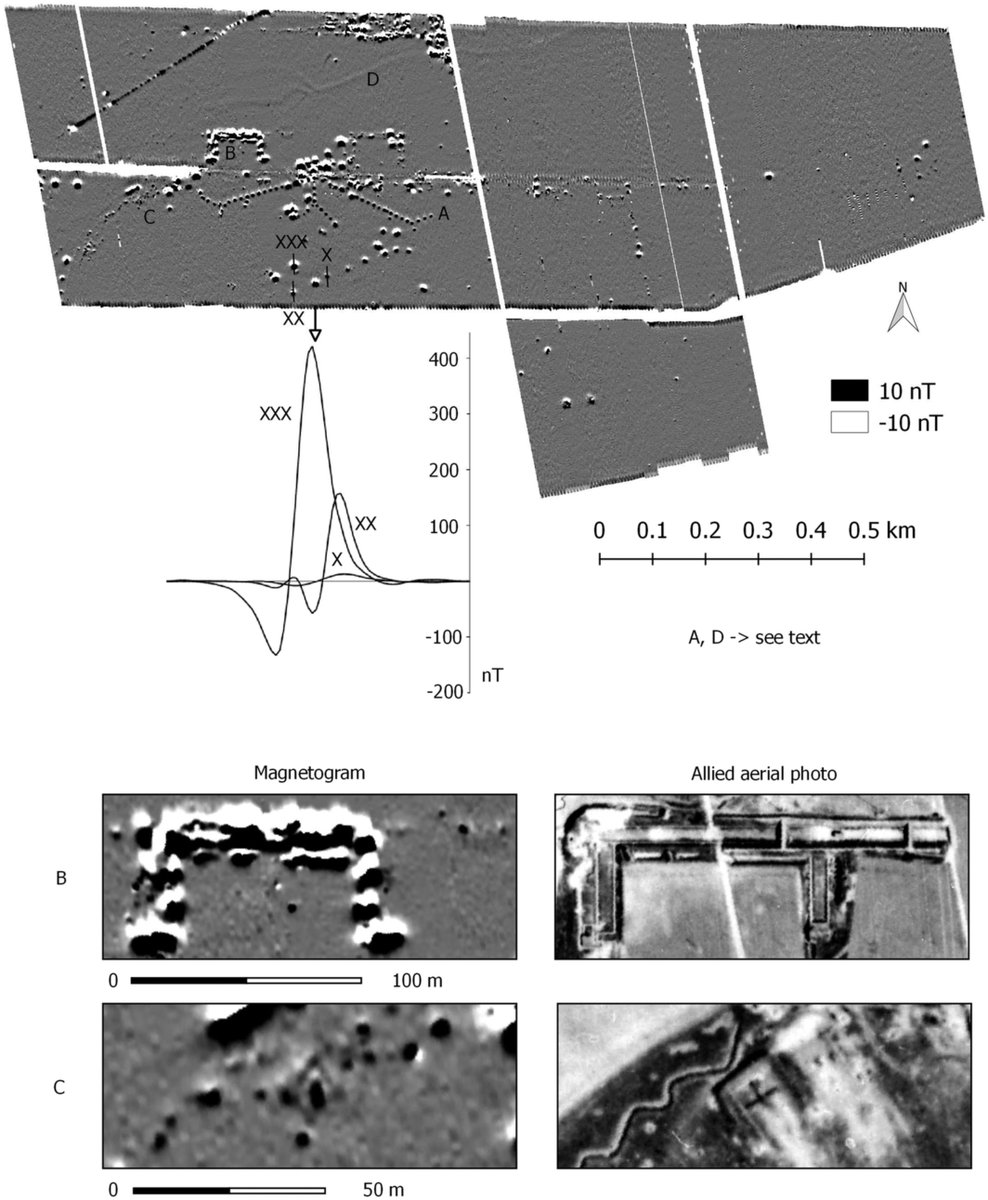
New Short Report: #UAV magnetometer survey in low-level flight for archaeology: Case study of a Second World War airfield at Ganacker (Lower Bavaria, Germany)
by Andreas Stele, Roland Linck, Markus Schikorra, & Jörg W. E. Fassbinder
doi.org/10.1002/arp.1877#Archaeology
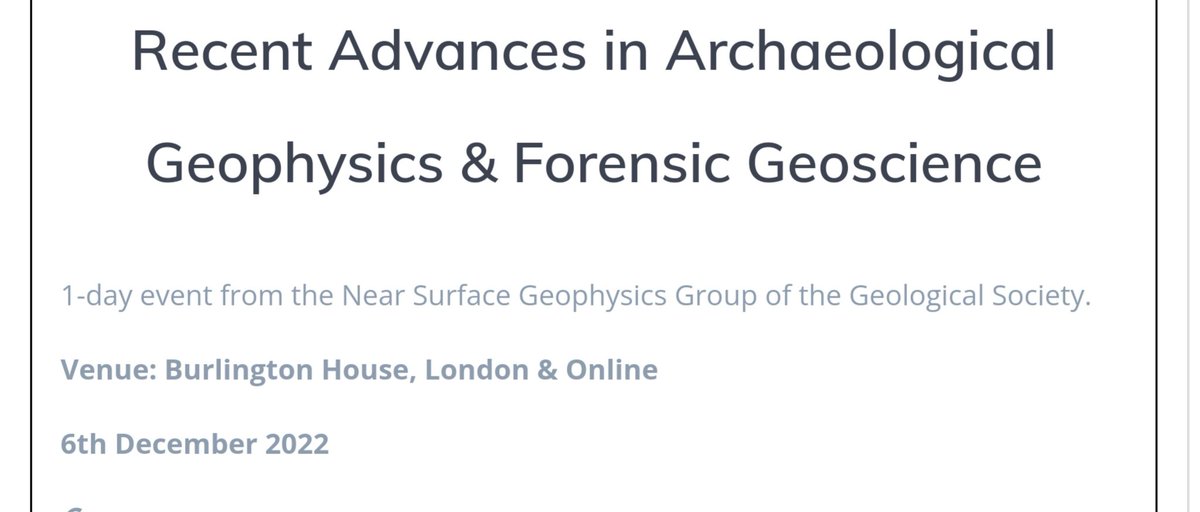
🚨 Attention near-surface geophysicists! @NSGG_GeolSoc is delighted to announce the return of our Archaeo & Forensic Geophysics conference - the 1️⃣5️⃣th in the series!
6th Dec 2022, at @GeolSoc
HQ, London. Abstract deadline, 7th Oct. All details at 👉 nsgg.org.uk/2018/2022/07/01/…!
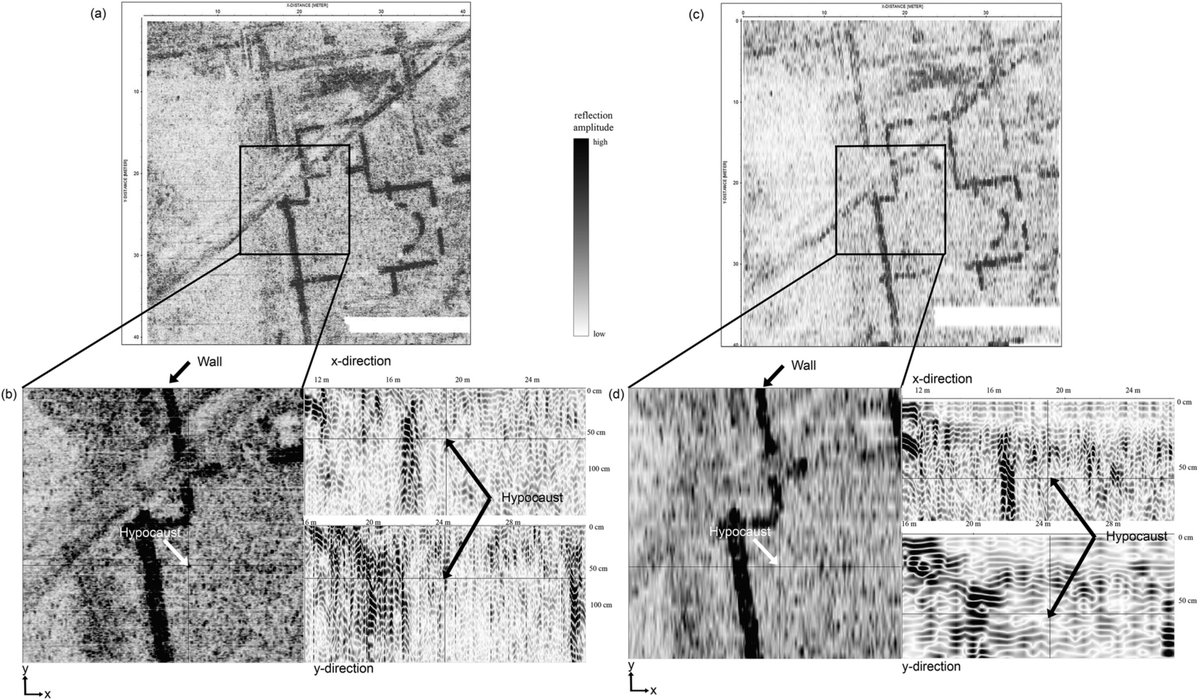
New Short Report: Evaluation of the benefits for mapping faint archaeological features by using an ultra-dense ground-penetrating-radar antenna array
by Roland Linck, Andreas Stele, & Hans-Martin Schuler
doi.org/10.1002/arp.1870#Archaeology#GPR
ALT Comparison of the GPR depth slices of 10 cm thickness in 65–75 cm depth of the IDS Stream-C (a) and the IDS Duo (c). The black rectangle represents the zoomed area in the detailed view below. A sample hypocaust picked in the depth slice and the corresponding inline and crossline profiles, to present the visibility in the IDS Stream-C profile data (b) and no evidence at the same location in the IDS Duo data (d). Survey details: IDS Stream-C with 600-MHz antenna and sample interval 4 × 4 cm; IDS Duo with 600-MHz antenna and sample interval 4 × 50 cm. Grid size: 40 × 40 m; the no-data area is due to a table-tennis table. The broad feature that is running diagonal through the depth slices depicts a multiple reflection of a modern gritted footpath.
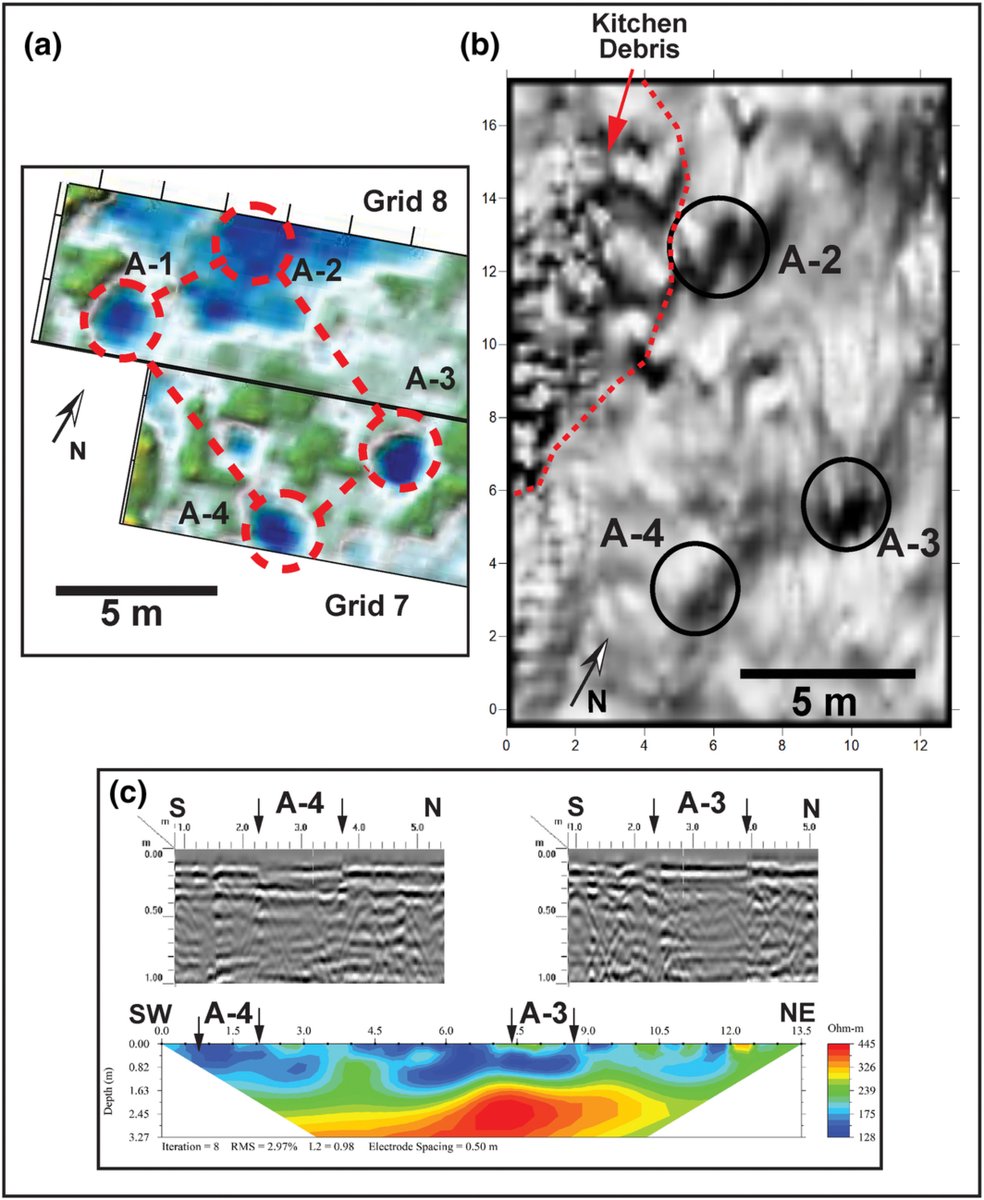
New #OpenAccess Paper: Integration of shallow geophysics, archaeology and archival photographs to reveal the past buried at Ingleside Plantation, Piedmont North Carolina (USA)
by Ellen A. Cowan, Keith C. Seramur, January W. Costa, et al.
doi.org/10.1002/arp.1871#GPR#Archaeology
ALT (a) Ground penetrating radar (GPR) depth slice from surface to 0.2 m in G-7 and G-8. Outlines of 4 anomalies (A-1 to A-4) representing post holes are shown. (b) Gradiometer data from G-14 showing bi-polar anomalies at A-2, A-3 and A-4. (c) ERT-1 with corresponding GPR profiles from T-2 and T-3. The number of electrodes in the electrical resistivity tomography (ERT) transect is shown by the black squares at the top of the plot.