
web backend engineer. relentlessly refactoring. twin peaks fan. backend team lead @ktown4u_com. 🌈 he/him
Joined November 2021
- Tweets 2,042
- Following 648
- Followers 452
- Likes 2,489
176 Photos and videos




Pinned Tweet

6 Jul 2025
도메인 모델과 ORM(특히 JPA)에
대한 생각을 정리해봤습니다. medium.com/@jazzbach/ë�%…
2
24
53
7,601
기원 (Kiwon Lee) retweeted

Jun 14
비용을 절감한다는 관점이 큰 기회를 놓치게 만들고. human in the loop나 테스트가 '속도를 느리게 만든다'는 오해를 부르지 않나 싶고 그렇습니다.
AI에게 "귀찮은 테스트"를 맡기고 사람은 "중요한 일"에 집중한다는 생각도 그런데. 개발자가 테스트를 생각하고 짜면서 얻는 기회를 몰라서...
2
5
14
1,188
기원 (Kiwon Lee) retweeted

Jun 13
addyosmani.com/blog/intent-d…
좋은 글이다.
기술 부채, 인지 부채, 의도 부채 중에서 AI가 해결 못하는게 의도 부채임. 그동안은 사람사이에 전달되면서 버텨왔지만 빠른 속도로 의도 없이 코드를 작성하는 AI로 의도 부채는 더 커지게 됨.
이를 위해 의도와 결정 사항을 문서로 작성하게 해야함.
2
87
236
14,430






기원 (Kiwon Lee) retweeted

본투표날에 투표를 못하는 사람들이 사전투표가 없어서 참정권을 침해받았기 때문에 사전투표가 생긴거임. 지금 니들이 그렇게 부르짖는 참정권.
Jun 10

사전투표가 없었던 시절에는
선거관련해서 이렇게 큰 소란이 없었고
평화로웠다
민주주의 국가였다
한마디로 사전투표는 선거의 불신과
소란만 불러왔을 뿐이다
563
616
26,576
기원 (Kiwon Lee) retweeted

Jun 10
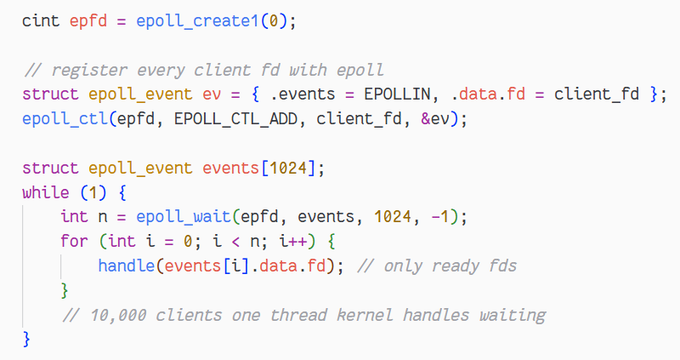
the fix was epoll, added to Linux 2.6 in 2002
instead of one thread per connection, one thread watches all connections
the kernel tells you exactly which sockets have data ready and you handle only those
everyone else waits without costing you a thread
nginx was built around this idea one worker thread thousands of connections no context switching overhead
4
7
93
4,961
Jun 10
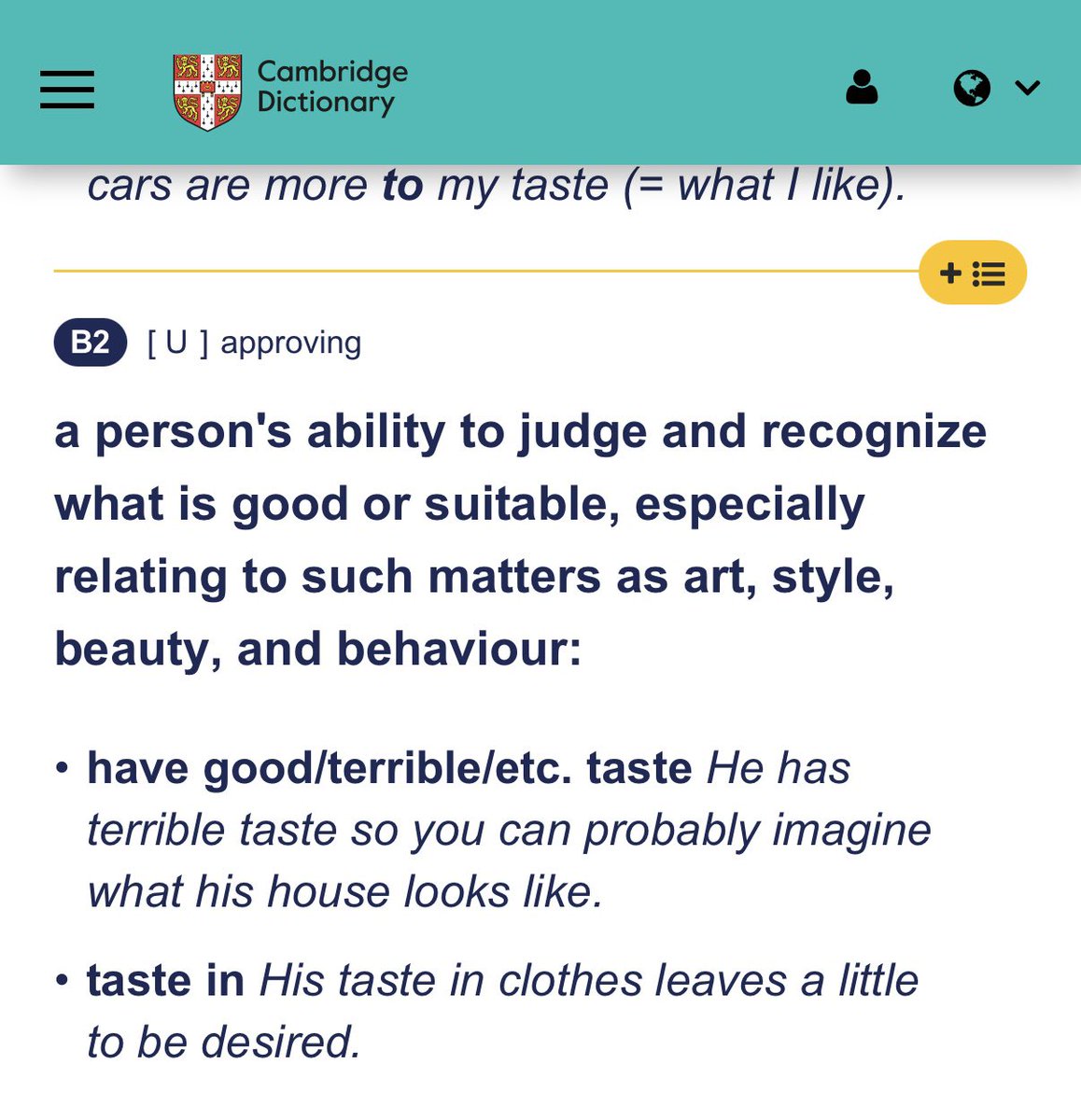
“취향”이라고 하니 약간 어색하다. 국어사전을 찾아보니, 테이스트와는 다르게 “좋은 것, 적절한 것을 알아보는 판단 능력”이라는 뜻은 없긴 하다. “안목”이 더 맞지 않을까.
Jun 10

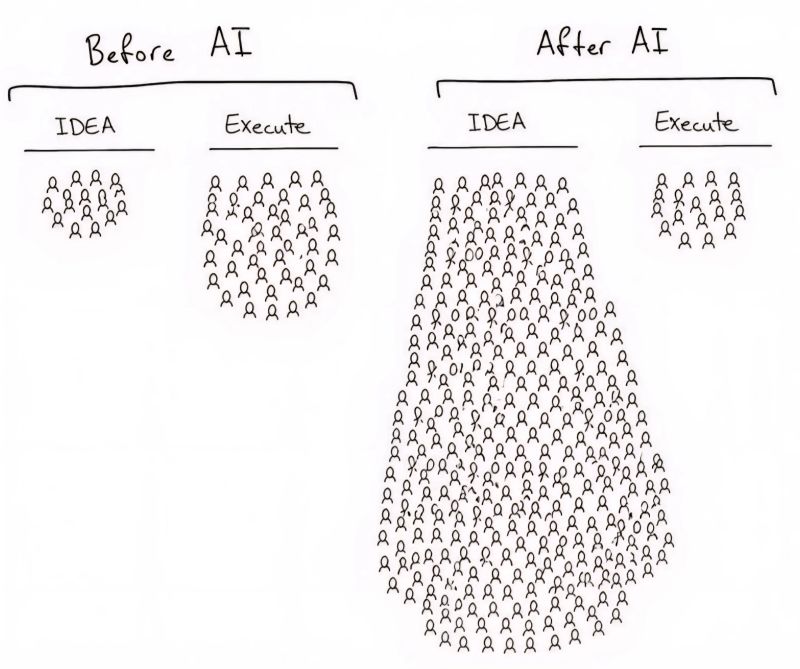
취향(taste)을 갖춘 30배 AI 엔지니어가 되는 법
- AI가 코드를 대량 생성하는 시대에 엔지니어의 가치를 가르는 핵심 역량은 속도·지식·경력이 아니라 ‘취향(taste)’, 즉 무엇을 만들지 판단하는 평가 능력
- OpenAI Codex 팀 구성원들이 독립적으로 같은 결론에 도…
news.hada.io/topic?id=30338
1
5
11
1,116
Jun 10
개발자의 taste란 뭘까?
좋거나 나쁜 냄새를 맡는 훈련된 감각, 즉 빠른 패턴 인식 능력. 그리고 그 감각을 단순한 선호로 끝내지 않고, 이론적 배경을 바탕으로 “왜 그런가”까지 설명할 수 있는 전문적 판단 체계.
1
1
3
192
Jun 10
팀원들이 코드나 구조를 보고 “별로다”, “뭔가 꺼림칙하다”라고 하면 꼭 왜 그런지 설명해보라고 한다. 그리고 내 생각도 말해준다. 개인적으로 가장 즐거운 일 중 하나다. 점심도 왜 맛있는지 열심히 이야기하는 사람과 먹으면 더 즐겁다.
2
134

기원 (Kiwon Lee) retweeted

Jun 7
uyuyabilmek icin once uyuyormus gibi yapmak gerekir ve hayatta hersey boyle isler
60
7,360
68,048
995,548

기원 (Kiwon Lee) retweeted

Jun 6
"To summarize, I would suggest: don't improvise, don't try to be creative, don't think that you understand what is beautiful and what's not. You don't. Me neither. Just be as minimalistic and traditional as possible and you will do yourself and your users a big favor." — Please, Don't Improvise (2019)
1
3
604
기원 (Kiwon Lee) retweeted

I start with very informal specifications written by hand. I have an agent convert these into harder specifications that are subdivided into tasks. I review these.
Then I feed those tasks into the specifier agent, which converts each task to Gherkin, prunes the Gherkin, and then hands it off to the coder agent. I spot check the Gherkin.
The coder agent writes acceptance tests directly from the Gherkin. Then writes unit tests. Then writes code. When all those tests pass, the coder agents hands off to the refactorer agent.
The refactorer agent reduces crap to 6 or below, and reduces any duplication. Then it write property tests and gets them to pass. Then it hands off to the architect agent.
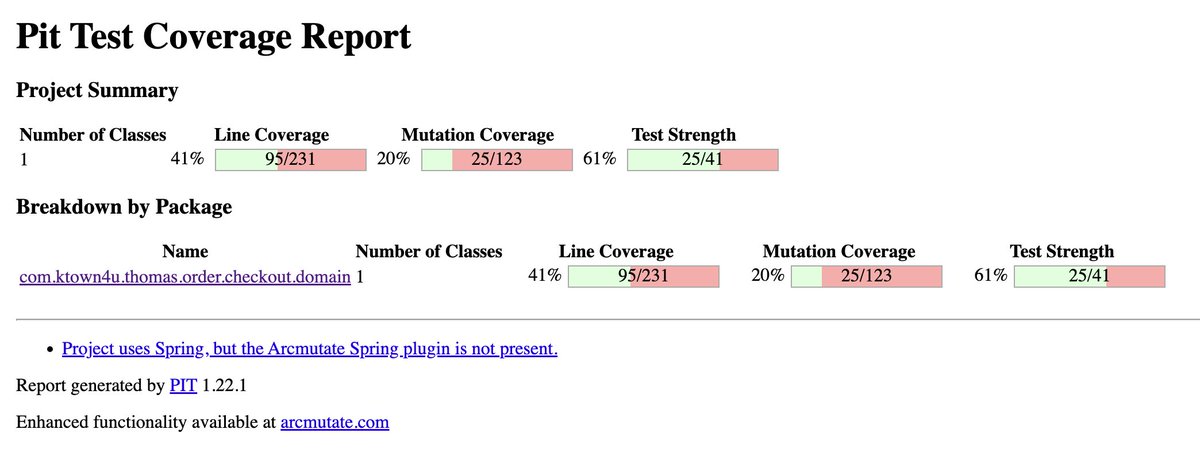
The architect agent runs language mutation and covers any uncovered sections, and kills all survivors. Then it runs Gherkin mutation and kills any of those survivors. Then it runs the entire test suite, and when it passes it hands the result off to the specifier, coder, and refactorer.
I spot check the code.
This is an exercise of transformations from the informal to the formal through managed stages, with human interaction decreasing with each stage.
Raw computer power is the limiting factor. Those mutation tests are CPU intensive.
41
58
746
55,992
기원 (Kiwon Lee) retweeted
vibe coding의 시대에 내가 한 일에 대한 주인의식, 책임감. 그리고 멘탈 모델이 필요한 이유 등에 대해서 정리해 봤습니다.
딸깍의 시대, 주인의식/책임감에 대해 brunch.co.kr/@cleancode/97
1
11
35
4,429
기원 (Kiwon Lee) retweeted

May 29
The Orchestration Tax
# AI 에이전트 시대의 ‘오케스트레이션 세금’과 인간 주의력의 병목
Addy Osmani의 글은 여러 AI 에이전트를 동시에 실행하는 일이 실제 생산성 향상으로 곧장 이어지지 않을 수 있다는 문제를 다룹니다. 에이전트는 병렬로 움직일 수 있지만…
news.hada.io/topic?id=29971
3
9
2,108
기원 (Kiwon Lee) retweeted

May 26
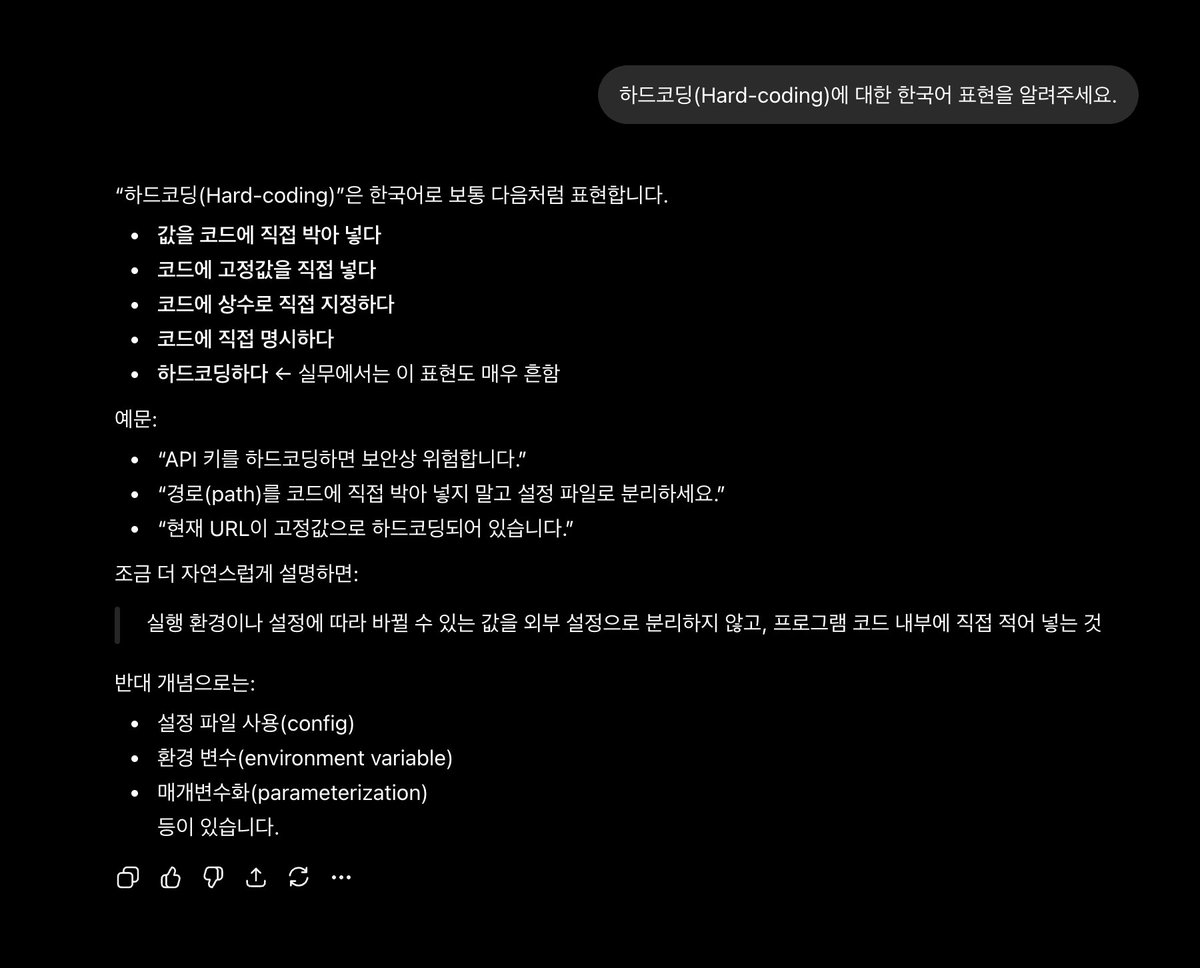
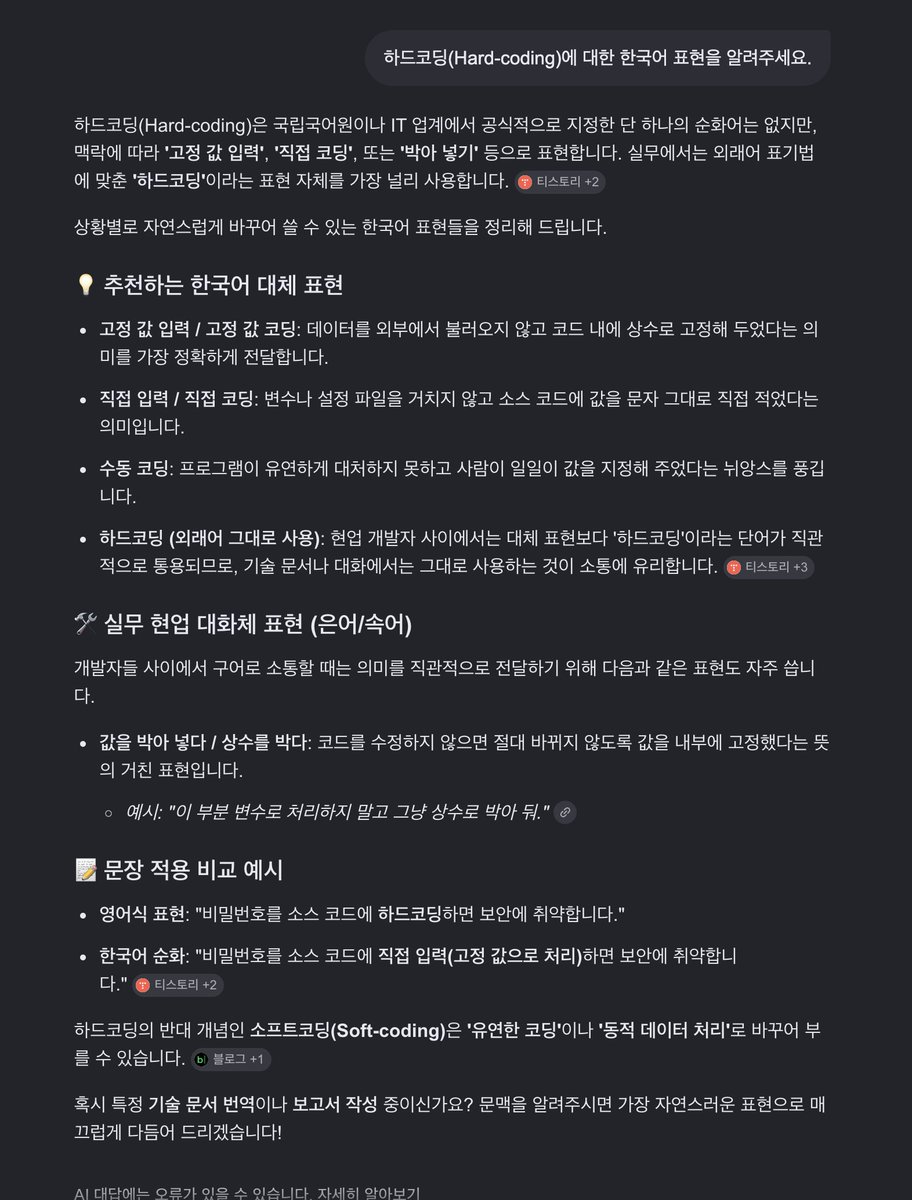
박아밖에 모르는 박아야로...
May 26

참고로 “하드코딩(Hard-coding)에 대한 한국어 표현을 알려주세요.” 라고 물으면 프론티어 모델을 만드는 회사 모두 ‘박는다’는 표현을 사용함.

6
21
1,916
기원 (Kiwon Lee) retweeted
결국 비용 효율화와 업무 생산성을 모두 최적화해야 하는 것 같다.
토큰이 무한하면 대충 요청해서 원하는 결과가 나올 때까지 무한루프를 돌리면 되겠지만…

🚨La IA está costando MÁS que los empleados a los que reemplazó.
Y las grandes empresas ya lo admiten en público:
→ Uber desplegó IA entre sus 5.000 ingenieros. En 4 meses agotaron TODO el presupuesto anual. Su COO reconoce que no puede justificar el gasto.
→ Microsoft ha retirado licencias de IA a sus propios desarrolladores para frenar costes.
→ Starbucks eliminó su sistema de inventario con IA tras 9 meses. Funcionaba peor que un empleado.
→ El vicepresidente de NVIDIA dijo recientemente que “La IA está costando más que los trabajadores humanos”
Nos vendieron que la IA iba a ahorrar millones.
La realidad → los costes se disparan, los resultados no llegan y las empresas están dando marcha atrás.
Estamos ante el principio del fin de la burbuja de la IA?
1
2
466