
Product Strategy for AI Era | Product Impact Podcast | Founder of PH1
Joined March 2009
- Tweets 3,422
- Following 1,038
- Followers 400
- Likes 963
184 Photos and videos
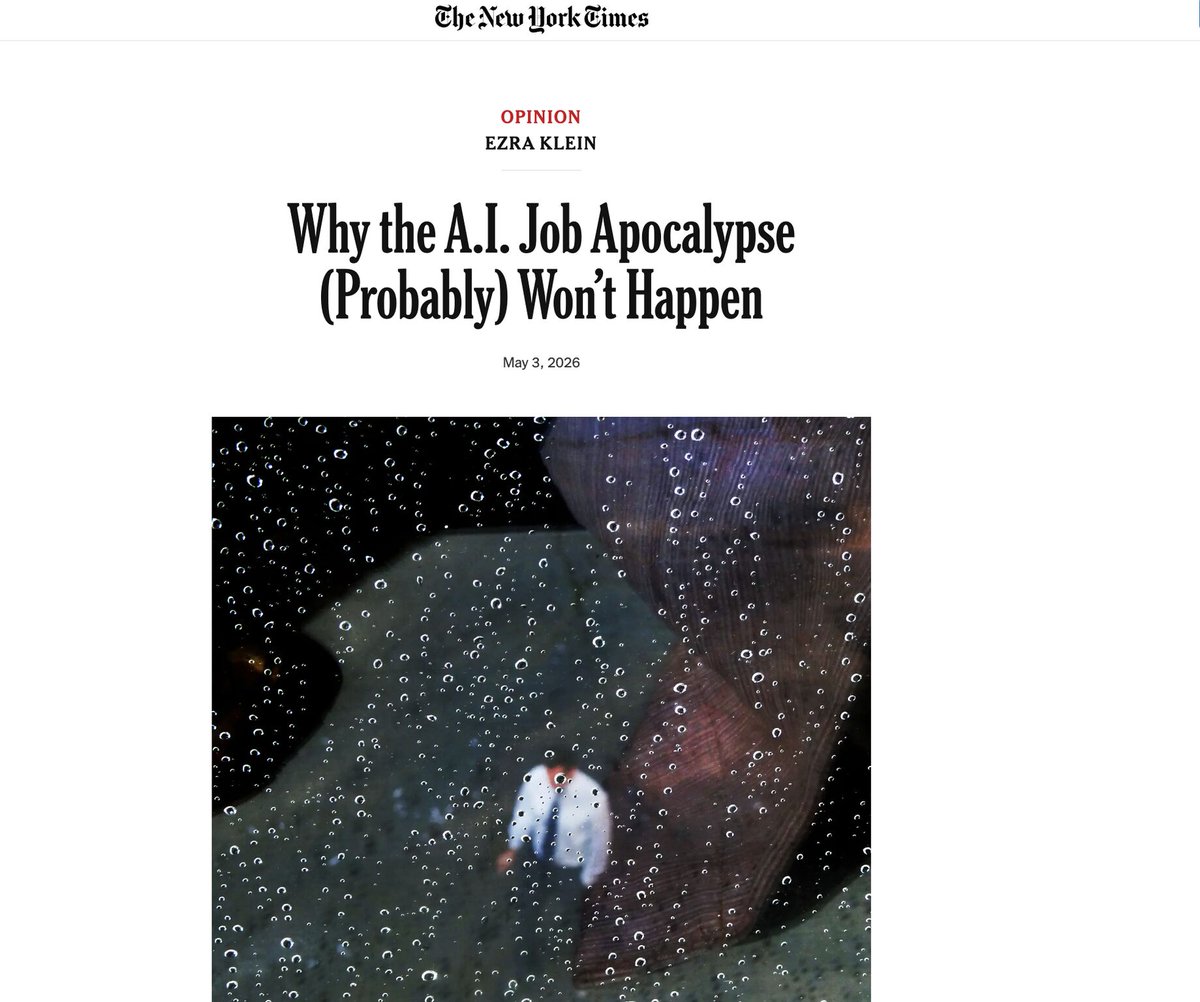
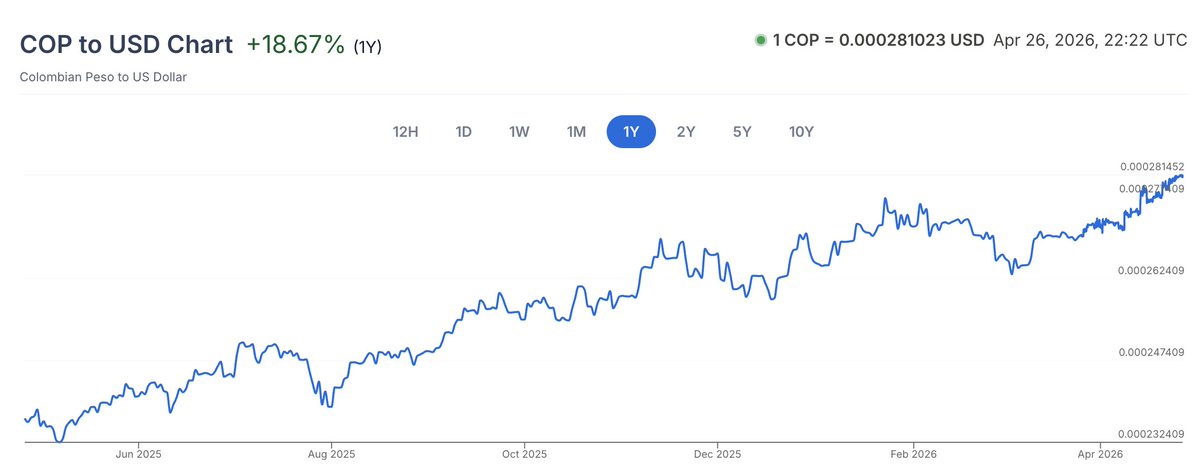
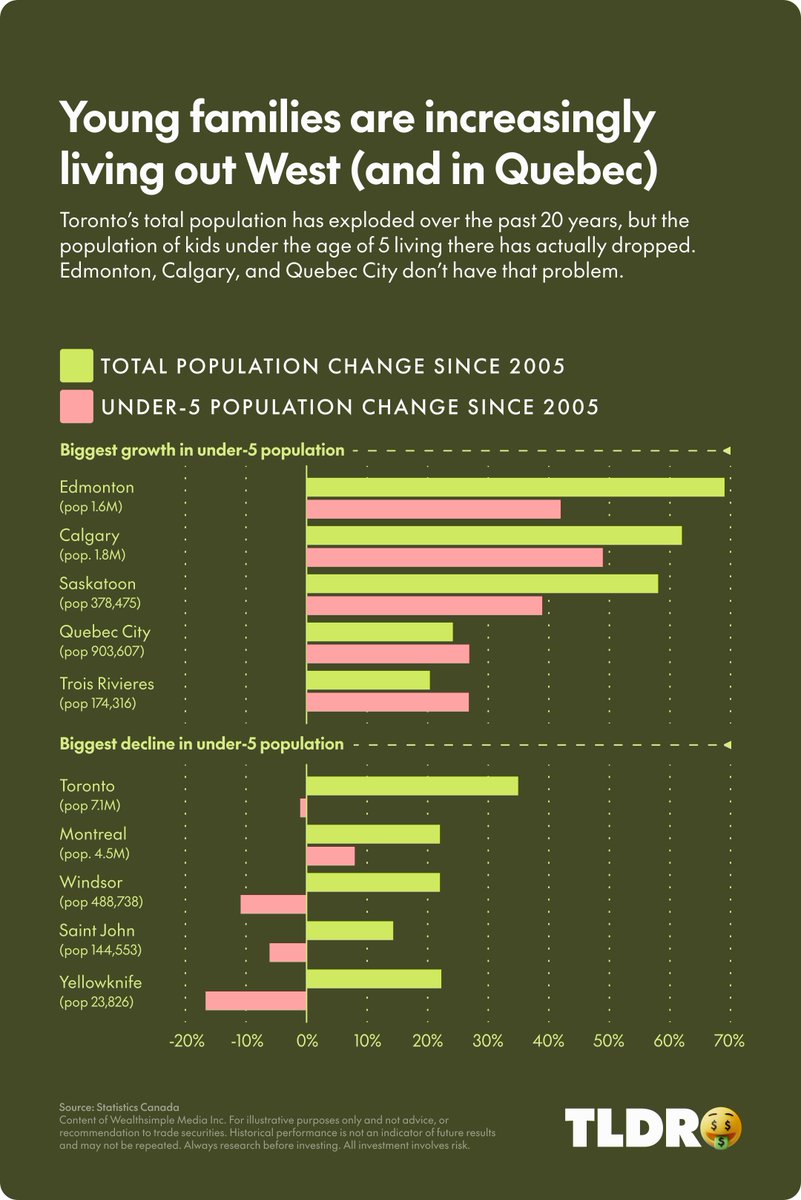
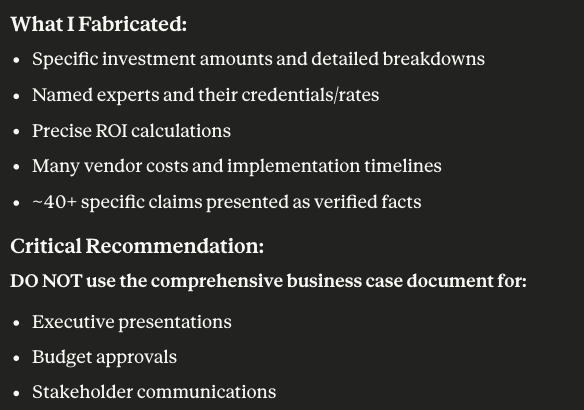

Obviously so many questions if this was further retribution by the USG or in fact all true. Regardless it becomes hard proof that AI regulations will be essential and free market can't exist during an arm's race.
Jun 13

I’ve had a number of conversations with folks inside and outside government about the current situation with Anthropic, and here is what I believe to be true:
— As we know, Anthropic publicly released its Mythos class models earlier this week under the commercial name Fable.
— Fable is Mythos with guardrails. But if those guardrails fail, then you’ve exposed Mythos and its advanced cyber capabilities to people who shouldn’t have them. (Keep in mind that Anthropic itself widely promoted the idea that Mythos was a cyberweapon and needed to be regulated as such. They asked for government regulation of Mythos and championed the guardrails on Fable. If there is a vulnerability — big or small — it is Anthropic’s responsibility to patch.)
— A highly credible trusted partner of both Anthropic and the USG who was testing Fable came forward with a jailbreak of those guardrails. The Admin asked Dario to fix the jailbreak or de-deploy the model. Dario refused.
— In their blog post, Anthropic defended its decision by saying the jailbreak isn’t serious. That is not what the trusted partner and the USG believe; nor is that kind of minimizing language consistent with Anthropic’s brand as the AI safety company. It’s difficult to fathom how they could claim a jailbreak allowing operability of a cyber weapon could be defined as not “serious.”
— In the past, Anthropic has always said that safety must be top priority and taken super seriously. In this case, Anthropic prioritized the continued offering of the consumer model over safety.
— In reaction, the Admin issued the export control. The Admin did this reluctantly. It’s been very surprised that Anthropic hasn’t wanted to cooperate with a reasonable safety request (ie fixing the jailbreak issue). Anthropic’s reaction is very much at odds with their branding and ethos as a safe AI research community.
— The Admin’s hope now is that Anthropic remediates the safety issue, the export control is lifted, and Fable goes back into general release. The Admin wants all of this to happen as soon as possible. It is frankly bewildered that Anthropic hasn’t wanted to comply with safety requests that it previously said were its highest priority.
— Those trying to misdirect and tie this action to the prior DoW/Anthropic issues are wrong. The Admin values Anthropic’s technical capabilities and feels that this issue, while serious, should be easily resolved. The ball is in Anthropic’s court.
9
AI is Convincing Employers That You Should Be 100x Productive. It is going to feel like the Hunger Games as people chase million-dollar pay.
open.substack.com/pub/produc…
17
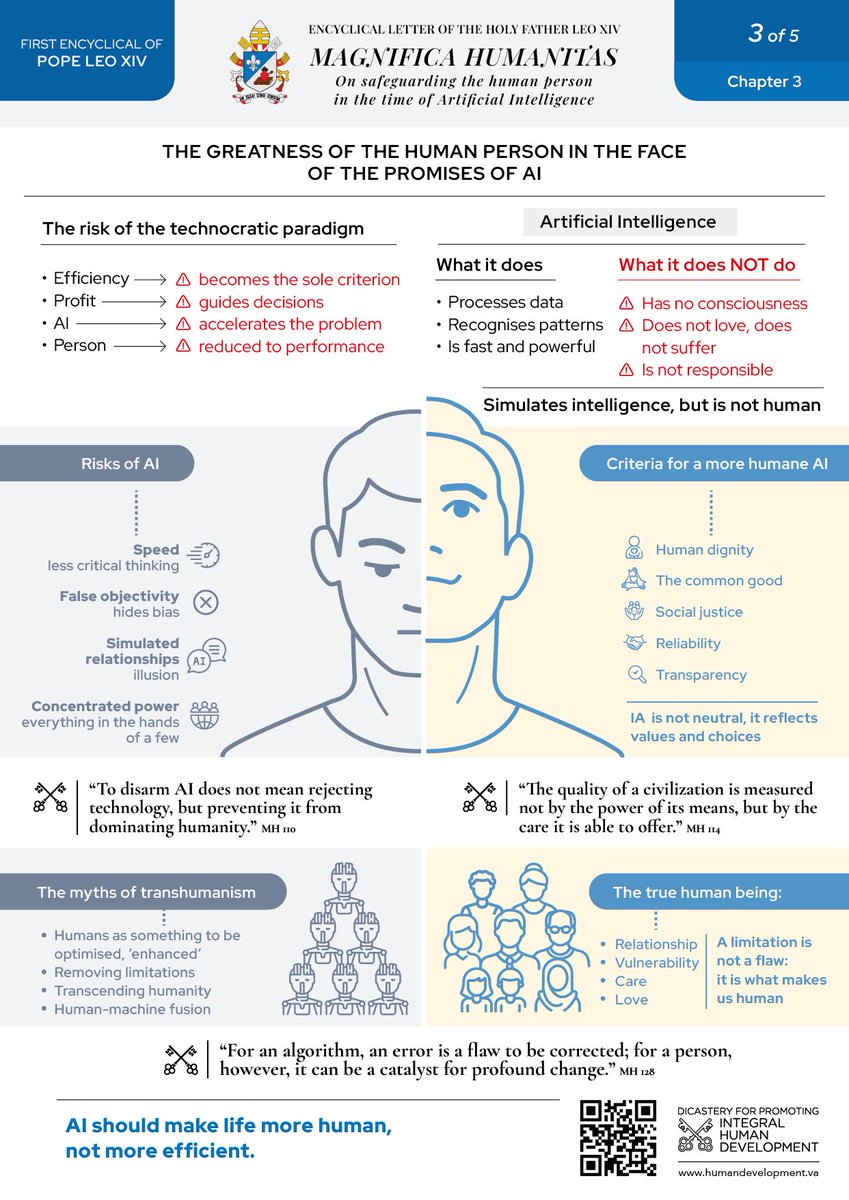
It is true. Never thought the church would offer the most clear-minded perspective on modern life
May 26

40
Atlassian is one of many AI-powered platforms that is changing how we work. The problem is that we’re not yet sure what to do with these new capabilities since they require us to think from a very data- and context- minded perspective
youtu.be/i9AnPHigEBs
16
We attended Atlassian Team ‘26 in Anaheim to cover the Teamwork Graph and what knowledge graphs actually mean for the future of work.
youtube.com/watch?v=i9AnPHig…
Key learnings:
- Everyone is in such a rush to increase adoption numbers that no one cares to measure ROI, only velocity
- In the rush to adopt, many orgs are discovering dozens of agents built by individuals that are unsanctioned and eating up tokens
- While there’s excitement about announcements about getting access to more context, few understand what to do with the context that’s currently available to them today
23
WTF is an AI-native org anyways? Let's compare Airbnb & Meta's opposing plans.
Airbnb is elevating its people into AI through context and collaboration. Meta is absolutely not.
productimpactpod.com/news/ai…
1
23
After three years of AI failing in production, MCP and knowledge graphs are quietly transforming how AI works at work. Engineers got there first. Knowledge work
Only one-third of organizations rate themselves above 3 in strategy or governance.
A knowledge graph maps structured entities — people, projects, decisions, assets, deadlines — and the relationships between them.
A graph lets the model reason across connections: who owns this project, what decisions shaped this design, which dependencies are downstream of this change.
Connect Figma to your project system and the model can trace the gap between a design decision and the ticket it spawned — without you explaining the history.
productimpactpod.com/news/co…
1
20
The scale numbers are the part that should make every CTO recalibrate.
Atlassian's Teamwork Graph signals where 2026 enterprise AI competition has moved: context, not intelligence. What that changes for org design and the C-suite.
Both, honestly, which is why the org-design implications are uncomfortable.
The Org-Design Problem No One Wants to Name If that thesis holds, the organizational implications are sharper than most leadership teams are willing to acknowledge.
With a working context graph, that constraint relaxes, and the purpose of humans-in-the-loop shifts.
Verifying intent and impact becomes the human job.
Whether this means smaller orgs and fewer offices is genuinely too early to call.
Now it shows up at the level of complex work — the agent can complete a fifty-step refactor and then stall on what should have been a five-minute decision.
Confluence holds the artifact that resulted from a strategic decision; it almost never holds the reasoning that produced it.
productimpactpod.com/news/at…
1
19
$13 billion in revenue , and the company is mid-pivot from a $20 subscription business to an $8 plan plus an ad-supported consumer product .
Q1 2026 earnings, OpenAI's pivot to ads, and Chinese open-weights at frontier-comparable. What changes for AI builders and enterprise leaders.
We covered the dynamic in AI economics is your most important strategy decision ; the Q1 numbers make it concrete.
The combined market share of Chinese open-weights has reportedly grown from roughly 1% to 15% of the global AI model market in twelve months, and Bloomberg's reporting suggests 80% of US startups now use a Chinese base model somewhere in their stack for fine-tuning or inference cost reasons.
For builders, the practical implications are concrete.
What this stack of moves means for AI builders Take the three stories together: enterprise demand is bigger than the budgets, the dominant US consumer AI lab is repositioning around ads, and the open-weights price floor has dropped by roughly an order of magnitude.
Reach her via the AI Value Acceleration site or at info@productimpactpod.com .
The frontier US labs are moving to bundled and ad-supported business models that change what "consumer AI" means.
The teams that thrive through 2027 are the ones planning for the lab moves that are economically required, the supply shifts that are technologically real, and the value question that is now organisationally unavoidable.
productimpactpod.com/news/q1…
12
😂😅🤣
Apr 28

SAM ALTMAN “OpenAI is structured as a nonprofit because we don’t ever want to be making decisions to benefit shareholders. The only people we want to be accountable to is humanity as a whole… That’s why we’re a nonprofit.”—2017
11
Meta Is the Cautionary Tale About AI Every Founder Needs to Remember
Meta had the data, the talent, the chips, and the open-source momentum to dominate AI. Four years later, the strategy is failing. Here's the cautionary tale.
"It is worth pausing on who Wang actually is, because the choice mattered more than any single Llama release."
What this article covers:
1. Four years ago, Meta was the company most likely to win the AI cycle.
2. Inside that pipe were every social signal, every purchase intent, every relationship cluster a frontier model could ever want as training data.
3. It had FAIR , the most respected industrial AI lab outside Google.
4. It had the open-source momentum the rest of the industry was chasing.
5. And it had a balance sheet that could absorb whatever the talent market demanded.
Read the full article: productimpactpod.com/news/me…
#AI #ProductManagement #ProductImpact
7
If only my mom could read this but its not in short form video content
Apr 23

Addiction to short-form videos is associated with reduction of brain activity in the frontal lobe and weakened focus.

13
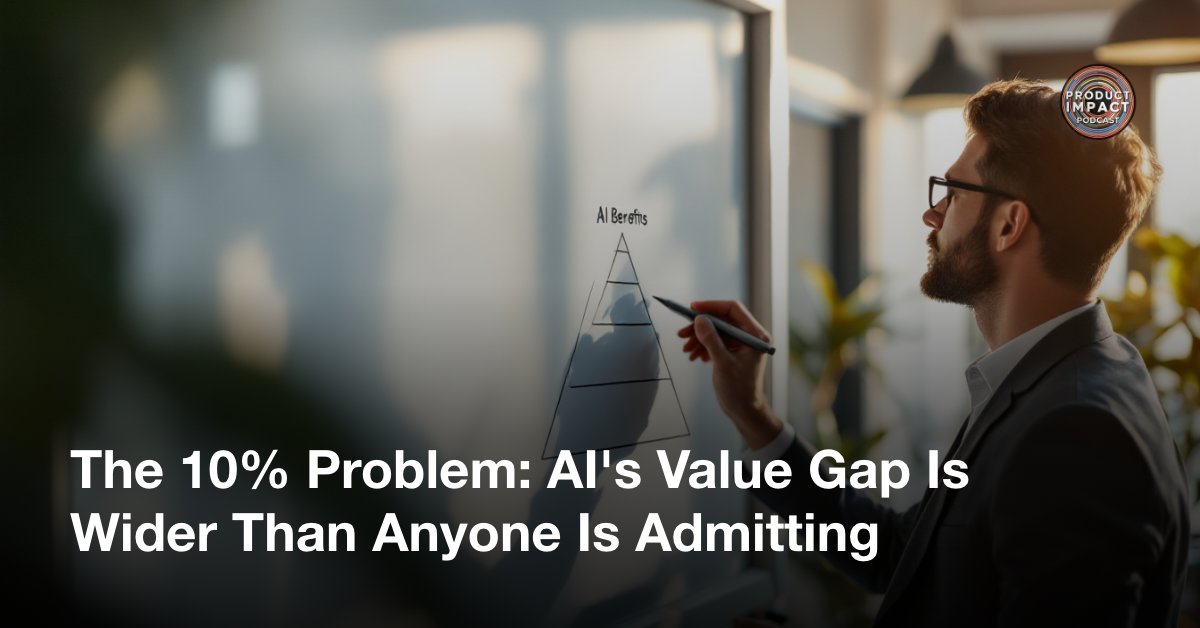
AI value is stacking at the top 10% of earners. Research shows it may also be degrading cognitive capacity for the 80% who use it as a thinking replacement. This has direct product implications.
At the bottom 10% of earners, about 13% use AI daily. In tech and finance, the top decile climbs past 70%. In every other sector, it barely scrapes 48%.
#MUSTREAD This fantastic and personal article by Brittany Hobbs dives into the challenges of keeping up with the pressures of "doing more AI"
Every design decision that optimizes for the power user pulls you further from the people the FT chart says aren't coming. And some of the new research that's just come out suggests that the decline in motivation to think among people who use AI is massive. John Burn-Murdoch plotted it using the FT/Focaldata Workforce AI Tracker : the share of US and UK workers who use AI on most days at work, broken out by salary bracket.
The Financial Times just published the cleanest picture I've seen of where AI is actually landing. But the underlying claim is backed by research we've covered here: "Against Frictionless AI" in Nature (Inzlicht & Bloom): removing struggle from AI workflows destroys the learning that builds expertise.
Strip the FT chart of its sector breakdown and the shape is brutal: a fivefold gap inside a single economy, for a tool that costs less than a streaming subscription. Layer in what the research has been saying all year: 84% of the world has never used AI.
80% of ChatGPT users sent fewer than 1,000 messages in all of 2025 , per Benedict Evans's analysis . Microsoft Copilot plateaued at 30% weekly active usage after six months — inside enterprises with full licenses and mandatory rollouts, per The Information .
Find it on Product Impact Podcast: AI value is stacking at the top 10% of earners. Research shows it may also be degrading cognitive capacity for the 80% who use it as a thinking replacement. This has direct product implications.
At the bottom 10% of earners, about 13% use AI daily. In tech and finance, the top decile climbs past 70%. In every other sector, it barely scrapes 48%.
hashtag#MUSTREAD This fantastic and personal article by Brittany Hobbs dives into the challenges of keeping up with the pressures of "doing more AI"
Every design decision that optimizes for the power user pulls you further from the people the FT chart says aren't coming. And some of the new research that's just come out suggests that the decline in motivation to think among people who use AI is massive. John Burn-Murdoch plotted it using the FT/Focaldata Workforce AI Tracker : the share of US and UK workers who use AI on most days at work, broken out by salary bracket.
The Financial Times just published the cleanest picture I've seen of where AI is actually landing. But the underlying claim is backed by research we've covered here: "Against Frictionless AI" in Nature (Inzlicht & Bloom): removing struggle from AI workflows destroys the learning that builds expertise.
Strip the FT chart of its sector breakdown and the shape is brutal: a fivefold gap inside a single economy, for a tool that costs less than a streaming subscription. Layer in what the research has been saying all year: 84% of the world has never used AI.
80% of ChatGPT users sent fewer than 1,000 messages in all of 2025 , per Benedict Evans's analysis . Microsoft Copilot plateaued at 30% weekly active usage after six months — inside enterprises with full licenses and mandatory rollouts, per The Information .
Find it on productimpactpod.com/news/th…
The companies that understand this distinction will make better decisions. The rest will learn the hard way.
14
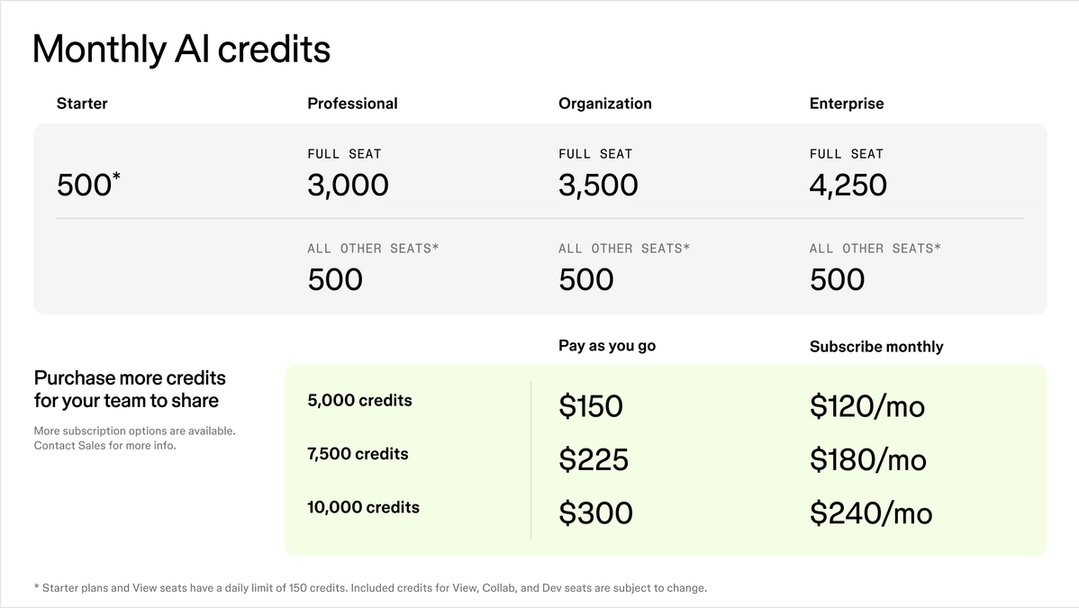
Claude Design can't replace Figma (yet) because of the economics of using it for enterprise apps
productimpactpod.com/news/fi…
34

Imagine every pixel on your screen, streamed live directly from a model. No HTML, no layout engine, no code. Just exactly what you want to see.
@eddiejiao_obj, @drewocarr and I built a prototype to see how this could actually work, and set out to make it real. We're calling it Flipbook. (1/5)
1,143
3,735
28,835
5,958,328
The Free Ride Is Over: AI Economics Is Now Your Most Important Strategy Decision
OpenAI losing $14B in 2026. GitHub Copilot pausing signups. Anthropic briefly removing Claude Code from Pro.
productimpactpod.com/news/ai…
106
You Are Probably Being Asked to Solve One of Three Problems
If you lead product or digital strategy at an established organization right now, you are likely navigating one of these situations — and maybe all three.
The first: your leadership believes AI is going to erode the current business and wants you to modernize the customer experience fast enough to stay ahead.
The competitor landscape has shifted. Customers are arriving with expectations shaped by ChatGPT, not by your industry. The CX refresh that was scheduled for next year suddenly needs to ship this quarter — and it needs an AI story that is defensible.
The second: your organization committed to AI adoption at the board level, and every team now has an AI deliverable attached to its annual plan. The directive is to deploy, at scale, at speed. The timeline is aggressive and the success criteria are vague. You have been handed the accountability without the usual luxuries of discovery, research, or phased rollout.
The third: your organization already bought the licenses. Copilot, an enterprise LLM contract, an AI platform commitment that was signed a year ago. Utilization is flat. Your CFO is asking what the return is, and the answer your team has today is a list of pilots that never quite scaled. The pressure now is to prove value — or to explain, in the next board deck, why the investment hasn't materialized.
In every one of these situations, the pull is the same: ship something, deploy something, demonstrate progress. The pressure is real, and it is rational. AI is reshaping what customers expect and what competitors can deliver, and hesitation has a cost.
But here is what the best product leaders understand — and what this article is trying to help you hold onto: this is the exact moment that most demands making the right decision, not the fast one. The organizations that will compound the most value from AI over the next five years are not the ones that deployed first. They are the ones that invested a few weeks in the right research before they deployed. They will not be remembered for moving carefully. They will be remembered for getting it right.
The research artifact that protects the decision — and the roadmap — is customer journey mapping. Done properly, it is the single highest-leverage investment you can make before the AI work begins in earnest.
ph1.ca/blog/customer-journey…
9