
Joined September 2024
- Tweets 807
- Following 519
- Followers 278
- Likes 456
29 Photos and videos











Arshdeep Singh I π² I 🌶️I Zetarium I | retweeted

Jun 14
MINIZEN HQ IS LIVE
GO EXPLOREE
MINIZEN.FUN

1,071
1,787
2,643
44,007

MINIZEN HQ IS LIVE

2
Arshdeep Singh I π² I 🌶️I Zetarium I | retweeted

13h
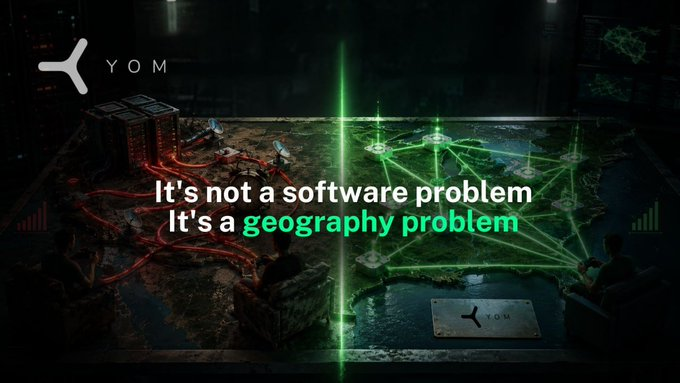
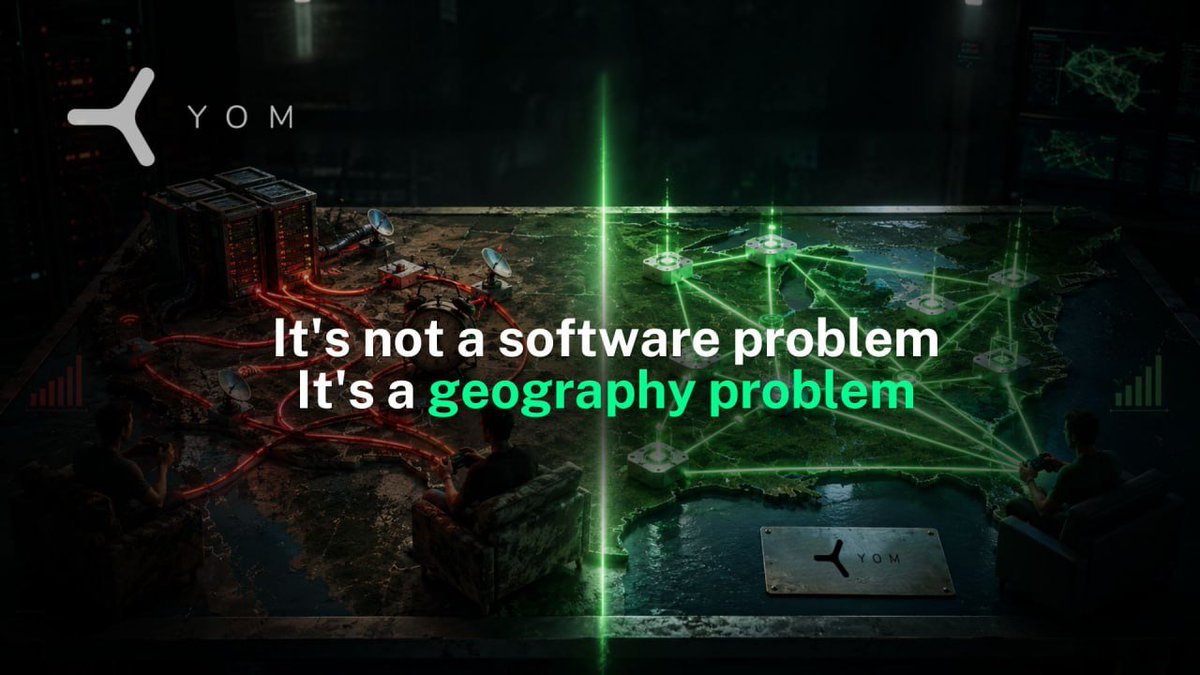
Cloud gaming has a problem nobody likes to talk about.
The data center serving your game session might be 500 miles away. Light itself can't move that distance fast enough for real-time interactive 3D.
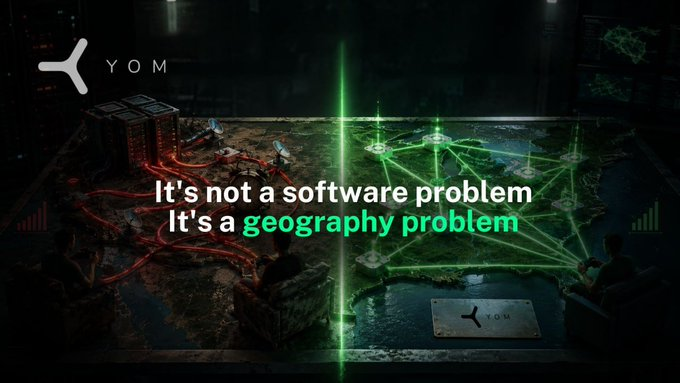
It's not a software problem. It's a geography problem.
That's why YOM was built differently local nodes, real-time routing, sessions served from the closest available compute. Distance is the bottleneck. We removed it.
For a decentralized network, this is the starting point.
671
776
445
5,663
Arshdeep Singh I π² I 🌶️I Zetarium I | retweeted
Jun 14
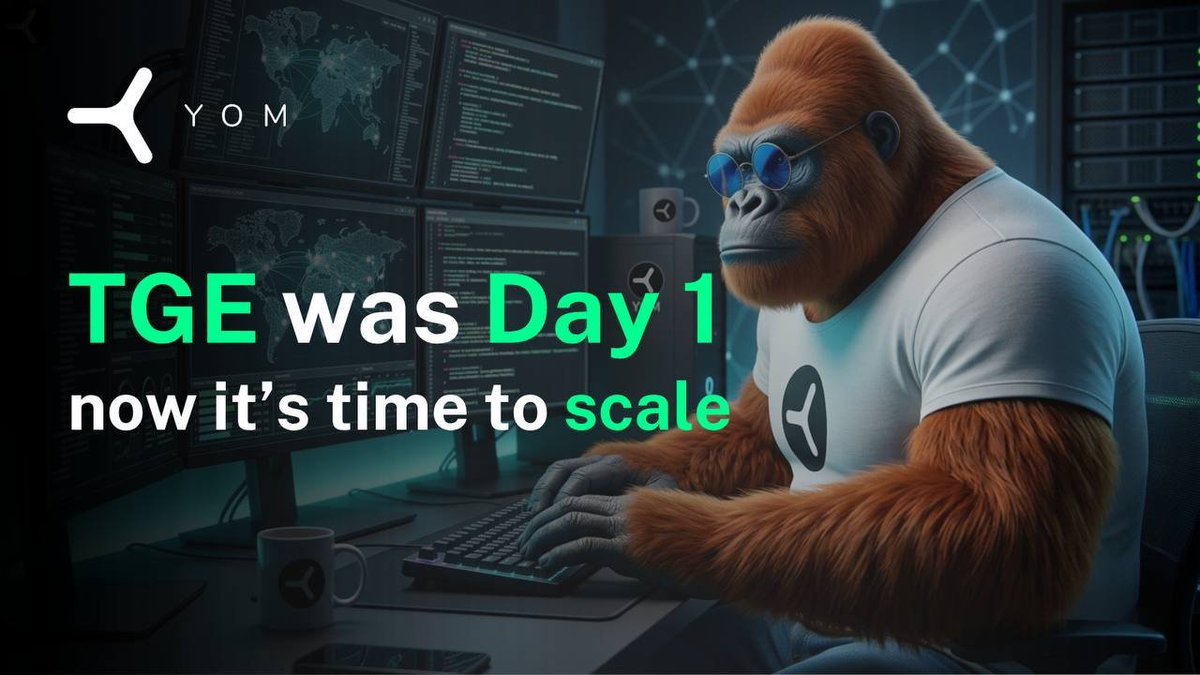
Some projects end at launch.
For YOM, TGE was Day 1.
The network is live. Nodes are serving. Sessions are streaming. And $YOM is doing what it was built for settling all of it.
For a decentralized network, this is just the beginning.

860
2,142
866
13,552
I am in the @thearcitects genesis. seat #835.
inscribed once on ethereum.
apply with your evm address ↓
ref ARC-8350F54 arcitects.fun
x.com/thearcitects/status/20…


1
1
3
50
#YOM @YOM_Official No noise required. Just work.
1
Arshdeep Singh I π² I 🌶️I Zetarium I | retweeted
Jun 13
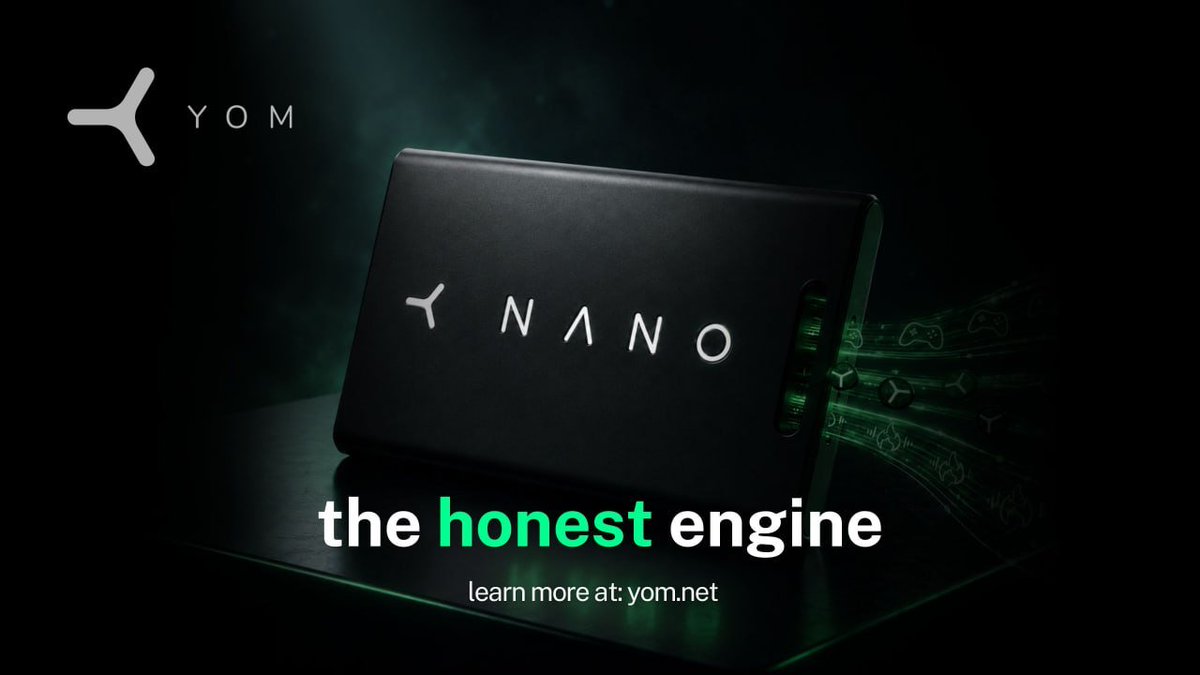
$YOM has one job: move when the network moves.
A player streams → settlement happens. A node serves → rewards flow. Usage grows → burn grows.
No noise required. Just work.
yom.net/nano
374
270
661
8,637
Arshdeep Singh I π² I 🌶️I Zetarium I | retweeted
Jun 13
In most networks, you trust the company's spreadsheet.
On YOM, the spreadsheet is public.
Every reward, every burn, every node's work live on Avalanche, visible to anyone.
Don't trust the story. Verify it.

636
265
549
9,319
#YOM @YOM_Official keeps building on the space
2
Pear cooks.
Jun 12

We are humbled by the response so far.
10,000 users on the waitlist
60,000 tasks completed
This is moving faster than we expected.
Join the waitlist → rewards.pear.trade

5
Arshdeep Singh I π² I 🌶️I Zetarium I | retweeted

Jun 12
We are humbled by the response so far.
10,000 users on the waitlist
60,000 tasks completed
This is moving faster than we expected.
Join the waitlist → rewards.pear.trade
11,794
11,699
9,109
145,474
8
Arshdeep Singh I π² I 🌶️I Zetarium I | retweeted
Jun 12
Imagine paying 10,000 workers in 80 countries.
Different machines. Different hours. Different output.
Banks can't do it. Invoices can't do it.
One shared unit, settled on-chain, can.
That's the job $YOM was built for
more on - yom.net/tge

283
240
465
10,918
Arshdeep Singh I π² I 🌶️I Zetarium I | retweeted
Jun 12
YOM is one of five companies joining the Gaming Founders Circle a new program from @discord and Techleap, in partnership with the Dutch Games Association.
A group of Dutch gaming companies. A direct line to investors, players, and the people building the future of games.
Honored to be in the room.
discord.com/blog/game-on-dis…
655
2,315
779
13,194