
Web3 Enthusiast | Lead - @weareweb3mumbai
Joined January 2025
- Tweets 1,971
- Following 832
- Followers 445
- Likes 6,526
463 Photos and videos











Pinned Tweet

May 1
Apr 30

This GPT Image 2 prompt is going insanely viral right now.
“Redraw the attached image in the most clumsy, scribbly, and utterly pathetic way possible. Use a white background, and make it look like it was drawn in MS Paint with a mouse. It should be vaguely similar but also not really, kind of matching but also off in a confusing, awkward way, with that low-quality pixel-by-pixel feel that really emphasizes how ridiculously bad it is. Actually, you know what, whatever, just draw it however you want.”


4
140
May 19
. @WalletConnect Pay is wanted in India 🇮🇳
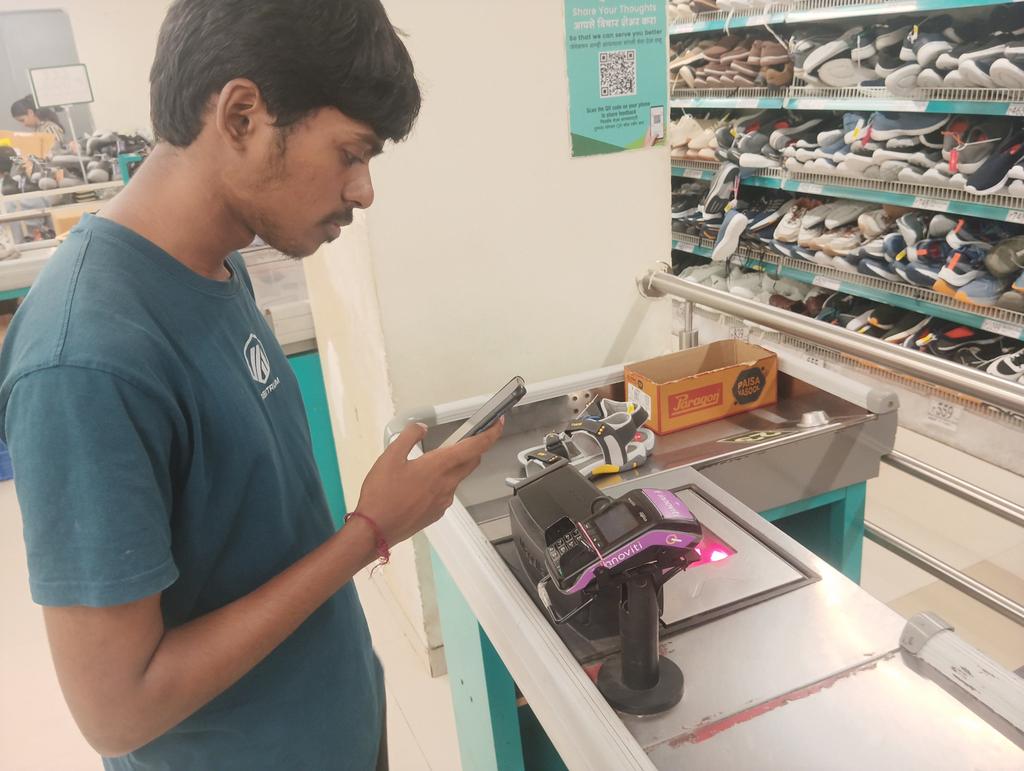
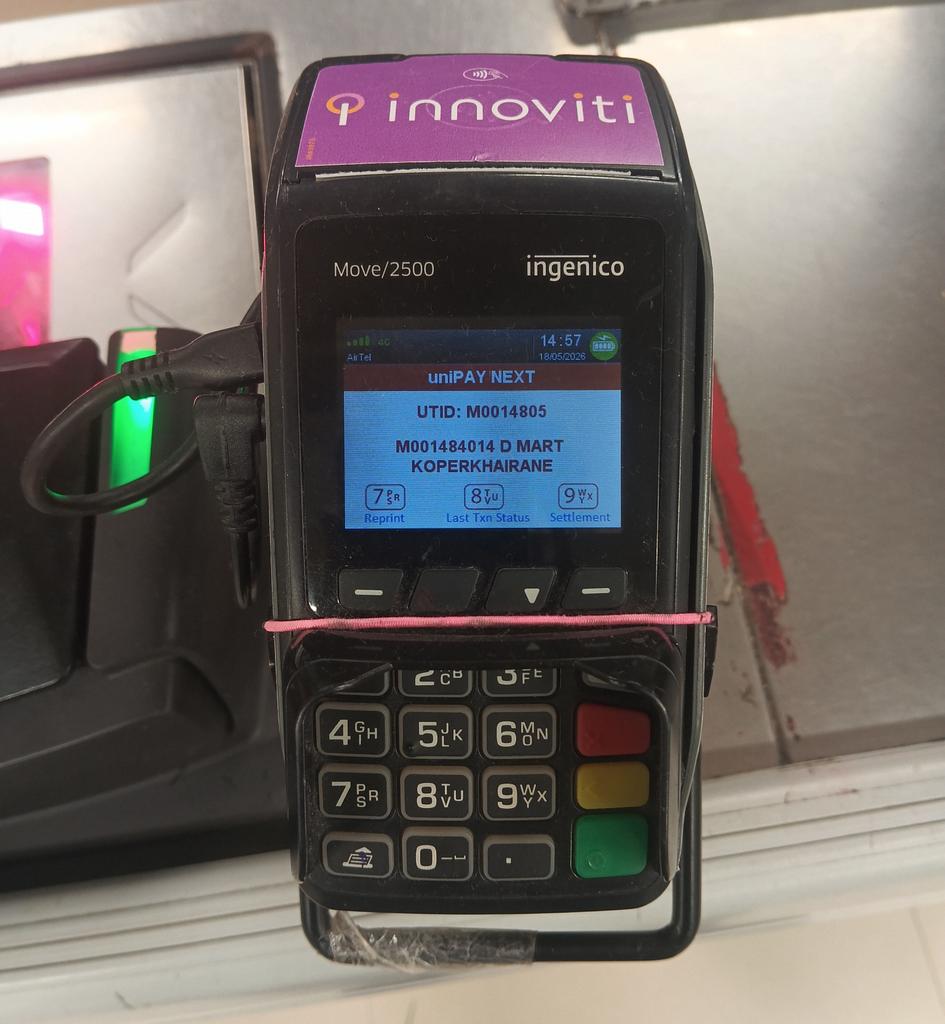
I went to @AvenueDmart today for my daily essentials run. for context DMart has 500 stores across India and is honestly one of the most visited retail chains in the country.
They're running @Ingenico terminals at checkout, the same network that has 40M payment terminals worldwide.
I spoke with the store manager & staff about crypto payments and they were pretty straightforward about it — "if it's easy and fast, we'll definitely try it."
The infrastructure is already there and with @Ingenico already partnering with @WalletConnect, that integration might be closer than we think 👀
3
18
732
May 17
. @WalletConnect Pay is wanted in India!
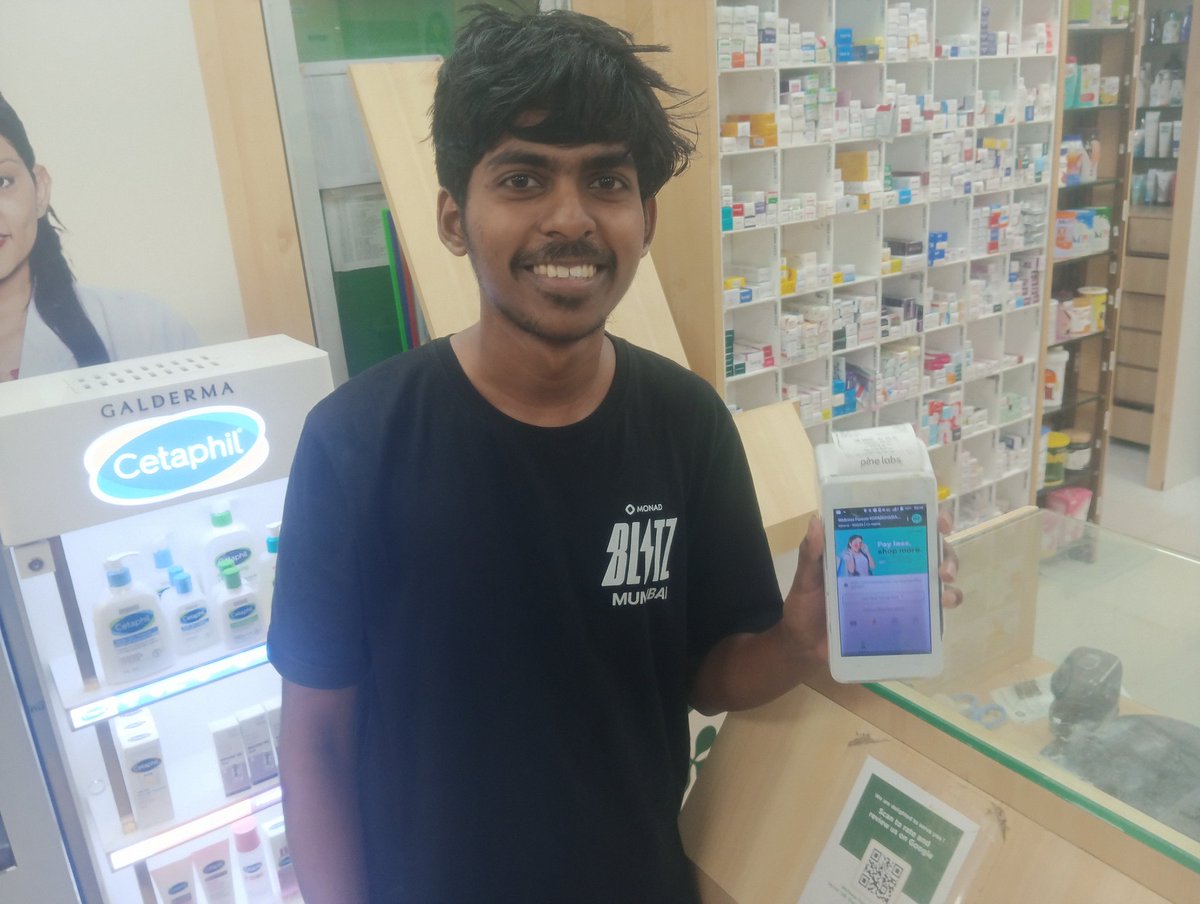
I stopped by @wellness_24x7 today, it's a well known pharmacy chain they use @PineLabs for payments and the staff was pretty open to crypto, they won't mind trying it as long as it's easy to use
adoption might be closer than we think 👀

1
17
514
Arudra Gamidi retweeted

May 6
Announcing the long awaited Onboarding Scout Bounty comeback 🔥
1. Go to a place that is selling something.
2. Ask 2 questions.
3. Post a tweet.
Get 1,000 WCT reward per submission.
Season 1 deadline: May 21.
Check the guide (translations available)!
walletconnect.notion.site/Wa…
612
562
794
35,466
May 16
. @WalletConnect Pay is wanted in INDIA 🇮🇳
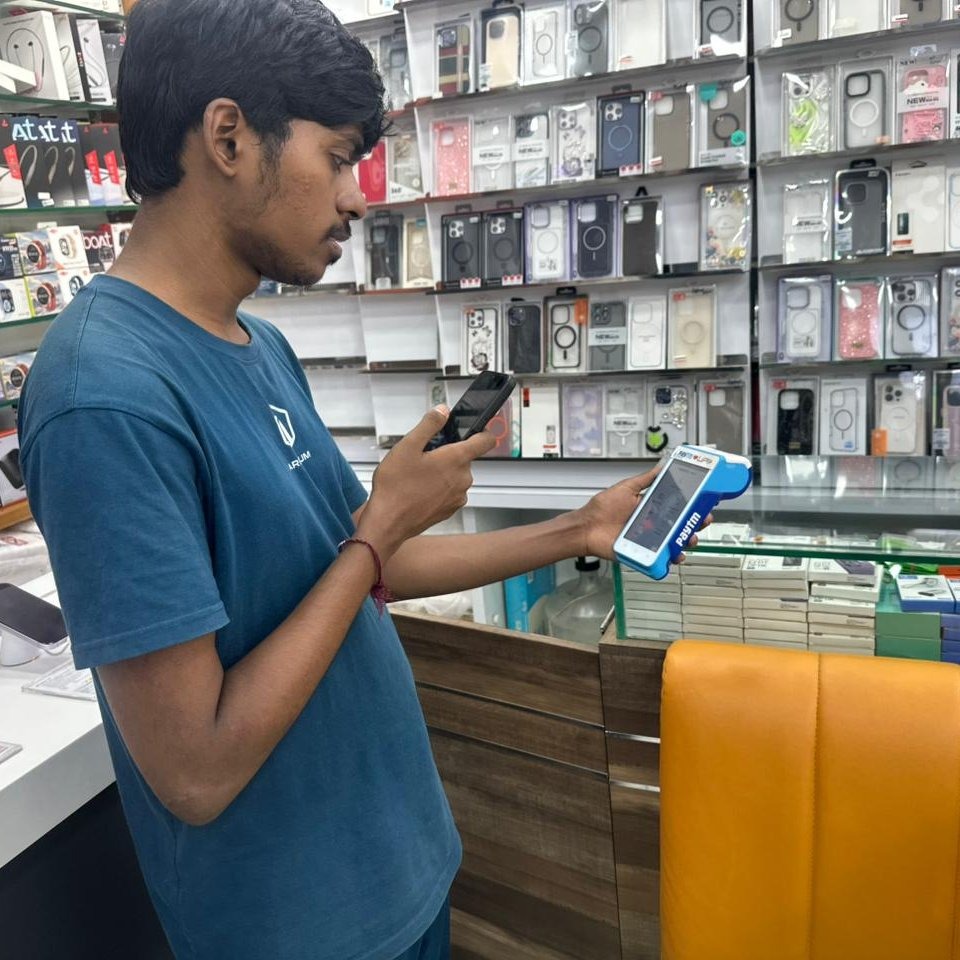
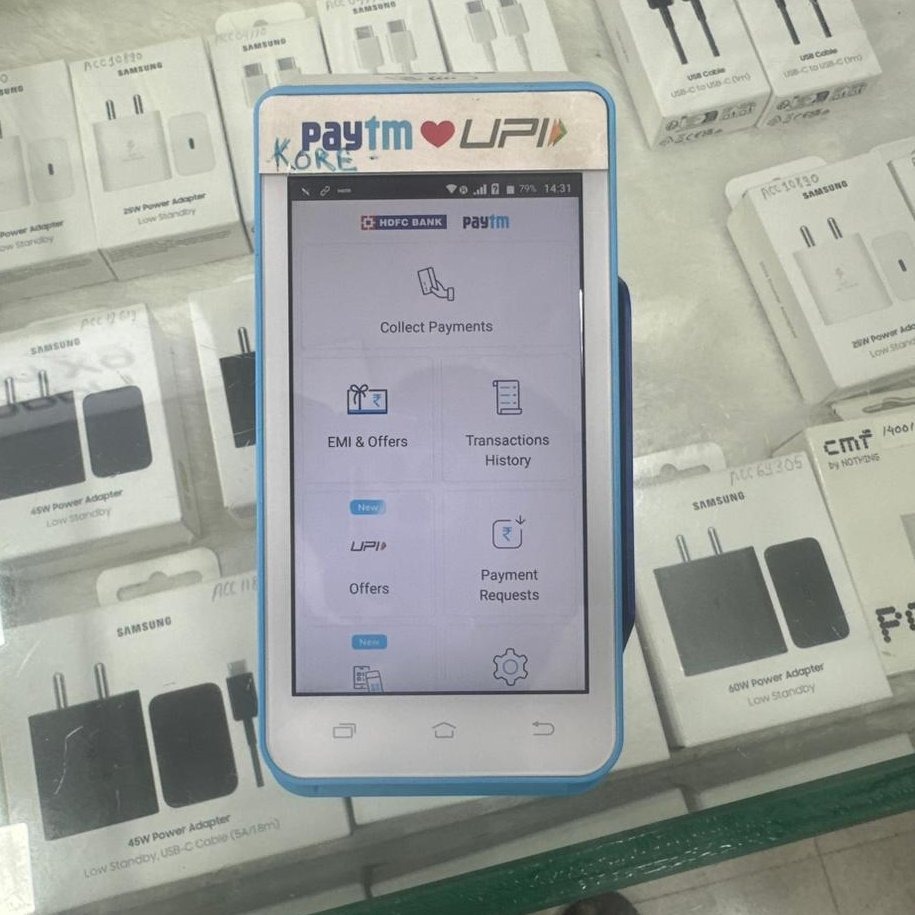
I stopped by a local mobile shop today.
@PaytmBusiness is their payment provider and the owner himself invests in crypto but can't accept it at his counter.
I asked him why, he said "I don't have any option for that right now" 🥲
5
14
744
Arudra Gamidi retweeted

Jan 5
It’s time to accept crypto.
94° Coffee enabled WalletConnect Pay and saw immediate demand from customers.
Lower fees. Faster settlement. No card rails.
This is modern checkout.
10,872
7,351
8,629
198,416
Arudra Gamidi retweeted
Apr 21
everyone's bullish on L2s.
arbitrum. base. polygon. optimism. scroll.
but there's one problem nobody really talks about — these chains exist in their own bubbles.
and that's quietly breaking the multichain dream 🧵
4
1
10
527
Arudra Gamidi retweeted

Apr 17
If you’re ethmaxxing, you should be subscribed to Local Ethereum.
localethereum.substack.com/
1
7
328
Arudra Gamidi retweeted

Apr 20
Every crosschain message consist of 2 fundamental parts: input data and execution proof. Both must be verified to have a secure crosschain message. Correct input data (from a decentralized base layer consensus protocol) into a faulty execution proof (like a compromised full node) is no good. Incorrect input data (like a sequencer confirmation) into a correct proof system (a perfect, bug-free ZKP) is no good either. You need both and you need to verify both for every crosschain message.
1. Block confirmation depth from L2 sequencers does not give added security against a malicious sequencer. Blocks can be reorged by the sequencer any time before they land on their base layer.
2. Verifying the merkle root of block events is not sufficient. A valid, but incorrect event merkle tree can be constructed from malicious input data. (Though arguably performing this attack is more involved than faking an eth_getLogs call)
3. Synchronous composability is perpendicular. You could have a synchronously composable protocol with weak confirmations and a weak proof system, making it prone to forged crosschain messages.
TEEs often get a poor reputation, and they are not perfect, but an RPC running in a TEE that also verified a decentralized block confirmation inside the enclave would seem to have prevented this particular unfortunate incident. Even better, a multisig of TEEs, where each TEE is enforced to be in a different location, cloud provider, and TEE provider could have provided arguably much stronger security for comparable offchain and onchain costs (you verify the TEE attestation once at registration time, then use an ephemeral key onwards which is cheap to verify onchain). The exact RPC binary code would have been attested to onchain, preventing malicious code injection.
The end goal is a real-time multi-proof system of both TEEs and ZKPs a real-time trust-minimized confirmation system. Until ZKPs can match TEEs on cost and latency, we can use TEE proofs up to certain notional thresholds to limit the exposure until a ZKP can be generated.
6
4
32
2,780
Apr 21
everyone's bullish on L2s.
arbitrum. base. polygon. optimism. scroll.
but there's one problem nobody really talks about — these chains exist in their own bubbles.
and that's quietly breaking the multichain dream 🧵
4
1
10
527
Apr 21
spent time understanding espresso properly before writing this. genuinely think this is one of the most underrated projects in the ethereum ecosystem right now 🙏
2
94
Arudra Gamidi retweeted

15 Sep 2025
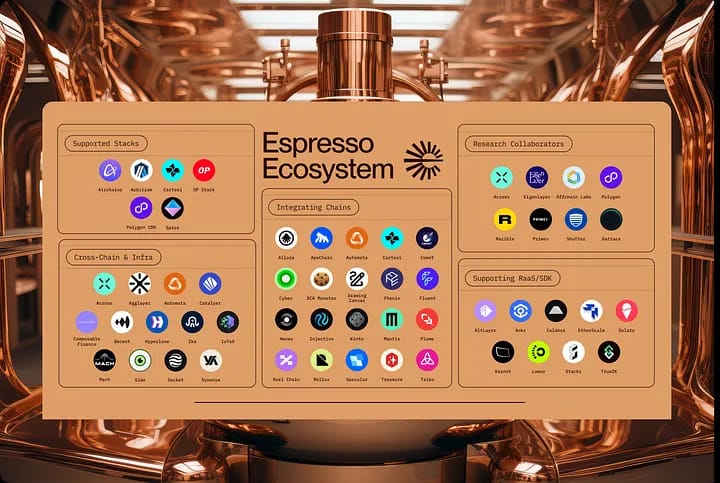
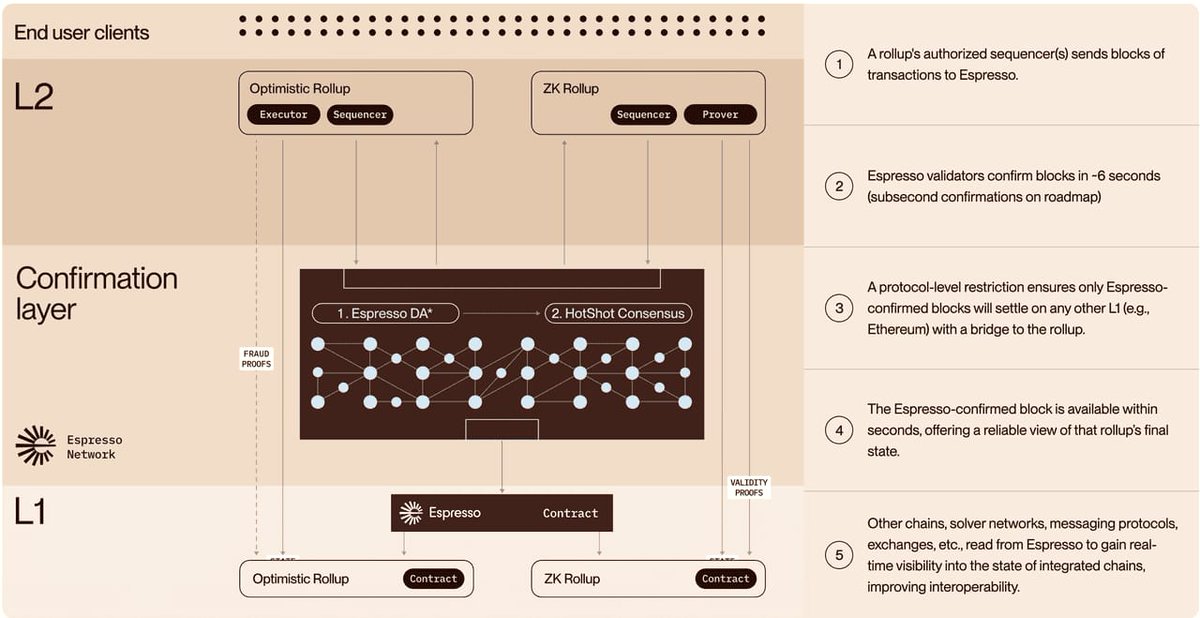
Excited to dive deep into what @EspressoSys is truly building and why it’s essential for rollups📽
Espresso is a base layer purpose built for rollups, offering fast confirmations, cost efficient data availability, and a modular architecture that lets chains interoperate seamlessly, regardless of stack☕️
Mainnet 0 has been live November and the team is now preparing to launch Mainnet 1.0 in Q4
This video breaks down why Espresso matters, how it’s making Ethereum composable again, and where it fits in the modular blockchain stack, all in one place for you!🤎
132
18
439
29,530
Apr 21
L2s solved scaling.
but scaling alone created a new problem — hundreds of chains that don't talk to each other.
espresso is quietly building the layer that fixes that.
worth paying attention to 👀
1
3
94
Apr 21
also started an indian community for espresso 🇮🇳
if you're from india and want to learn, build, or just follow what's happening in the espresso ecosystem - join us 🙏
t.me/espressoindia
cc: @benafisch @jillgun @siannie @marianabernado @ellierdavidson
2
191