
Human pinball | Avgeek | Aviation consulting professional | Politics, pop culture and trivia enthusiast | Questionable sense of humour
Joined June 2010
- Tweets 1,638
- Following 512
- Followers 66
- Likes 5,691
55 Photos and videos








29 Aug 2025
If @GitaGopinath was in the IMF, how come she didn’t appear in any of the Mission:Impossible movies? 🤔
28 Aug 2025

It’s been an incredible 7 years at the IMF. As I return to @HarvardEcon, I'll use these rich experiences to further research global challenges and help train the next generation of economists. My deepest appreciation to @IMFNews colleagues who made this journey so meaningful.
41
8 Jul 2025
Some emerging clarity - reportedly - on what might be ruled out as a cause of the #AI171 crash, but there's still a long way to go for definitive answers...

297
23 May 2025
Given his Tamil origins, I’m surprised @sundarpichai hasn’t considered rebranding the event away from “Google Ayyo” #GoogleIO
33
1 Oct 2024
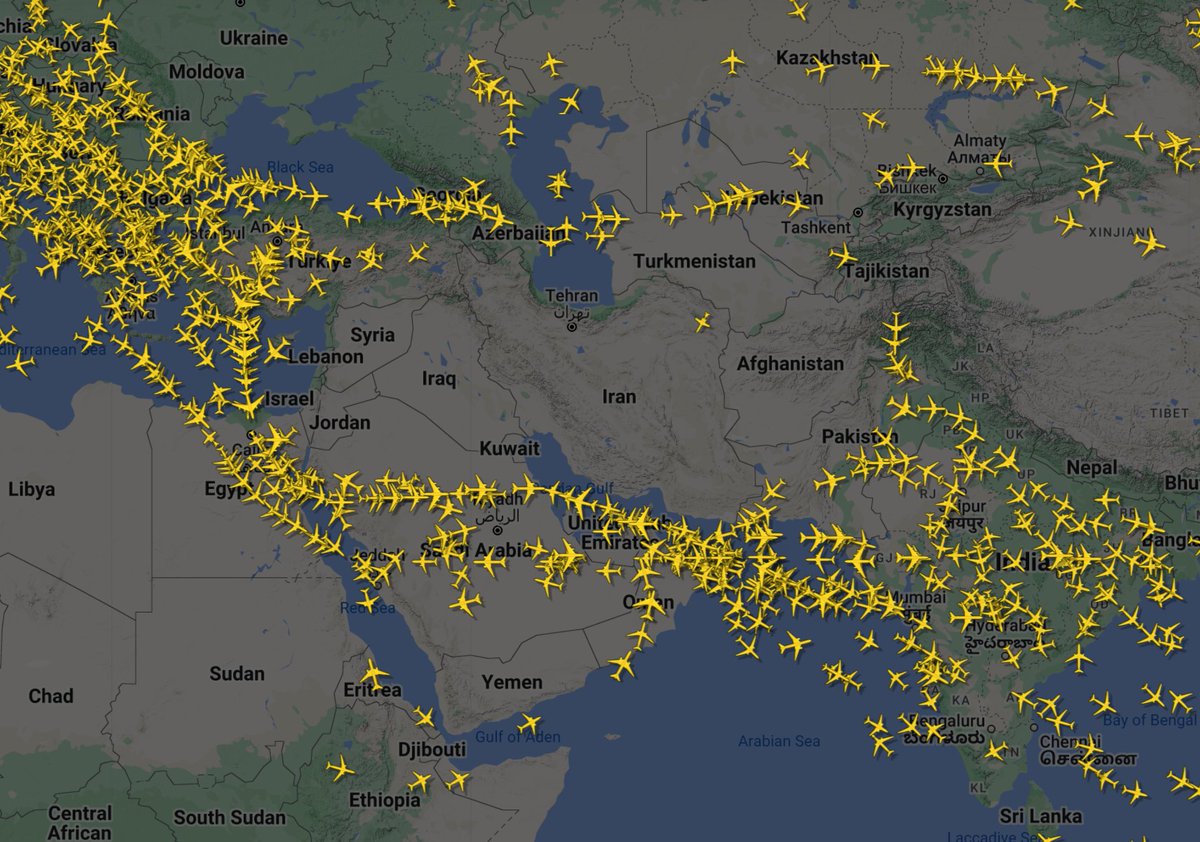
As the war in the #MiddleEastCrisis escalates, commercial aircraft are steering clear of the theatre of war
45
Arvind retweeted

13 Aug 2024
If you have a few moments to listen to this interview as a parent with your child.
Possible one of the best post race interviews I have ever watched #PlayOn
307
5,332
27,596
3,386,420
2 Aug 2024
GOAT level tweet, this.
What a great player. What a great human being.
1 Aug 2024

Never even liked tennis anyway.
68
17 Jul 2024
TIL
17 Jul 2024

#MadrasBhashai 24 - KD - Known Depredator - a repeat offender in the eyes of the law - a throwback to policing in colonial times
31
6 Mar 2024
The replies to this tweet are a prime illustration of why this platform will never die. Sheer brilliance and hilarity 😂

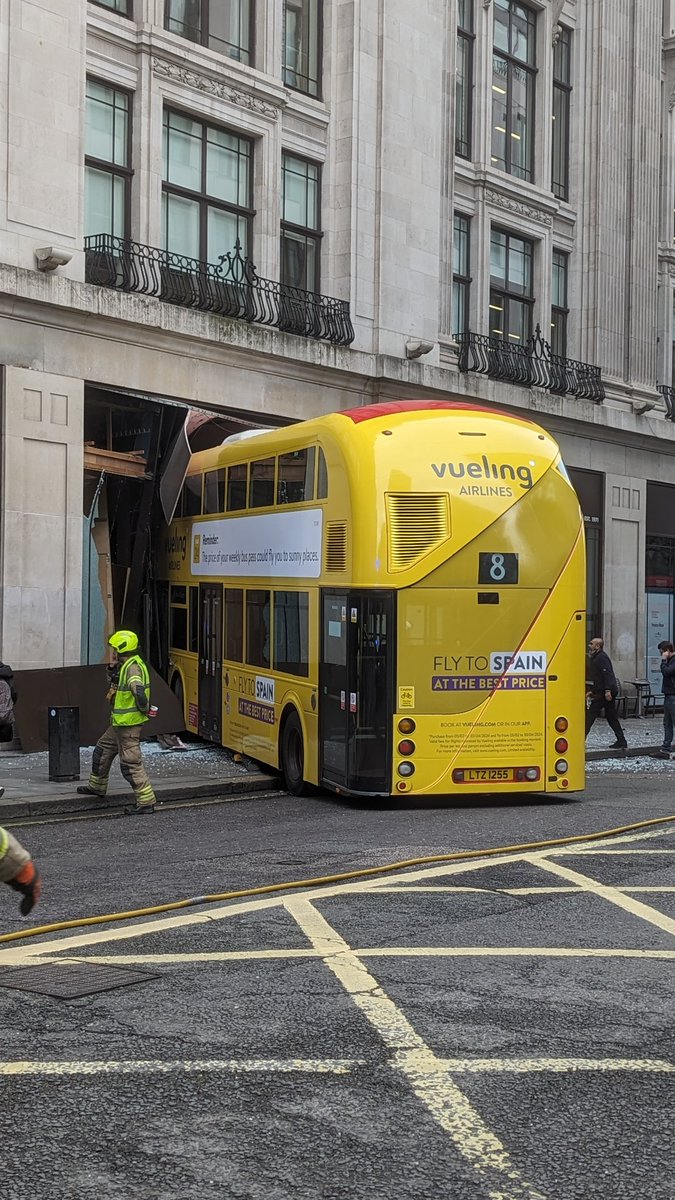
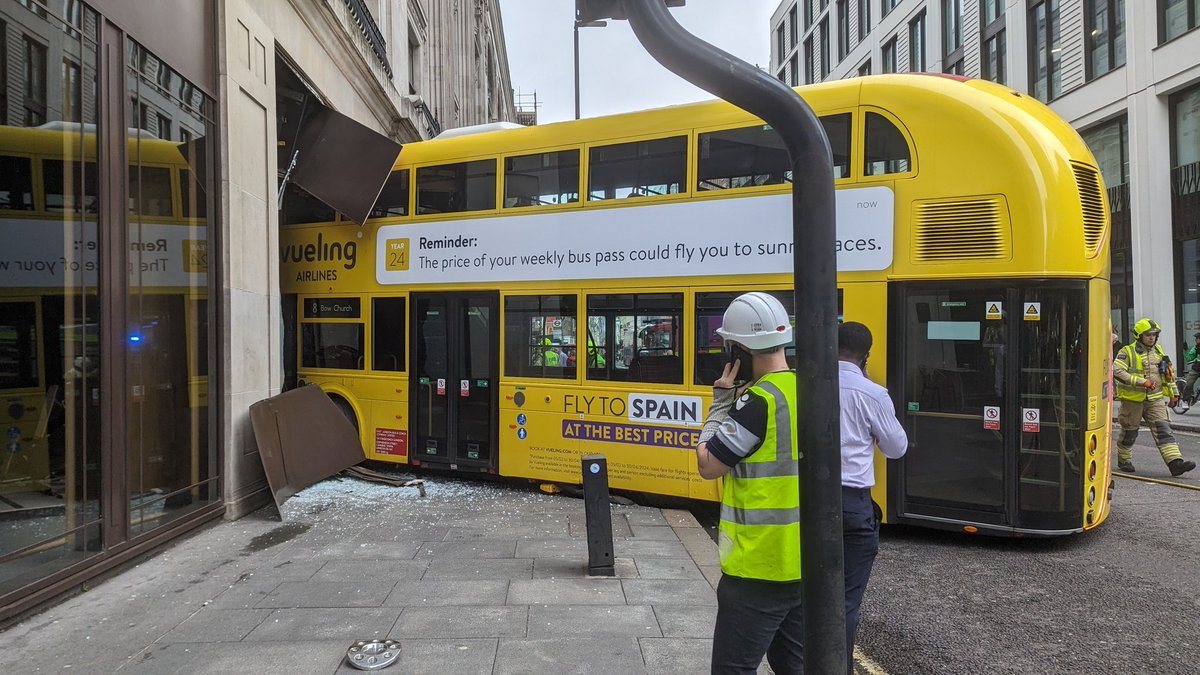
Not sure how it happened but a bus crashed into a building near Tottenham Court Road Station. Police, Fire Brigade and ambulance in attendance.
83
Arvind retweeted

28 Jan 2024
Vacations are difficult. You meet your family after months and that too for a few days. You come across so many difficulties. Both parents and you create a house of cards of lies. While they lie how great they are and living their best without your support or company but you
94
604
6,617
629,616
27 Jan 2024
This is brilliant and beautiful and fun!
26 Jan 2024

Last January, I noticed something peculiar in my 2yo’s bedroom that - after a year of obsessive reporting - led me to a profound cosmic revelation about what’s even possible in our universe. A 🧵.
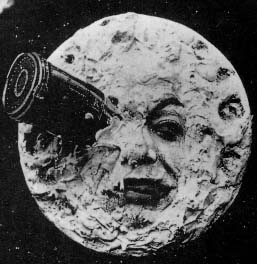
ALT The moon with a rocket landed in its eye. The most iconic shot of 1902 sci-fi film Le Voyage Dans La Lune.
1
80

23 Dec 2023
“The matar of all fights”

No Paneer in Matar Paneer at Wedding: Guests of Bride And Groom Fight, Throw Chairs- WATCH.
timesnownews.com/videos/vira…
25
2 Dec 2023
Honestly, there are just so many brilliant lines in this movie!
2 Dec 2023

What scene or line from a movie never fails to put a smile on your face?
1
109
Arvind retweeted

29 Nov 2023
12
70
646
50,643
7 Nov 2023
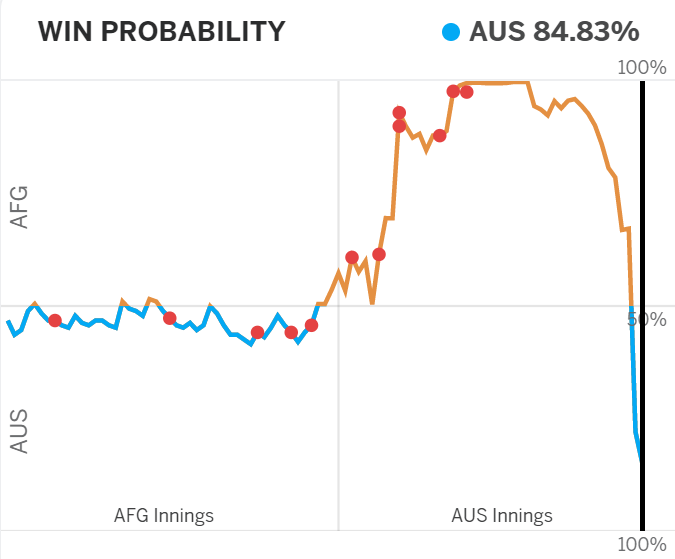
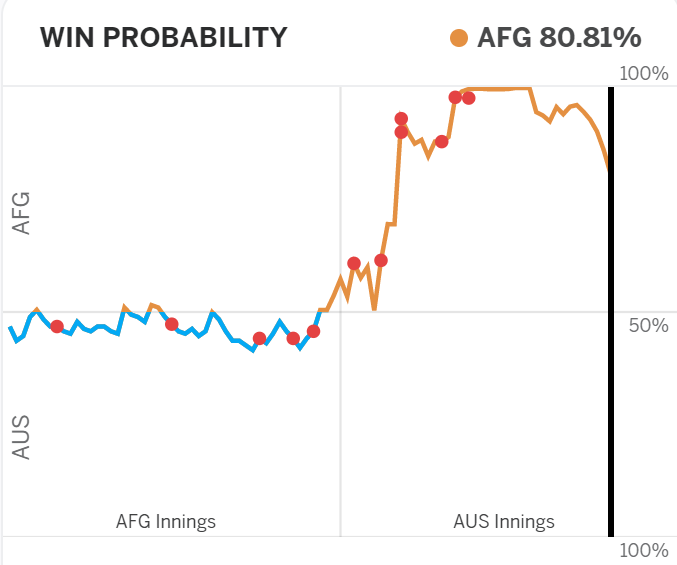
This line is starting to dip sharply downwards now... much as I would love Afghanistan to win this, I suspect it is now Australia's game to lose. #AUSvsAFG
1
1
305
7 Nov 2023
1
97
5 Nov 2023
Is it just me or is no one worried about the dead body in the pool? 🤔
4 Nov 2023


33
31 Oct 2023
This is such a delightful and insightful story!
31 Oct 2023

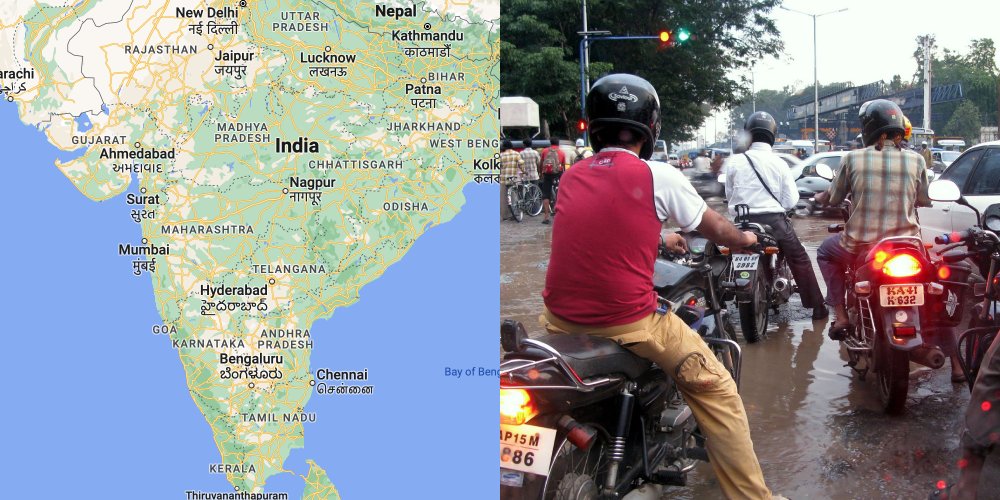
In 2008, Google Maps launched in India.
But we quickly ran into a problem:
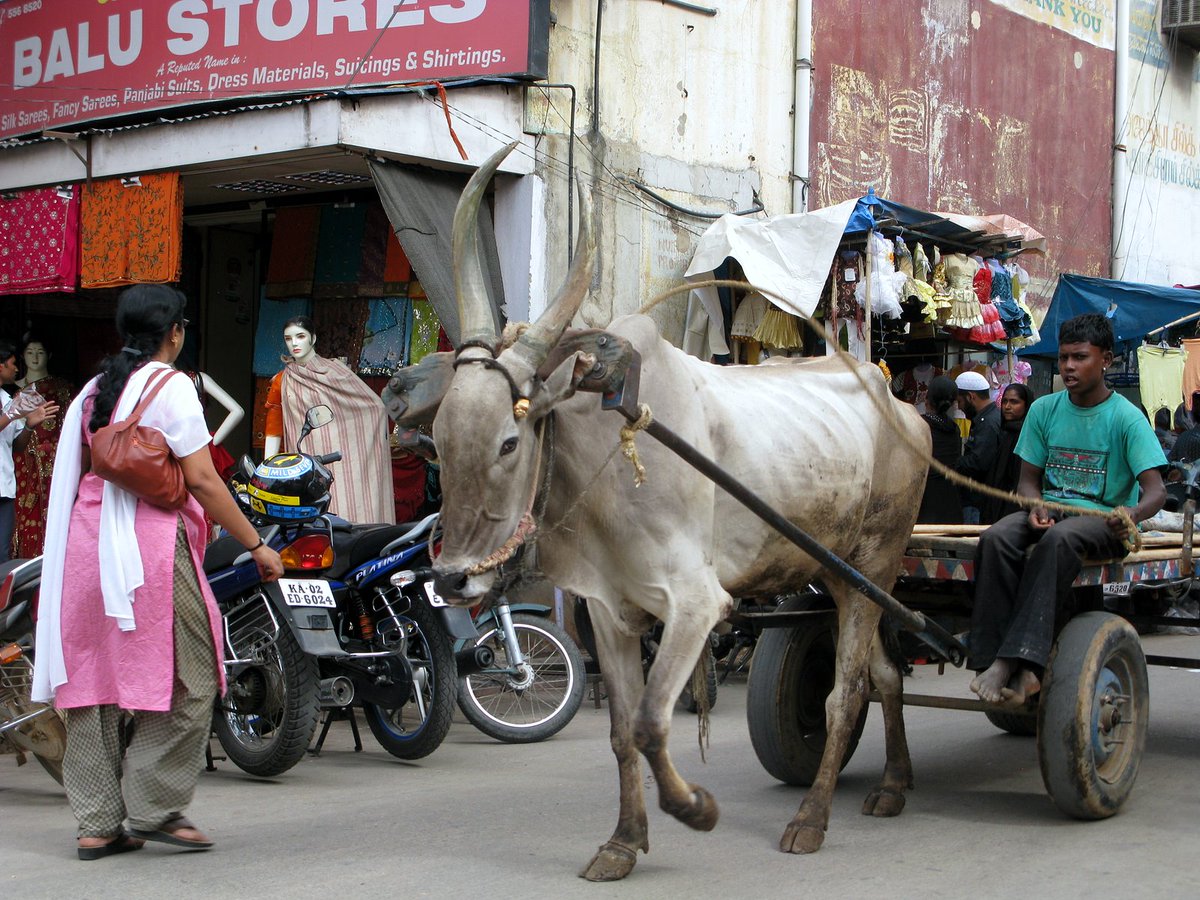
Nobody used street names.
And street names were the foundation of Google Maps.
The team had to make some big adaptations.
15 years later, the changes have stood the test of time.
Here's how the team came up with creative solutions to adapt Google Maps to work in India:
–––
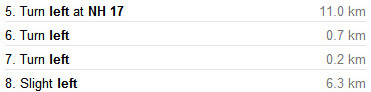
When Google Maps launched in India, turn by turn directions were unusable.
Because there were no road names, directions looked like this:
This was before real time, accurate GPS in phones had become mainstream.
In short, directions were pretty much useless in India.
–––
We could have left the product as it was.
We could have assumed it was good enough, would get better over time, or that eventually people would adapt.
But India was a massive potential market and we wanted the product to thrive.
The solution wasn’t just a case of acquiring and cataloging street names.
Many streets either didn’t have names, had multiple names, or weren’t known by their official names.
So we had to find an alternative.
We already knew that many communities around the world relied on landmarks (rather than street names) for navigating.
e.g. “Turn left at the park, head towards the water”
We knew this was also true in India.
But we had to confirm landmark based navigation would work.
And if it did, how we could make it work.
–––
So we dove in.
We started to explore how Google Maps could work if it oriented around landmarks.
But we needed to understand 2 key questions:
1. How did people use landmarks to navigate in India?
2. What types of landmarks were good for navigating?
This is where user research came in.
At the time, Google had robust support for user research.
There were research labs on campus with eye tracking technology and one-way mirrors.
There was a team dedicated to recruiting research participants.
But in this case, my friend and researcher extraordinaire, Olga (@okhroust) simply focused on how she could best answer these key questions.
She put together a creative and scrappy research plan.
And then she and Janet, the designer, hopped on a plane to India.
–––
What followed was nimble, on the ground field research to understand, first-hand, the answers to these questions.
They creatively explored various approaches including:
• Calling businesses and asking them for directions to their stores
• Asking people to draw diagrams of routes to familiar places
• Following people around as they navigated unfamiliar places
• Recruiting people to keep track of directions they gave or received later interviewing them on their experiences
• Sharing early designs of landmark based directions and asking for feedback
Rather than relying on sophisticated technologies or being bounded by formal research methods, they creatively tried several different tactics to understand how locals navigated their way through India.
Olga and Janet found that people used landmarks to navigate in a few key ways:
• Orientation: “Head towards the water”
• Description of a turn: “Turn just past the Big Bazaar”
• Confirmation of the right path: “You'll see a petrol station on the right”
• Error correction: “If you get to the roundabout, you've gone too far”
Landmarks that were used for navigating included parks, monuments, shopping centers, notable buildings, stores, petrol stations, roundabouts, etc — basically anything that anyone would notice while on the road.
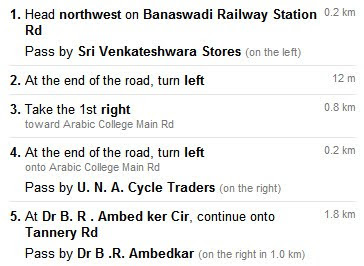
And so the team reworked turn-by-turn street directions to include navigational landmarks to help orient people, signal turns, confirm direction, and error correct.
The team worked through several iterations before landing on a final solution that emphasized landmarks, but also subtly included road names (when available):
–––
The research drove the product changes that helped transform Google Maps into the dominant navigational product for India.
A lot has changed in the last 15 years with the pervasiveness of location-enabled mobile phones, cheap mobile data, and generally how locals navigate in India.
But the use of landmarks to help people navigate through India has stood the test of time.
–––
What I love about this story and my 2 biggest takeaways are:
1. Research is a critical tool for ensuring you’re building a good product
2. Research can be as simple as just talking to people to answer your questions
tl;dr: If you are looking for answers, go talk to people.
For more on design tips for early stage founders, follow @elizlaraki
2
44