
Joined August 2023
- Tweets 105
- Following 214
- Followers 21
- Likes 425
20 Photos and videos






Pinned Tweet

16 Jan 2025
Please do check my new chapter in Contested Equality.
16 Jan 2025

Contested #Equality: International and Comparative Legal Perspectives, edited by @_ElifAskin & Hanna Stoll of @UZH_en
Contributors incl' @miraburri @VanditaKhanna @AdamPloszka @MerelVrancken @arvindtay
This #OpenAccess title is free on Elgaronline ➡️ doi.org/10.4337/978103532577…
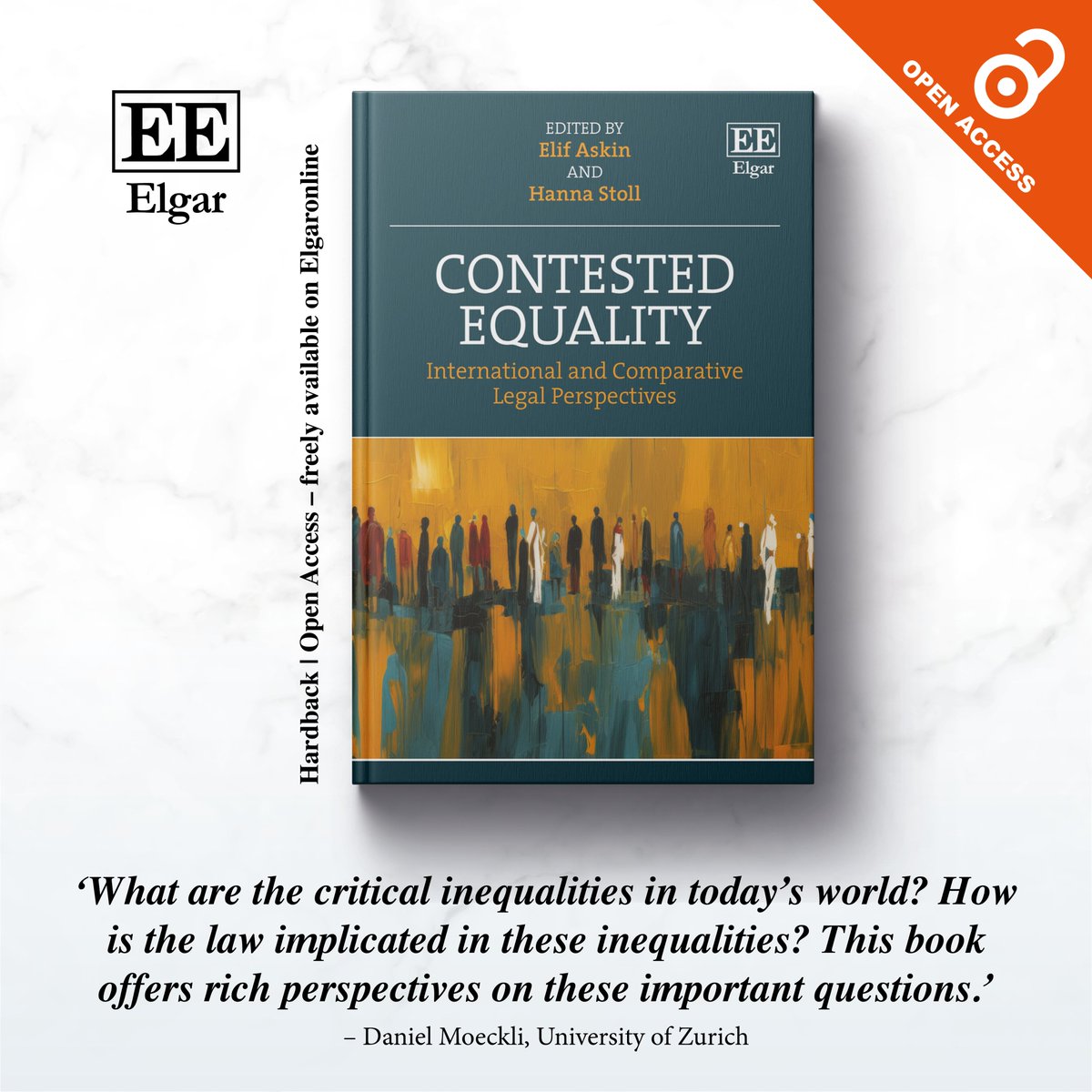
ALT Comparative in scope, this book explores current debates surrounding the legal notion of equality. It expertly analyses equality law from a range of different legal perspectives, divided into three categories: dimensions of inequality; framing and proceduralising inequality; and new frontiers of inequality.
155

Arvind Tayenjam retweeted

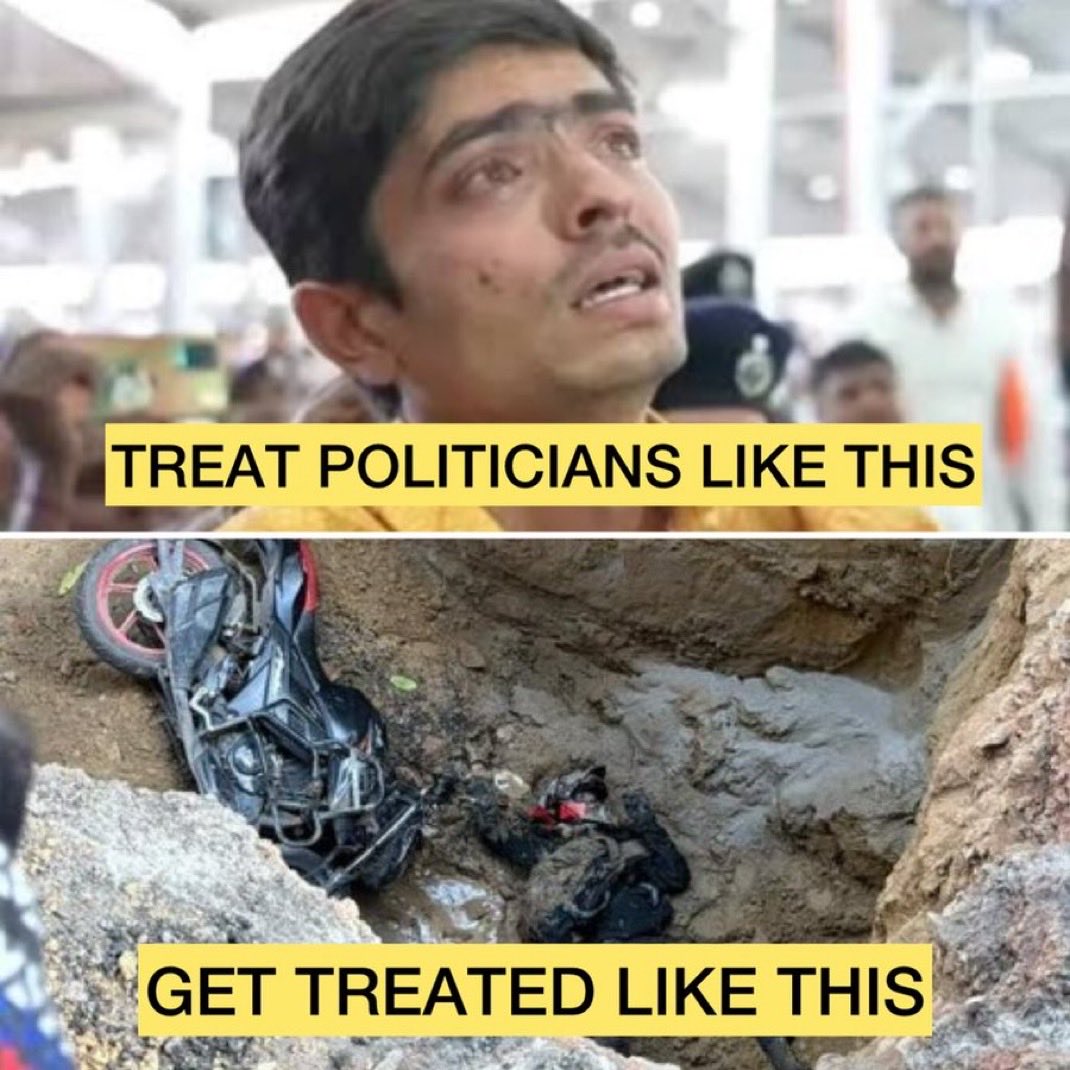
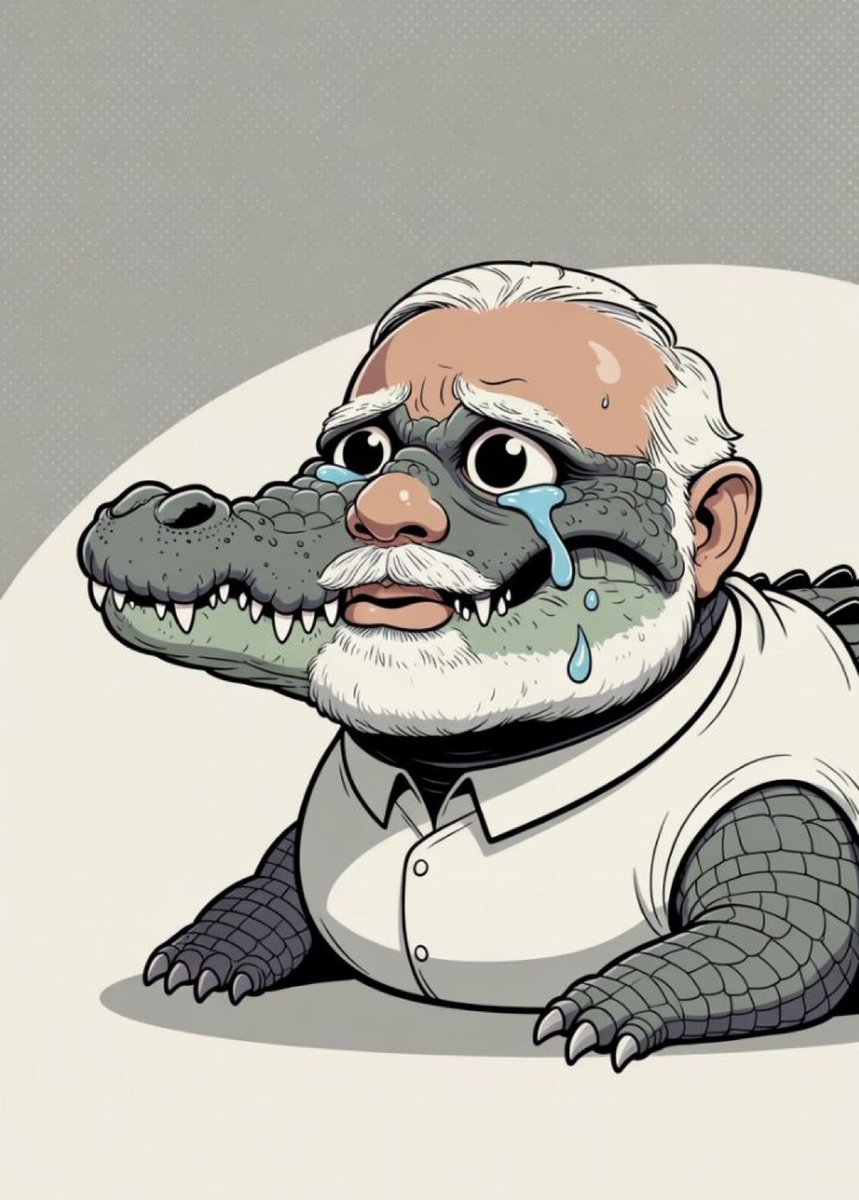
My urgent message to Mr @narendramodi ji. Why are you still silent on today's killing of innocent 2 babies while sleeping with her mother in midnight with rockets by Kuki militants? Manipur is not a part of India? Manipur deserves justice now. No Justice, No Rest. 😢🙏
2,318
20,867
63,849
1,814,619
Mar 25
Parliament has erased the right to self-determination of gender. Trans men, trans-masculine people, and genderqueer individuals have been removed from the definition entirely . Nupi Manbi deserve better. Every trans person deserves better.
#RejectTransAmendmentBill #NupiManbi
17
Arvind Tayenjam retweeted

Mar 24
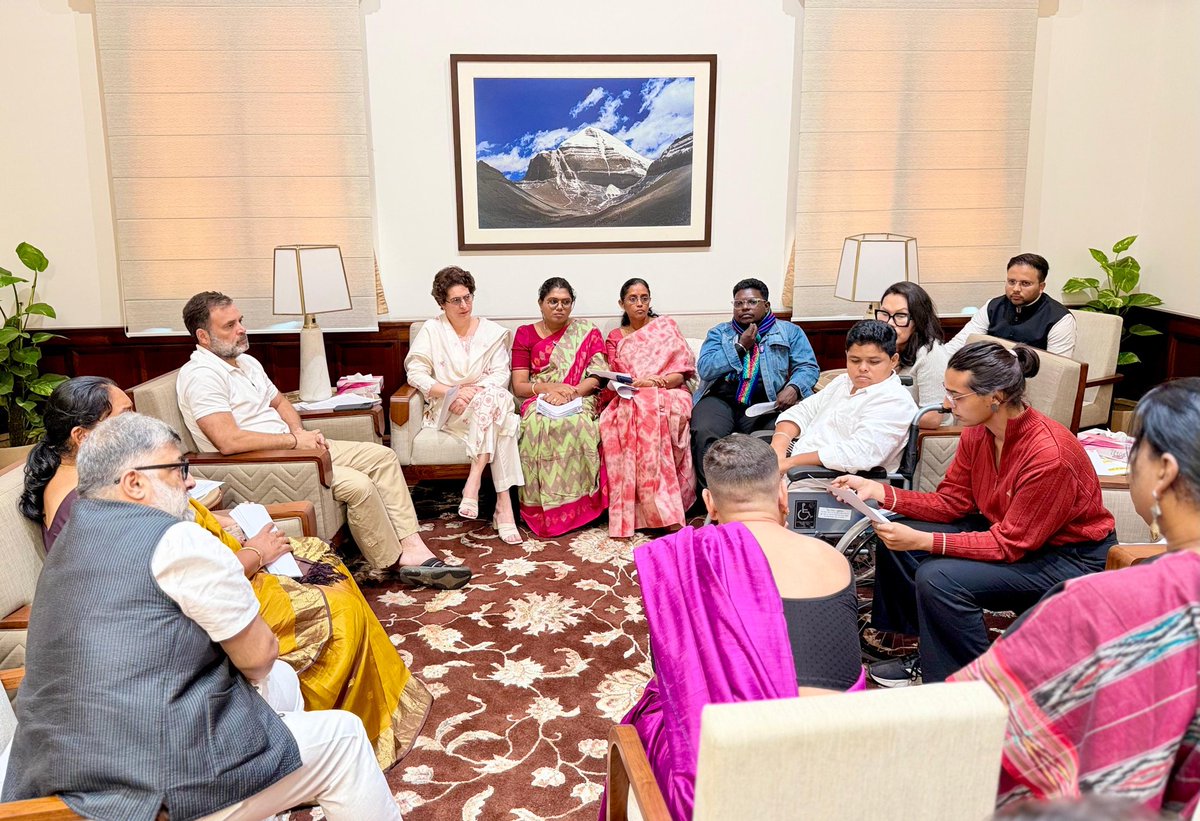
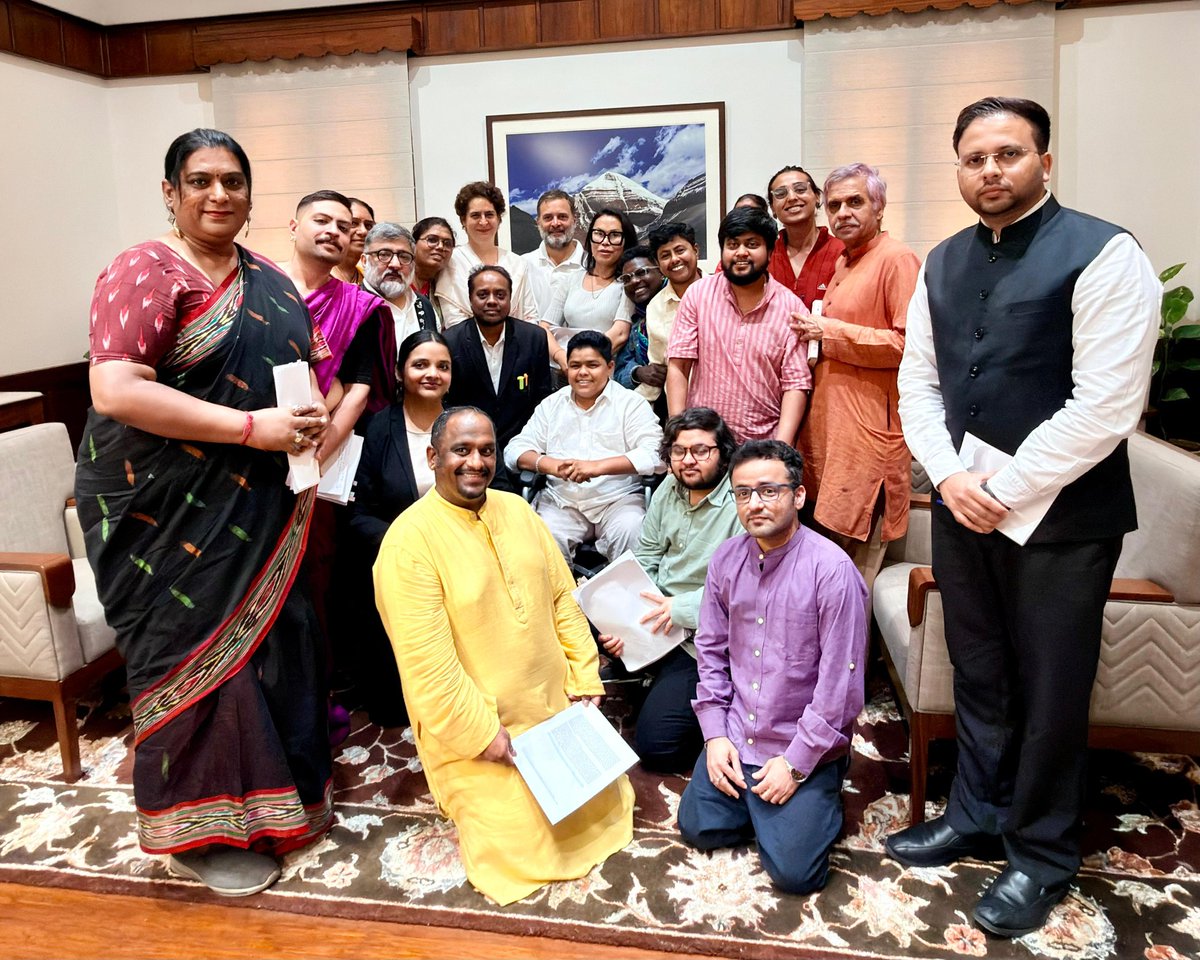
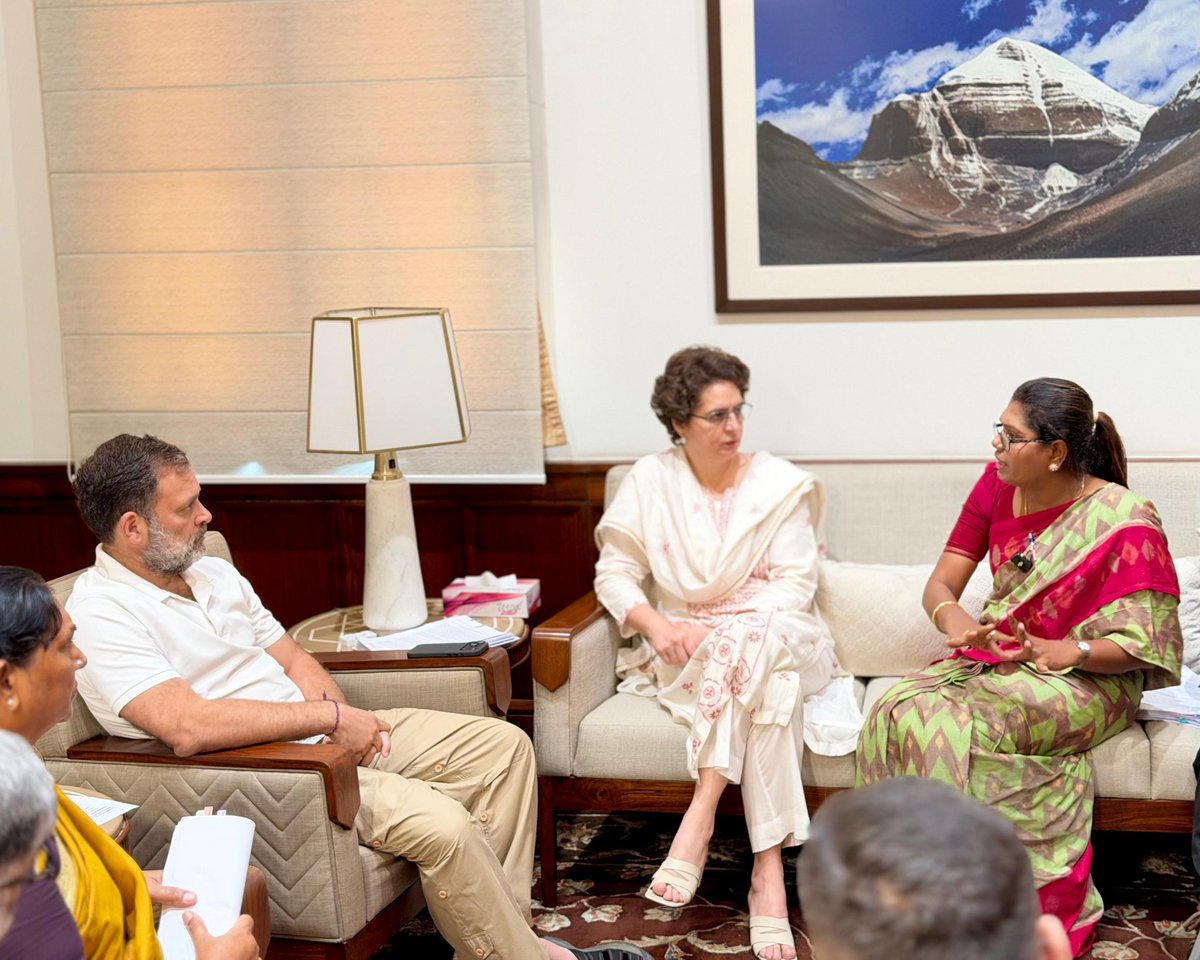
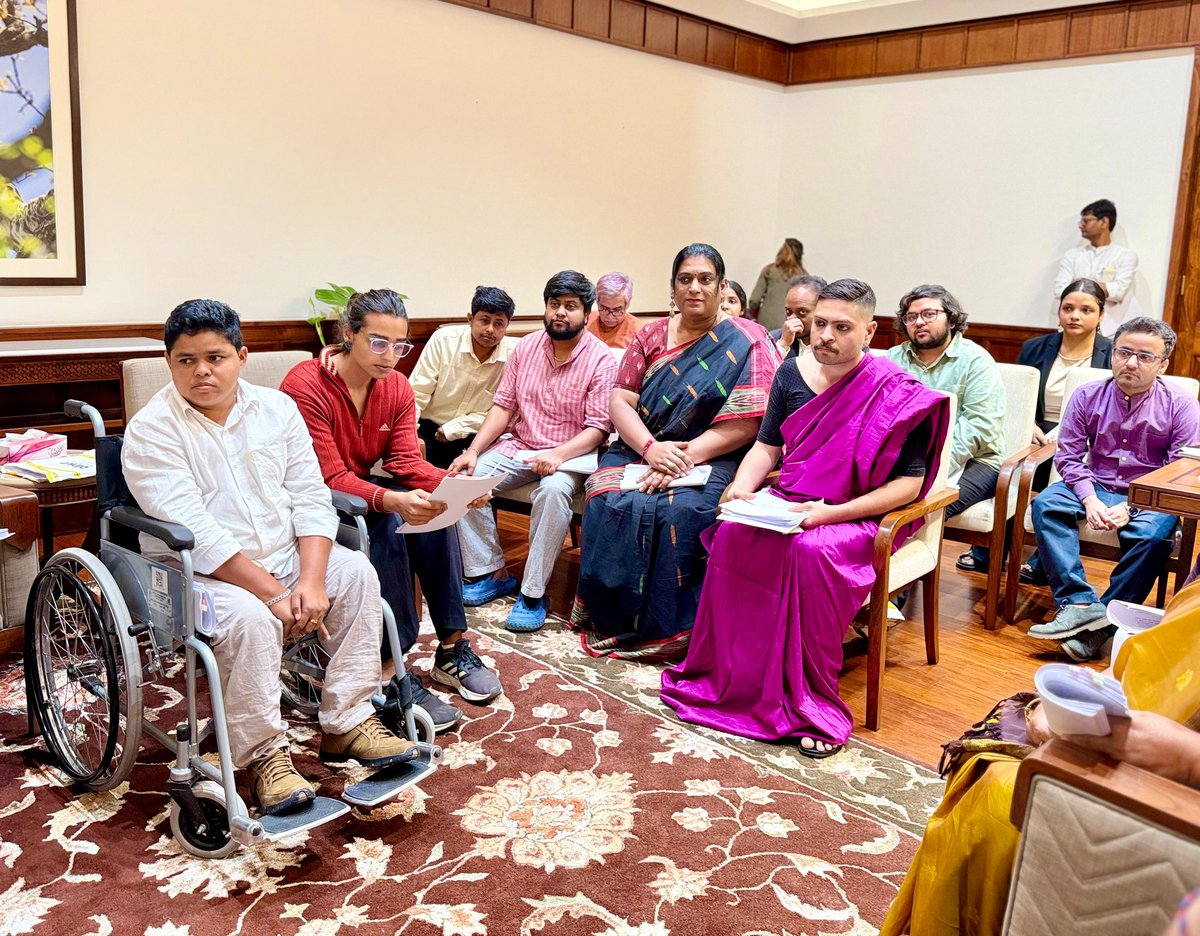
The BJP government’s Transgender Persons Amendment Bill is a brazen attack on the Constitutional rights and identity of transgender people.
This regressive bill:
- strips transgender people of their ability to self identify, violating a Supreme Court judgement
- wipes out the diverse cultural identities of communities across India
- forces trans people to undergo dehumanizing examinations by a medical board
- introduces criminal penalties and surveillance without safeguards
The BJP government hasn’t consulted the trans community and brought a bill which stigmatises rather than protects them.
The Constitution protects every Indian’s right to life, liberty, identity, and dignity. This BJP government is violating our Constitution and destroying India’s rich history of honouring transgender communities in pursuit of its narrow ideas.
The Congress Party unequivocally opposes this Bill.
489
4,199
13,816
347,914
Arvind Tayenjam retweeted

23 Dec 2025
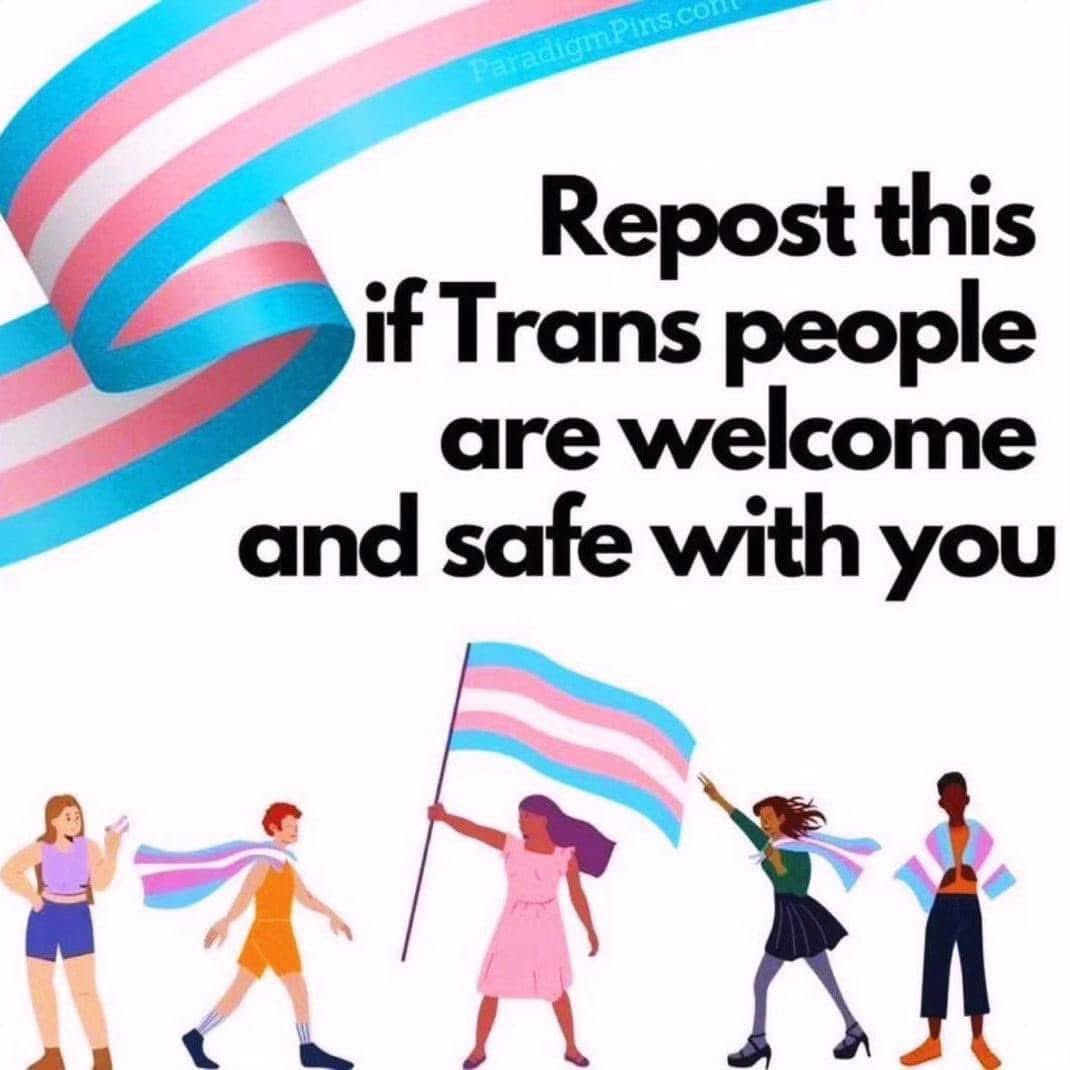
The attempt to split LGB from TQIA did not come from inside the community. It did not grow organically out of lived experience. It was introduced deliberately as a wedge.
This tactic has a long history. When a minority group cannot be eliminated outright, the next move is fragmentation. You identify internal differences. You exaggerate them. You promise one section safety if it distances itself from the rest. You frame that abandonment as maturity, realism, or courage. This is not accidental politics. It is campaign strategy.
Far-right and authoritarian movements have used this approach repeatedly. Divide labour movements. Divide feminist movements. Divide racial justice movements. Divide queer communities. The goal is always the same. Break solidarity so resistance collapses inward.
The “LGB without the TQIA ” narrative fits this pattern exactly. It reframes shared oppression as competing interests. It tells lesbians, gay men, and bisexual people that their safety depends on sacrificing others. It dresses exclusion up as pragmatism and calls it concern.
Some people fall for it because fear works. When people feel threatened, they look for distance from whoever has been marked as the current target. But it is important to be honest here. This is not just gullibility. It is resentment. It is bitterness. It is people choosing hierarchy over solidarity because hierarchy feels safer than equality.
That is why this campaign is driven by hate, not misunderstanding.
You can see this in how it behaves. It does not stop at disagreement. It moves quickly to harassment, intimidation, and obsessive fixation. It polices bodies. It polices language. It polices who counts as “real.” It treats people as contaminants rather than neighbours. That is not a disagreement about policy. That is a hostility toward existence.
You can also see it in who amplifies it. The same networks that push anti-immigrant rhetoric, anti-feminist talking points, and authoritarian culture wars are the ones boosting the “divorce” message. The overlap is not subtle. It is structural. These groups are not trying to protect lesbians or gay men. They are using them as a shield.
What makes the campaign collapse is reality.
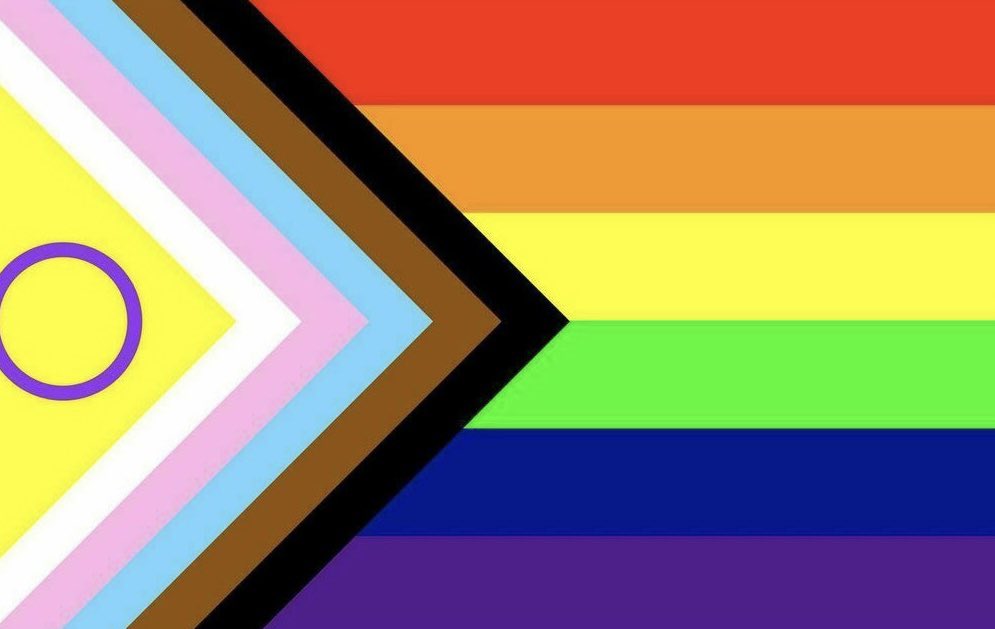
Real communities do not separate cleanly. Trans lesbians exist. Gay trans men exist. Bisexual trans people exist. Non-binary partners exist. Intersex people exist across every sexuality. You cannot cut TQIA away without erasing people who already live inside LGB. That is why the argument keeps failing in practice. The people being told they will be “protected” are the same people who get targeted next.
History makes this unavoidable. The same systems that punish homosexuality punish gender nonconformity. Gender policing comes first. Attraction policing follows. Anyone pretending there is a safe stopping point is ignoring how power works.
That is why the campaign has to keep shouting. It has to keep escalating. It has to keep inventing threats. Because once people look at their actual friends, partners, families, and communities, the story falls apart.
Solidarity is not sentimental. It is practical. It is how LGBTQIA people survived criminalisation, medical abuse, and social exile. It is why rights were won at all. And it is precisely why authoritarian movements are so invested in tearing it apart.
The bitter irony is that this campaign has done the opposite of what it intended. By trying to fracture the community, it exposed the shared reality more clearly. People saw the overlap. They saw the cruelty. They saw the playbook.
You do not defeat a community built on lived intersections by pretending those intersections are imaginary.
And that is why the split keeps failing.
721
960
4,040
203,975
11 Oct 2025
😆

Congratulations to Maria Corina Machado on being awarded the Nobel Peace Prize 2025.
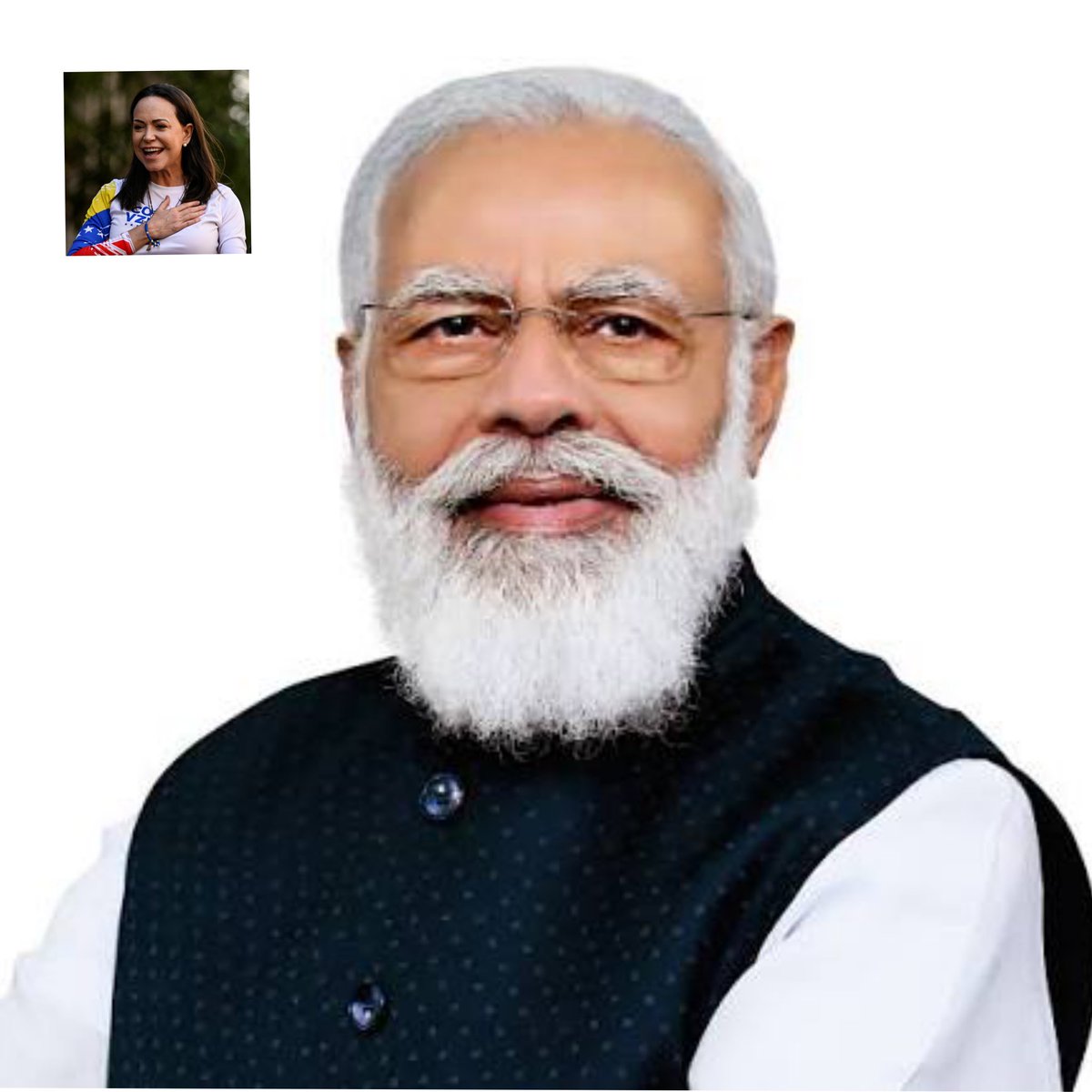
21
Arvind Tayenjam retweeted

2 Sep 2025
🤣🤣😂🤣😂😂 vs 😠😡😠😡😤😤
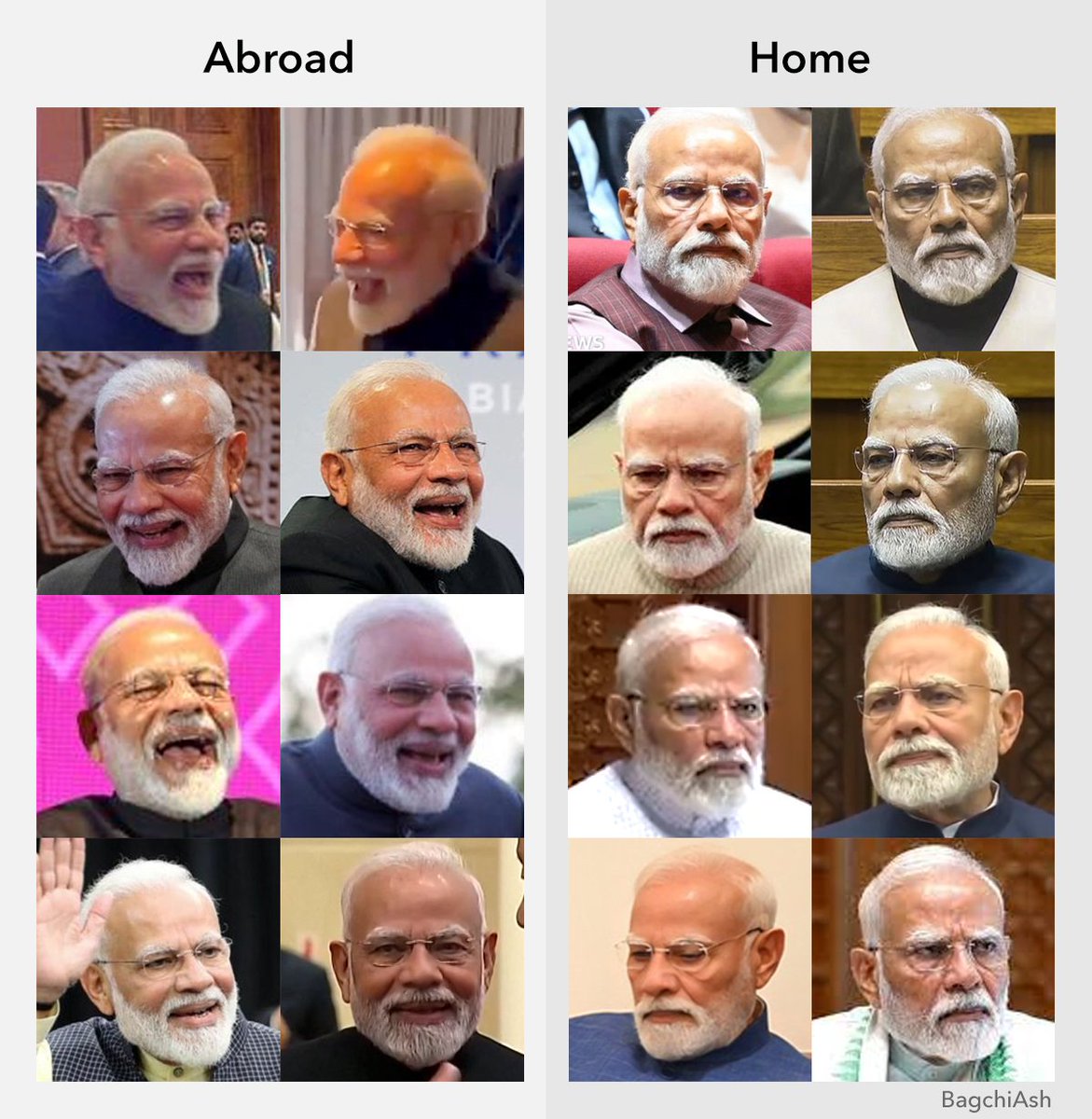
1,402
5,777
33,506
1,361,392
26 Jun 2025
I used to live in The Netherlands between 2019-21 and the NS trains were quite reliable. I came here after some years and I am seeing that NS trains are delayed or cancelled. The connection from Schipol seems to have gotten worse.
65
9 Apr 2025
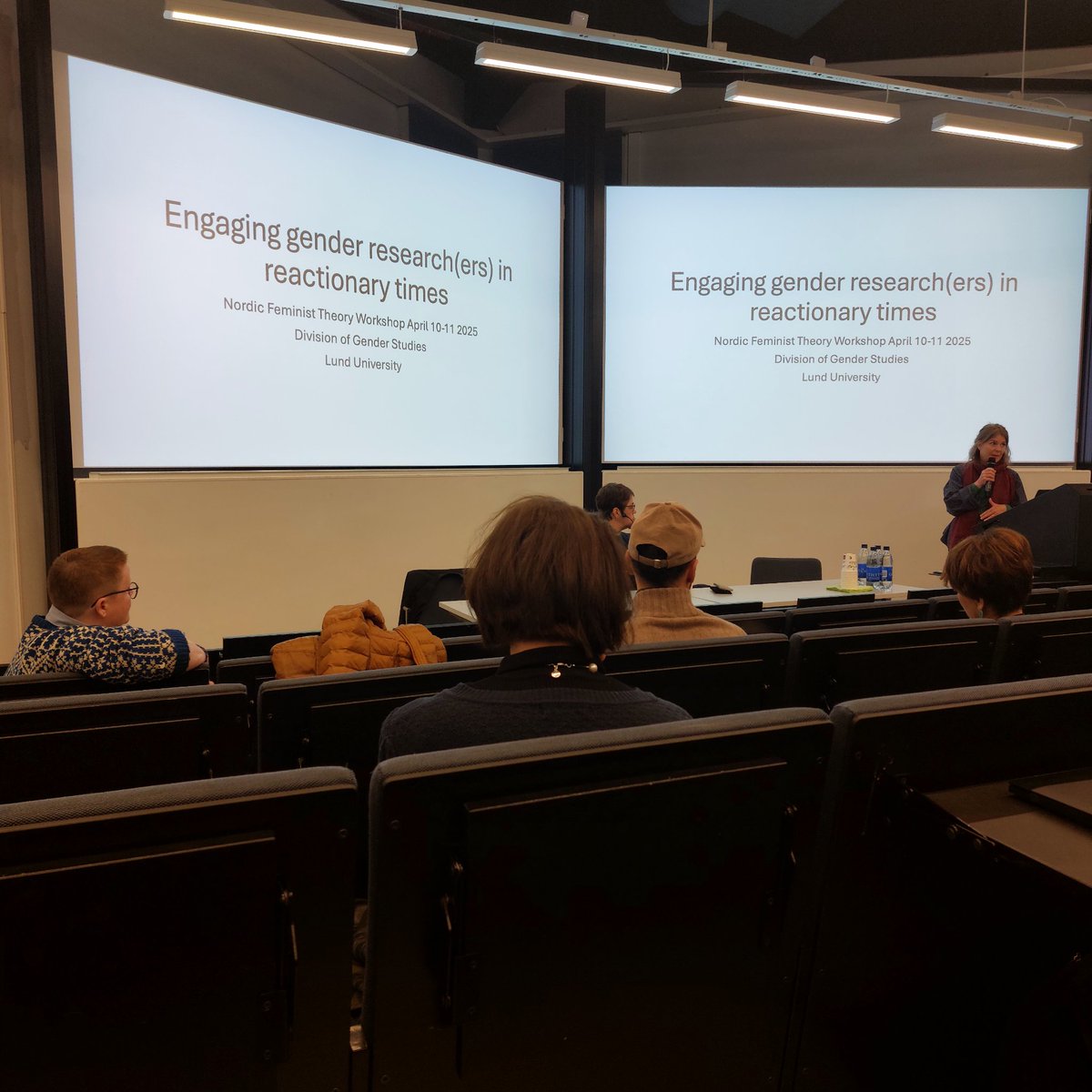
Taking part in Nordic Feminist Theory Workshop at Lund University tomorrow.
24
8 Apr 2025
What is rapid-onset gender dysphoria (ROGD) - a manifestation of cis-het paranoia?
32
13 Feb 2025
While I try to understand Deleuze, I have to remind myself not to overcode constantly.
30