
Co-founder, @bitetoothpaste 🌎🌴Entrepreneur. Designer Eng. 😇 Investor: @NotionHQ, AirChat, @clubhouse, @italic, Okendo, Intro, Gorgias, Peel
Joined July 2008
- Tweets 4,094
- Following 1,468
- Followers 4,005
- Likes 4,847
452 Photos and videos









Pinned Tweet

29 Jun 2021
Holy &@#%!
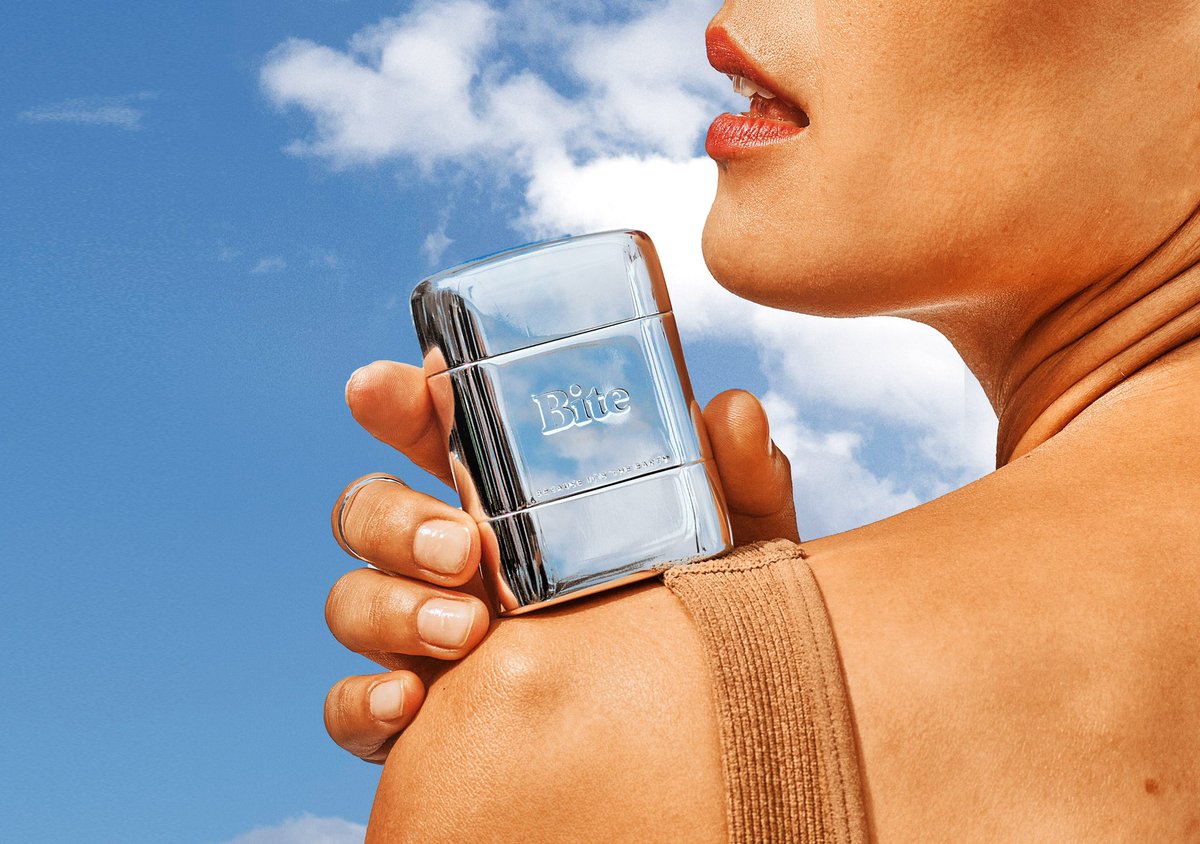
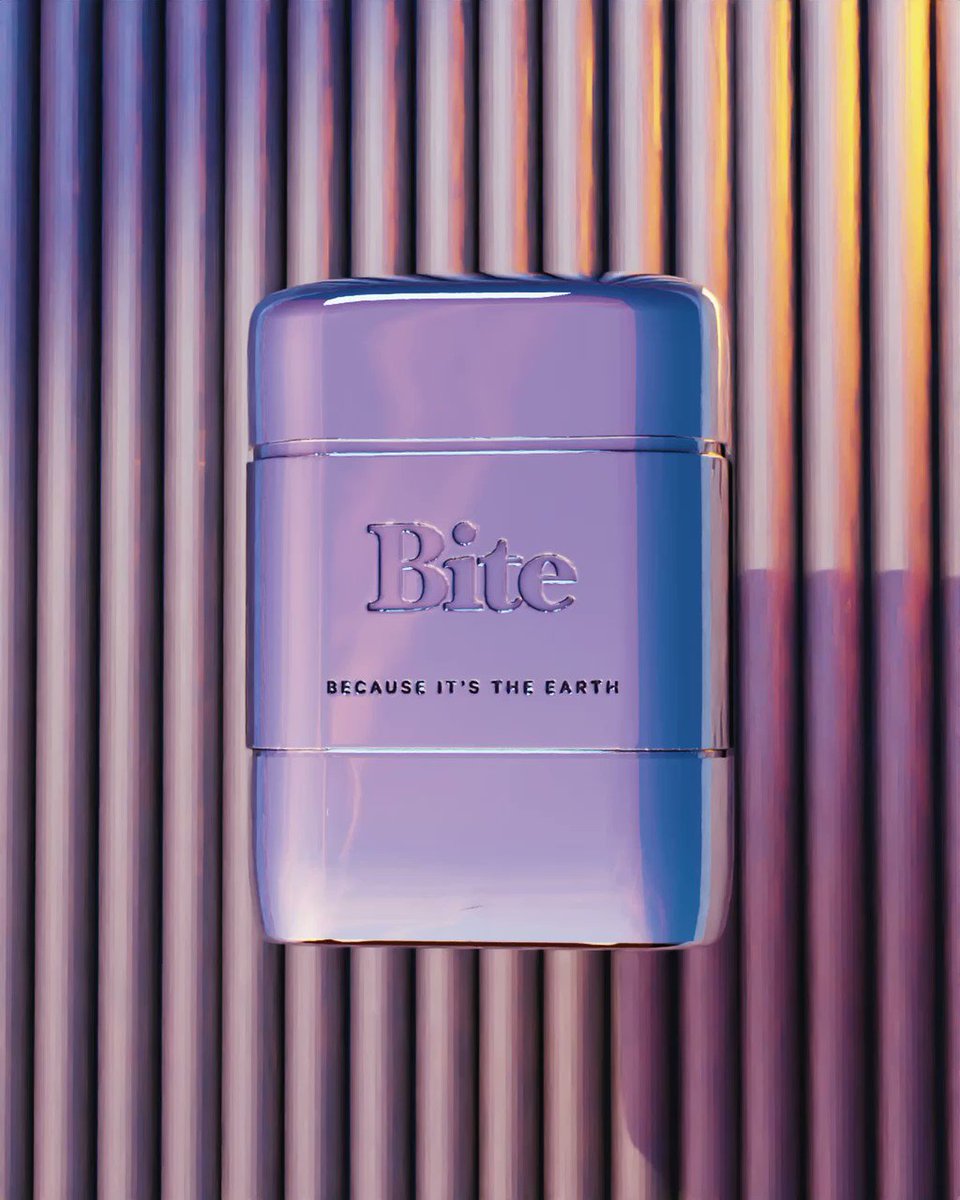
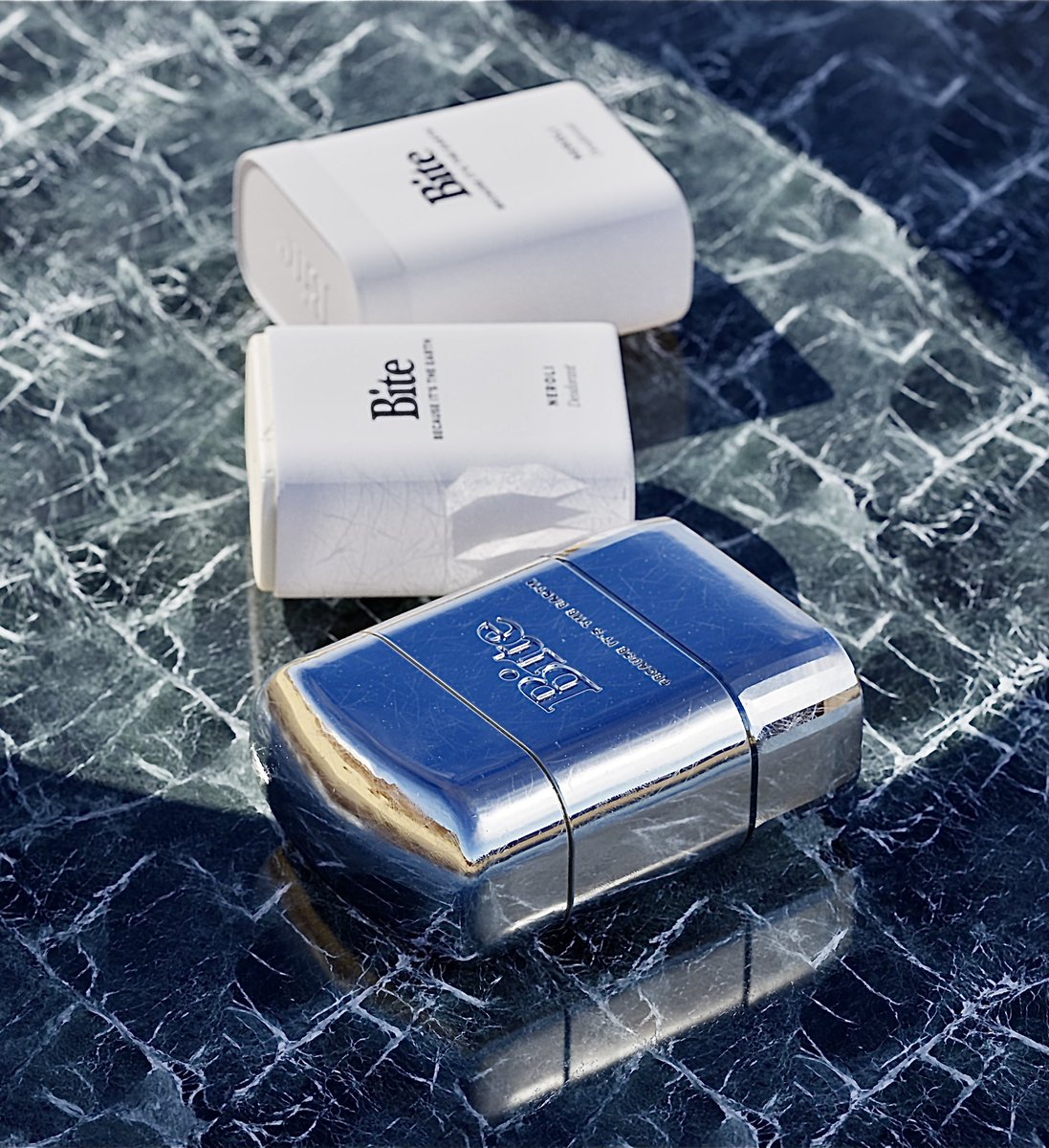
Unreal! @bitetoothpaste was the first store featured on @Shopify Unite!!!!
Thank you @tobi @harleyf for empowering entrepreneurs like @lindsaymc and I (and team!!!!) to bring Bite to the world.
bitetoothpaste.com
11
5
115
Apr 30
Love @OisinO and team and this is such a bold, smart maneuver. Very excited to see what’s cooking.

My company, Recharge, just acquired Skio for $105m. This is the largest private acquisition in the space ever.
Just 5 years ago I got a crazy phone call that nearly killed us...
Here’s the story I've never told anyone before:
2
2
306

Asher Hunt retweeted

7 Oct 2025
"I don't know who discovered water, but I'm sure it wasn't a fish."
This is my most personal conversation this year. If you build with AI and care about avoiding slop, this interview might offer a fresh perspective.
Alan Kay is my hero and a big reason Notion exists. He helped invent many things we consider "computers" today: the first personal computer at Xerox PARC, the GUI (which Steve Jobs saw and took to Apple), the desktop metaphor, and Object-Oriented Programming. Most people don’t know Alan cares and thinks more about humanity than computing.
In this chat, Alan explains:
— Humans lack built-in limits for once-scarce rewards. Marketers turn these into legal drugs. The Industrial Revolution amplified salt, sugar, outrage, and validation.
— We swim in our blind spots. Perception is a reconstruction in the brain. Cut off feedback in an isolation tank and the brain starts dreaming while awake.
— Media becomes our culture and environment, the water that fish can’t see. TV normalized what once seemed unthinkable, like reality TV.
— New media imitates old media at first, hiding its true effects until it is too late.
— Without education between human and tool, we create informational hydrogen bombs used by 100,000-year-old brains.
— Point of view is worth 80 IQ points. Problem finding matters more than problem solving, but schools teach the latter.
— Paradigm shifts make reality simpler and truer, like moving from Earth-centered epicycles to Kepler’s ellipses.
— To have ideas, keep a "crazy room" and a "sane room." Let ideas rip. Avoid naming too early. Do not chase ratholes.
— ... how to build tools that shape civilization for the better.
Notion was directly inspired by Alan’s work from the 70s. This conversation is aligned with what we are trying to build at @NotionHQ.
Alan's metaphors take time to absorb. It’s worth revisiting.
28
75
997
124,486
Asher Hunt retweeted

6 Oct 2025
1
2
8
822

say what you want about apple’s ai strategy but only they go this deep on human computer interaction like this. nobody else is even comes close. the level of craft is borderline ridiculous. this is the interface through which billions experience. it matters a lot.
the theory & context behind the work is so much fun to watch.
85
122
1,904
271,039
11 May 2025
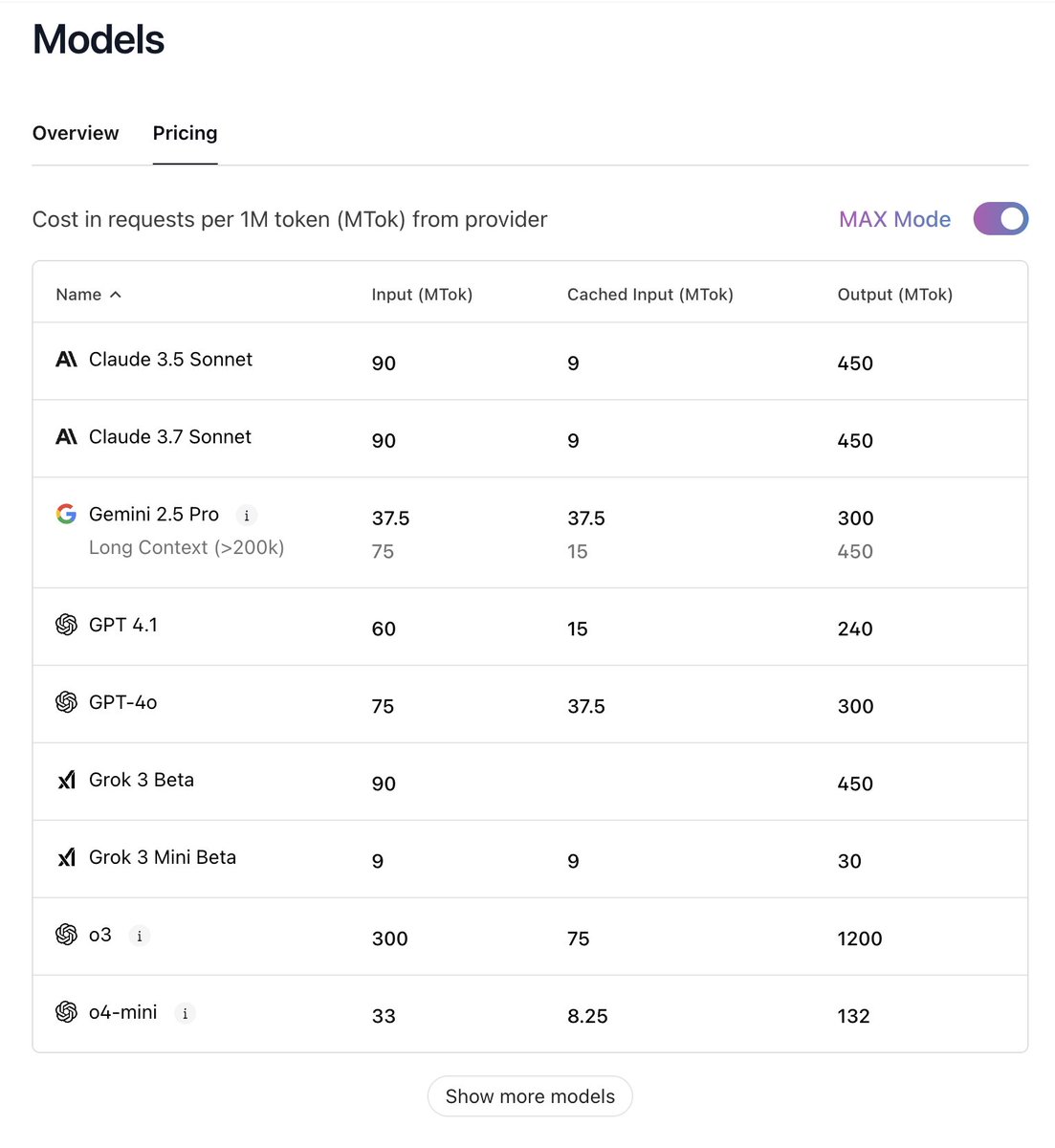
lol ok — one must have been admitted to Mensa, scored a ≥175 on the LSATs, and be the nepo-baby of a Nobel laureate to understand @cursor_ai 's new pricing
these are not tokens, nor cents, nor dollars, nor actual requests. 😂
Have your people call my people — this needs help
2
2
264
15 Jan 2025
This is a great opportunity for founders. Love @jake_zeller and what he’s building.
14 Jan 2025

1/ Applications are now open for Powerset Cohort 3, where top founders get their own $1M fund for angel investing. Like past cohorts, investment experience is not required, and founders have no administrative obligations.
1
5
375

It took me a long time to understand why David Deutsch thinks LLMs can't be creative:
First, an LLM’s output, for a given prompt, was already determined during training.
Second, the output of any formal system is bounded, while humans can take any formal system and expand its range of outputs.
Here are explanations of these two ideas, as well an explanation of why this reasoning may be wrong. Errors are mine, not David’s.
1. LLM outputs are pre-determined
Everything that LLMs do is implicit in the program and weights. The same prompt and seed will generate the same output every time.
LLMs look creative because the weights reflect a large amount of training data and the input/output spaces are large.
But every possible output was created during training and is already reflected in the weights. The only creativity is in the prompt that queries the LLM for a pre-determined output.
In short, you can think of a neural net as a compressed database of outputs that you can look up, if you can come up with the right prompt. Or think of the LLM as a paint brush that is made useful with a creative human prompt.
2. Programs can never be as creative as a person
You can’t make a formal system (e.g. a programming language) that captures all human creativity, because humans can always create a different or bigger formal system that can do things that the first one can’t do.
For example, humans can create a new formal system with new definitions for all the words; invent new words for previously inexplicit ideas; put words in useful orders that don't follow the rules; create new forms of media like music, dance, drawing; or extend the formal system with undecidable propositions, as in Gödel's incompleteness theorem.
Human creativity is limitless, while programs in a formal system are bounded and give the same result every time.
3. Nevertheless, there is a program that can simulate a human
Despite my argument that a formal system can’t capture all human creativity, there is a program that can simulate a human, in principle.
If you simulate a human, you have an AGI that can simulate human creativity.
We know this program exists because you can simulate any quantum mechanical system to arbitrary accuracy with a normal computer.
Although I said that you can’t express human creativity in a formal system, this program does.
This conflict is unresolved.
David Deutsch suggests that this AGI would be a program whose outputs can’t be specified. It must also be able to disobey instructions and create new knowledge.
If you can create a program that meets these requirements and resolves this conflict, your name will be mentioned alongside Turing, Gödel and Deutsch—even if your program takes the lifetime of the universe to come up with one idea.
Summary
1. LLM outputs are pre-determined.
2. Programs can never be as creative as a person.
3. There is a program that can be as creative as a human by simulating one, which contradicts the previous point.
Credit
All ideas are from @DavidDeutschOxf and @ToKTeacher. Errors are mine, criticisms welcome.
23
17
155
51,708


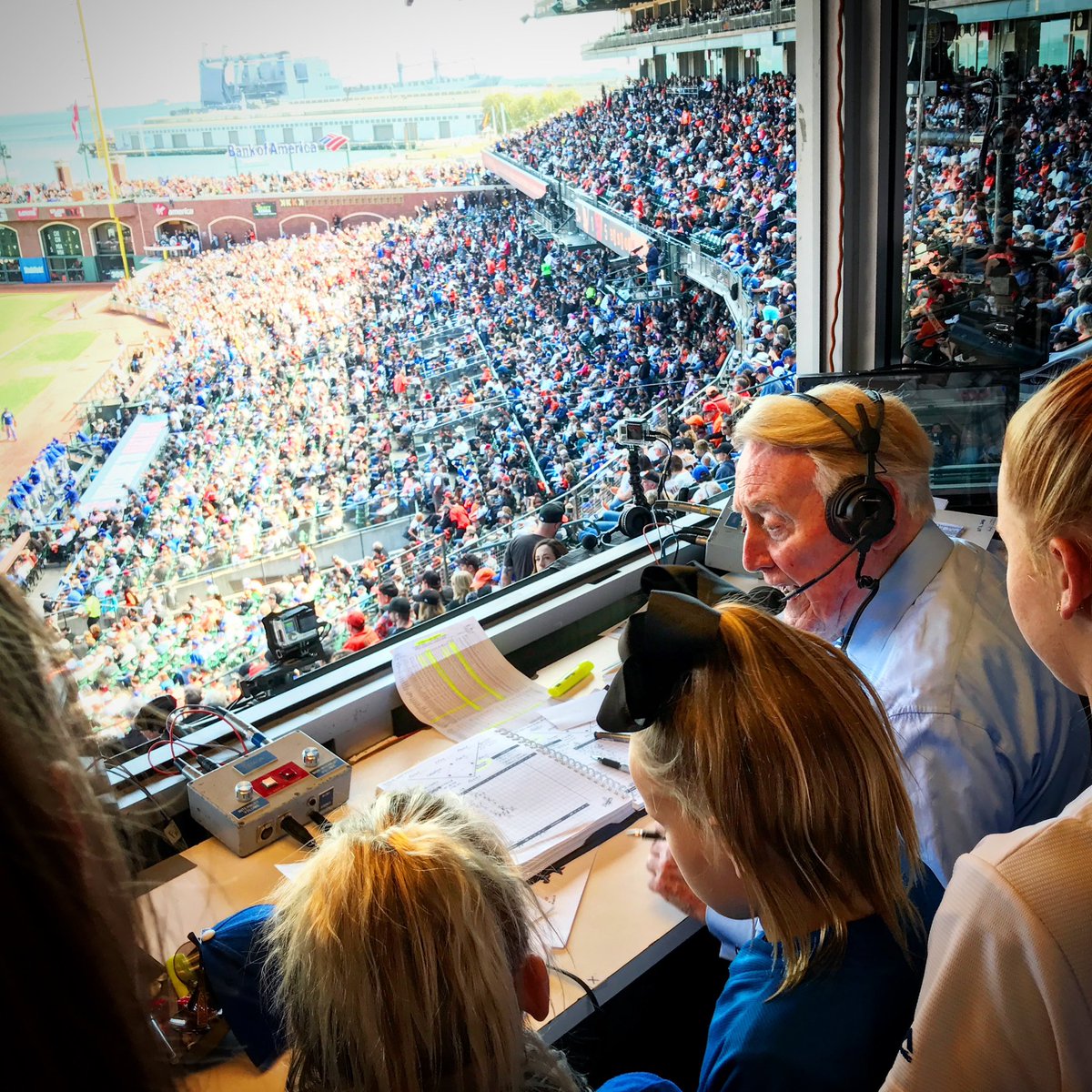

Great book and narrator. Probably the best Apple book. Thx @asherhunt for the tip.
2 Feb 2022

Coming May 3:
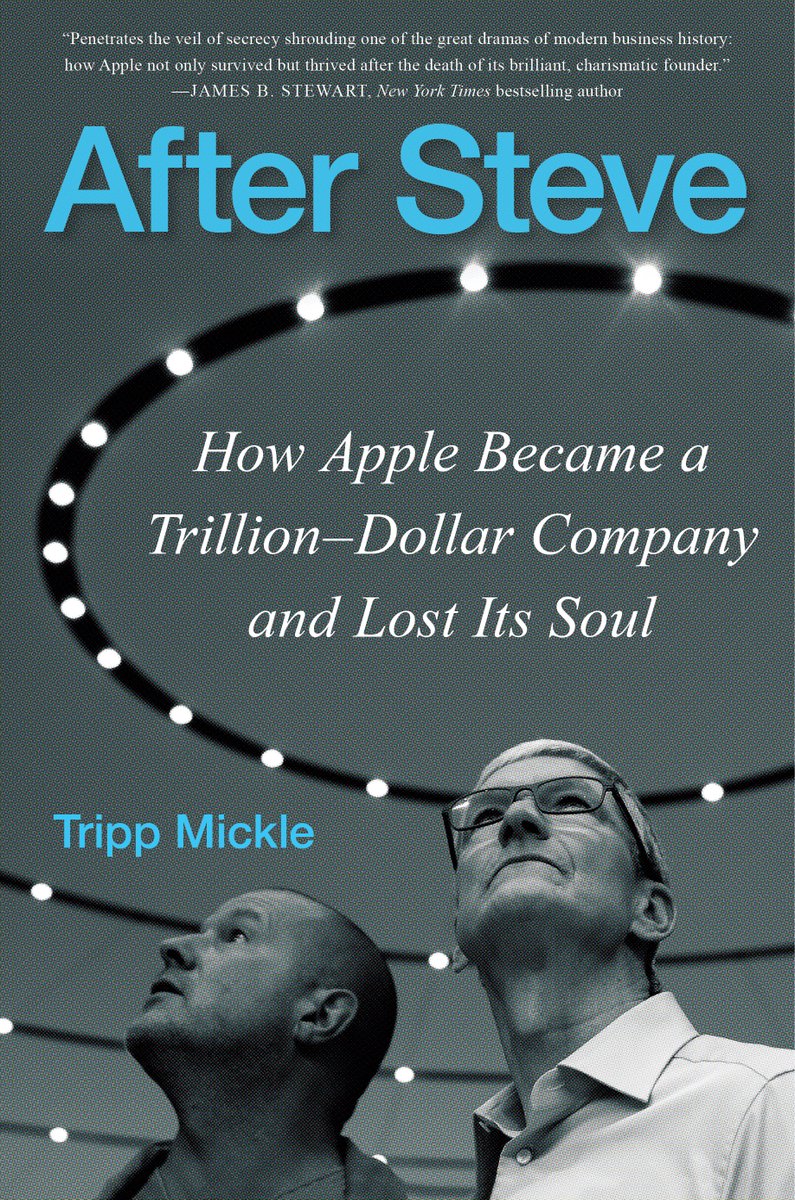
"After Steve: How Apple Became a Trillion-Dollar Company and Lost Its Soul"
Excited to join the amazing authors to chronicle Apple w/ the latest chapter: Tim Cook, Jony Ive & the team who stepped into the void after Steve Jobs.
Preorder: bit.ly/aftersteve
6
4
31
16 Jun 2022
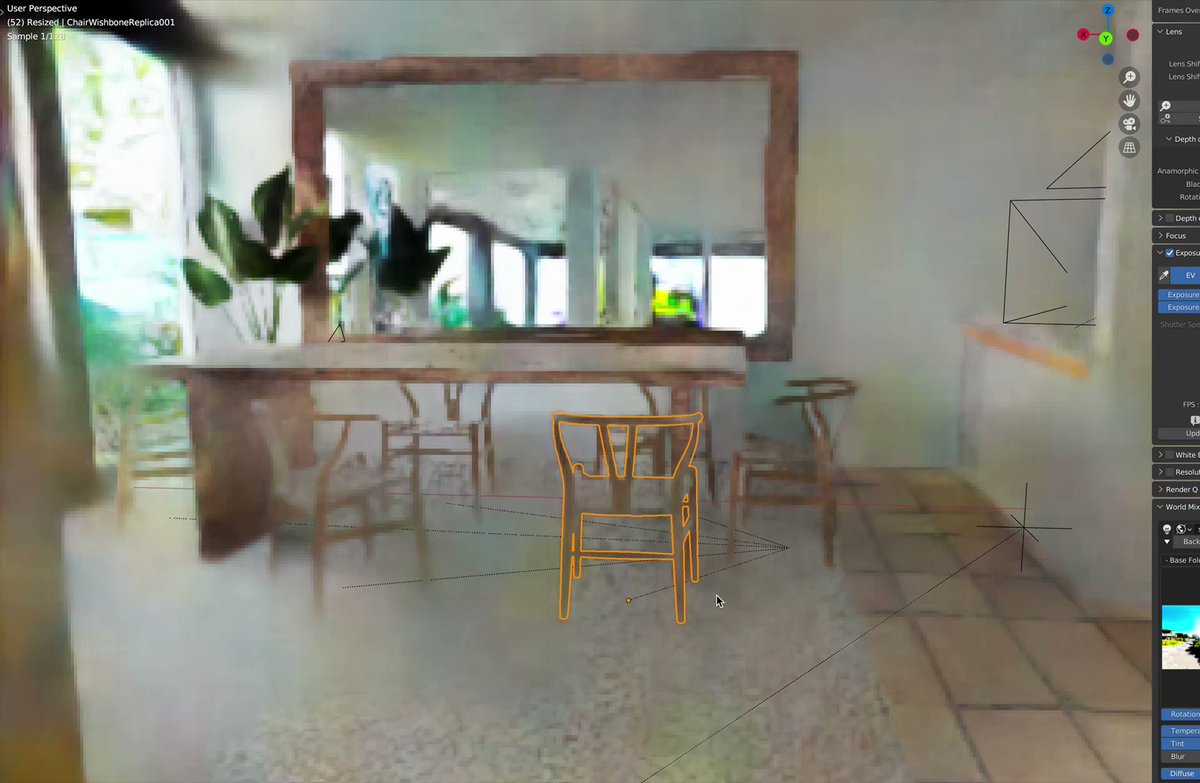
It started with wanting to design a bookshelf and I ended up laying out my entire place 🤣.
Minus the bookshelf.
1
1
23 May 2022
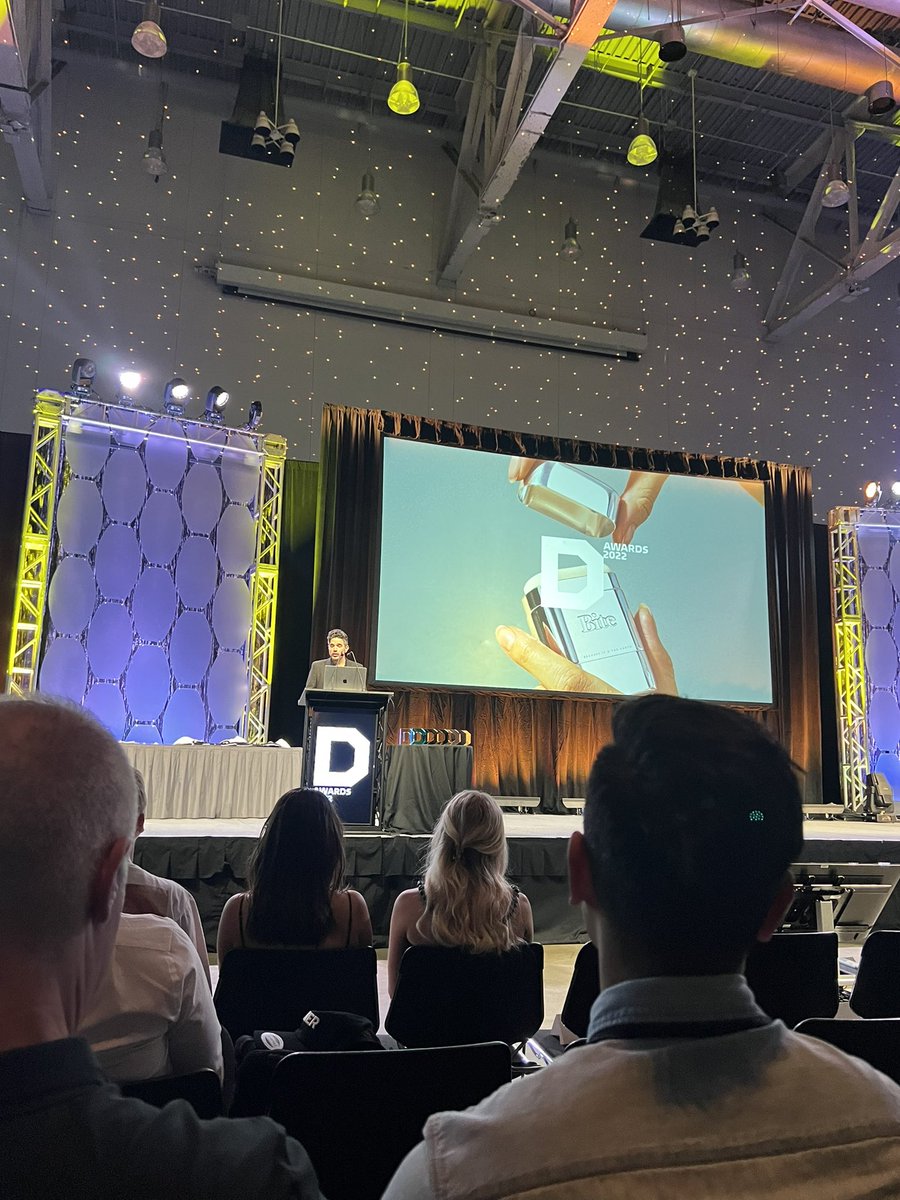
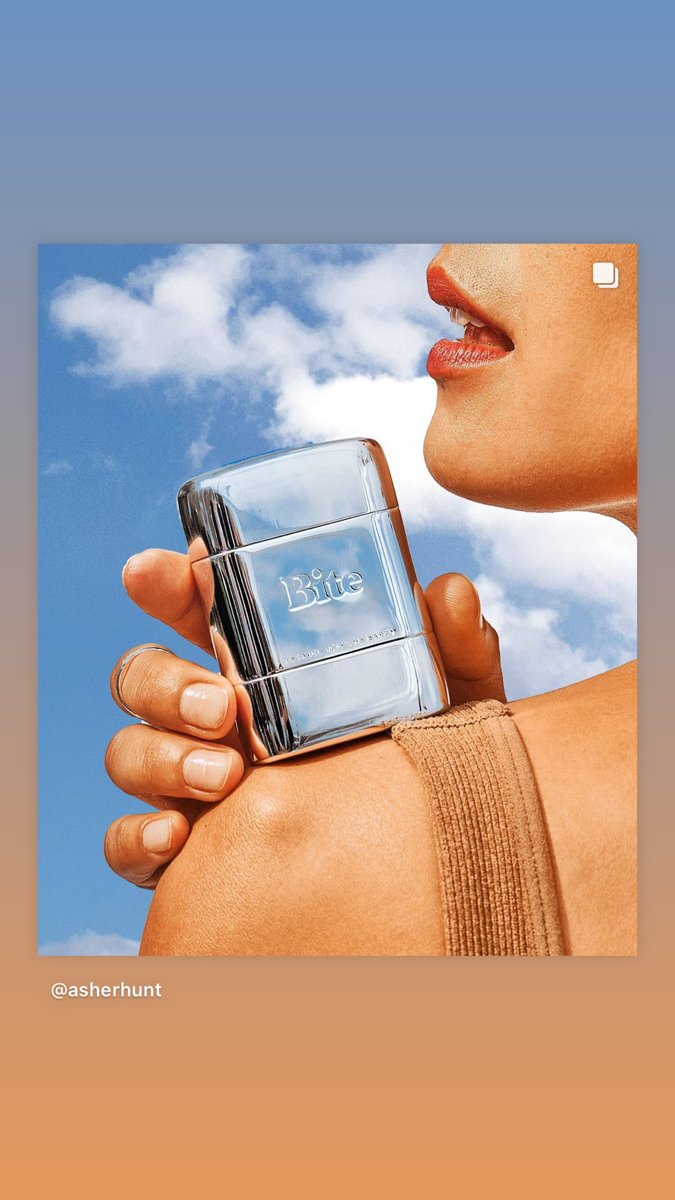
Wow - what a day!!!! @bitetoothpaste Picked up a double D @TheDieline awards!
Including Best of Show and Best Plastic-Free Innovation of 2022!
Kinda beside myself. 😱😱
#blessed #humblebrag #design #hashtag
3
1
19
23 Mar 2022
We (@bitetoothpaste) launched Body Balm today! Here’s the run down more fun👇
xn--ug8h.fm/bb
Bite’s Body Balm is a plastic free way to replace your everyday moisturizer get rid of plastic lotion bottles. (@elonmusk is not alone in helping folks ditch the pump🙃)

7
2
41
23 Mar 2022
It’s a concentrated stick. One refill = ~ FIVE 8oz lotion bottles.
Had fun rendering this scroll animation (last night lol) to help explain this visually — it’s an important point and tough to convey the importance without striking visuals.
2
7
23 Mar 2022
Finally - I’m obsessed with scrolling animations. That’s all. 🤣 thanks for scrolling with me.
xn--ug8h.fm/bb
3
6