
Enterprise VC @FoundationCap | Early investor in @databricks @tubi & 6 other unicorns- @cohesity @eightfoldai @turingcom @amperity @alation @anyscalecompute
Joined February 2008
- Tweets 10,869
- Following 2,515
- Followers 12,476
- Likes 15,427
846 Photos and videos
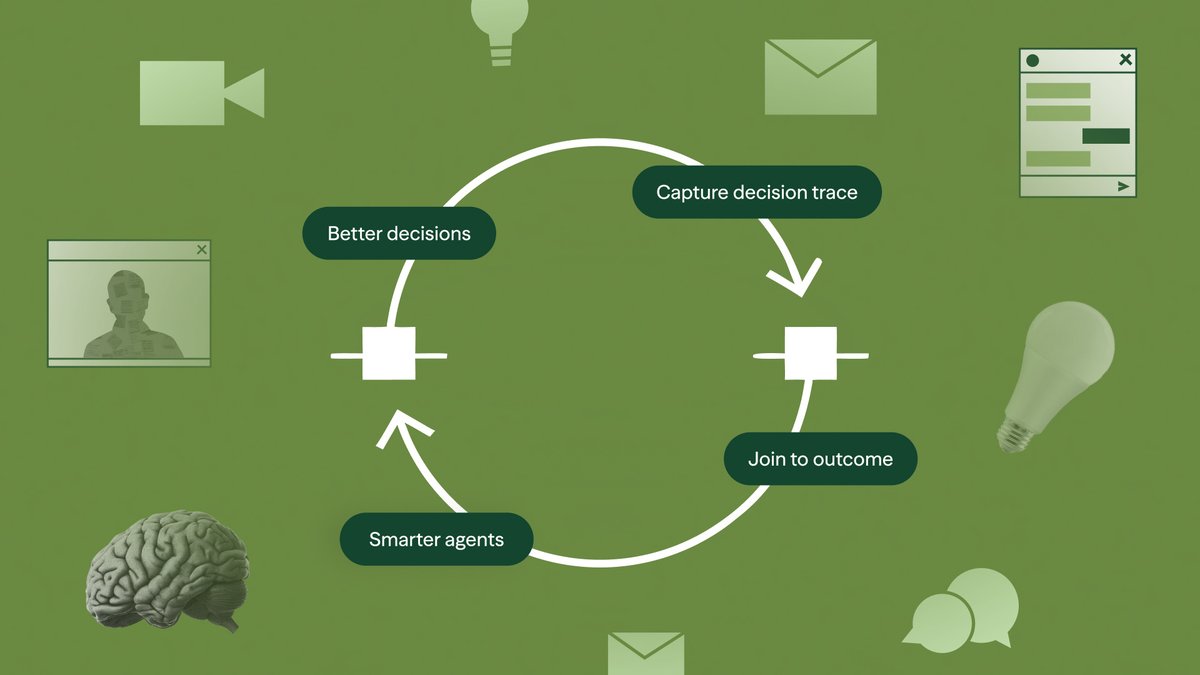
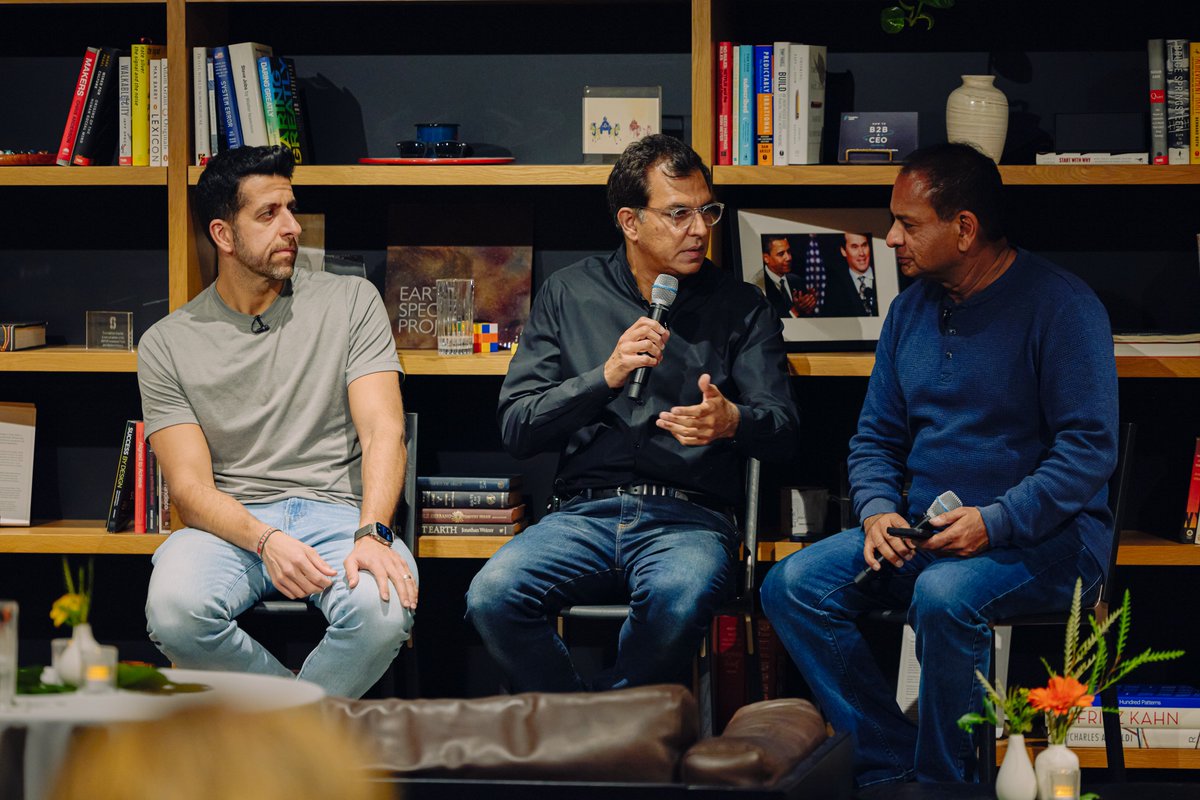
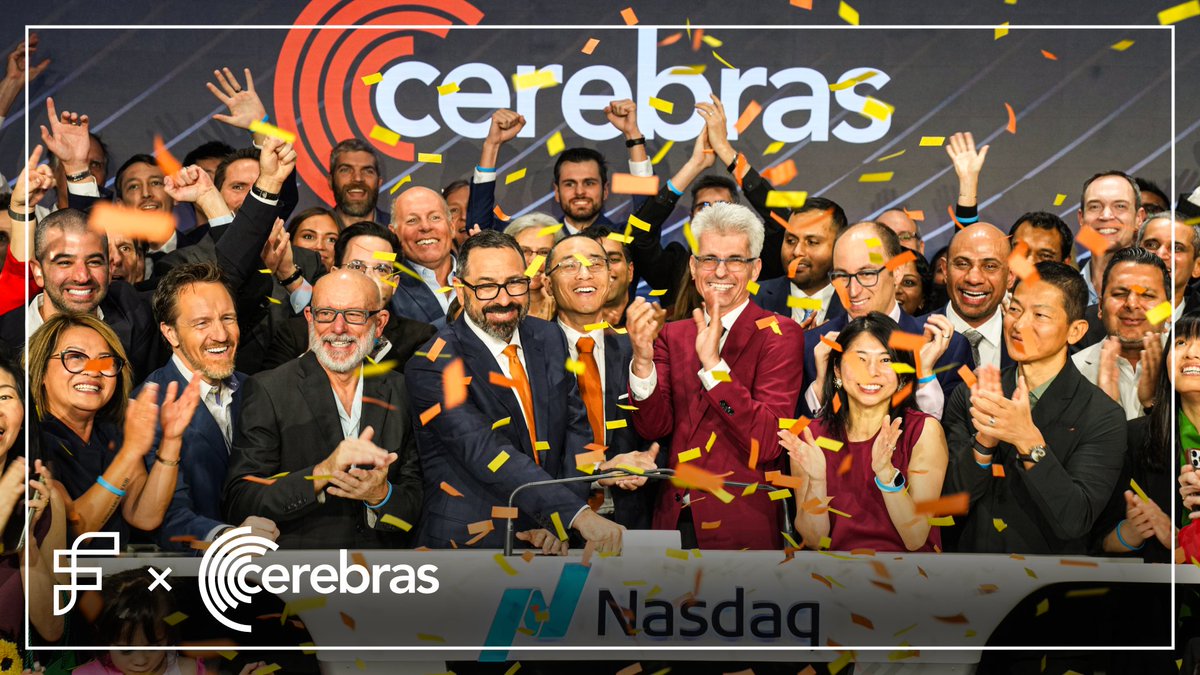

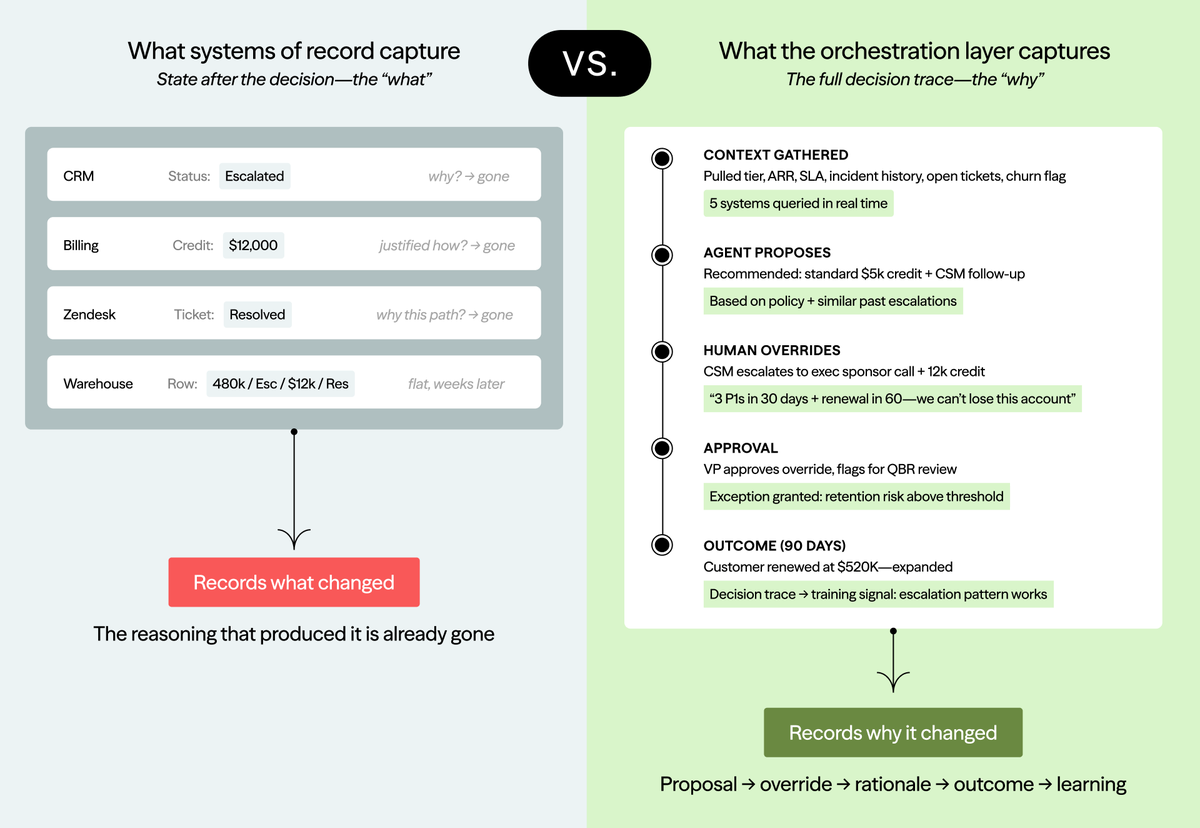

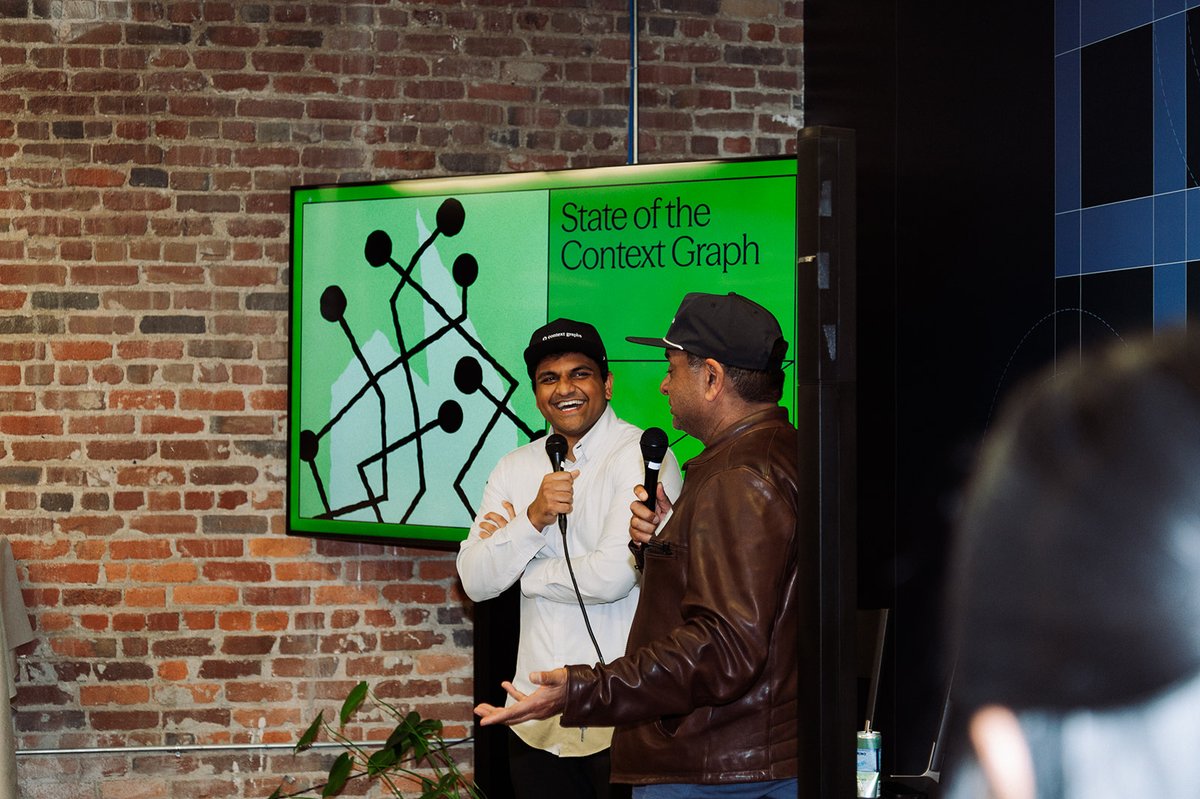
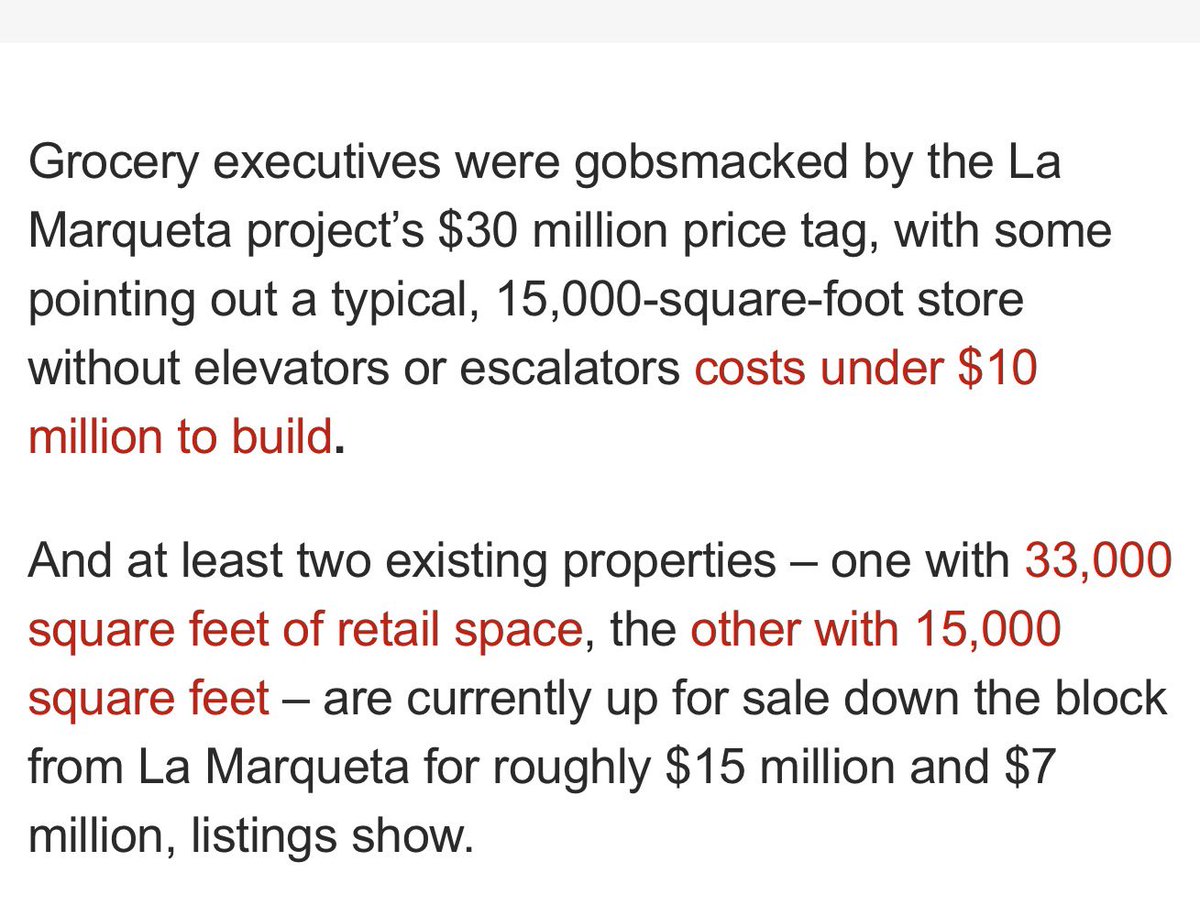

Learning loop = Context Graph = Token Capital. Model companies have liked “peaked” and the most valuable companies of the future will build unique and proprietary Context Graphs and intelligently route queries to a plethora of models.

2
6
988
Check out the OG post - foundationcapital.com/ideas/…
301

Seriously Ro ? You are smarter than this!

Musk is worth more than South Africa’s GDP. @BernieSanders and I proposed a 5% tax on people like him.
In one year, it could fund:
- free public college & trade school
-$10/day childcare
- Special-needs education nationwide
Wealth inequality is the moral failure of our time.
6
7
1,783
Well said. Expresses my emotions too. Not a fan of many things that @elonmusk says/does, but he epitomizes the American spirit! congrats Elon! Hard to think of someone else who deserves this more
Jun 13

I found the SpaceX IPO surprisingly emotional today. It reminded me of why I came to the US as an 18-year-old. Even then, I knew that I wanted to build stuff, and that the place to do it was America. There was no second option in the world.
The concept of American exceptionalism is nothing new, but I have come to appreciate the culture that justifies it. SpaceX is yet another case in point. America’s risk-taking culture celebrates wild successes while embracing the legitimacy of hard-earned failure. American culture doesn’t celebrate inherited wealth, nor does it frown upon inherited poverty. It doesn’t seek to create equal outcomes, but rather equal opportunity.
It is not immediately obvious that this is unique in the world. Truly unique. I’m Canadian, and I love many aspects of Canadian culture, but Canadian culture does not offer people the same environment in which to take risks.
I write this because I was dismayed to see US politicians complaining of the extreme wealth created by the SpaceX IPO. Say what you will about wealth inequality, or a single man’s politics, but don’t tell me that immense wealth creation in America is bad. Do not tell me you’d rather SpaceX not exist, exactly as it does. That you’d rather this company exist in some other country or culture.
Thankfully, despite today’s politics, SpaceX could not have been a Chinese company, or a Canadian one, or a French one. It could only ever have been an American one.
If nationalism is pride in your birthplace, then it’s merely tribalism, which serves to divide us. But if it’s pride in your culture, a culture that lets people achieve incredible things like this, then under those terms I am a nationalist. I want to protect and enhance our culture of risk-taking, of celebrating wins, and of celebrating failures along the way.
I think it is amazing that America created a trillionaire out of a risk-taking immigrant. It is absolutely fucking absurd, of course, but isn’t that the point? SpaceX is not a reason to be pissed off; it’s a reason for every person in the world who wants to build stuff to see themselves as American, no matter where in the world they live.
p.s. — this is entirely from my brain, with AI used only for fixing typos and grammar. :^)
1
599
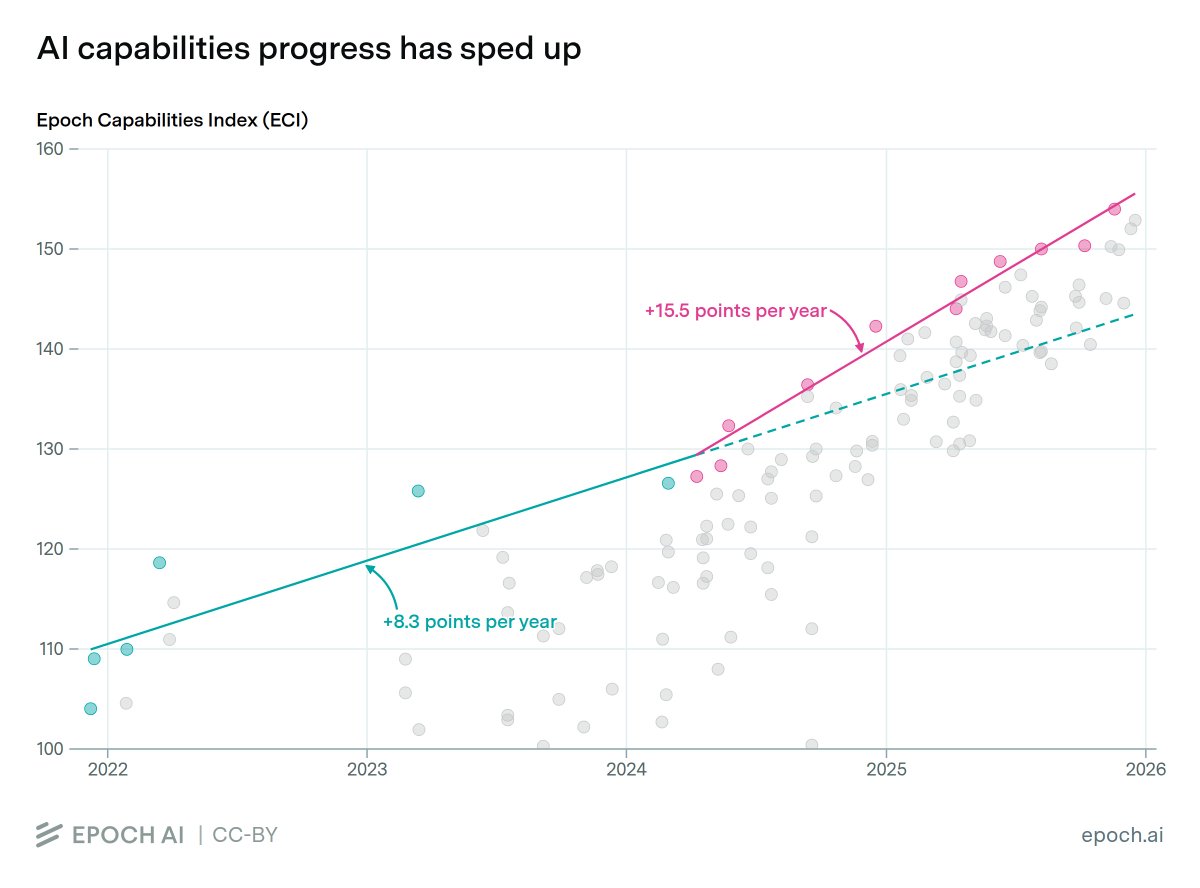
The pace of AI progress has nearly doubled since 2024.
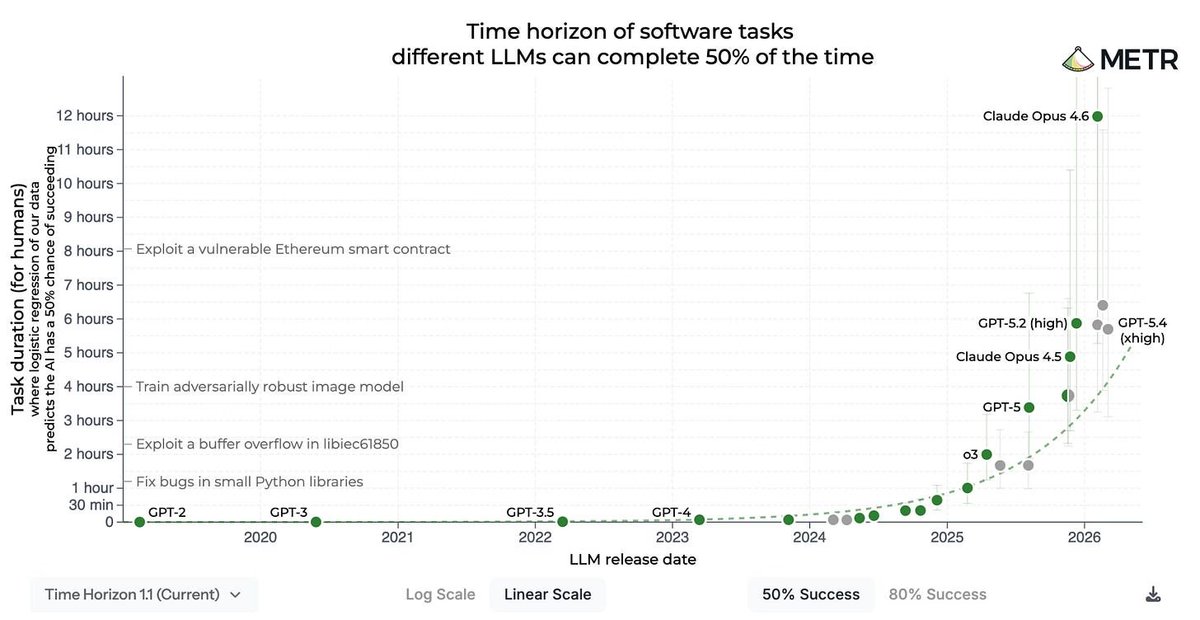
Agents are running longer, models are reasoning better, and the frontier keeps moving faster than expected. But inside most orgs, improvements to team productivity have been marginal at best.
Most companies are still adopting AI at the level of individual tasks and isolated workflows. But real enterprise work rarely lives inside a single workflow. The most important work happens across functions. It depends on context scattered across systems.
The latest models can increasingly do the work, but orgs are still struggling to preserve and use the judgment around the work: why a decision was made, what tradeoff mattered, who overrode the default, what exception was granted, and what outcome followed.
Traditional enterprise software wasn’t designed to preserve that layer of judgment. They typically recorded end state, not the nuanced decision traces that sit between event and outcome.
Agents are making this layer capturable for the first time.
Over time, these signals becomes a structured, queryable, connected record of how decisions get made across systems, actors, and time. That is when AI starts to move from individual productivity to org-level transformation.
As the models improve, the companies that matter will be the ones that help organizations turn that capability into better decisions, faster execution, and compounding institutional learning.
2
2
13
937
More on why context graphs will reshape enterprise software here: ashugarg.substack.com/p/the-…
1
543
We're surprisingly bad at predicting what will make us happy, and worse still when the yardstick is how we measure up to everyone else.
This is especially important for recent grads to hear.
By the time you graduate, you've spent two decades being measured against other people's expectations. The most useful thing you can do now is stop running their race and start running your own.
Once you find what you do best, start reshaping your work around it. Even inside a large company, your role is, to a surprising degree, what you make of it.
I've watched plenty of people who never paused to figure out what they actually wanted end up miserable in ways they couldn't quite name.
Start by identifying and leaning into your strengths.
If you can't name your strengths, look for the throughlines in your life so far: the parts of your day that give you the most energy, the skills you pick up faster than your peers, the projects you pour far more into than they require, simply because you love the work.
Also ask the people who know you well. They can often see your strengths more clearly than you can.
Pay attention to the work that brings out your best. Then find ways to make more room for it.
1
6
1,001
My full note to new grads here: foundationcapital.com/ideas/…
1
692
ashu garg retweeted

Jun 10
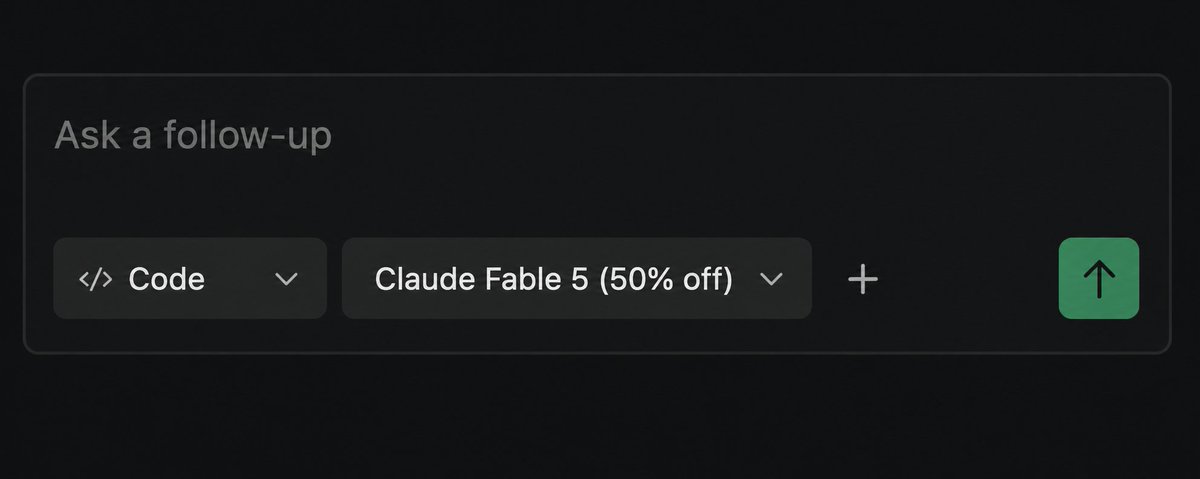
Wait what?! Fable 5 at 50% off ??!!
Only on Kombai for a limited period.
Try it now for all your tricky design and engineering tasks, without breaking the bank...

50% Off Claude Fable 5!
Anthropic’s most powerful (and most expensive) model just landed in Kombai. And for a limited time, Kombai is the cheapest place to run it!
Throw your hardest task at it today.
2
6
877
The idea that you can map out your life's work at 22 is a fiction.
When I left IIT, I had never met a tech entrepreneur, and I had no idea what venture capital was. I found my way to it by doing.
The jobs you'll hold in 5 years, let alone 10 or 20, likely doesn’t exist yet. Even people in stable professions today will have to keep reinventing what they do.
A helpful way to think about your career is as a prototype: something you build in order to learn from, rather than something you have to get right on the first try. The best teacher is contact with reality and the feedback only it can give you.
Your prototype can start out small. You take a job, and you begin to notice things: what energizes you, what drains you, the skills you pick up faster than the people around you, and the projects you pour far more into than they demand, simply because you love the work.
A sense of purpose rarely arrives as a grand, all-consuming mission, fully shaped and waiting for you at 22. More often it builds from small, repeated moves toward what interests you, the kind that add up over time into something far larger than you could have planned.
Put otherwise, purpose is often a verb long before it becomes a noun.
The best way to discover what you're meant to do is to start, and keep adjusting as you go.
2
1
22
1,126
The idea that you can map out your life's work at 22 is a fiction.
When I left IIT, I had never met a tech entrepreneur, and I had no idea what venture capital was. I found my way to it by doing.
The jobs you'll hold in 5 years, let alone 10 or 20, likely doesn’t exist yet. Even people in stable professions today will have to keep reinventing what they do.
A helpful way to think about your career is as a prototype: something you build in order to learn from, rather than something you have to get right on the first try. The best teacher is contact with reality and the feedback only it can give you.
Your prototype can start out small. You take a job, and you begin to notice things: what energizes you, what drains you, the skills you pick up faster than the people around you, and the projects you pour far more into than they demand, simply because you love the work.
A sense of purpose rarely arrives as a grand, all-consuming mission, fully shaped and waiting for you at 22. More often it builds from small, repeated moves toward what interests you, the kind that add up over time into something far larger than you could have planned.
Put otherwise, purpose is often a verb long before it becomes a noun.
The best way to discover what you're meant to do is to start, and keep adjusting as you go.
2
1
22
1,126
More advice for new grads here: foundationcapital.com/ideas/…
4
499
ashu garg retweeted

I think this is the most sober read on AI in a while. People get too caught up in the noise.
Frontier labs are like Oracle in 1990s. They's get MySQLed.
The Salesforce, Workdays, etc are yet to come, and that's where the opportunity lies.
Jun 6

AI Is in its 1997 era: Presume Radical Uncertaintiy
@benedictevans on @lennysan's Podcast, May 31, 2026
Benedict Evans, former a16z analyst-in-residence and now an independent tech researcher with a six-year track record of widely-read annual presentations, sat down with Lenny Rachitsky to argue that AI is exactly as big a deal as the internet or mobile - no more, no less - and that this comparison is the most useful frame for thinking about jobs, value capture, and what to do next. His core posture is "presume radical uncertainty," and his bottom line for everyone worried about being replaced is to stop hiding from the technology and start using it.
1. AI is as big as the internet or mobile, and only as big as the internet or mobile. Evans calls this his most controversial opinion. People in tech who think it's bigger - the industrial revolution, the singularity - are doing themselves no favors. People outside tech who think it's smaller are doing the same. Both are wrong in opposite directions, and arguing over whether it's 20% bigger or 100% bigger than the internet is a waste of breath.
2. We are in 1997, not 2007. Most things don't work yet. Most things people will eventually build haven't been built. Anyone telling you they know how this plays out is selling you their cluster of Mac Minis. The honest version of an 80-slide deck on AI is 80 slides saying "we don't know."
3. The job apocalypse is mostly fanfic. Every technology shift in 200 years has automated jobs and unlocked new ones we couldn't name in advance. The new job sounds dumb in retrospect: railway engineer in 1820, web designer in 1985. Even the AI labs themselves - the companies most positioned to fire everyone tomorrow - are adding headcount, not cutting it. Evans calls the people predicting blanket layoffs "morons."
4. The McKinsey test exposes the flaw in "X% of jobs will be automated." If Claude can produce a 75-slide deck, does that replace the consultant? No - because you weren't paying for the deck. You were paying for someone to walk through your company, talk to your customers, and figure out what the politics actually are. Same with the lawyer, the accountant, the engineer. The visible task is rarely the actual job.
5. Foundation model companies probably don't have lasting pricing power. There are no network effects between models. There's no radical differentiation users can feel. There are at least three serious competitors. That math has one answer: commodity. Evans expects models to end up looking more like AWS than like Windows - infrastructure you don't pick, layered under apps you do.
6. The value moves up the stack, again. Telecom revenue is a trillion dollars a year and the stocks have gone nowhere in 25 years, while the things built on top of mobile networks made trillion-dollar companies. The same pattern is likely for foundation models: huge revenue, thin margins, all the interesting wealth created by the people building on top.
7. When the product becomes commodity, distribution becomes the moat. Google and Meta are already spraying AI across every surface they own. OpenAI's "shipmas" sprint was an attempt to build a flywheel before that happened. Apple - whose 2024 vision of personal on-device AI was the most compelling demo of the year - is the last shoe to drop.
8. The anti-AI backlash is a fuzzy mess of real and unreal grievances. Some are true (electricity bills going up in specific places). Some are nonsense (data centers use 0.017% of US water). Some are an artist class watching the floor drop out on illustration commissions. Most discourse conflates them, which means none of them get addressed properly.
9. You can't predict which jobs are exposed. In 1997, the obvious safe job was taxi driver - what does the internet have to do with hailing a cab? Uber answered that. Today the supposedly safe jobs include personal trainer. Prop your phone on a rack, point the camera at yourself, ask AI to coach your form. Maybe that doesn't work. The point is you couldn't have predicted it.
10. Software engineers thought their job was the hardest to automate. It turned out to be the most transformed. Evans's read: engineers didn't realize that most of what they did was boring manual labor that could be automated. They thought it was creative work. The lesson generalizes - your job is probably not the thing you think it is.
11. The only useful response is to dive in. Going on Bluesky to shout about how evil AI is gives you a great feeling of moral superiority and accomplishes nothing. Walking into a law firm interview and saying "I think AI is bullshit and I'll never use it" is not the move. Submerge yourself in it. Come out the other side knowing what it can and cannot do. That's the only career insurance available.
12. AI corner - what Evans actually uses it for. Proofreading. Generating images for apartment redecorating ("here's a picture of this room, repaint it, add this rug, change the rug color"). Voice dictation that auto-transcribes to text. The general pattern: AI is good at the stuff computers used to be bad at, and bad at the stuff computers were good at. The boring precise retrieval tasks he most wants automated are still the things it does worst.
1
2
966
Many founders start with a shiny new technology and go looking for a problem it can solve. The ones who build companies that last do the opposite.
They start with a problem they understand deeply and reach for whatever tools, new and old, best solve it.
This discipline matters more now than ever, because the leverage available to one person has never been higher. We're entering an era where 10 people can do what used to take 10,000. The more any one person can do, the more it matters what they choose to do with it.
The obvious thing to do with your leverage is spend it on volume: ship more code, launch more features, send more outreach, generate more of everything. That confuses speed with velocity.
Speed is pure motion. It's seductive because it's the easiest thing to measure and the easiest to mistake for progress.
Velocity is motion with direction. It reveals itself over time, in whether your motion brought you closer to a goal worth reaching. A startup sprinting in 10 directions at once can feel enormously productive while going nowhere.
To win the race, you have to run quickly and in the right direction. One of the biggest jobs of an early-stage founder is figuring out which direction that is.
The best thing to spend your leverage on is ambition, on projects you would never have had the resources, expertise, or confidence to attempt before. But ambition needs a direction too. The right one is a problem that genuinely matters to you: one whose solution would mean something to a few people you know, and ideally to many.
That’s where the best founders begin: with the problem itself, before any particular tool.
The tools change by the week, but the problems worth solving change at human pace.
5
1
9
889
More on where to spend your leverage: foundationcapital.com/ideas/…
717
Many graduates I talk to are asking some version of the same question: is the game over?
It’s a fair fear. AI writes 75% of new code at Google and north of 90% at Anthropic. The on-ramps that used to look safe - first-year tracks in banking, consulting, law, and programming - no longer do. Computer science enrollment just posted its steepest drop on record.
But the frontier always looks claimed to the people standing closest to it.
Consider the class of 2002. The dot-com bust had just happened, and Yahoo, AOL, eBay, and Amazon looked like they had absorbed all the available oxygen. The smart move was to go to business school or get a “real job” in finance.
Then came Facebook in 2004, YouTube in 2005, the iPhone in 2007, and Airbnb, Uber, Instagram, Stripe, and Databricks soon after. Most of the companies that defined the internet for two decades were built by people who, in 2002, were told they were too late.
Twenty years from now, people will look back on this stretch of AI the way we look back on dial-up. You are earlier than you think.
More on what that means for the class of 2026: foundationcapital.com/ideas/…
1
5
375
A few more pieces of advice for new grads here: foundationcapital.com/ideas/…
1
4
501
Playing it safe is itself a bet, and usually a worse one than it looks.
This matters most if you just graduated, because the math tilts hardest toward taking risks in the years right after school.
Loss aversion is a powerful force, but over the course of a career, risk and return are tightly correlated. Consistently choosing the higher-upside path is one of the biggest determinants of how far you will go.
What you want to look for is convexity: risks whose downside is capped and whose upside is unbounded. Joining a startup that folds often teaches you more than it costs. Sending a thoughtful email to someone you admire invites nothing worse than silence.
That asymmetry will never tilt further in your favor than it does right after graduation, when you have the least to lose, the most time to recover, and the longest runway for good decisions to compound.
Taking risks also improves your luck. Luck is a collision, an unplanned moment when a person, idea, or opportunity crosses your path. These collisions aren't completely random: you can engineer far more of them than you think.
A few ways to do this:
Work for people who attract talent, because their orbit will become yours. Share what you're learning in public to draw like-minded people toward you. Be useful before you're asked, so you build a reputation for taking initiative. And follow up after you've been ignored: a surprising number of connections happen on the second, third, or even fourth attempt.
Each of these habits puts you in the path of more collisions. Over time, that widens the surface area of your luck.
2
2
4
596
A few more pieces of advice for new grads here: foundationcapital.com/ideas/…
1
4
501