
200 Photos and videos
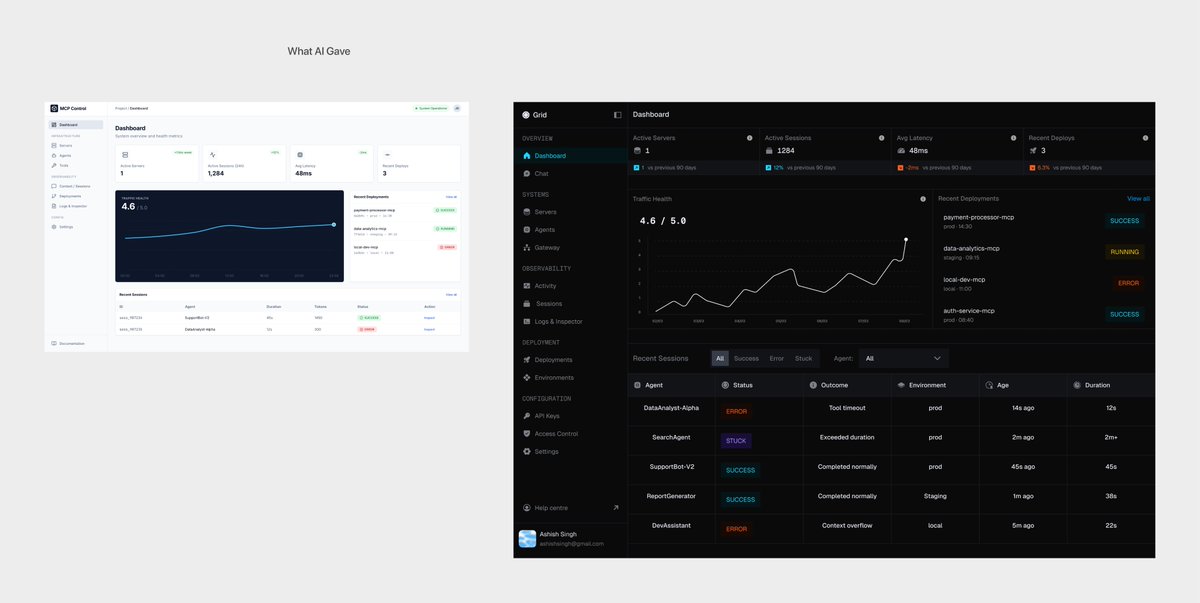
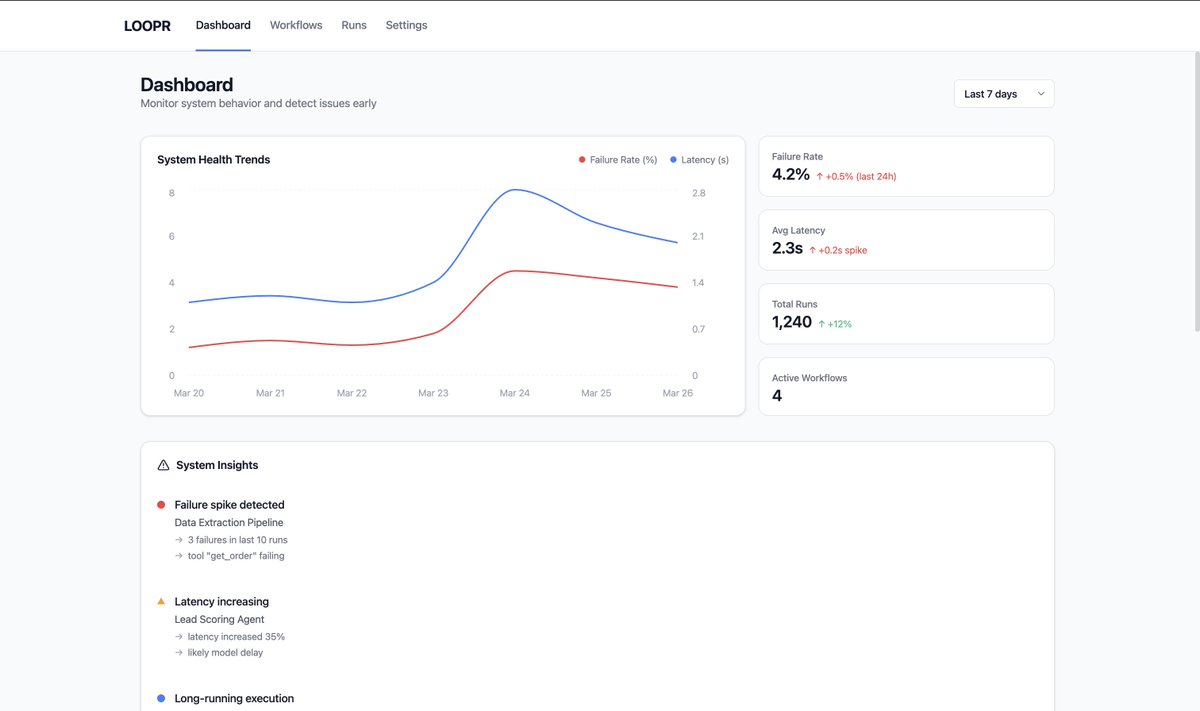
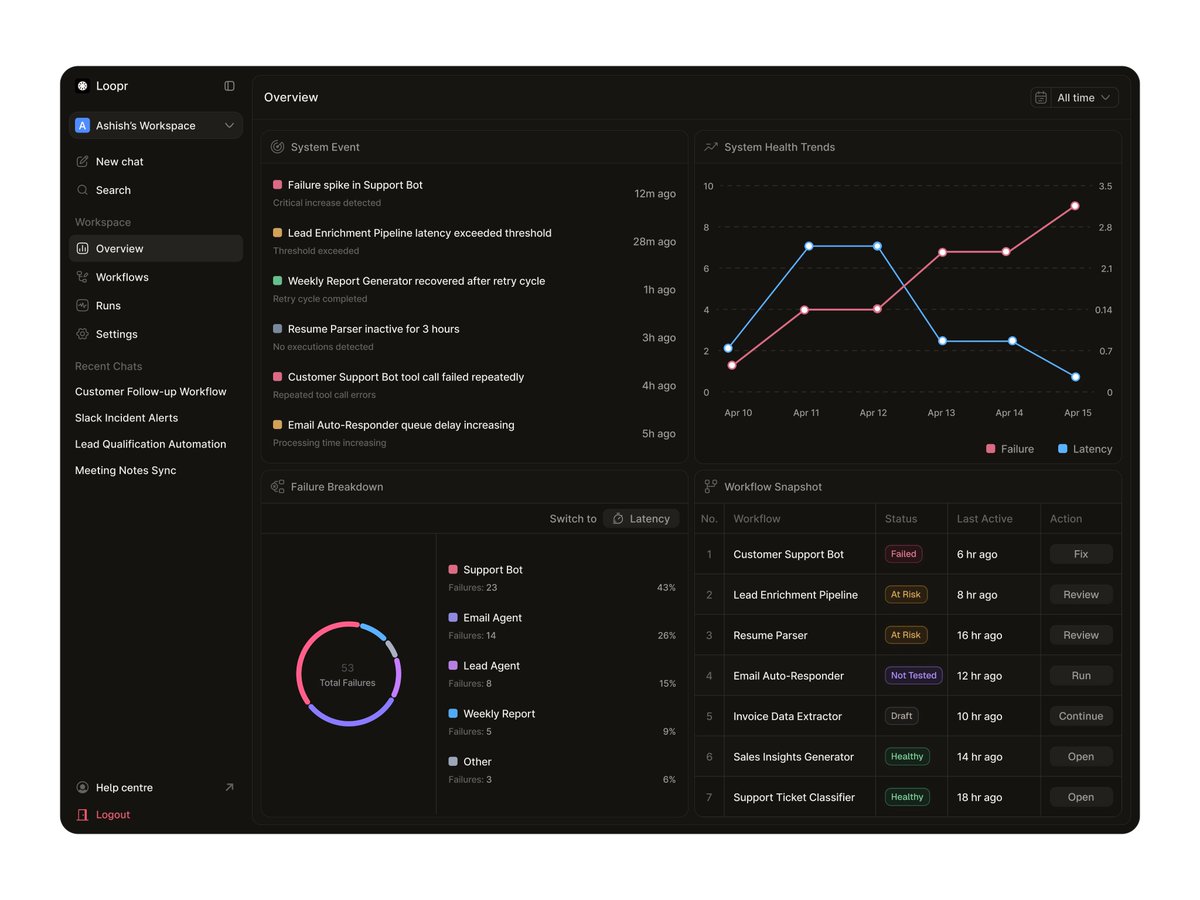
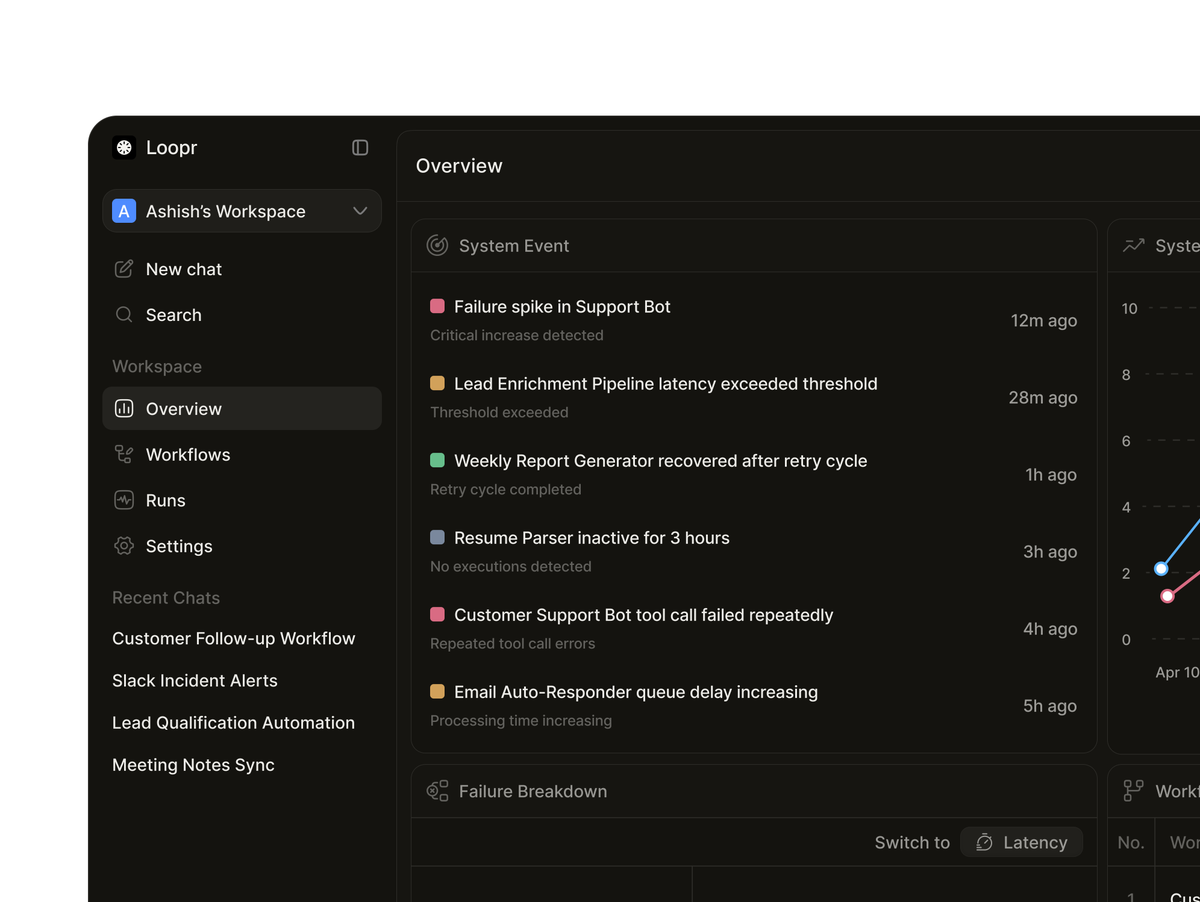
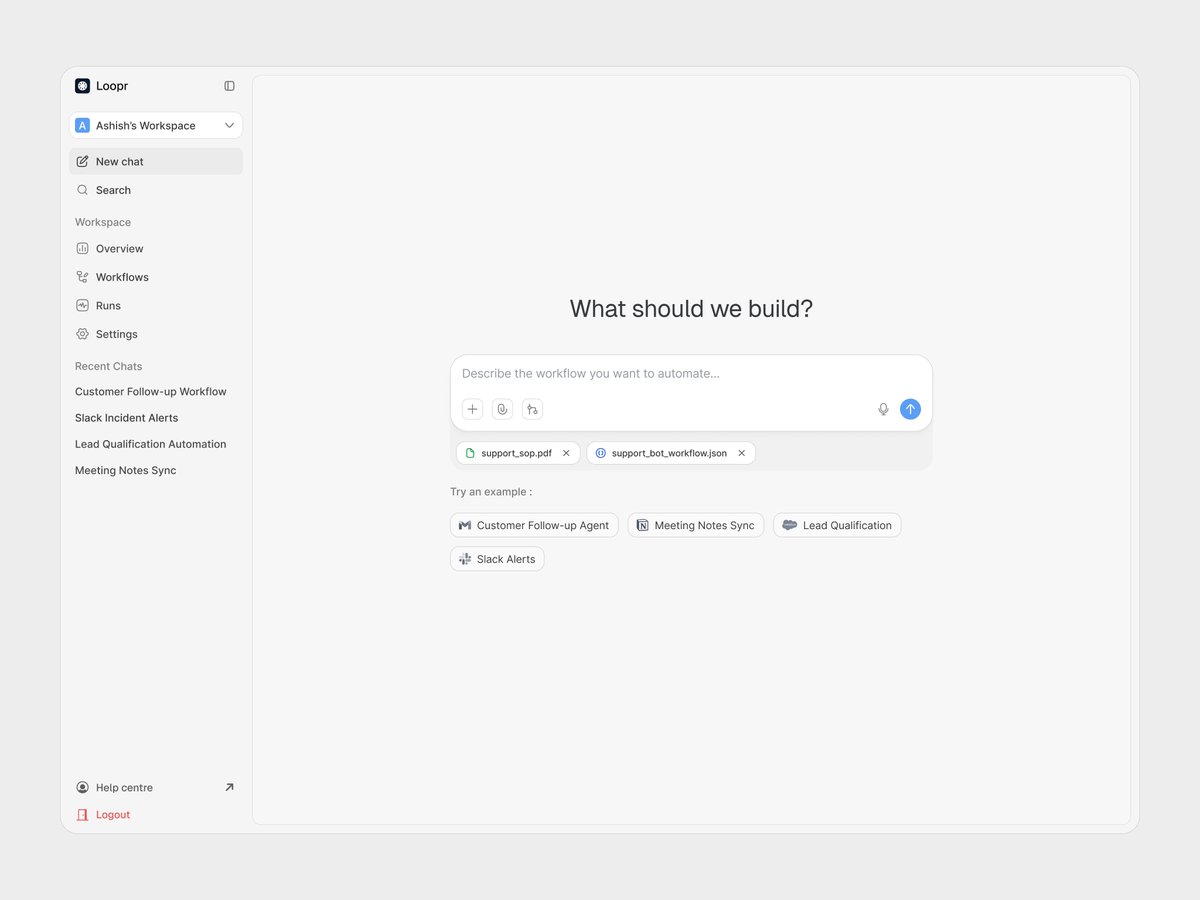
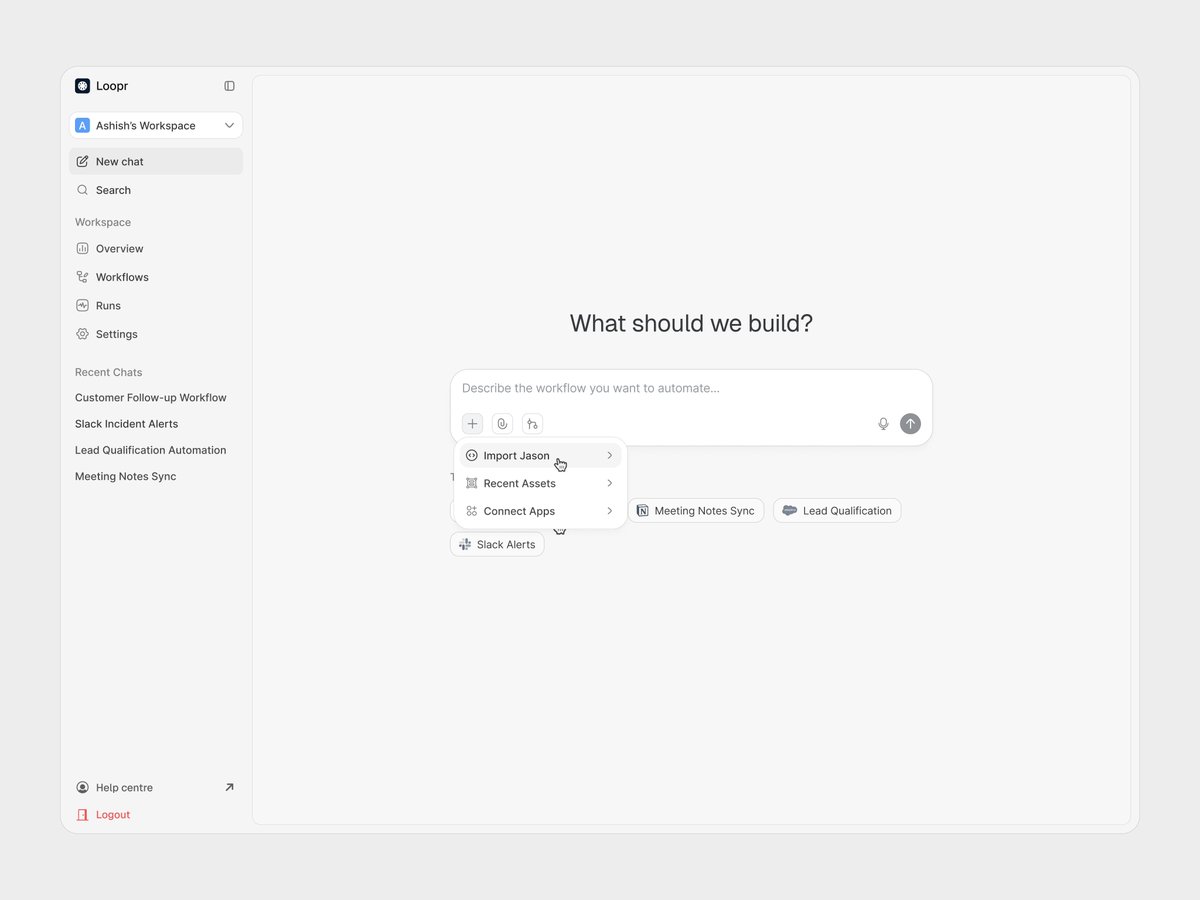
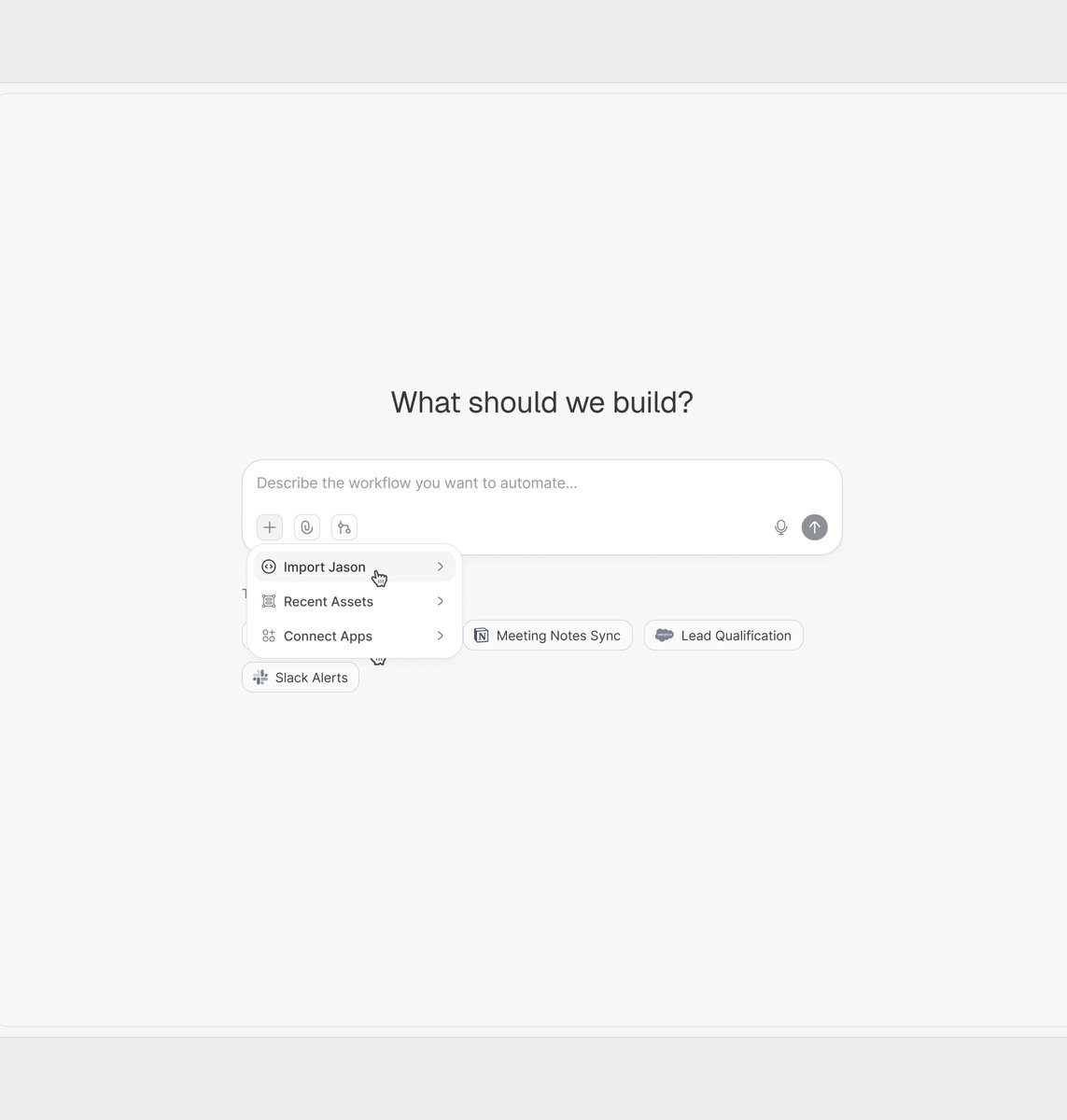
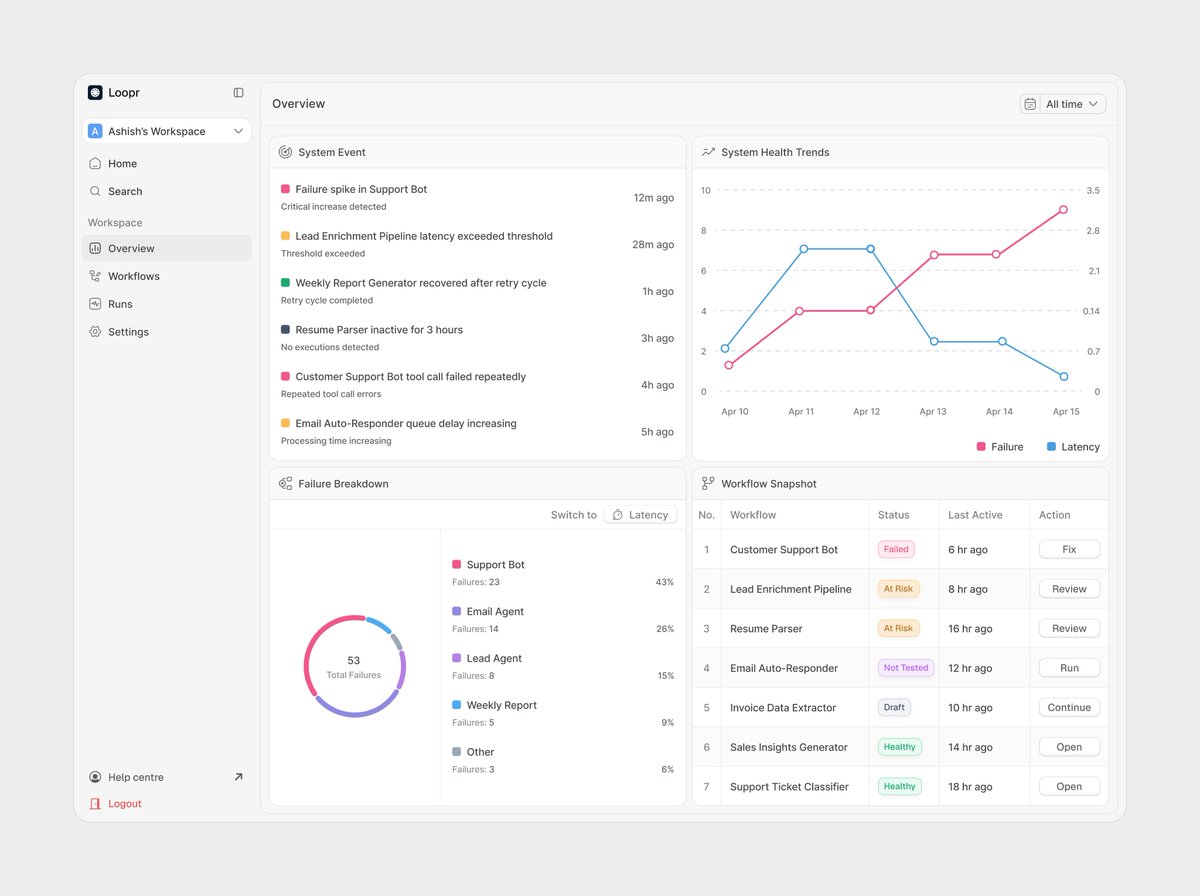

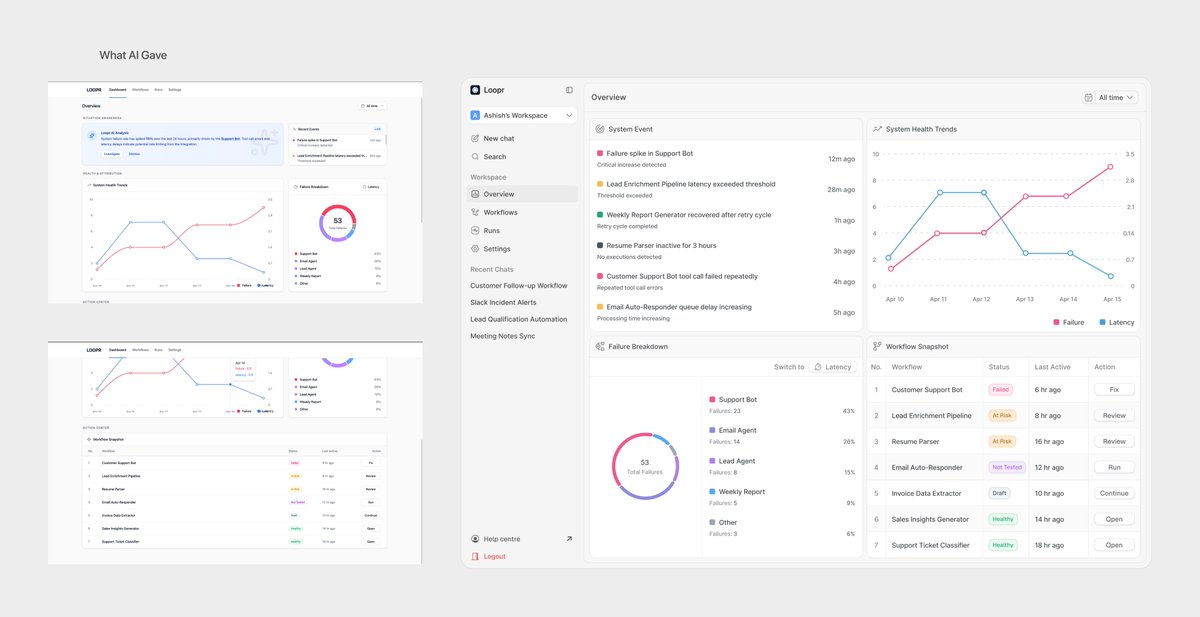
I don’t start product design in Figma anymore.
One thing AI changed for me isn’t design quality.
It’s how quickly I can explore ideas.
For early-stage products, speed isn’t about shipping faster.
It’s about getting to the right product decisions before spending days building the wrong thing.
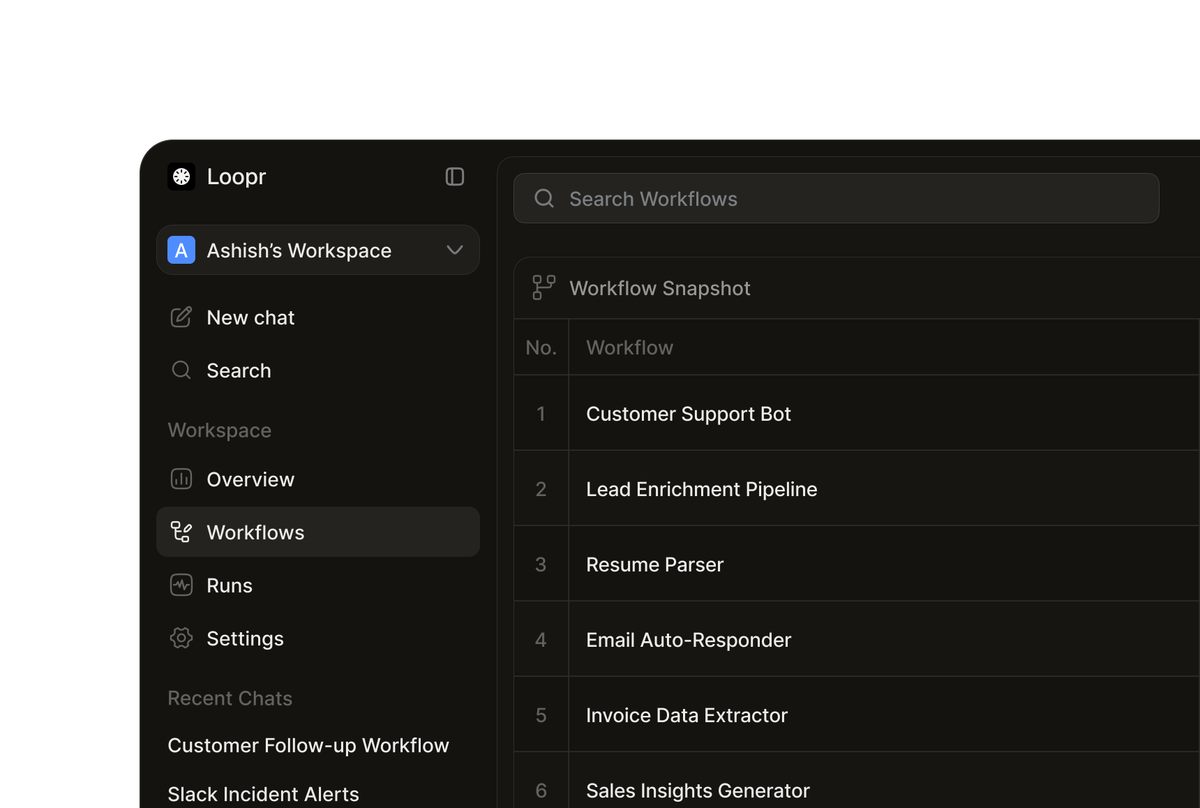
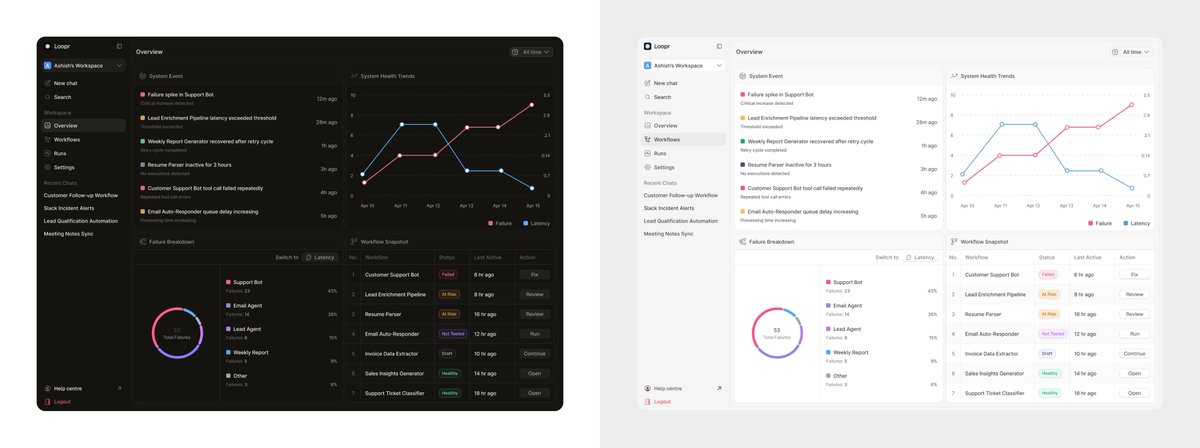
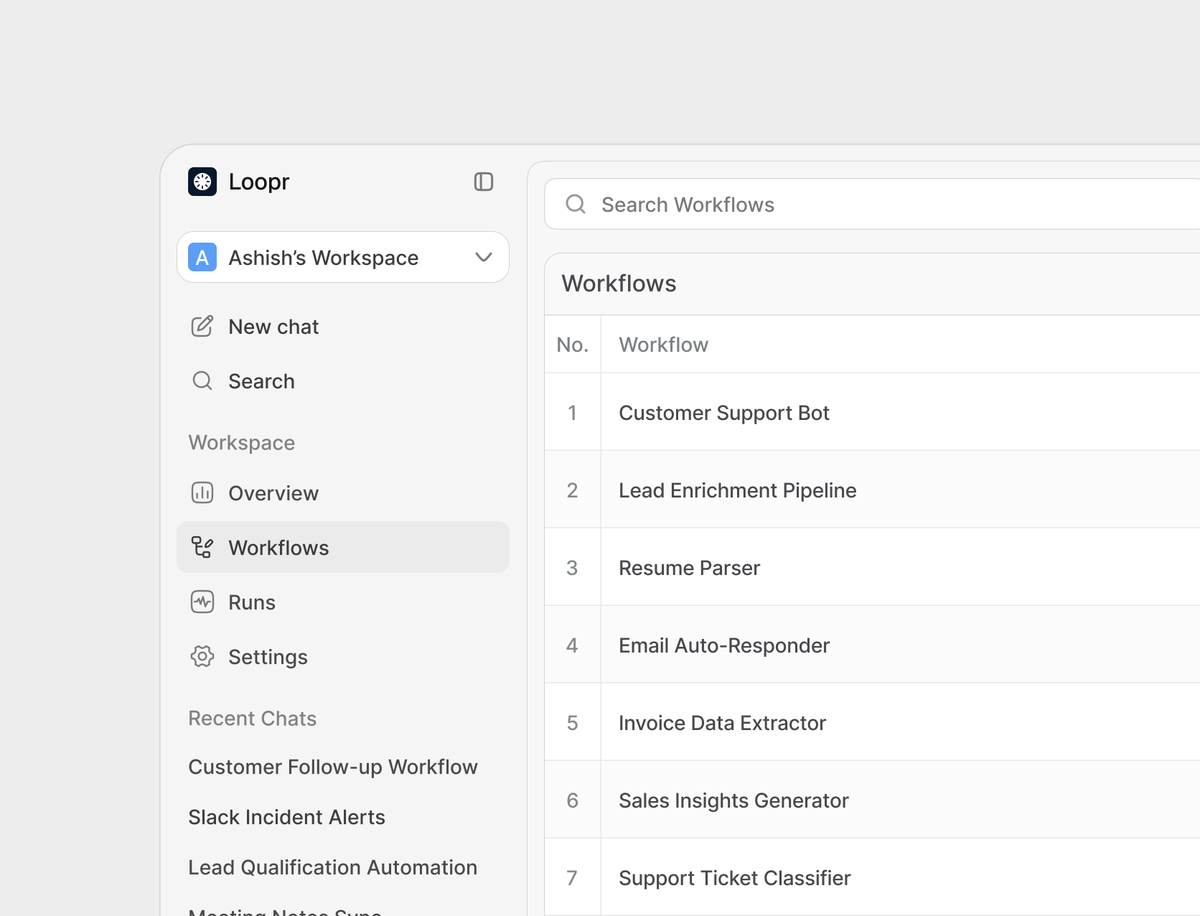
So instead of designing every direction manually, I use AI early to explore:
• layouts
• information architecture
• user flows
• interaction patterns
• different ways the product could communicate value
Once I find promising directions, the real work starts.
I go in, challenge the UX, identify gaps, align everything with the product goals, and turn it into something ready to build in Figma.
AI doesn’t replace product design.
It gives me more room to think, test, and make better decisions.
For startups, that means:
→ faster iteration
→ less rework
→ lower product risk
→ more confidence before shipping
5
1
61
2,464
I don’t start product design in Figma anymore.
One thing AI changed for me isn’t design quality.
It’s how quickly I can explore ideas.
For early-stage products, speed isn’t about shipping faster.
It’s about getting to the right product decisions before spending days building the wrong thing.
So instead of designing every direction manually, I use AI early to explore:
• layouts
• information architecture
• user flows
• interaction patterns
• different ways the product could communicate value
Once I find promising directions, the real work starts.
I go in, challenge the UX, identify gaps, align everything with the product goals, and turn it into something ready to build in Figma.
AI doesn’t replace product design.
It gives me more room to think, test, and make better decisions.
For startups, that means:
→ faster iteration
→ less rework
→ lower product risk
→ more confidence before shipping
5
1
61
2,464
f your product experience feels harder than it should, let’s talk👇
cal.com/ashish-product-desig…
10
I don’t start product design in Figma anymore.
One thing AI changed for me isn’t design quality.
It’s how quickly I can explore ideas.
For early-stage products, speed isn’t about shipping faster.
It’s about getting to the right product decisions before spending days building the wrong thing.
So instead of designing every direction manually, I use AI early to explore:
• layouts
• information architecture
• user flows
• interaction patterns
• different ways the product could communicate value
Once I find promising directions, the real work starts.
I go in, challenge the UX, identify gaps, align everything with the product goals, and turn it into something ready to build in Figma.
AI doesn’t replace product design.
It gives me more room to think, test, and make better decisions.
For startups, that means:
→ faster iteration
→ less rework
→ lower product risk
→ more confidence before shipping
5
1
61
2,464
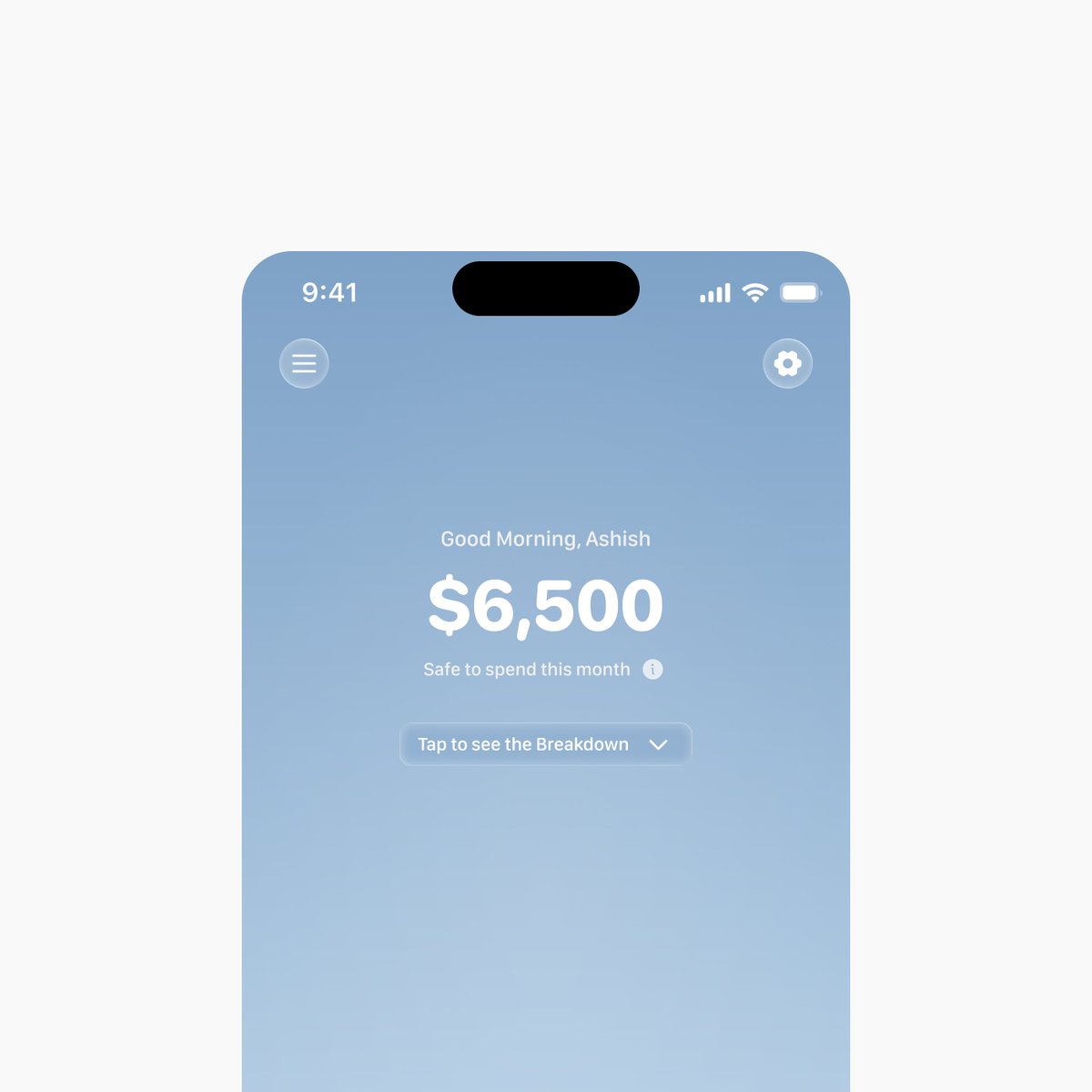
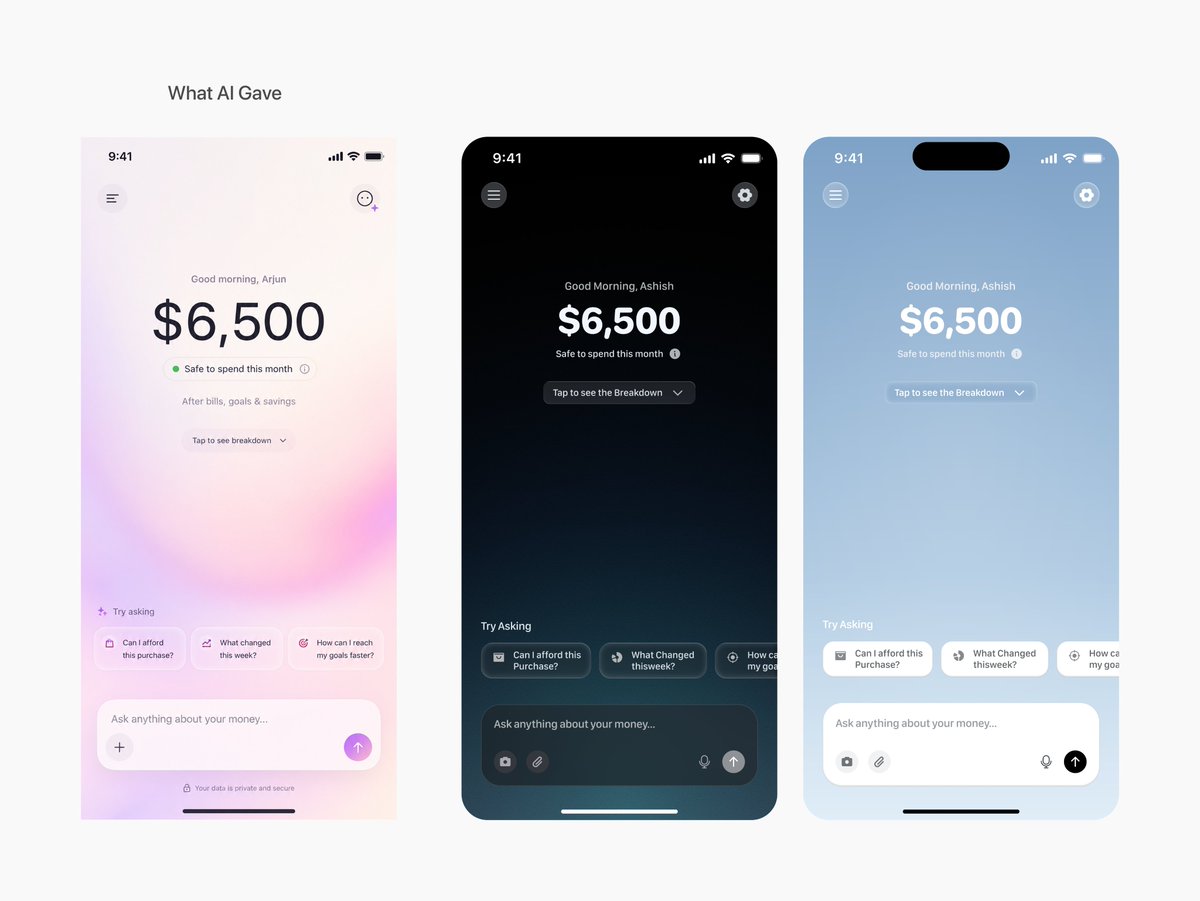
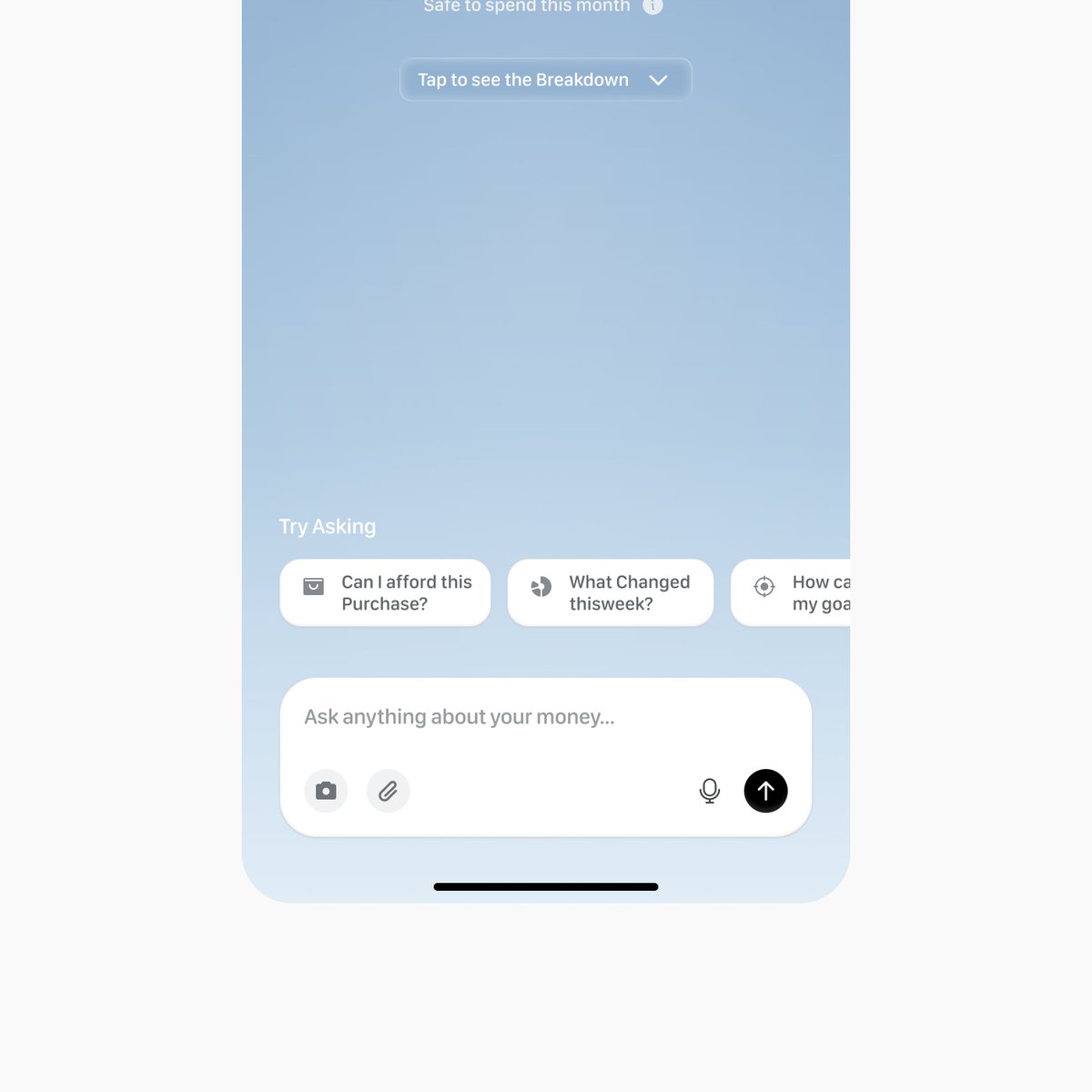
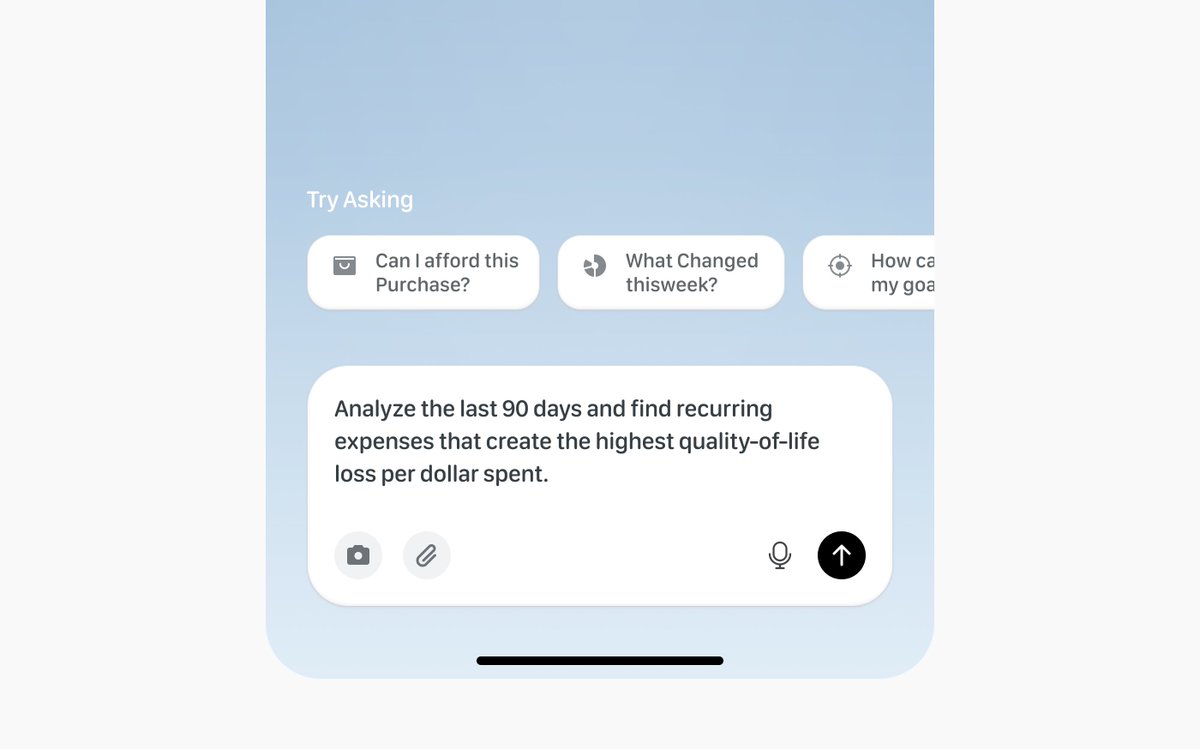
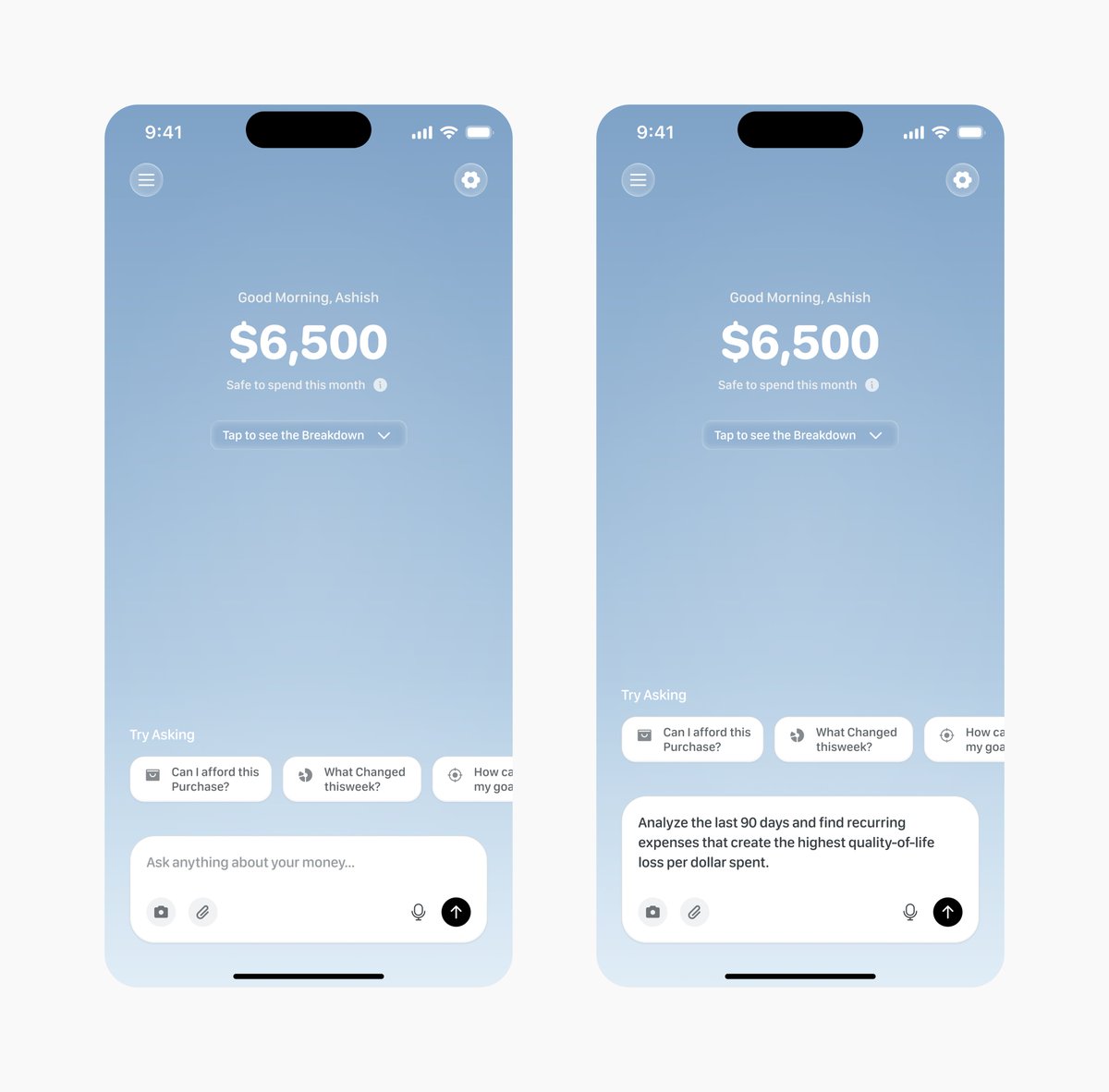
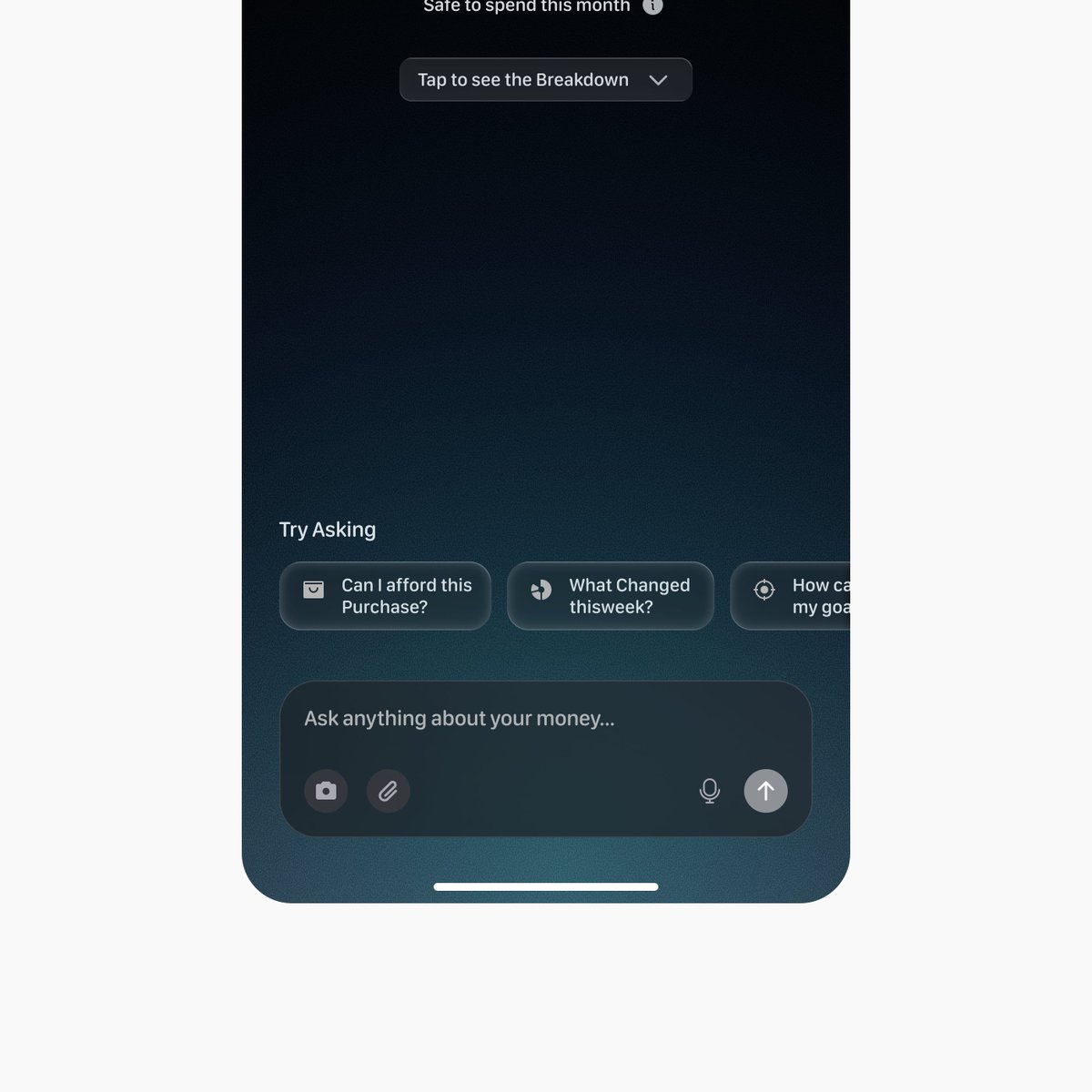
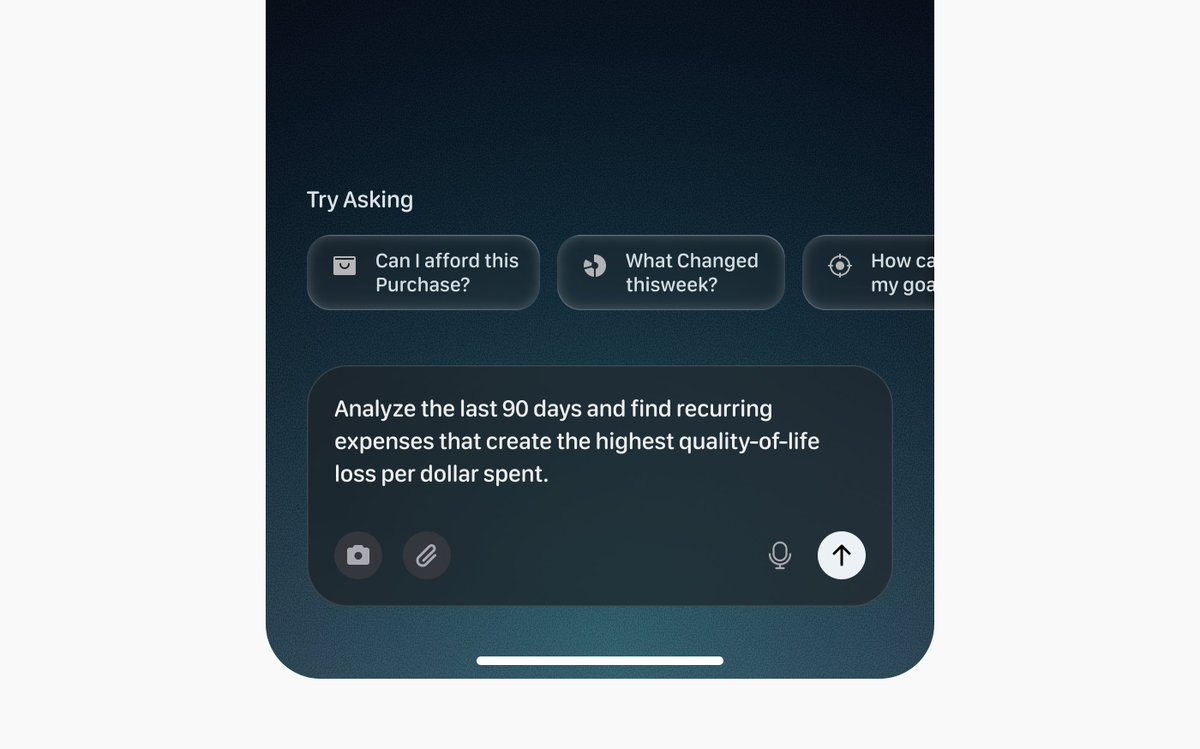
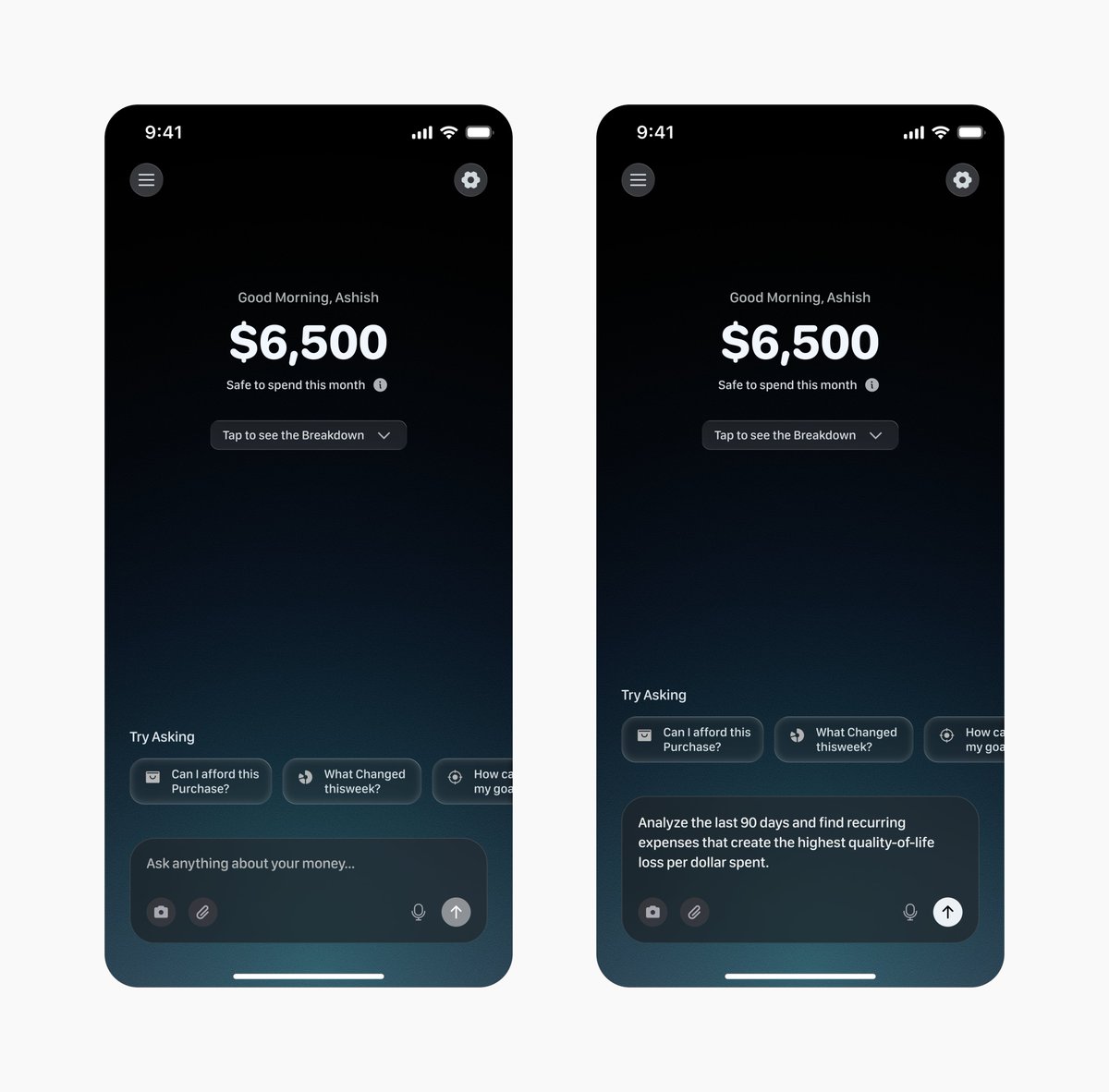
Your spending. Your goals. Your AI CFO. One conversation.
- Designed By Me
(Light theme)
x.com/ashux_ui/status/206615…

2
1
50
3,524
If your product experience feels harder than it should, let’s talk
cal.com/ashish-product-desig…
68
Your spending. Your goals. Your AI CFO. One conversation.
- Designed By Me
(Light theme)
x.com/ashux_ui/status/206615…
2
1
50
3,524
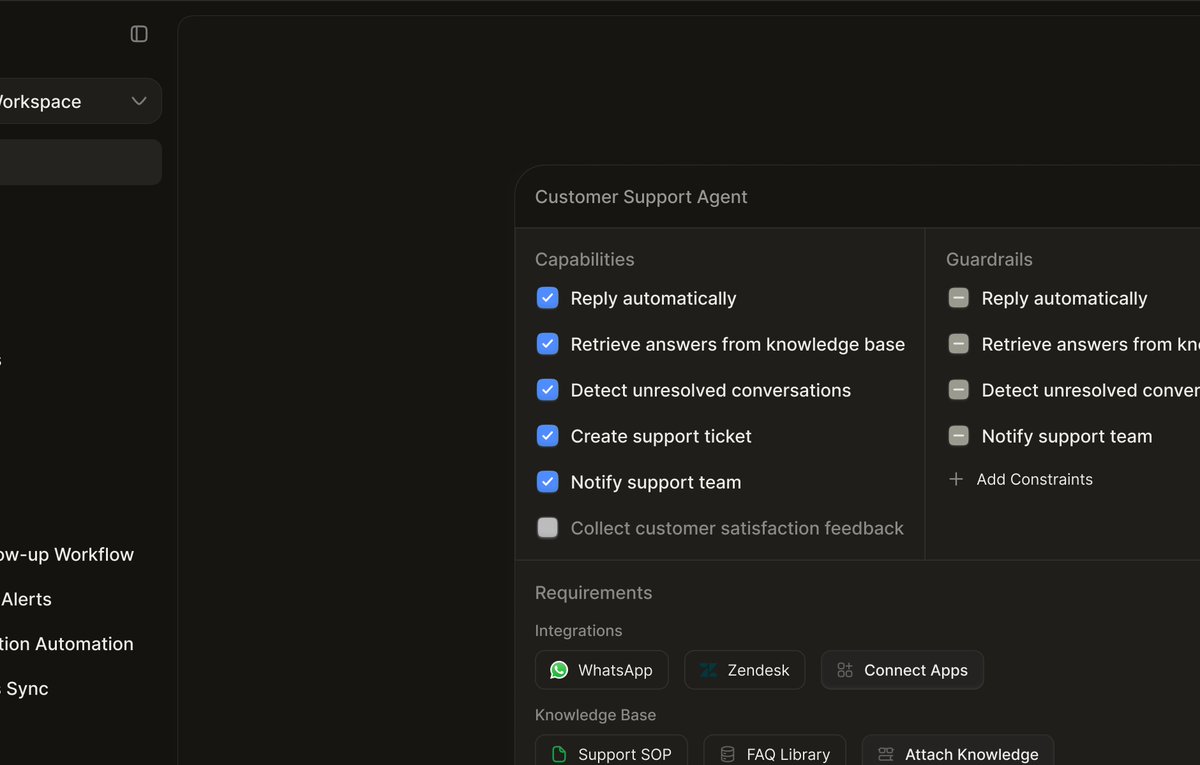
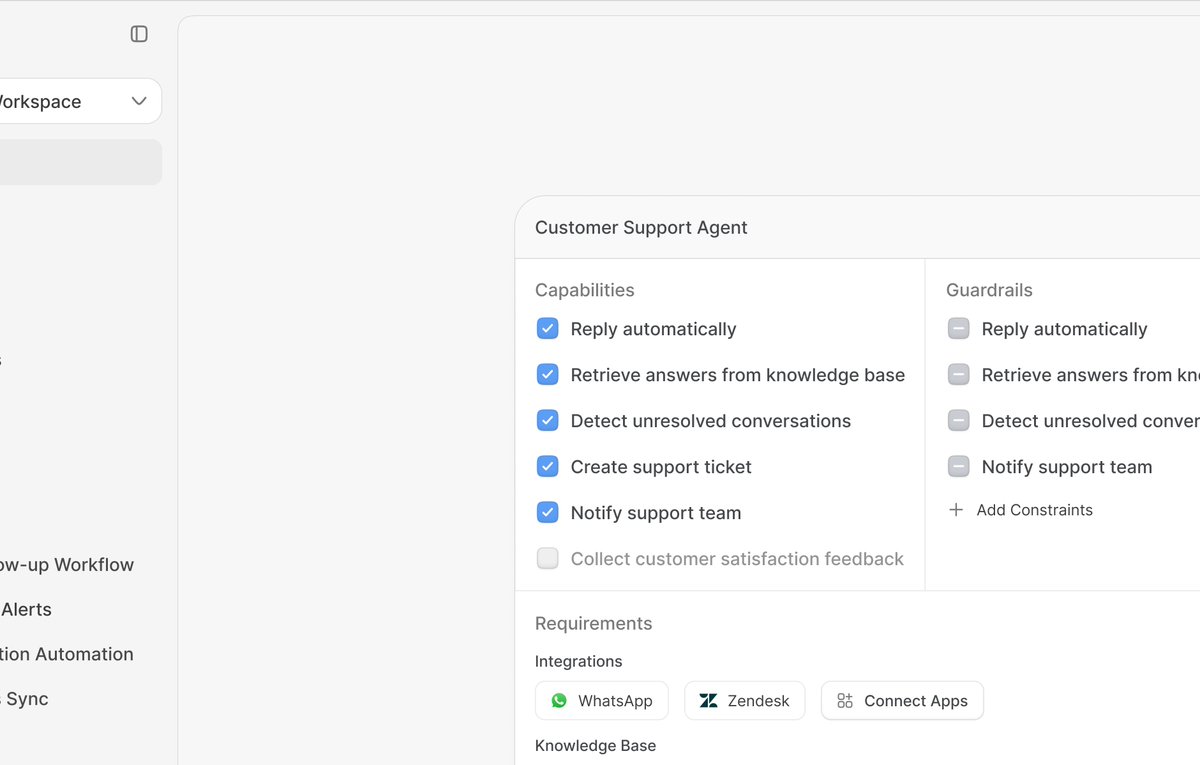
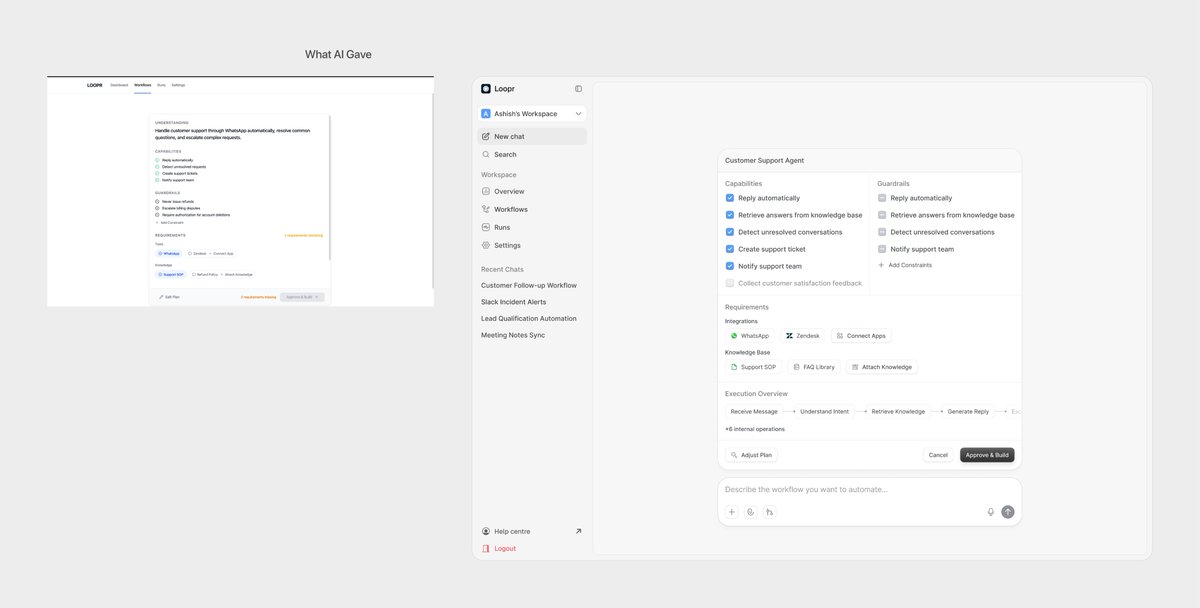
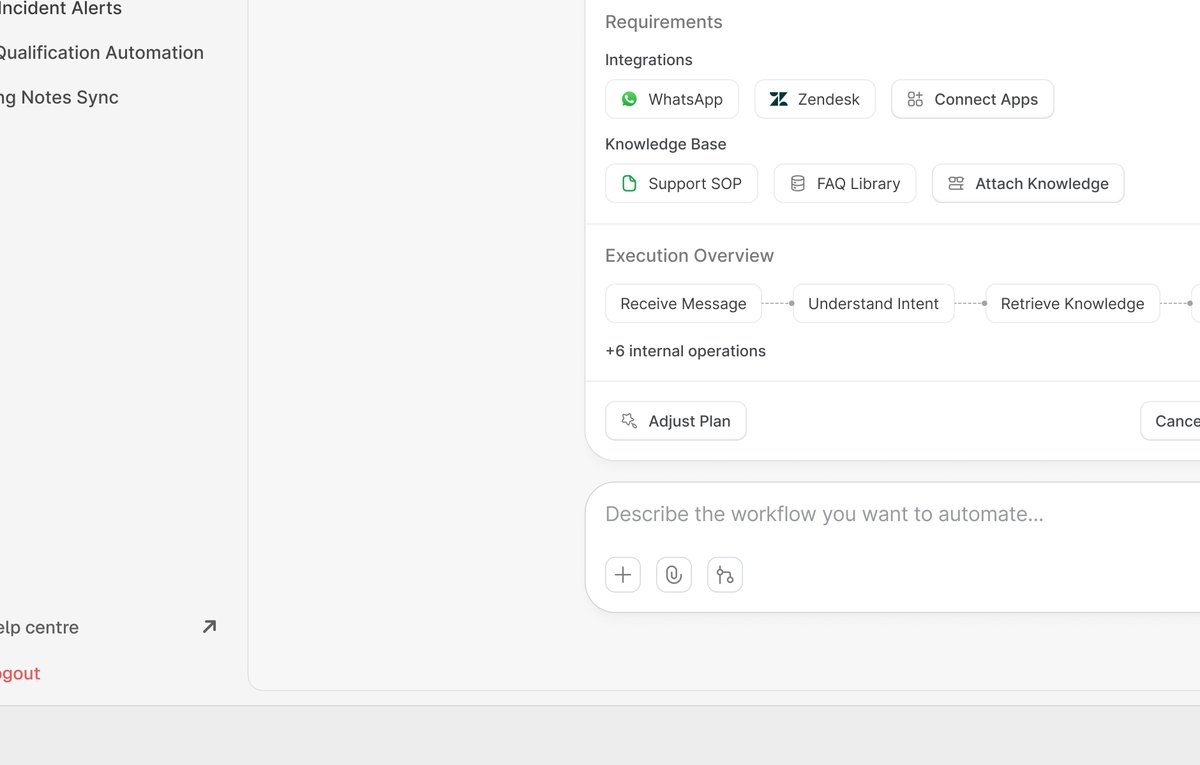
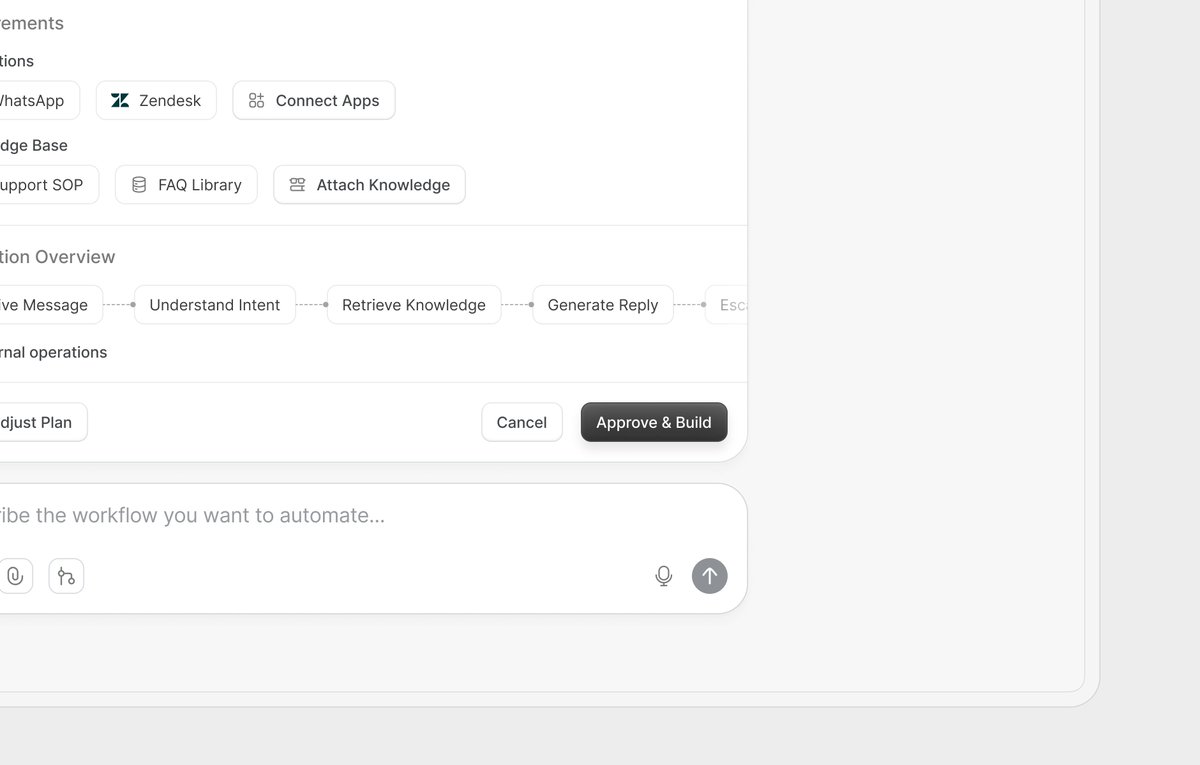
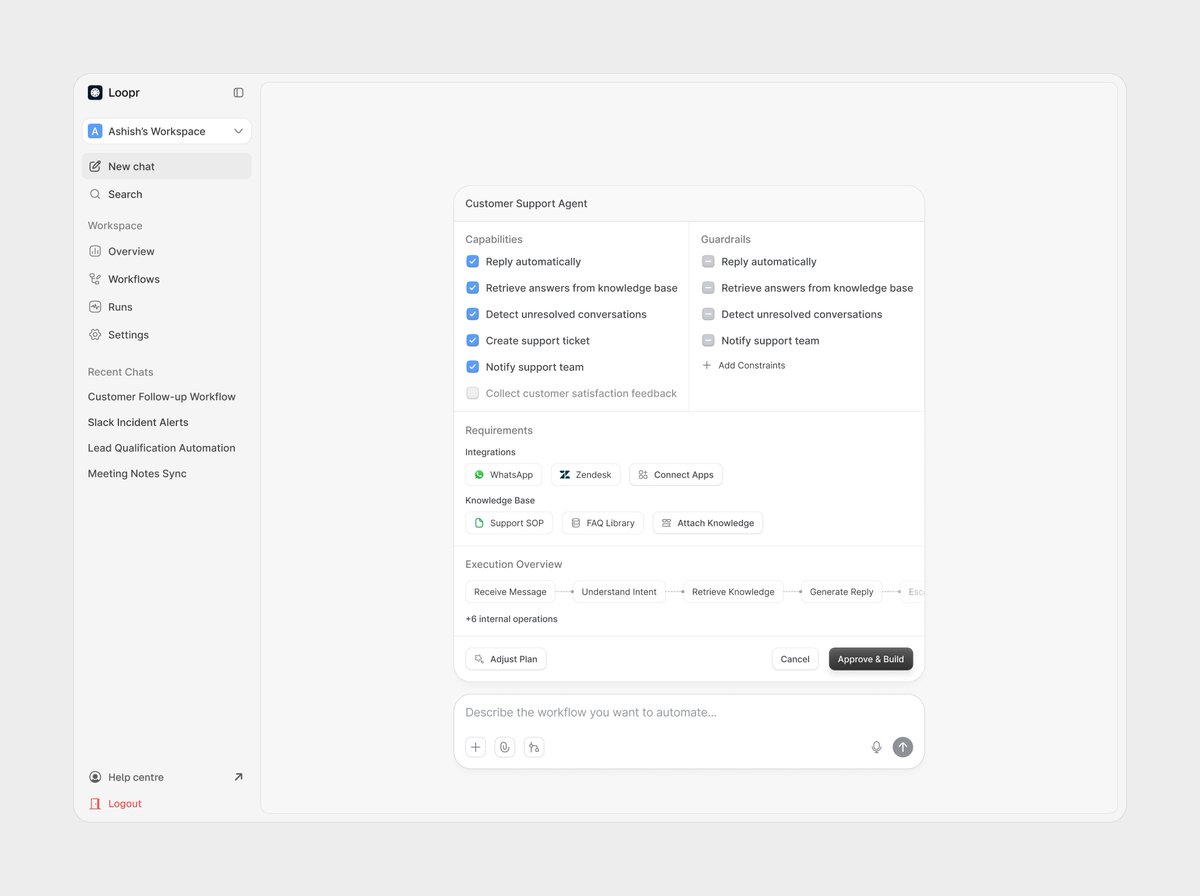
Designed an Agent Review layer for an AI Observability Tool.
User describes an agent → hits Enter → before building starts, it generates an editable agent spec.
Users can:
• Verify the AI actually understood the request
• Review capabilities & guardrails
• Connect missing tools / knowledge
• Adjust the plan before generation
It Increase agent creation success rate while reducing bad builds and regeneration loops.
6
2
54
5,323
Helping early-stage teams turn complexity into clarity
cal.com/ashish-product-desig…
49
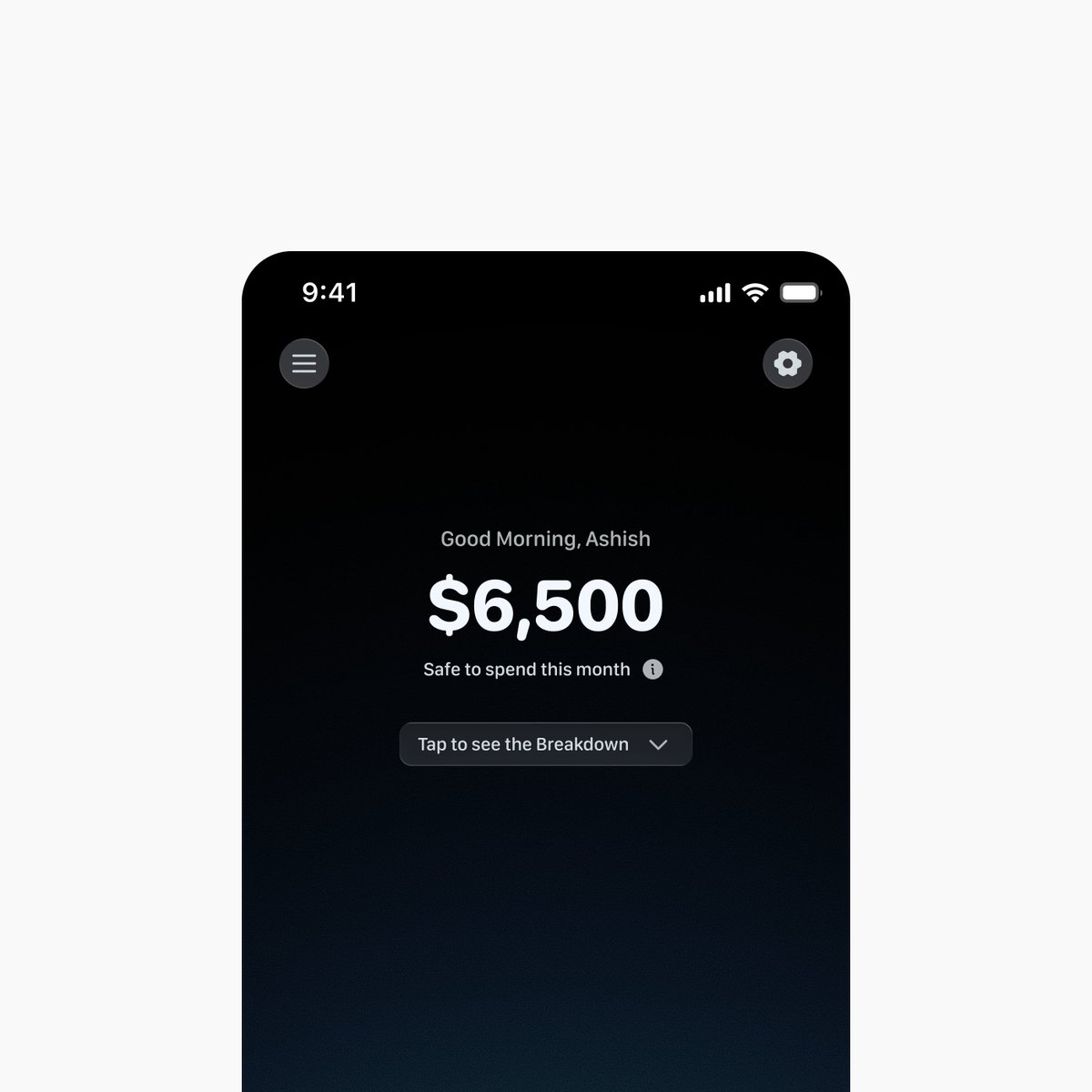
Designed the Agent Review layer for an AI Observability Tool in Dark Mode too and it turned out pretty good.🤌
x.com/ashux_ui/status/206539…
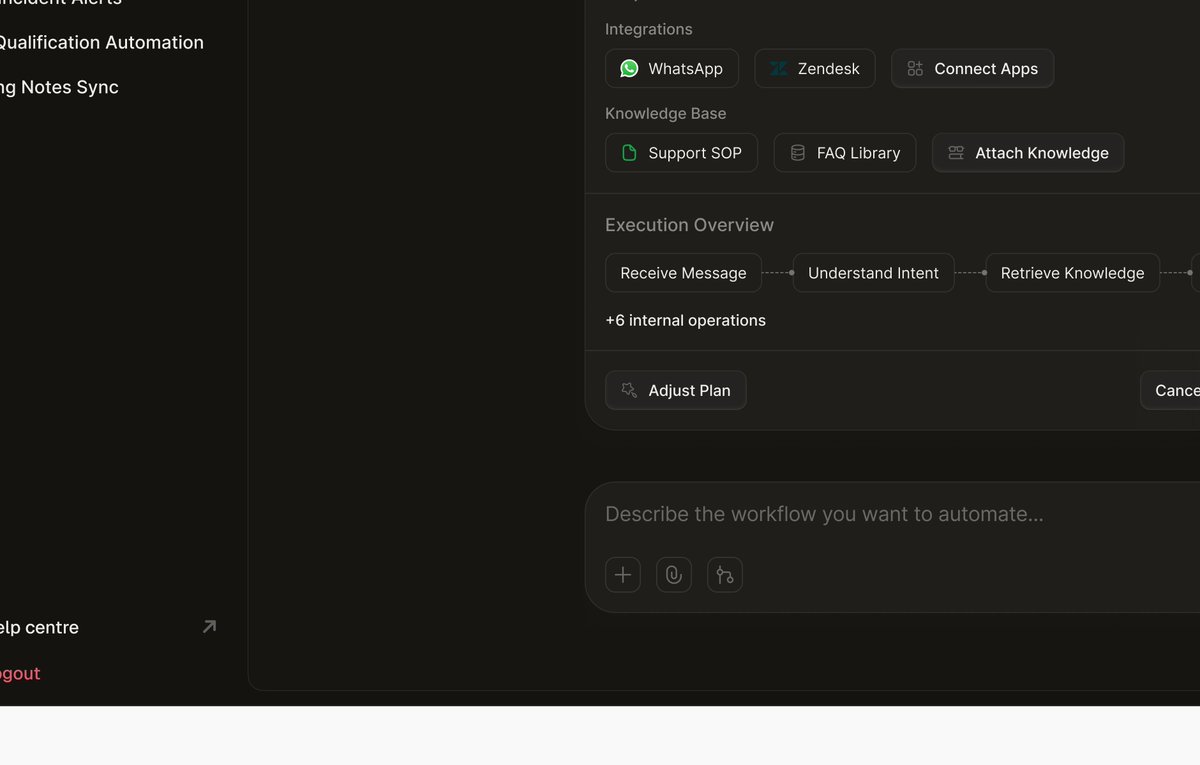
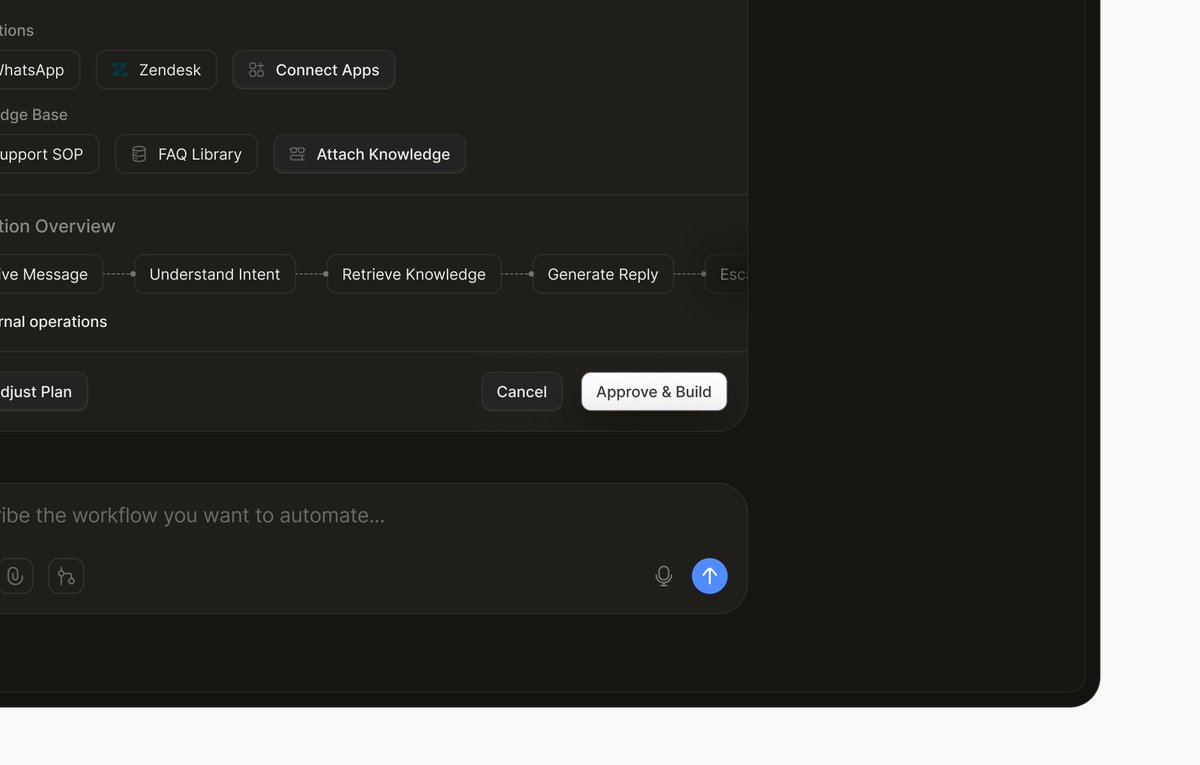
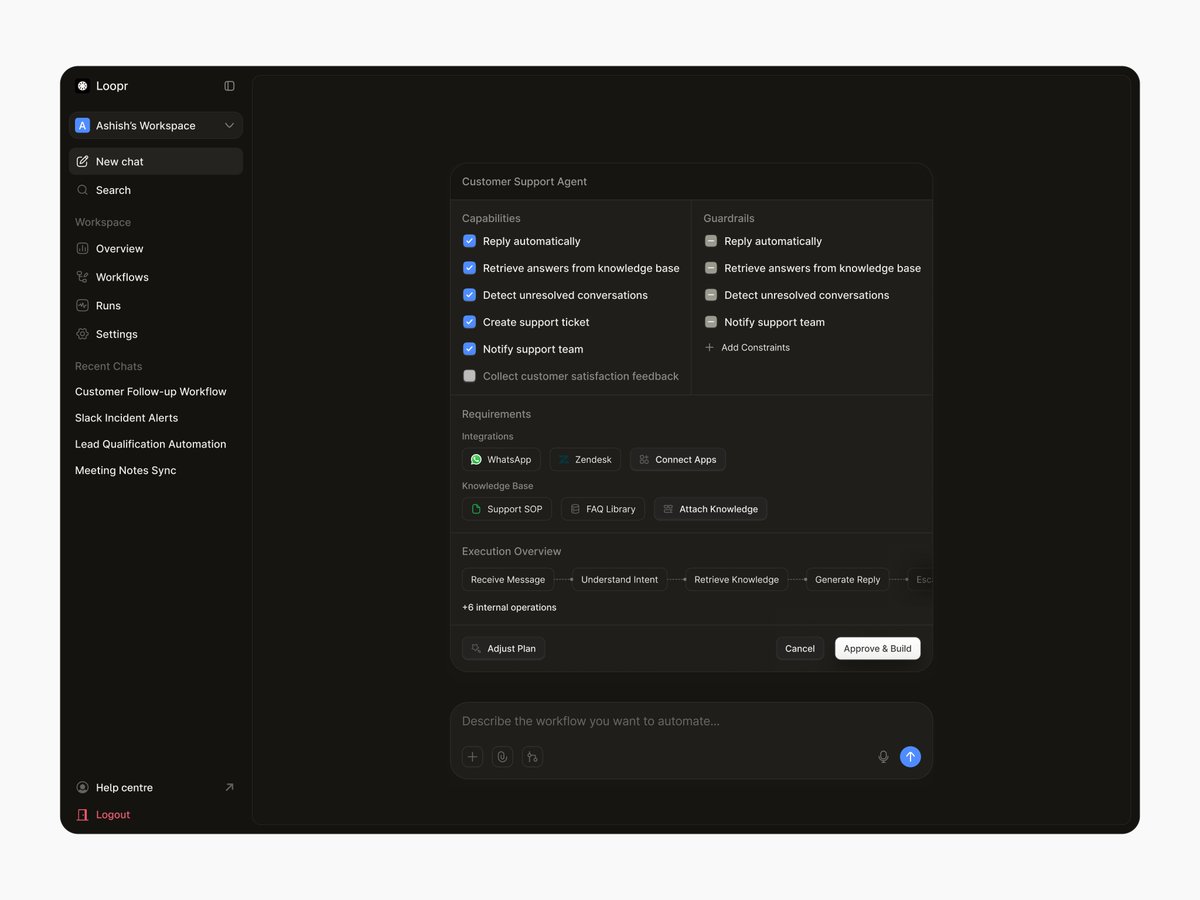
Designed an Agent Review layer for an AI Observability Tool.
User describes an agent → hits Enter → before building starts, it generates an editable agent spec.
Users can:
• Verify the AI actually understood the request
• Review capabilities & guardrails
• Connect missing tools / knowledge
• Adjust the plan before generation
It Increase agent creation success rate while reducing bad builds and regeneration loops.
3
1
38
2,693
Taking on a limited number of product partnerships
cal.com/ashish-product-desig…
48
Helping early-stage teams turn complexity into clarity. Book a Call now !
cal.com/ashish-product-desig…
113
Designed the Agent Review layer for an AI Observability Tool in Dark Mode too and it turned out pretty good.🤌
x.com/ashux_ui/status/206539…
Designed an Agent Review layer for an AI Observability Tool.
User describes an agent → hits Enter → before building starts, it generates an editable agent spec.
Users can:
• Verify the AI actually understood the request
• Review capabilities & guardrails
• Connect missing tools / knowledge
• Adjust the plan before generation
It Increase agent creation success rate while reducing bad builds and regeneration loops.
3
1
38
2,693
Designed an Agent Review layer for an AI Observability Tool.
User describes an agent → hits Enter → before building starts, it generates an editable agent spec.
Users can:
• Verify the AI actually understood the request
• Review capabilities & guardrails
• Connect missing tools / knowledge
• Adjust the plan before generation
It Increase agent creation success rate while reducing bad builds and regeneration loops.
6
2
54
5,323
Taking new projects. Book a Call Now👇
cal.com/ashish-product-desig…
67