
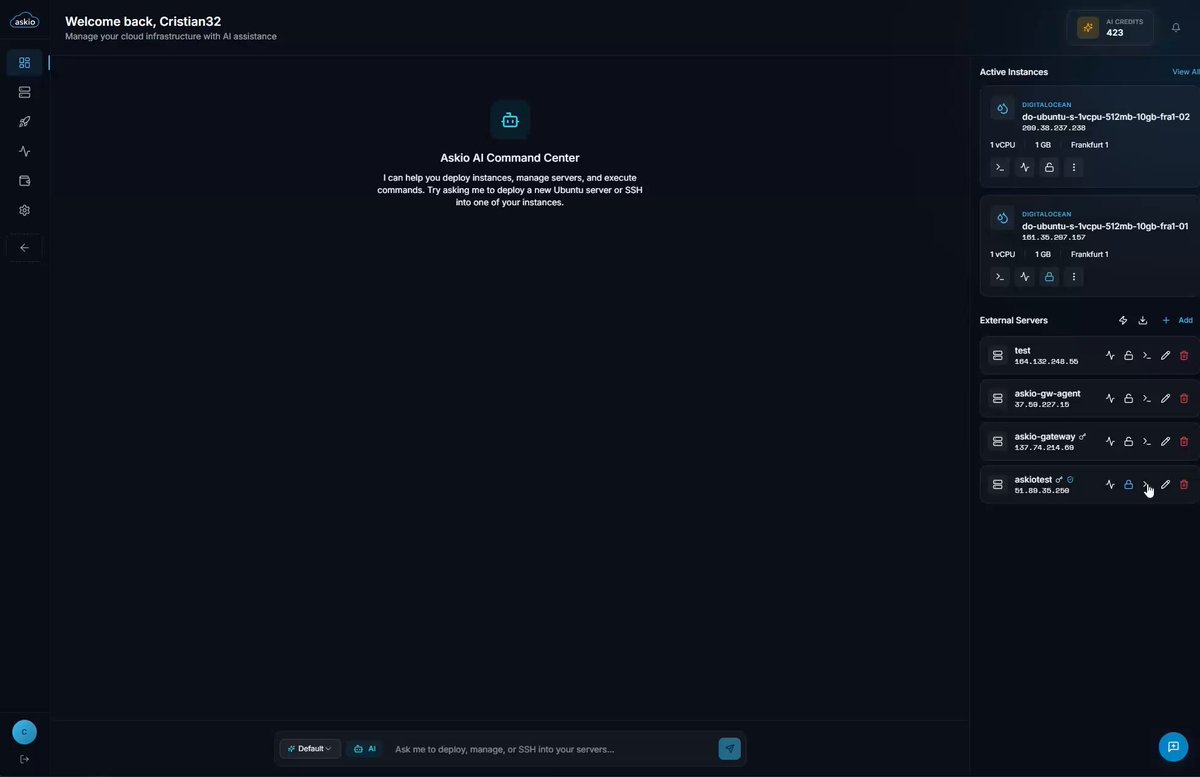
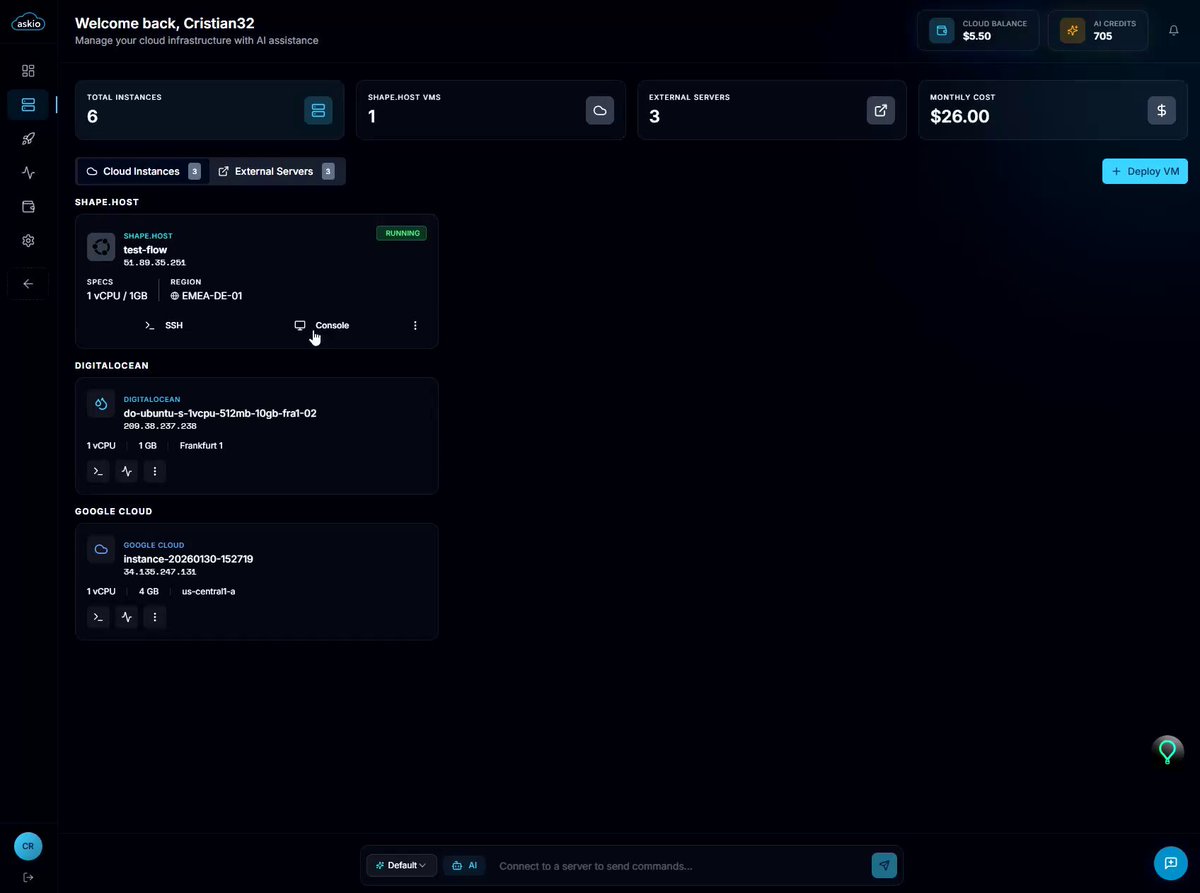
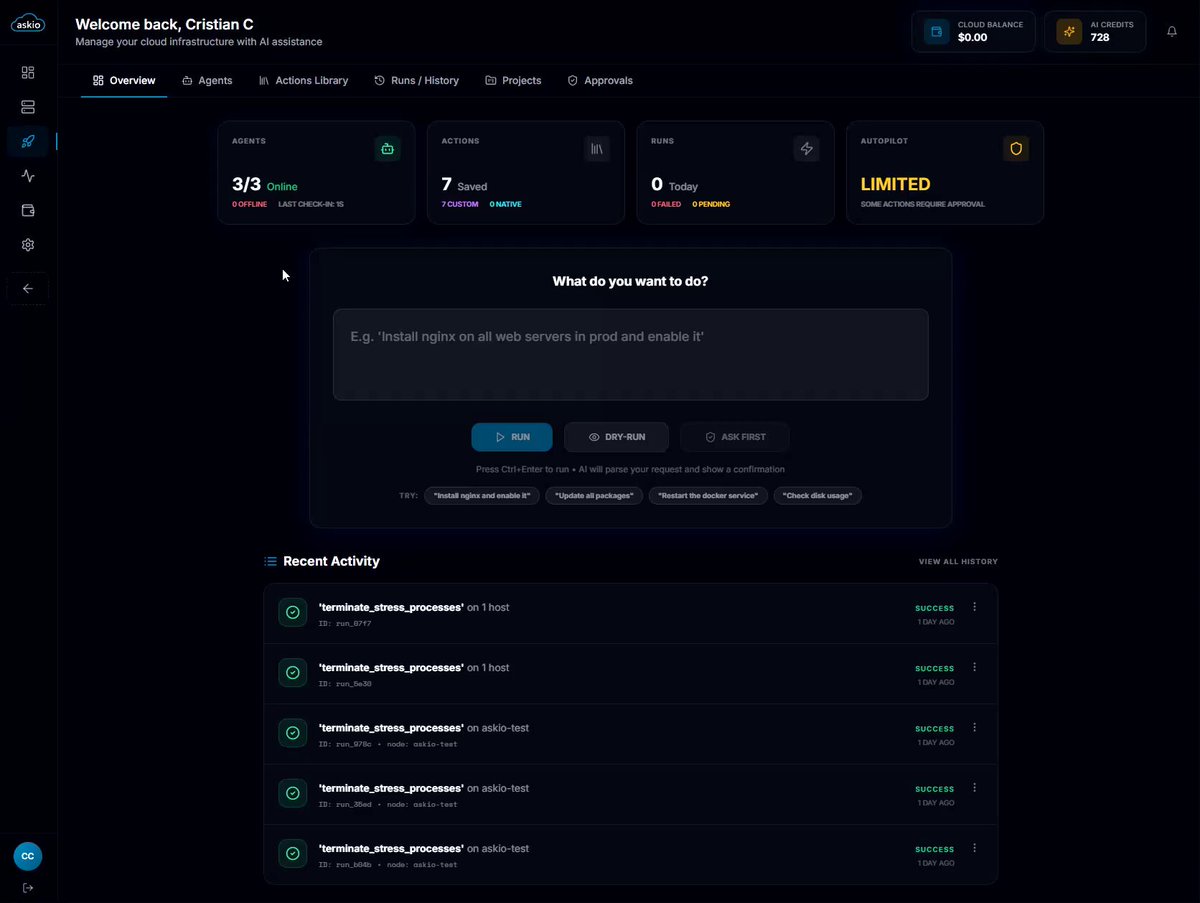
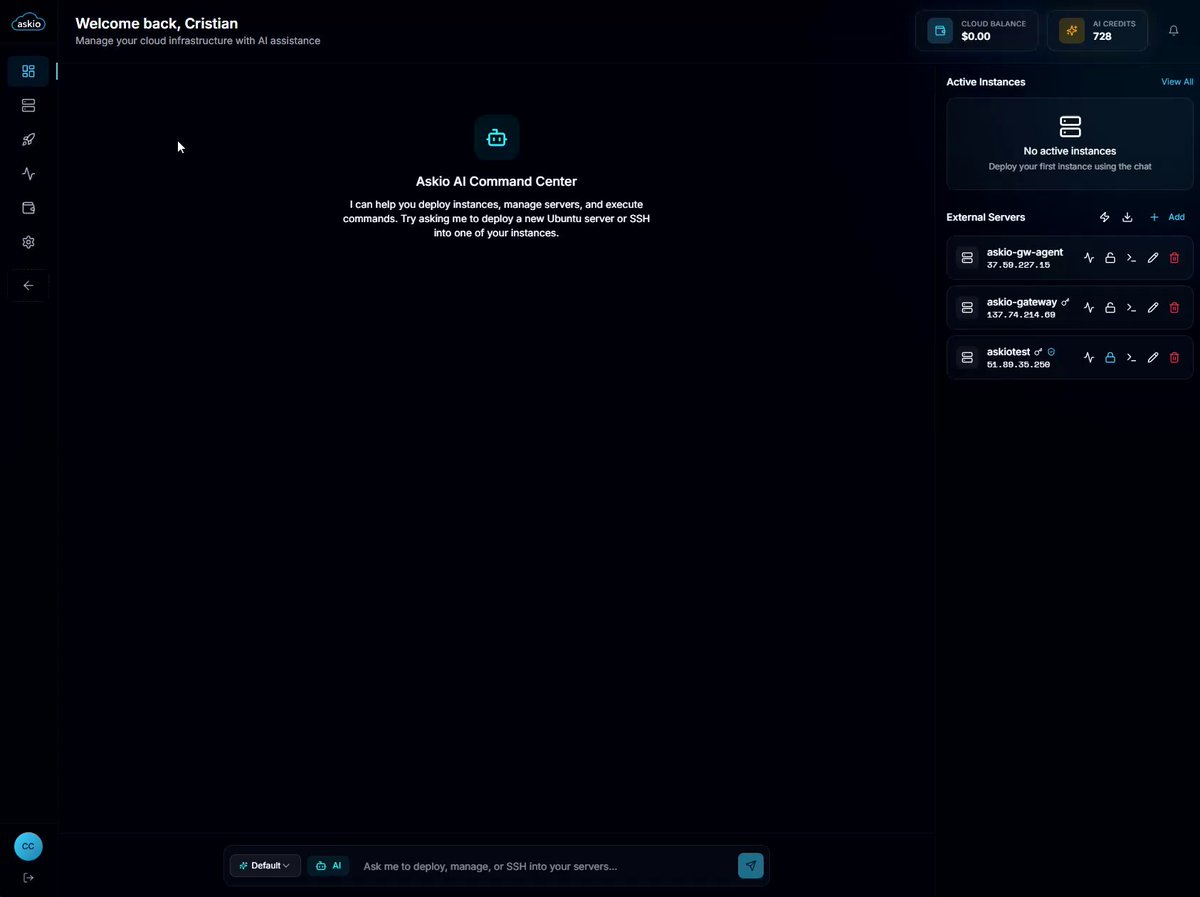
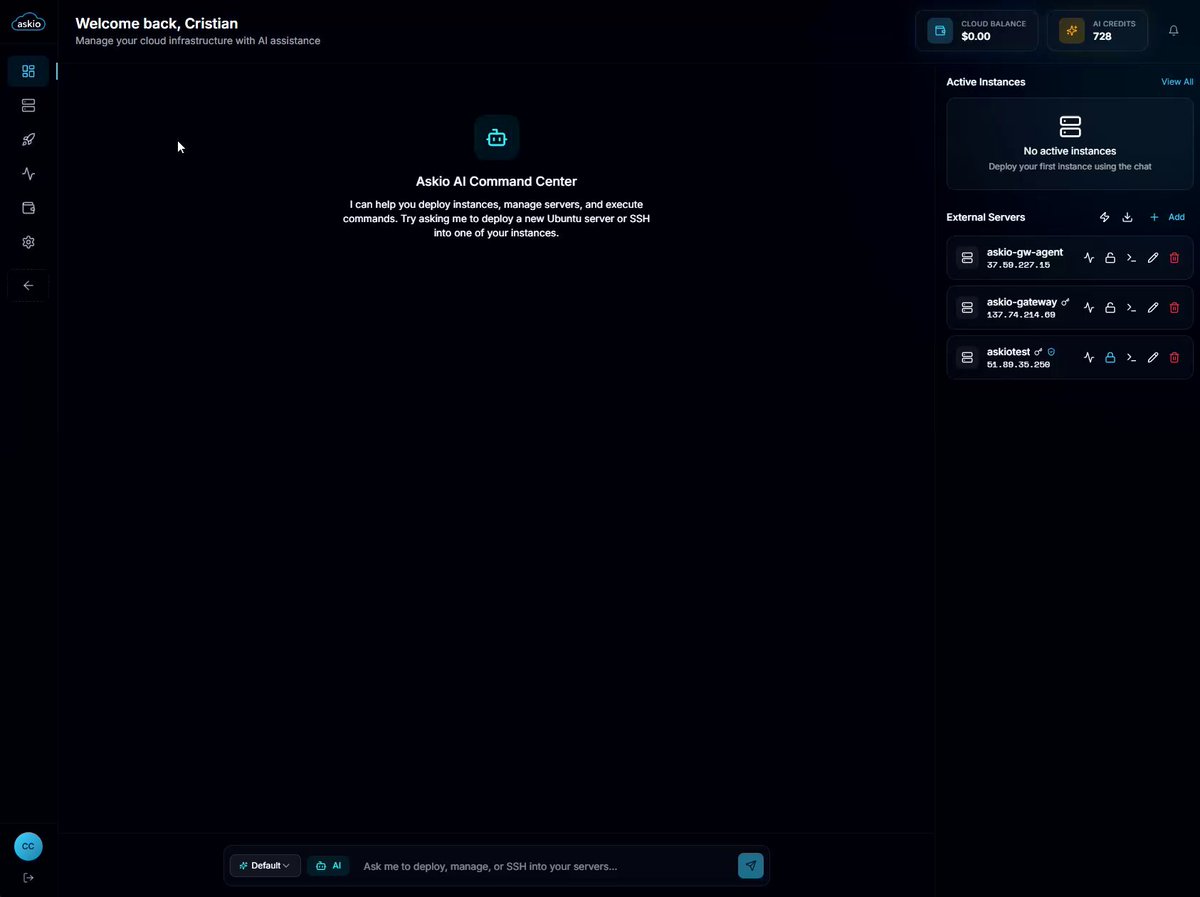
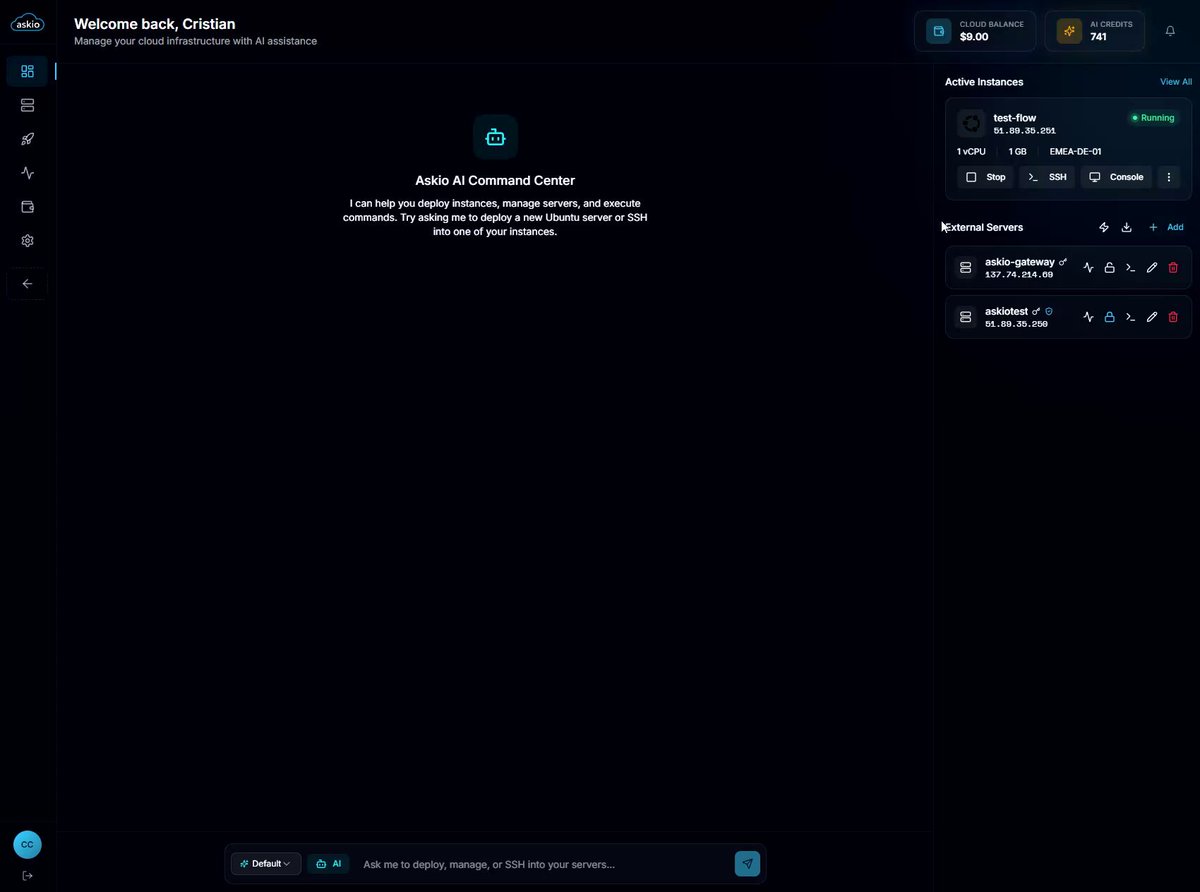
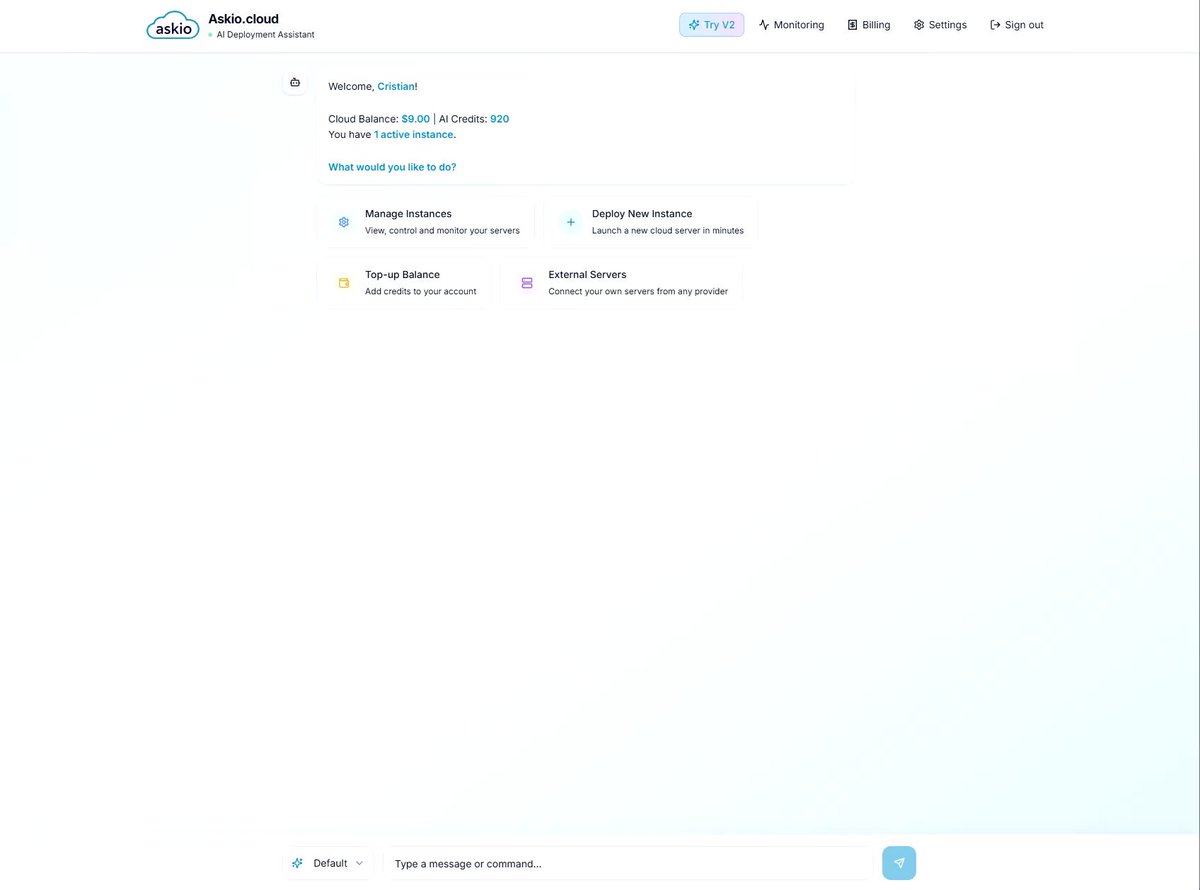
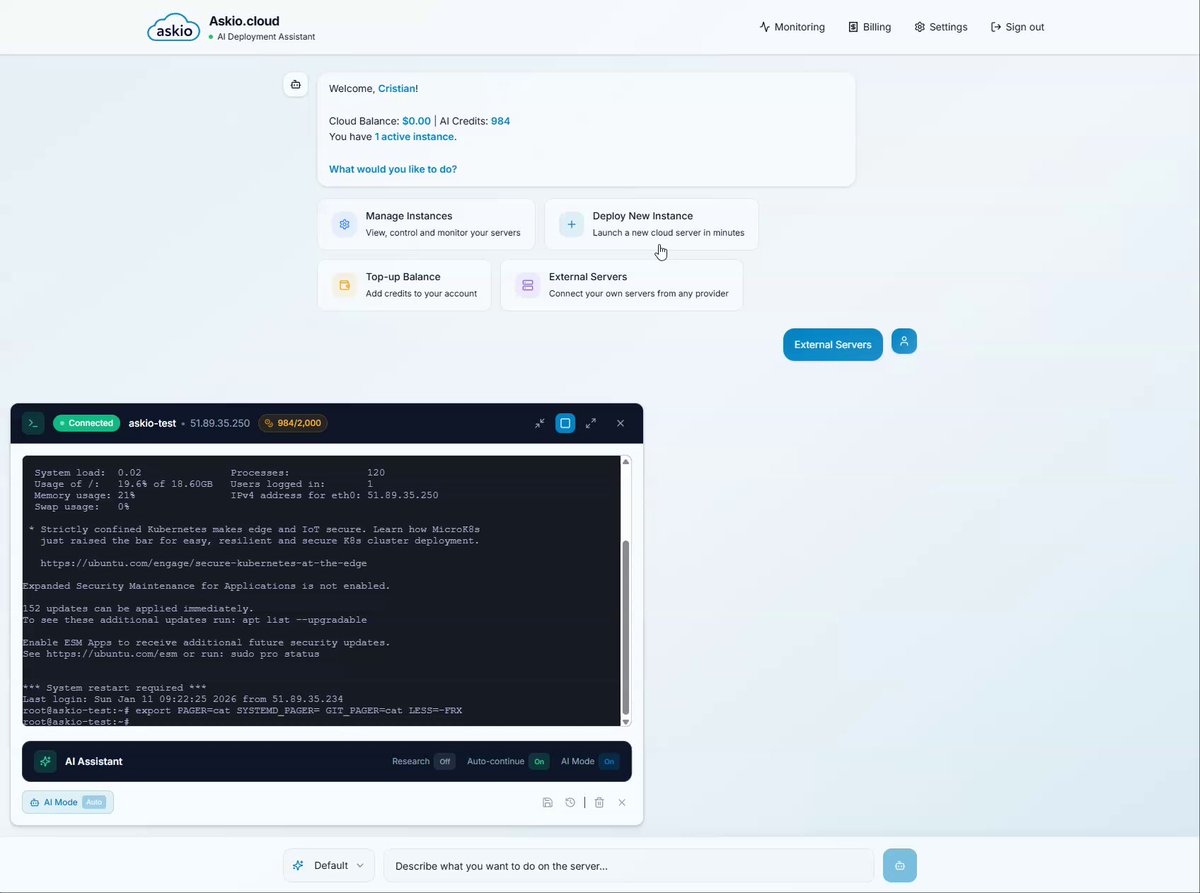
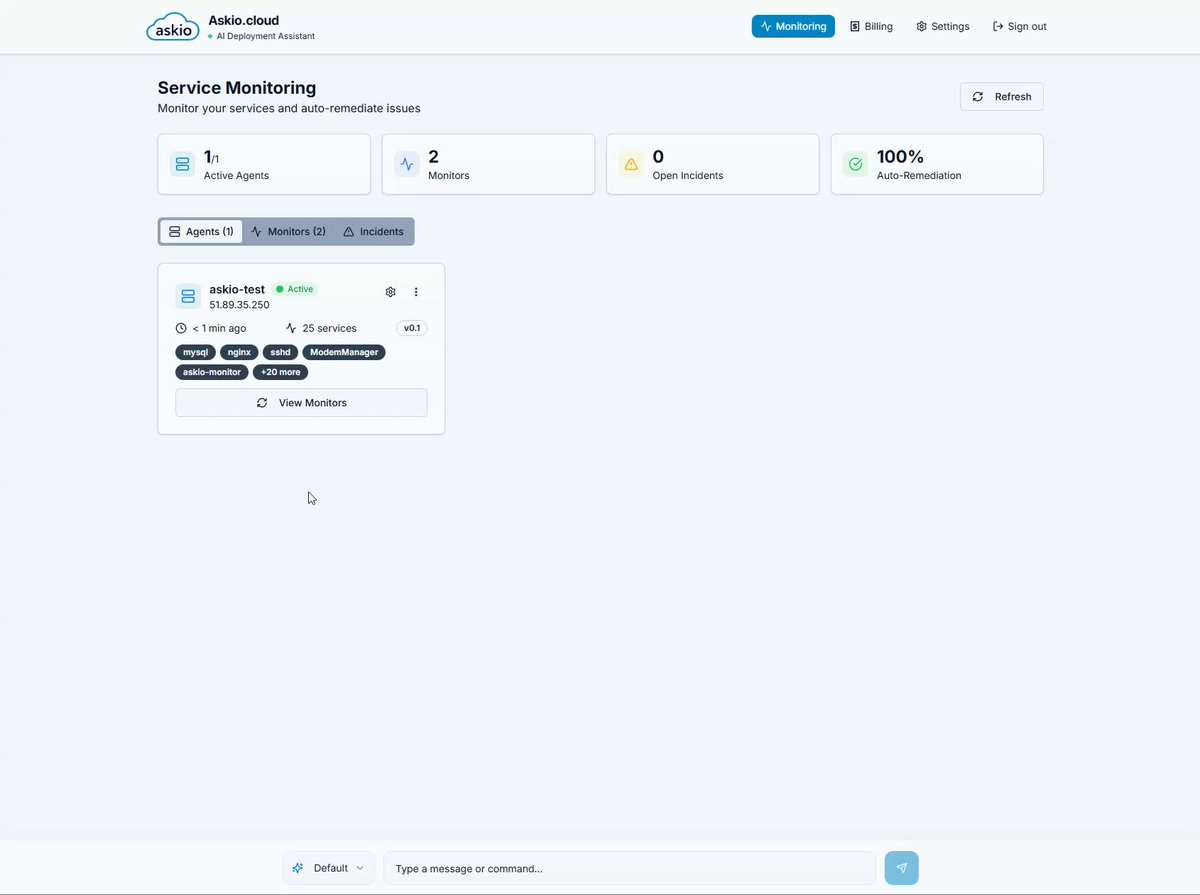
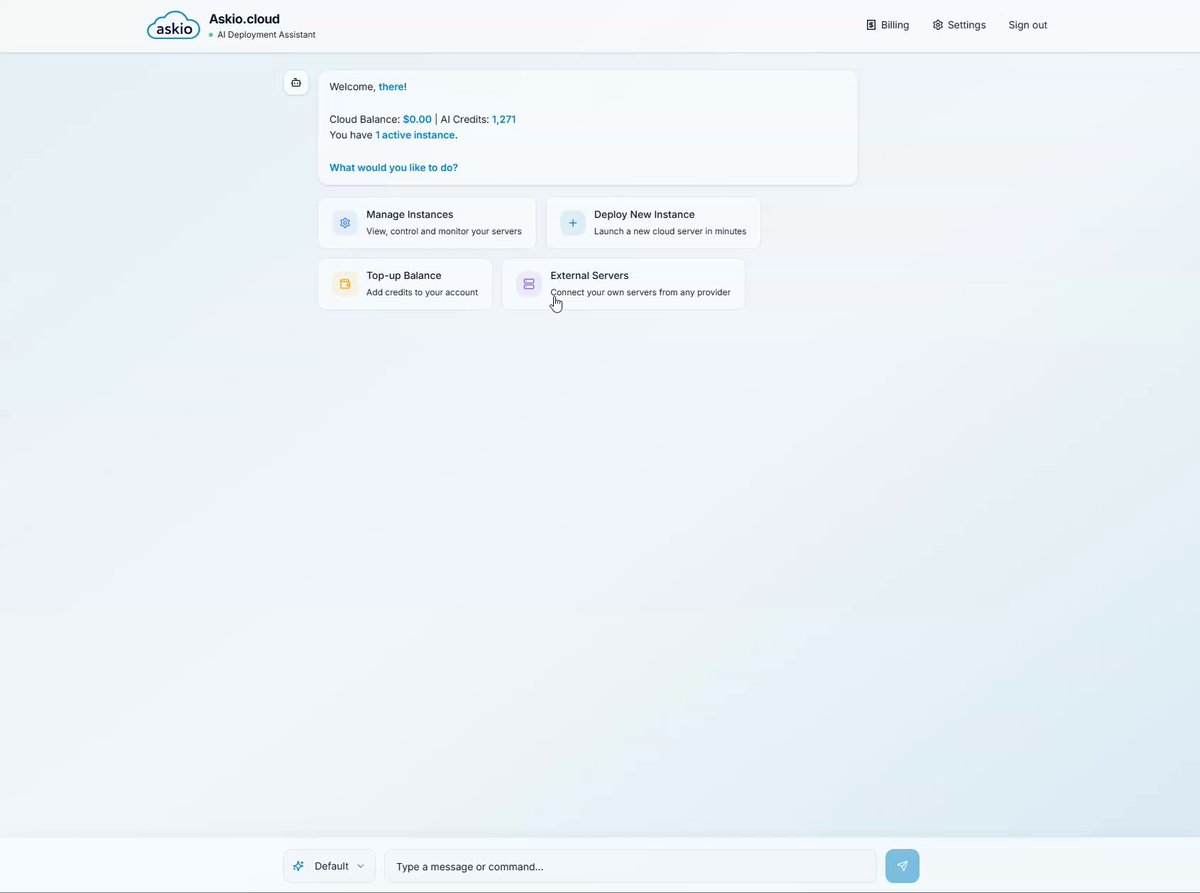
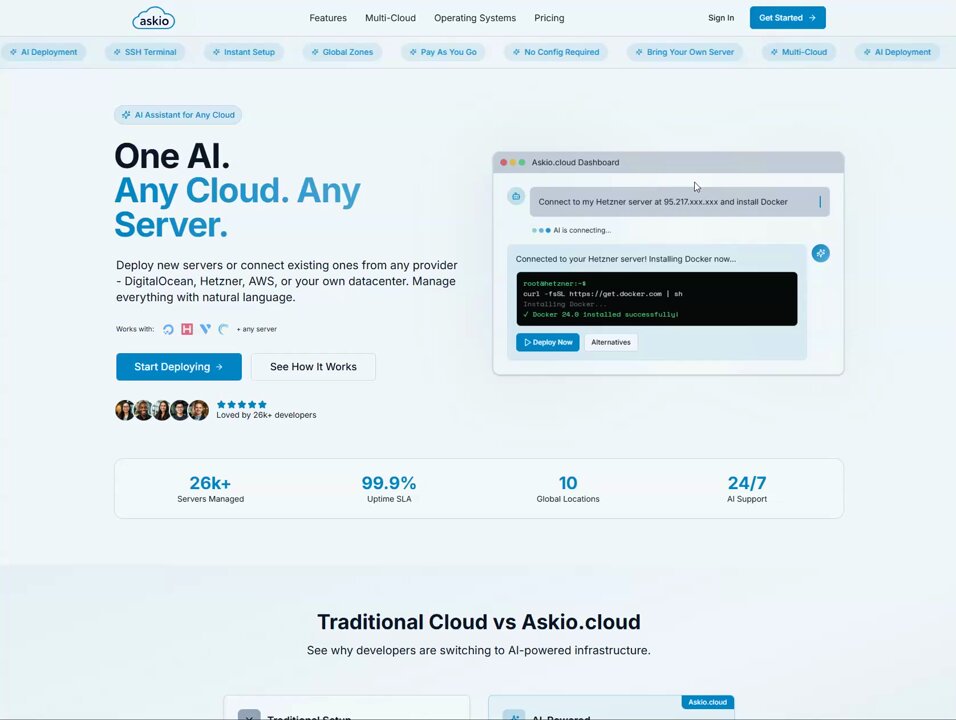
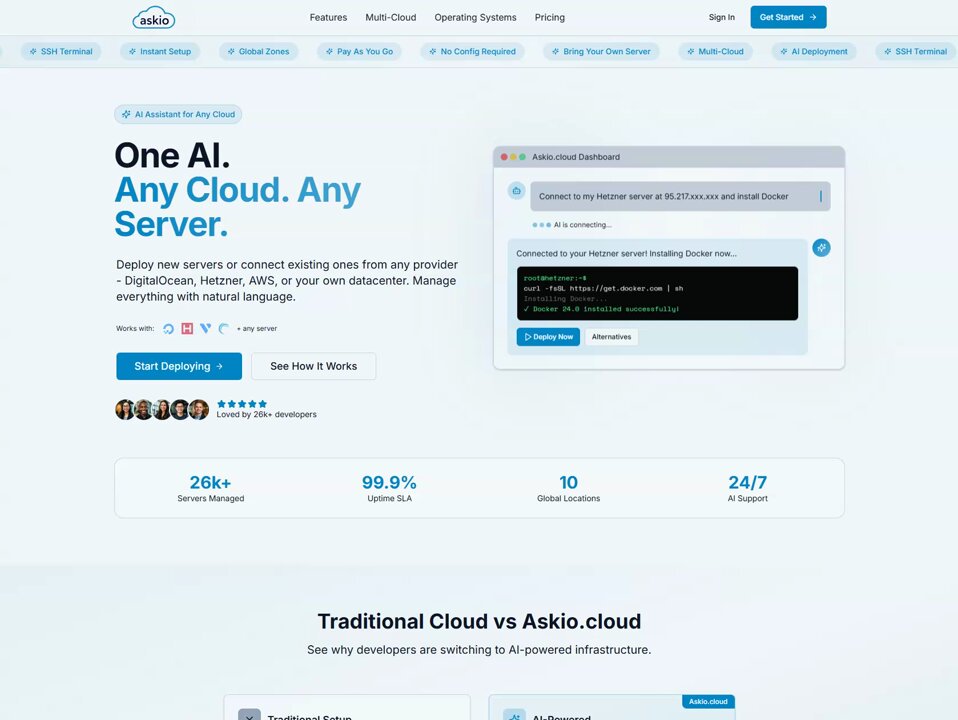
Deploy new servers or connect existing ones from any provider - DigitalOcean, Hetzner, AWS, or your own datacenter. Manage everything with natural language.
Joined January 2026
- Tweets 49
- Following 5
- Followers 43
- Likes 15
16 Photos and videos
Emergency patching rarely fails on apt or yum. It fails on stale inventory, unknown ownership, and missing access. Your patch SLA is set long before the CVE lands.
18

Jun 14
If an auditor asked for every internet-exposed host changed this week, could your team answer in one query or in six Slack threads? Audit readiness is mostly inventory plus change history.
8
Jun 13
Temporary firewall exceptions become permanent when nobody tracks who asked, why, and when they should expire. Every 'just for now' rule is future incident response debt.
7
Jun 12
When an admin leaves, how long does it take your environment to prove every key, sudo path, and long-lived token they touched? That gap is your real access risk.
10
Jun 11
Compliance gets expensive when every audit starts as archaeology. The control is not the screenshot. It is current ownership, access, and change evidence before anyone asks.
11
Jun 10
If a monitor can fire without a known runbook owner, it is not observability. It is outsourced anxiety.
5
Jun 9
Problem: access reviews fail when nobody can tell which admin accounts are still legitimate. Solution: map every privileged account to a current owner, host scope, and last-use record.
14
Jun 8
When a critical CVE drops, what slows you down more: patching or figuring out which hosts actually need it? Most teams still lose time on inventory before they touch a package.
37
Jun 7
Incidents rarely stall on diagnosis alone. They stall on ownership, access, and approval. The teams that recover fastest already have those three mapped to every host before the alert fires.
16
Jun 6
The first sign of control loss is not downtime. It is arguing over which servers are actually in scope when a critical patch lands.
17
Jun 5
Problem: exposed services rarely appear all at once. Solution: diff listening ports against an approved baseline after every change, not every quarter.
1
13
Jun 4
An alert without recent change history is just noise. The fastest incident teams can answer three things immediately: what changed, who touched it, and which hosts share the same risk.
5
Jun 3
How many admin accounts in your environment have no current owner? Most access risk is not a breach in progress. It is old privilege nobody cleaned up.
8
Jun 2
The teams that resolve incidents fastest usually do one boring thing well: keep server ownership, access history, and patch state tied together before anything breaks.
1
11
Jun 1
Operational lesson: every temporary firewall exception becomes permanent unless it has an owner and expiry date. Security debt grows one 'just for tonight' rule at a time.
10
May 31
Problem: compliance evidence goes stale the day after the audit. Solution: collect access, patch, and inventory changes continuously so the next review is a query, not a scramble.
1
26
May 30
Question for ops teams: when an urgent patch lands, can you prove which servers were in scope, who approved the change, and what failed after rollout within 5 minutes?
9
May 29
If patching reports do not show who approved, who executed, and what changed, you do not have patch hygiene. You have maintenance theater.
4
May 28
Most incident timelines get longer when access records and server ownership live in separate tools. The fix is boring but decisive: keep inventory, approvals, and session history tied to every action.
1
9
May 27
What breaks first in most audits is not policy, it is evidence collection. Are you still stitching access, patch, and inventory records together by hand when an incident lands?
18