Streamline offboarding, capture knowledge, and preserve expertise.
Joined June 2023
- Tweets 2,468
- Following 302
- Followers 51,474
- Likes 1,267
937 Photos and videos






Pinned Tweet

Jun 3
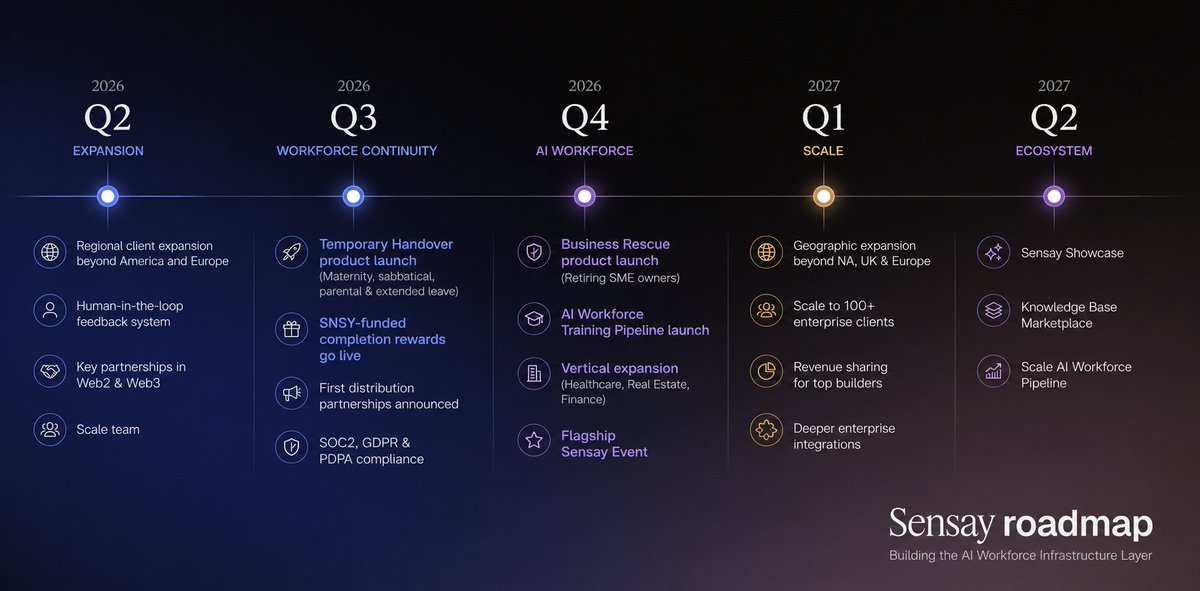
The next 12 months at Sensay...
Tacit knowledge is the most valuable asset most companies never capture. We're building the layer that does.
$SNSY
8
15
35
1,107
Jun 12
3
8
309
Jun 12
The knowledge people think is important vs what actually matters are two different things.
Managers want: Strategic insights, big-picture thinking, documented processes.
What new hires actually need: Where files are saved, who to ask for what, which clients are difficult, the 15-second workaround that saves 2 hours.
The mundane stuff. The tribal knowledge. The things nobody writes down because they seem too obvious.
Until they're not.
Sophia captures both. The strategic and the tactical. The documented and the invisible.
Because she asks follow-up questions. Probes deeper. Captures the context that Word documents miss.
One replica has been answering questions for 8 months after the employee left. 847 questions so far.
Mostly tactical stuff. The kind that would have been lost forever.
That's 847 moments where work didn't stop because someone left.
1
4
22
355
Jun 8
Three months ago, a Director of Operations gave notice at a mid-size manufacturing company.
23 years with the company. Knew every system, every workaround, every critical vendor relationship.
They gave him a Word doc to fill out. He got through page 2 of 47.
Fast forward to last week.
Their production line went down. The new Director couldn't figure it out. The vendor said it would take days to diagnose.
That knowledge walked out the door in June.
This isn't a rare story. It's every story.
$31.5 billion in lost productivity every year because we're still using 1990s knowledge transfer methods.
Meanwhile, the technology exists to capture, preserve, and transfer institutional knowledge at scale.
95% retention rate. $500/year. Available today.
The question isn't "can we afford it?"
It's "can we afford not to?"
3
3
22
405
Jun 8
McKinsey survey reveals nearly 1 in 3 European workers consider quitting. Poor offboarding costs firms up to $500K yearly in litigation, data loss, and brand damage.
ad-hoc-news.de/boerse/news/u…
2
16
456
Jun 6
Hacked, Package
A Hacked npm Package Shows Why German Companies Can’t Afford to Ignore Employee Offboarding
ad-hoc-news.de/boerse/news/u…
1
3
10
447
Jun 5
Problem: People hate filling out forms.
Solution attempt #1: Make better forms.
Result: Still terrible.
Solution attempt #2: Video interviews with real people.
Result: Too expensive, not scalable, people still guarded.
Solution attempt #3: Text-based AI chatbot.
Result: Felt robotic. Nobody wanted to type paragraphs.
Solution attempt #4: Voice-to-voice AI that actually sounds human.
Result: People talked for hours. Voluntarily.
Turns out humans have been transferring knowledge through conversation for 300,000 years.
Who knew.
Sophia now conducts 1,000 exit interviews per month. Average conversation time: 47 minutes. Knowledge capture rate: 95%.
Compare that to your last Word document handoff.
Sometimes the best technology just lets humans be human.
1
6
18
409
Jun 3
The next 12 months at Sensay...
Tacit knowledge is the most valuable asset most companies never capture. We're building the layer that does.
$SNSY
8
15
35
1,107
Jun 2
We're watching the largest knowledge transfer in human history.
10,000 boomers retire every day.
They take with them:
→ Decades of client relationships
→ Institutional knowledge
→ Problem-solving patterns
→ Industry expertise you can't Google
Most companies are handling this with:
→ Word documents
→ Shadowing programs
→ "Please write down what you do"
→ Hope
It's not working.
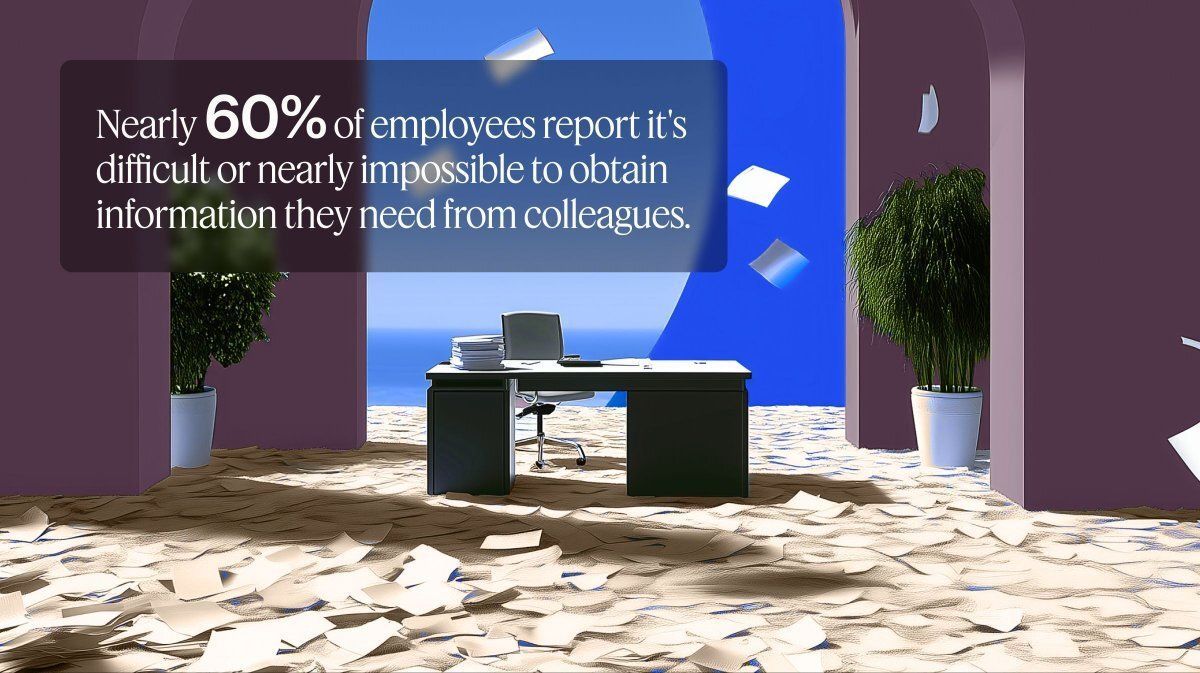
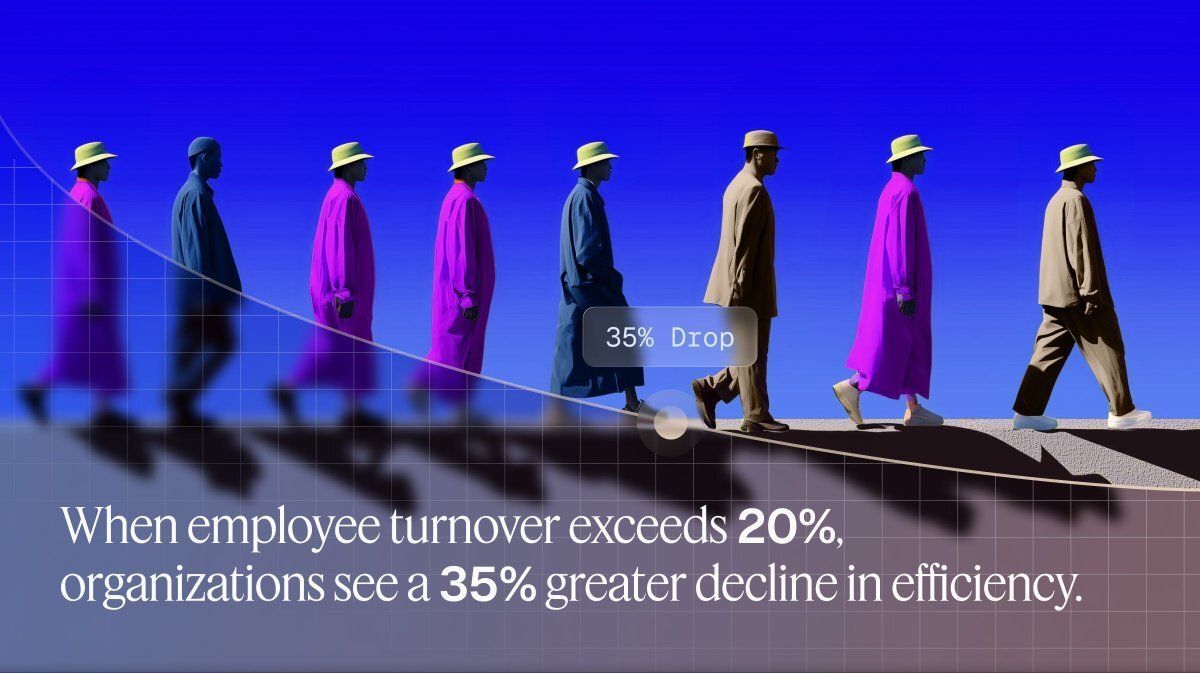
New hires are floundering. Onboarding takes 40% longer than it should. Critical knowledge just vanishes.
We built Sensay for this exact moment.
Voice-to-voice knowledge capture. AI that interviews departing employees. Digital replicas that answer questions for months after someone leaves.
200,000 people are already using it.
Because retirement is inevitable. Knowledge loss isn't.
2
4
19
590
May 26
VP of Engineering. Lead architect retiring. 25 years of knowledge.
He asked: "What's the dollar value of what we're about to lose?"
Impossible to calculate before it's gone.
But here's what happens:
- New architect: 8 months to ramp
- 3-4 major decisions the previous person would have flagged
- Team rebuilds something that already existed
- Critical system knowledge walks out in 6 weeks
Conservative estimate: $200K lost in year one
Real cost over 3 years: $500K
Sophia AI: $500/year to capture everything
1000:1 ROI
The math is almost offensive.
3
22
613
May 22
You have 2 weeks to capture 15 years of tribal knowledge.
Most companies panic. Send a Word doc. Hope they fill it out.
Capture rate? Maybe 5%.
That's $31.5 billion in lost knowledge. Every year.
Here's what actually works:
→ Voice conversations, not forms
→ AI that asks follow-up questions
→ Knowledge captured in hours, not weeks
→ 95% retention vs industry 5%
We built Sophia specifically for this moment. The one you're dreading.
She conducts the exit interview. Asks the questions you forget. Captures the answers that matter.
Then packages it all for the next person.
One customer told us: "It's like my departing employee never actually left."
That's the point.
Your next resignation doesn't have to be a crisis.
1
3
23
639
May 19
CEO Dan Thomson on the world's first AI-goverened island.
youtube.com/shorts/gEbblA8rF…
2
6
19
968
May 19
And now the story has been picked up by @DailyMail too!
dailymail.com/travel/article…
May 18

CNN just covered Sensay Island as “a country governed by AI”... our real-world experiment in letting an AI council of historical leaders debate and vote on policy, with humans still in charge of execution on the ground.
In a world losing faith in politics, we’re asking: can transparent, ethics-bound AI make governance more consistent and less corrupt – or will it fail like everything before it?
Either way, it’s better to test in the open than theorize in the abstract.
Would you ever become an e-resident of an AI-governed island?
edition.cnn.com/travel/count…
2
8
17
1,341
May 18
CNN just covered Sensay Island as “a country governed by AI”... our real-world experiment in letting an AI council of historical leaders debate and vote on policy, with humans still in charge of execution on the ground.
In a world losing faith in politics, we’re asking: can transparent, ethics-bound AI make governance more consistent and less corrupt – or will it fail like everything before it?
Either way, it’s better to test in the open than theorize in the abstract.
Would you ever become an e-resident of an AI-governed island?
edition.cnn.com/travel/count…
6
28
1,889
May 18
Two-week notice periods are designed for HR paperwork.
Not for knowledge transfer.
Think about what happens in those two weeks:
Week 1:
→ Employee mentally checked out
→ Team scrambling to figure out handoff
→ Manager trying to create transition plan
→ Everyone pretending this is enough time
Week 2:
→ Employee wrapping up loose ends
→ Handoff meetings that cover surface-level stuff
→ New hire hasn't even started yet
→ Critical knowledge still trapped in departing employee's head
Then they're gone.
20 years of expertise, customer relationships, tribal knowledge, hard-won lessons—evaporated.
The two-week window is administratively convenient. It's operationally devastating.
Sophia AI extends the knowledge transfer window indefinitely. Voice conversations after the employee leaves. No career pressure. No rush. Just pure knowledge capture.
95% retention rate because we stopped pretending two weeks is enough time.
New hire starts in a month? They can still have conversations with their predecessor's replica.
Replacement starts in six months? Knowledge is still there.
Two years later someone asks "why do we do it this way?" Answer is still accessible.
Because institutional knowledge shouldn't have a two-week expiration date.
200,000 users who will never lose expertise just because someone changed jobs.
1
2
13
539
May 15
⛩️ Sensay Community Call | Building the Future, Together ✨ x.com/i/broadcasts/1NGaraYOr…
1
3
16
589
May 14
🚀 Sensay Community Call
📅 Tomorrow - May 15, 3PM UTC
🎥 Streaming LIVE on X & YouTube - youtube.com/watch?v=HVf6nKZR…
Be part of the next Sensay Community Call as we dive into the newest updates, exciting milestones, upcoming plans, and the future of the Sensay ecosystem.
Come connect with the team, ask questions, share your thoughts, and engage with fellow community members from around the world. Whether you’re already part of Sensay or just getting started, we’d love to have you with us!
Don’t miss it see you there! ✨
2
1
21
703
May 14
Companies spend $1,200 per employee on training.
Then let institutional knowledge walk out the door for free.
Make it make sense.
You'll pay for:
→ LinkedIn Learning subscriptions
→ Conference tickets
→ External training programs
→ Leadership development
→ Skills workshops
But when your most experienced person leaves, knowledge preservation budget: $0
You just spent 5 years training someone to be excellent at their job. They leave. New person starts. You begin the training cycle again.
Except you're not starting from the same place. You're starting from scratch. Because none of what the previous person learned got transferred.
This is organizational amnesia masquerading as normal business practice.
Sophia AI costs $500/year. Less than half of one LinkedIn Learning subscription.
95% knowledge retention. 40% faster onboarding. 3x ROI.
The training you paid for with the previous employee becomes the foundation for the next employee.
Institutional knowledge compounds instead of evaporating.
50,000 replicas created because companies are realizing the training investment doesn't end when someone leaves. It should transfer.
You wouldn't throw away your training materials when someone finishes a course. Why throw away their expertise when they leave the company?
4
21
591