
Joined December 2008
- Tweets 57,651
- Following 717
- Followers 46,948
- Likes 52,901
322 Photos and videos






Pinned Tweet

29 Apr 2025
List everyone you know who started by launching a startup every month, and the ninth one was really successful.
List everyone who has 1 really good idea / year, and obsessed over it, and was successful.
The second is 100x more common.
We can all list the people in the first category, exactly because there’s so few of them. Whereas the latter describes every single unicorn startup, as well as nearly all bootstrappers. So many you can’t even name a small fraction.
This is because startups are hard, good ideas are few, there needs to be good reasons for it to work, they are not haphazard A/B tests, they take 6-24 months to really get going even in the success case, they require obsession and dedication.
It’s like thinking you’re going to become a concert pianist by getting 5% through a piece and then moving on to the next one, 20 times. That doesn’t add up to 100%. That means you’re probably pretty good at the 5%, and a shit musician, and unsuccessful.
Doing 10 reps of failed startups gives you “reps” in setting up default infrastructure and having AI make a Next.js template with auth. That is not a “rep” at building products that people want to buy.
Doing 10 reps of failed “marketing” where people aren’t attracted, and the ones who are attracted bounce off, and the ones who don’t bounce off don’t buy, and of the 12 that ever bought, 8 cancelled, is not “learning.” You still have no idea how to market or sell products that people want to buy.
Being at a small, successful startup for 1 year would teach you 100x more than all those “reps” at failure. You 𝘤𝘢𝘯 learn from failure, but you learn 10x more from success. Failure doesn’t even teach you “what not to do;” some people do that same stuff and succeed.
Now list all the people on this website who have launched 7 ideas they knew were weak from the start, thinking they will be the next @levelsio, where their products are all doing $670 in MRR, just a string of failures, getting no closer to “success.”
Don’t try to mimic outliers. Outliers are very interesting, exactly because they’re rare and uncopyable. So why are you trying to copy the strategy that works 1/100th as often? Getting “reps” at failure and calling it “learning?”
And before you say “What about 𝘺𝘰𝘶! Why should we copy you!”, remember that for nearly two decades I have been saying “do not copy me.” I’ve written about rampant survivor bias in business advice including my own, and my “path” to PMF calls 𝘮𝘺𝘴𝘦𝘭𝘧 out for not necessarily walking that path.
You shouldn’t copy anyone. You should cherry-pick things you like -- attitudes, frameworks, tools, insights, prioritization schemes, decision philosophy -- and further change them to match yourself. That’s good; you should accelerate yourself using others’ wisdom. That’s not a “copy.”
Try to find a good idea that’s actually worth doing. Get obsessed and stay obsessed. Get inspired by others, cherry-picking things that make you a better version of yourself, but be yourself.
Stop building 1% of a bad idea and calling it “learning.”
76
60
659
119,414
Jason Cohen retweeted
Making complex decisions is hard, but I've found a simple framework:
1. Separate upside from downside.
2. Decide primarily based on upside potential, using downside only as a possible veto.
longform.asmartbear.com/comp…
2
1
10
1,010
It's a common error to delegate the thing that you yourself are excellent at, and love, and efficient at.
It's the other stuff that benefits from delegation.
Which is most stuff, anyway.
6
1
20
1,123
Jason Cohen retweeted
Karma is a real thing in business.
Not always; some assholes get away with it forever.
But treating customers well today, employees well today, partners well today, very often pays off later.
Anyway, it’s good to act like it’s real.
7
2
31
1,658
Jason Cohen retweeted

Jun 12
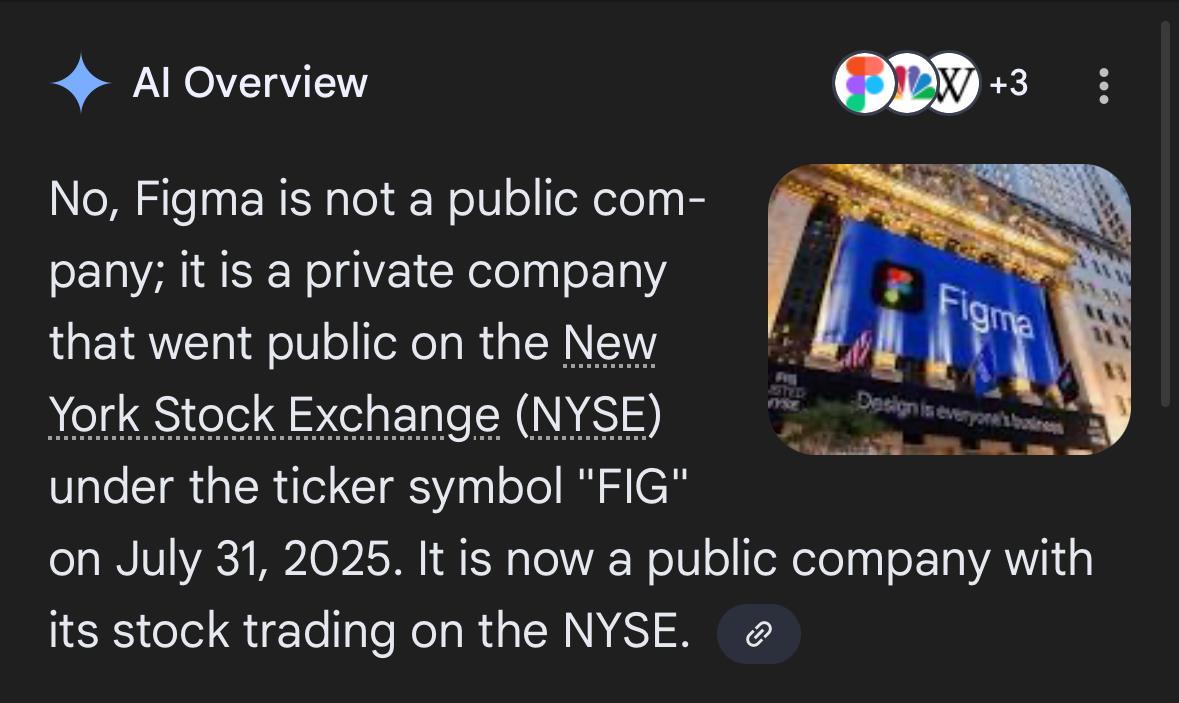
I cancelled my $10/mo Calendly subscription and vibe coded my own with Fable for $12,000
466
612
19,248
962,053
Jun 13
Koan #78
Which is most important: Revenue? Growth? Profit? Retention? GPM? NPS?
Which organ can you live without: Brain? Heart? Lungs? Kidneys?
And the student was enlightened.
4
17
2,015
Jun 12
Ship a lot sooner, but with feature-flags.
If 0 customers are using it, you’re ensuring the so-called “unused” code didn’t already cause problems.
When ready, an “advanced" setting allows customers to selectively enable.
Or enable for 2% of customers.
Or remove.
6
27
1,805
Jun 12
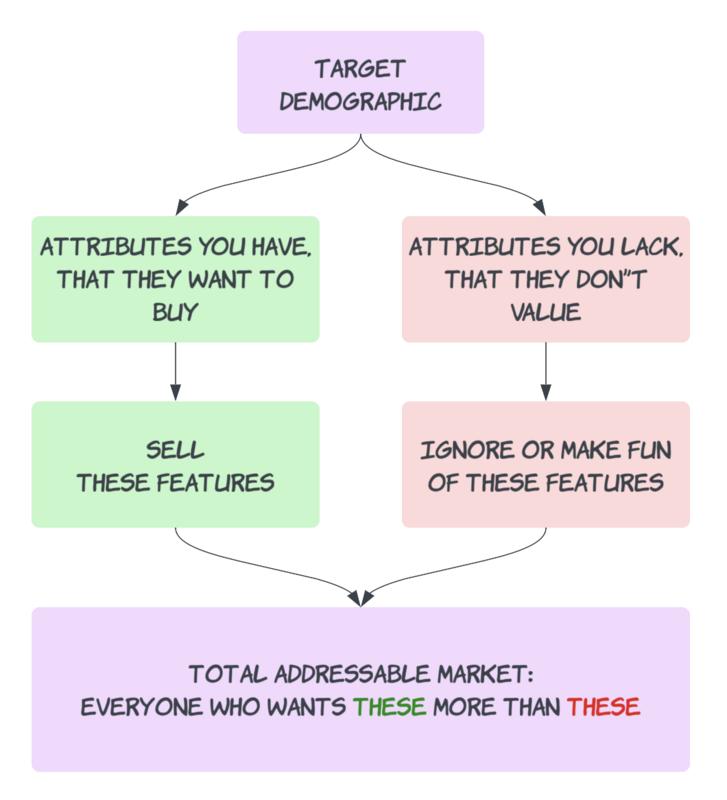
Enterprise companies buy SMB software all the time.
Why?
Because teams within those companies have the same problems and values as small businesses.
Company size is often irrelevant to your actual market:
longform.asmartbear.com/targ…
2
1
14
1,222
Jun 12
Those people with some success, who then shit on people who aren’t there yet…
Just unfollow/block that negativity; also they’re wrong about important things.
That said, I have pity for them; I’ve never seen someone like that who is happy.
3
23
1,823
Jun 11
“Voting” -- the “wisdom of the crowds” -- works great for factual questions, but destroys ideas that are creative, special, new, unique.
Design-by-committee is the death of creativity.
longform.asmartbear.com/wisd…
9
1,115
Jun 11
Frequentists: How silly to have a prior! Who cares what you think? The data speak without your little opinion.
Bayesians: How silly to ignore priors! All other information about the world doesn’t exist? Use beta(1,1) if you want.
6
1,264
Jun 11
OK, so you’re in “stealth mode.” 🙄
Is there a select few people where, if they knew about it, it would materially help? Advice, direction, resources, encouragement?
If so, keeping it secret from 𝘦𝘷𝘦𝘳𝘺𝘰𝘯𝘦 is a mistake.
If not, you are on a lonely path.
4
18
1,797
Jun 10
When you're honest about your product’s drawbacks, you sell more and get fewer returns, because people understand what they're getting.
And, you gain the credibility to claim its strengths, and they’ll believe you.
Honesty is good for sales.
6
1
15
1,295
Jun 10
Is “design” vital for success?
At WP Engine, we did fine before and after a major redesign.
Here’s the data, and the emotions:
longform.asmartbear.com/desi…
7
1,343
Jun 10
I started my fourth company for the same reason I started my first:
I just had to.
Compulsive drive is part of why you will succeed in the long run.
It also can cause problems today.
How I navigate:
longform.asmartbear.com/be-y…
1
21
1,487
Jun 9
How to know if your good idea is a good business:
1. Does it leverage what is special about you? longform.asmartbear.com/leve…
2. Is it a great market? longform.asmartbear.com/prob…
3. Do customers validate it? longform.asmartbear.com/cust…
1
11
1,228
Jun 9
The most valuable things in business are still the things money cannot buy: Insight of a products that enough customers actually want to buy, in a healthy market.
If you're not raising money, you need these skills even more, because you’re not buying more time.
longform.asmartbear.com/star…
17
1,250
Jun 9
"Always be honest" sounds great in theory.
For humans or for AI.
But reality is messy. Truth changes. Context matters. And pure honesty without empathy can be cruel.
Effective communication requires more nuance than simple "truth."
For humans or for AI.
longform.asmartbear.com/fail…
1
10
1,164
Jun 8
Stipulating what you’re NOT going to do, is just as important as saying what you ARE going to do.
Creates clarity, focus, and communicates that you decided this on purpose.
Here’s how to do it:
longform.asmartbear.com/stra…
1
21
1,340