Replacing one PFAS with another does not automatically remove risk.
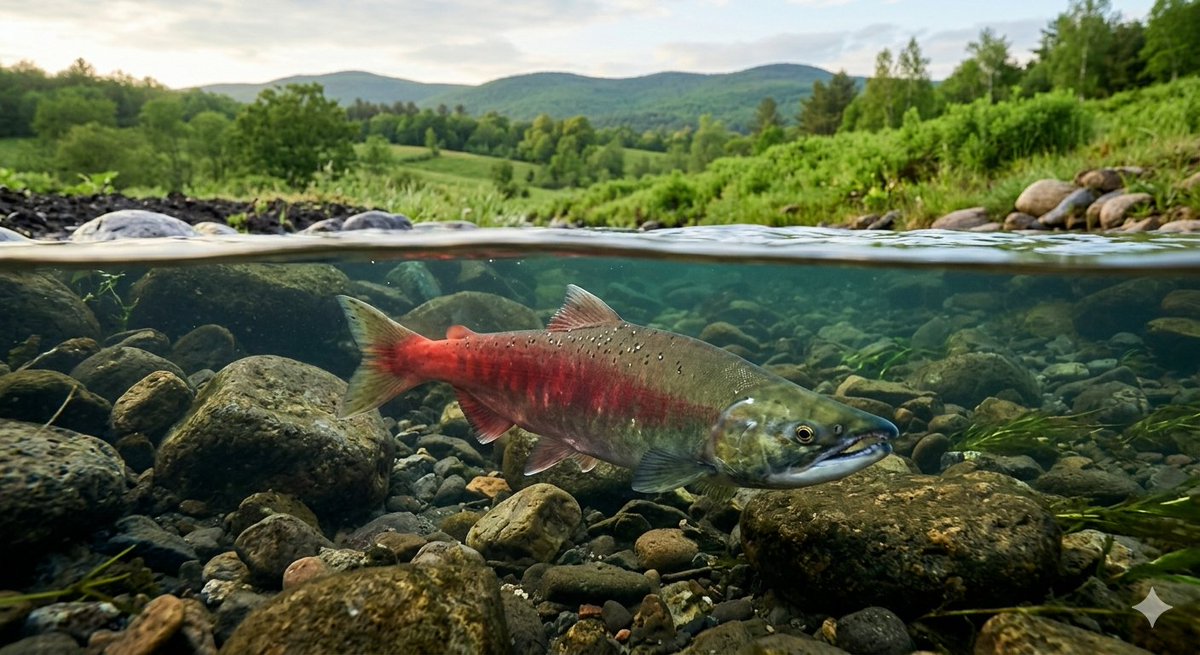
In female zebrafish, 6:2 FTS showed lower bioaccumulation and lower overall toxicity than PFOS, yet still disrupted the HPG axis and impaired reproduction.
Hormesis is the counterintuitive idea that low doses can stimulate biology while higher doses inhibit it.
A new PFAS review finds this biphasic pattern across ecological models, below toxic thresholds in some cases.
That makes risk assessment harder, not exposure safer.
PFAS exposure and child growth may be linked in ways that BMI alone does not capture.
In NHANES 2013–2014 data, higher serum PFAS concentrations were associated with lower height-for-age and weight-for-age percentiles, while no clear BMI pattern was observed.
Not all reducing environments support PFAS biodegradation equally.
A new study found ~60% defluorination of CTFE3 under nitrate- and sulfate-reducing conditions versus ~30% under iron-reducing and methanogenic conditions.
Environmental conditions matter.
PFAS variability may not be noise at all.
A new study found that differences in PFAS exposure among Arctic-Atlantic guillemots reflected oceanographic conditions and foraging behavior. Looking only at average concentrations could miss important exposure patterns.
PFAS contamination may not always originate from nearby sources.
Scientists studying Fair Isle, one of the UK's most remote inhabited islands, found evidence consistent with PFAS transport via sea spray and sea foam.
theguardian.com/environment/…
Many people assume PFAS-free alternatives are ready for every application. This review suggests otherwise.
Substitutes exist across multiple sectors, but performance trade-offs remain.
The real challenge is scaling effective alternatives where substitution urgency is highest.
New mouse study: PFAS in pregnancy — at doses below overt toxicity — cut flu-specific antibodies in pups of both sexes.
A mechanistic hypothesis worth testing in humans.
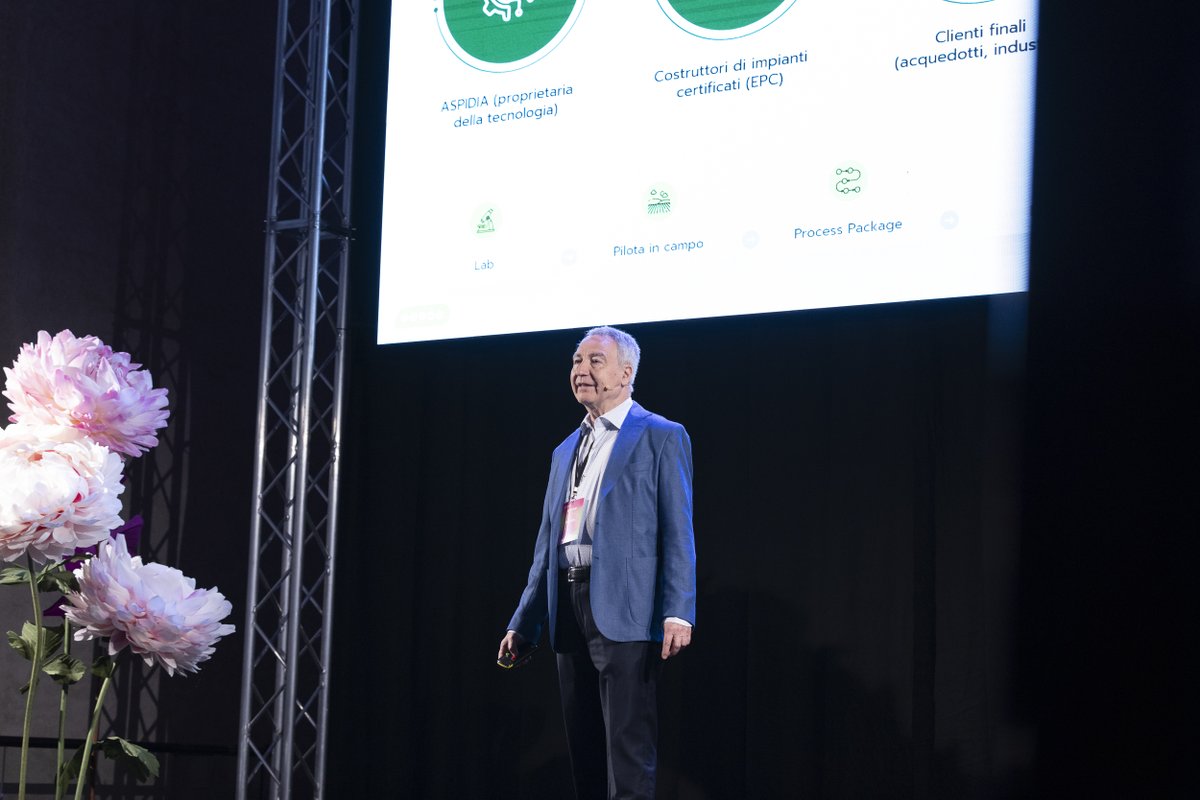
It was a pleasure to speak at Investor Day in Cuneo on PFAS bioremediation.
Italy can build a world-class PFAS remediation ecosystem grounded in science and industrial impact.
PFAS biodegradation may depend less on “the right microbe” and more on the right community.
This study shows only highly diverse consortia (20–33 genera) achieved stable PFOS breakdown, with defluorination and chain-shortening.
Can we engineer this at scale?
Nice study, wrong conclusion. PFOA/PFOS half-lives in humans = 3–5 years. No microbiome outpaces daily exposure from water, food, cosmetics. You can't probiotic your way out of forever chemicals. The answer is remediation — destroy PFAS at the source.
PFAS may be silencing your immune system.
A new study shows water-soluble PFAS shut down antibody production in human cells, by hijacking the stress-hormone pathway.
In vitro only, but it may explain why exposed people respond worse to vaccines.
DOI: 10.1007/s00204-026-04377-0