
I design and build #SIEM content for a living. Editor at detect.fyi #DetectionEngineering & Research, #ML #Stats x-Splunk
Joined November 2010
- Tweets 12,798
- Following 1,145
- Followers 3,270
- Likes 11,264
1,187 Photos and videos














Alex Teixeira retweeted

Jun 12
Começou a copa
(Saqueace)

5
2
29
1,547

Alex Teixeira retweeted

Jun 10
The latest KustoInsights is out! Lots of community blogs have been added in the past month.
kustoinsights.substack.com/p…
5
14
939


Alex Teixeira retweeted

Jun 6
🚨Breaking: Mark Zuckerberg personal email and phone number leaked by the latest Instagram bug thats lets you see sensitive information of other users😳

Community note
The phone number shown ( 1 650-644-7386) was leaked as part of the 2019 Facebook data breach that included info on 533 million users, including Zuckerberg's. It has been publicly known since. Emails like zuck@fb.com are his longstanding Meta contact addresses.
indiatoday.in/technology/new… businessinsider.com/was-your-phone…
37
116
1,706
302,424

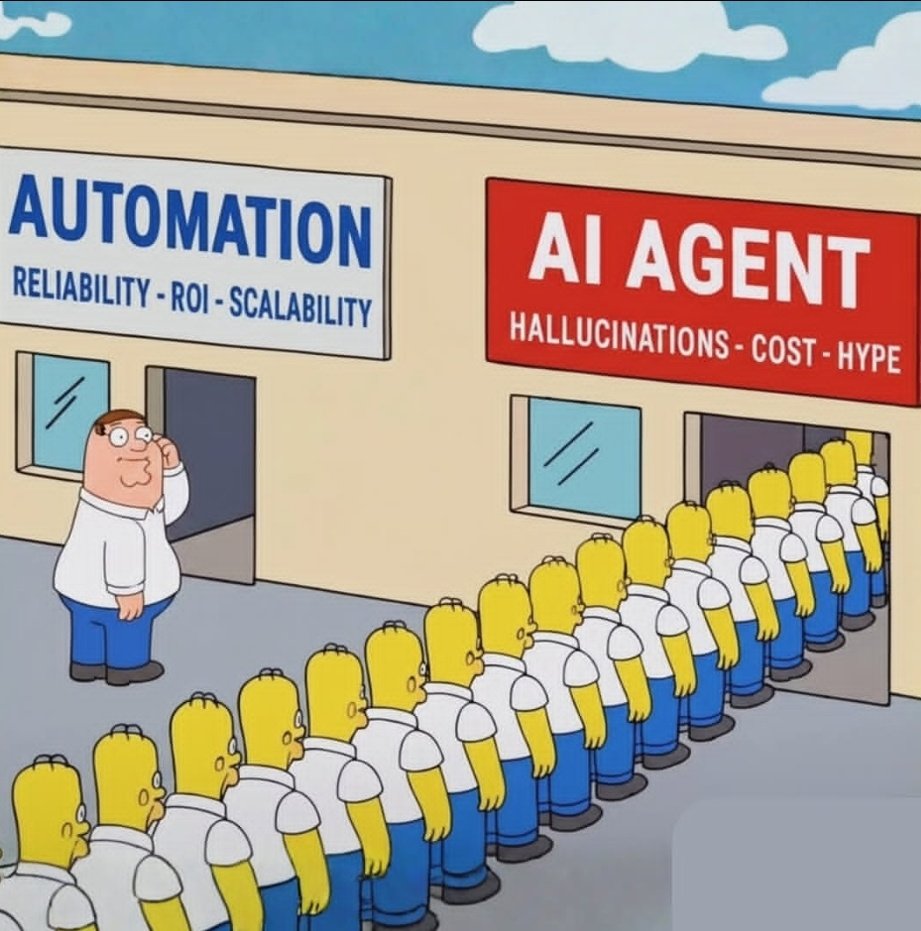

Sam Altman is starting to panic

Sam Altman said AI budgeting has recently become a "huge issue" for some companies, something that "never came up" earlier this year. bit.ly/4uxIGnv
149
317
2,847
507,386

Alex Teixeira retweeted

Jun 5
Cut the crap. Literally, cut the unnecessary distractions out of your life—delete apps, unfriend and unfollow toxic people, stop committing to activities you don't care about. Life is too short.
141
421
3,220
72,904
Alex Teixeira retweeted

Feels like a good time to bring this back 🇧🇷
8
59
841
14,759
Alex Teixeira retweeted

May 28
"Vamos ganhar todas as taças, onde vamos guardá-las???"
O pequeno Braydon fez a pergunta a Pep Guardiola há dez anos.
E eles se reencontraram para a resposta final.
104
780
15,135
280,977
Alex Teixeira retweeted
May 27
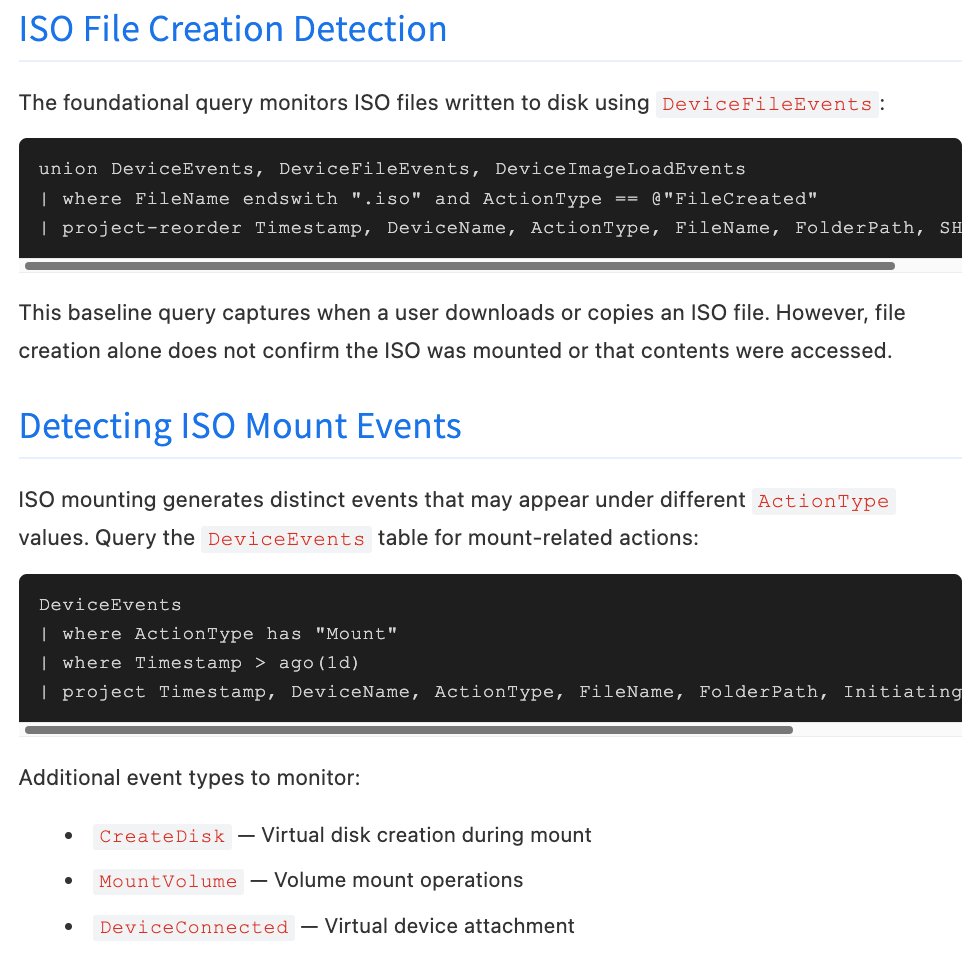
For people who just started with #KQL and want to learn why this is AI-slop. Some indicators are explained in the 🧵

5
22
100
17,689
Alex Teixeira retweeted

May 27
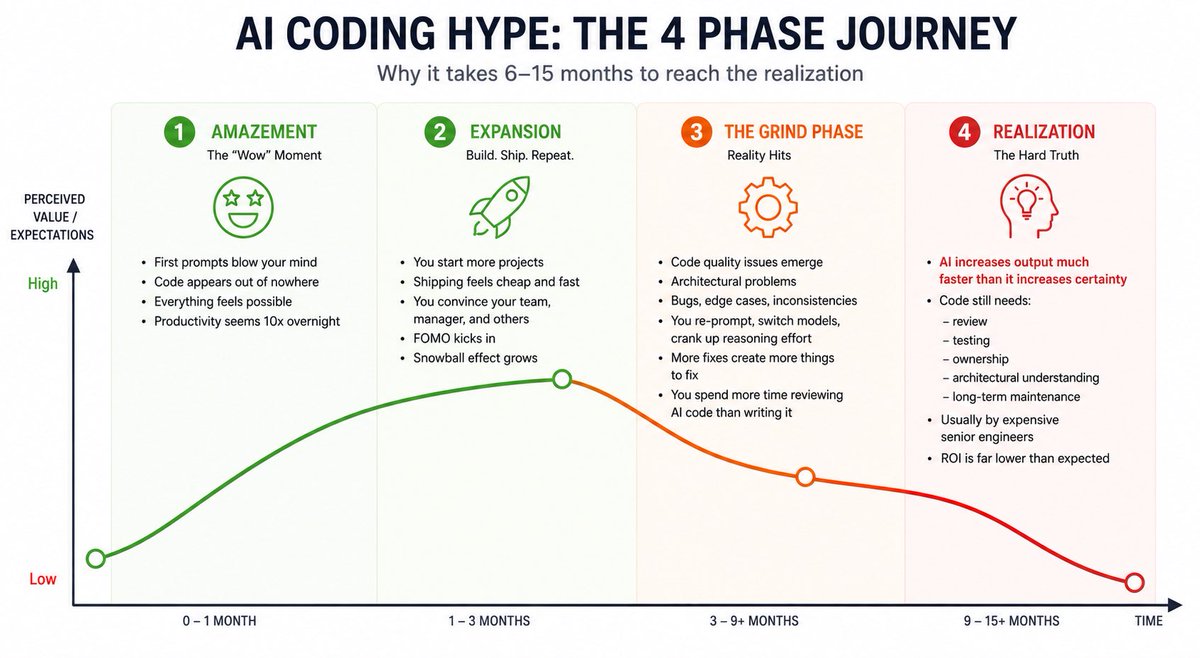
I think AI coding hype follows roughly four stages:
1. Amazement
You try it and can’t believe how much code it generates from a few prompts.
2. Expansion
You start more and more projects because shipping suddenly feels cheap and fast.
This is also the phase where people start convincing everyone around them:
- coworkers
- management
- friends in other companies
because nobody wants to “fall behind” in 6–12 months.
That creates a massive snowball/FOMO effect.
3. The grind phase
You realize the generated code has architectural issues, sloppy mistakes, weird abstractions, duplicated logic, broken edge cases, etc.
So you start:
- re-prompting
- switching models
- increasing reasoning effort
- reviewing fixes
- generating fixes for previous fixes
And suddenly you spend your days reviewing AI-generated pull requests instead of building software.
4. Realization
You realize AI coding increases output much faster than it increases certainty.
The code still needs:
- review
- testing
- ownership
- architectural understanding
- long-term maintenance
Usually by expensive senior engineers.
And the interesting thing is:
this whole cycle can take many months or even more than a year because people become socially and professionally invested in the narrative themselves.
Once teams, managers, and entire companies have been convinced that this is the future, it becomes psychologically and politically very hard to later say:
“Actually, the ROI is much lower than we expected.”
May 26

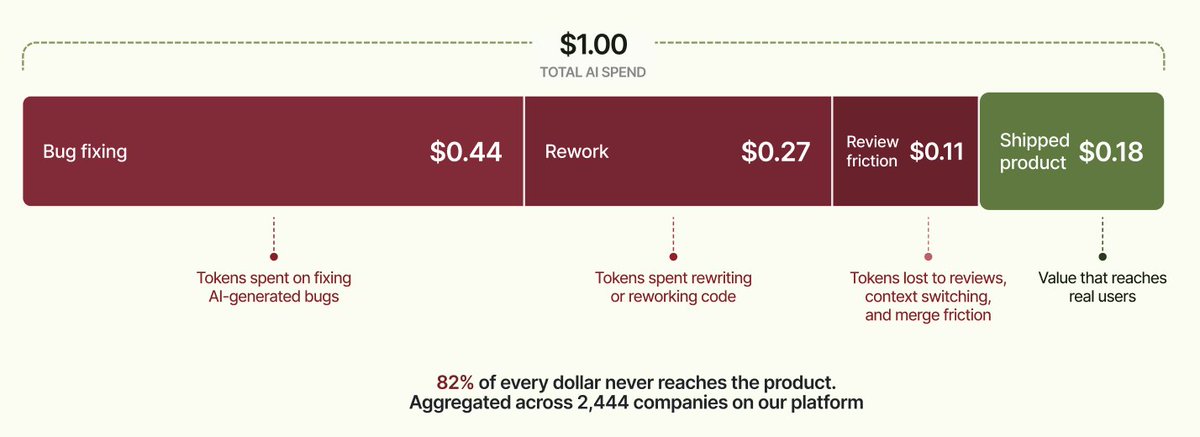
This is what we've been seeing with every company we work with.
Try justifying spending 100k on token spend when only 18k even makes it to a stable prod feature.
In the rush to maximize AI token spend, companies are wasting over 44% on bug fixes
148
393
2,056
199,490
Alex Teixeira retweeted

Microsoft Defender XDR Custom Detection Rules: A Complete Guide & Best Practices #DFIR
detect.fyi/microsoft-defende…
18
69
6,658
Alex Teixeira retweeted

Apr 26
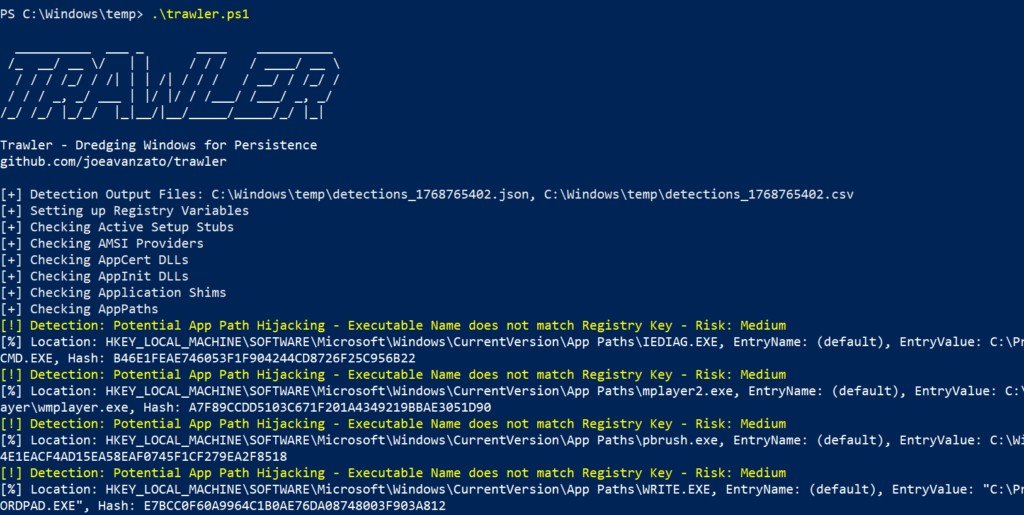
PowerShell for Defenders - Finding Persistence
Scripts you can use to spot various mechanisms hackers use to persist
hackers-arise.com/powershell…
@three_cube @_aircorridor
#windows #apt
32
167
9,249
Alex Teixeira retweeted
PowerShell DFIR 2026: from MemProcFS-Analyzer to KAPE-style mini-timeline
andreafortuna.org/2026/05/20…
13
33
2,447
Alex Teixeira retweeted
May 22
New #KQL query added for PIM security alerts. PIM security alerts can be used to identify policy violation/change.
The alerts focus on identity governance, but can be a useful enrichment for your security team.
github.com/Bert-JanP/Hunting…
11
72
3,249
Alex Teixeira retweeted
May 21
I have a funny idea.
Add fake internal DNS entries like:
- honeypot01
- canarydc
- edr-test-node
- malwarelab
to your AD environment.
Not for humans, but for future LLM-driven recon agents.
Basically:
We're entering an era where naming things might become a defensive control 🙂


Did some similar work with reverse engineering binaries with LLMs and realized the same thing — bad things embedded in nice names just cause it to ignore the finding.
So wrap your ransomware code in “Ransomware Simulation” strings and you’re off to the races.
35
78
702
88,346
AI is not for you
May 18

Google CEO tries to tell University students to love AI.
They tell him to BOO off.
This is what most people think of the hated AI, we don't want it.
144
279
3,536
410,823