
Joined November 2020
- Tweets 395
- Following 23
- Followers 18
- Likes 38
89 Photos and videos

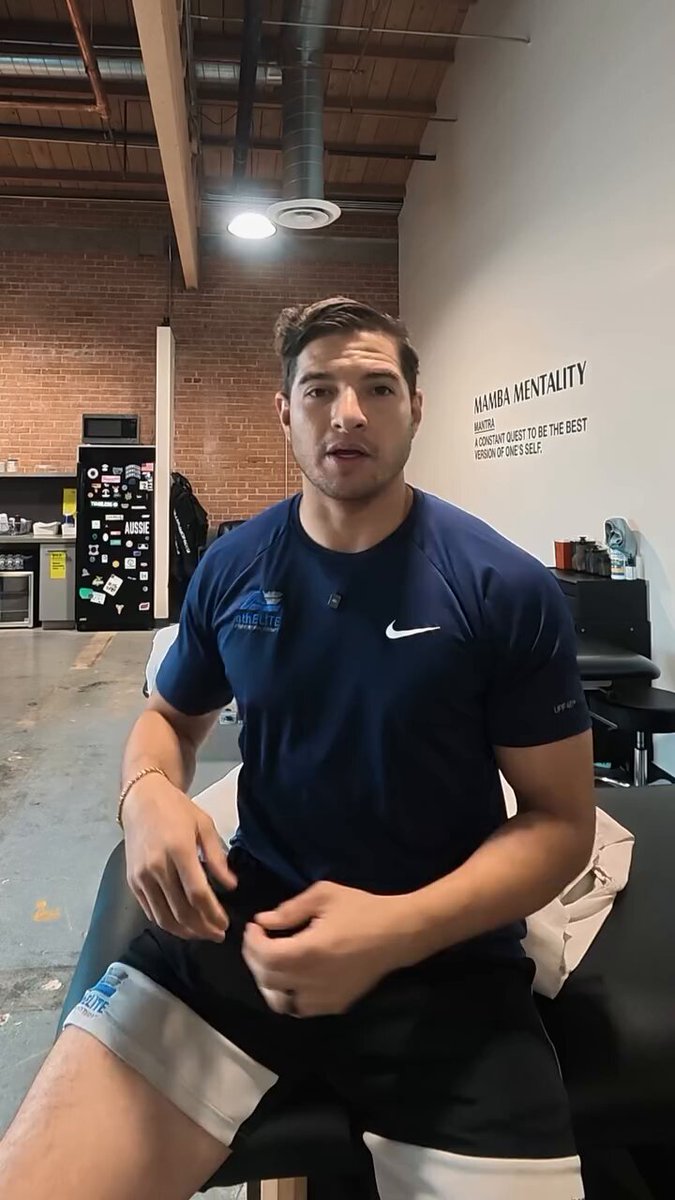

Most athletes return to sport too early because they rely on time, not readiness. That is where re-injury starts.
3
1
4/4
Time alone does not protect you from re-injury. Readiness does. If you are unsure where you stand, get assessed before you push back into full sport.
1
3/4
Before returning, benchmarks matter. Can you land and cut clean on both sides. Is single leg strength close to equal. Can your knee handle repeated load without compensation. These are not optional checks.
3
2/4
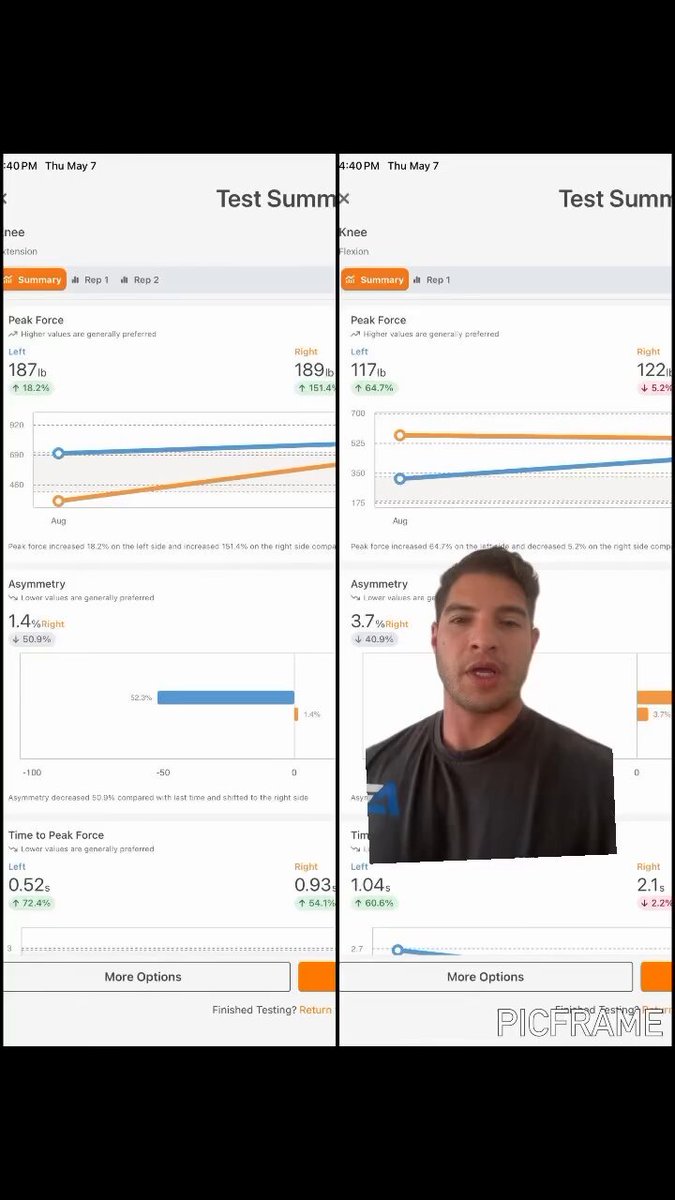
Objective testing changes that. Instead of guessing, athletes are assessed through strength symmetry, hop tests, balance, movement quality, and load tolerance to see if the body is truly ready for sport demands.
2
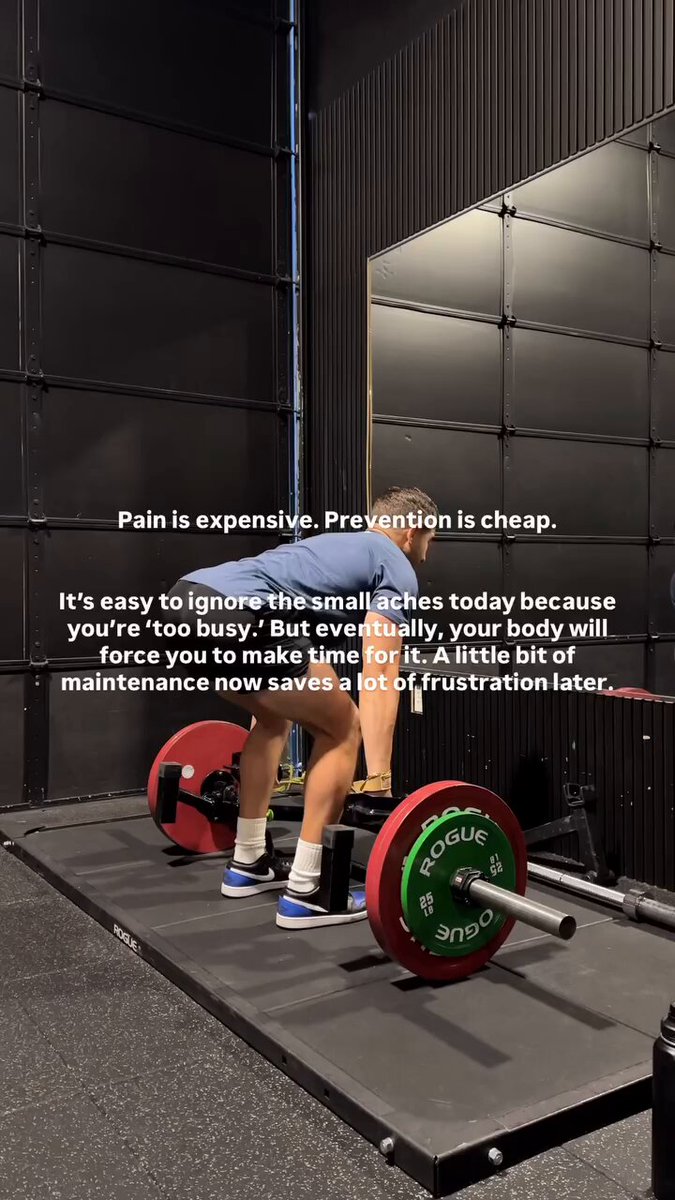
It is easy to fall into the habit of ignoring the small aches and pains that pop up during a busy week.
Prioritize prevention now, you will be much better equipped to enjoy the benefits of a healthy and capable body later in life.
2
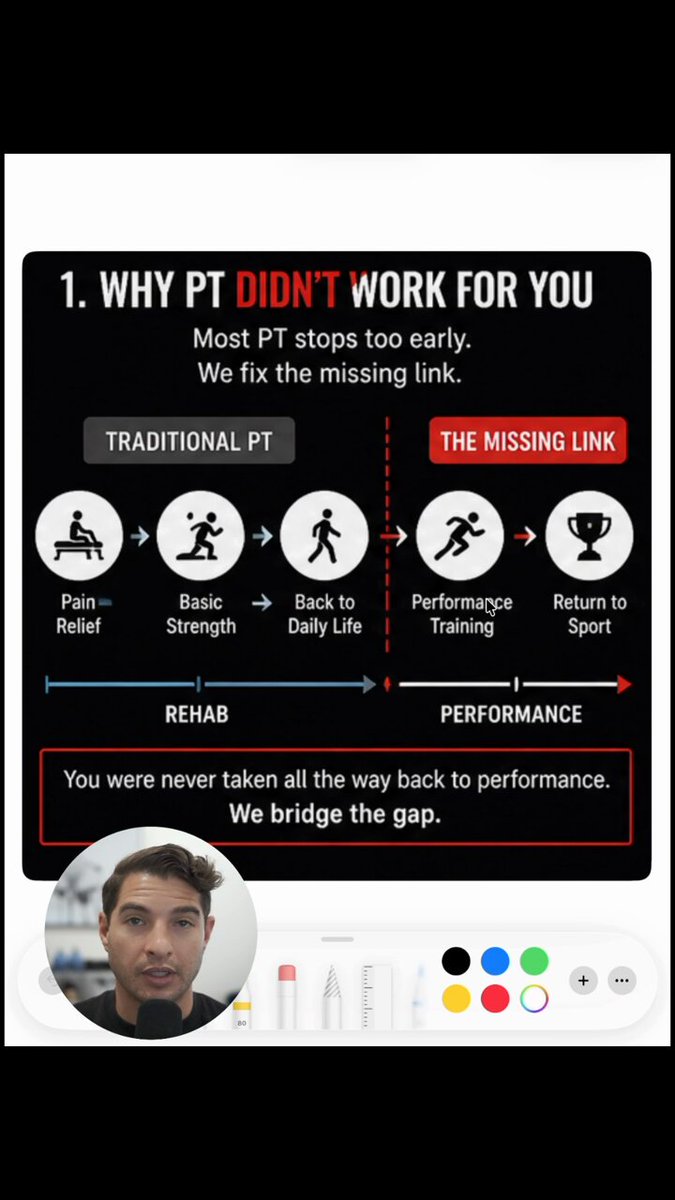
One of the biggest mistakes in sports rehab is assuming that pain free means sport ready.
Pain may be gone.
Range of motion may be back.
Daily activities may feel normal.
But none of those things tell us whether an athlete is prepared for the demands of competition.
3
7
Athletes don't return to sport because enough time has passed.
They return because they've earned it through preparation.
Strength. Power. Confidence. Sport specific performance.
The stronger the foundation, the better the return.
2
Movement quality matters, but strength comes first.
You can't expect an athlete to consistently move well if they lack the physical capacity to handle the demands of their sport.
Strength creates the foundation. Movement skill builds on top of it.
3
Strength is the foundation of return to sport.
Every sprint, jump, cut, and landing requires the body to tolerate significant forces.
Without adequate strength, athletes often compensate, perform below their potential, and increase their risk of reinjury.
2
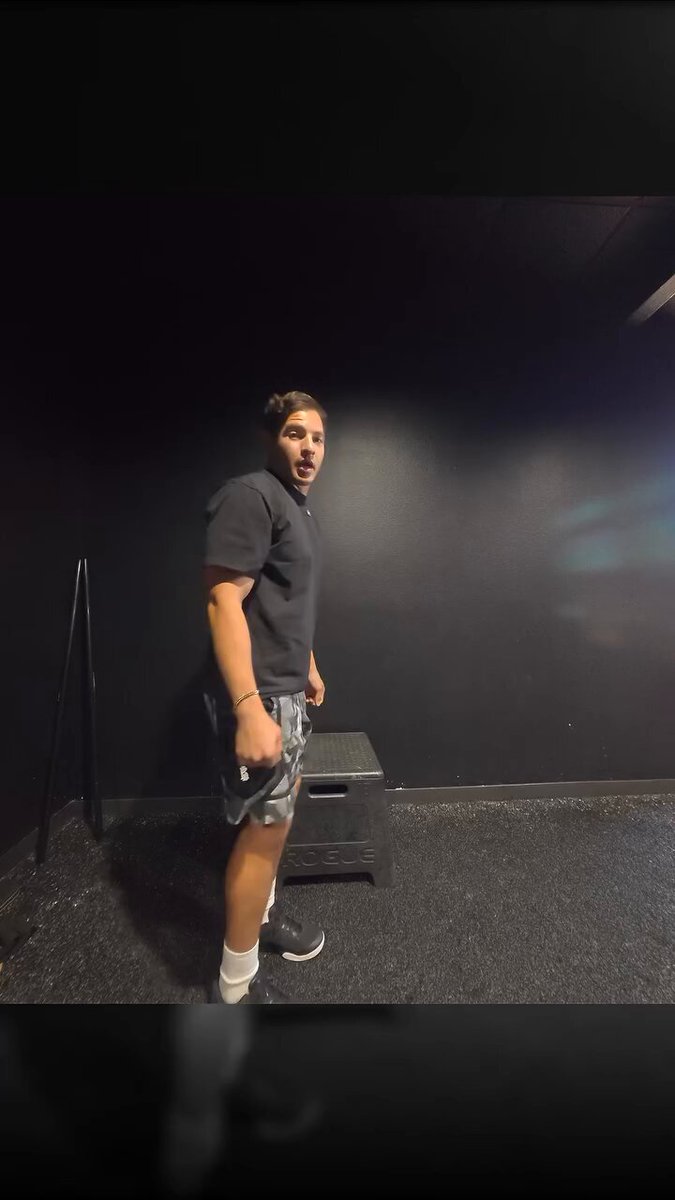
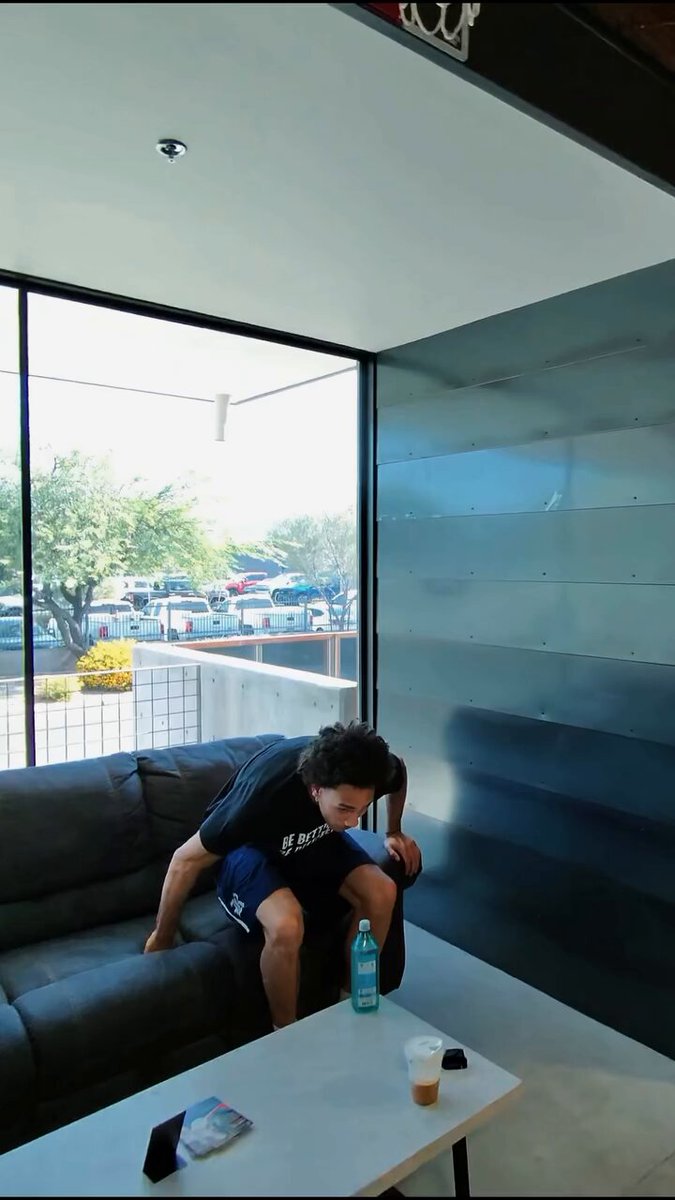
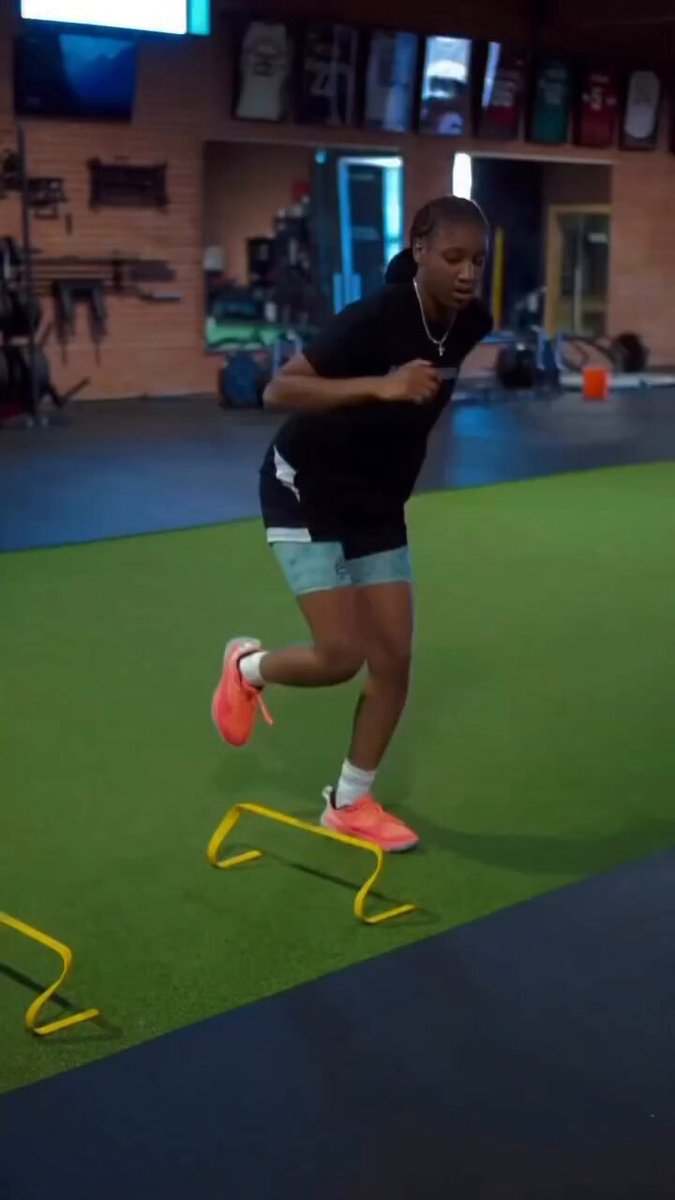
Poor landing mechanics don't just affect performance. They can increase stress on the knees, ankles, and hips every time you jump. Over time, that added stress may contribute to injury risk. 🧵👇
3
4
If you're dealing with knee pain, recovering from injury, or returning to sport, don't overlook how you land. Sometimes the problem isn't the jump. It's what happens when you come back down.
7
Landing mechanics are trainable. Strength, movement quality, and proper rehab all play a role. The goal isn't just injury prevention. It's helping athletes move, perform, and recover better.
5
Many athletes focus on jumping higher but rarely train how they land. Efficient landings help absorb force, improve control, and reduce unnecessary stress on the body.
4
Feeling ready and being ready are not always the same thing.
Objective testing helps determine whether an athlete is truly prepared for return to sport after ACL rehab, basketball rehab, or sports rehab.
Athlete knee rehab should be based on evidence, not assumptions.
2
4
Pain free doesn't automatically mean game ready.
In ACL rehab and sports rehab, objective testing helps uncover deficits that can increase injury risk.
The goal isn't just return to sport.
The goal is rehab to performance.
2
One of the biggest mistakes in athlete knee rehab:
Returning to sport because the calendar says you can.
The better question is:
Have you regained the strength, power, and movement quality your sport demands?
That's where objective testing matters.
6
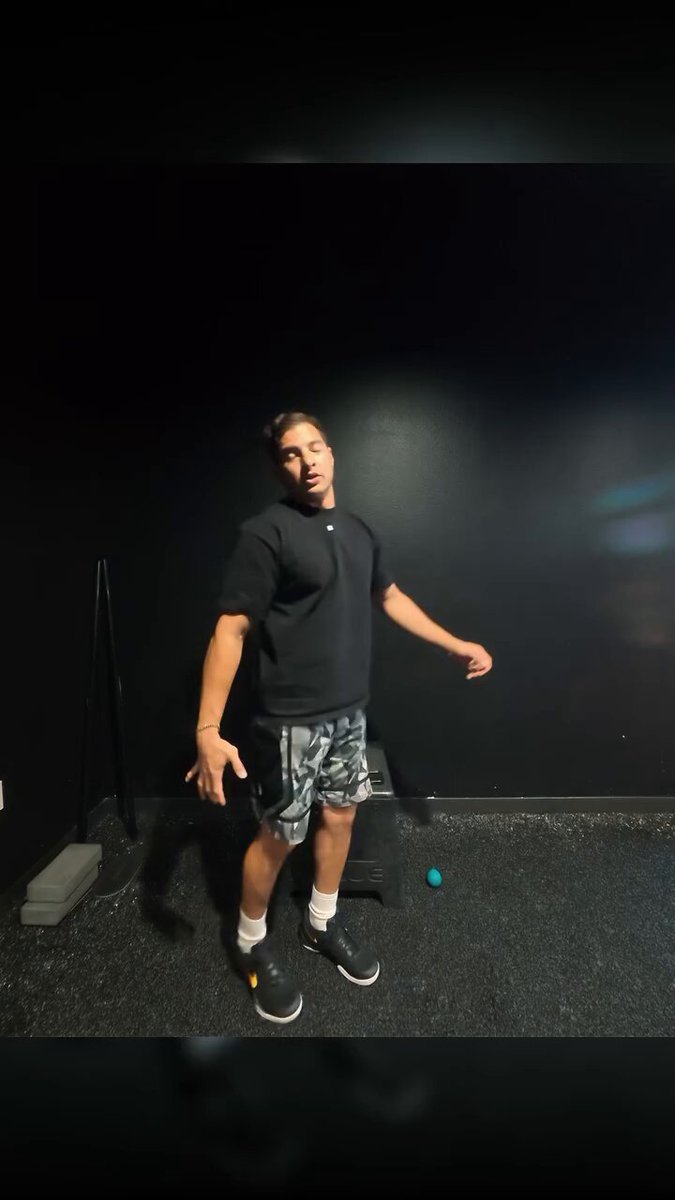
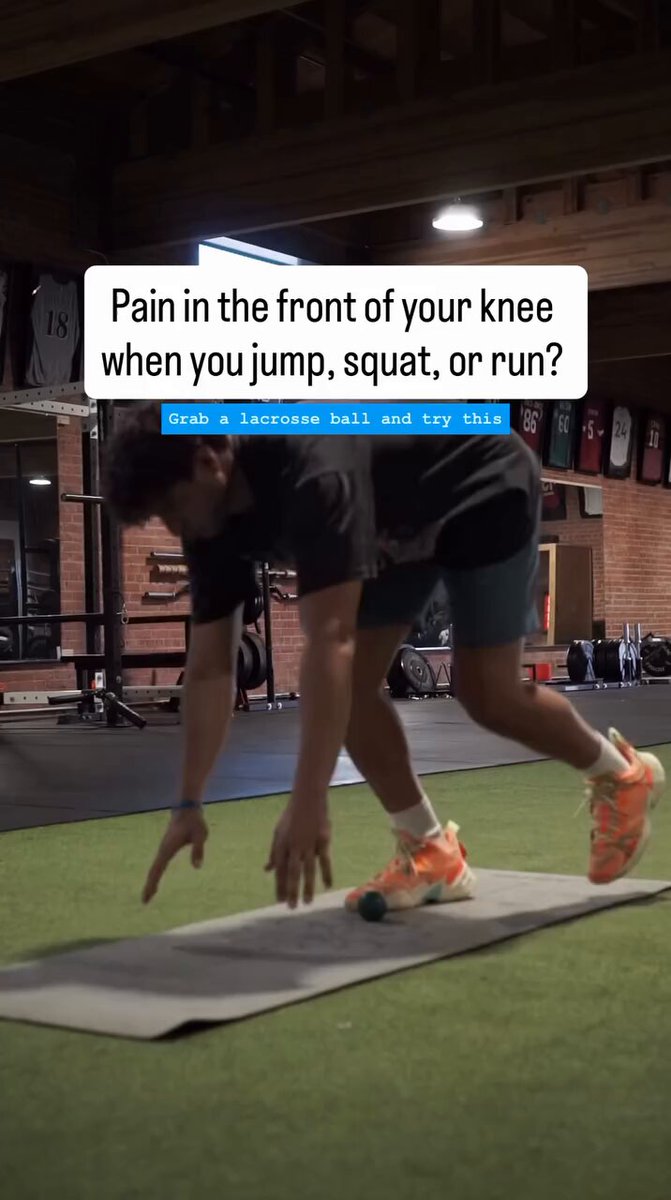
Random knee stretches are not always the answer.
If the tissues around the knee are stiff, irritated, or just not moving well, sometimes you need to be more specific with your mobility work.
Try these instead👇🏻:
1
1
Try these instead:
1. Lacrosse ball stripping to the quads/VMO
2. Foam roll stripping to the IT band
3. Lacrosse ball stripping to the popliteus
The key here is stripping, not just rolling around and hoping you hit the right spot.
12
Here are some myth in injury rehab:
Myth 1: Rest alone doesn’t heal injuries. It can reduce pain, but it doesn’t rebuild strength or capacity needed in ACL rehab, athlete knee rehab, or sports rehab. Without proper loading, Return to sport often leads to repeat knee pain.
1
5
Myth 2:
Pain isn’t something to ignore or fully push through. In patellar tendonitis and knee pain in athletes, both extremes can slow recovery. Smart, progressive loading is key in sports rehab to build tolerance without flaring symptoms.
1
4
Myth 3:
Stretching doesn’t fix tightness long term. Most tightness comes from poor strength and control, not short muscles. Real change in ACL rehab and athlete knee rehab comes from strengthening through full ranges, not just stretching routines or quick fixes.
4