
I build stuff. Now working on move123.gr and getvirtualbackgrounds.com Prev: @waldophotos @getcerta and more
Joined January 2009
- Tweets 4,751
- Following 1,769
- Followers 786
- Likes 1,097
98 Photos and videos












May 16
Allright, can we please bring back the original Spotify icon?
1
33
Mar 16
This landing page tip will never age:
Everything above the fold is sacred. Below the fold is a bonus.
Most visitors never scroll. Treat the top of your page like it's the only part anyone will ever see.
28
Mar 15
Made this a while back….If you live on online meetings and care to look professional, I’ve got you. getvirtualbackgrounds.com
29
Jan 24
Forget silver, gold, crypto. Just let me trade LLM tokens already. They are the currency of the present.
37
Jan 19
If you are dealing with complex prompts that need modifications based on external context or user parameters and tou dont want the baggage of Langfuse, a simple templating engine like Jinja2 can get your very far
41

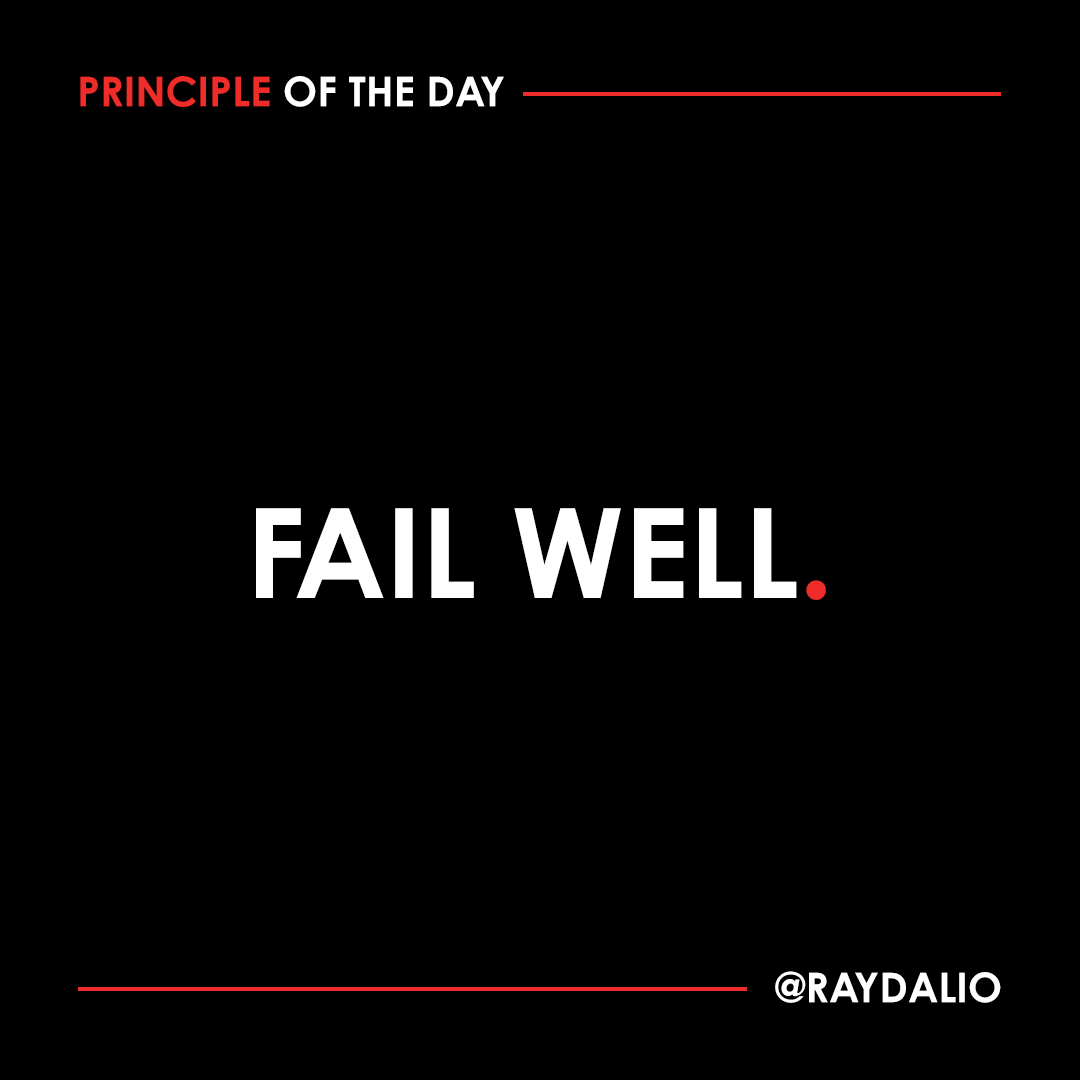
Everyone fails. Anyone you see succeeding is only succeeding at the things you're paying attention to--I guarantee they are also failing at lots of other things. The people I respect most are those who fail well. I respect them even more than those who succeed. That is because failing is a painful experience while succeeding is a joyous one, so it requires much more character to fail, change, and then succeed than to just succeed. People who are just succeeding must not be pushing their limits. Of course the worst are those who fail and don't recognize it and don't change. #principlesoftheday
100
308
1,926
131,039
Thanos Theodoridis retweeted

24 Jun 2024
The new Show Vehicle Motion Cues feature in iOS 18 might be the new best feature Apple has ever made.
Puts dots on the screen that let you use your phone with less motion sickness because they move with the car you’re in as it turns and accelerates/brakes
46
85
1,548
339,966

12 Oct 2023
Any good accounts for following what’s going on in the Middle East? Lists work better
118
Thanos Theodoridis retweeted

6 Oct 2023
I use Firebase Analytics & Mixpanel but after seeing this comparison by @emergetools i am replacing Firebase with either Mixpanel or Amplitude soon.
#iosdev • #buildinpublic
emergetools.com/blog/posts/c…
5
14
4,958

Explained Like I'm 5: Recent Superconductor News
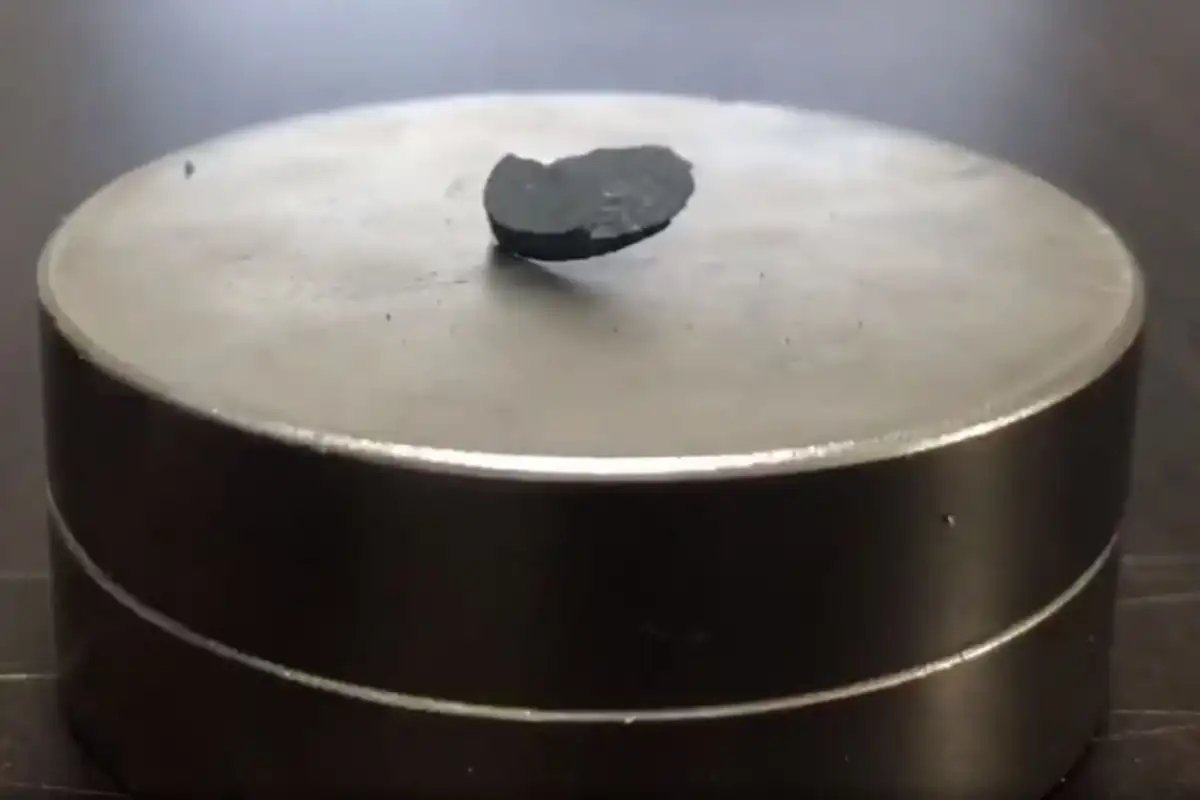
A week ago, 2 non peer-reviewed papers were published by Korean authors claiming that they synthesized a material, LK-99, is a superconductor at room temperature. The viral picture with a levitating piece of black material, the "Meissner effect", stems from the magnetic field created when a material reaches superconductivity.
Why is this a big deal?
While we've discovered superconductors in the past, a room temperature one would have significant implications for humanity — lossless energy transport, faster transport, faster computers, quantum computing, and many more. This is a Nobel Prize worthy effort.
Is it real?
The world went crazy with this news, but weren't sure if it was real! In the past, in 2020, another physicist has had to retract their claims on superconductivity as well.
Hyun-Tak Kim, one of the authors who is a professor at the College of William & Mary, claimed that the papers were published too early without his knowledge and had "many errors". Other physicists said that the Meissner effect can merely indicate diamagnetism.
LK-99, named after authors Sukbae Lee and Jihoon Kim, is a modified lead apatite crystal that can be synthesized with lanarkite (Pb2(SO4)O) and copper phosphide (Cu3P). Many users online leapt to try and replicate this themselves including @andrewmccalip and even a complete anon (in Russia?) from tpot @iris_IGB.
Right now, betting markets say 78% of people think this isn't real superconductivity.
10
43
310
155,792
31 Jul 2023
RT @krzyzanowskim: T. Cook: "sir, we treat every developer the same"
Truth: They don't
medium.com/hyperlinked/all-t…
12

Thanos Theodoridis retweeted

5 Jun 2023
Today at WWDC we introduced a new static linker. It is a ground-up rewrite that’s up to 5x faster than ld64. The new linker is written with multicore in mind, and it’s the first production ready parallel linker officially supported for iOS development. (1/n)
18
266
1,574
369,494
Thanos Theodoridis retweeted

26 May 2023
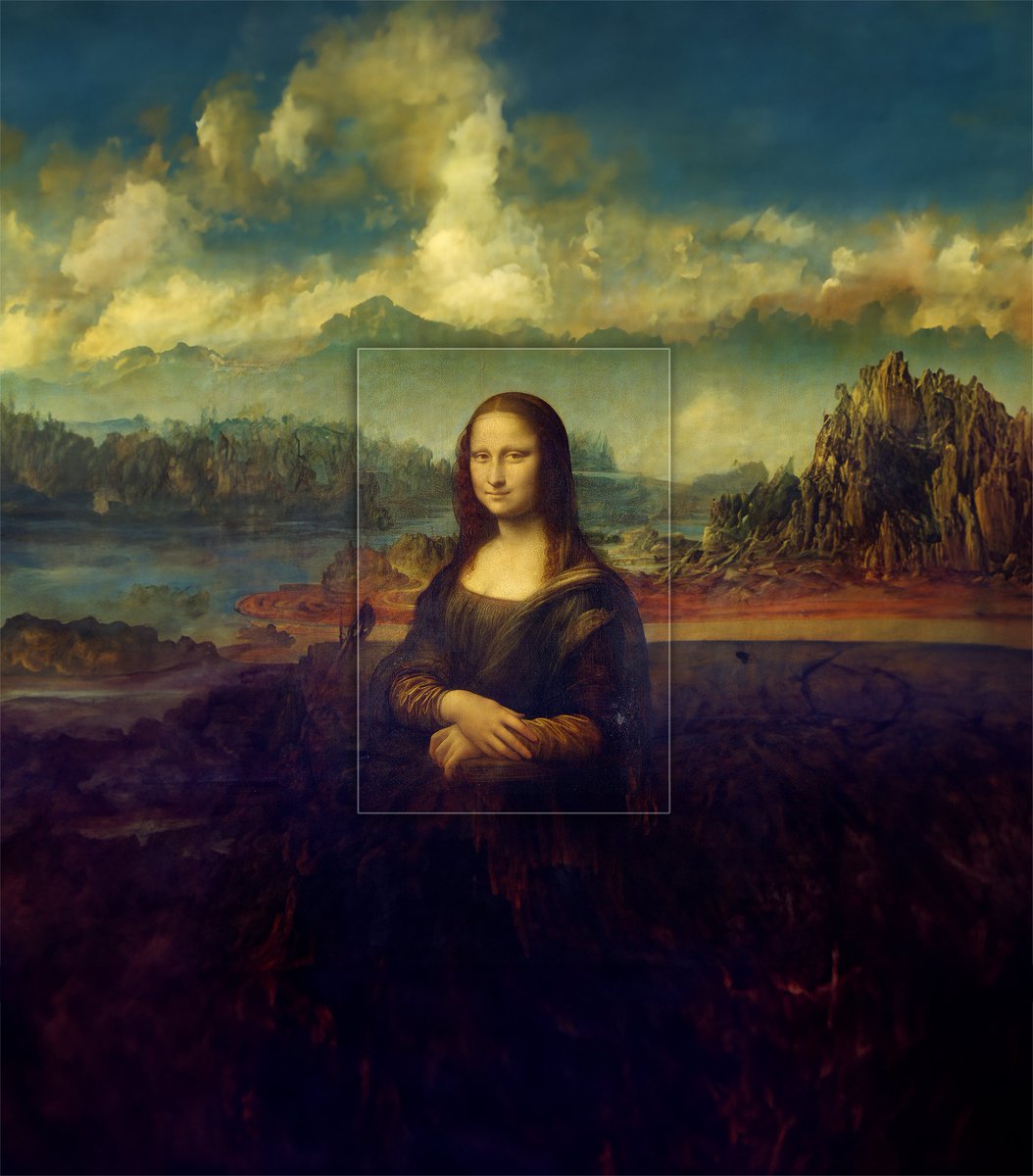
1. Ever wonder what the rest of the Mona Lisa looks like?
Got @Adobe Firefly to help fill out the background for me with the power of AI
Here's what the backgrounds of the most famous paintings in the world look like with AI:
2,377
1,703
7,320
28,724,823