
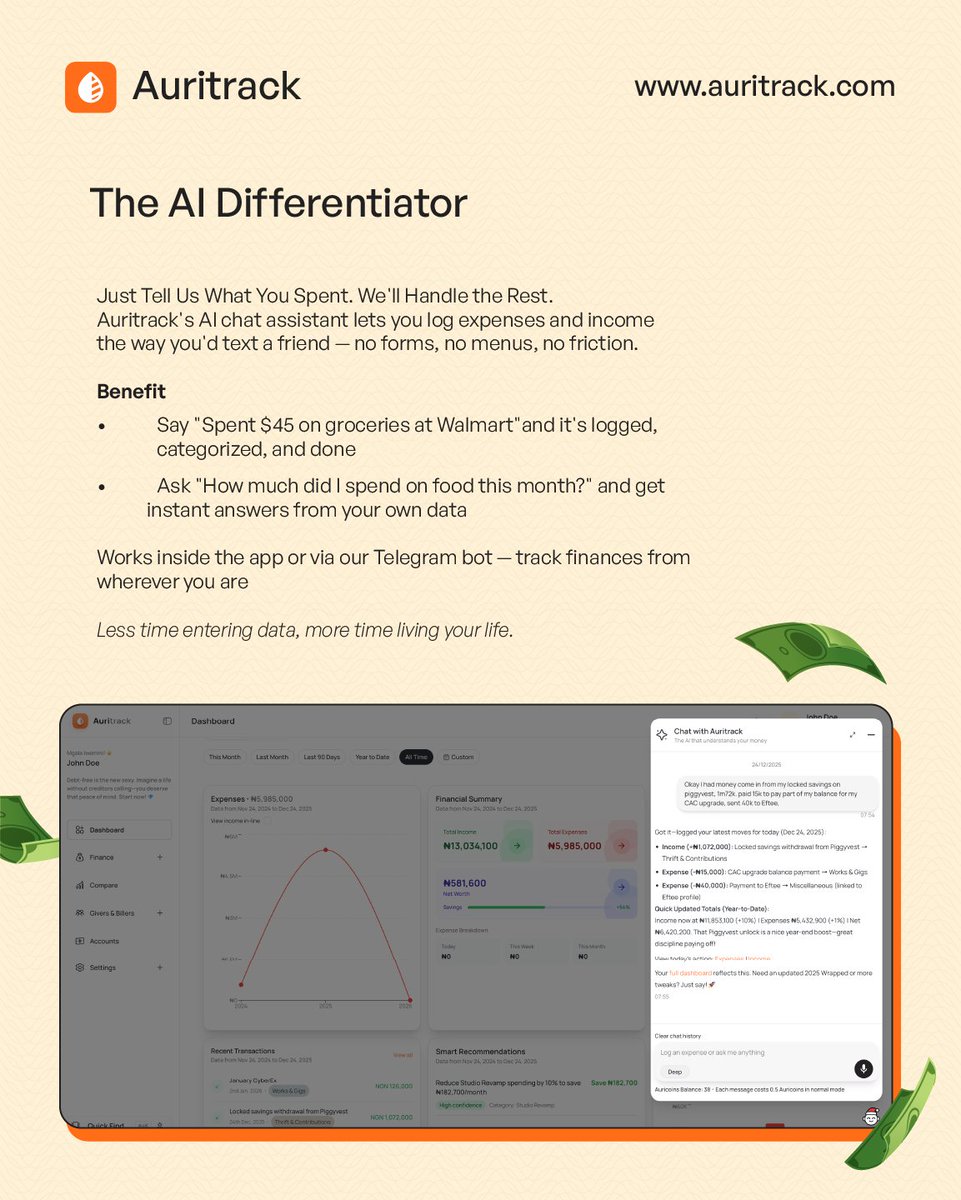
The Al that understands your money. Track your finances, get personalised tips and recommendations powered by artificial intelligence! 🚀
Joined August 2024
- Tweets 1,414
- Following 6
- Followers 131
- Likes 361
439 Photos and videos









The dot-com bubble peaked in March 2000. Pets.com went public in February. Its mascot, the sock puppet, was in the Super Bowl ad three months earlier.
By November, Pets.com was bankrupt, the company spent more on advertising than it ever made in revenue. The sock puppet outlived the business.
Follow us for more informative finance stories.
1
10
MoneyStory: I Lost More Than Money. I Lost The Person I Thought I Was.
auritrack.com/blog/i-lost-mo…
1
1
12
The History Bubbles of The Beanie Babies.
A thread 🧵
1
13
At the peak, the Beanie Baby market was worth more than $5 billion. Magazines, price guides, conventions Investment grade was an actual phrase used to sell stuffed animals.
1999, the music stopped. Ty Warner announced he was discontinuing the line. The market collapsed. A Princess Diana bear today sells for $20 on a good day.
2
13
The investment thesis was always magical thinking dressed up in scarcity. Same mechanism powered Beanie Babies, NFTs, sports cards, sneakers, and Pokémon cards in 2020.
The rule is simple: if the only reason something is valuable is that someone else will pay more for it later, the value lives in the next buyer, not the thing.
7
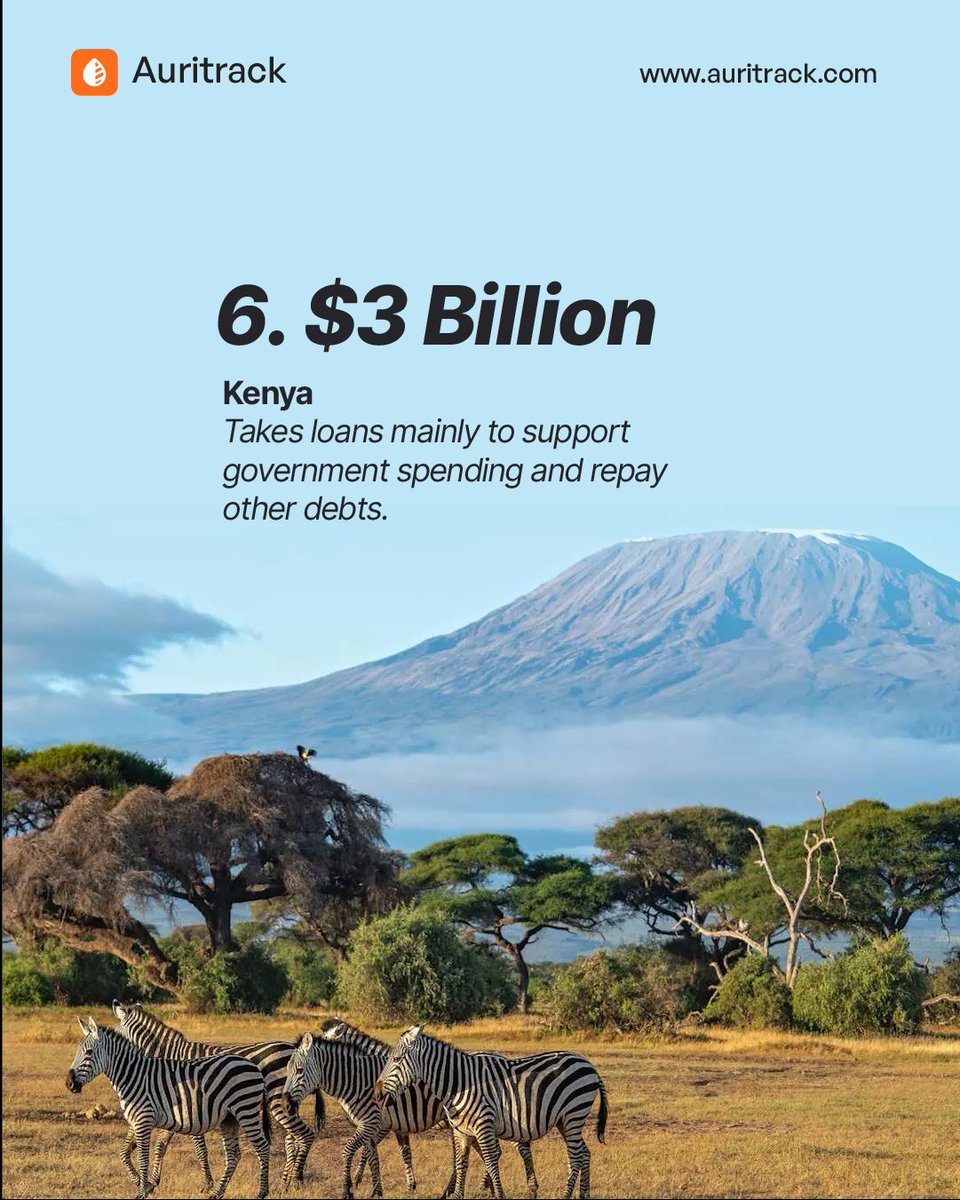
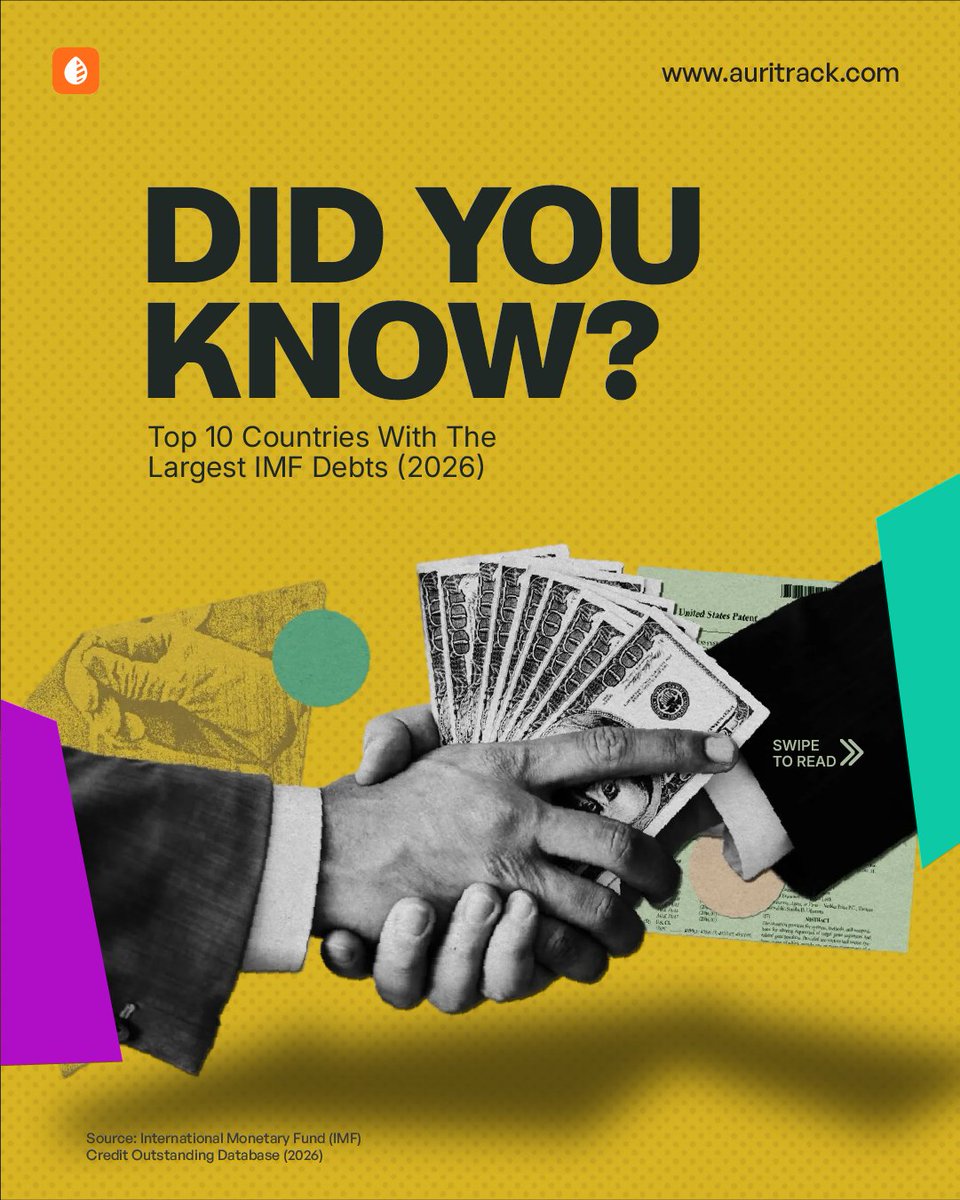
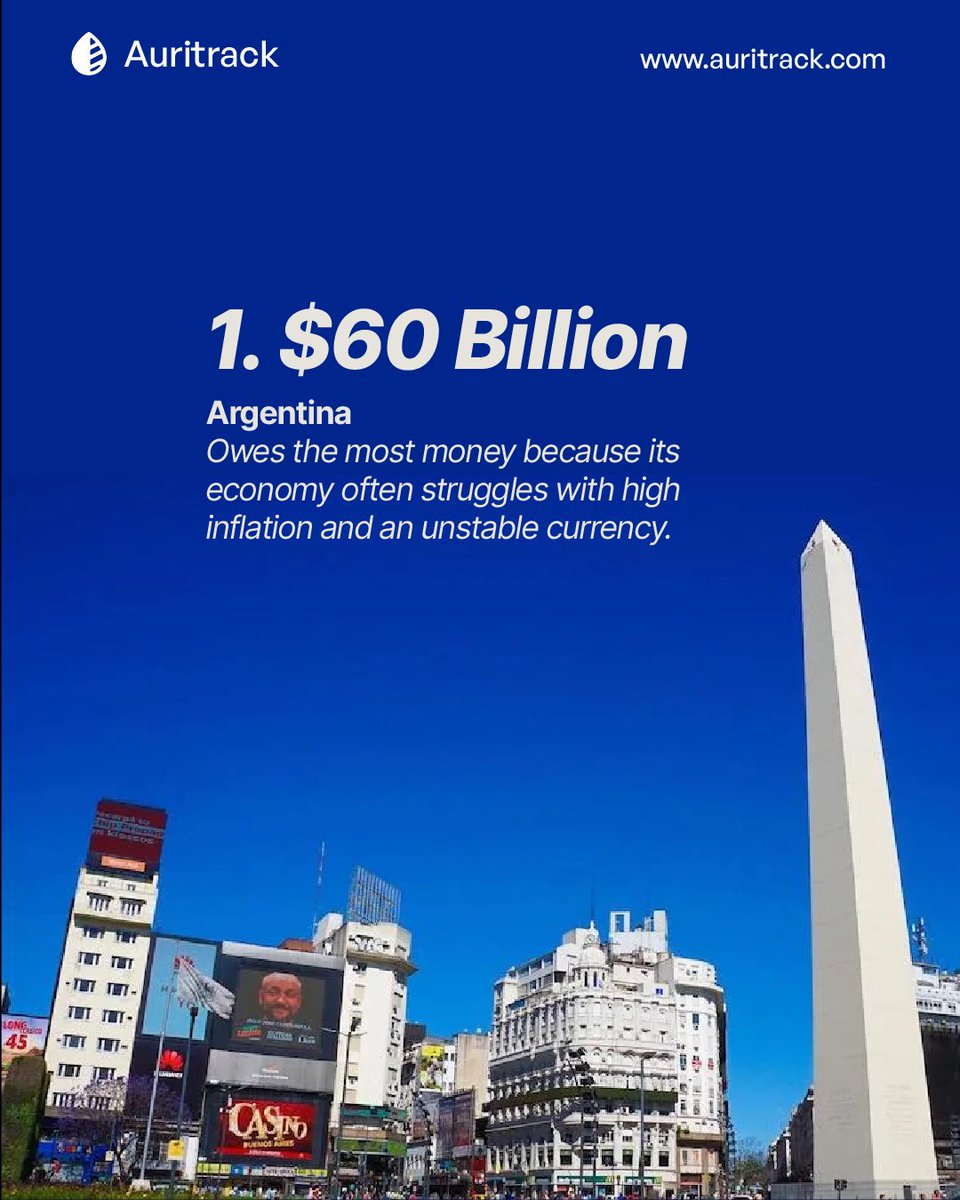
Here Are The Top Ten Countries With The Largest IMF Debts In 2026
Source: International Monetary Funds (Imf)
A thread 🧵
1
2
12
In 1637, a single tulip bulb in the Netherlands sold for more than a luxury house on the Amsterdam canal. The flower hadn’t even bloomed.
Then, within months, the market collapsed and bulbs were worth less than a meal. Tulip mania remains the original asset bubble case study, 388 years later.
Follow us for more money news and financial insights.
32
Most people don’t have a money problem. They have a “remembering what they bought last week” problem. The first one is hard, the second one is a spreadsheet.
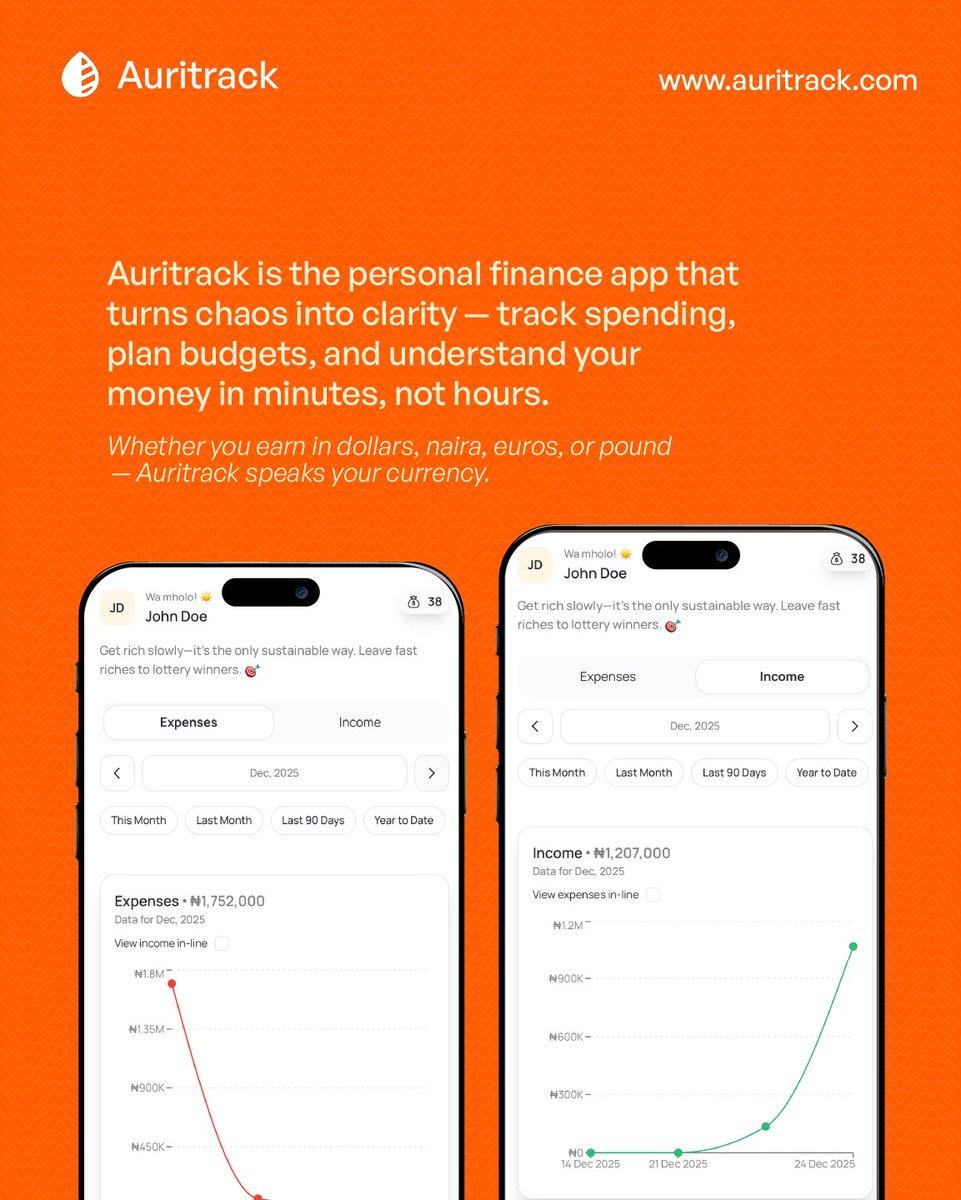
Auritrack keeps you aware of your spending. Sign up today and begin a journey of financial awareness.
Auritrack.com
1
1
8
A casino in Vegas runs an experiment in the 90s. Two slot machines, identical odds. One labeled “Win $1!” and another labeled “Lose $1 less!”, the second one gets played more.
Welcome to behavioral economics.
The human brain doesn’t process money rationally. It processes it as stories, emotions, and reference points. Daniel Kahneman won a Nobel Prize in 2002 for proving this, most of finance is still catching up.
Anchoring: a watch listed at $5,000, discounted to $2,500, feels like a steal, the same watch listed at $2,500 with no anchor feels expensive. The number you see first sets every judgment afterward.
Mental Accounting: A $500 tax refund feels like “free money” and gets blown on a weekend. A $500 paycheck feels earned and gets saved. Same $500 but different stories.
Sunk Cost: People sit through bad movies, stay in bad relationships, and hold bad stocks because they’ve already invested. The right question is never, what did this cost? It’s what’s the next dollar going to do?
Present Bias: $100 today feels worth way more than $110 next year, even at a 10% return. That’s why people pay for next-day shipping on something they don’t need until Saturday.
Status Quo Bias: People stay in 401(k) default options for decades. Companies know this and that’s why default contribution rates quietly shifted from 3% to 6% across the industry. The opt-out rate is the product.
Knowing the bias doesn’t fix the bias but it slows the decision.
Auritrack adds a tiny pause between “want” and “buy.” That pause is usually the whole game.
Follow for us for more.
1
1
43
The “endowment effect” means people demand more to give up something they own than they’d pay to acquire it.
Researchers handed half a class a coffee mug.
Then asked: how much to sell? Average answer: $5.78.
- Asked the other half: how much would you pay for the same mug? Average: $2.21.
Same mug, different feeling.
1
1
8
Studies show people feel the pain of losing $100 about twice as strongly as the joy of gaining $100. It’s called loss aversion.
The whole insurance industry is built on it, so is most bad investing. People hold losers too long because selling makes the loss feel real.
Follow us at @auritrack for more money stories and updates.
1
1
12
A six-figure income with a seven-figure lifestyle ends in five-figure savings. The math is unkind regardless of how charming the spender is.
Keep tabs of your finances with Auritrack.
Auritrack.com
1
1
10