
Joined May 2025
- Tweets 627
- Following 1,378
- Followers 1,656
- Likes 3,625
141 Photos and videos


AVE Atrium retweeted

Jun 14
You can't build the European Federation by trying to convince people with technocratic babble.
Nobody seriously disagrees in principle with the idea that a common stock exchange would be good, that the euro makes trade more efficient, that a common army would be more efficient etc.
There's not a lot of people who are like "Wow. I never thought about it like that, it IS more efficient to unite Europe, I will become a Eurofed now."
You're just presenting arguments that would convince YOU, not that convince the sceptics.
Do you think Germany and France weren't realising that on a technocratic level building a common fighting jet would be good for Europe? Of course they knew that. So why did it fall apart anyway?
A project as grand as Eurofederalism can only be built by appealing to some kind of existential, emotional core. By presenting it as the only possible path towards continued existence. That without it, there's no path forward for any of us. It can't be a "nice to have", it will only win if we understand it's "federalise or die". The nations losing sovereignty to the Federation is not a small thing. Nobody really wants to give up power unless they have to. Living alone is in general inefficient, but you're not going to give up the peace, quiet and self determination of living alone just to allow a rando to move in with you, are you? You'd do it only out of necessity or true love.
True political eurofederalism needs to present it as an answer to an existential question over the survival of Europe as such and not bother with techno babble.

9
24
115
6,121
AVE Atrium retweeted

Jun 13
Political radicalism is useless.
Lemme show you.
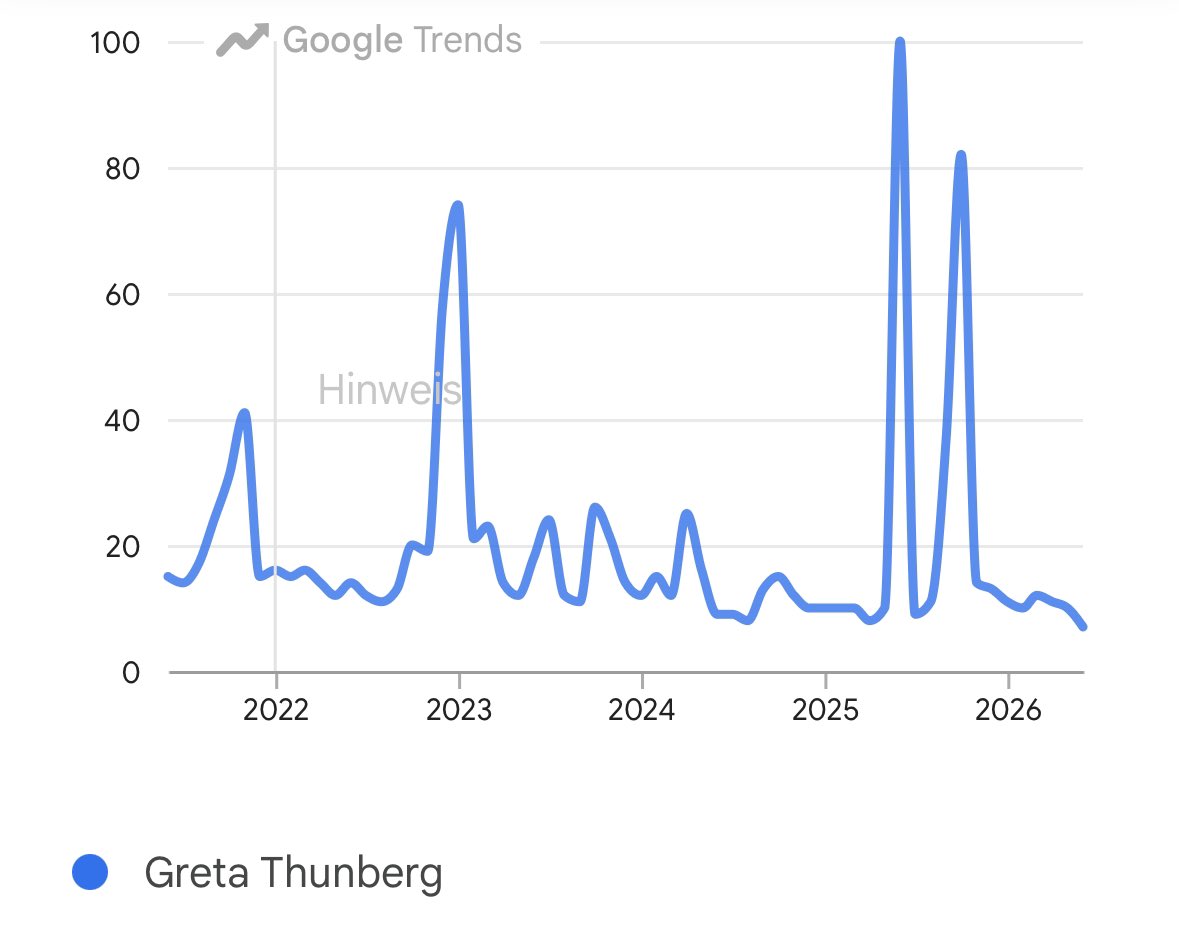
Look at the European greens and other climate change warriors. Look at Greta. They probably had the most radical rhetoric and followers after ww2. In the name of fighting climate change, people glued themselves to streets, blocked ambulances, raided powerplants - demanded radical system changes, and pushed for planned economies. Demanded the end of „capitalism“
Millions of young people worldwide stood up and protested for more climate-friendly policys. Most governments adopted a “green” agenda.
The outcome?
>CO2 taxes for the ordinary guy
>more bureaucracy
>failing energy markets
>monocultures for biofuel
Wow.
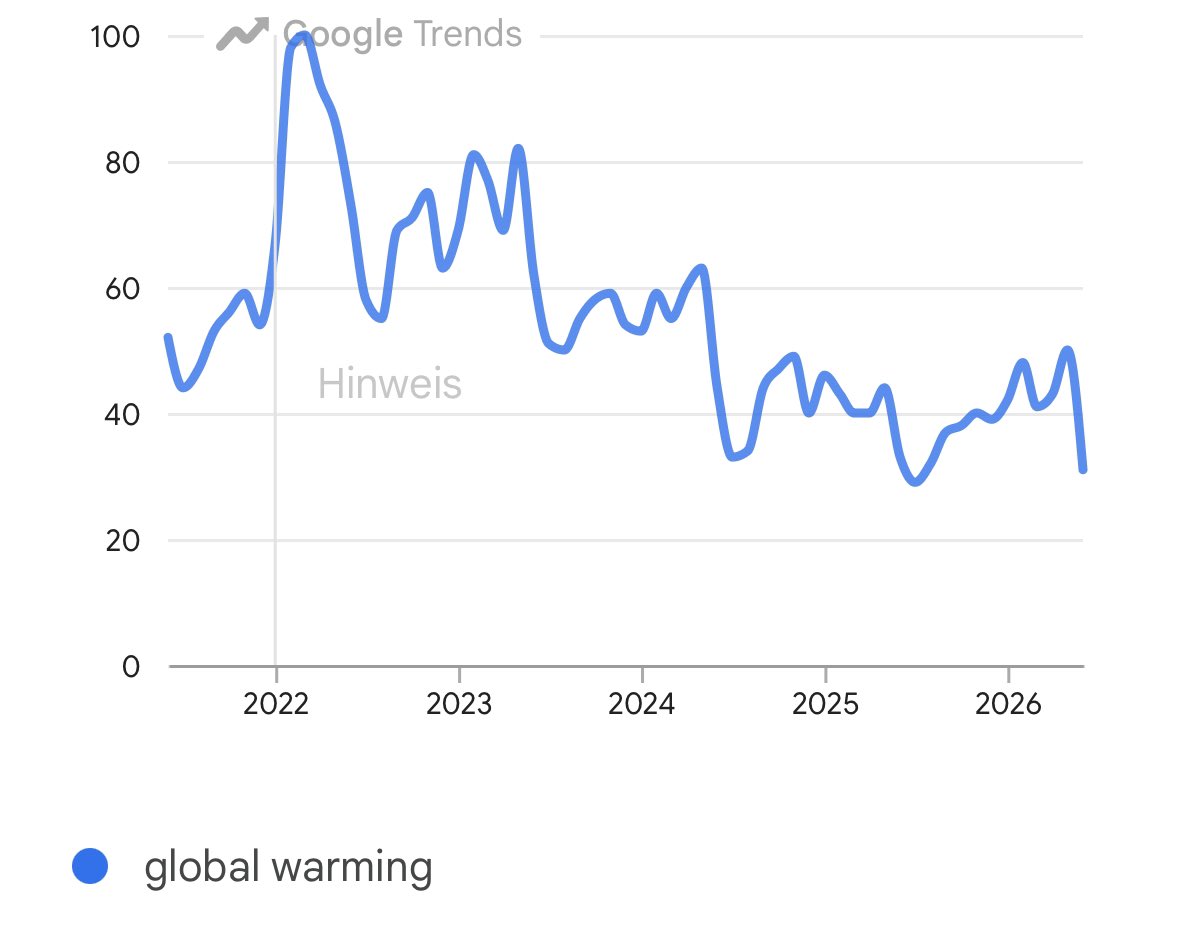
Today, almost none of the former glory leaders of these movements are as present as before. The Russian attack on Ukraine and the Palestine conflict buried the whole climate change spiel. The former heroes found a new toy to play with.
In the end, it was just virtue signaling to feel morally superior.
Climate change protection is out now.
In reality, it is more necessary than ever.
This is a good chance for a reformed, European, right: Pushing for a functioning protection framework with strong reforms and incentives for industry is necessary to save our environment.
It needs to be pragmatic and sensible, detached from the radical American culture war and unapologetic in their views. It shouldnt try to beat the left in radical positions, but to win back the trust of the people.
1
3
16
2,589
AVE Atrium retweeted

Jun 13
Political radicalism isn’t enough.
The climate movement, for example, didn’t fail for not being loud. The issue was execution, not urgency.
That execution can only come from EU-scale coordination, not fragmented national fixes.
And this goes well beyond climate: migration, capital markets, and defence all suffer from the same gap.
Drop the theatrics, not the ambition.
Jun 13

Political radicalism is useless.
Lemme show you.
Look at the European greens and other climate change warriors. Look at Greta. They probably had the most radical rhetoric and followers after ww2. In the name of fighting climate change, people glued themselves to streets, blocked ambulances, raided powerplants - demanded radical system changes, and pushed for planned economies. Demanded the end of „capitalism“
Millions of young people worldwide stood up and protested for more climate-friendly policys. Most governments adopted a “green” agenda.
The outcome?
>CO2 taxes for the ordinary guy
>more bureaucracy
>failing energy markets
>monocultures for biofuel
Wow.
Today, almost none of the former glory leaders of these movements are as present as before. The Russian attack on Ukraine and the Palestine conflict buried the whole climate change spiel. The former heroes found a new toy to play with.
In the end, it was just virtue signaling to feel morally superior.
Climate change protection is out now.
In reality, it is more necessary than ever.
This is a good chance for a reformed, European, right: Pushing for a functioning protection framework with strong reforms and incentives for industry is necessary to save our environment.
It needs to be pragmatic and sensible, detached from the radical American culture war and unapologetic in their views. It shouldnt try to beat the left in radical positions, but to win back the trust of the people.
5
11
80
2,237

Jun 5
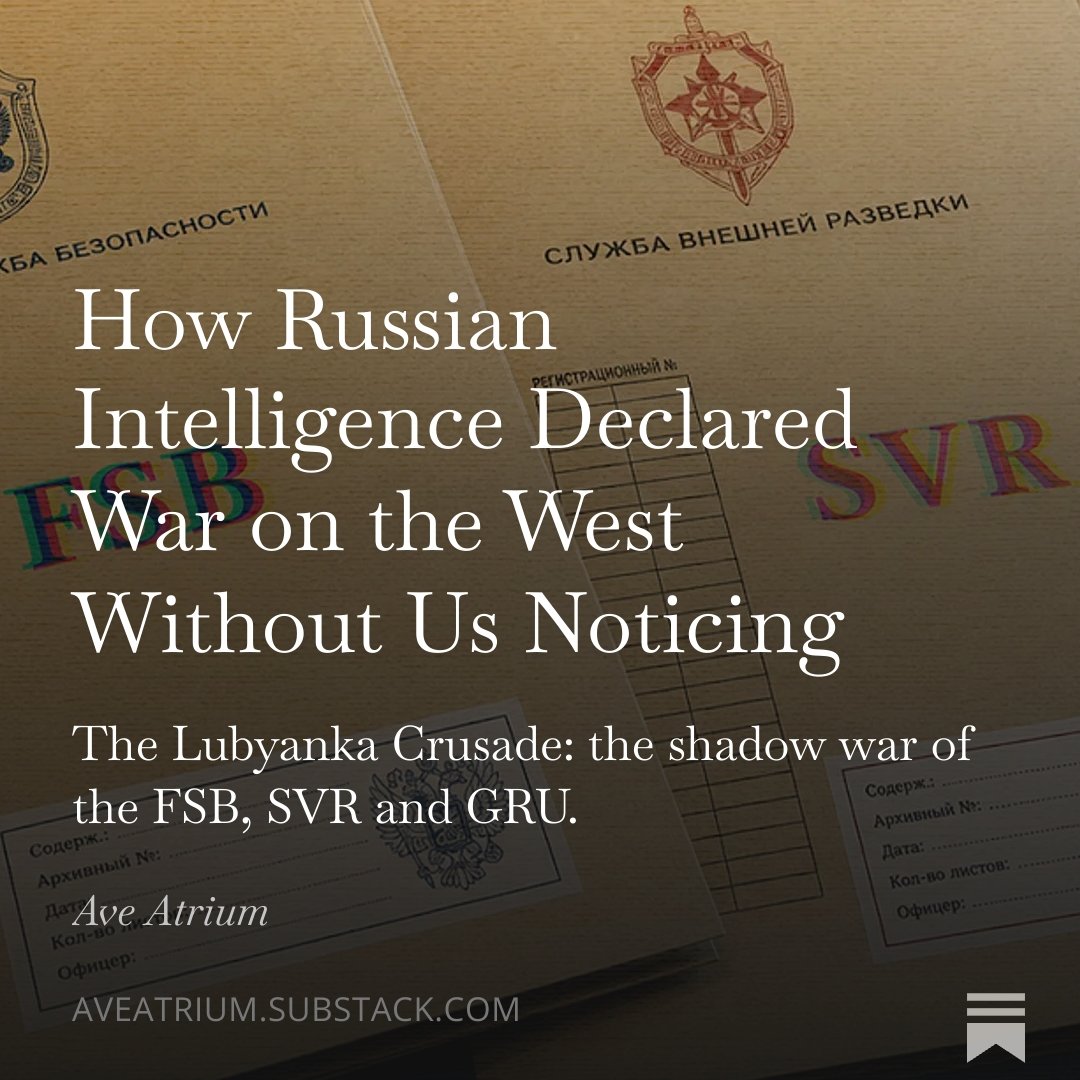
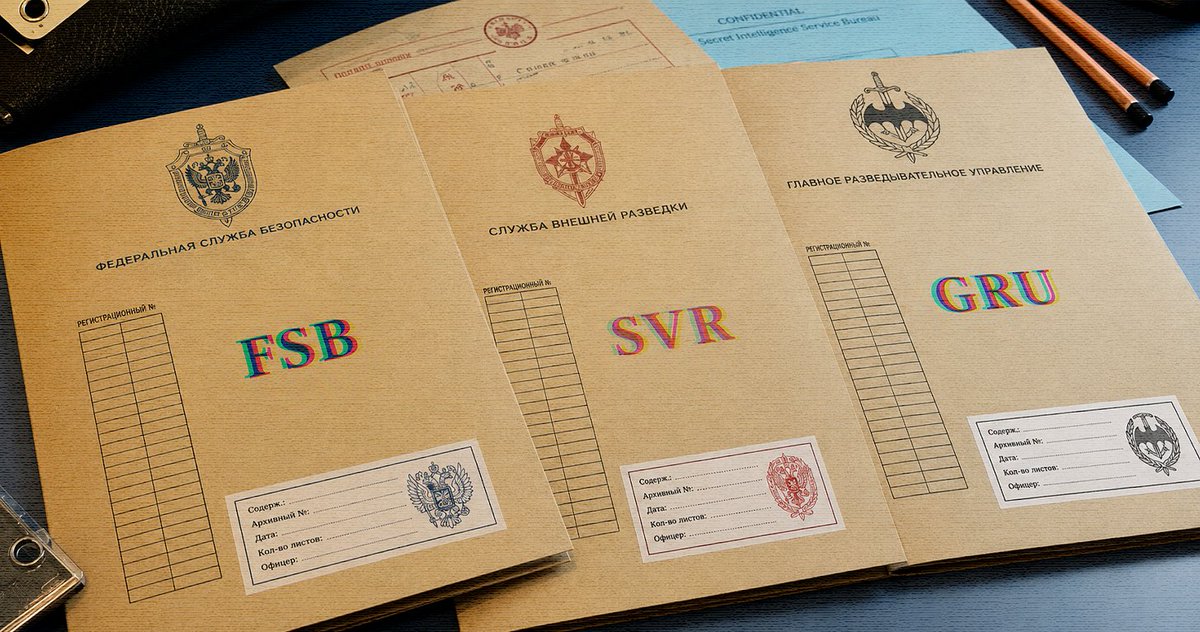
Russian intel never stood down. FSB/GRU/SVR are running full Soviet playbook: Cold War sabotage plans now live via Telegram mercenaries, embassy bombs, factory arsons, and influence ops in EU parliaments & media. Azov’s Prokopenko called it — we’re already in hybrid WW3.
The ideal European answer?
>Federal intelligence service
>Designate Russia a terrorist state
>Expel diplomats, seize assets
>Pan-Europeanism or perish
History is dialectical: the threat forges the Union.
Full article in Substack⬇️
1
6
12
627
AVE Atrium retweeted
Jun 4
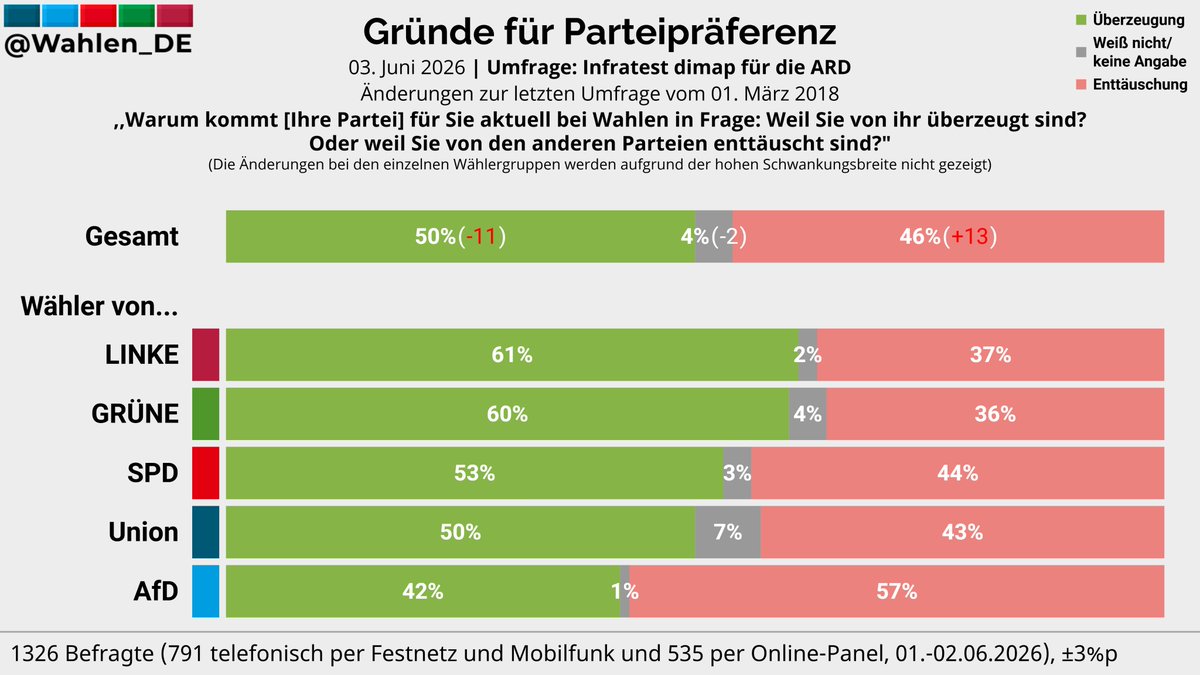
The AfD will and cant solve the migration problem.
Le Pen will and cant restore European sovereignty, given that her instincts run consistently toward Moscow rather than toward a stronger, more unified Europe.
They do strike the right emotional slopulist notes. But they are entirely without the analytical or institutional capacity to follow through.
Their function is not governance. It is protest. And protest, once institutionalised, becomes its own form of stagnation.
The people know that.
Jun 4

Gründe für Parteipräferenz: Aus Überzeugung oder Enttäuschung? — Umfrage Infratest dimap/ARD
Überzeugung | Enttäuschung
Gesamt: 50% | 46%
Wähler von...
LINKE: 61% | 37%
GRÜNE: 60% | 36%
SPD: 53% | 44%
Union: 50% | 43%
AfD: 42% | 57%
Änderungen zum 01. März 2018
#btw29
3
3
20
801
AVE Atrium retweeted
Jun 4
Yes, without Britain, there would be no steam engine, steam trains, telephones, parliamentarism, modern constitutionalism, English as the lingua france, penicillin, end of the slave trade, ATMs, logarithms, Shakespeare, the theory of evolution and so much more.
In 1000 years, once we have gotten over neurotic jealously and third worlidsm, people will look at Britain with more admiration than we look at Ancient Greece today. It is quite evidently the greatest nation the world has ever seen. It's not even particularly close.

Literally half the problems on this planet can be traced back to the UK. Including the US and Israel. It's extraordinary.
212
418
4,895
342,934
AVE Atrium retweeted
Apr 17
Péter Magyar has paved the way for a different kind of pro-European politics.
Not for sterile centrism, moralistic leftism, or right-wing populism, but for an unapologetic right-wing Pan-Europeanism that does not bow to either the Kremlin or the White House.
Join Ave Europa!
26
72
340
10,603
May 25
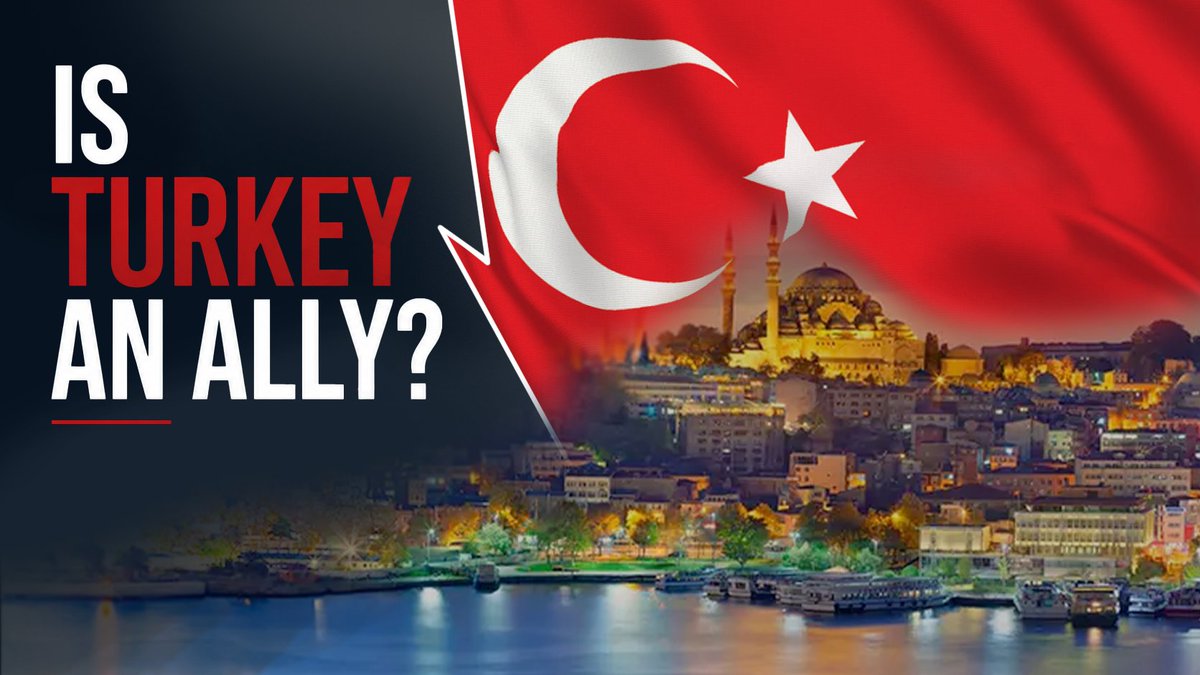
One of the greatest disappointments and weaknesses of European foreign policy is its handling of Turkey. That country has an extensive record of violations, hostile actions, breaches of international law, challenges to European territorial waters, the financing of Turkish nationalist organisations, and strategic alignment with Russia. Turkish troops occupy 38% of Cyprus, an EU member state; Turkish fighter jets and naval vessels repeatedly violate Greek airspace and territorial waters; and the Turkish casus belli threatens Greece over the entirely lawful and legitimate extension of its territorial waters to 12 nautical miles. President Erdoğan has repeatedly threatened Greece with invasion and military strikes.
The organisation Diyanet (Directorate of Religious Affairs), which is directly funded by the Turkish state, is responsible for the operation of mosques and the appointment of imams, while promoting Islamism. It has also repeatedly been accused of espionage, particularly in Germany. The equally toxic and dangerous organisation Milli Görüş constitutes a pan-Islamist movement active across numerous European countries, aiming to spread Islamism through youth programmes, “charitable” activities, and the training of religious officials. At the same time, the Grey Wolves are supported and promoted by the Turkish political party Nationalist Movement Party, which forms part of the Turkish governing coalition, with the aim of radicalising young Turks throughout Europe. Parties such as DENK in the Netherlands, DAVA in Germany, Nyans in Sweden, KIEF in Greece, and Movement for Rights and Freedoms in Bulgaria act as conduits and advocates for Turkish and Islamist interests, cloaking those interests under the guise of oppression in order to advance Turkish and Islamist influence.
On a broader geopolitical level, Turkey promotes Islamism — an ideology fundamentally opposed and incompatible with European civilisation — in Syria, the Sahel, and the Caucasus. It has also repeatedly threatened Europe with opening its borders wide in order to flood the continent with migratory flows. Simultaneously, regarding the Ukrainian issue, Turkey has refused to impose sanctions on Russia and continues to conduct extensive business with it in the energy sector, including the Russian investment in the Akkuyu nuclear power plant, thereby providing Russia with valuable opportunities to circumvent European sanctions.
A change in policy towards Turkey must be rapid, uncompromising, and symbolic of the achievement of unity and common purpose in European foreign policy. Threats to European security are not monopolised by Russia; Turkey, in many respects, resembles a smaller version of Russia, with expansionist territorial ambitions directed against European territory, plans for radicalisation, the spread of extremism within our societies, and attempts to exert political influence at our expense and for its own benefit. All the problematic actions it undertakes against us must therefore be confronted firmly and decisively and be reversed.
Its hostility towards Europe has to be finally recognised in its full extend and dealt with.
By @VisionaryFutur
8
28
75
2,245
AVE Atrium retweeted

May 16
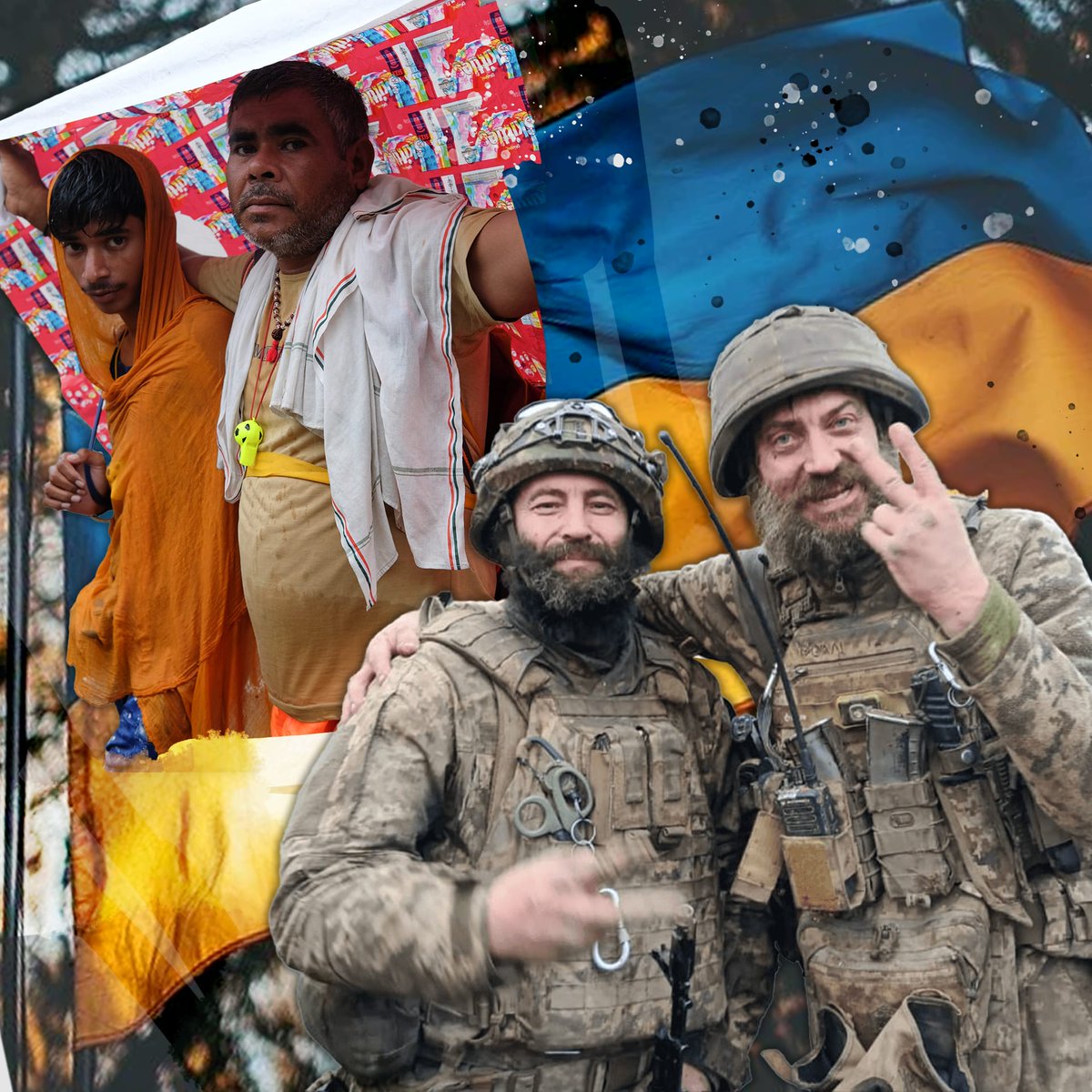
Поки наші хлопці та дівчата захищають наше право на життя, життя наших сімей, друзів, родичів та саму націю, все активніше ми чуємо новини про завезення мігрантів з країн Індії та Пакистану. Це обумовлюється тим, що, за оцінками Мінекономіки, країні бракує близько 4,5 мільйона працівників. І це правда: близько 7 мільйонів людей емігрувало в Європу через війну. Економіка країни зараз перебуває у великій халепі.
Тим не менш, рішення про завезення мігрантів виглядає не як вирішення проблеми, а радше як проста відповідь на складне питання. Очікується, що зарплата іноземців становитиме 800 доларів. Постає питання: чому низькокваліфіковані працівники повинні отримувати заробітну плату на рівні військових, які ризикують життям, боронячи нас?
Українці вже бачили міграційний досвід Західної Європи, і ми не повинні повторювати тих самих помилок, які зробили західні європейці. Адже інтеграція такої кількості мігрантів буде майже непідйомною для нашої країни, особливо в умовах війни.
Рішенням можуть стати трудові контракти, за якими трудових мігрантів завозитимуть тимчасово, а після закінчення терміну дії контракту вони повертатимуться на батьківщину. Такі контракти варто укладати в першу чергу з країнами ЄС. Бо економіка України має будуватися, по-перше - на українцях, а по-друге - на співпраці з Європою.
5
23
533
AVE Atrium retweeted
May 17
Europe’s declining birth rates are often treated purely as an economic crisis, but they are actually a profound reflection of how we live.
For decades, we have celebrated incredible technological and material advances. We have more convenience, efficiency, and individual autonomy than any generation in history. But we must be honest about the trade-off: in our relentless pursuit of independence and career-driven hedonism, we dismantled the very communities that promoted family life.
Raising children was never meant to be a solitary burden, shouldered by exhausted and isolated parents after a 40-hour workweek (plus endless commutes, daily chores, and errands). It used to take a village. Today, that village has been replaced by expensive childcare, disconnected neighborhoods, and a culture that prioritizes endless consumption over human connection and purpose. We traded our social safety nets for individual islands.
At Ave Europa, we believe it is time to redefine what it means for a society to progress. We cannot fix our natality crisis by simply telling people to have more children; we have to make family life a joyful, viable option again.
This starts with how we look at the future. As new technologies like Artificial Intelligence transform our world, they will inevitably grant us more free time. But how we use that time is a critical choice. We must ensure this technological dividend is not squandered on further isolation or endless individualistic hobbies. Instead, this newfound time must be reclaimed by the family unit and invested in the people we love.
Reversing this demographic winter requires a massive cultural and structural shift toward cooperation and community building.
It means designing neighborhoods that foster connection rather than isolation. It means creating networks of mutual support where families don't feel like they are competing against the world alone. It means moving away from a society of extreme individualism and realizing that our future depends on relying on each other again.
When we rebuild our communities, the families will follow. It is time to build a society with a future.

16
38
211
9,159
AVE Atrium retweeted
May 13
The culture war only matters when u take part in it.
Who genuinely cares about ur sexuality? Why should any sane human have something against people thinking they are XYZ.
If Ursula thinks this kinda strategy will appease the left, she’s wrong.
Just let them hang their flags. The moment the right stops getting distracted by which virtue signalling flag is hanging on some random pole, and loses interest in who less than 1% of men kiss, they win a massive amount of power over the discourse.
And honestly, the anti-LGBTQ obsession on parts of the right is just cringe.
May 13

I personally have nothing against this, but it is very clear to me that the current Commission is trying to turn this into a culture war.
We already have Pride Month. Why do we need Pride Week?
This is clearly a culture war, nothing genuine.
6
4
22
1,170
AVE Atrium retweeted
May 6
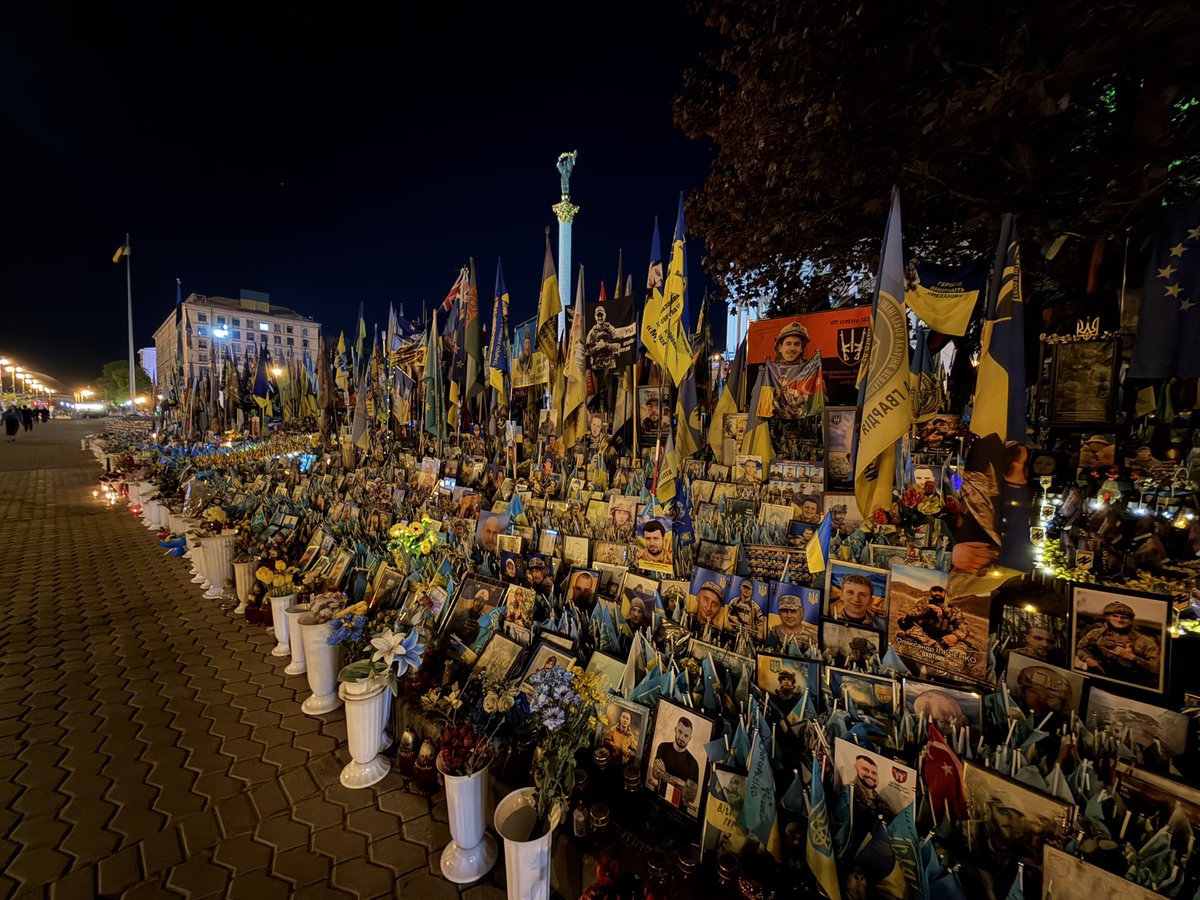
The price of freedom is visible in Kyiv.
Every time we return, there are more flags. More faces. More names. More lives given for the future of a free Europe.
Ukraine is not waiting outside Europe. Ukraine is defending Europe.
Words of support are no longer enough.
That is why we are proud to announce Ave Europa’s partnership with Ukraina Nimel:
ukrainanimel.org/
This is about solidarity, responsibility, and building the European future together.
More to follow soon.
6
26
123
3,266
AVE Atrium retweeted

May 2
Good that this has taken off.
9 Dec 2025

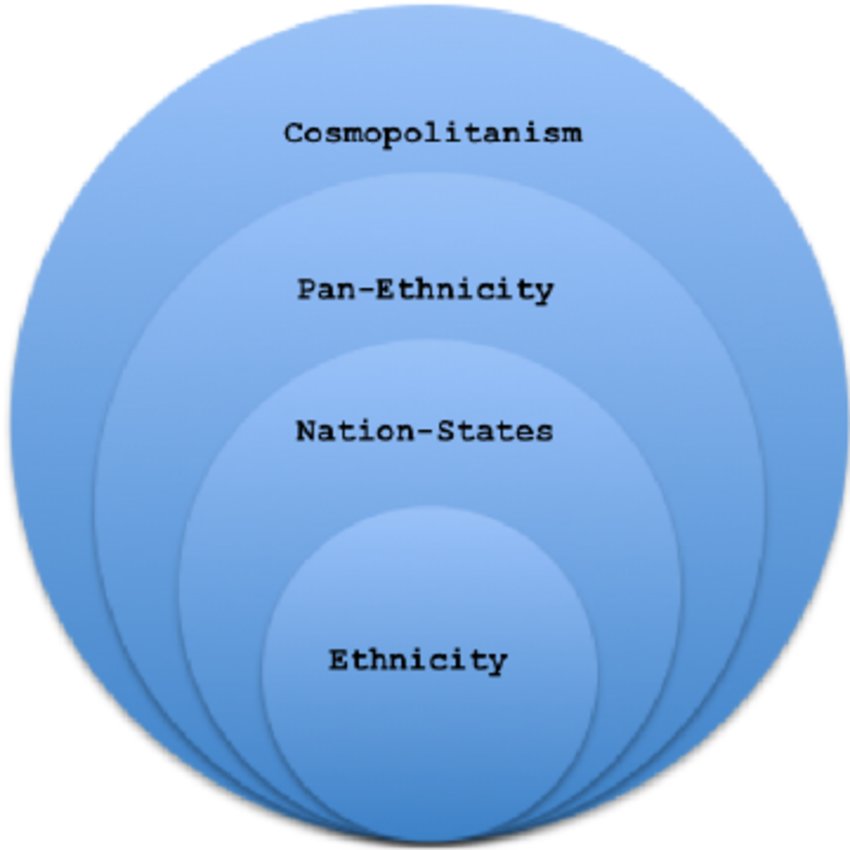
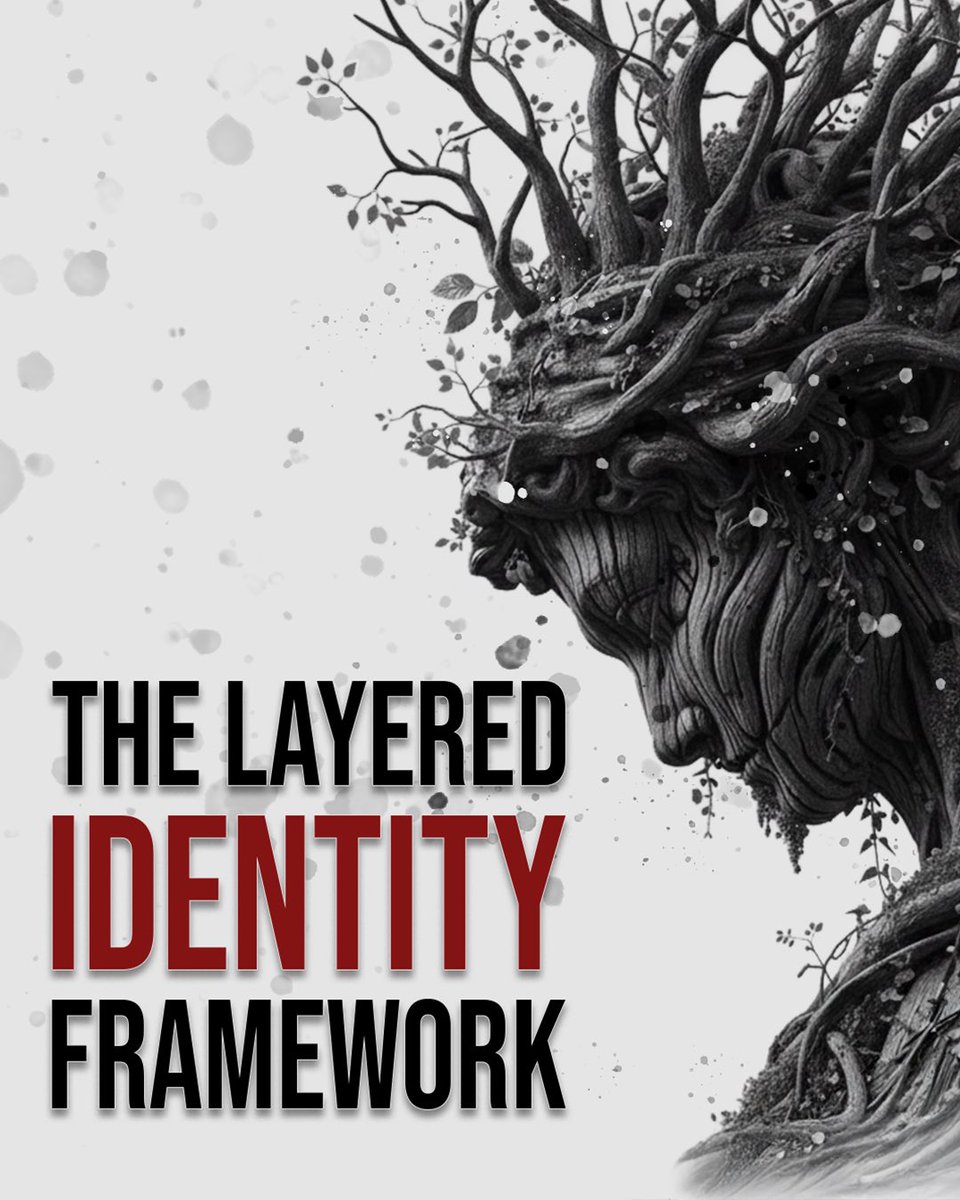
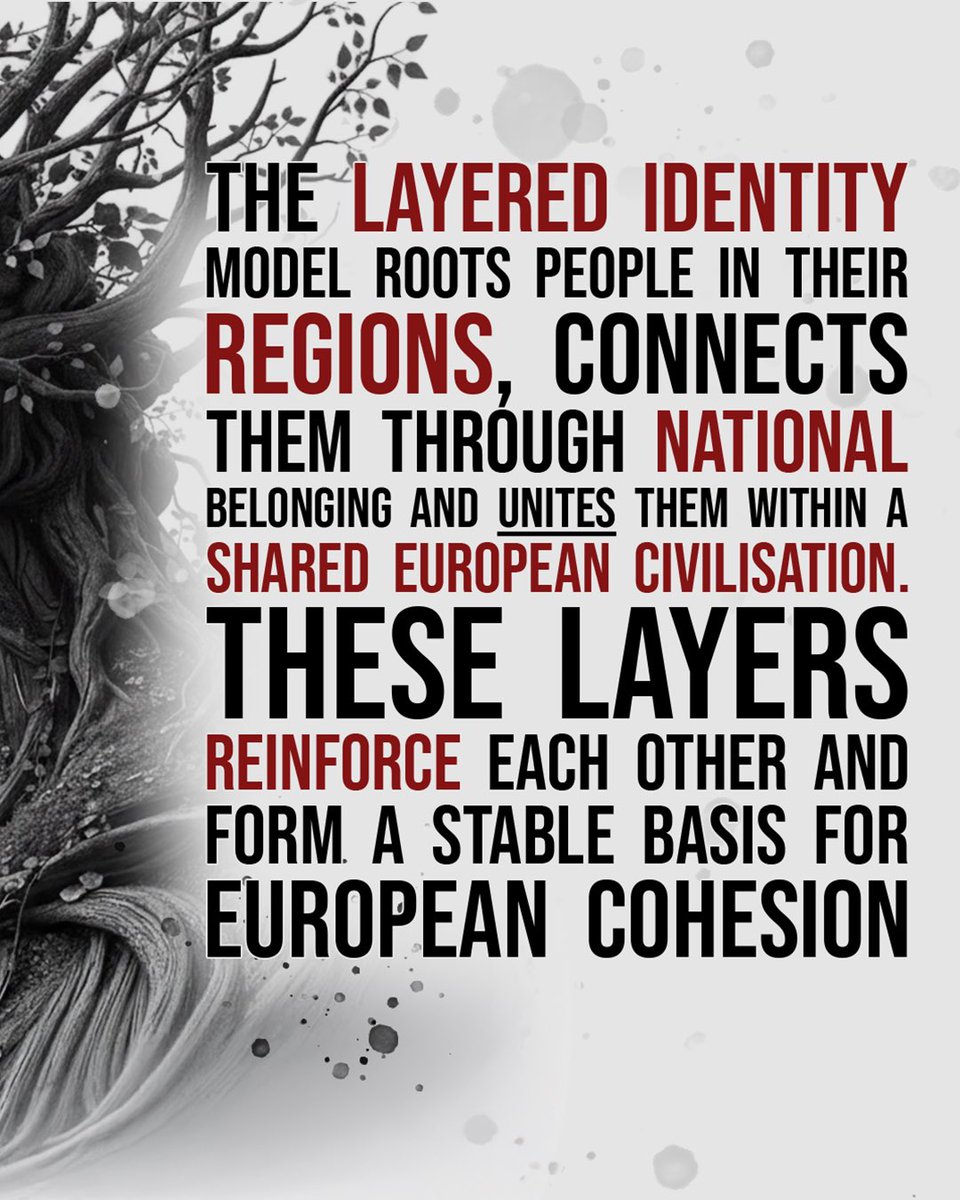
The ‘Layered Identity’ framework holds that individuals possess multiple, mutually reinforcing levels of belonging, beginning with the regional layer rooted in local customs, family ties, landscapes, and traditions.
Building upon this is the national layer, which provides a shared political community, historical narrative, and cultural continuity.
Above both stands the civilisational layer, linking many diverse yet related nations into a wider European family shaped by common heritage and values.
These layers do not compete but instead coexist harmoniously, encouraging pride in one’s immediate ethnocultural environment while nurturing broader European solidarity and cohesion.
By recognising identity as multidimensional, this model strengthens social cohesion, offers a balanced alternative to both rootless cosmopolitanism and narrow nationalism, and provides a stable basis for a European political community that respects regional distinctiveness while fostering civilisational unity.
This will be essential for forging and sustaining a robust political union capable of safeguarding and advancing our shared interests and collective well-being.
1
5
19
915