
Joined May 2016
- Tweets 9,545
- Following 1,182
- Followers 2,823
- Likes 96,345
777 Photos and videos



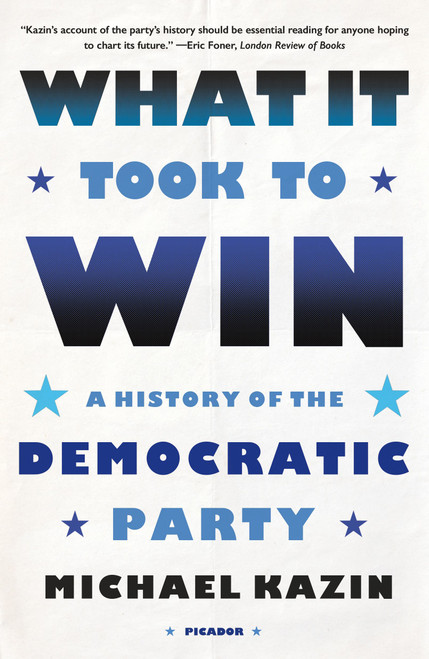

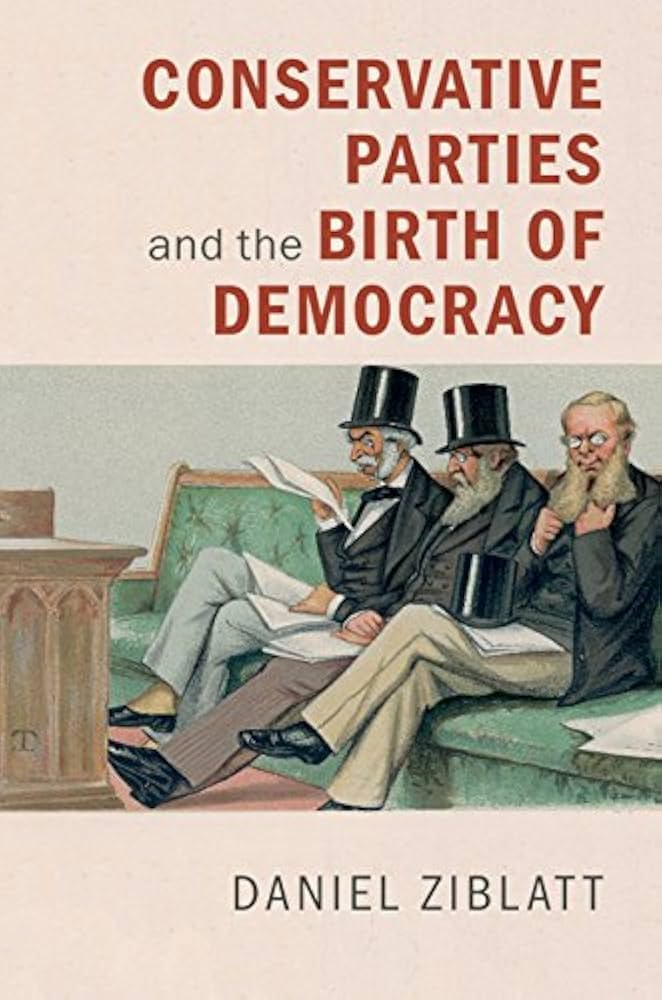
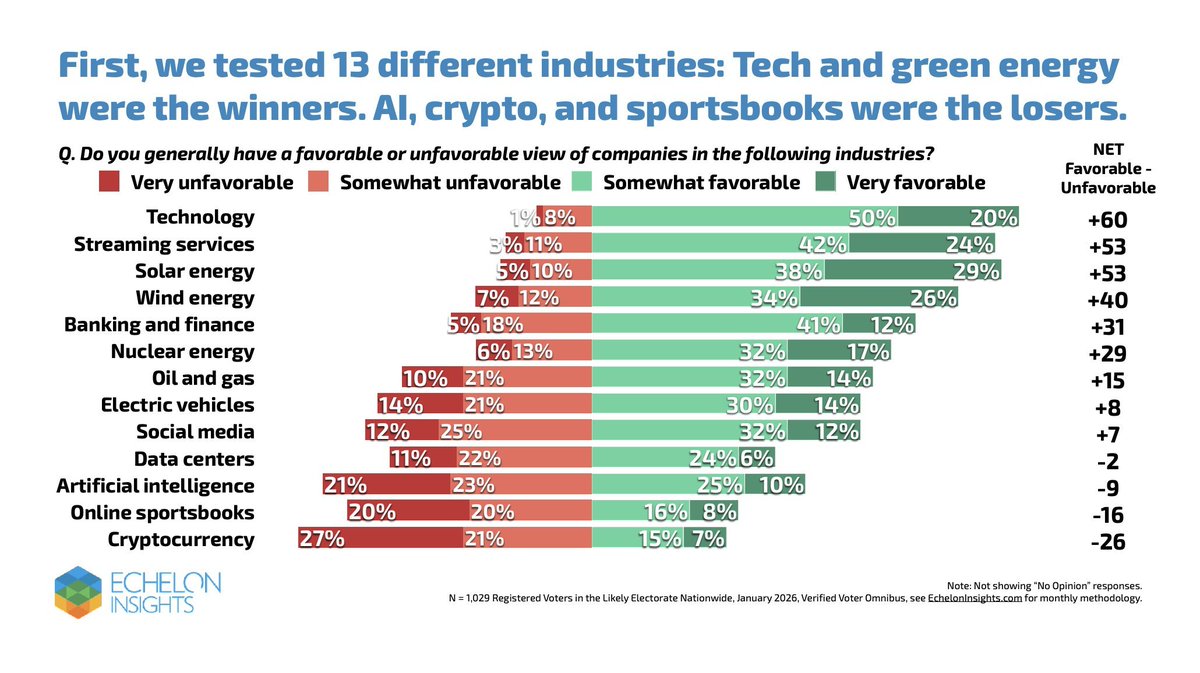
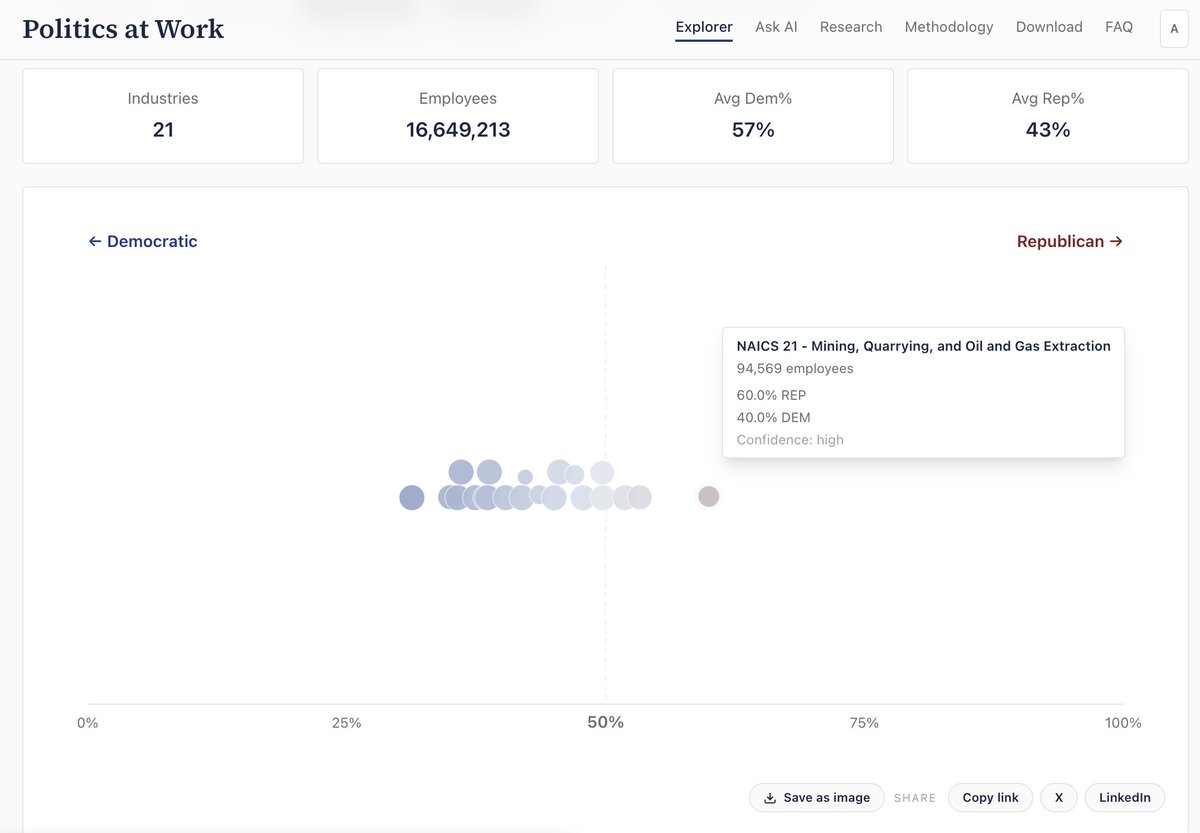
Accidental typo resulted in only one copy arriving today. Now I am dangerously close to losing my one book to coffee spills and tardy friend borrowing. Don't make the same mistake!
Jun 12

This may seem like good advice; but sometimes copies get lost, borrowed by friends, or have coffee spilled on them -- so it is better to buy 3-4 copies just to be safe.
1
10
867
But more than that, it's mainly Tesla owners who like Elon buying the Tesla and SpaceX stocks as a lifestyle expression good.
The bear case is you can't drive a SpaceX rocket every day.

It's actually guy who bought a JPEG for 6 figs explaining why SpaceX is a good investment
2
385
Tragically intellectuals are just really drawn to power. Endless "here's how my friends and I could run the world on a premise of superior ideas" slop.
Good news is both major parties in the US have major anti-intellectual factors in coalition to hold this back.
Jun 13

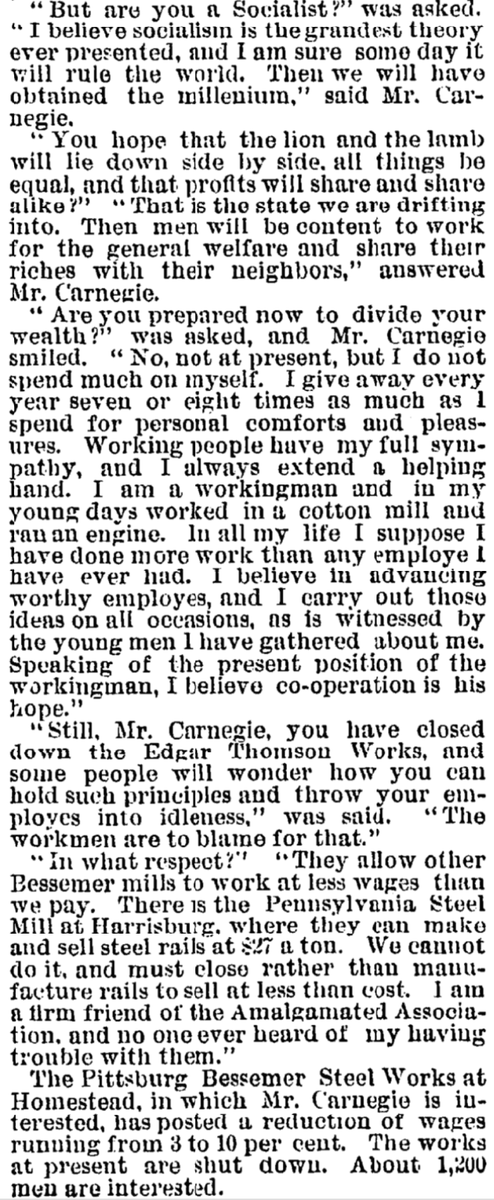
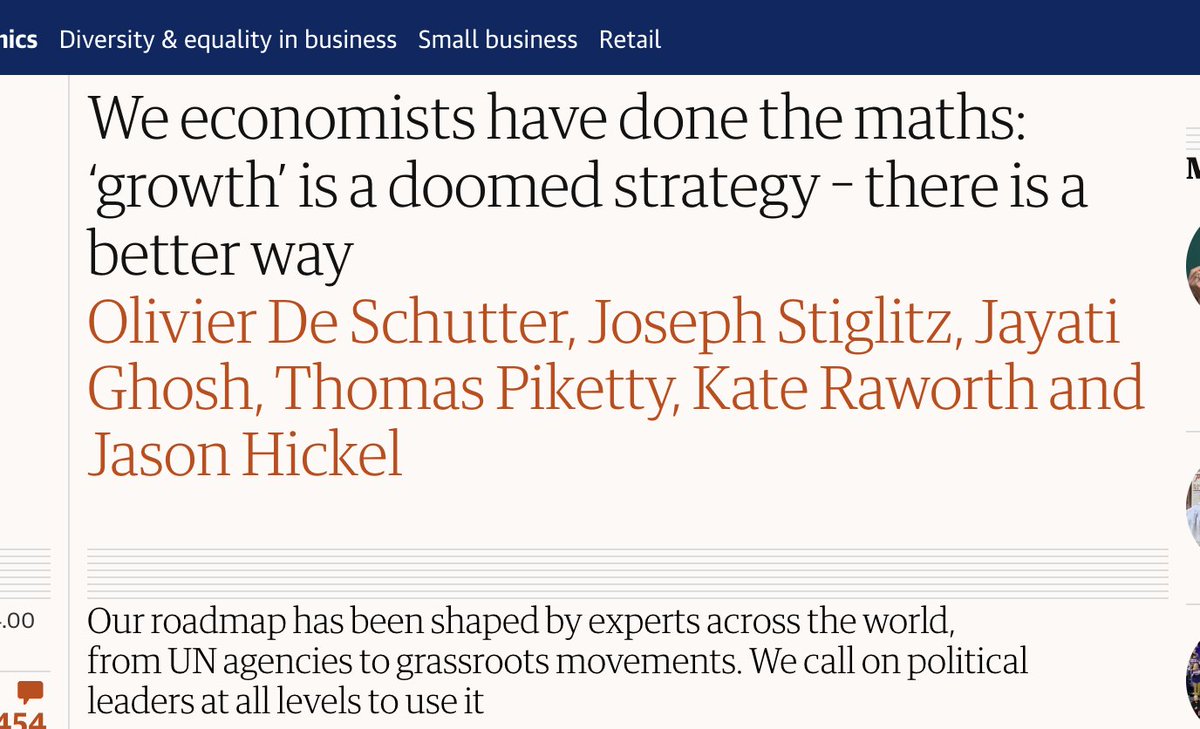
There was once a that socialism would work better than capitalism. This was mostly wrong and post-1989 it seemed like we'd agree on market economies plus a welfare state.
But an injection of green degrowth has birthed "socialism will wreck the economy — in a good way!"
1
3
16
1,177
Avery James retweeted

The Committee of Five—John Adams, Benjamin Franklin, Thomas Jefferson, Robert Livingston, and Roger Sherman—was appointed to draft the Declaration of Independence 250 years ago today.
Jefferson's draft of the document is here at the Library, and will be featured in a new exhibition opening July 3.
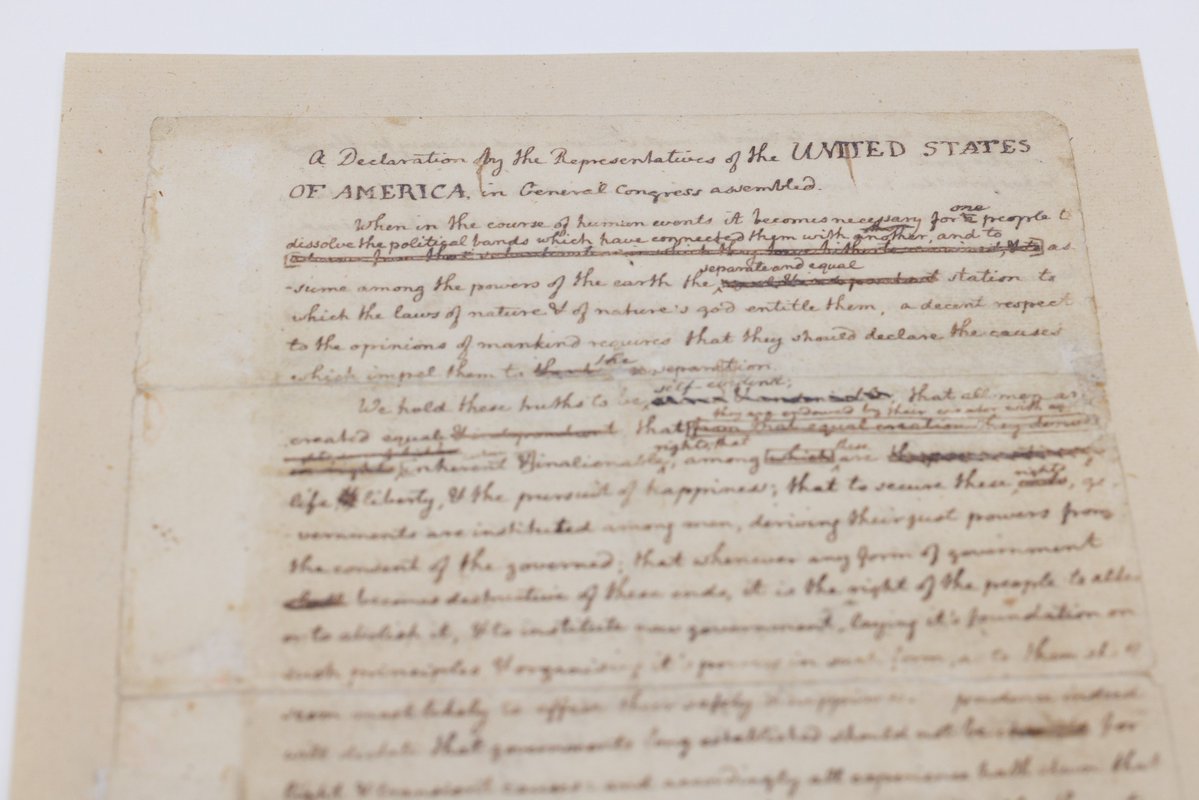
ALT A view of Thomas Jefferson's rough draft of the Declaration of Independence, hand-written with edits placed throughout. Held in the Library of Congress Jefferson Collection. Photo by Shawn Miller.
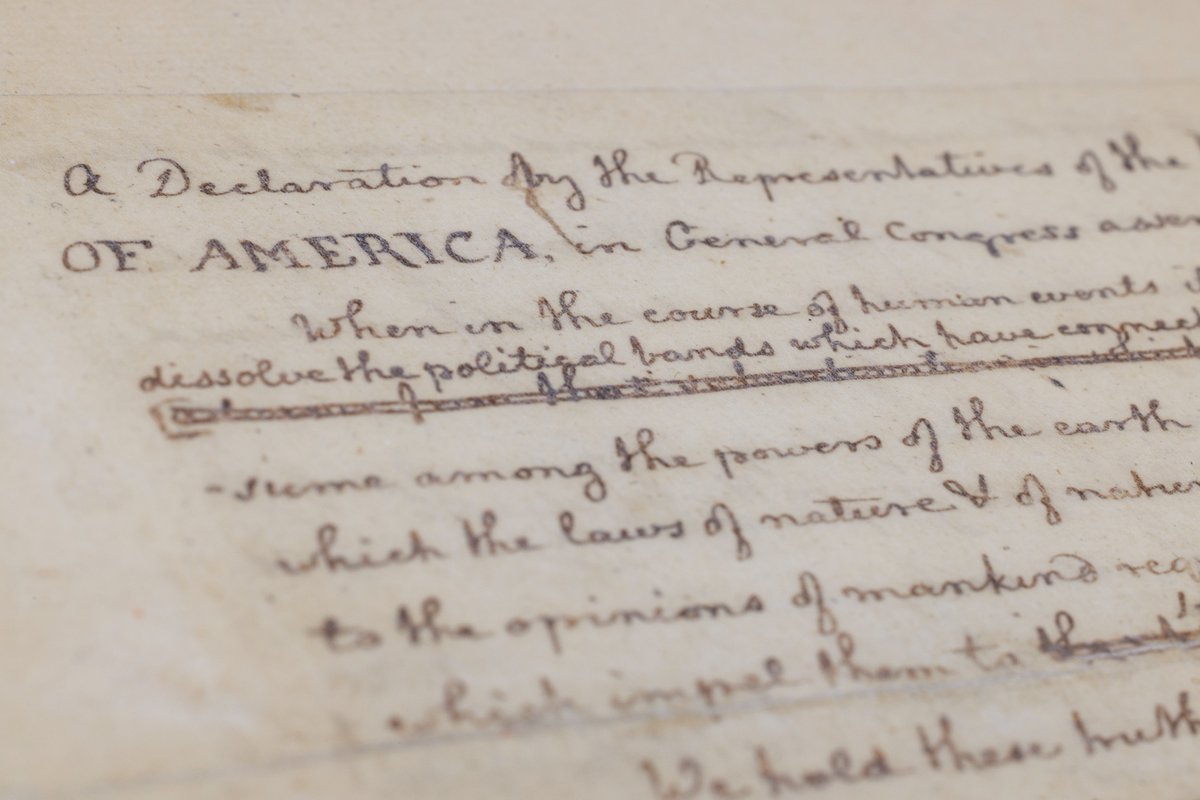
ALT A view of Thomas Jefferson's rough draft of the Declaration of Independence, hand-written with edits placed throughout. Held in the Library of Congress Jefferson Collection. Photo by Shawn Miller.
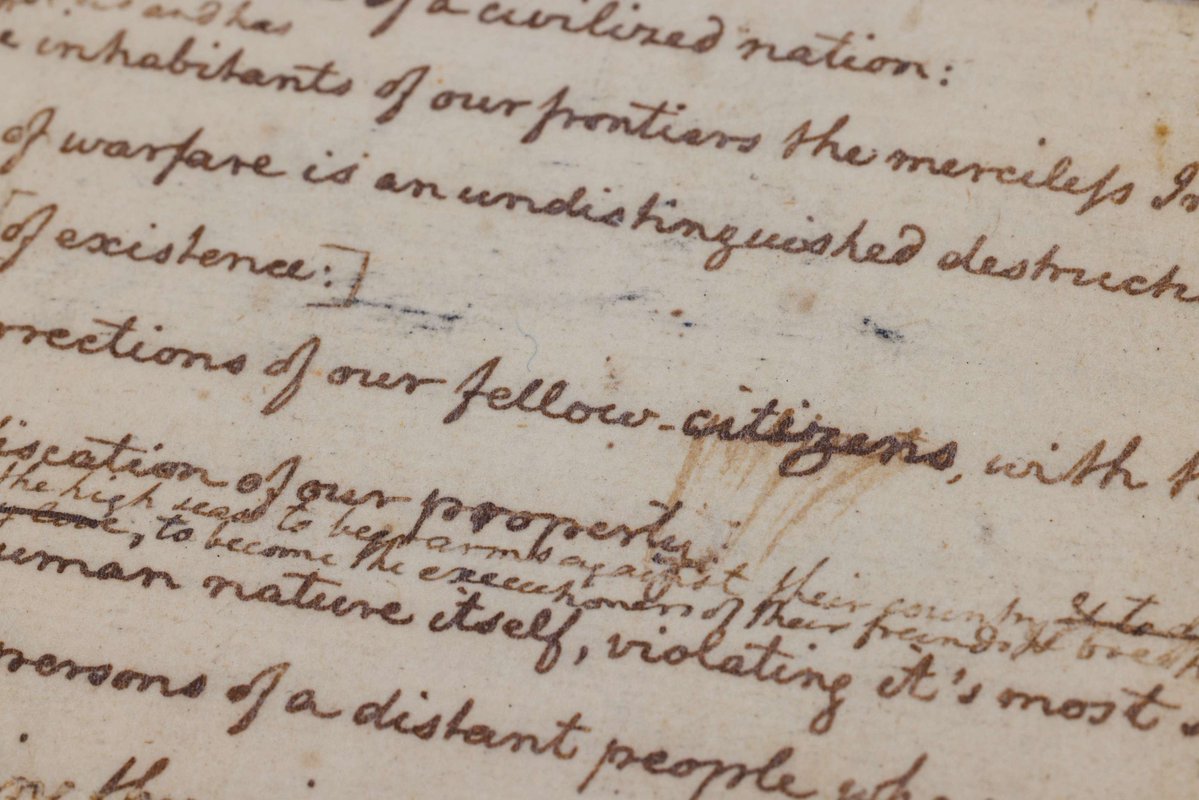
ALT A view of Thomas Jefferson's rough draft of the Declaration of Independence, hand-written with edits placed throughout. Held in the Library of Congress Jefferson Collection. Photo by Shawn Miller.
68
1,892
6,326
169,543

Jun 12
They're not dumb, they're in a center-left populist party and will keep their heads down.
Their goal is to let the remaining AIPAC Dems take the heat and online left-wing hate, focus on quiet data center energy regulation in a reasonable range to discuss with SV donors. Smart.
Jun 12

odd I don’t see any of the “abundance democrats” posting about the combined spaceflight / satellite constellation and telecommunications / AI company today, which is experiencing the largest IPO in human history — I would have thought they’d be excited!
1
6
991
Jun 12
Guy whose first reaction to Musk's trillionaire status is just kind of Larry David going "No I'm not worried about it. He's not really a trillionaire. It's fake and will adjust. Who is buying that many pounds to put into orbit? Who is buying that much? It's basically fake."
1
14
2,712
Jun 12
"Am I worried about being ruled by trillionaires? Why would I worry? None exist. I do not count epic bacon reddit stock value as a trillion. That's a shit trillion, actually. A shit trillion. Not a real trillion. It doesn't count. Find me a real one and we can worry."
2
5
760
Jun 12
Remember when FTX hired Larry David to do a Superbowl commercial to play his lifelong character of just being a curmudgeonly old Jewish guy saying it's a load of bullshit and then FTX turned out to be a load of bullshit? It's like poetry, it rhymes.
12
475
Jun 12
Napkin math on why one particular crude socialist argument is unimpressive:
If you could liquidate all of Musk's assets and spread it among all US adult citizens (265 million), you'd get about $3,773 each. For reference, the COVID checks added were $3,200 nominal, $4,100 real.
13
20
321
16,878
Jun 12
After spreading misinformation math that Musk is worth 1 trillion, I redid it for 1.1 trillion, it's $4,150, so basically the COVID checks.
1
1
19
1,274
Jun 12
I am of course, being ungenerous and picking one of the worst arguments.
16
1,345


Avery James retweeted

Jun 12
Not investing until we get an Elon spacex hype video that goes this hard
28
20
498
18,036
Jun 12
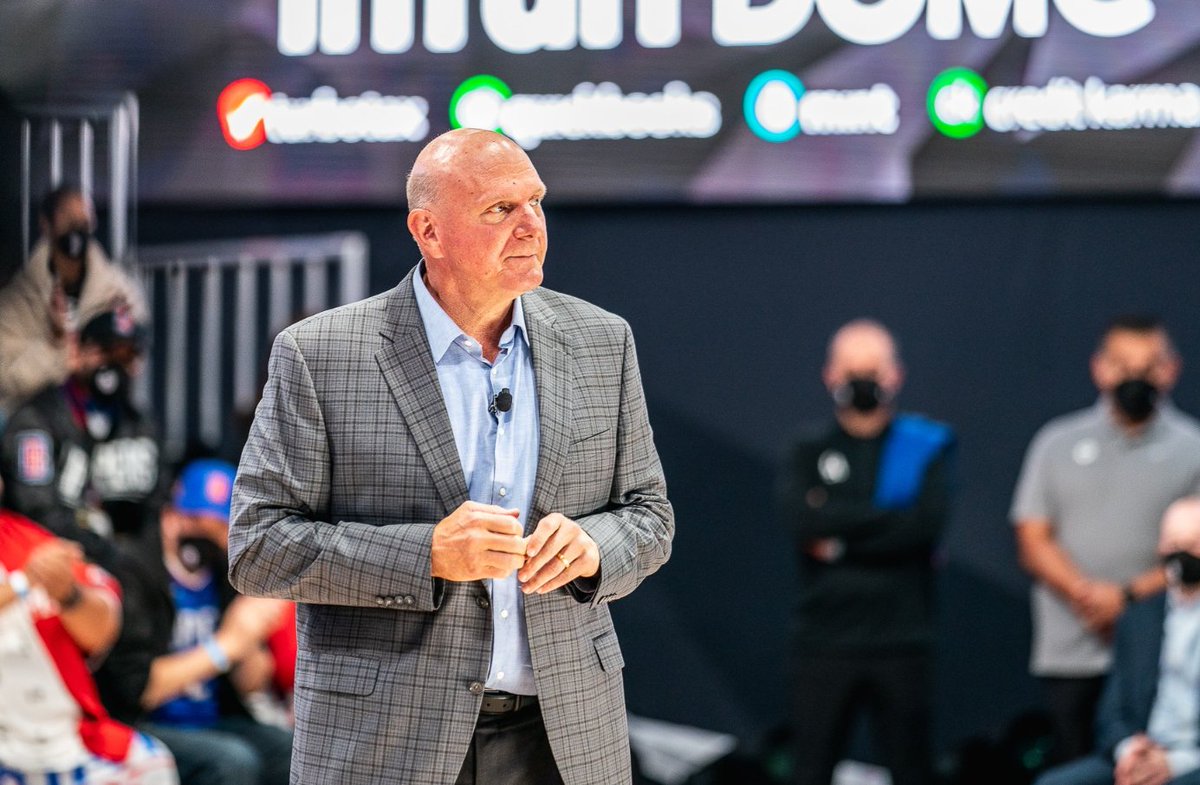
Microsoft was the cringe neo-IBM coded firm when I was younger, but now the 2010s countercultural vibe to tech is seen as exhausted/annoying/dehumanizing.
People might want CEOs to be more wholesome corporate dudes like Balmer, late 90s/early 00s Microsoft aesthetic is fun, etc.

2
1
16
1,437
Jun 12
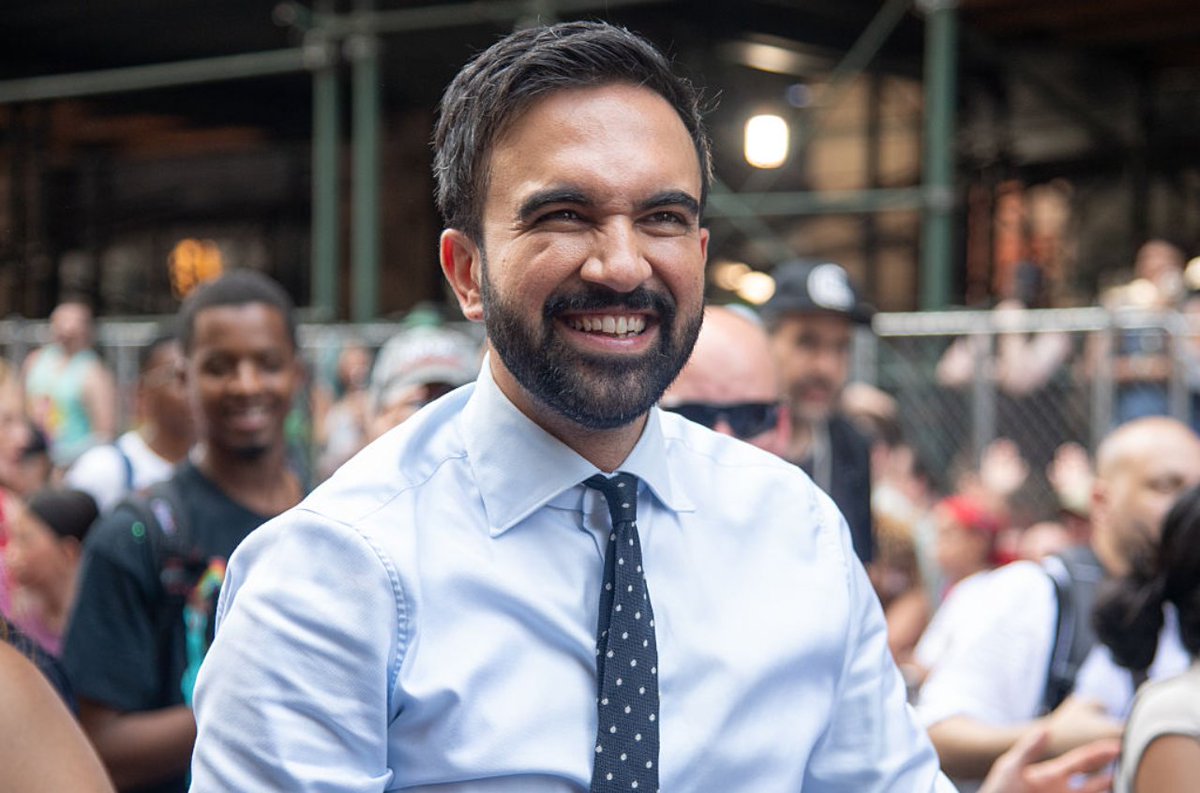
Zohran Mamdani visually has much in common with Steve Balmer as a public figure. This sounds insane, but it's true.
Both men are anti-the millennial nerd hipster in a t shirt. Anti-Apple coded.
Button up shirt, and usually more, in every single photo, also love basketball.
1
2
215
Jun 12
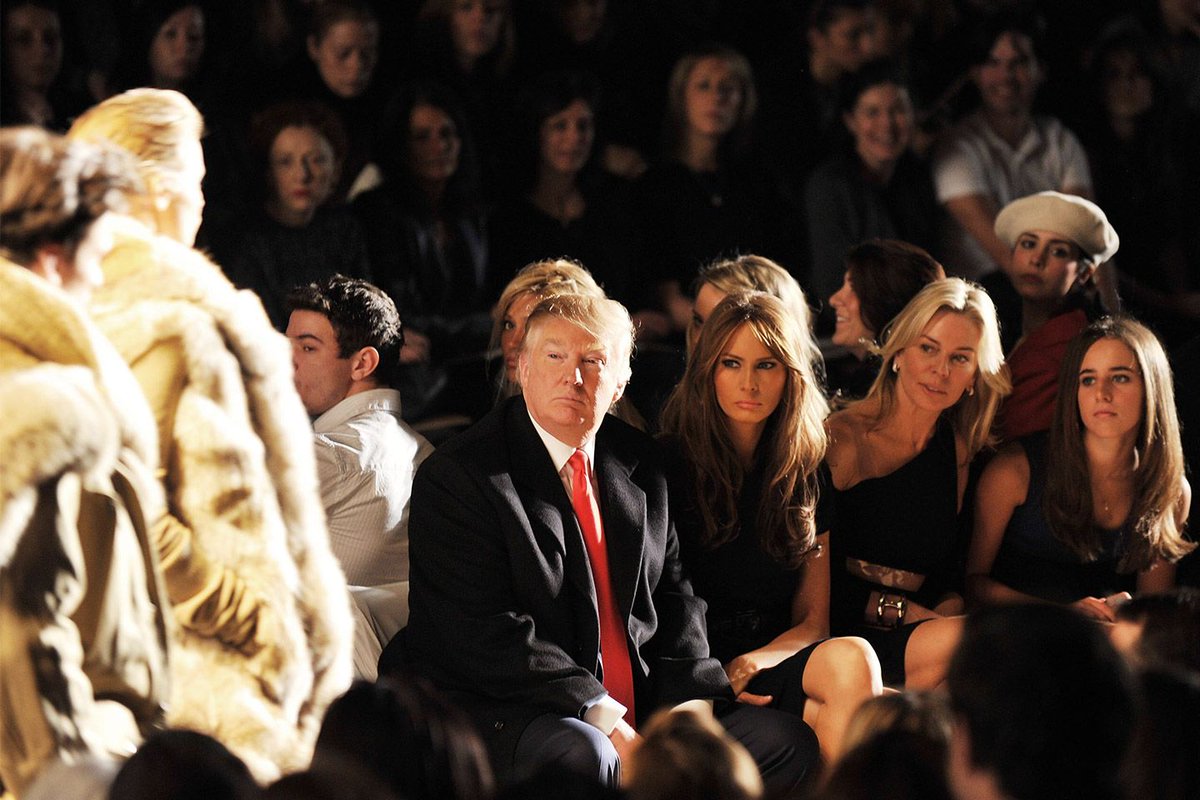
This is also Trump's public image, to be clear. Very important to understanding the often misunderstood vibe shift.
1
87
Avery James retweeted

Jun 12
and the available heuristics are just abandoning the field, a lasher nytimes endorsement would make the race a walk, but it's not coming
Jun 12

One big challenge with closed primaries in the context of nationalized politics: voters don't have reliable heuristics to make sense of where candidates stand, so they look for whatever signals they can find. Because of Mamdani's incredible visibility -- a real accomplishment that didn't happen by accident -- his endorsement counts for a lot.
But what do we actually know about these candidates, especially when you have a ton of elections and most people aren't consuming a ton of substantive news sources (for all sorts of defensible reasons)?
In this low-information environment, voters often use demographic cues that draw on stereotypes about sex, age, race, and ethnicity, e.g., we have certain preconceived notions about older white men, younger women with Latin surnames, etc. It is extremely common for voters to use surnames to identify co-ethnic candidates.
Among Democratic primary voters, an interesting dynamic has emerged: college-educated white voters tend to prefer ethnic minority candidates over white candidates (all else being equal, this is a way for racially liberal whites to express their political identity); at the same time, ethnic minority candidates often prefer co-ethnic candidates.
Under these conditions, the demographic element of candidate selection can count just as much as more conventional qualifications.
When I read this reporting from @LevineJonathan, I thought, "wow, ZM is really on one when it comes to selecting unconventional candidates." If we take for granted that he is going to select committed leftists (fair enough, he is a committed leftist), is this candidate really the best-qualified committed leftist for the job?
But if you look the candidate selection through the lens of who will activate latent positive stereotypes, attract attention, etc., this makes a lot of sense.
Further, if you haven't had a ton of life experience, don't have an independent fundraising base, are explicitly a movement person, you are much more likely to embrace the principle of collective leadership.
Under our system, it is a bit unusual to have people who are subject to this kind of collective leadership by a para-party vanguard organization. But here we are.
1
13
5,211
Avery James retweeted

Jun 11
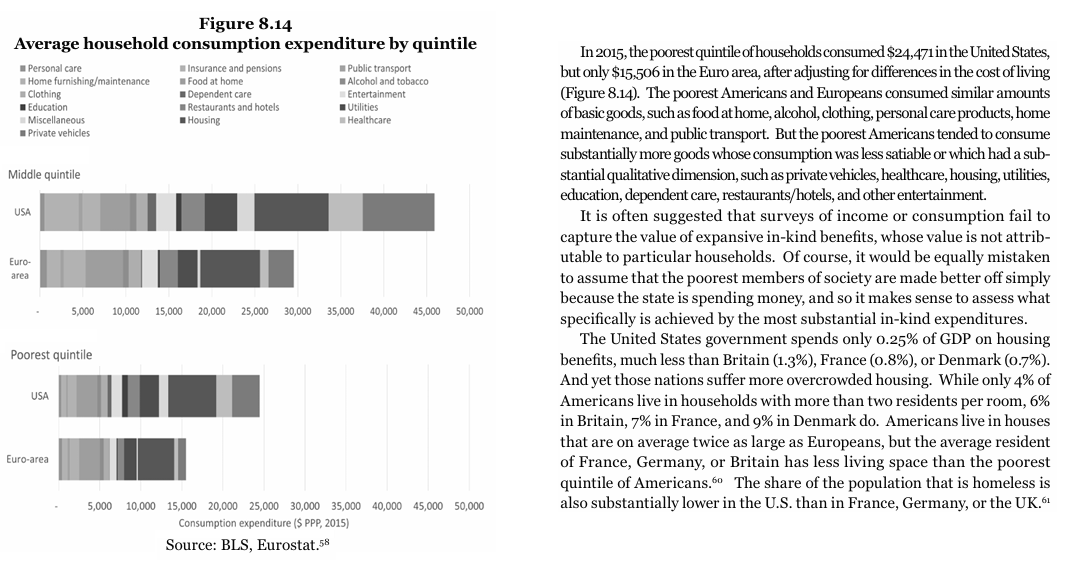
America's welfare state spends much less than those across Europe, but its poor are substantially better off. How can this be possible?
amazon.com/dp/1630695432/
read "The American Way of Welfare" to find out
8
17
105
17,922