
77 Photos and videos
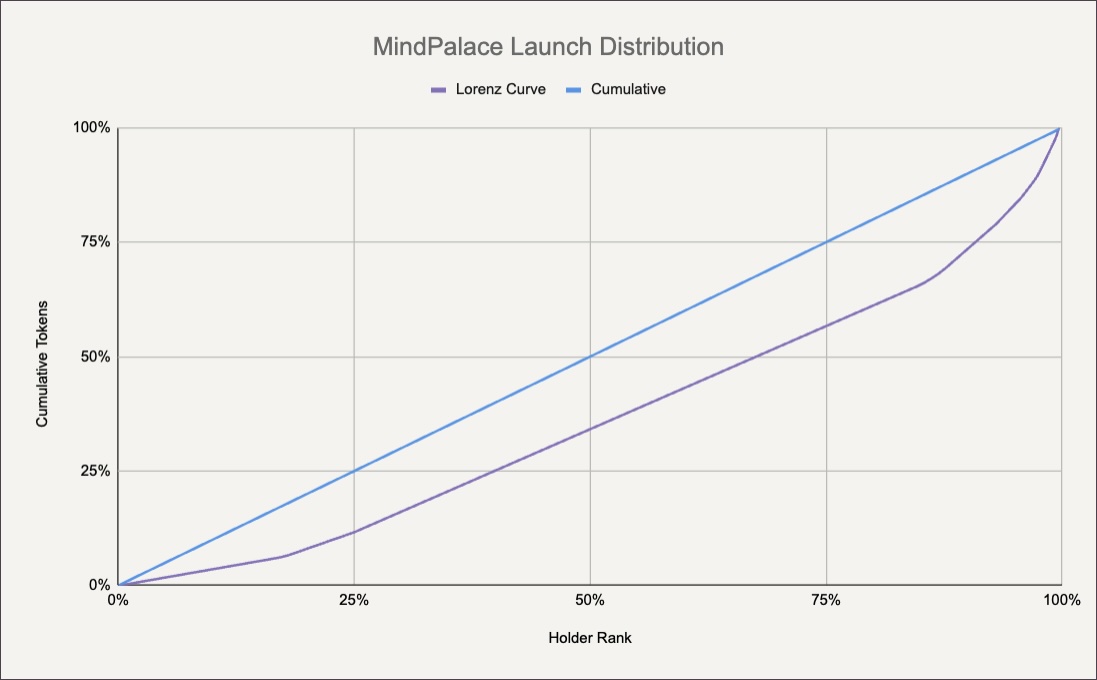
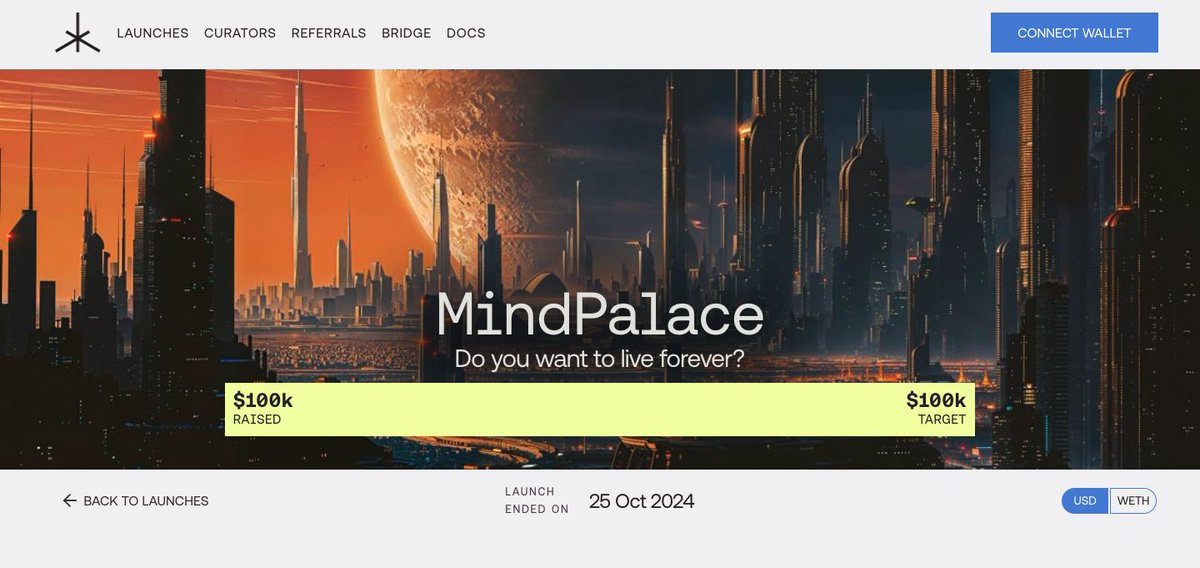
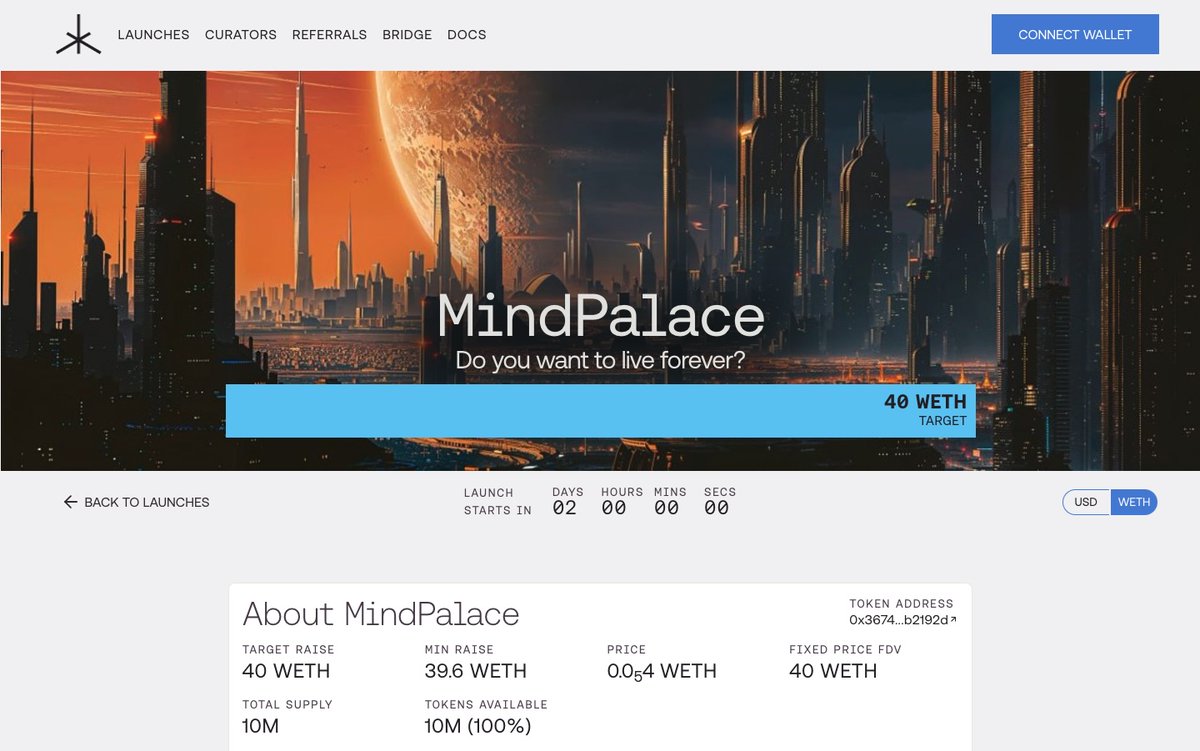
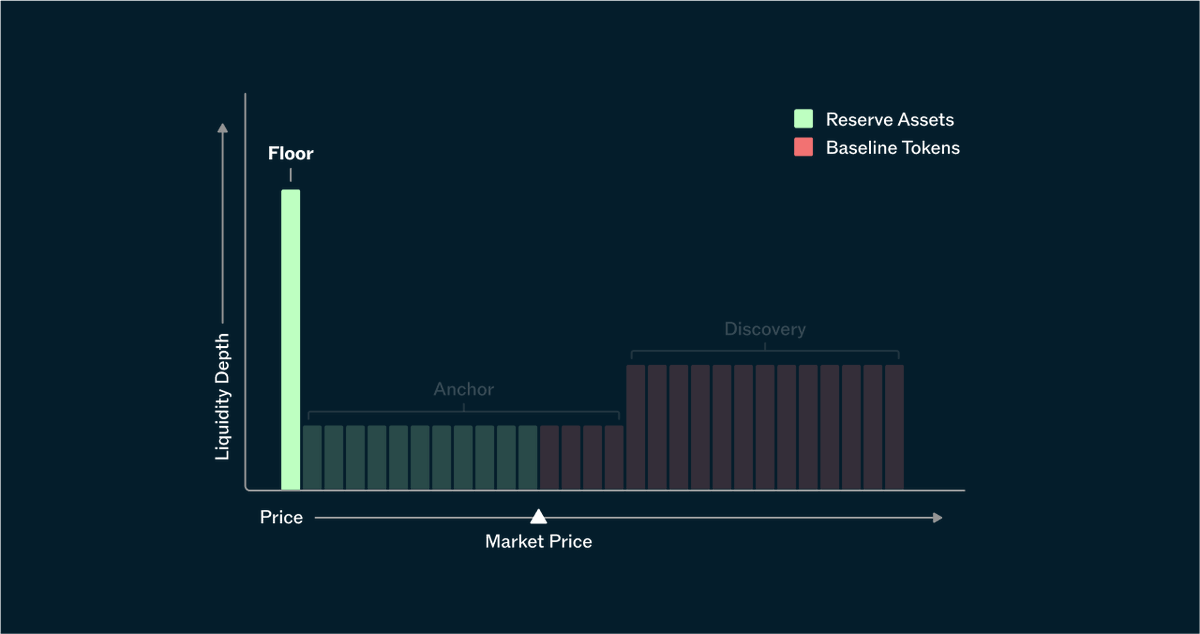
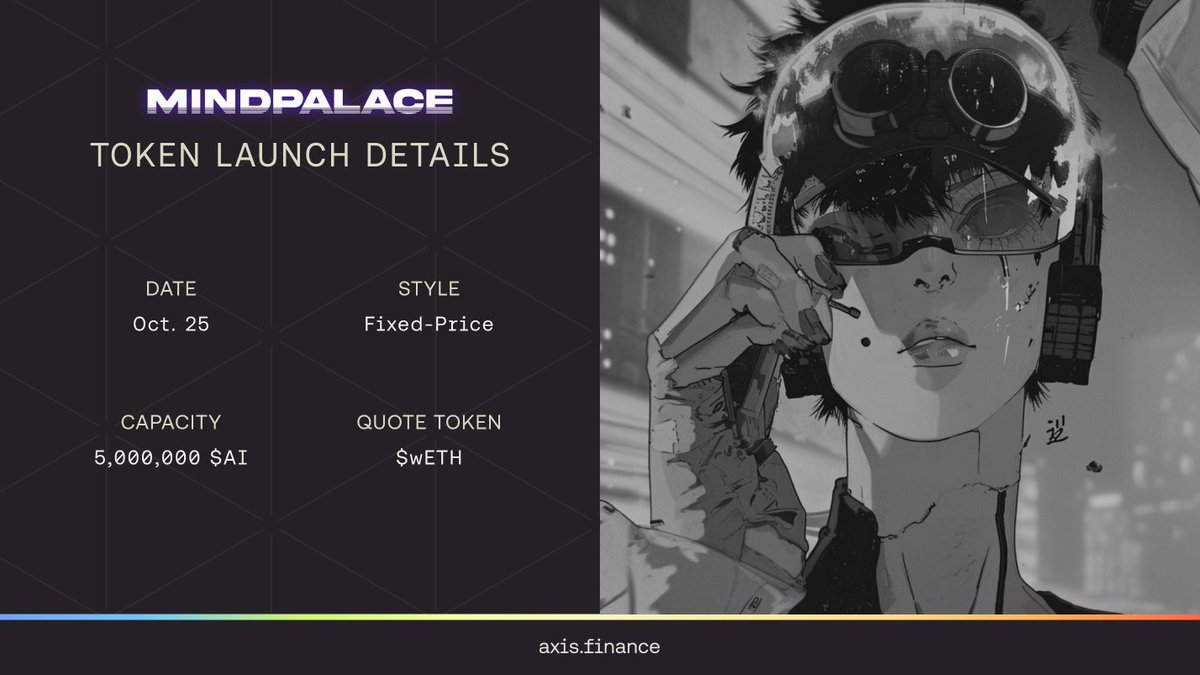
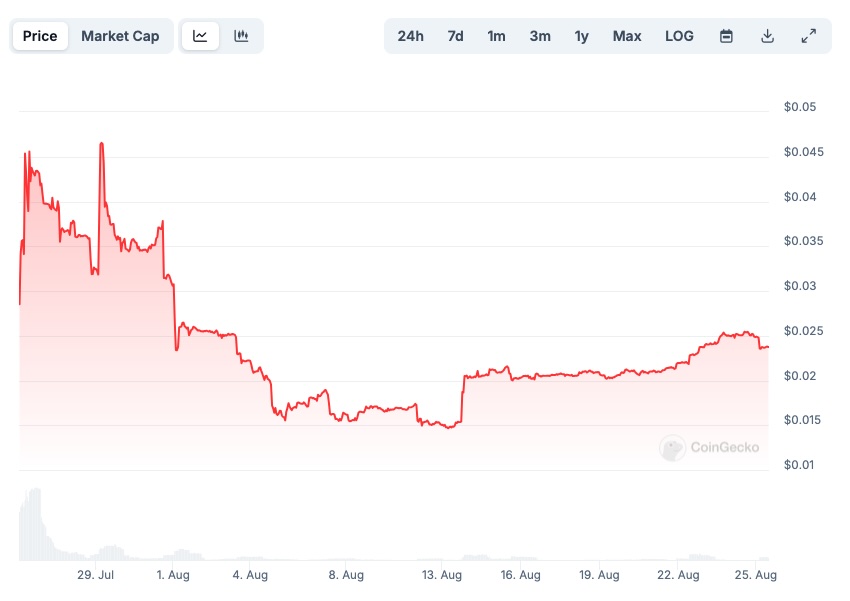
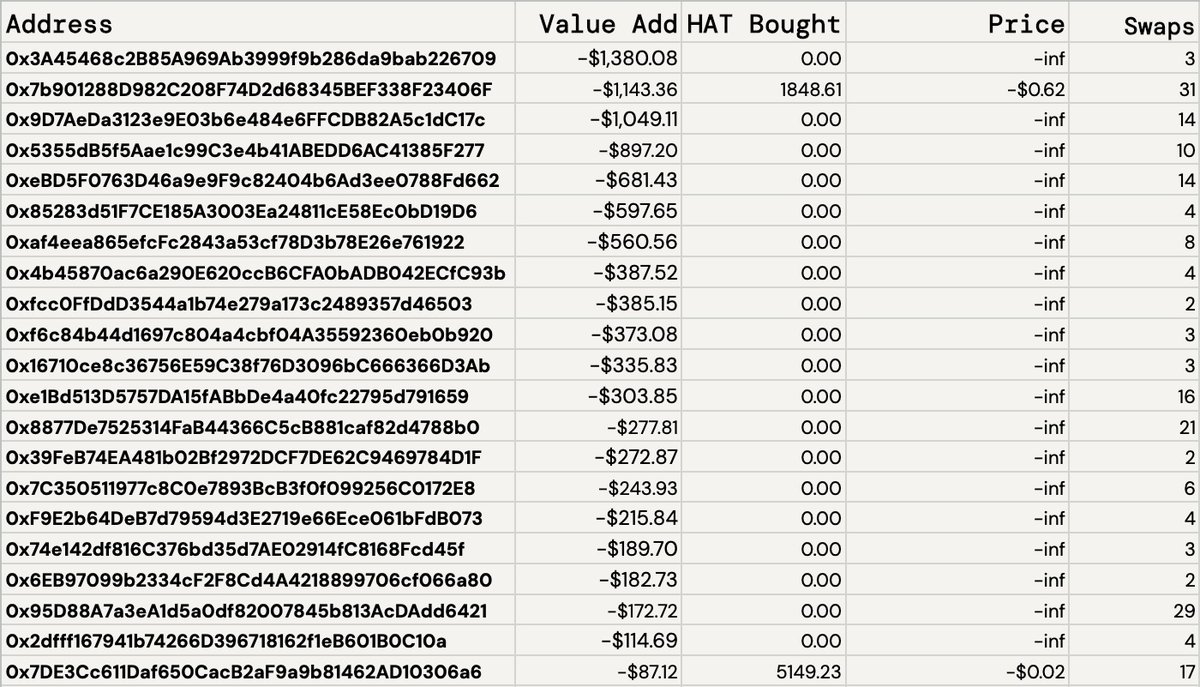

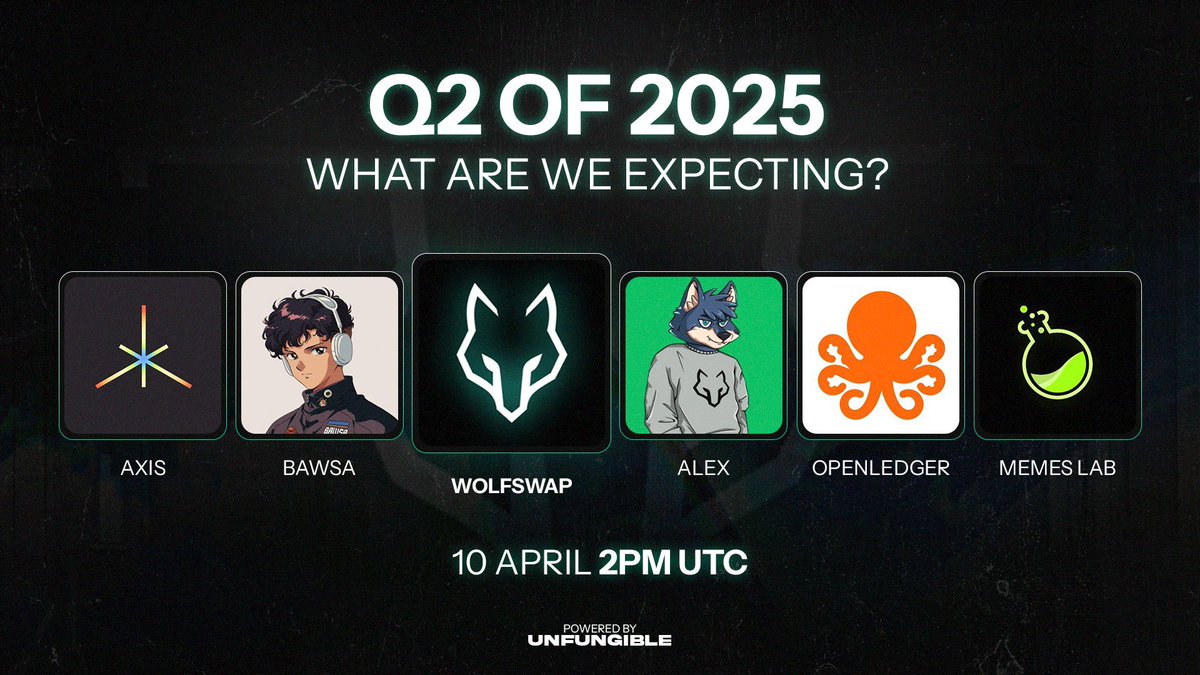
Tune in for a lively discussion about Q2 expectations and upcoming narratives
10 Apr 2025

Q2 OF 2025 ; WHAT ARE WE EXPECTING ?
🗓️ APRIL 10,
⏰ 2PM UTC
Join Us As We Dive Into This Discussion
Set your reminders below 👇
x.com/i/spaces/1YqxooZBpnyxv
2
805
Axis retweeted

14 Mar 2025
❌"Ramen's Price Discovery Mode only favors whales 😡"
For those who are unfamiliar, Ramen's Price Discovery Mode is powered by @axis_fi's Sealed Bid Auctions.
Essentially, token launches are ungated and uncapped, which means any participant can contribute any amount and submit a bid price they are willing to pay per token.
During a Price Discovery Sale, participants input their Bid Price, which represents the maximum price you're willing to pay for one token, which remains encrypted through the auction phase.
After the auction is concluded, the system decrypts all bids and sorts the bids based on bid price, from highest to lowest. The system then allocates tokens in that order, until all tokens are allocated.
The final bid to be filled establishes the settlement price.
All bids above the settlement price will be considered successful: you will pay the settlement price and get more tokens than you bidded for.
If your bid price is lower than the settlement price, you will get a refund instead.
Now, this is why I think Price Discovery Mode is fair and doesn't only favor whales.
1⃣ The mechanism sorts bids based on bid prices, not bid sizes.
This means that if a whale's bid is below the settlement price, they will not win allocation no matter their bid size.
2⃣ It is not in the whales' advantage to bid at an extremely high bid price just to win allocation.
In a mainnet environment, it is unlikely that a whale will bid a high bid price with an extremely huge size. In this scenario, the resultant settlement price will be closer to the whales' bid, which means that most participants will be excluded, and the whale now becomes exit liquidity as most successful bidders will almost certainly sell their tokens at the high FDV. The whale now becomes exit liquidity.
In most cases, persons with high capital backing would almost always get a better advantage by investing in private token rounds instead of the public sale.
3
10
1,000
AI agents need price discovery, fair access & liquidity. Axis Auctions deliver all three.
@MotherDAO is exploring our tech to build an open AI marketplace, where agents reach the right users at the right price—permissionlessly.
10 Mar 2025

7/ We're especially excited about @axis_fi's newly open-sourced codebase! Their commitment to decentralization aligns perfectly with our vision. Their auction technology, curator framework, and direct-to-liquidity features will revolutionize how AI agents find their perfect users. 👏🛠️
1
1
3
599
Axis retweeted

10 Mar 2025
1/ We're thrilled to officially announce our partnership with @Axis_fi! 🎯
Together we're revolutionizing how AI agents are distributed in web3, bringing fair, auction-driven distribution mechanisms to the Mother ecosystem. 🤖💰
Learn more 👇
2
8
15
988
This is the next step in our Open Auction Initiative – a push to make Axis fully open & community-owned.
We've already open-sourced:
🔹 Launchpad repo for fair auctions
🔹 Standalone repo for self-hosted launches
🔹 Subgraph repo for custom indexing
More to come soon 👀

The future of crypto auctions is open.
Today, we’re launching the Open Auction Initiative — making Axis more accessible, modular, and developer-friendly than ever.
Here’s what that means for builders 🧵👇
1
2
213
Something big is on the horizon.
We're laying the groundwork for permissionless token launches & next-gen liquidity strategies.
If you're building in DeFi – now's the time to get involved:
github.com/Axis-Fi/launchpad
1
149
Axis retweeted
26 Feb 2025
🌊 Mother's Upcoming Token Sale: Breaking the Mold
We're excited to announce our upcoming token launch in partnership with @Axis_Fi
Mint to get on the allowlist: [link in the next thread]
Here's why it's fundamentally different from what you've seen before:
🌱 True Decentralization: Unlike typical launches that prioritize VCs and insiders, we've designed a multi-phase approach with allowlists ensuring wide distribution and community participation.
💰 Zero Protocol Fees: Our partners at @Axis_Fi operate with 0% fees - the ethos we believe in for building sustainable infrastructure.
🌐 Community-First Design: From day one, we're putting our community at the center, with infrastructure built to support thousands of collaborative AI agents.
🧠 Governance-Ready: Our tokens are ERC20votes compatible from day one, allowing immediate participation in Mother's governance.
🔄 Transparent Mechanics: Every aspect of our sale is built on transparent, open-source contracts that anyone can verify.
This initial token sale is just a preview of what's coming in our main sale. It's not just another token sale - it's infrastructure for the future of collaborative AI agents. The first step in building a sustainable digital economy where value creation, not speculation, drives growth.
Join us as we redefine what a token sale can be. Details coming soon! ⏳
1
1
5
1,759
Axis retweeted
25 Feb 2025
As we prepare for our alpha sale with the support of @Axis_Finance, we're reflecting on how far web3 fundraising has evolved:
2017: ICOs prioritized insider access and hype over fundamentals 🎪
2021: Meme coins turned tokens into lottery tickets 🎰
2023: Fair launches improved distribution but lacked infrastructure 🏗️
2025: **Mother introduces purpose-driven tokenomics** 🌱
Our approach combines:
- Transparent, zero-fee infrastructure via @Axis_Finance ✅
- Community-first distribution through verified allowlists 👥
- Governance-ready tokens (ERC20votes compatible) 🗳️
- Open-source, verifiable smart contracts 🔍
- A token that powers real utility in the AI agent ecosystem 🤖
This alpha sale represents more than funding—it's the foundation for a network where thousands of AI agents will collaborate, create value, and build the next generation of digital infrastructure.
Join us in this evolution from speculation to sustainable value creation. Our early token sale begins soon 🚀 Mint to join the allowlist: [link below]
32
49
69
2,162

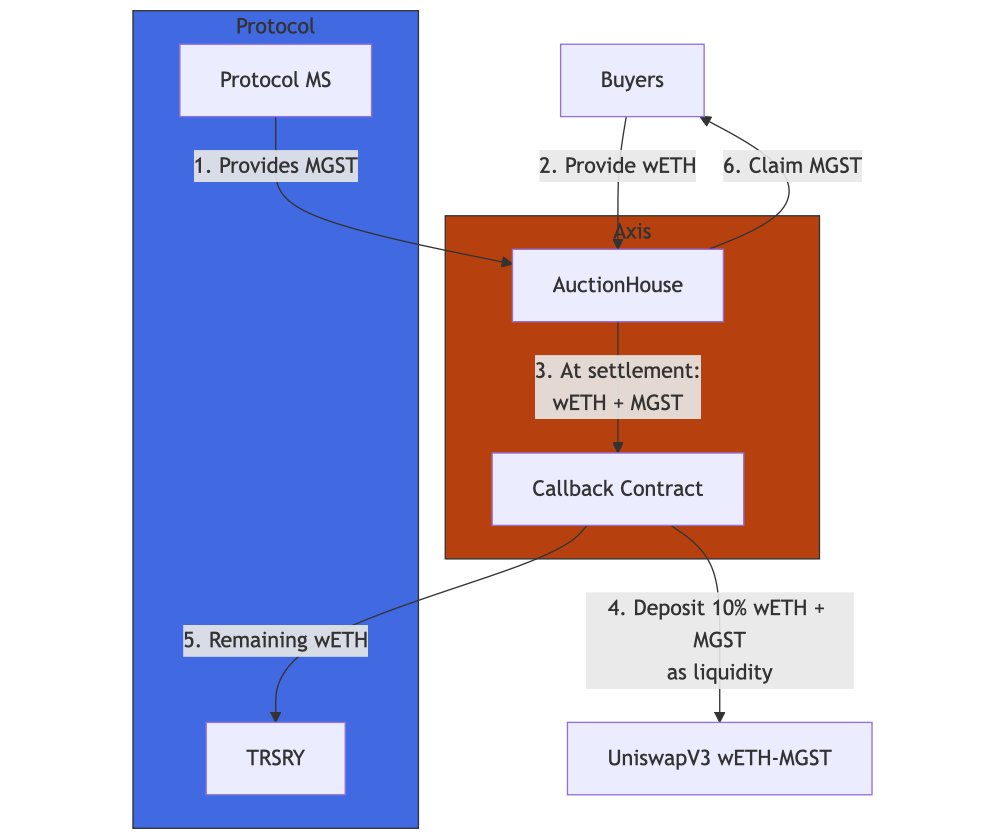
First, the bootstrapping event. We'll be launching a fixed price sale, powered by @axis_fi, to build the initial treasury of ETH. At the end of the sale period, successful buyers will receive the MGST token. The Axis DTL callback contract will also automatically seed a Uniswap V3 pool with 10% of the proceeds.
What does that MGST token represent? It's proportional exposure to MegaStrategy's onchain treasury. MGST will also be the governance token for the protocol as we progressively decentralise it.
2
1
1
345
We just open-sourced the Axis Subgraph repo – allowing anyone to run their own data indexing services.
github.com/Axis-Fi/subgraph
Next stop: migrating to @graphprotocol for even more decentralization.
1
2
244
This is one of many steps we’re taking to make Axis more open, modular, and permissionless.
Learn more about the Open Auction Initiative and what’s next for us:
The future of crypto auctions is open.
Today, we’re launching the Open Auction Initiative — making Axis more accessible, modular, and developer-friendly than ever.
Here’s what that means for builders 🧵👇
219
We're thrilled to power Mother's upcoming token launch!
AI needs credible, decentralized infrastructure – and that's exactly what @motherdao_ai is building.
Their vision aligns perfectly with our programmatic launch tech for transparent, fair token distribution.
13 Feb 2025
Mother is building the coordination layer for the agentic economy - a decentralized ecosystem where AI agents get verified and collaborate to solve humanity's hardest problems 🌎
👉Mint our latest article to join the allowlist for our upcoming token sale [Link in the next thread]
Mother represents a transformative approach to decentralized AI commerce. By seamlessly integrating:
1. advanced cryptographic identity
2. dynamic reputation systems
3. robust economic incentives
4. decentralized governance
The platform lays the foundation for a scalable, secure, and sustainable digital ecosystem.
Through our three-layer infrastructure, we're enabling decentralized public infrastructure for agentic commerce:
🔎 Registry Layer: Agent identity & credibility via on-chain verification
🌐 Network Layer: Real-time knowledge sharing & dynamic swarm formation
🖱️ Interface Layer: One-click deployment & automated coordination
We're not just building technology - we're creating an ecosystem where AI agents and their builders truly thrive through:
- Verified capabilities
- Collaborative intelligence
- Shared resources
- Sustainable growth
Backed by industry leaders:
@gaianet_ai @collabland @litprotocol @eigencloud @0xOthentic @0xIntuition @storachanetwork @textileio @smoodle_ai @0xEpochProtocol @Nevermined_io @CoUnity_ @hedgeyfinance @axis_finance @EmberAGI
A new vision for AI is emerging. The time has come for collaboration, for purpose, for growth that nurtures rather than extracts.
Through Mother, a new era of collective intelligence begins. 🌱
1
3
10
955
We’re also expanding the Axis SDK, giving developers powerful tools to:
⚡ Deploy & configure auctions
⚡ Plug into bid submission flows
⚡ Customize auction mechanisms to fit different token models
github.com/Axis-Fi/ui-libs
1
1
2
272
The Open Auction Initiative is just the beginning.
We’re making Axis the best auction protocol in crypto — modular, permissionless, and ready for builders.
Start building with Axis today:
axis.finance/blog/open-aucti…
1
1
171