
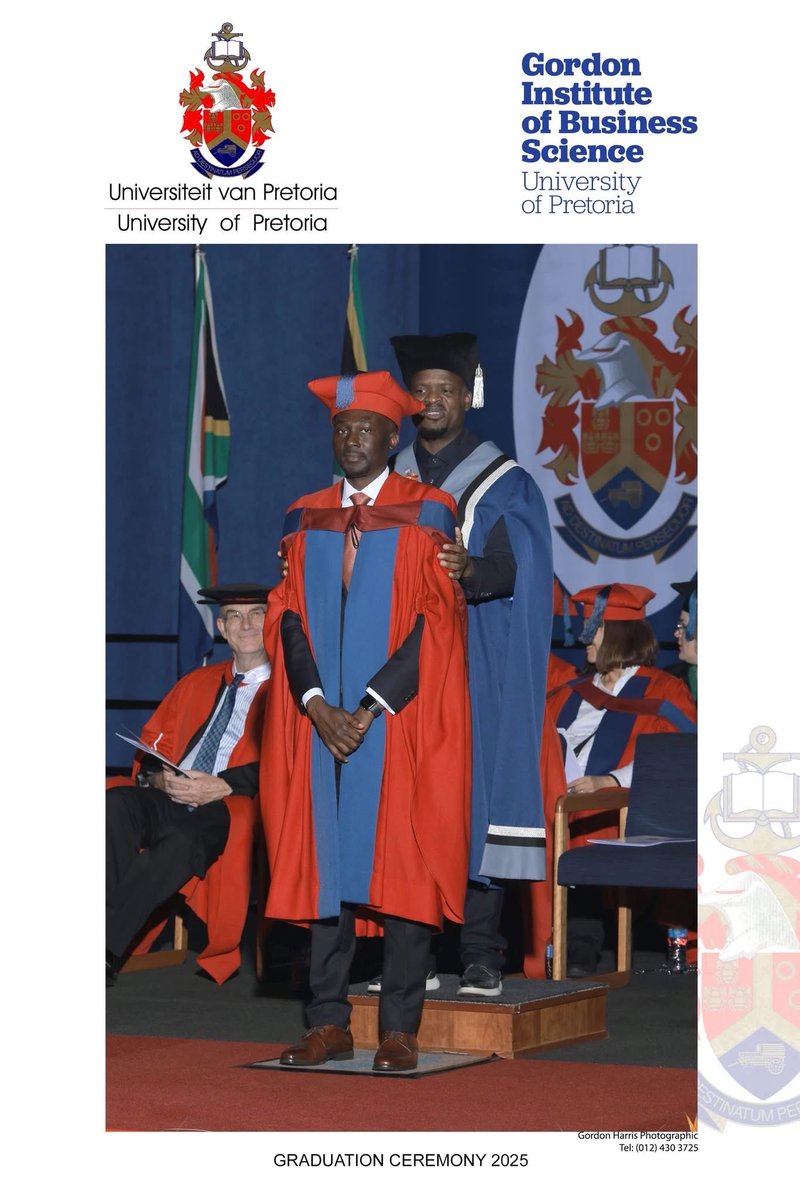
Telco. Fintech. Digital Transformation. Researcher. Consultant. Lecturer. Husband of a fine lady and Dad to cute babes. PhD (GIBS, University of Pretoria)
Joined March 2009
- Tweets 30,041
- Following 1,160
- Followers 4,621
- Likes 16,416
927 Photos and videos
Pinned Tweet

14 Aug 2021
Problems are usually systemic and require digging deep for a sustainable solution. A short thread of how I learned to approach problems in a different way.
I will give some examples from work, study and an interview.
#SystemsThinking
47
327
694
Jun 14
I think they regret inviting Daddy Freeze to that service of songs cos why are you releasing videos about everything you don’t like about the event.
Who do people behave like this?
Rebelling even about a simple dress code.
SMH. 🤦🏾♂️
2
207
Jun 13
Valuations are just financial games most times.
If you can, play too by getting in early, and know when to exit.
We all know that the company will never make revenue close to the future projections driving the valuation.
Unless earth ends and Mars becomes a real alternative…
90
Jun 13
Such a nonsense take.
SMH
Jun 13

Dangote is a poor man where Elon musk stands.
Your starting point might be another man’s finish line.
1
119
Jun 13
Lmao …
Btw this didn’t happen in South Africa in 2010 …

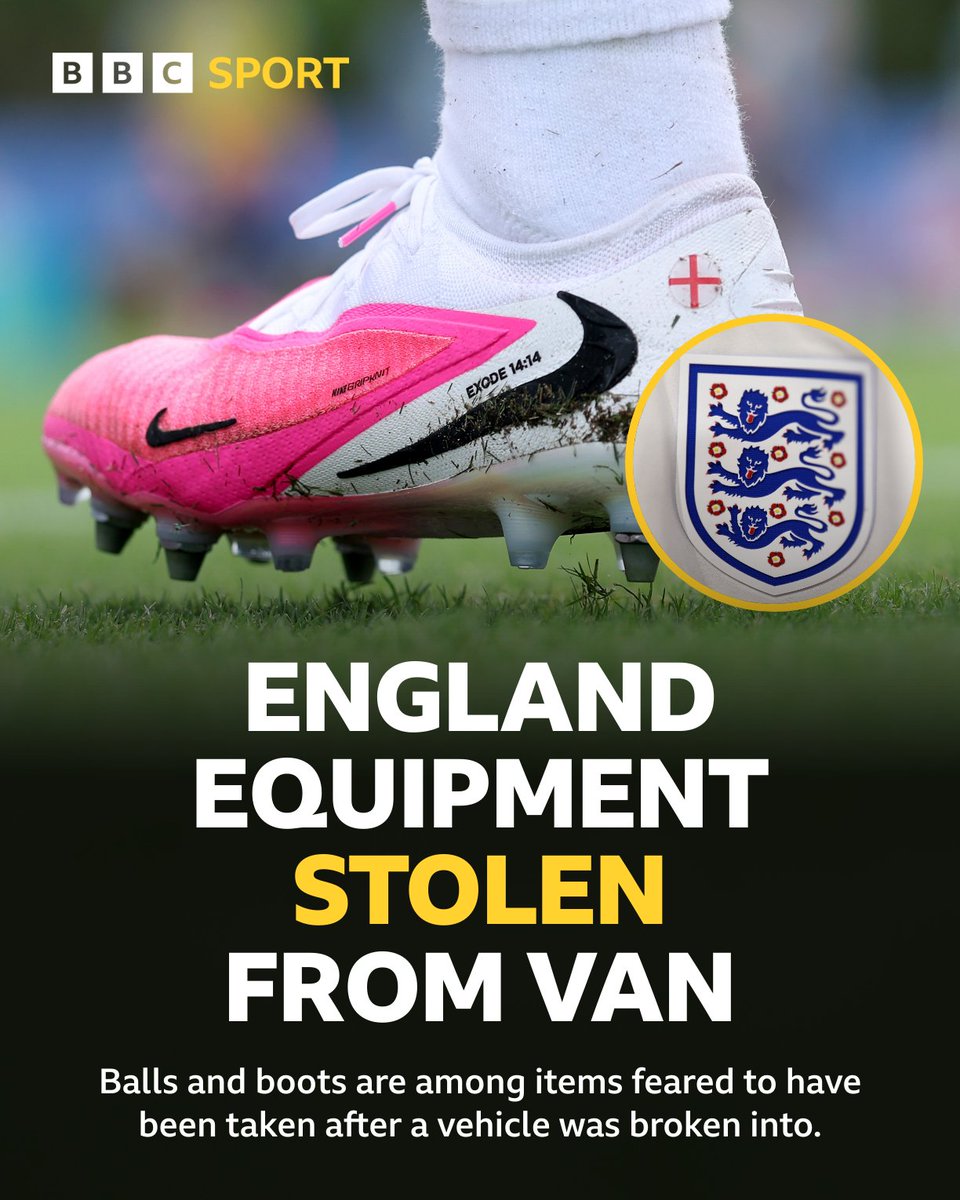
England have been victims of a theft of their training equipment, after vehicles transferring kit to their Kansas City training base were broken into.
68
Jun 13
You can’t be a minister and not understand that diplomatic passports are not only for diplomats.
Very concerning. But well …..
Jun 13

🔴 "From the information that we got, is that this referee traveled on a diplomatic passport.....he's NOT a diplomat, let's start there. Even if I was President, I would NOT have allowed him in." 🔴
~@GaytonMcK on the saga of Somalian referee, Omar Artan, 34, who was due to be the first referee from Somalia to officiate a World Cup but ended up being sent back home.
#MSWOn947
84
Jun 13
Lessons will be learned again about building your own national technology capabilities ….
Jun 13

The US government, citing national security authorities, has issued an export control directive to suspend all access to Fable 5 and Mythos 5 by any foreign national, whether inside or outside the United States, including foreign national Anthropic employees.
The net effect of this order is that we must abruptly disable Fable 5 and Mythos 5 for all our customers to ensure compliance.
Access to all other Claude models is not affected.
We apologize for this disruption to our customers. We believe this is a misunderstanding and are working to restore access as soon as possible.
Read our full statement: anthropic.com/news/fable-myt…
1
135
Jun 12
The @Uber_RSA should go through the comments.
If true, that is such a sad way to profile.
Wow …
Jun 12

Is this really true guys?
157
Jun 12
When I watch these clips, I see people who are tone-deaf with a high spirt of anyhowness.
You are applying for asylum for what reason?
And you are back in the country you ran from, praising it.
Is it that people don’t know the meaning of asylum?
1
1
275
Jun 11
This is on Mr Broos.
Formation is suspect.
Bafana is traditionally a midfield team.
This one he played a thin midfield.
Sithole was shaky, maybe he shouldn’t have started.
Even the long balls didn’t work well.
On to the next match ….
146
Ayobami Oladejo retweeted

Jun 11
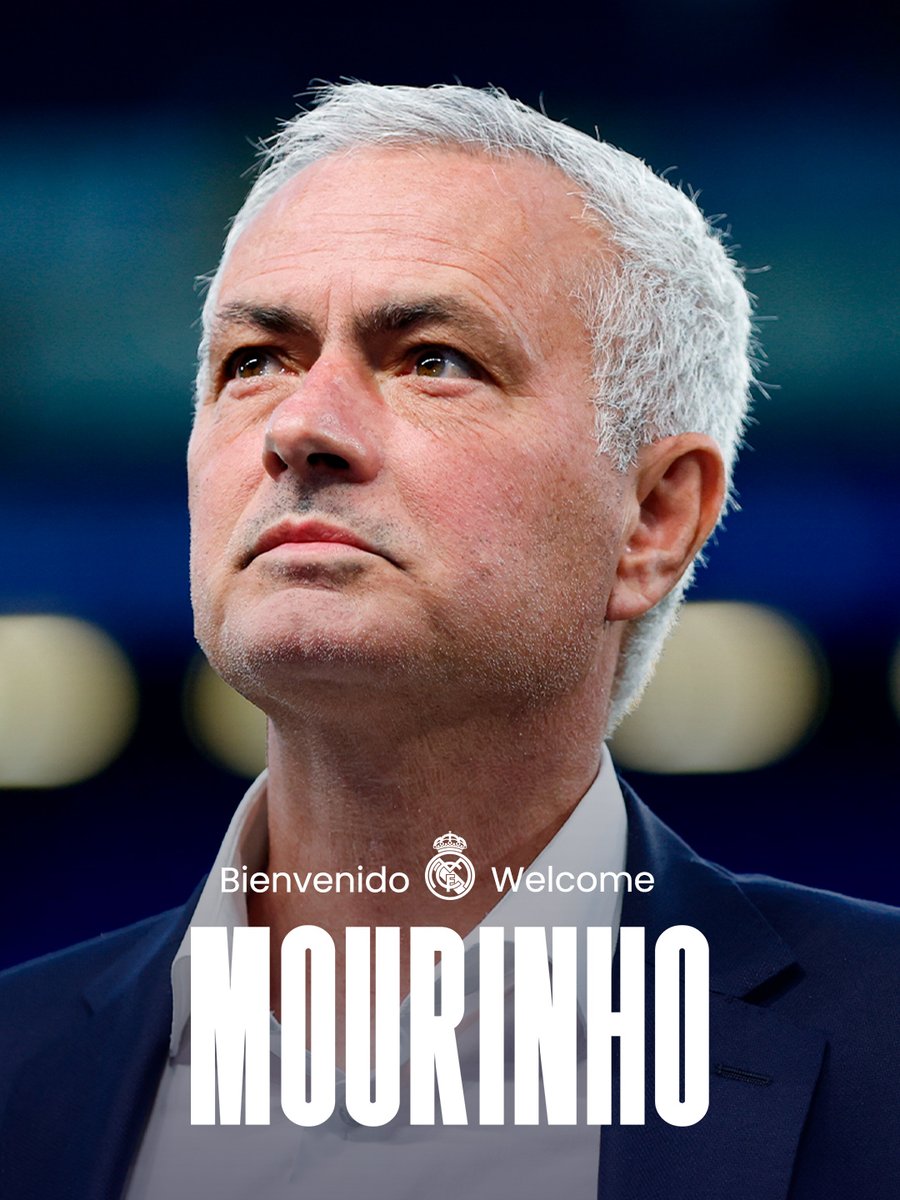
👋 ¡Bienvenido, Mourinho! 👋
7,436
63,332
529,875
15,096,888
Jun 11
You can’t hate watch South Africa knowing that our SouthGerian boy Ime Okon is starting for Bafana today
😊😊😊😊
Don’t hate on us please ….
1
1
88
Jun 11
So we can conclude that Shakira is to the World Cup what Mariah Carey is to Christmas …..
1
247
Jun 11
I was afraid they may end him ….
Jun 11

In January 2022, Chidi Okafor found a file he was never supposed to see.
He was a Senior Internal Auditor at Pinnacle Financial Services — one of Lagos’s fastest-growing microfinance institutions.
The file was mislabelled.
He opened it by mistake.
He wished, many times in the years that followed, that he hadn’t.
1
2
1,129
Ayobami Oladejo retweeted

Jun 10
I’ve just finished watching this BBC report, and it really broke my heart. I wish our African leaders would sit down and resolve these issues diplomatically. I also wish our leaders would take the time to fully understand what is actually happening on the ground before reacting.
I do not think it is fair to suggest that the South African government has remained silent or failed to condemn the actions of the small number of individuals who have harassed or intimidated people. There is often much more happening behind the scenes than what appears in media reports.
I therefore appeal to African governments to engage through their embassies, diplomatic channels, and direct communication with Pretoria. We must be careful not to make decisions based purely on emotions or media headlines in ways that could undermine African unity.
I live in South Africa, and my experience is that news coverage can sometimes create the impression that a situation is far bigger or more widespread than it actually is.
That is why, some months ago, I cautioned the South African media against giving excessive airtime to fringe groups whose actions tarnish the image of South Africa both continentally and internationally.
As journalists, we have a responsibility to report the news accurately, but we must also be careful not to amplify individuals who are deliberately performing for the cameras or seeking publicity through inflammatory statements and actions.
My plea is simple, let African leaders engage one another calmly, honestly, and diplomatically. Africa’s challenges will not be solved through megaphone diplomacy or emotional reactions.
They will be solved through dialogue, mutual respect, and a shared commitment to preserving the unity of our continent.
There are people who are benefiting from what is going on, and I have no doubt that some of them will sleep very well tonight after watching this report.
Let us be honest, South Africa has an immigration crisis, and pretending otherwise helps no one. It is a real issue that cannot simply be swept under the carpet. However, we must also be honest about a second reality, there are elements within South African society that are exploiting this immigration crisis, as well as the country’s economic challenges and unemployment, for political and populist purposes.
What should be a serious discussion about immigration policy, border management, economic growth, and job creation is, in some instances, being turned into a vehicle for political mobilisation and the pursuit of narrow agendas.
That is why I appeal to African governments to look beyond the headlines and seek to understand what is happening in the background. There are forces taking advantage of a genuine problem and manipulating public frustration for their own ends.
As Africans, we have a responsibility to approach these issues with honesty and maturity. The first step is to acknowledge that South Africa has an immigration challenge. The second is to recognise that some political and social actors are exploiting that challenge for reasons that have little to do with finding real solutions.
If we fail to understand both realities at the same time, we risk misdiagnosing the problem and deepening divisions at a time when Africa needs unity, dialogue, and practical solutions.
132
89
288
66,407
Jun 9
Football used to be a tool for true peace. Countries may be at war but we become brethren on the pitch.
This particular World Cup is too political.
Even Russia managed to deflect people from the politics when they hosted.
Anyways, good luck to all involved.
3
4
230
Jun 5
The sad part is that Finidi was a world class winger. Champions league winner. Starter for the best club in their area.
Na wa ...
10 Jun 2024

The moment Super Eagles Coach Finidi George dragging Pepe jersey with Moses Simon after losing a match.
1
128