
602 Photos and videos






Pinned Tweet

26 Dec 2019
"اللهم لا تقبض روحي إلا وأنت راضٍ عني، اللهم أحسن خاتمتي واغفر لي وسخر لي من يدعو لي بعد مماتي واجعل سيرتي حسنة".
61
265
يعقوب الحربي retweeted

May 27
نشكر المولى عز وجل أن شرّفنا بخدمة الحرمين الشريفين، ورعاية حجاج بيته الحرام، سائلين الله أن يتقبل من الحجاج حجهم ونسكهم وطاعاتهم.
ومع حلول عيد الأضحى المبارك، نهنئ شعبنا في هذا الوطن المبارك وأمتنا الإسلامية بهذه المناسبة، وندعوه سبحانه أن يجعله عيد خير وسلام واستقرار على أمتنا والعالم أجمع.
وكل عام وأنتم بخير.
16,236
109,615
148,070
34,205,129
يعقوب الحربي retweeted

May 22
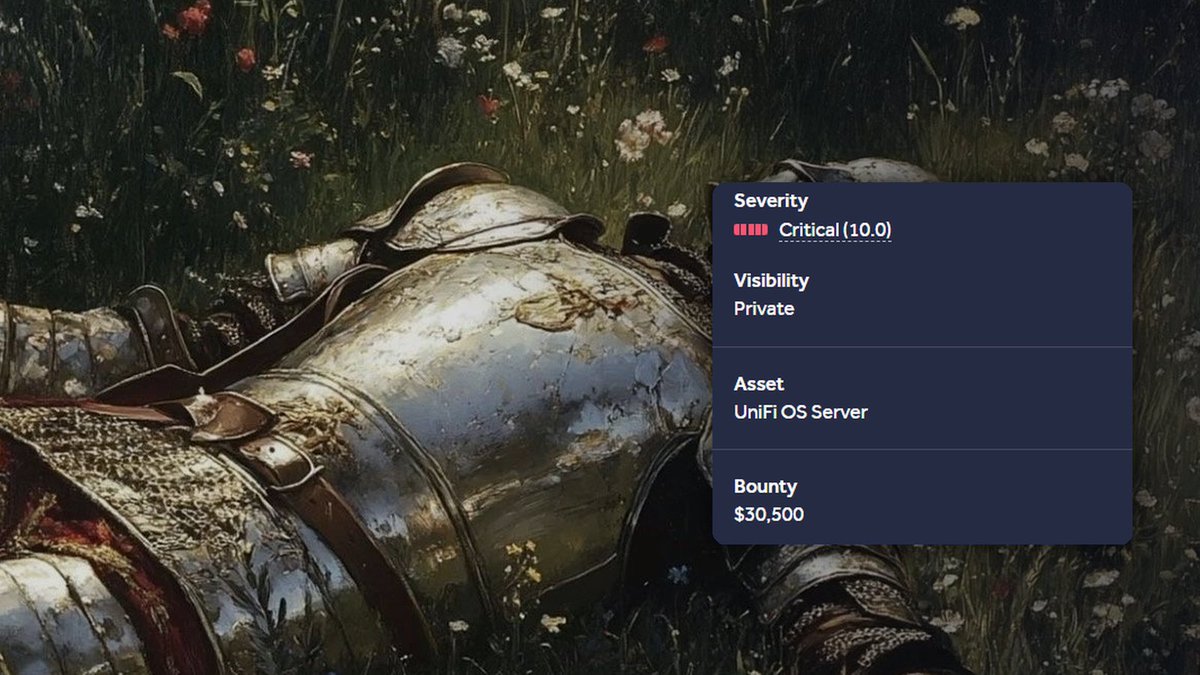
Update Unifi OS guys 🚨 CVE-2026-34909
This one is special.
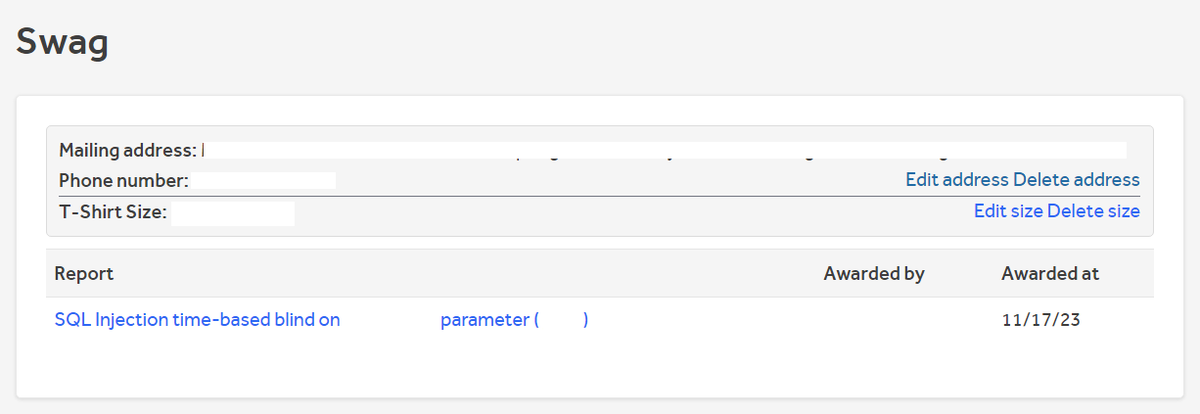
I received my highest bounty so far: $30,500 for a Critical CVSS 10.0 vulnerability in UniFi OS Servers.
الثغرة حرجة ,الـ write-up راح ننزله قريبًا على @CatchifySA
بإذن الله 🔥
Advisory: community.ui.com/releases/Se…
27
39
351
32,937

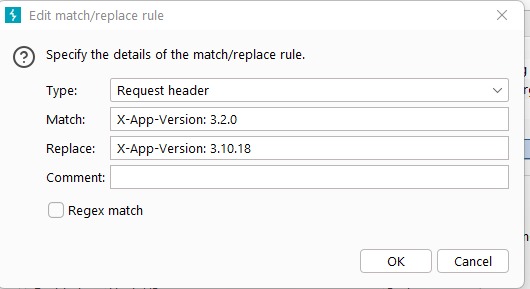
Replaced @Burp_Suite splash screen with a custom design.
Found the PNG inside the binary using a hex editor, generated new artwork with @ChatGPTapp, patched it in.
Guide and prompt:
bugbounty.zip/Share/burp-spl…
#AIArt #DigitalArt
10
26
233
19,215
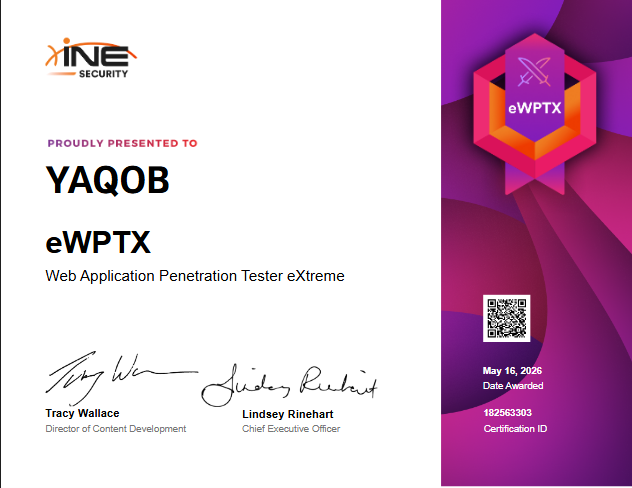
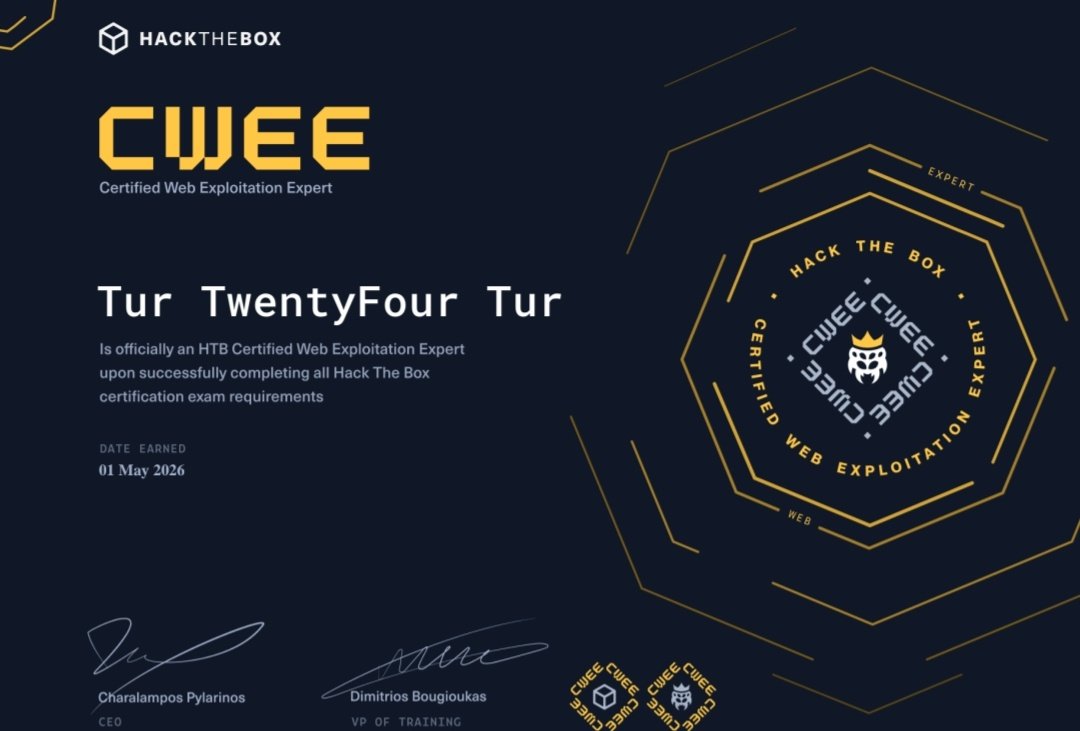
Today, May 1st 2026, I received confirmation from @hackthebox_eu that I've successfully passed the HTB Certified Web Exploitation Expert (CWEE) exam with a perfect score of 100/100.
As a bug bounty hunter, the web exploitation skills were already there. What this path really added was depth in whitebox testing, source code review, and application debugging.
Capturing all the flags is not enough to pass. You need to invest real effort into the report. I wrote mine as if it was being delivered to a real client, every vulnerability detailed with clear description, impact, reproduction steps, evidence, and actionable remediation.
#CWEE #HackTheBox #HTB
26
6
251
9,439
يعقوب الحربي retweeted

Mar 16
42
44
439
40,665
يعقوب الحربي retweeted

Apr 19
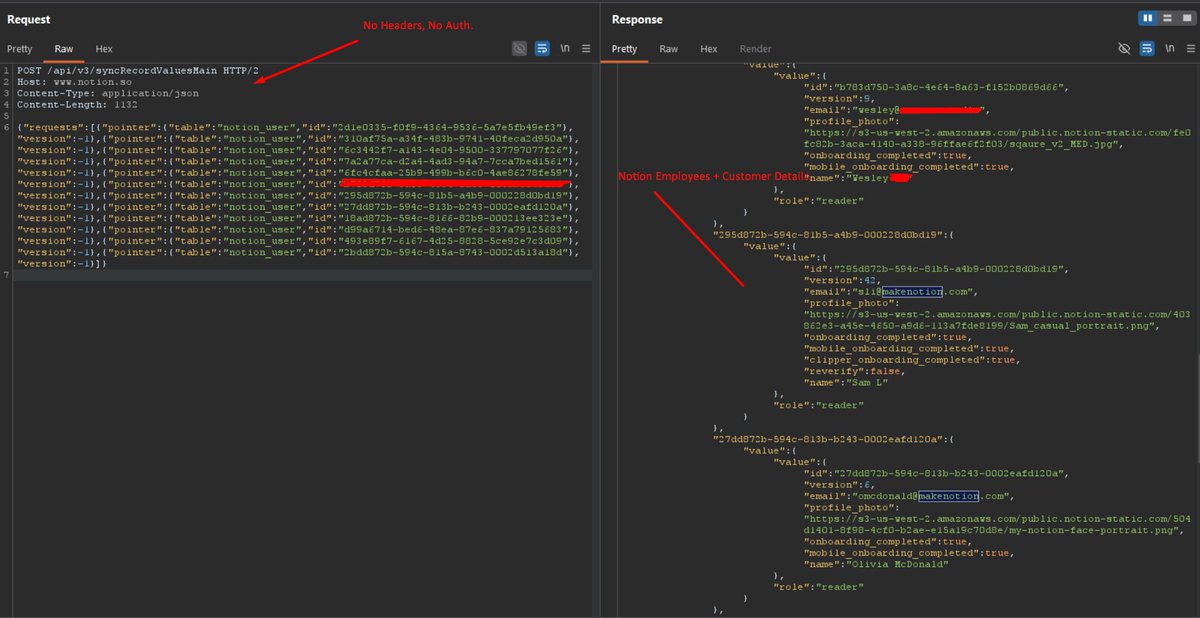
every public Notion page is leaking the email addresses of everyone who edited it.
zero authentication. no cookies. no tokens. one POST request returns full names, emails, and profile photos for every editor on the page.
your company wiki is public? every employee's email is exposed. right now.
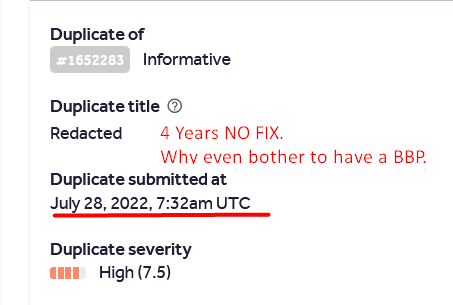
reported in 2022. still works in 2026. like what is the point of even having a BBP
thread
67
241
3,235
435,316
Mar 19
تقبل الله منا ومنكم صالح الأعمالل، عيدكم مبارك، وكل عام وانتم بخير 🤍
2
8
1,064

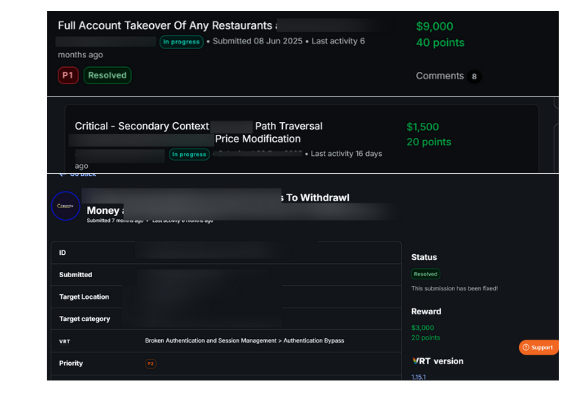
كيف قدرت اكتشف ثغرات حرجة في اكبر شركة توصيل للطعام؟ فوق ال 20,000$
1- اختراق فوق ال380K الف مطعم
2- GraphQL Path Traversal Led to Modify Menu Price
3- سحب ارباح اي سائق في الشركه
حياكم الله ان شاء الله تستفيدون.
عند التعامل مع تارقت ضخم، اكبر خطأ هو انك تبدا مباشرة بالfuzzing او الريكون الغير مفهوم بدون فهم المنظومة. أول ما ركزت عليه هو اني افهم الـ Business Logic، لأن كثير من الثغرات الحرجة في المنتجات الكبيرة تكون منطقية اكثر.
الشركة عندها اكثر من نوع مستخدم: عميل يطلب (Customer)، سائق يوصل (Couriers)، مطعم يستقبل (Restaurant).
كل طرف له موقع وتطبيق خاص وAPIs مختلفه. عادة هذا يعني ان النظام معقد، ومع التعقيد تزيد الثغرات, وهذي افضل فرصة بالنسبة لك كبق هنتر انك تستعملهم كلهم عشان تطلع ثغره وهذا اللي صار.
-1 Stealing Money Allowing Withdrawal Of Couriers To Attacker. $3,000
زي ماهو واضح بالعنوان قدرت اني استغل الثغرة هذي بحيث ان فلوس سواق الشركه تتحول للبطاقتي.
بالبدايه بيجيكم تساؤل كيف قدرت القاها, للسواقين الشركه لهم تطبيق كامل قدرت اني ادخل على حسابي الي سويته وانا اتصفح التطبيق شفت شي غريب!
لفت انتباهي وجود ميزة مالية حساسة: “Fast Cash”. الفكرة بسيطة السائق يقدر يسحب أرباحه مباشرة على بطاقته بدل ما ينتظر التحويل المعتاد.
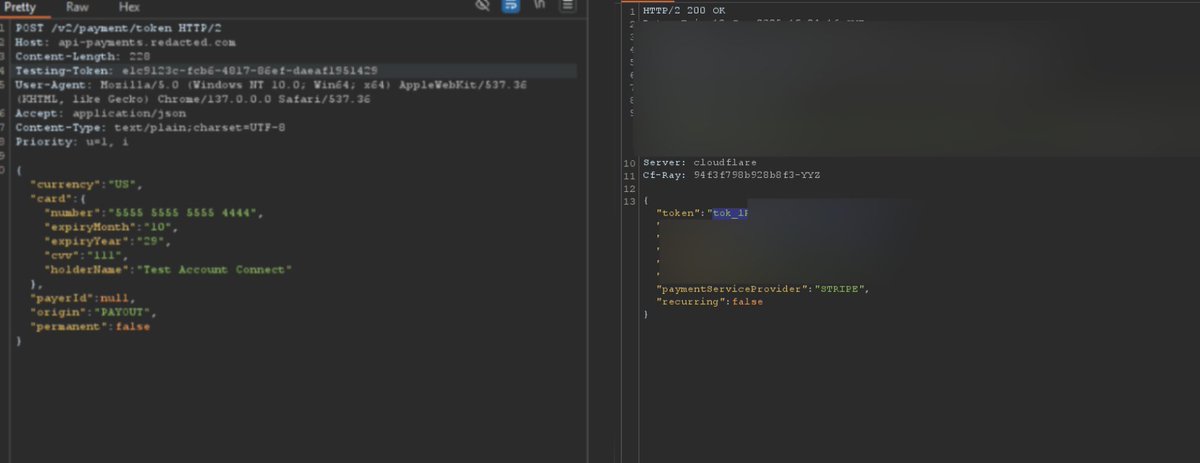
في اول ريكويست حاولت اسوي setup للمعلومات بطاقه بعدين جاني API غريب مربوط مع Stripe
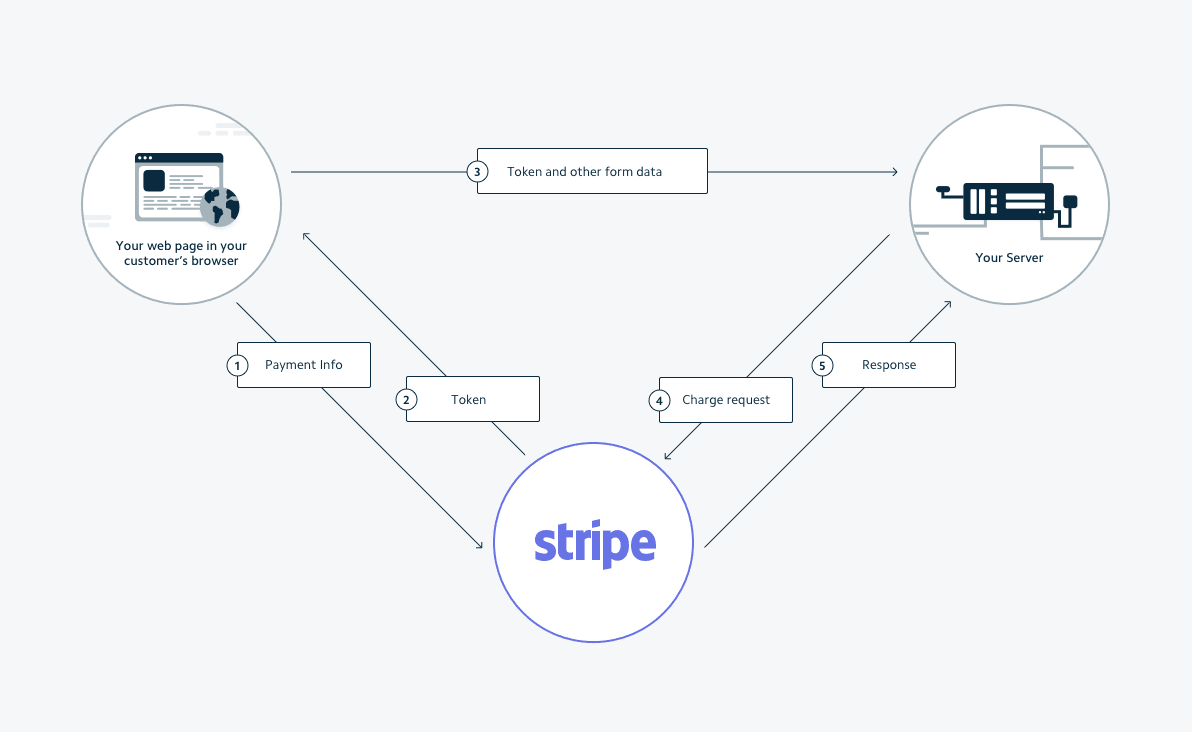
عشان توضح الصوره Stripe يسوي Tokenize للبطايق للشركه هذي ويحفظها بسيرفر خاص ويعطي بطاقتك unique ID بحيث انها تكون محميه وهذا دايقرام بسيط يشرح الي يصير
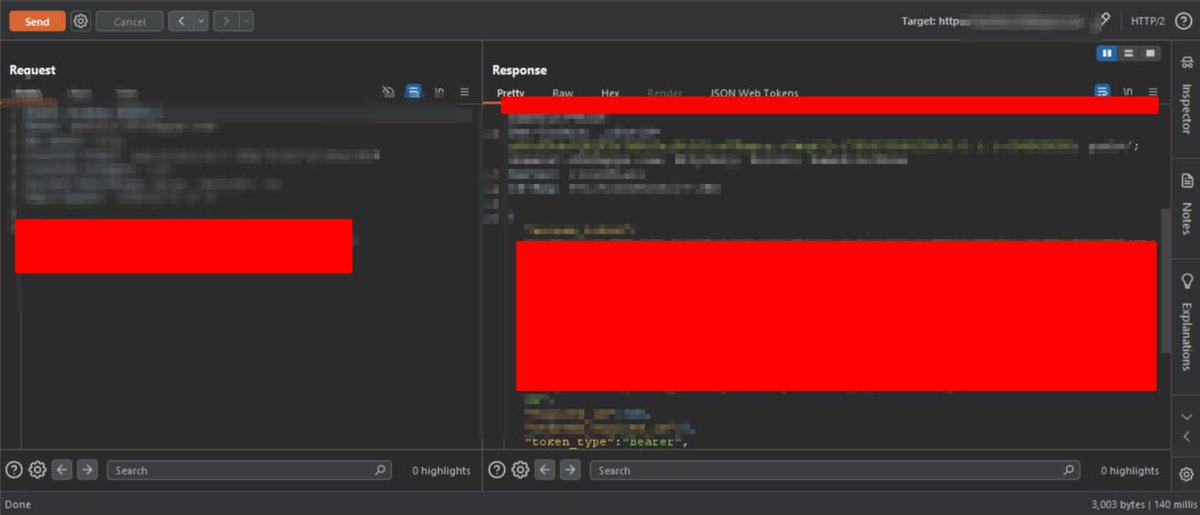
زي ماهو موضح بالريسبونس عطانا توكن ايدي بناء على البطاقه طيب لو مشينا على الفلو حق التطبيق بنلاحظ الريكويست الثاني غريب جدا.

58
90
833
78,061
يعقوب الحربي retweeted

5 Dec 2025
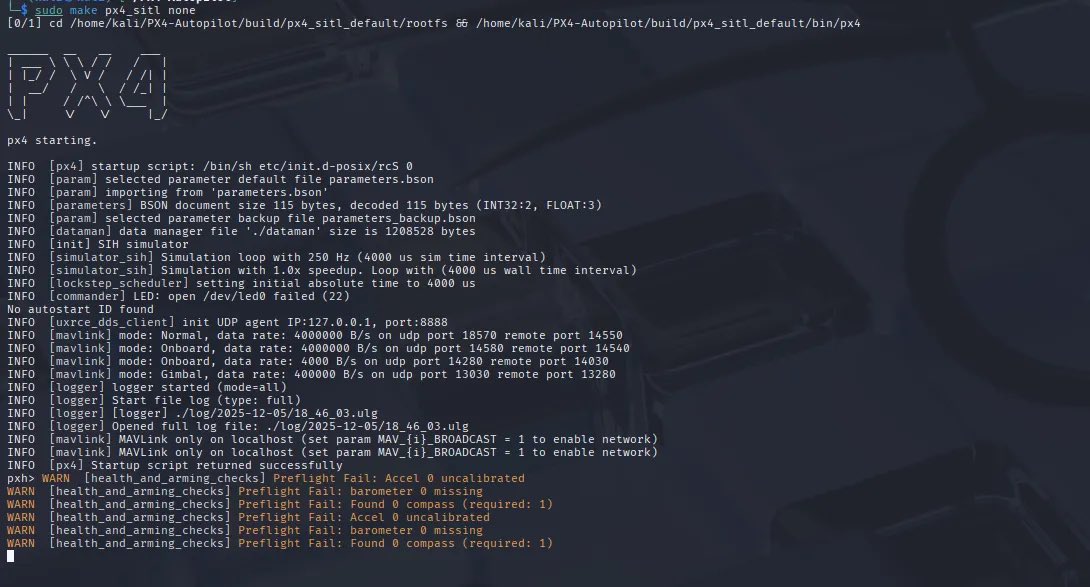
خضت تجربة مثيرة في مختبري الافتراضي: نفّذت هجمات محاكاة على طائراتٍ درونز داخل بيئة PX4 SITL — كل شيء داخل جهازي، بدون أي تأثير حقيقي أو بث لاسلكي.
لو عندك فضول تعرف أكثر عن الطريقة اللي طبّقتها أو نتائج التجربة بطريقة مبسطة، اقراء المقالة!
medium.com/@z2.p/breaking-th…
5
9
77
8,377
يعقوب الحربي retweeted

19 Nov 2025
🛑 كيف اخترقت نظام نقاط الولاء في شركة اتصالات وحصلت على رصيد مجاني مكافأة 41k 💰 🛑
السلام عليكم حياكم الله جميعًا
في مقالة اليوم راح اتكلم عن ثغرة لقيتها في احد جهات الاتصالات واللي الحمدلله بسببها حصلت على وحده من اعلى المكافآت بمبلغ 41 الف ريال.
—————————
بالبدايه هذا الابلكيشن كان عبارة عن موبايل ابلكيشن تابع لأحد اكبر جهات الاتصالات من خلاله تقدر تدير رقمك وفيه قسم مثل المتجر ومزايا ثانيه فا كان كبير نوعًا ما، وكانت حماية الابلكيشن لابأس بها والابلكيشن انفحص عدة مرات فا كنت متاكد موضوع انك تلقى ثغرة بسهولة صعب…
طبعاً كان فيه نسختين من الابلكيشن IOS/Android، فا بديت بال IOS وكانت من ضمن الحمايات فيه encryption لل request body على بعض النفكشنز فا كان عشان تعدل على قيم الباراميترز يتطلب منك تفك التشفير اول، فا تركتها على جنب وبديت بفهم الابلكيشن وكيف تشتغل الفنكشنز داخله.
بعد مافهمته زين بديت افحصه، طبعًا بحكم حجم الابلكيشن جلست قرابة الشهر بشكل شبه يومي افحصه، وطلعت كم ثغرة في اكثر من فنكشن ولكن فيه وحده من الفنكشنز شدتني اكثر واللي هي نقاط الولاء
بحكم انه ابلكيشن لجهة اتصالات، فا كانت احد المزايا الموجوده داخله هي نقاط الولاء الي من خلالها تقدر تشتري اجهزة/بطاقات …الخ، فا قررت اني اتعمق بفحص هذا الميزة، فا كانت احد الخيارات انك تقدر تشتري نقاط ولاء عن طريق انك تدفع مبلغ ويتحول هذا المبلغ الى نقاط ولاء بالتطبيق، طريقة عملها كانت كالتالي:
١- يطلب منك تكتب كم تبي تشحن نقطة ولاء
٢- بعدها يسوي عملية حسابية عشان يطلع السعر بحيث مثلا لو كتبت 100 نقطة راح تدفع 90 ريال.
٣- يحولك على صفحة الدفع، وبعد الدفع تنضاف لك النقاط لحسابك.
جربت تكنيكات كثير ولكن المبرمج كان حاسب حسابه ولا ضبط اي شي، ولكن فيه تكنيك رهيب واللي هو
E notation bypass
ولا اتوقع انه قد مر على الكثير لان نادر يصير، فا خلني ابسطه لك بشكل بسيط:
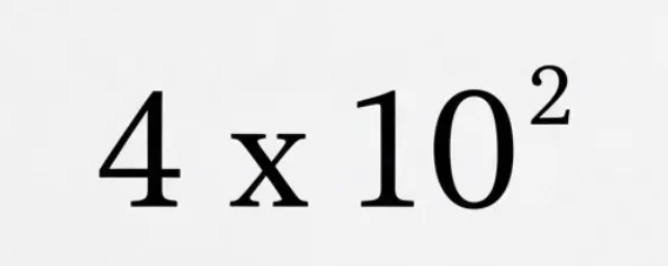
طبعا ال e notation هو مصطلح بالرياضيات (لاتسكب معليك مب كلاس كالك)، عشان تتضح فكرته لنفرض عندنا القيمة هذي:
كيف ممكن نكتبها بطريقة ثانية ولكن بدون علامة الضرب؟
هنا يجي دور ال E notation، والي تسمح لك تكتب نفس المعادلة ولكن بدون علامة الضرب فا تصير بهذا الشكل:
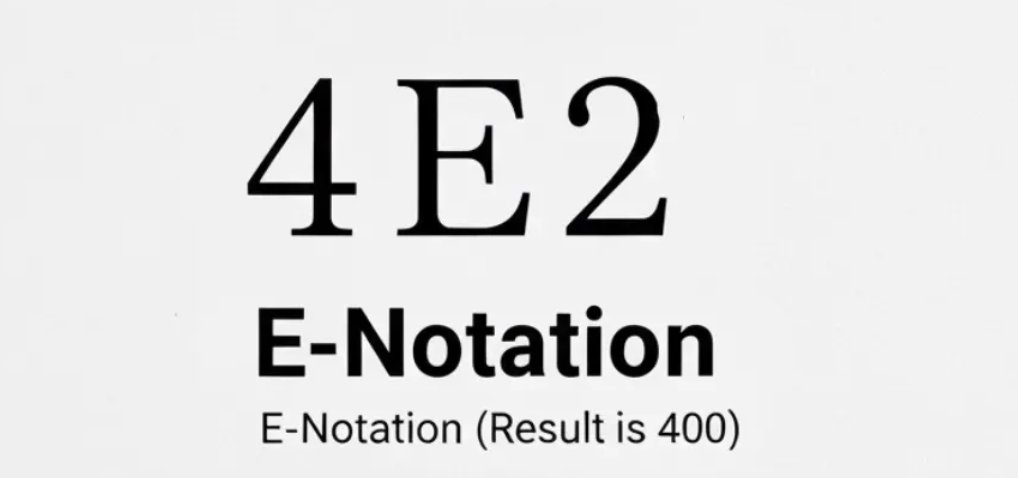
فا حرف ال E بهذي الحالة معناه = x10 واي شي يجي بعدها يصير كـ اُس للعشرة، فا بكذا تصير: اربعة ضرب عشرة اُس اثنين.
طيب ياناصر كيف استفدت من هذا الشي بحالتك؟
اللي صار ان بالخطوة الاولى لما يطلب مني اكتب كم نقطة بشحن، بدال ما اعطيه رقم عادي مثل 400 نقطة، بعطيه 4e2 (تساوي 400) واشوف كيف يتعامل معها
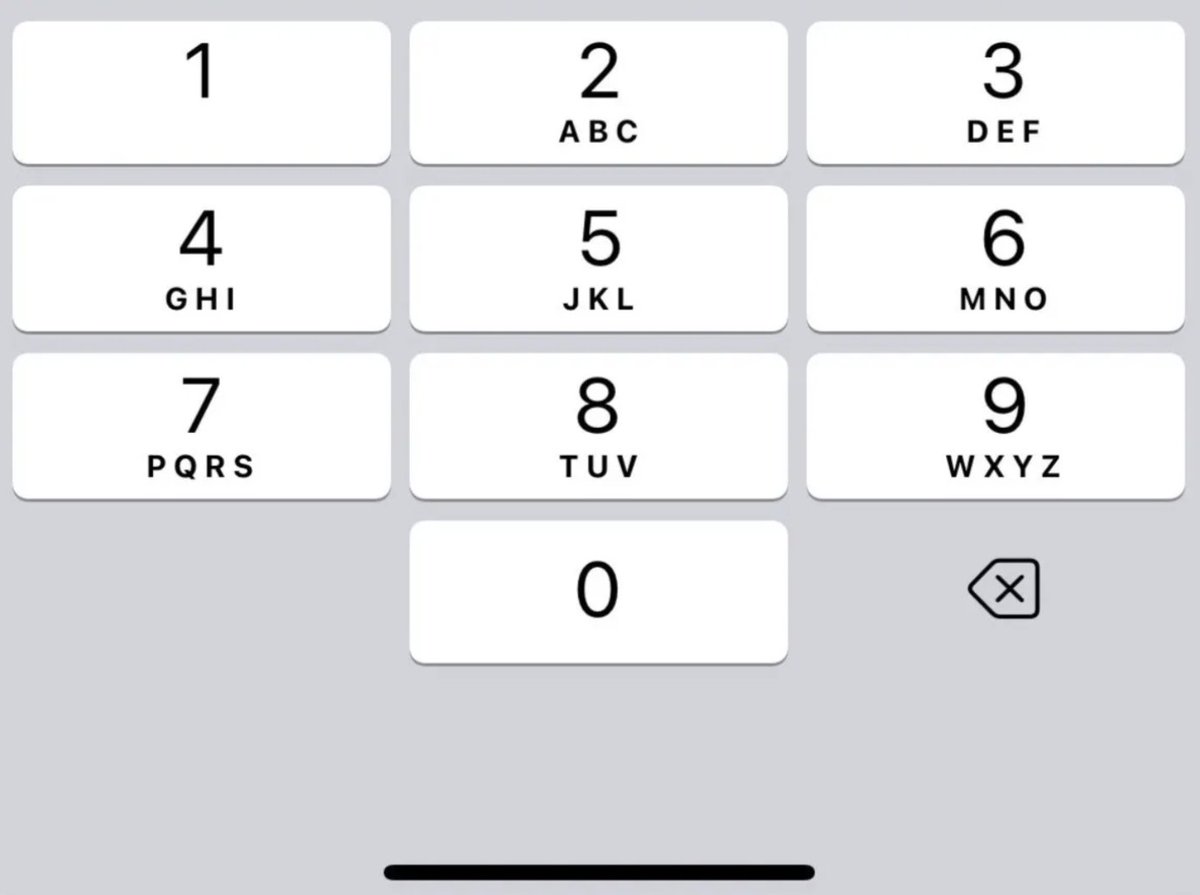
لكن واجهتني مشكلة بسيطة، لما جيت اجرب التكينك كان الابلكيشن لما يطلب منك تكتب عدد النقاط كان يطلع لك كيبورد ارقام بس الريكوست body كان مشفر:
فا ماقدر اكتب حرف ال e،، وقتها لو بحاول افك التشفير ممكن الموضوع يطول وانا بس بجرب هذا التكنيك فا جتني فكرة وقتها اني انسخ 4e2 من اي تطبيق ثاني بعدها اسوي paste بال input، وفعلًا جربتها وضبطت وسويت submit.
الغريب ان الي صار ان الابلكييشن رجع لي error بالرسبونس ولكن حولني لصفحة الدفع ومكتوب:
--------
عدد النقاط المطلوب شحنها: 400
المبلغ الاجمالي المطلوب دفعه: error
--------
فا هنا نستنتج شيئين:
١- ان الابلكيشن قدر يتعرف على القيمة 4e2 ويحولها الى رقم 400
٢- الابلكيشن لما وصل عند العملية الحسابية عشان يحسب لي التوتل اللي بدفعه صار error، وماقدر يفهم القيمة اللي كتبتها
بما ان طلع لي error بالتوتل، فا قلت اجرب ادفع واشوف هل بيضبط الدفع او لا؟
وفعلاً جربت ولكن اللي صار ان مانجح الدفع وطلع لي error، فا بهذي الحاله حللت وش سبب انه ما ضبط الدفع وتوقعت انه ممكن يكون بسبب ان مافيه amount بدفعه فا منطقيًا بيطلع error.
فا رجعت لصفحة اضافة النقاط وسويت نفس الخطوات ولكن كبشرت الريكوست وعدلت على الريسبونس بدال ماكان التوتل = error، خليته التوتل=1 ،
وطلع لي بصفحة الدفع:
----------
عدد النقاط المطلوب شحنها: 400
المبلغ الاجمالي المطلوب دفعه: 1 SAR
----------
وفعلًا جربت ادفع، والمفاجأة ان الدفع ضبط وسحب مني ريال وانضافت لي النقاط (400 نقطة) (:
وبكذا قدرت اشحن رصيد بدون ليميت بشكل مجاني تقريبا، ومن خلال هذا الرصيد اقدر:
١- اشتري اجهزة
٢- بطاقات شحن
٣-احوله لرصيد برقم الجوال واستخدمه بالدفع ببعض المتاجر
فا كان الامباكت جددًا عالي من هذي الثغرة وتم تصنيفها كحرجة (critical), طبعًا تم ابلاغ الشركة وتصلحت الثغرة والحمدلله تمت مكافأتي بمبلغ 41 الف ريال.
بالنهاية شكراً على وقتكم وقراءتكم، وانتظروا القادم 🔥
51
33
369
45,079
يعقوب الحربي retweeted

1 Oct 2025
📽️
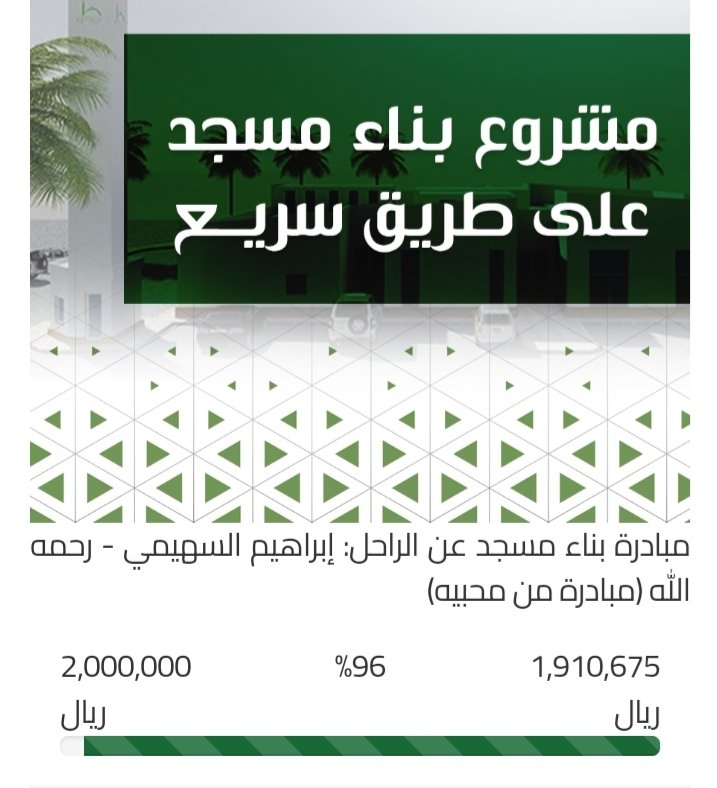
جمعية #مساجدنا_على_الطرق تفتتح مسجد الشاب الراحل إبراهيم بن محمد السهيمي - رحمه الله
الواقع على طريق #المجمعة - #حفر_الباطن - #منفذ_الرقعي
نسأل الله أن يبني له بيتاً في الجنة 🤲🏻
379
350
2,696
514,814
Finally, with @hw16, we managed to bypass the @Cloudflare mTLS protection after around 5 days of work. I'd like to share a few golden tips for bug bounty hunters who might face something similar in the future. But first, here's a quick summary:
The target was a banking app with multiple security layers:
• Heavy Frida detection mechanisms
• Strong root detection
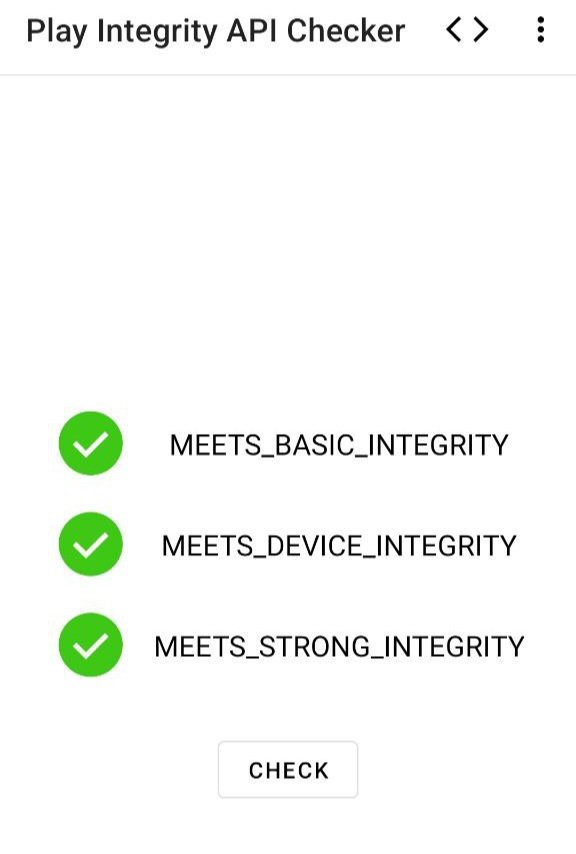
• Google SafetyNet/Play Integrity checks
• Runtime hooking detection
• APK tampering protection (crashed immediately if repackaged/modified)
At first, @fridadotre was detected and crashed the app on my device but strangely worked on another device even though both had the same Android version, root method, Frida server version, and architecture. After investigation, we discovered the app had anti-hooking detection that triggered when using aggressive Frida hooks on sensitive KeyStore operations.
The Solution:
We wrote a minimal Frida script that:
1. Passively monitored certificate operations without modifying behavior
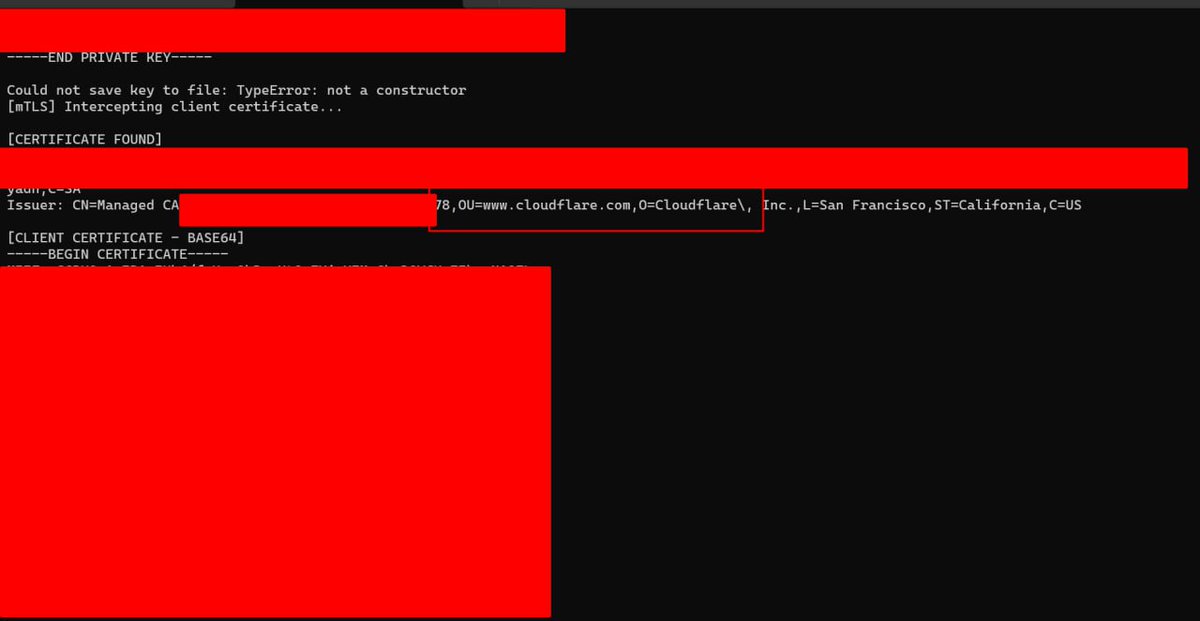
2. Intercepted KeyManagerFactory.init() - the exact moment when mTLS certificates are loaded
3. Extracted the X.509 client certificate and RSA private key (4096-bit)
4. Encoded them using Android's Base64 encoder
5. Formatted as PEM files ready for use
Found the mTLS certificate with a unique UUID-based alias in the Android KeyStore. The certificate was being dynamically loaded during the SSL handshake initialization
Extracted Files:
• client_cert.pem → Client certificate (valid for 2 years)
• client_key.pem → RSA private key (PKCS#8 format)
We then created a PKCS#12 bundle using OpenSSL to combine the certificate and key into a single file, which could be imported into various tools and browsers for testing or @Burp_Suite
Key Takeaway:
When facing anti-tampering mechanisms, be surgical hook only what you need, when you need it. Aggressive hooking triggers detection; passive monitoring flies under the radar.
This was an awesome challenge and my first time encountering such strong ssl Pinning defenses
Attached some image from the mobile api and frida output the certificates
#bugbountytips #frida #Magisk #mtls

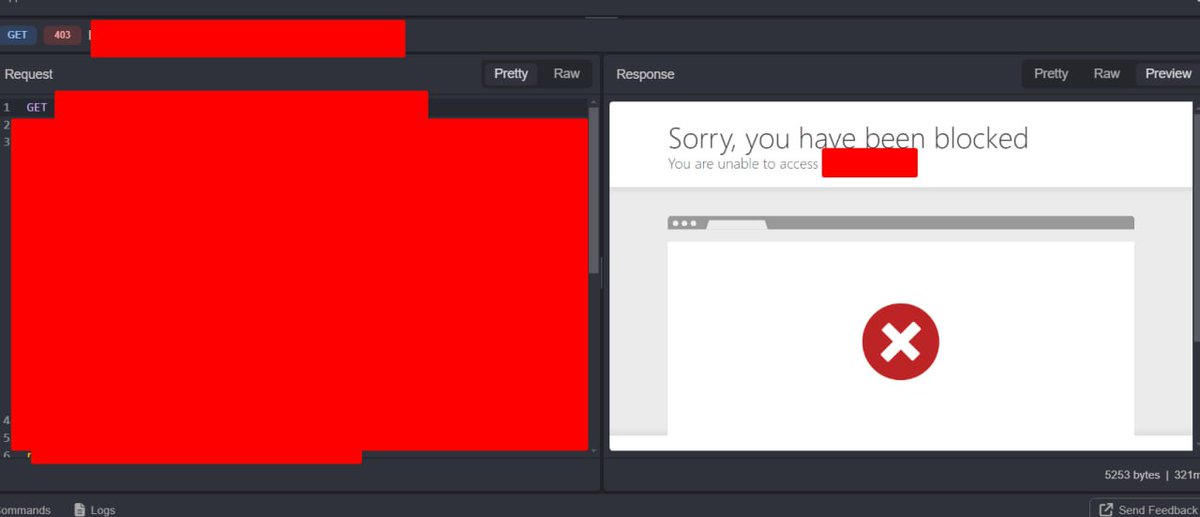
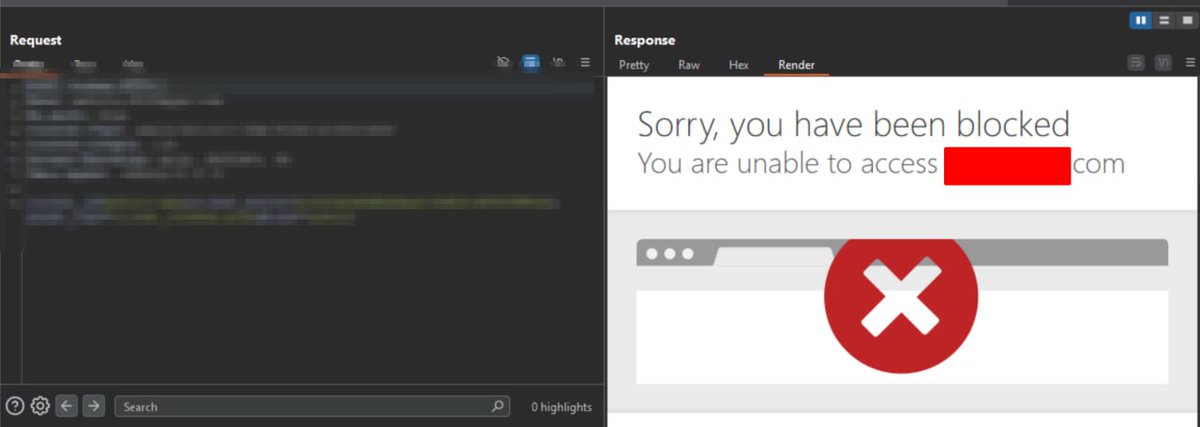
Did @Cloudflare just defeat @Burp_Suite and @CaidoIO?
Cloudflare protection is becoming very common. This is the third app I’ve seen using it. Changing the user agent doesn’t help, and Burp TLS-fingerprint bypass plugin didn’t work. The app blocks any request when it detects traffic interception
My target mobile app might be using a dynamic certificate based on my friend analysis. Back in Nov 2024, I tested a web app with Burp, but it blocked all traffic. Switching to Caido worked, maybe its signatures weren’t detected at the time.
Can anyone share insights?
thanks
#BugBounty
34
178
890
118,339
يعقوب الحربي retweeted

11 Jul 2025
مجانًا ولجميع السعوديين والسعوديات دون استثناء..
#سدايا تطلق مبادرة (مليون سعودي للذكاء الاصطناعي)، لتعلم مبادىء الذكاء الاصطناعي عبر برنامج متخصص يزود المتدربين من مختلف الأعمار بالمهارات اللازمة لمعرفة هذه التقنيات المتقدمة:
-تنفيذ البرنامج عن بُعد.
-يتم وفق أعلى المعايير الدولية.
-أريحية للراغبين في التسجيل للانخراط فيه بكل يسر وسهولة من أي مكان في العالم.
-مجانًا وباللغة العربية.
-لجميع المواطنين والمواطنات دون استثناء.
-المتدربون يحصلون بعد إنهاء ساعات التدريب على شهادة تدريب معتمدة من سدايا.
314
1,454
13,908
4,139,672
يعقوب الحربي retweeted

25 Jun 2025
﴿ إِنّا لِلَّهِ وَإِنّا إِلَيهِ راجِعونَ﴾
بقلوب مؤمنة بقضاء الله وقدره
انتقل إلى رحمة الله تعالى
والدي الغالي
واسأل الله أن ما اصابه تكفير له ورفعة لدرجاته وأن يثبته عند السؤال وأن يجعل قبره روضة من رياض الجنة ويسكنه فسيح جناته.
8
1
5
2,931
24 Jun 2025
افضل دورة من افضل مقدم ومدرس واستاذ وقدوة مثل محمد الحربي تاج وفخر 🫡🇸🇦❤️
17 Jun 2025

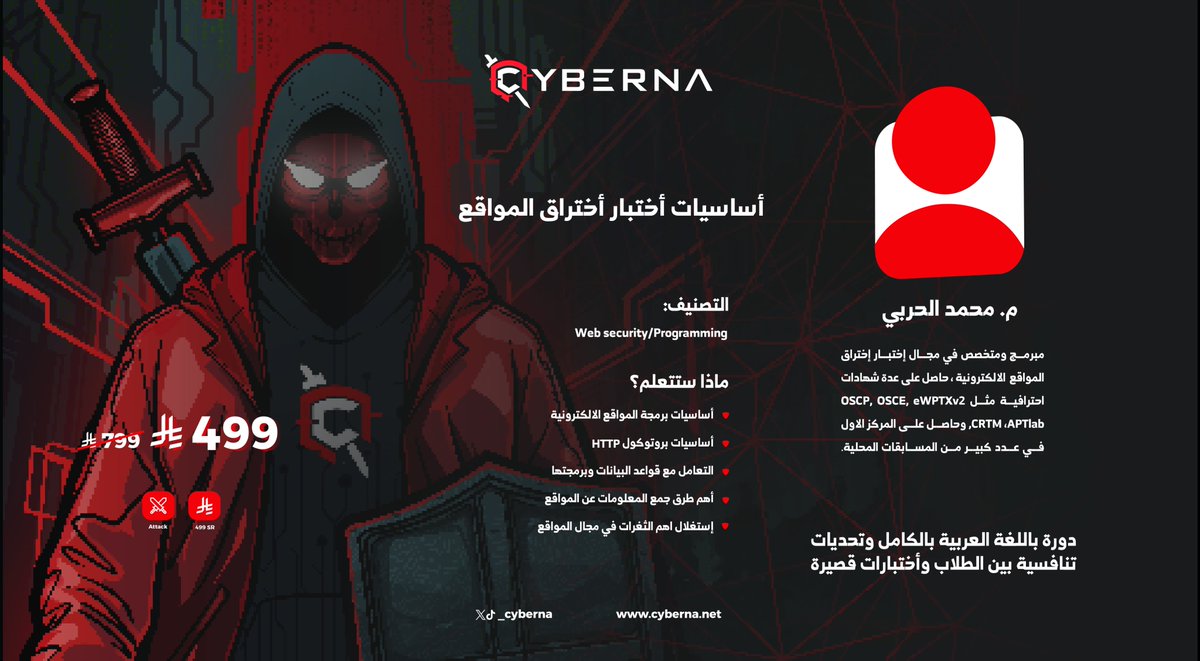
🚨 دورة "أساسيات اختبار اختراق المواقع" نزلت!
مو بس تعلم، افهم المواقع الالكترونية من بدايتها 💻🔥
مقدم الدورة 🥷:
محمد الحربي (هيتمان الحربي):
مبرمج ومتخصص في مجال إختبار إختراق المواقع، وحاصل على عدة شهادات احترافية، وحاصل على المركز الاول في العديد من المسابقات المحلية.
🔍 ماذا ستتعلم في هذه الدورة؟
— فهم أساسيات بناء المواقع الإلكترونية، لتتمكن من تحليلها والتعامل معها باحترافية
— التعرّف على بروتوكول HTTP وآلية عمله في نقل البيانات
— أساسيات التعامل مع قواعد البيانات وربطها برمجيًا
— طرق جمع المعلومات عن المواقع باستخدام أدوات وتقنيات متقدمة
— استغلال أبرز الثغرات الأمنية في تطبيقات الويب بطريقة أخلاقية وتحويلها إلى فرص للحماية
كل هذا بأسلوب سهل، واضح، وتطبيقي في بيئة آمنة
ما نعلمك نظري ونتركك، نجهزك للميدان 👨💻
📍 سجّل الآن واحصل على خصم خاص مقدّم من المدرب!
🎁 العرض متاح لأول 25 طالب\ة فقط
لا تفوّت الفرصة 👀
كود الخصم: 12uscmqk
🔗 cyberna.net
#سايبرنا #اختبار_اختراق_المواقع #تعلم_بالعربي #bug_bounty
1
4
2,692
يعقوب الحربي retweeted

17 Jun 2025
الدورة جدا مناسبة لاي شخص يبي يتعلم مجال برمجة واختراق المواقع الالكترونية ، ركزنا بهذه الدورة على قصر المقاطع واعطاكم جوهر الموضوع عشان تستفيدوا باقصى طريقة ممكنة ❤️
• الدورة راح تتحدث باستمرار وتنضاف تحديات جديدة بين كل فترة وفترة ان شاء الله
17 Jun 2025
🚨 دورة "أساسيات اختبار اختراق المواقع" نزلت!
مو بس تعلم، افهم المواقع الالكترونية من بدايتها 💻🔥
مقدم الدورة 🥷:
محمد الحربي (هيتمان الحربي):
مبرمج ومتخصص في مجال إختبار إختراق المواقع، وحاصل على عدة شهادات احترافية، وحاصل على المركز الاول في العديد من المسابقات المحلية.
🔍 ماذا ستتعلم في هذه الدورة؟
— فهم أساسيات بناء المواقع الإلكترونية، لتتمكن من تحليلها والتعامل معها باحترافية
— التعرّف على بروتوكول HTTP وآلية عمله في نقل البيانات
— أساسيات التعامل مع قواعد البيانات وربطها برمجيًا
— طرق جمع المعلومات عن المواقع باستخدام أدوات وتقنيات متقدمة
— استغلال أبرز الثغرات الأمنية في تطبيقات الويب بطريقة أخلاقية وتحويلها إلى فرص للحماية
كل هذا بأسلوب سهل، واضح، وتطبيقي في بيئة آمنة
ما نعلمك نظري ونتركك، نجهزك للميدان 👨💻
📍 سجّل الآن واحصل على خصم خاص مقدّم من المدرب!
🎁 العرض متاح لأول 25 طالب\ة فقط
لا تفوّت الفرصة 👀
كود الخصم: 12uscmqk
🔗 cyberna.net
#سايبرنا #اختبار_اختراق_المواقع #تعلم_بالعربي #bug_bounty
2
7
23
6,770
يعقوب الحربي retweeted

17 Jun 2025
أول دورة في #سايبرنا يقدّمها لكم أول معلّم في المنصة:
@HitmanF15
أبوعبدالعزيز أشهر من نار على علم ومتأكد بإذن الله تعالى إن الدورة بتفيد ناس كثير جدّا في مجال إختبار إختراق المواقع.
📢 وترا أي معلم مؤهّل وصاحب تجربة يقدر يقدّم دورته التعليمية عن طريق #سايبرنا
استمتعوا بالرحلة
17 Jun 2025
🚨 دورة "أساسيات اختبار اختراق المواقع" نزلت!
مو بس تعلم، افهم المواقع الالكترونية من بدايتها 💻🔥
مقدم الدورة 🥷:
محمد الحربي (هيتمان الحربي):
مبرمج ومتخصص في مجال إختبار إختراق المواقع، وحاصل على عدة شهادات احترافية، وحاصل على المركز الاول في العديد من المسابقات المحلية.
🔍 ماذا ستتعلم في هذه الدورة؟
— فهم أساسيات بناء المواقع الإلكترونية، لتتمكن من تحليلها والتعامل معها باحترافية
— التعرّف على بروتوكول HTTP وآلية عمله في نقل البيانات
— أساسيات التعامل مع قواعد البيانات وربطها برمجيًا
— طرق جمع المعلومات عن المواقع باستخدام أدوات وتقنيات متقدمة
— استغلال أبرز الثغرات الأمنية في تطبيقات الويب بطريقة أخلاقية وتحويلها إلى فرص للحماية
كل هذا بأسلوب سهل، واضح، وتطبيقي في بيئة آمنة
ما نعلمك نظري ونتركك، نجهزك للميدان 👨💻
📍 سجّل الآن واحصل على خصم خاص مقدّم من المدرب!
🎁 العرض متاح لأول 25 طالب\ة فقط
لا تفوّت الفرصة 👀
كود الخصم: 12uscmqk
🔗 cyberna.net
#سايبرنا #اختبار_اختراق_المواقع #تعلم_بالعربي #bug_bounty
7
27
7,479
يعقوب الحربي retweeted

22 Jun 2025
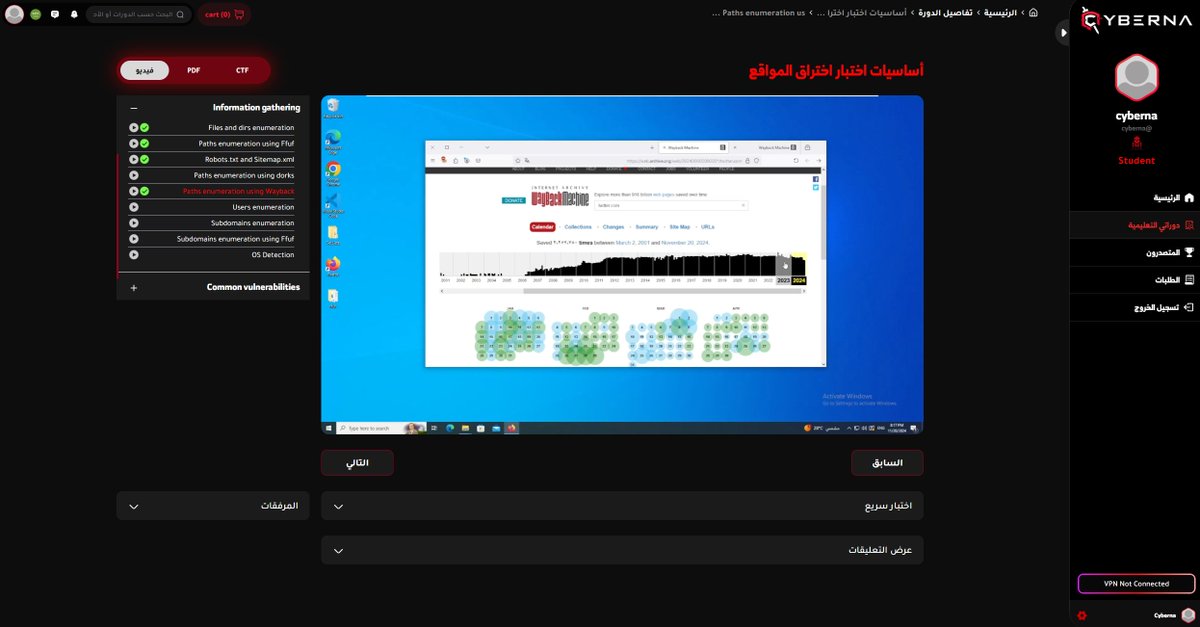
🧪 من داخل دورة "أساسيات اختبار اختراق المواقع":
درّب [@HitmanF15 ] الطلاب على مهارة جمع المعلومات باستخدام Wayback Machine 🕵️♂️
تعلم كيف تجمع معلومات عن الهدف من أرشيف المواقع!
📚الدورة بالعربي 100%
🚨موجهة لأي مبتدئ يبغى يبدأ مشواره في الأمن السيبراني
🎁 خصم خاص [12uscmqk] - اغتنم الفرصة وسجّل الحين، خطوة اليوم تغيّر بعدين!
📸شاهد جزء من التجربة 👇
#سايبرنا #اختبار_اختراق #مستقبل_سيبراني #Recon
1
5
29
7,698