Bridge to Bridge Podcast is an interview series with Big Mike and Beiwatch that dives into the successful careers of Athletes,Brand Builders,and Entrepreneurs.
Joined September 2020
- Tweets 565
- Following 77
- Followers 231
- Likes 728
147 Photos and videos

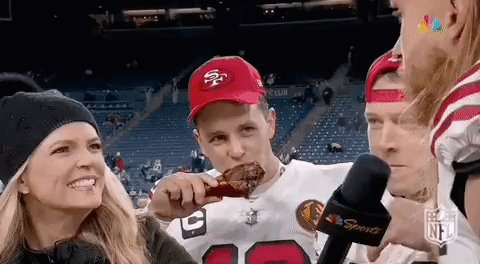

Most Bitcoin opponents like Ben McKenzie and Peter Zeihan are like Lord Voldemort. They return when the Order of Bitcoin is down and weakened.
Really makes you respect Peter Schiff, who is willing to be wrong about Bitcoin both when it is down and up at new ATHs
12
2
98
2,168
Bridge to Bridge Podcast retweeted

14 Sep 2025
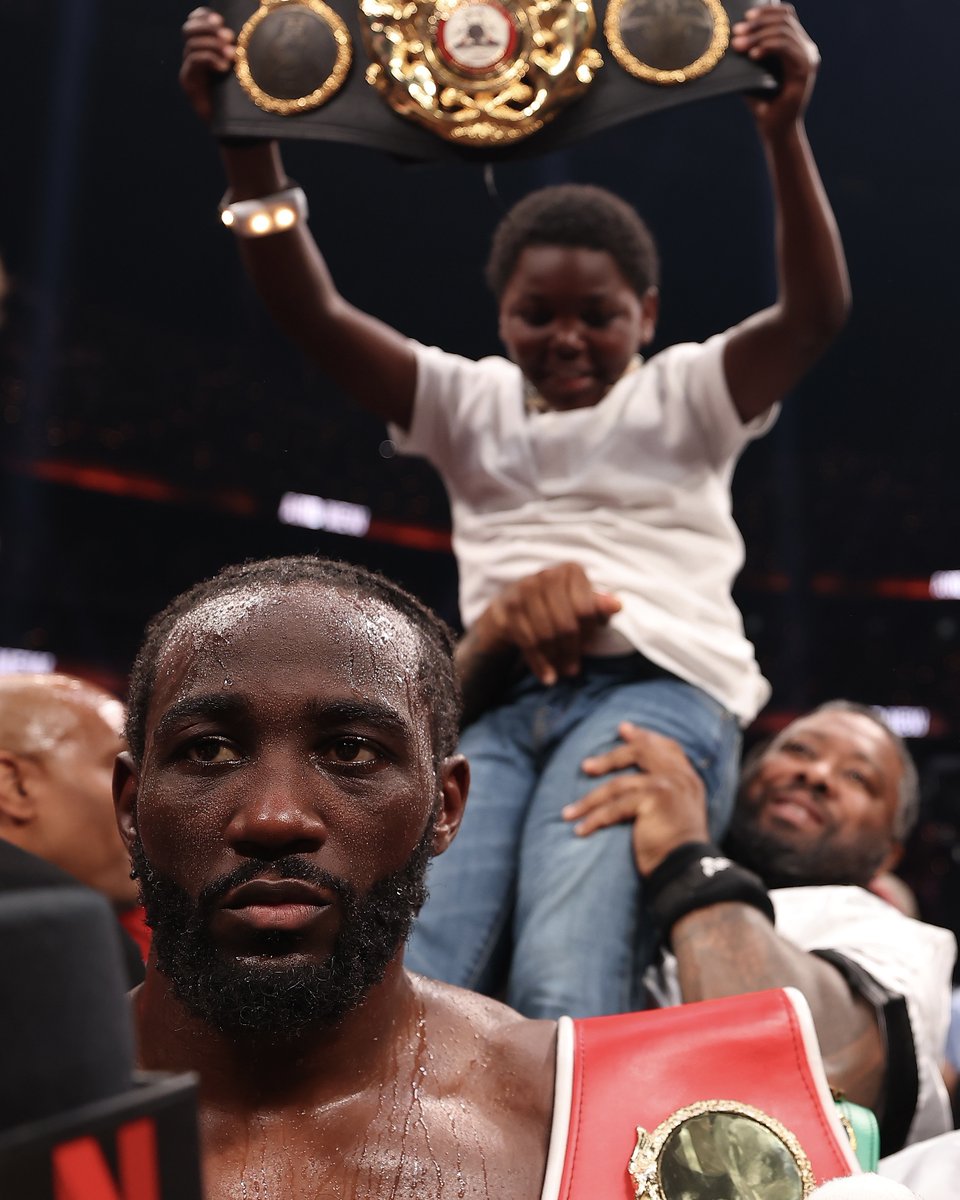
This photo of Terence Crawford's son holding the belt is everything ♥️🔥
📸 Sarah Stier, Getty Images
376
12,124
109,222
2,320,136
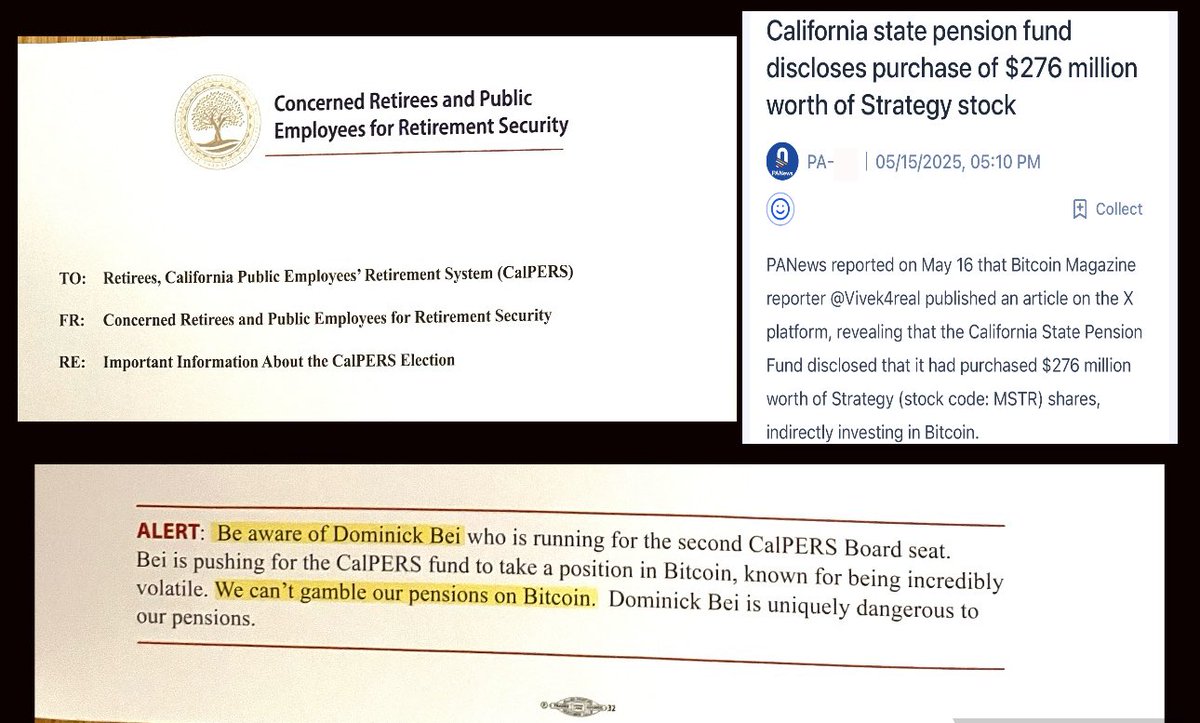
After decades of a mismanaged CA Pension, my opposition is attacking me, 𝐏𝐨𝐬𝐢𝐧𝐠 𝐚𝐬 𝐚 𝐟𝐚𝐤𝐞 𝐫𝐞𝐭𝐢𝐫𝐞𝐞 𝐨𝐫𝐠 to scare retirees about a position that CalPERS has already taken.
This shifts attention away from decades of poor performance… “uniquely dangerous” 😂
10
7
83
15,862

29 Aug 2025
Same thing in mine @jennynoir

We're sorry to hear that. We realize many customers enjoy the inflight entertainment systems. And while JetBlue offers free live TV, movies, and high-speed Wi-Fi entertainment, we cannot guarantee that this service will always be available onboard as you travel to your destination. We apologize for the inconvenience and hope to better your experience on a future JetBlue flight.
99
Final push to midnight!
Thanks again everyone who supported 🙏🙏🙏
29 Jun 2025

Excited to support Dom as he runs for a seat on the Board of CalPERS, to help bring innovative thinking to largest pension in the United States! @adam3us @Excellion @BitcoinMagazine
1
2
18
1,065
Caught up with Larry Lepard at BBB to talk about The Big Print 💵, and how the wage-earners of the world 🛠️ are often left behind when the decks of financial markets are re-shuffled
Own your financial education. Don’t trust, verify
📺: youtu.be/Ue9msWoLaUk
9
16
96
15,136
Bridge to Bridge Podcast retweeted

25 Oct 2024
Switzerland unveils a new statue honoring the creator of Bitcoin,
Satoshi Nakamoto.
111
721
8,791
579,910
11 Jul 2024

2
84
5 Jan 2024
Stephen curry’s pass at the end… Klay’s one footed jumper… warriors just so bad down the stretch. #GoldenStateWarriors
1
133
Bridge to Bridge Podcast retweeted

22 Oct 2023
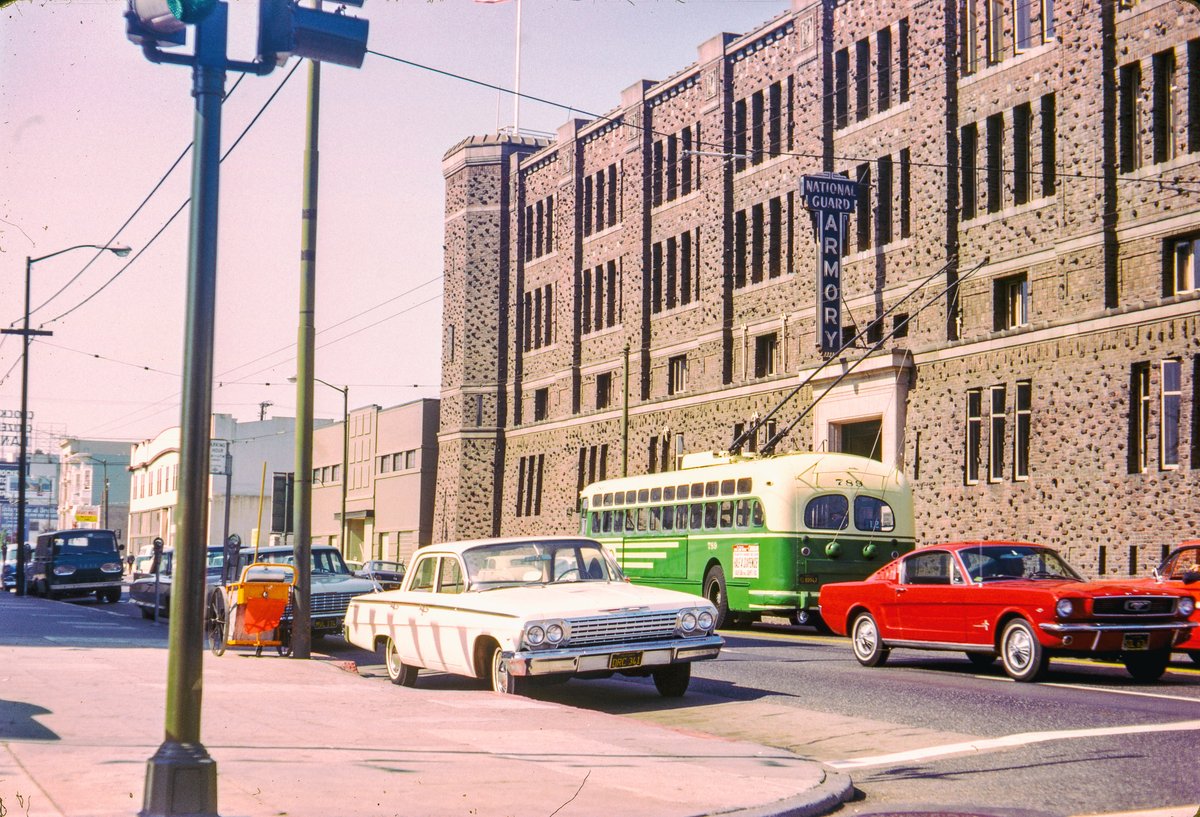
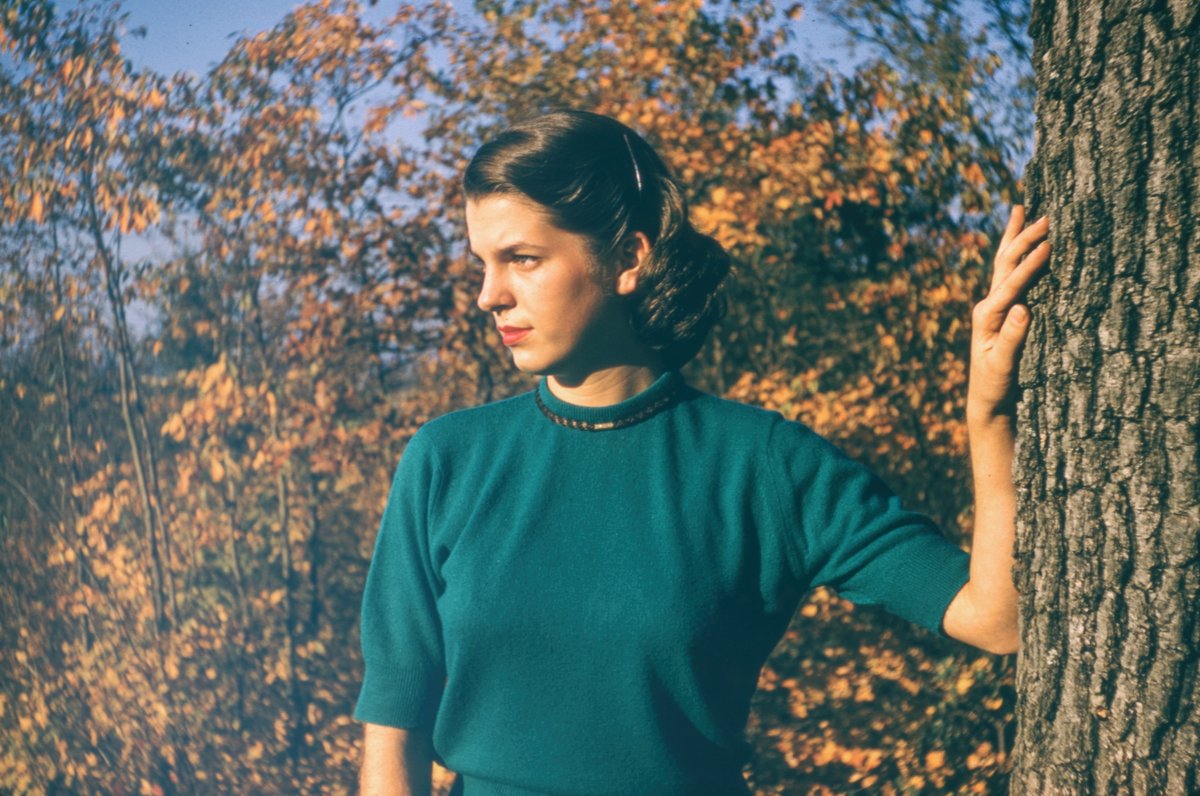
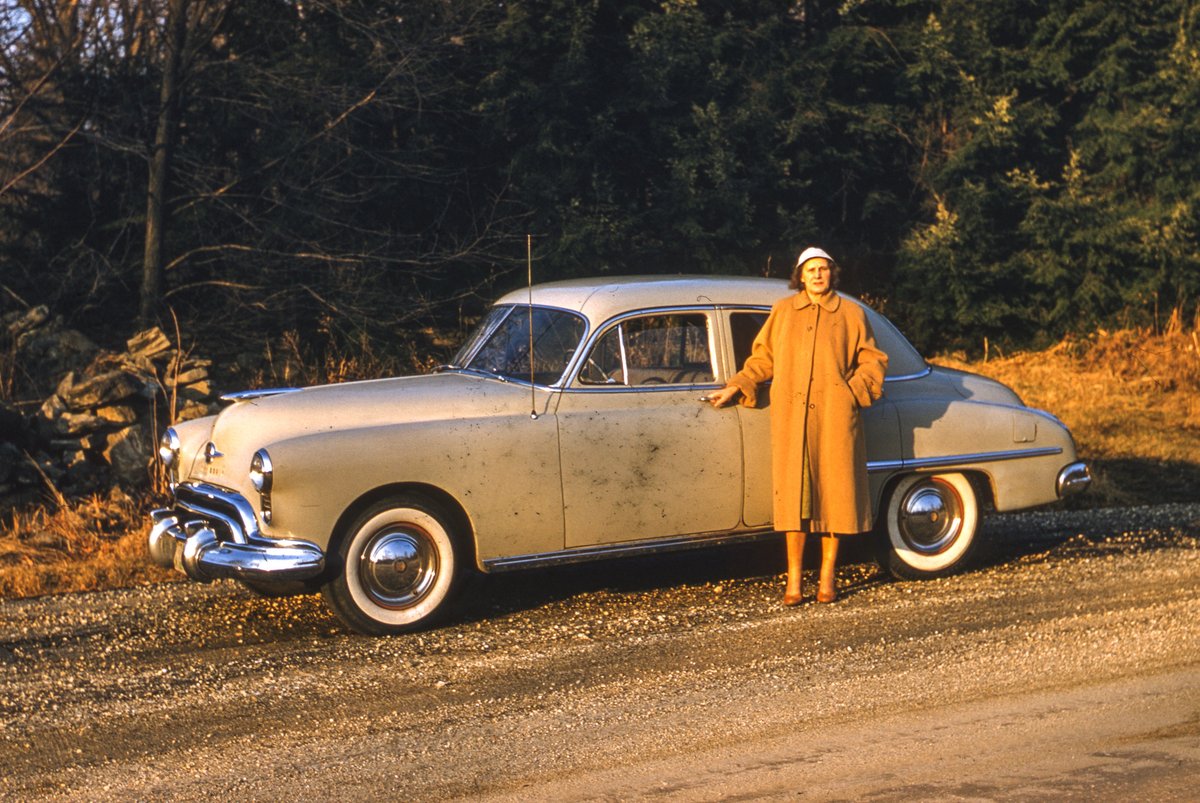
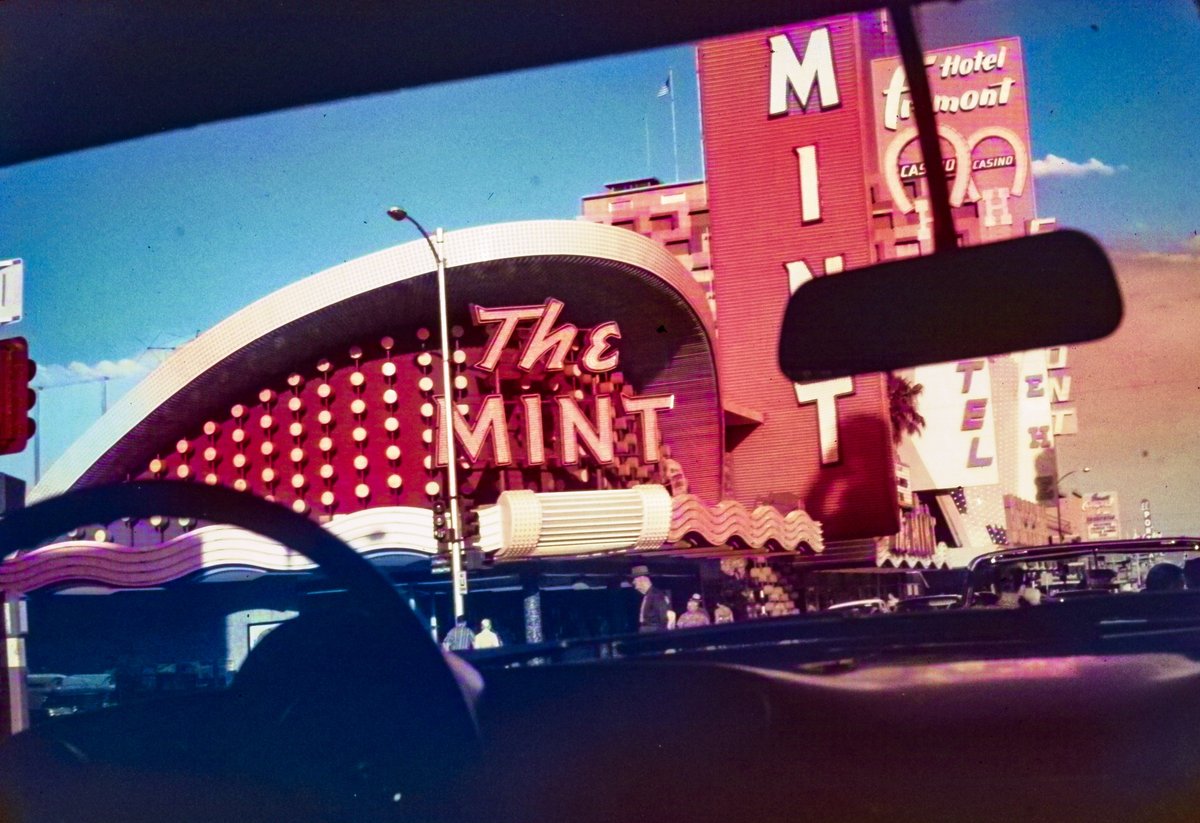
I've now collected, scanned, edited, curated and published over 21,000 "found" mostly amateur photographs/negatives/slides to @flickr -- as far as I know this is the largest personal collection of published vernacular photographs that exists.
All of these images were originally shot on film. It's been a fascinating personal and artistic journey for me. I'd like to collect and publish at least a million of these (in addition to my own million photographs I make myself) before I die.
Most of the photographs have been made within the past 100 years (but some are older). Although clearly these images share a irresistible nostalgia of time through fashion, technology, etc., in a lot of ways they are very similar to the photographs and snapshots we make today. People and especially family dominate, baby's especially, events (birthdays, weddings, graduations, holidays, anniversaries), vacations, military service, and the occasional attempt at humor or higher art. They do share an amateur aesthetic that I've grown to love, they are authentic and personal.
Most of the photographs are Americans, although oftentimes Americans on vacation overseas. The people are largely anonymous, although the community on Flickr have come to identify quite a few through genealogical contribution and social media where names have surfaced. The Flickr community has been especially helpful in identifying locations. On an almost daily basis friends and contacts share with me where photographs were made based on landmarks, clues, etc.
In terms of popularity, it probably shouldn't surprise anyone that images of attractive and even suggestive women seem to be the most popular -- these and images of automobiles -- or maybe this just says something about Flickr's user base these days. You can see the 2,000 images that are the most popular here:
flickr.com/photos/thomashawk…
Most of the photos of people are white, but sometimes immigrants. African American vernacular photographs are rarer and harder to come by and are certainly more collectable and expensive, but I do have many of these in my collection as well.
Both the film stock and type of photographs seem to evolve over time. Formal tin type and cabinet card portraits give way to more casual black and white snapshots in the 20s to 50s. Color starts showing up in Kodachrome slide film stock (the most resilient of all color film stock) in the 40s and up through even all the way to the 00s. Polaroids flourish in the 60s and 70s, and starting in the 80s or so we begin with the mass borderless color photographs that seem to dominate so heavily up to 2000 or so.
I've especially come to adore the old photobooth portraits: flickr.com/photos/thomashawk…
Many of the people in my older photographs are dead and long gone, but many in my newer photographs are still alive and out there today.
Many friends and strangers have donated personal archives and collections to me. I'm very appreciative of those gifts.
I'm not sure why I feel it's so important to document all of these images, but it feels like by scanning and publishing them I'm giving these images a 2nd chance at a digital life. Just getting them published and annotated seems like enough for me for now, but I suspect that as families discover many of these images in the future they will be important to them to better know people they were related to. I wonder if connections will be made during my lifetime, or after I'm dead. I wonder if and how facial recognition could play a role in the future.
In any event, thanks to those who have contributed both intellectual information and physical media to my collection. I'm going to continue to study these images and learn what I can about this interesting genre of photography. For those who care, I'm scanning with an Epson Perfection V850 Pro scanner, which is a little more expensive than most scanners but one I would highly recommend.
26
18
199
18,656
Tune in today for Episode 2 of the Nakamoto Gauntlet today at 10am PST!
With us today, guests @MahlonMitchell and Steve Wilding from the Professional Firefighters of Wisconsin @PFFW

📣Today at 10am PT / 1pm ET!
The Nakamoto Gauntlet with guests @FossGregfoss and @JoeCarlasare.
Watch it LIVE here and on YouTube:
youtube.com/live/rs_bbD7TyTs…
1
5
17
9,037
30 May 2023
Bob Myers going live at 1 pm pacific NOW !
Click here to listen
Video - youtube.com/watch?v=f9LCad1J…
#nba #GoldenStateWarriors #sanfrancisco #goldblooded #FYP #news

2
266