
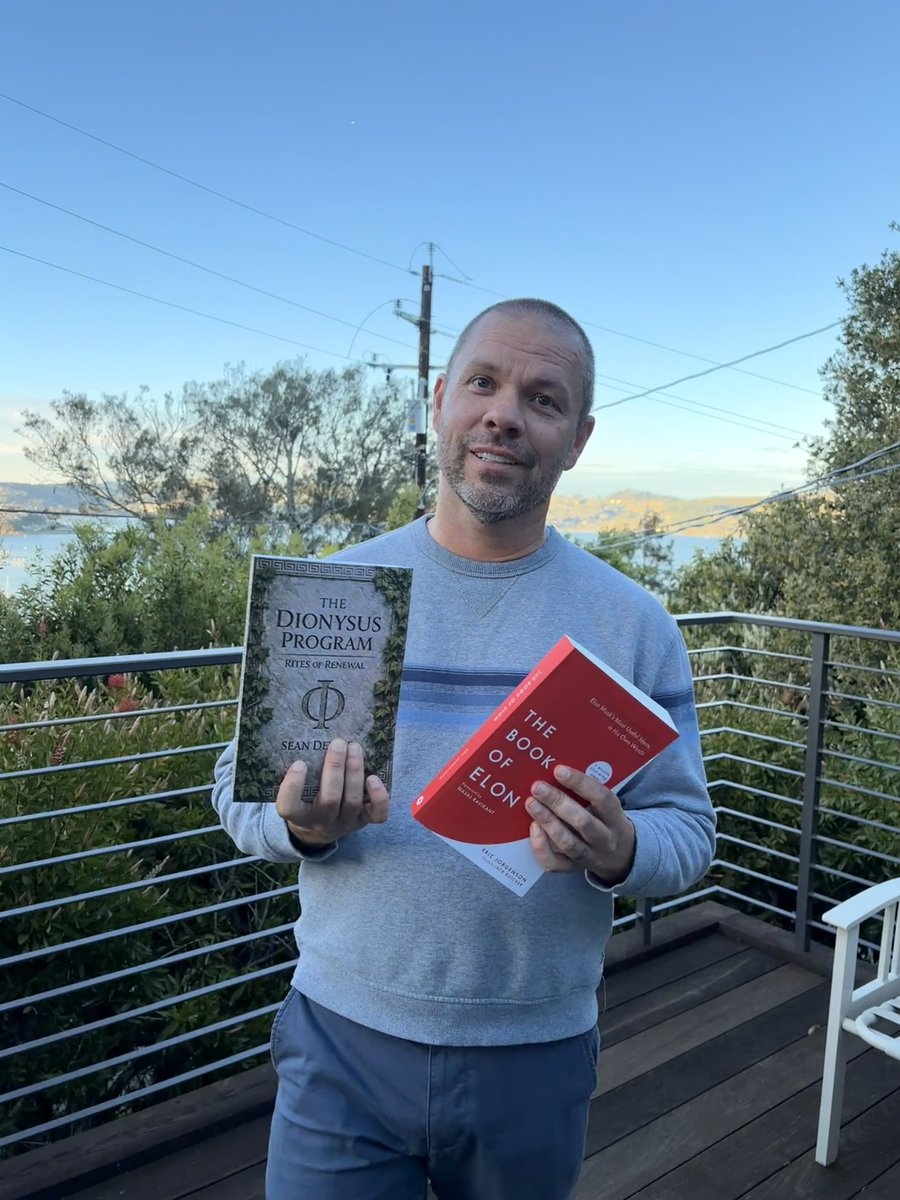
Founder/CEO of XBE, author of The Dionysus Program, husband, father, programmer, NBA fan. Drifting westward. Old, still applicable. Self-validating.
Joined June 2010
- Tweets 20,047
- Following 1,049
- Followers 1,308
- Likes 16,820
1,889 Photos and videos



Most culture programs fail for a simple diagnostic reason: they confuse play with recovery.
Play is non-instrumental contact. Rest is reduced demand. A team can laugh through trivia night and stay metabolically clenched the whole time. That’s theater, not renewal.
22

Jun 12
The more efficiently work isolates people, the more expensive trust becomes.
AI can shrink the task but not the time it takes to learn who is steady, generous, or reliable. Shortcut that with ritual and you don’t get cohesion. You get theater.
34
Jun 11
A “Great Dissolution” that fits between status meetings is just process theater.
The real event is meaning-loss: the old story about the work, the team, or yourself no longer holds. In AI-era orgs, if an idea can’t die without taking a person with it, renewal won’t happen.
61
Jun 10
Healthy debate sounds harsher and gets less personal. Political debate sounds softer and gets more personal.
The difference is whether an explanation can actually be pinned down. If a prediction misses and nothing takes the hit, the argument isn’t rigorous. It’s social.
22
Jun 9
A commercial mission is not the same thing as a moral claim.
Confuse the two and employees feel it immediately. One can organize work. The other has to be earned. When leadership fakes that leap, trust burns faster than if it had just said less.
43
Jun 9
I’m going down from San Francisco to The Talk Show Live in San Jose tomorrow. If you’re going to the show too and need a ride, let me know.
65
Jun 8
Weather is not the same as fire.
External change is the market moving under you. Chosen change is the product bet, reorg, or process you kill. The first demands adaptation. The second demands ownership. Too many teams talk as if both just happened to them.
33
Jun 5
Silencing dissent doesn’t protect doctrine; it privatizes it.
When people can’t challenge the workflow in the room, they route around it with private prompts, hidden spreadsheets, and side rules. AI just makes the split happen faster: one logo, many maps.
1
32
Jun 4
Most candor problems are really mode problems.
If the room hasn't declared Run Time or Ritual Time, truth turns political. People can't tell if dissent is useful, dangerous, or required, so they default to silence and side channels.
19
Jun 3
The real cost of public harm isn’t hurt feelings. It’s loss of standing.
If that standing isn’t restored in public, by the people who watched it be stripped, the damage remains. What passes for reconciliation is often just a cheaper substitute.
31
Jun 2
Most postmortems fail in the calendar, not the meeting. A team that ships a failure at 5 and dissects it at 6 is too scorched to tell the truth without finding a culprit.
No cooling period, no learning. Just blame with better formatting.
1
34
May 29
A full calendar is not proof of institutional health. Sometimes it just means the court is still in session.
If every new idea has to survive an imagined conversation with the founders, the organization hasn’t built judgment. It has built deference.
38
Sean Devine retweeted

May 28
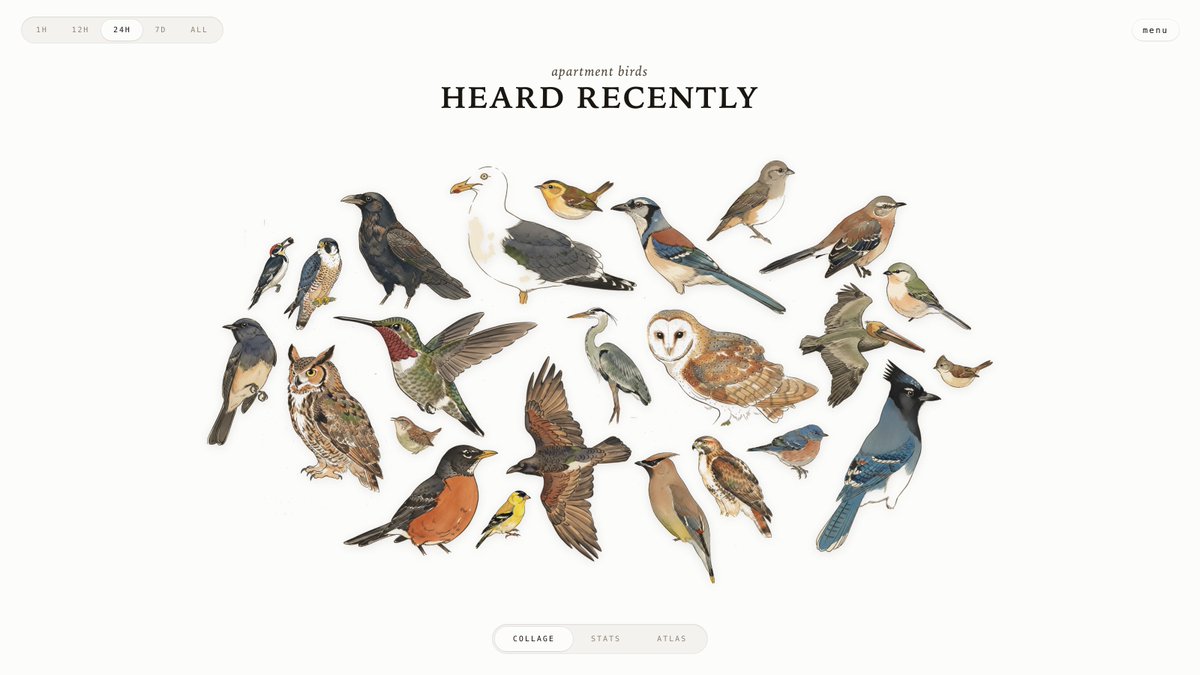
i mounted a tiny microphone on my apartment balcony to listen for any birds passing by and built a site to collage them as they're heard
271
869
14,297
1,882,996
May 28
Retreats don’t replace shared craft.
Purpose talk can’t replace contact, and mandatory fun is just work in costume. As work gets more solo and more AI-assisted, teams gain ritual and lose the trust that used to come bundled with the job.
37
May 27
Change is not the risk. Unpriced change is.
You can reject a new tool, rule, or customer expectation. You cannot reject its effect on the threshold for staying viable. The bar rises first. Debate happens underneath it.
32
May 26
Some teams don’t have trust. They have exit costs.
Equity cliffs, burned bridges, identity fused to the bet—people stay because leaving hurts. That buys compliance. It won’t buy candor when the ground starts moving.
60
May 25
Knowledge tells you what the world is. Myth tells you who to be when that answer changes.
That’s why Cincinnatus outlives better-informed eras. The story isn’t falsified by bad leaders. It survives as a demand, not a description.
31
May 22
Coordination is not trust.
You can have fast replies, crisp meetings, clean handoffs—and still have a company full of strangers. Shared work used to close that gap. AI and distributed work widen it, even as everything looks more organized.
39
May 21
When a process won't name its hinge, it starts calling its priors neutral.
Then every review becomes theater: evidence on the surface, protected commitments underneath. That's how rigor hardens into dogma without anyone noticing.
33