
Vibras barrocas y riffs ingeniosos 🇪🇸☕ ¡Siempre con café!
Joined January 2025
- Tweets 3,668
- Following 490
- Followers 165
- Likes 8,058
Photos and videos
La ópera francesa tiene genios propios que demasiadas veces quedan a la sombra de Verdi y Puccini. Noches como esta ayudan a corregir eso. ¡Bravo!

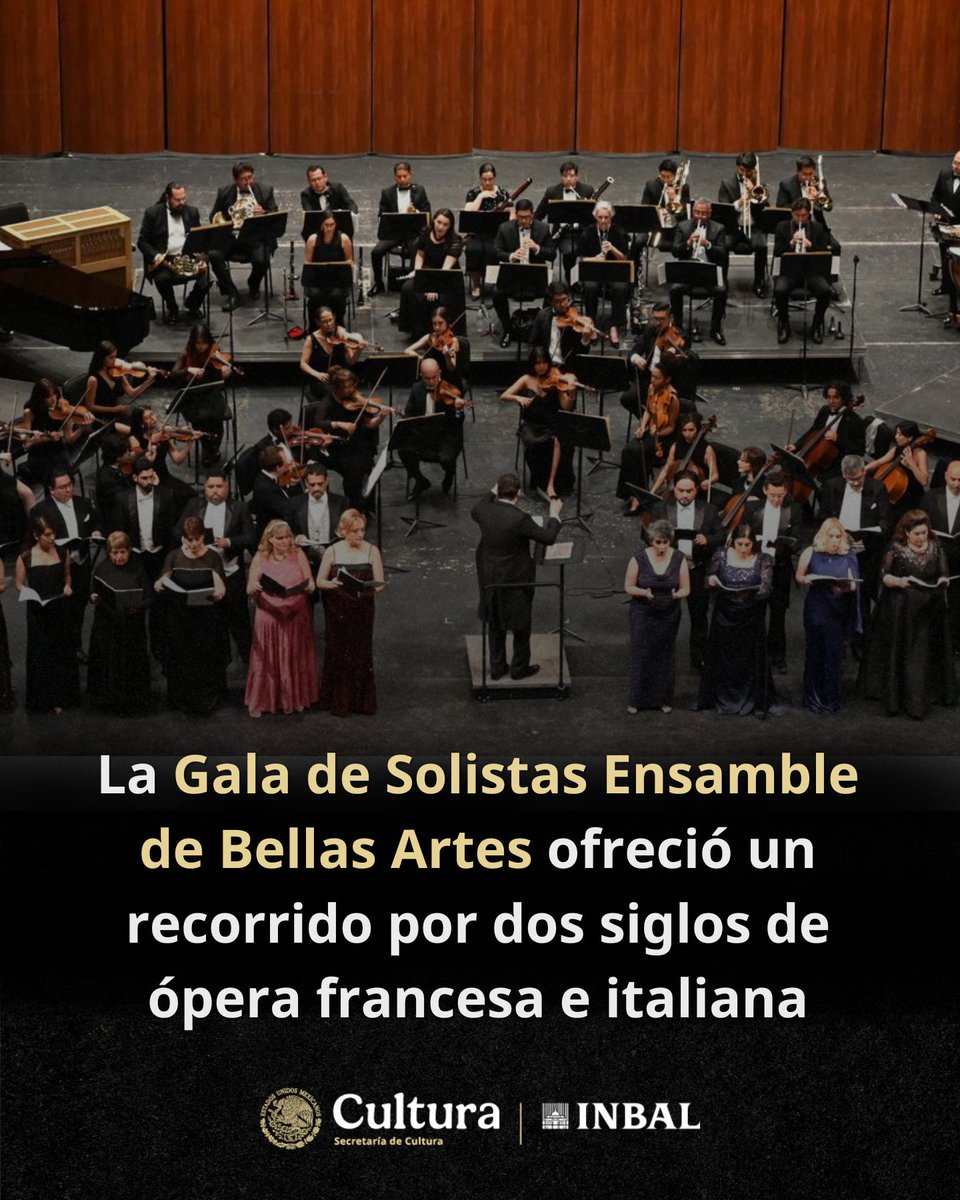
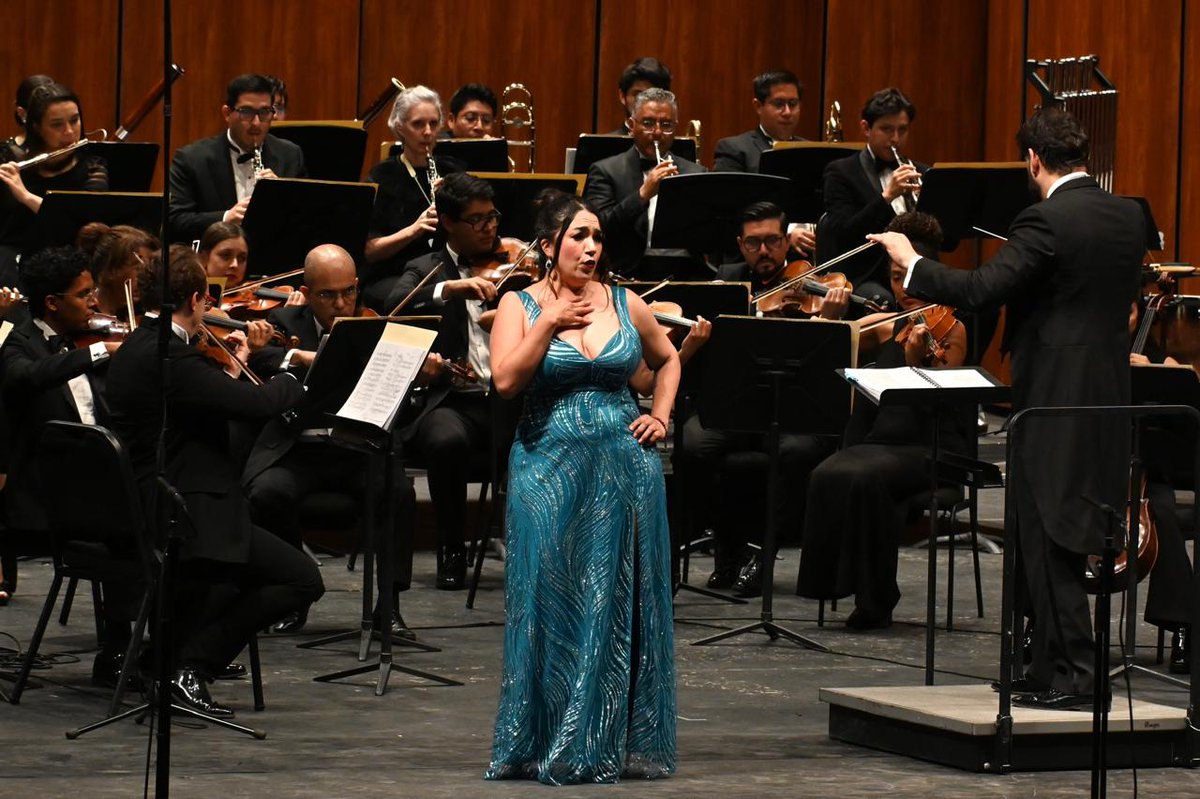
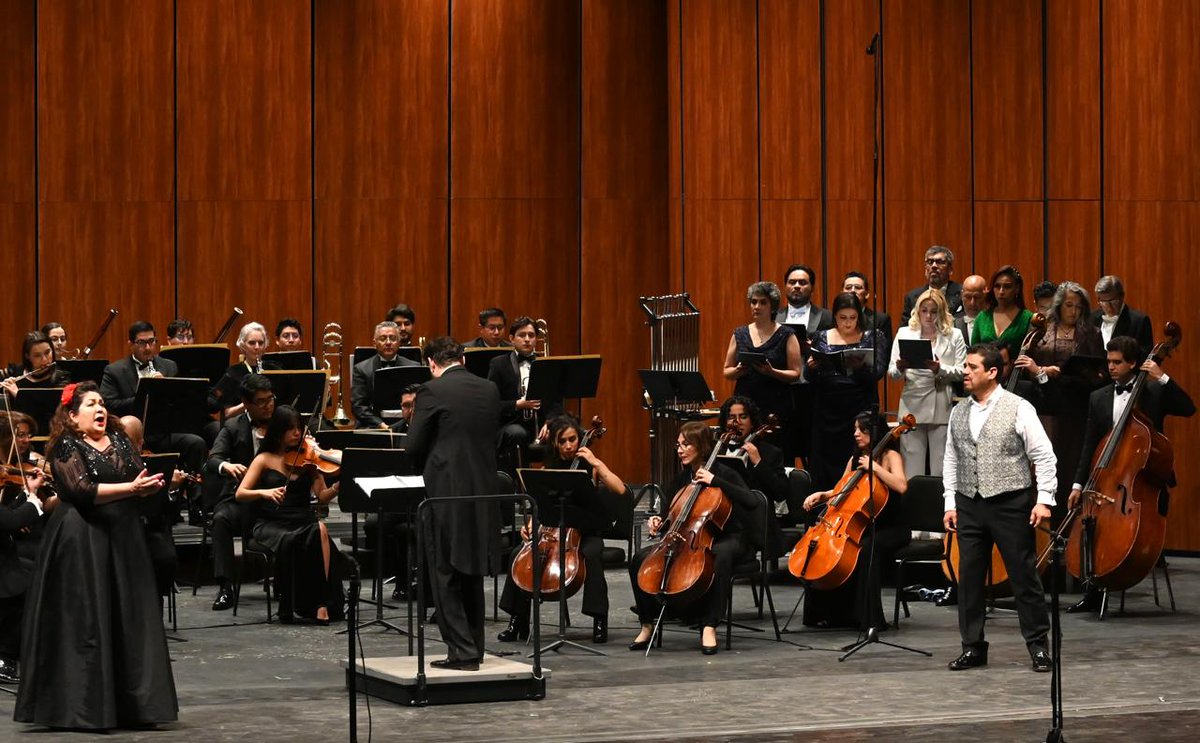
La Sala Principal del Palacio de Bellas Artes recibió esta noche la Gala de Solistas Ensamble de Bellas Artes, dirigida artísticamente por Christian Gohmer, con un recorrido por dos siglos de ópera francesa e italiana.
El programa reunió arias, dúos y escenas de conjunto de Bizet, Verdi, Puccini, Offenbach, Gounod y Massenet, interpretadas por las voces del ensamble en una selección que mostró distintos momentos y estilos del repertorio operístico.
La presentación concluyó entre aplausos del público, que siguió con atención un programa dedicado a algunas de las obras más representativas de la ópera francesa e italiana.
9
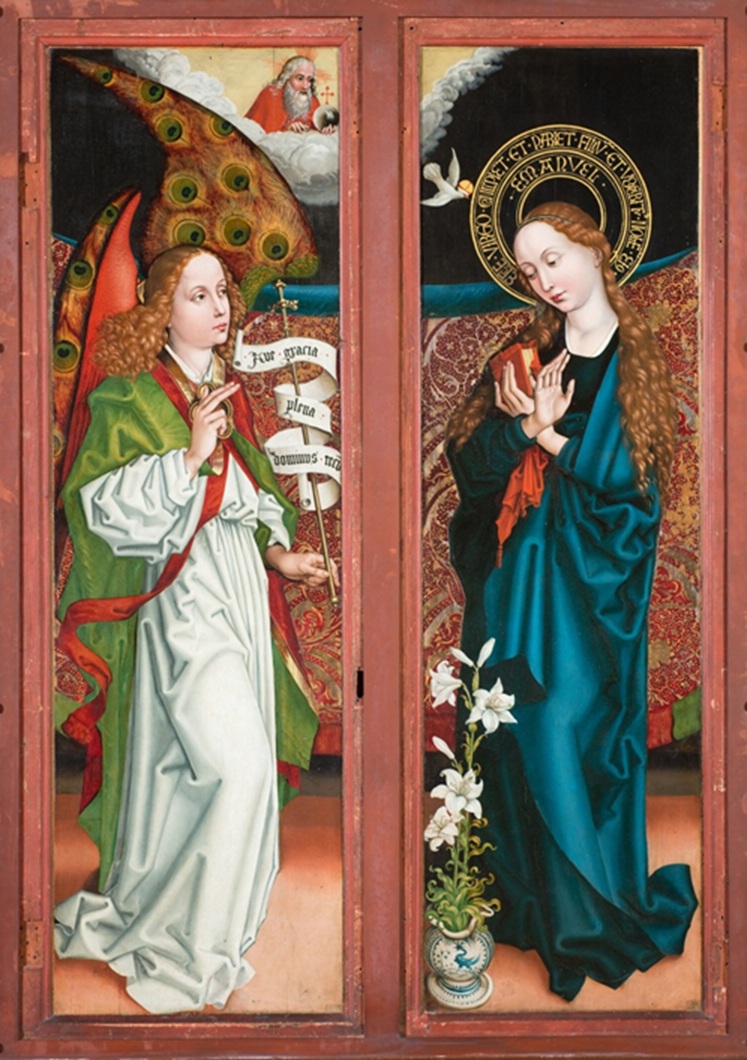
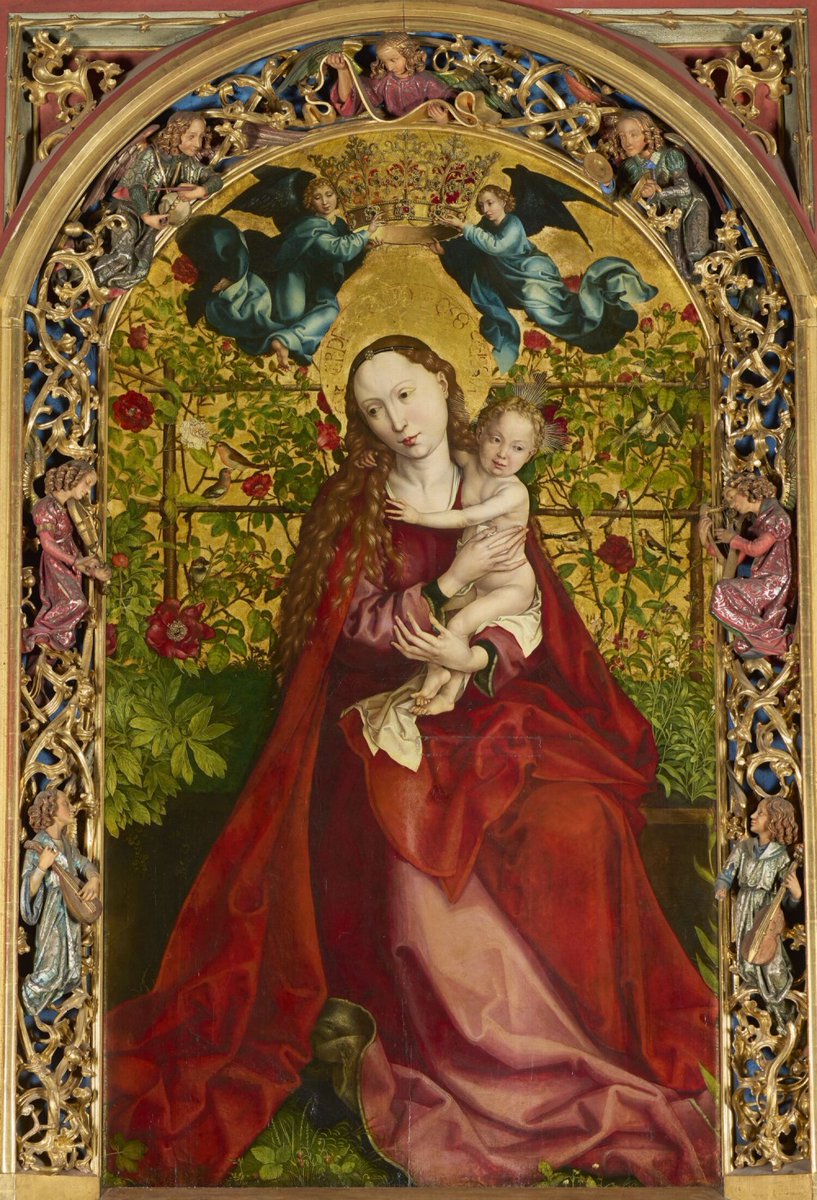
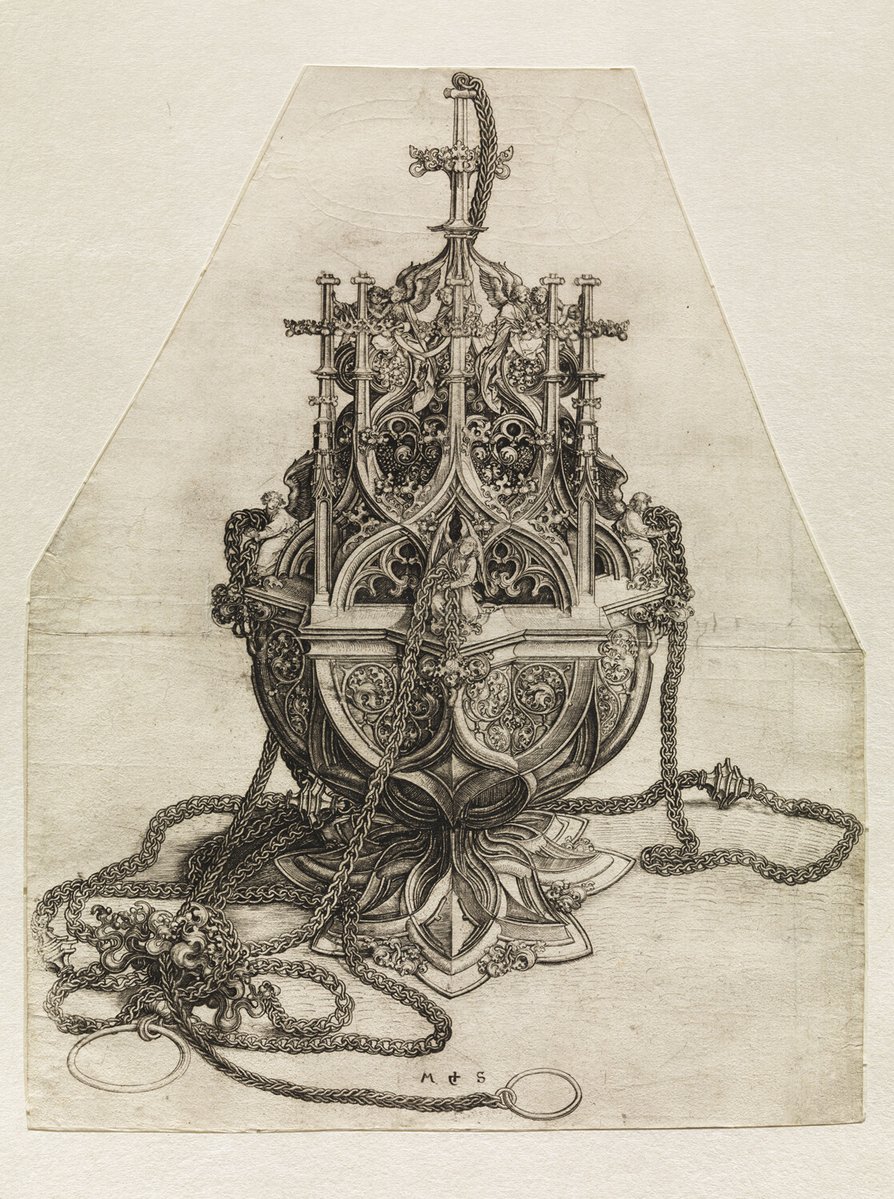
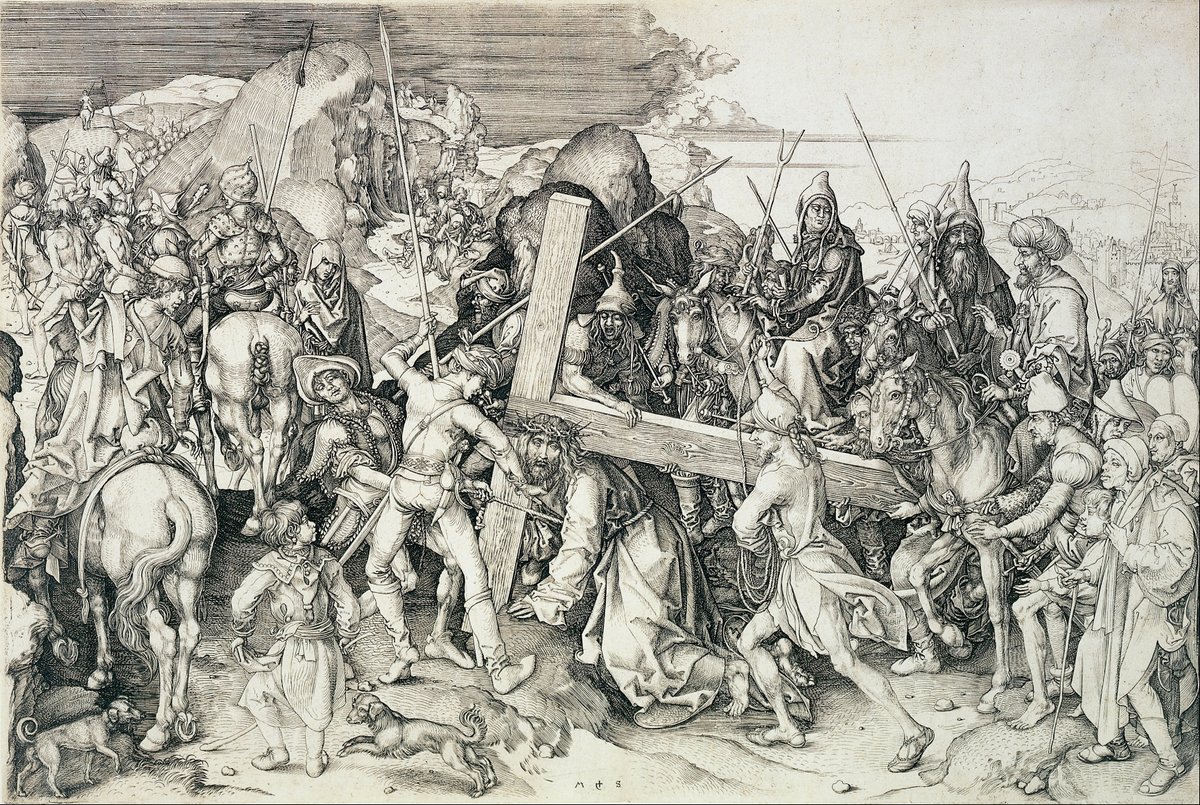
Schongauer [c.1445~1491]: abrió el camino y Dürer recogió la gloria. Si aprendió de él, ¿por qué casi nadie lo conoce? ¡Ojalá pudiera acercarme al Louvre antes del 20 de julio!

The Louvre Museum in Paris is hosting an exhibition dedicated to the painter and engraver Martin Schongauer (c. 1445/1450–1491), which runs until 20 July.
Although perhaps less well known than the young artists he inspired (including Dürer), he marked the transition from the Gothic style of the Middle Ages to the Renaissance.
He was, however, very famous in his own time, having lived the life of an itinerant painter across a territory stretching from Burgundy to the German principalities, via Flanders and Alsace, where he was born.
His style is characterised by the humanity and grace of his depictions, as well as by a constant and meticulous attention to the smallest detail, a trait inherited from his goldsmith ancestors.
His surviving works are as rare as they are scattered, and this exhibition offers us the chance to discover 7 of the 8 paintings attributed to him with certainty, as well as over a hundred drawings and engravings.
Sadly, he was taken by the plague at around the age of 45.
Here are four works on display:
1. Altarpiece by Jean d’Orlier, side panel, c. 1470–1475
2. The Virgin with the Rose Bush, 1473
3. The Censer, c. 1470–1485
4. The Great Carrying of the Cross, c. 1475–1480
1
16
LaTertulia Sonora retweeted

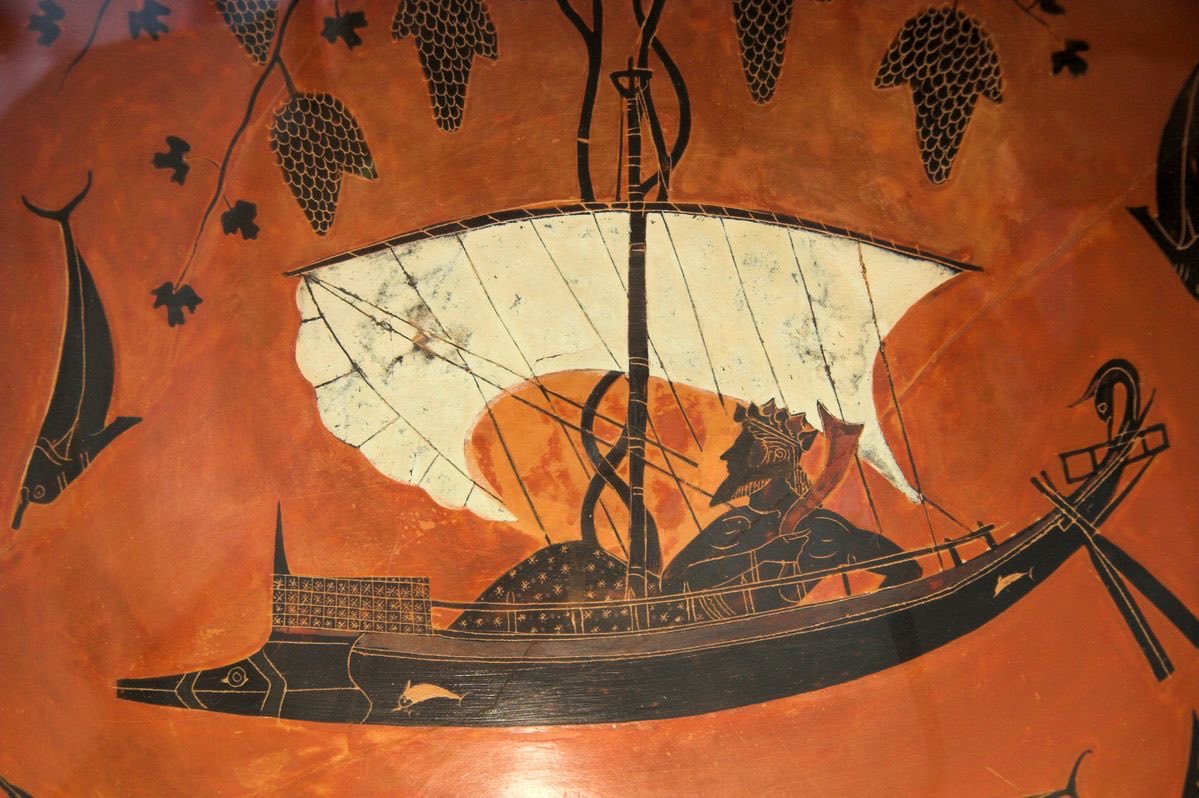
Detalle de la Copa de Dioniso, una kylix de figuras negras del antiguo arte griego creada por el pintor Exequias alrededor del 530 a.C..
2
24
90
1,077
Eternamente conmovedor. Y pensando en lo eterno... me pregunto cuántas otras bellezas antiguas de otras latitudes siguen sin tener su Uffizi que las celebre.

Day 15 of posting beautiful ancient sculptures from the Uffizi Gallery.
Your opinion is meaningless; beauty is eternal.
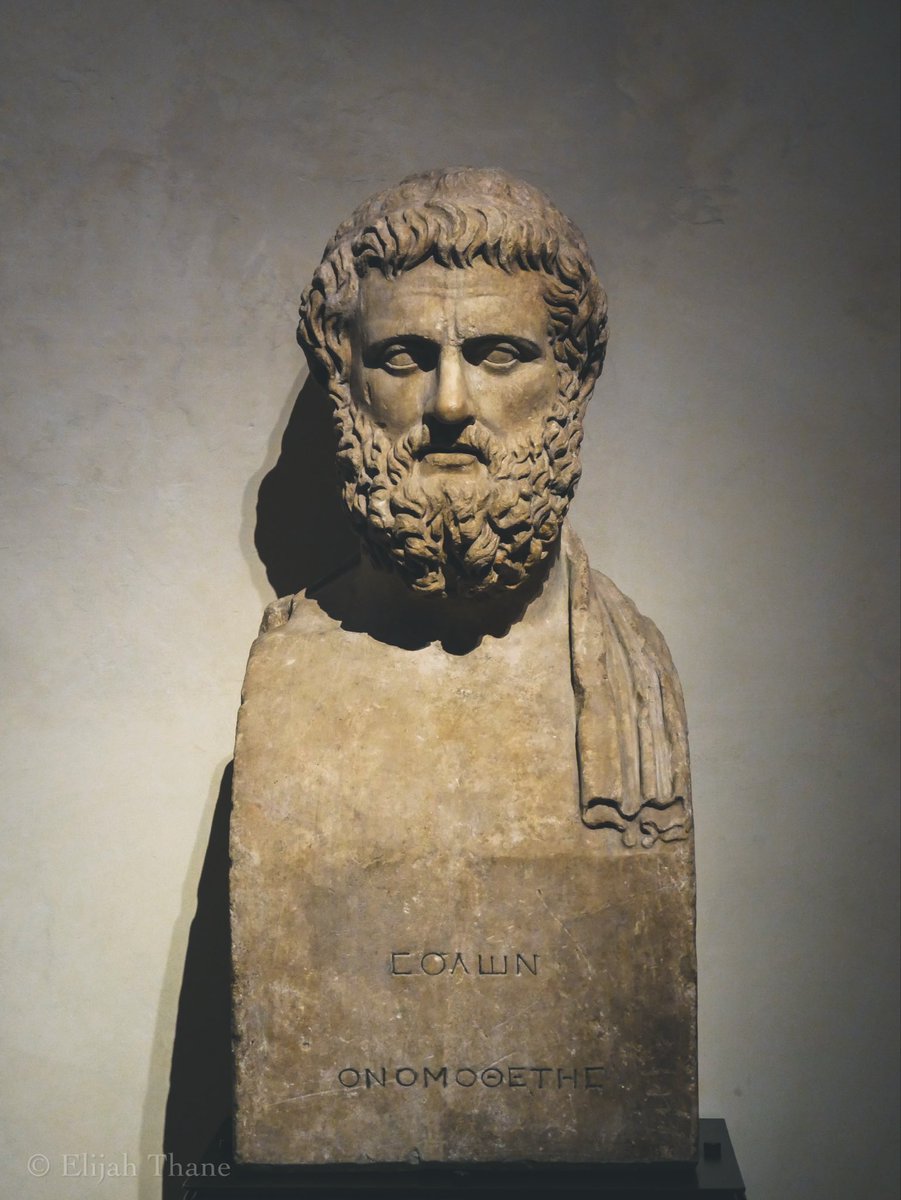
1
3
LaTertulia Sonora retweeted

It is our distinct honor to introduce a breathtaking, epic performance of "The Pray of the World"—a masterpiece featuring the musical genius Vangelis on the piano, alongside the legendary Spanish opera diva Montserrat Caballé and vocalist Martí Caballé.
21
60
2,751
Vuelvo al contraste: Versalles abruma. El ZNM acoge-un salón, no un trono. Arquitectura que respira con el desierto.
10
LaTertulia Sonora retweeted

f in London, the Zurbarán exhibition at @NationalGallery is well worth a visit. Music by Gaspar Sanz, performed as part of the exhibition celebrations. Zurbarán & Sanz were contemporaries, living & working at the height of Spain's Golden Age (Siglo de Oro).
7
18
505
LaTertulia Sonora retweeted
Escultura de mármol conocida como Atenea Parthenos, expuesta en el Museo del Louvre.
La obra es una copia romana de los siglos I-II d.C. basada en un original griego del siglo V a.C. atribuido a Fidias.
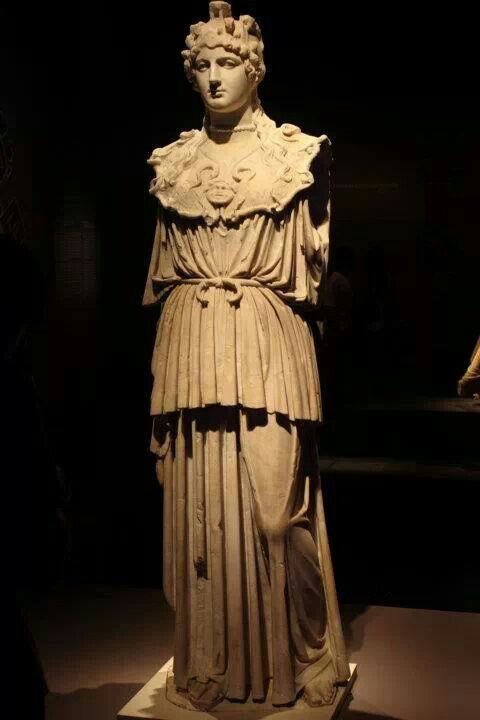
1
22
85
1,264

Watch one of the most legendary moments in recorded classical music: Itzhak Perlman and Pinchas Zukerman performing together for the very first time in 1977! Watch them bring to life Halvorsen/Handel's captivating Passacaglia. bit.ly/3Z6bgAi
2
52
157
4,804
LaTertulia Sonora retweeted

Jun 12
Con este movimiento concluye el brillante «Concierto para dos pianos en mi mayor» de un joven Felix #Mendelssohn, obra central de este programa con @Gewandhaus y @andris_nelsons junto a los hermanos @JussenOfficial.
Deleite hoy: 17:50 🇦🇷🇨🇱🇵🇾🇺🇾 | 16:50🇧🇴 | 15:50 🇨🇴🇪🇨.
1
10
22
638
LaTertulia Sonora retweeted

Jun 13
Listening now to 'La Cathédrale Engloutie' by Claude Debussy from
Préludes 1 played at the piano by the maestro Arturo Benedetti Michelangeli in this 1978 lp recording.
As you listen, close your eyes & visualize a Gothic cathedral slowly submerging in the mist of time. Enjoy!
11
68
279
9,898
LaTertulia Sonora retweeted

In the King’s Birthday Honours, there are CBEs for the conductors Paul McCreesh and Anthony Negus, the OBE for the composer Roxana Panufnik and the MBE for the soprano Louise Alder.
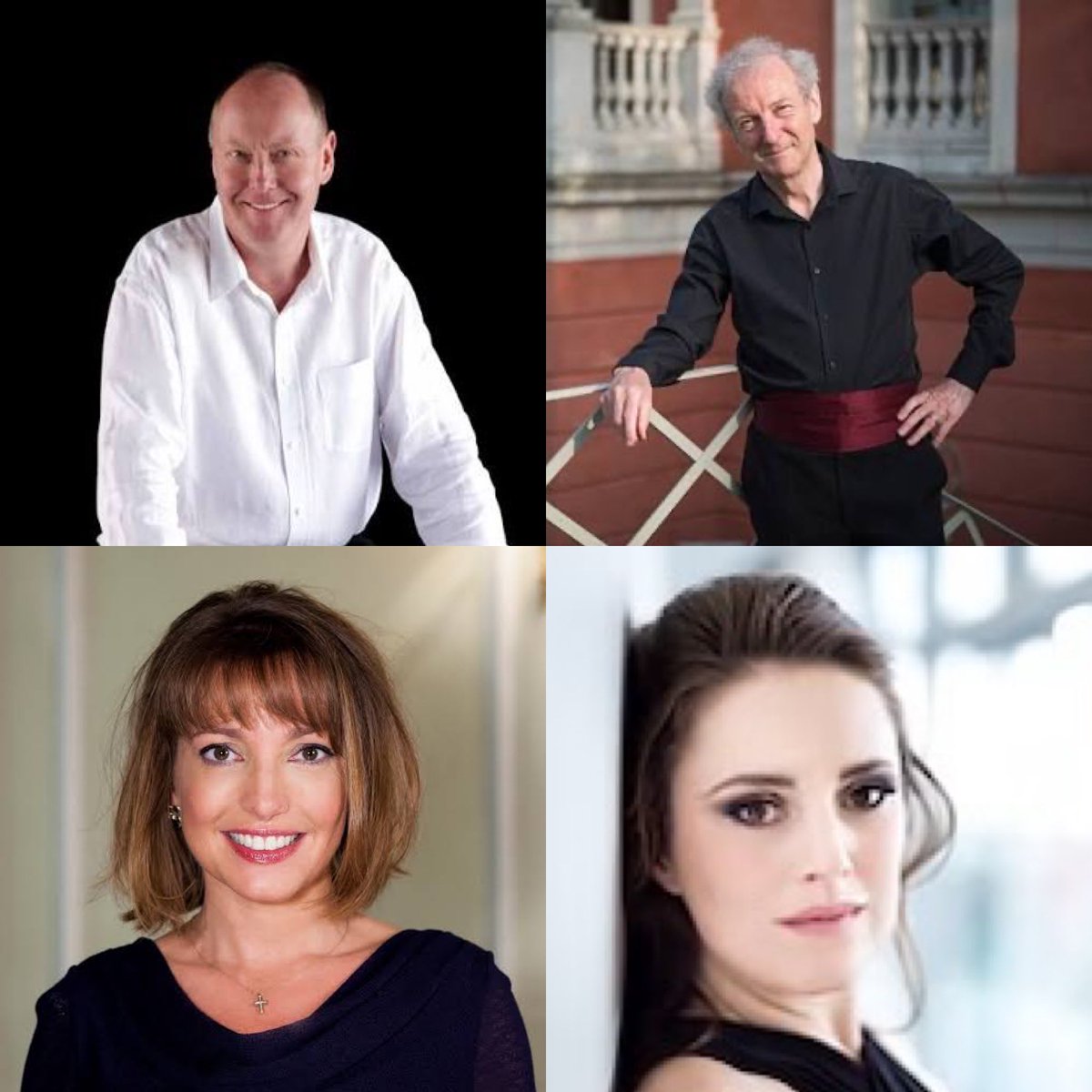
8
33
868

Jun 13
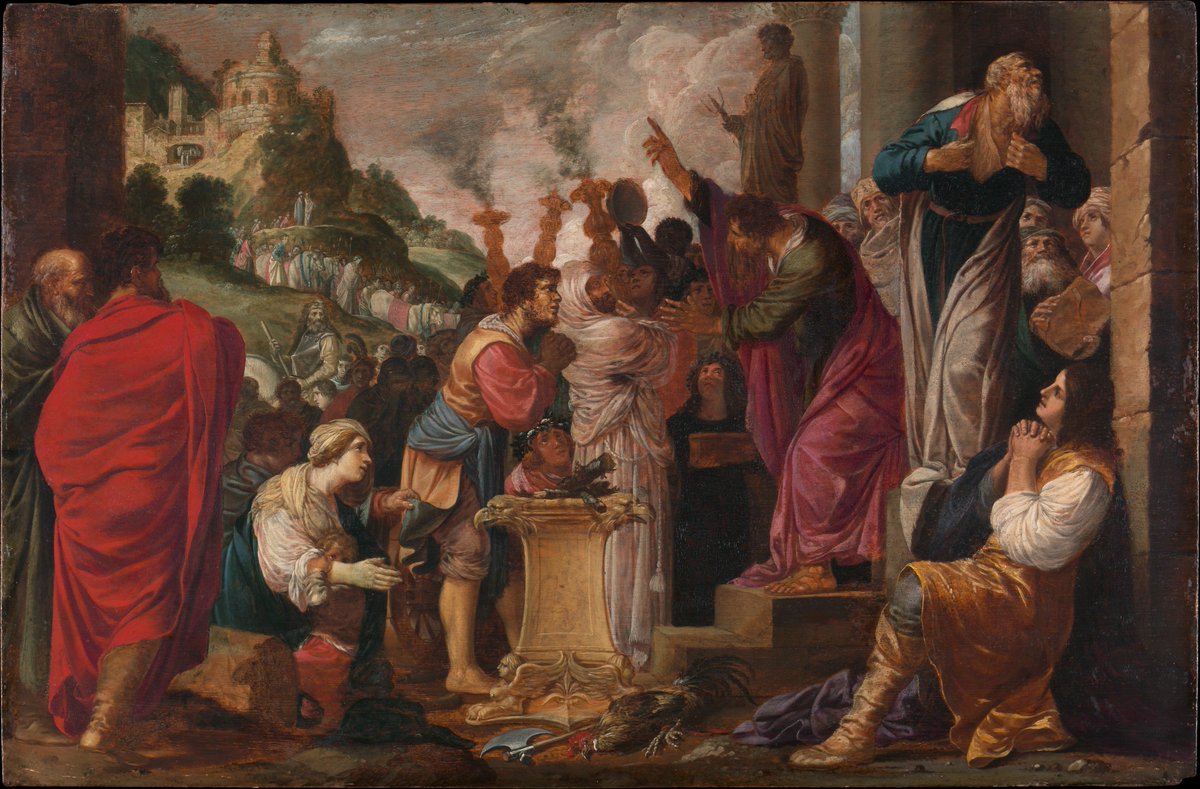
Siempre me conmueve el Barroco así: gesto, luz, teatro puro. Pynas, menos conocido de lo justo, brillando en el Met. #Barroco

The Miracle of St. Barnabas (Acts 14:8-18)
In Lystra, Paul and Barnabas encountered a man lame from birth. As they preached, Paul saw the man had faith and commanded him: “Stand up on your feet!” The man immediately jumped up and began walking — a powerful sign of God’s healing power. The crowd was amazed and tried to worship them as gods (calling Barnabas “Zeus” and Paul “Hermes”), but the apostles tore their clothes and urged the people to turn to the living God instead. Feast day 06/11
Paul and Barnabas at Lystra, Jacob Pynas (1592/1593–c 1650), 1605 - 1650, oil on panel, 48.3 73.3 cm,
Metropolitan Museum of Art, New York
1
2
37
LaTertulia Sonora retweeted

Jun 11
“Music, being identical with heaven, isn't a thing of momentary thrills, or even hourly ones. It's a condition of eternity.”
Gustav Holst
The Planets, Op. 32: IV. Jupiter by Gustav Holst
2
20
70
2,884
LaTertulia Sonora retweeted
Jun 12
Listening now to Bach's sublime 17-minute Toccata in D Minor, BWV 913 masterfully played by Glenn Gould in this 1979 Lp recording.
This piano piece is built like a divine prism whose contrapuntal fugues reflect both exhilaration & meditation on an infinite light. Enjoy!
12
34
214
9,939
LaTertulia Sonora retweeted
Jun 12
**ESTRENO** Hermoso movimiento lento del «Concierto para violín en la menor», Op. 53 de Antonín #Dvořák, obra central del programa con la violinista #Midori junto a la Sinfónica Alemana de Berlín y la directora #MarieJacquot.
Deleite hoy: 21:00 🇦🇷🇨🇱🇵🇾🇺🇾 | 20:00 🇧🇴 | 19:00 🇨🇴🇪🇨.
1
13
53
1,255
LaTertulia Sonora retweeted

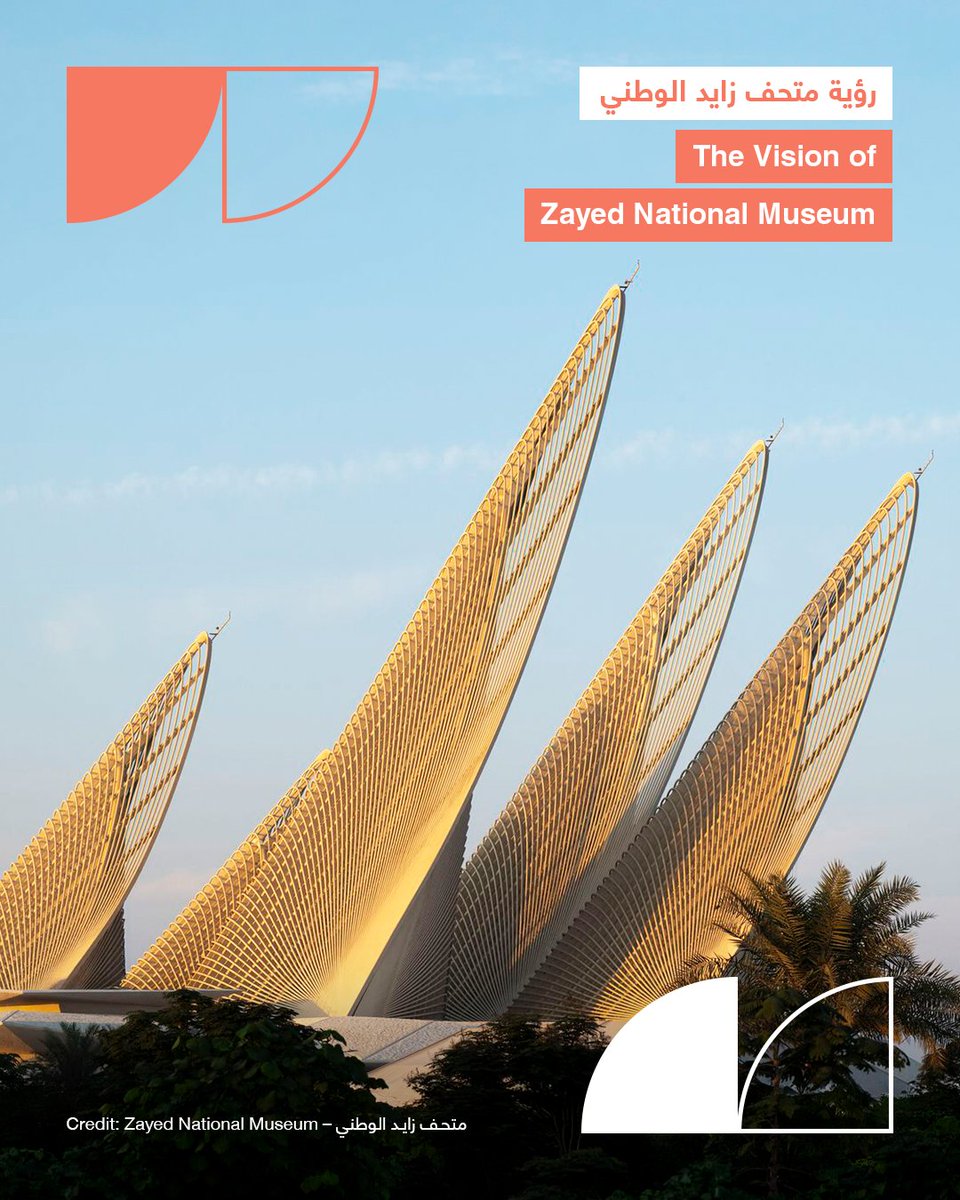
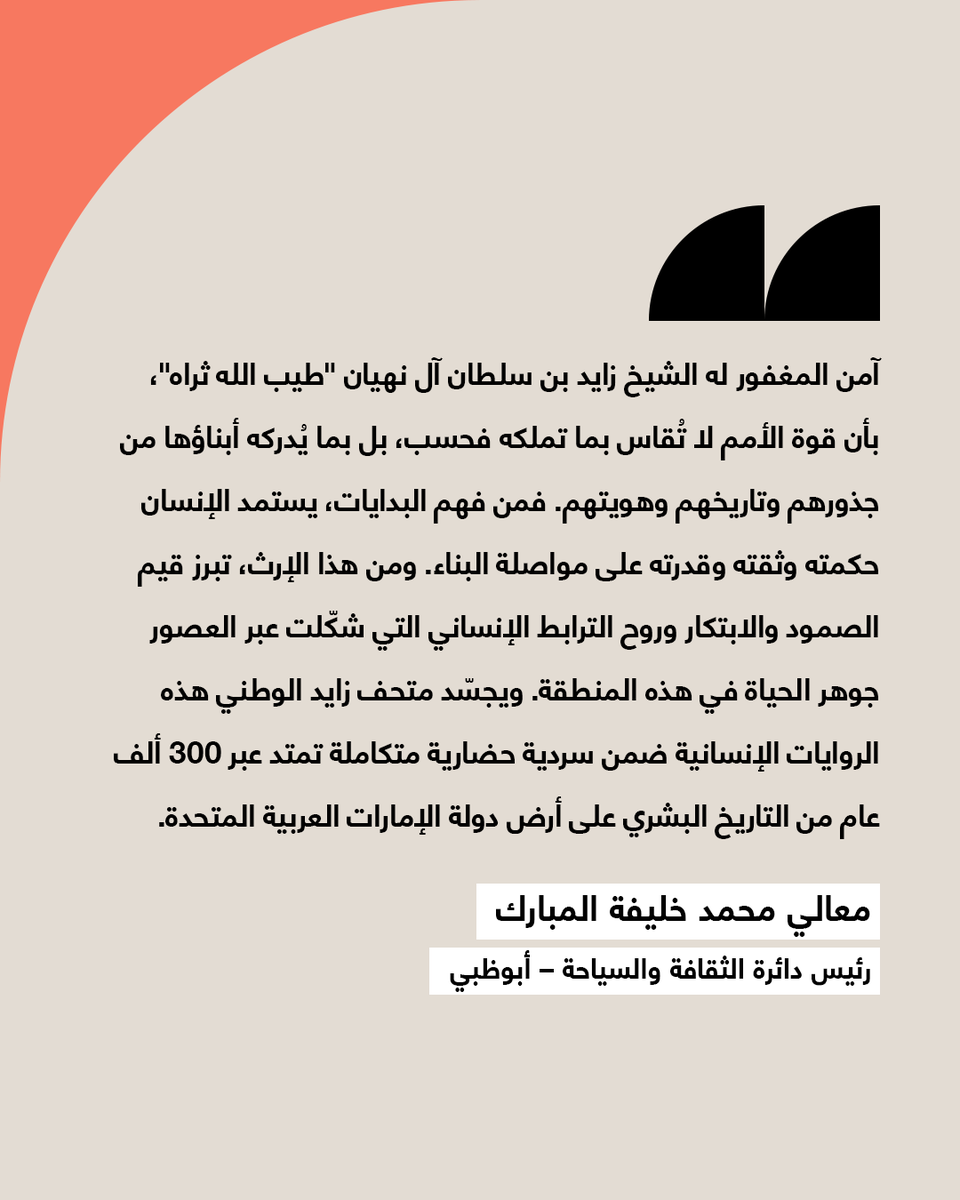
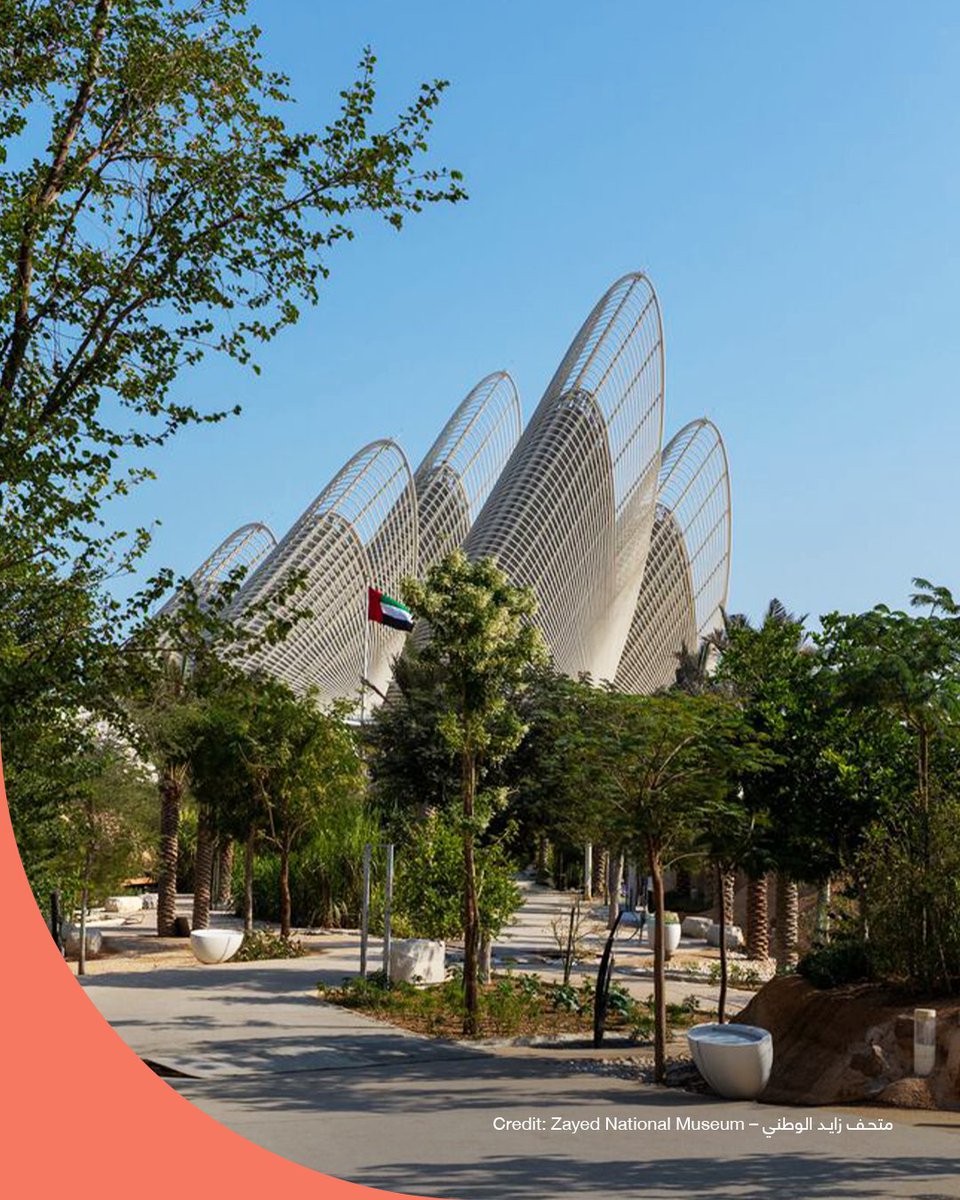
Our Chairman, H.E. Mohamed Khalifa Al Mubarak, recently spoke with ArtAsiaPacific about how @Znmuae brings heritage and modernity into dialogue, reflecting the values of our Founding Father and the story of the nation.
Read the full article below.
artasiapacific.com/people/wh…

3
1
151
LaTertulia Sonora retweeted

El nuevo #MuseoNacionalZayed, diseñado por @FosterPartners, combina imagen icónica y solución técnica.
Sus cinco #AlasDeAcero ligero no solo definen el #edificio: también forman parte de su #SistemaDeVentilaciónNatural. #Arquitectura que busca impactar y funcionar.
1
1
16
Jun 12
Un centro cultural sin programa vivo es apenas una cáscara. Cuando la investigación y las historias mandan sobre el continente, funciona. Cuando se hace en serio, se nota. Lo demás es fachada.
Jun 12

Yo es que, Amparo, cada vez desconfío más de Sevilla, así en general, haciendo centro culturales. O acaban de salón de celebraciones para eventos varios, con colecciones muertas, espacios infrautilizados, exposiciones cutres de amigos de... Qué te voy a decir a ti que no sepas.
1
9
[NEW] Witness pianist Hélène Grimaud and cellist Sol Gabetta join forces in a recital that follows the tradition of the great piano-cello duos. Watch the duo perform Debussy’s sparkling Cello Sonata in D minor. Available in full on medici.tv! bit.ly/49QQtVQ
31
91
3,789