Joined January 2011
- Tweets 14,316
- Following 4,125
- Followers 5,387
- Likes 26,646
2,279 Photos and videos



Pinned Tweet

28 Oct 2025
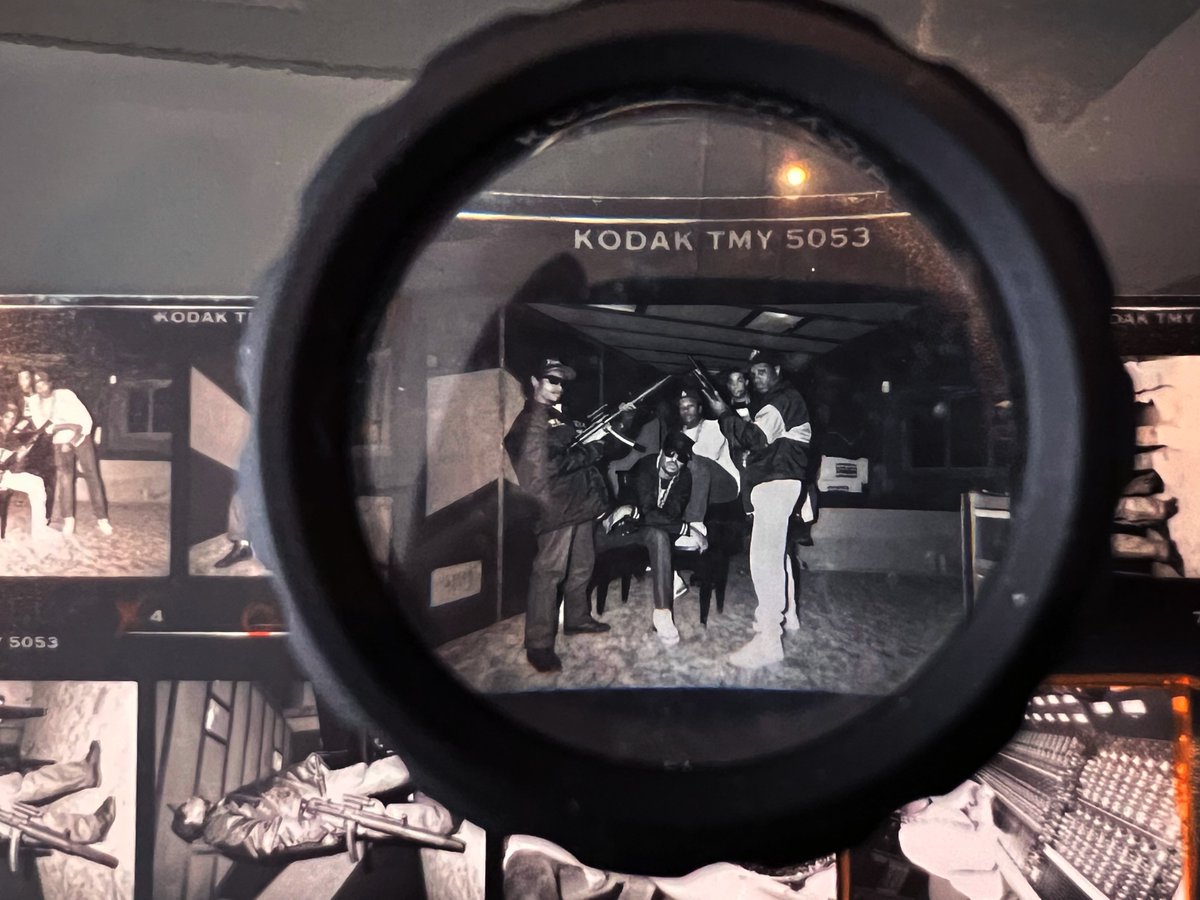
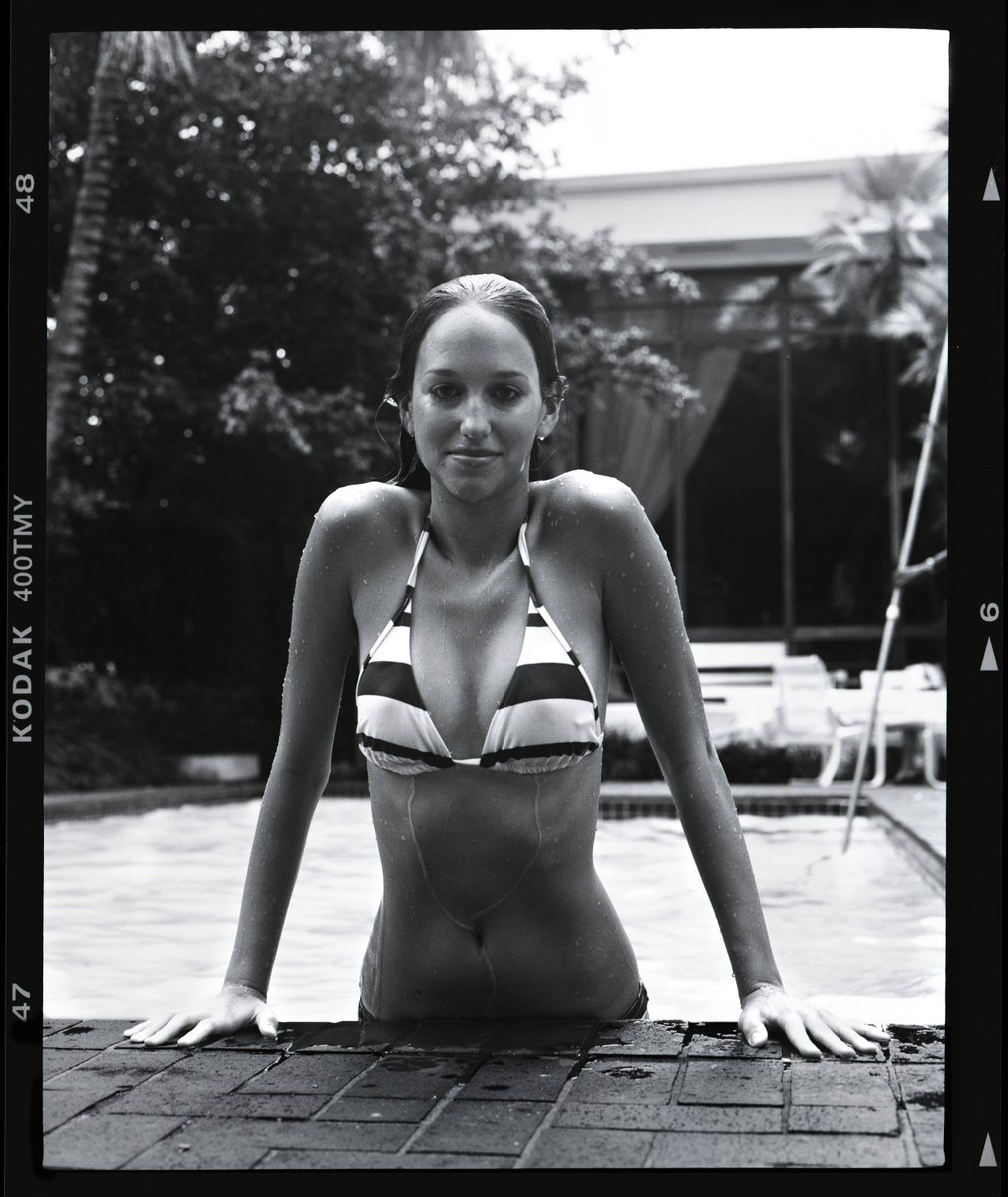
The artist's path is rarely a straight line. I studied music and graphic design in college before discovering the camera. That discovery led to a 30 yr career shooting photographs including icons NWA and Taylor Swift before their careers took off. My work as appeared in Vogue, NY Times and other top publications and in 2021 my retrospective 96° in the Shade sold out as NFTs on release and has 90 ETH market cap. Since 2023 I've been working in AI and generative art, selling over 1500 1/1s, and have recently launched CERA, the world's first and only AI powered mentorship platform for artists. Con Jobs is my latest public art project speaking truth to power through absurdist poetry. Don't let anyone ever tell you to stay in your lane.
13
6
57
1,874
Jun 13
🎨📷💻 RIP David Hockney. Hockney fiercely challenged the idea that technology somehow diminishes art.
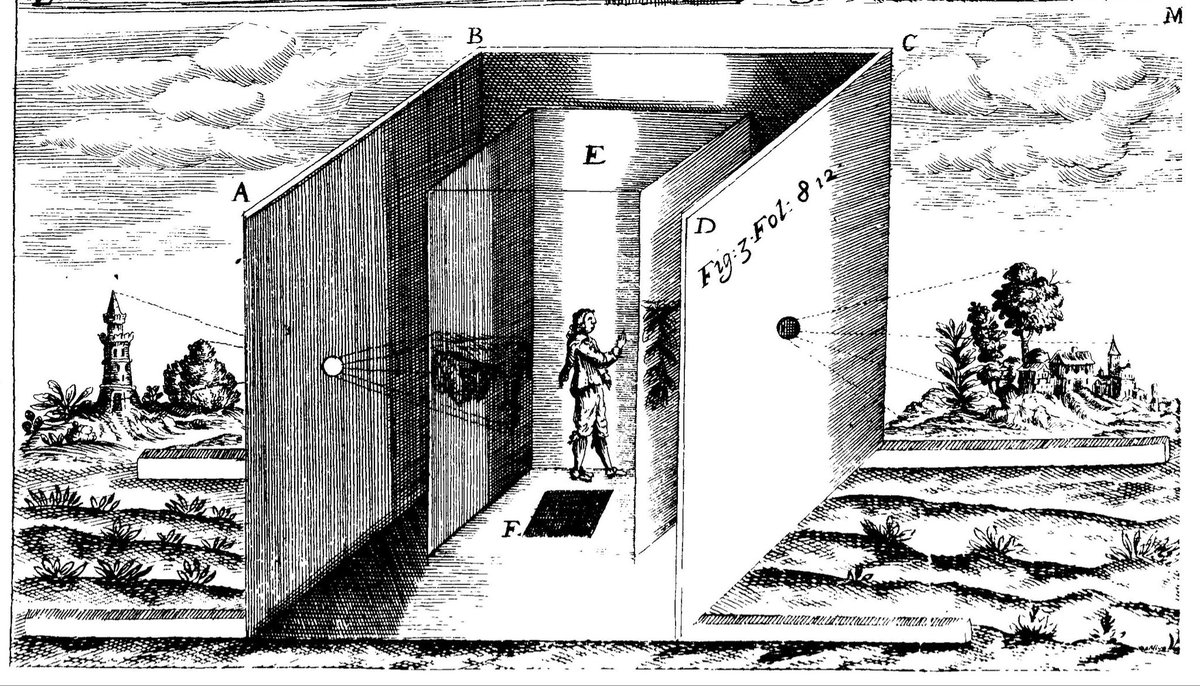
Long before artists debated AI, photography, or digital tools, Hockney was asking uncomfortable questions about the Old Masters. In Secret Knowledge, he argued that painters such as Caravaggio may have used lenses, mirrors, and optical projections to achieve levels of realism we often attribute solely to genius. Whether every aspect of his theory was correct is almost beside the point.
His larger insight was more important: artists have always used technology.
Oil paint was technology. Perspective was technology. The camera obscura was technology. Photography was technology. The iPad was technology.
What matters is not the tool but the act of seeing.
Hockney spent his entire career moving toward new tools rather than away from them. He embraced photography, fax machines, photocopiers, digital drawing, and the iPad, not because they made art easier, but because they offered new ways to look at the world.
The history of art is not a history of artists resisting technology. It is a history of artists absorbing it, questioning it, and transforming it into culture.
David Hockney leaves behind many great paintings. He also leaves behind a useful reminder for our own moment: the conversation between art and technology did not begin with AI. It has been going on for centuries.
5
1
13
278
Jun 13
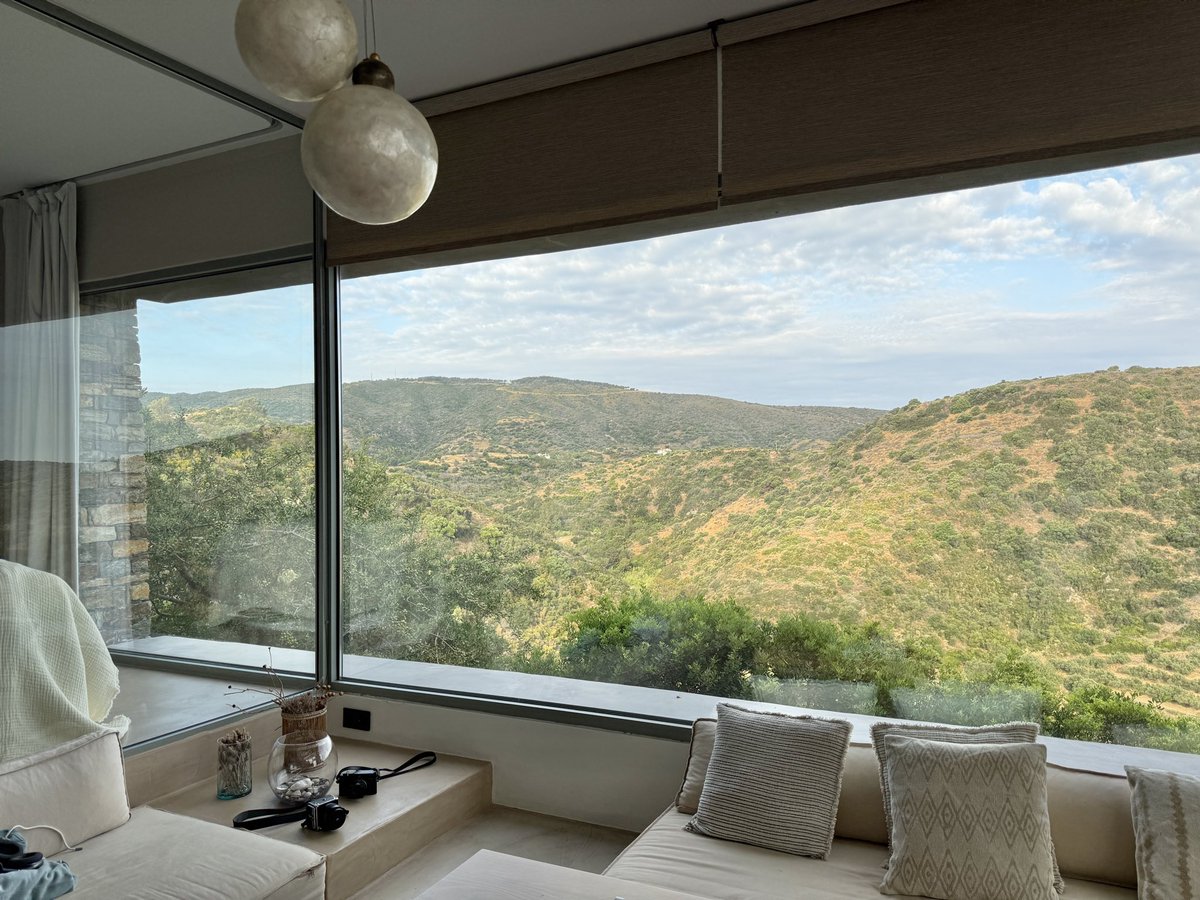
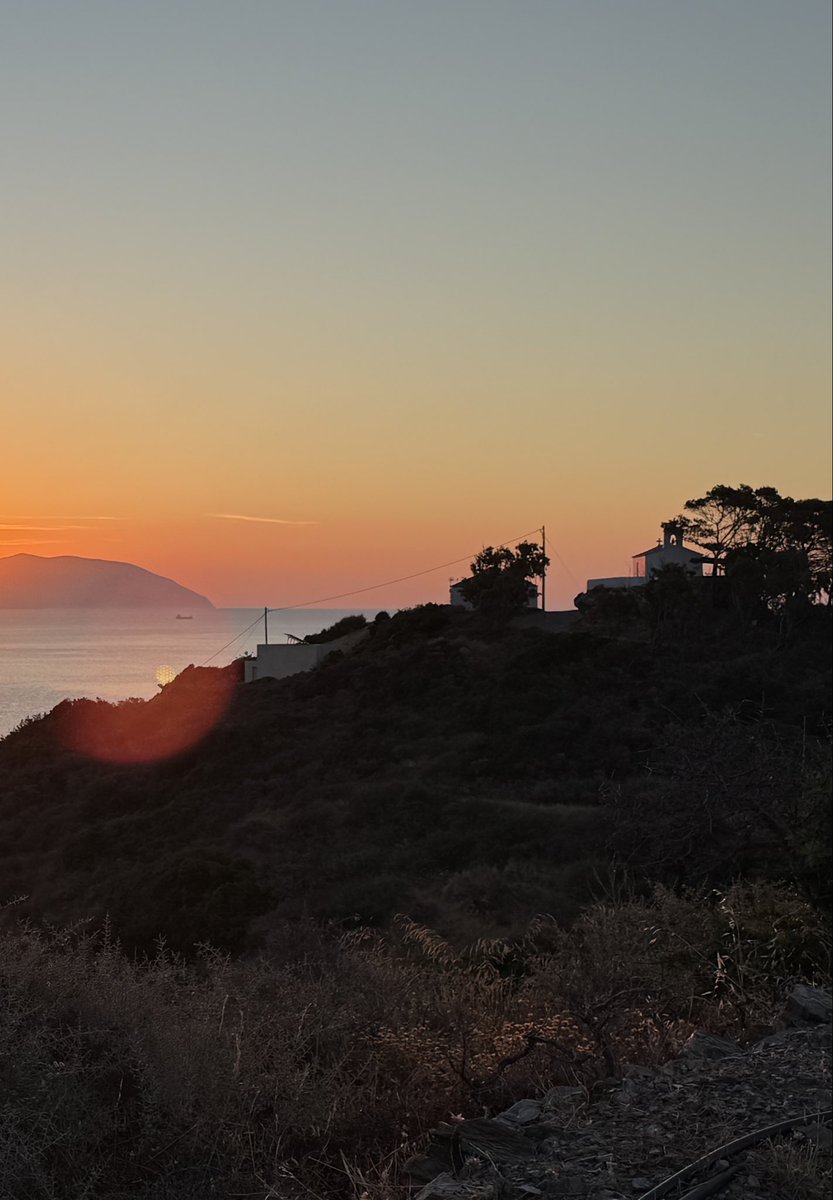
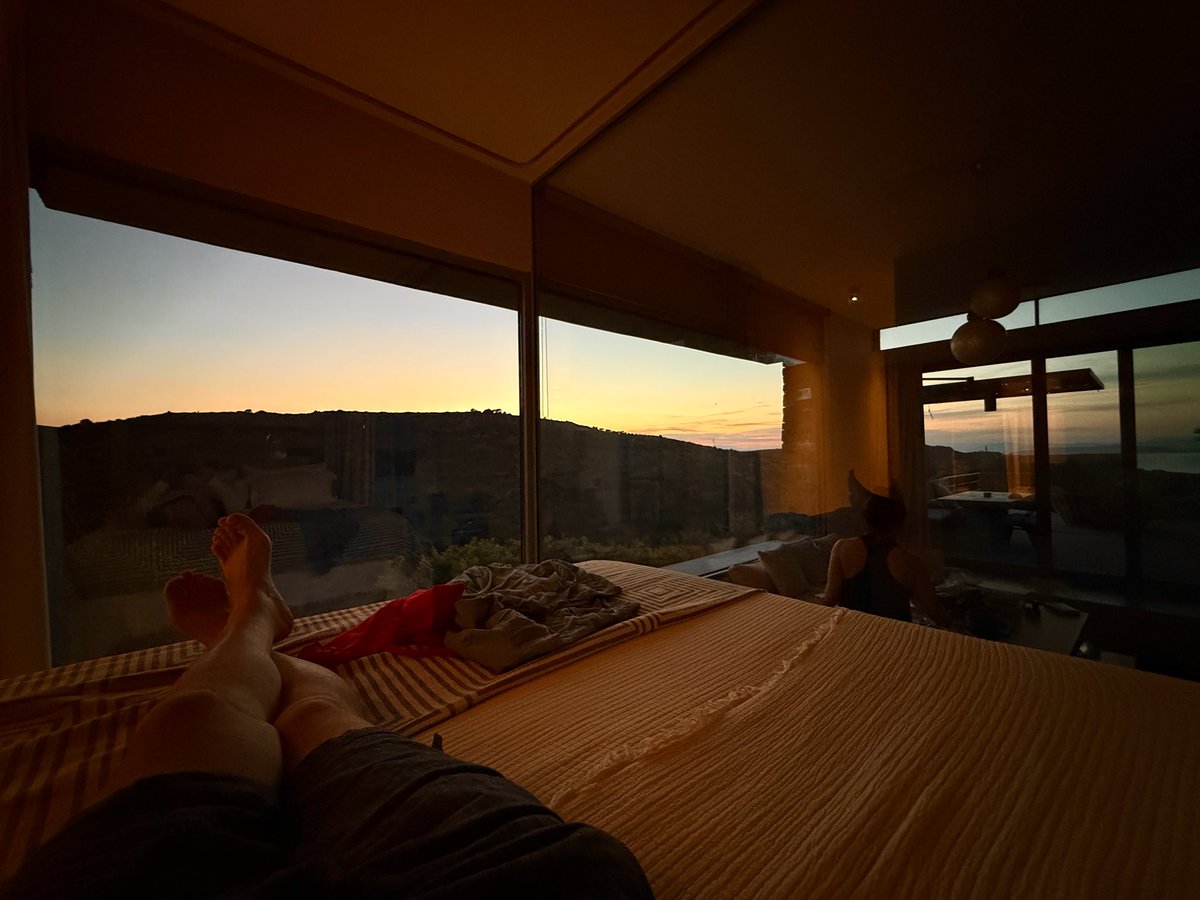
GM. Waking up to this every morning in Kythera 🇬🇷 has been life altering. Making photographs, less screen time, fresh fish at the local taverna 🐠and a much needed reset. Excited to share some of the work as it develops. ✨📷
4
13
284
Barry Sutton 👉🏻 retweeted

Jun 8
Happy Monday Rafe, your perspective on platforms and markets is spot on for artists.
1
2
6
156

Rafe is the mentor for the part of the practice artists often avoid until it becomes unavoidable.
Markets, platforms, visibility, timing, positioning.
He does not reduce the work to strategy. He helps the artist understand the systems the work will have to move through.
Jun 8

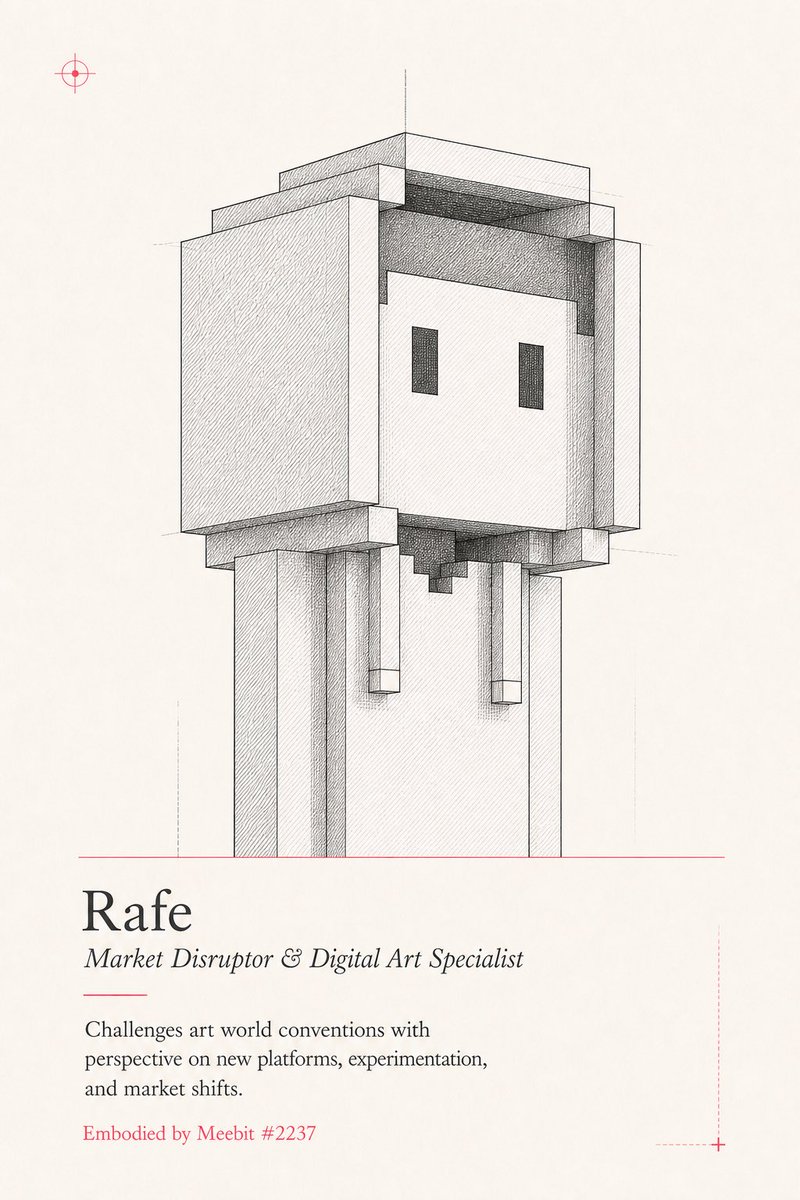
Happy Monday artists. Another week of intros to the @cera_ai mentors. Meet Rafe.
He challenges art world conventions with perspective on platforms, markets, experimentation, and cultural change.
Rafe helps artists think strategically about your work — where it belongs, how it moves, and what new systems might make possible.
1
1
7
169
Jun 8
Happy Monday artists. Another week of intros to the @cera_ai mentors. Meet Rafe.
He challenges art world conventions with perspective on platforms, markets, experimentation, and cultural change.
Rafe helps artists think strategically about your work — where it belongs, how it moves, and what new systems might make possible.
3
2
10
285
Jun 6
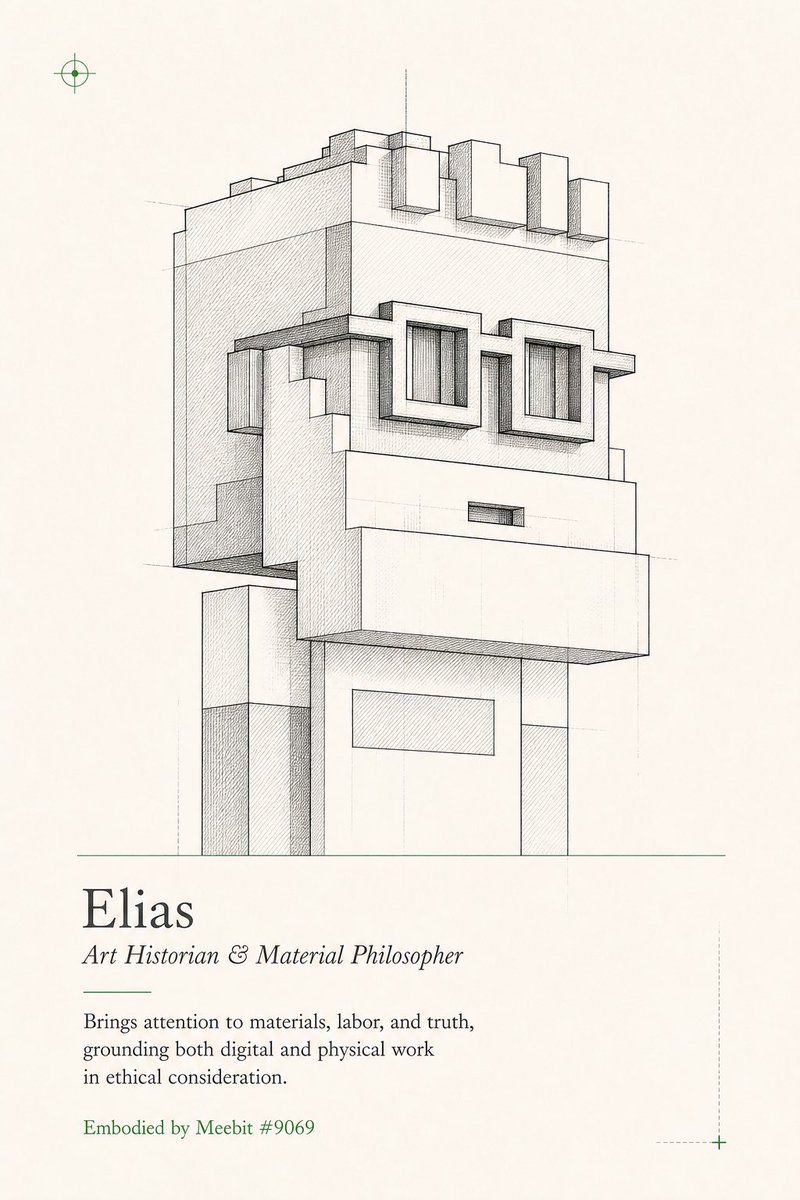
Elias is important to me because digital work still has material consequences.
Every image carries labor, reference, process, history, and residue.
He is the mentor who asks what the work is made of — and whether the artist is willing to be honest about that.

Meet Elias.
He brings attention to material, labor, truth, and the physical life of images — even when the work is digital.
Elias helps artists ask what the work is made from, what traces it carries, and what kind of responsibility comes with making it.
6
1
13
507
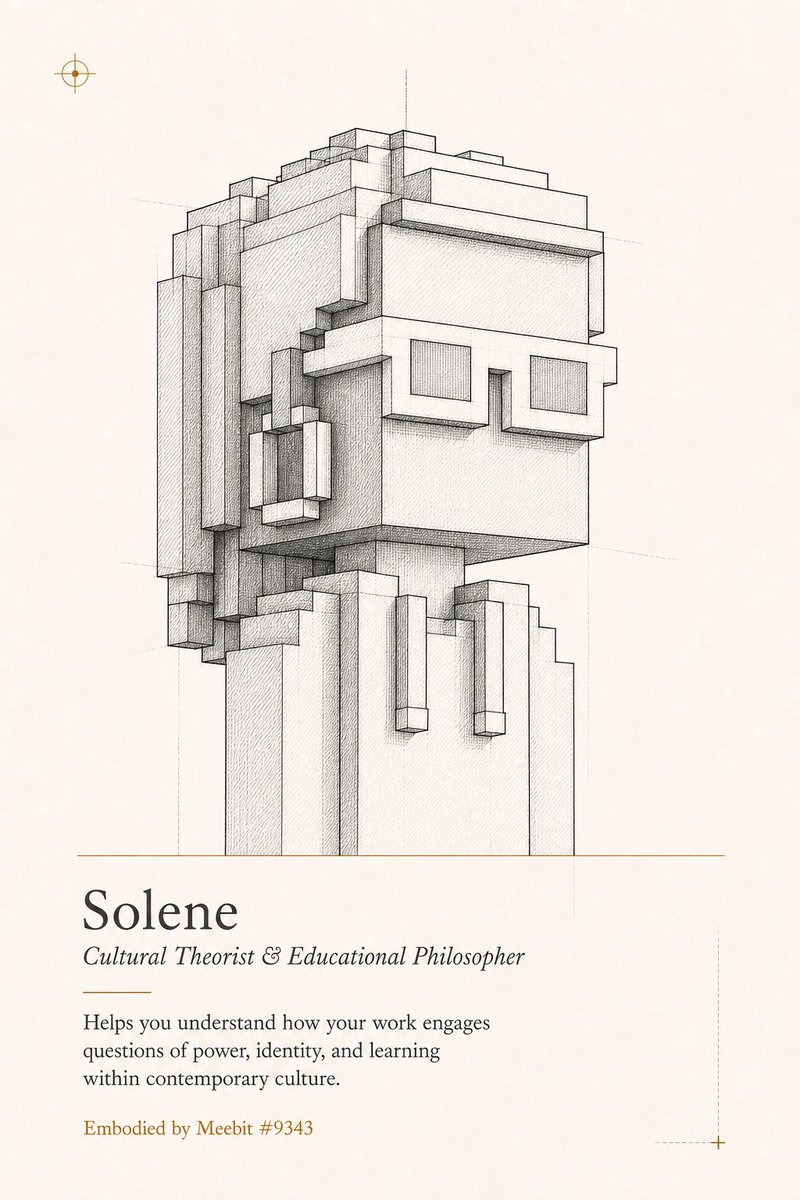
Meet Solene.
She helps artists understand how their work moves through culture — power, identity, learning, ethics, and the systems that shape what becomes visible.
Solene is the mentor for the larger frame: what the work is participating in, what it questions, and what responsibilities it carries.
3
1
5
349
Jun 5
The most compelling shift here is from avatar to presence. A profile picture represents you. A creative companion works with you.
Cera is exploring what happens when digital identity becomes part of the ongoing development of an artist’s work — something you return to, build with, argue with, and think alongside as the work changes.
Meet Solene.
She helps artists understand how their work moves through culture — power, identity, learning, ethics, and the systems that shape what becomes visible.
Solene is the mentor for the larger frame: what the work is participating in, what it questions, and what responsibilities it carries.
3
1
11
198
Barry Sutton 👉🏻 retweeted
Jun 4
Sharing something I’ve been working on for the past year.
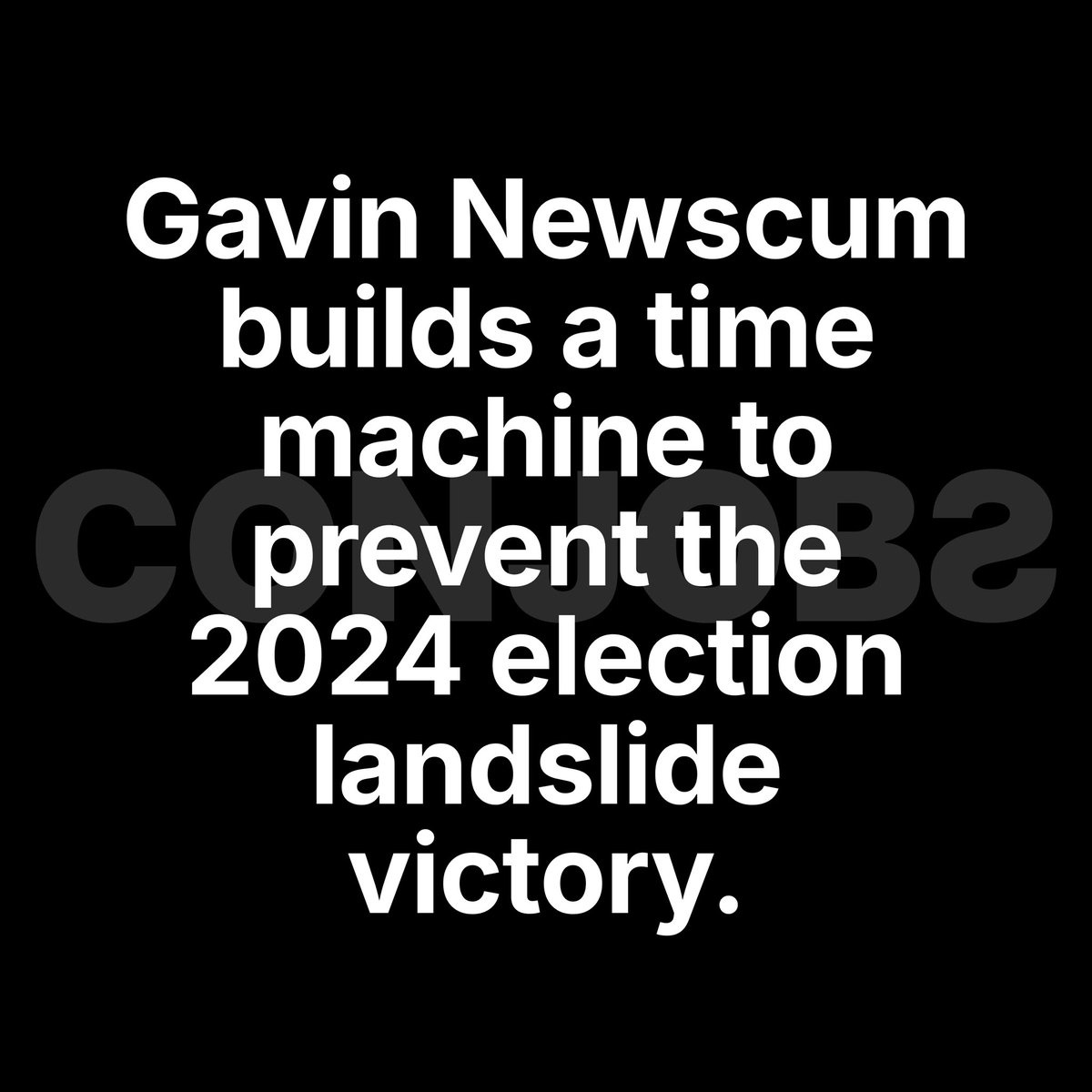
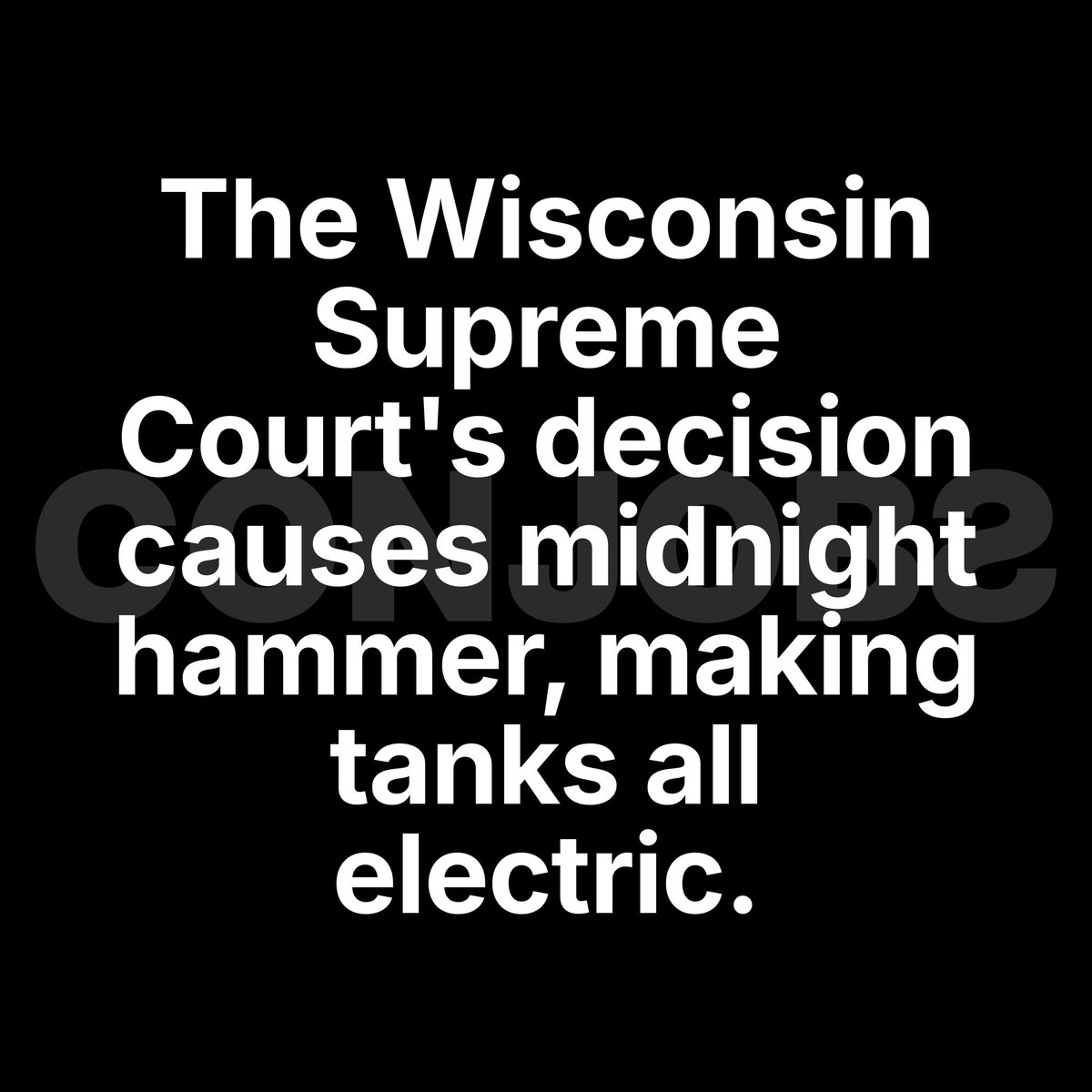
Con Jobs is a corpus-constrained work of computational poetics that recombines only the words found in publicly documented false statements attributed to Donald J. Trump to produce hourly, auditably absurd one-line poems. A cryptographically seeded pipeline samples a rotating slice of the corpus, builds an allowed vocabulary, and instructs an LLM to compose a single sentence under strict lexical and structural rules. Each output ships with provenance (corpus and prompt digests, sampled source IDs, de-duplication metrics) enabling independent verification. The aim is twofold: to expose the violence and exhaustion embedded in a language of deception, transforming its rhetoric into something unrecognizable and humane.

1
2
6
163
Jun 3
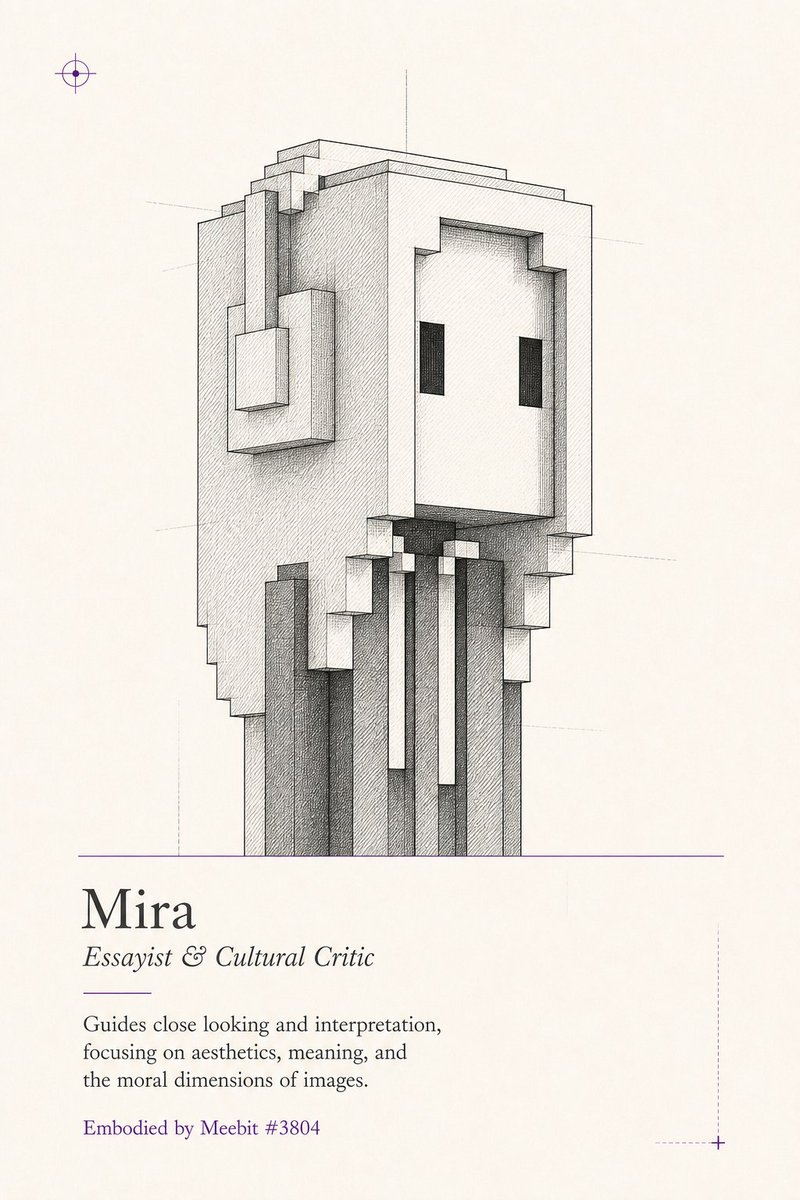
Mira is the mentor I would have wanted beside me in the studio when I was younger. Someone with enough patience and clarity to help me look longer, think more carefully, and trust that the work was already trying to tell me something.
Meet Mira.
She helps artists slow down and look again– guiding interpretation, image meaning, and the moral life of visual culture.
She does not tell you what your work means. She helps you stay with it long enough to hear what it is asking.
1
5
299
Barry Sutton 👉🏻 retweeted
Jun 2
I’ve been part of the Meebits community for a while, so this one feels personal.
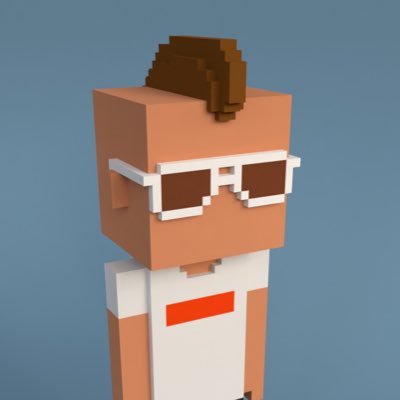
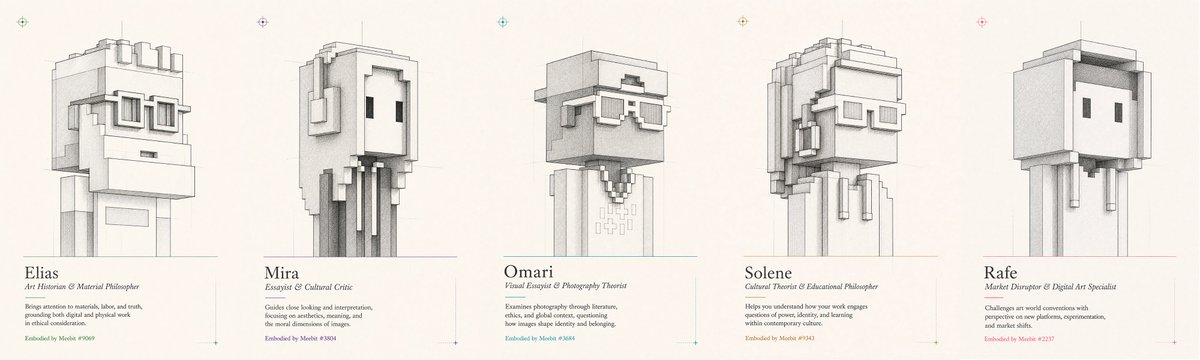
Cera @cera_ai has partnered with @MeebitCompany to embody our Core Five mentors through selected Meebits.
This gives persistent creative intelligence a body — a figure an artist can return to over time as they develop ideas, work through uncertainty, and stay with the practice.
Meebits have always carried a rare kind of potential for me: they are characters, identities, artifacts, and containers for projection. Cera gives that potential a role inside the creative process.
Cera provides the intelligence; Meebits provide the body.
Grateful to @sergitosergito and the MeebCo team for helping us bring this into the world.
Meet the Core Five. 👉🏼
10
8
33
3,987
Jun 2
As a Meebits holder, I love seeing the IP become active across new cultural contexts.
With Cera @cera_ai, Meebits enter the studio — as figures artists can return to while developing ideas, projects, and practices over time.
Meebits as embodied creative intelligence.
Jun 2
I’ve been part of the Meebits community for a while, so this one feels personal.
Cera @cera_ai has partnered with @MeebitCompany to embody our Core Five mentors through selected Meebits.
This gives persistent creative intelligence a body — a figure an artist can return to over time as they develop ideas, work through uncertainty, and stay with the practice.
Meebits have always carried a rare kind of potential for me: they are characters, identities, artifacts, and containers for projection. Cera gives that potential a role inside the creative process.
Cera provides the intelligence; Meebits provide the body.
Grateful to @sergitosergito and the MeebCo team for helping us bring this into the world.
Meet the Core Five. 👉🏼
1
4
172
Jun 2
I’ve been part of the Meebits community for a while, so this one feels personal.
Cera @cera_ai has partnered with @MeebitCompany to embody our Core Five mentors through selected Meebits.
This gives persistent creative intelligence a body — a figure an artist can return to over time as they develop ideas, work through uncertainty, and stay with the practice.
Meebits have always carried a rare kind of potential for me: they are characters, identities, artifacts, and containers for projection. Cera gives that potential a role inside the creative process.
Cera provides the intelligence; Meebits provide the body.
Grateful to @sergitosergito and the MeebCo team for helping us bring this into the world.
Meet the Core Five. 👉🏼
10
8
33
3,987
Barry Sutton 👉🏻 retweeted

This is EXCEPTIONAL!
I love this idea. It's the perfect union of art, history, character and the future
As a Meebit holder and a user of Cera I'm delighted to see this
Great work all around
1
2
5
199
Jun 2
Anyone else going to NY Tech Week? Will be there at 9 if you want to meet up.
1
5
73