
Artist, real Scientist, Outdoorsman, PC AZ LD10, total sceptic
Joined December 2022
- Tweets 12,710
- Following 314
- Followers 592
- Likes 1,340
12 Photos and videos




Thank you.

Where D.C. failed Arizona Republicans DELIVERED!
My election reform package is on the ballot. Thank you to the grassroots warriors who made it possible.
1
2



uninspected retweeted

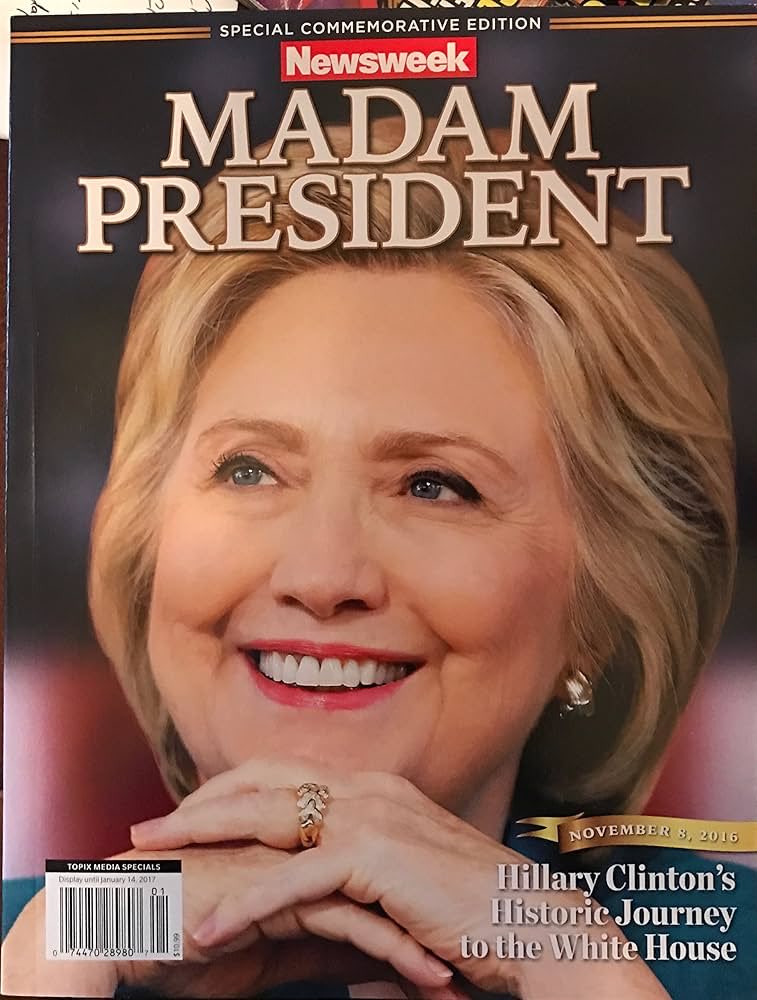
I haven’t seen Democrats this delusional since the good guys Republicans passed the Civil Rights Act and freed the slaves. History’s tough when your party was on the wrong side of it every single time. 😏 #GOPFacts

2
4
25
322


Great parable.

If a monkey horded 10 bananas, the other monkeys would beat that monkey to death and take his bananas.
This is why humans have a technologically advanced society and monkeys live in trees and have to forage for bananas every day.
9

Great history lesson.
Jun 12

On June 12, 1944, every camera in the world was pointed at Normandy.
Which is exactly why almost nobody noticed the United States launching the operation that actually doomed Japan, on the other side of the planet, that same week.
Here is what the headlines missed.
While 9 divisions fought in the hedgerows of France, Task Force 58 was steaming toward the Mariana Islands: 15 aircraft carriers, over 900 aircraft, escorted by new fast battleships. It was the most powerful naval force ever assembled to that point, and the US had built it in under three years while also supplying the war in Europe.
On June 11 and 12, its planes hammered Saipan, Tinian, and Guam, destroying Japanese aircraft on the ground and in the air, and cutting the islands off from rescue.
Why these specific islands? One number explains everything: 1,500 miles.
That was the combat radius of the new B-29 Superfortress. From the Marianas, B-29s could reach Tokyo. Japan knew it. Their commanders called the islands the absolute national defense line, the wall that could not be allowed to fall.
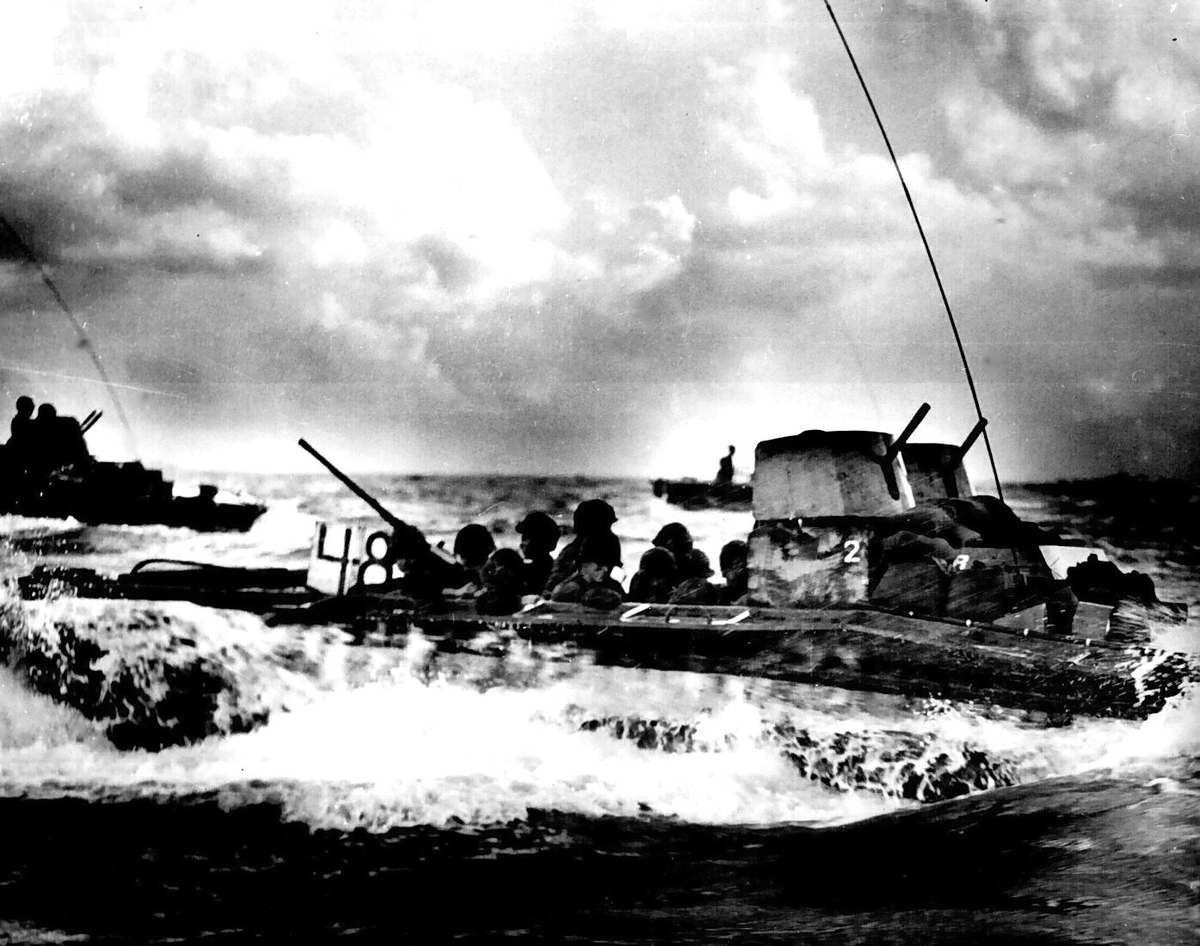
So when US Marines hit the beaches of Saipan on June 15, just 9 days after D-Day, Japan did what the US Navy had been hoping for since Pearl Harbor. It sent its entire carrier fleet to fight.
The result, on June 19 and 20, was the Battle of the Philippine Sea, the largest carrier battle in human history. 24 carriers in one fight. It was so one-sided that American pilots named it the Great Marianas Turkey Shoot. Japan lost roughly 600 aircraft and 3 carriers in two days. American losses were a tiny fraction of that. Japanese naval aviation never recovered. It effectively died in those 48 hours.
The dominoes from this one week:
Saipan fell in July. The shock was so severe in Tokyo that Prime Minister Tojo's entire government resigned.
By November, B-29s from the Marianas were bombing Japan itself.
And in August 1945, a B-29 named Enola Gay took off from Tinian, one of the islands first hit in these June raids.
Think about that week in June 1944 again. The United States conducted history's largest amphibious invasion in France and simultaneously launched a second massive invasion 7,000 miles away in the Pacific, each one larger than anything any other nation could attempt alone.
D-Day gets the anniversaries. The Marianas got the verdict.
The war was decided in both oceans in the same seven days, and only one of them made the front page.
1
uninspected retweeted

This must be how they convinced all the slaves to get on those boats.

242
112
2,518
126,460
uninspected retweeted

Travis Pastrana and the crew just sent backflips in front of the White House. Unreal.
216
328
4,285
283,684
uninspected retweeted

If @elonmusk was a Democrat, only posting political things favorable to Democrats, the left would be wildly celebrating him becoming the first trillionaire, touting his work with EVs. 🙄🙄🙄🙄
2
9
42
978

uninspected retweeted

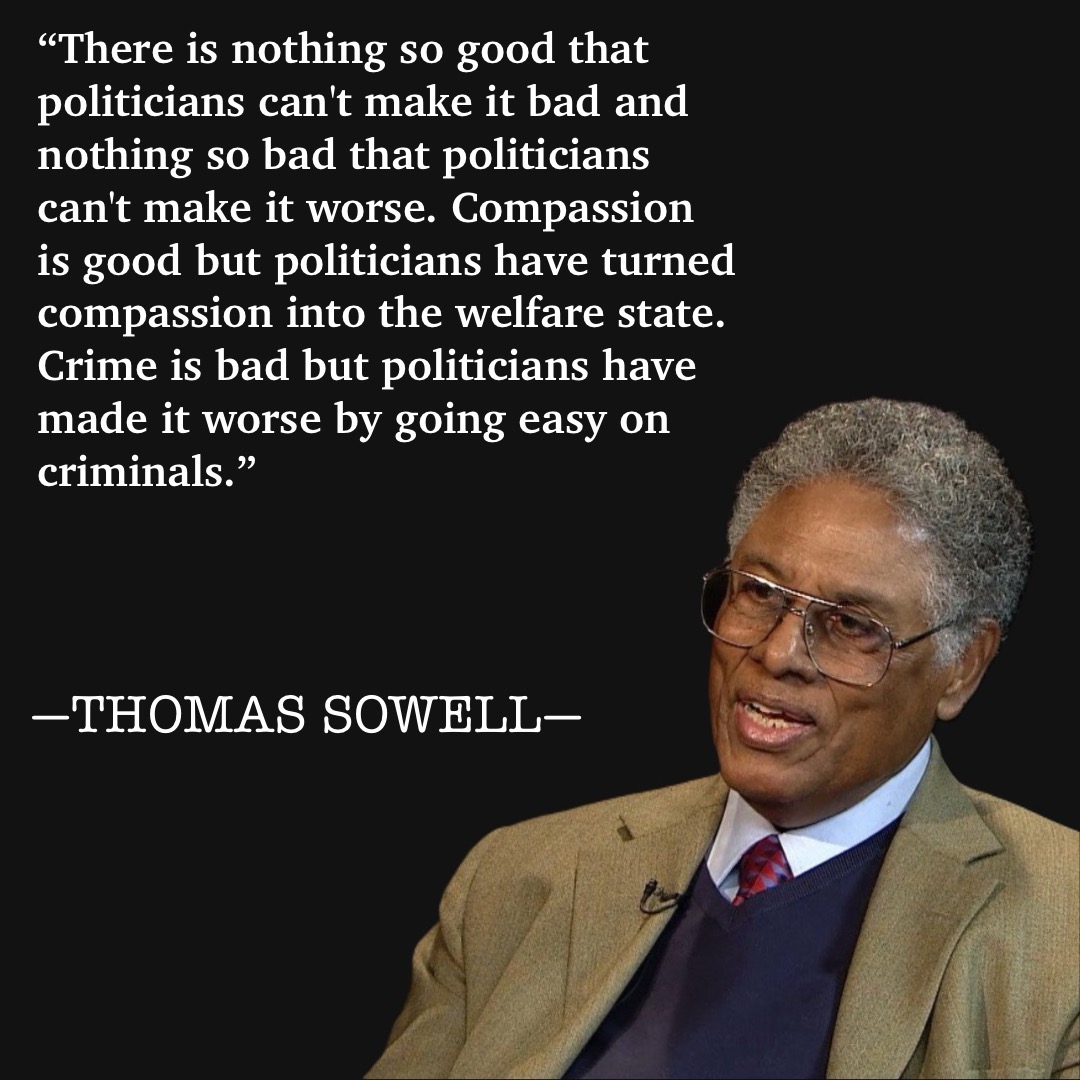
From Ladies of MAGA. I burst out laughing because it's true!!

28
42
342
4,296
Minor facts the school system seems to have accidentally overlooked.

Things you didn't learn in school.
▪️2 to 5 million Europeans were taken as slaves by the Ottomans.
▪️European Christian men were the first to abolish slavery.
▪️Communism has killed over 100 million people in 100 years.
6
uninspected retweeted

Things you didn't learn in school.
▪️2 to 5 million Europeans were taken as slaves by the Ottomans.
▪️European Christian men were the first to abolish slavery.
▪️Communism has killed over 100 million people in 100 years.
62
2,171
7,628
44,809
uninspected retweeted

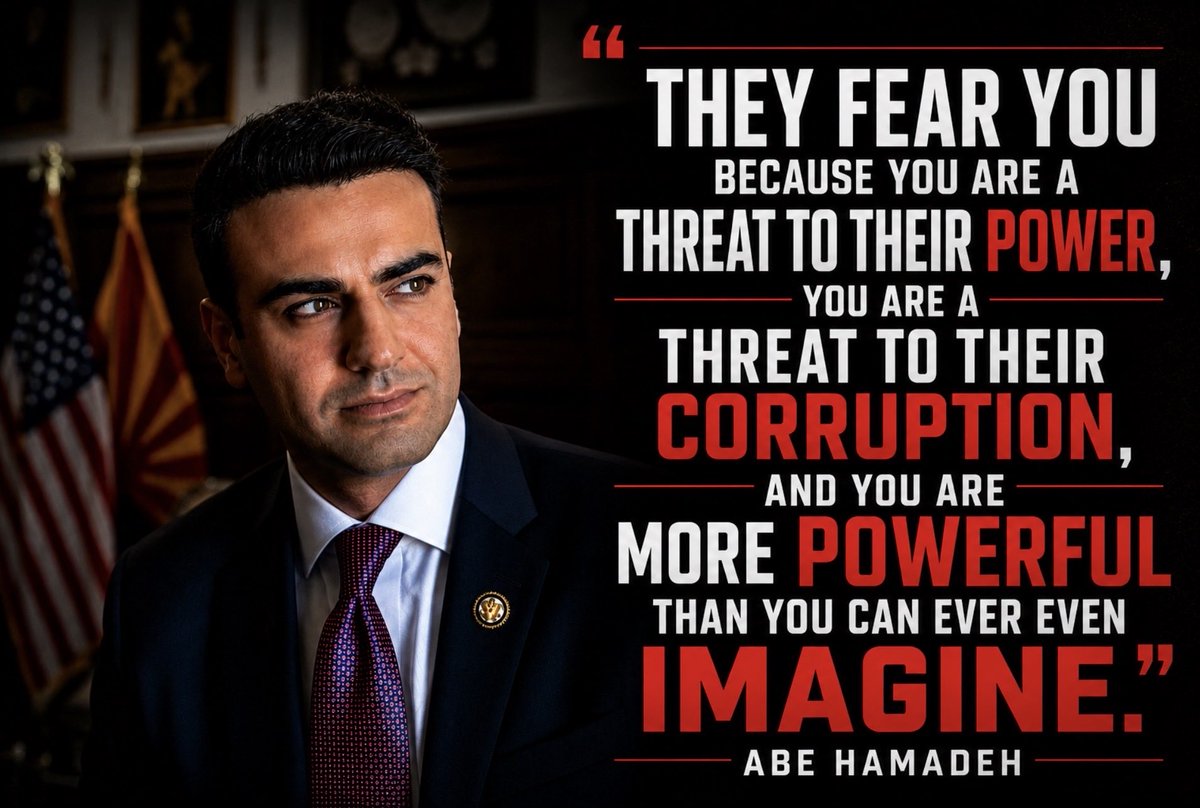
America First means NEVER giving up.
9
21
69
2,564
uninspected retweeted

Jun 11
Reminder that the Biden admin set up a hotline for migrant children to report issues with sponsors.
65k calls went UNANSWERED
Only ONE person was assigned to answer calls
450k kids were placed with unvetted sponsors. Some were r*ped over 600 times.
DHS rescued 146k kids so far.
Nobody has gone to prison for this yet.
x.com/libsoftiktok/status/20…
448
13,032
25,636
274,700
uninspected retweeted

Socialism is the merger of envy and government.
74
157
1,205
59,270

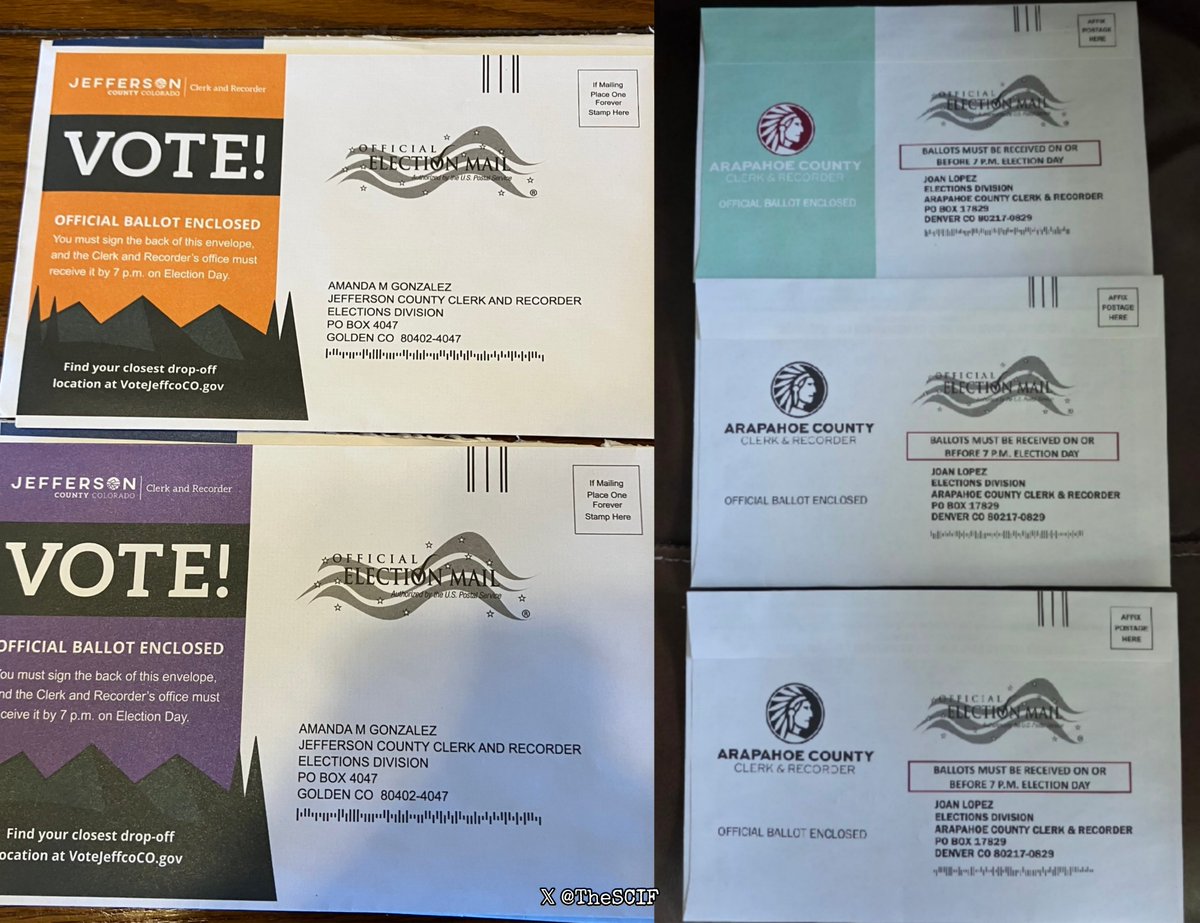
COLORADO color coded party affiliation election ballot envelopes to identify what party you associate with so they can "accidentally" throw away your ballot so it never gets counted.
There are no coincidences. Just plausible deniability in order to commit and cover up FRAUD.
ALT The SCIF
136
1,655
2,904
21,649
uninspected retweeted

Jun 13
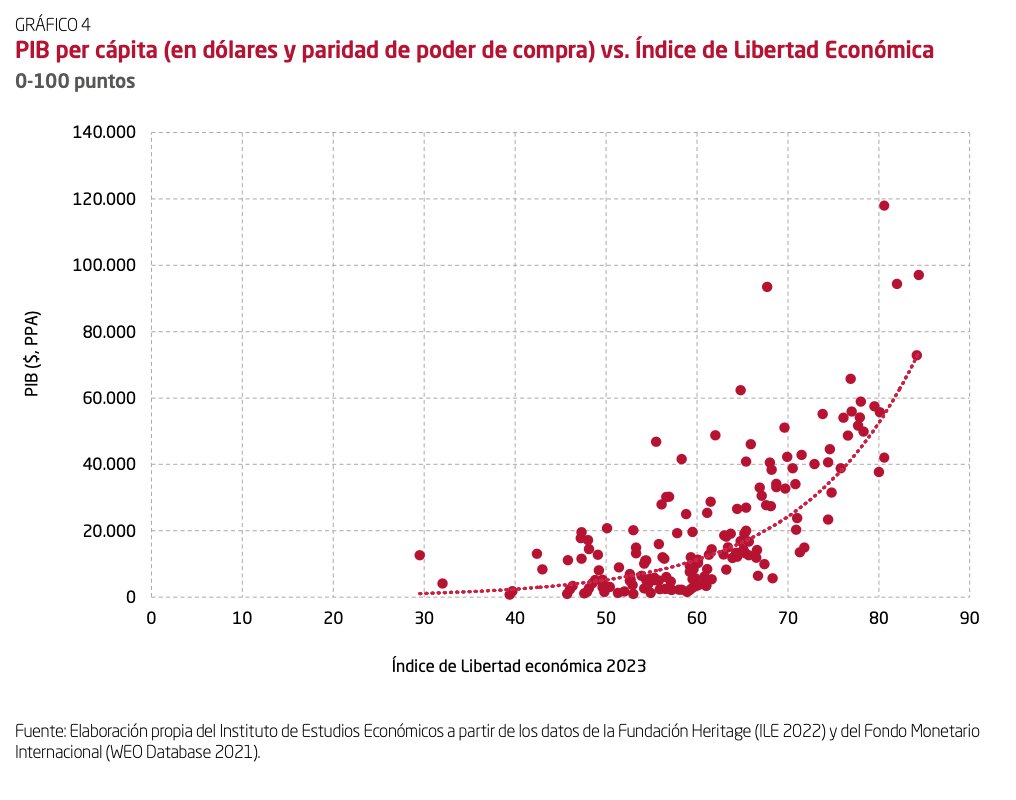
Indice de Libertad Económica vs PIB per cápita.
¿Que notan?
20
52
198
53,262