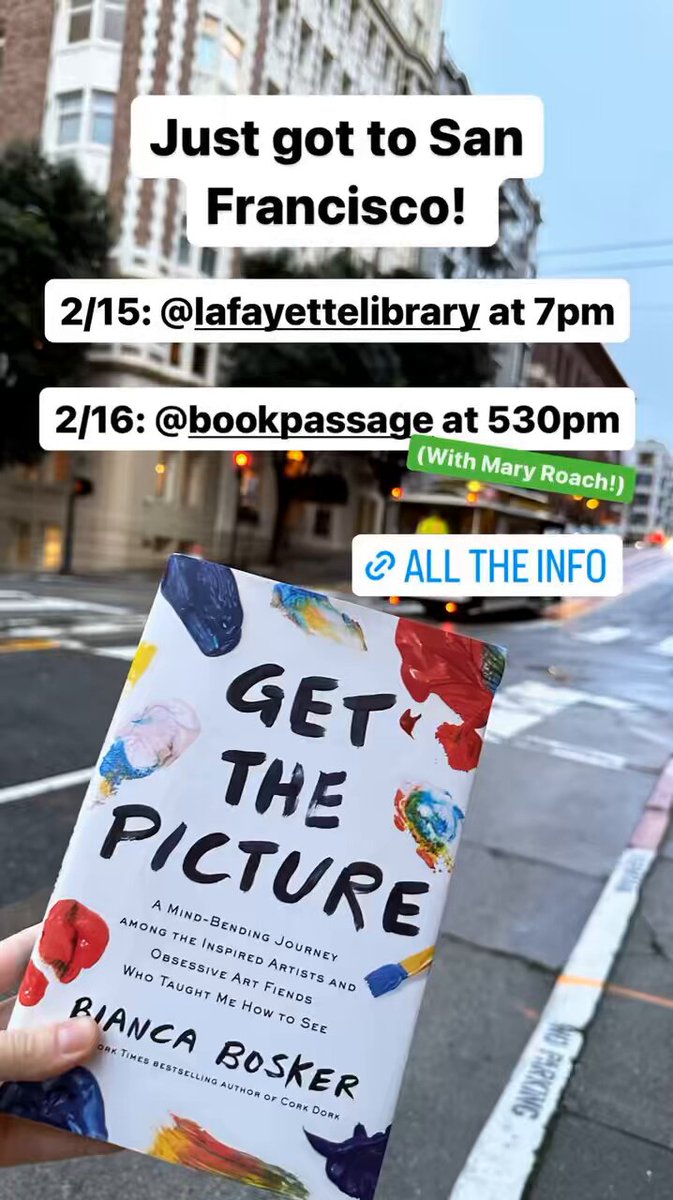
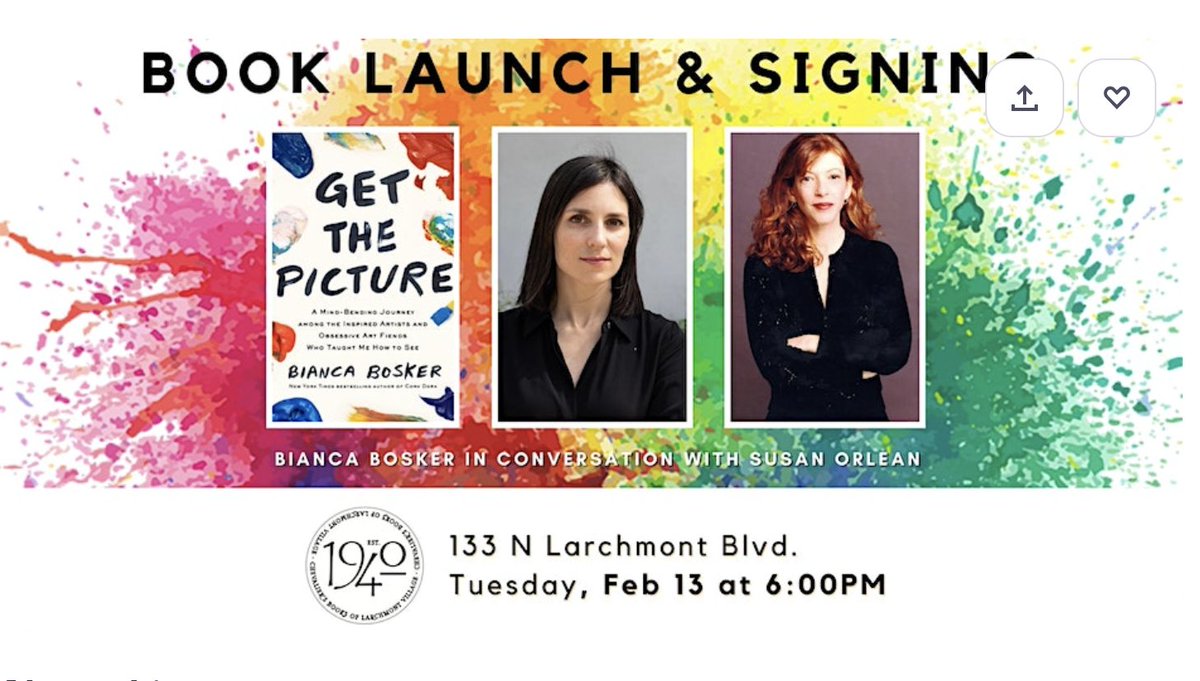
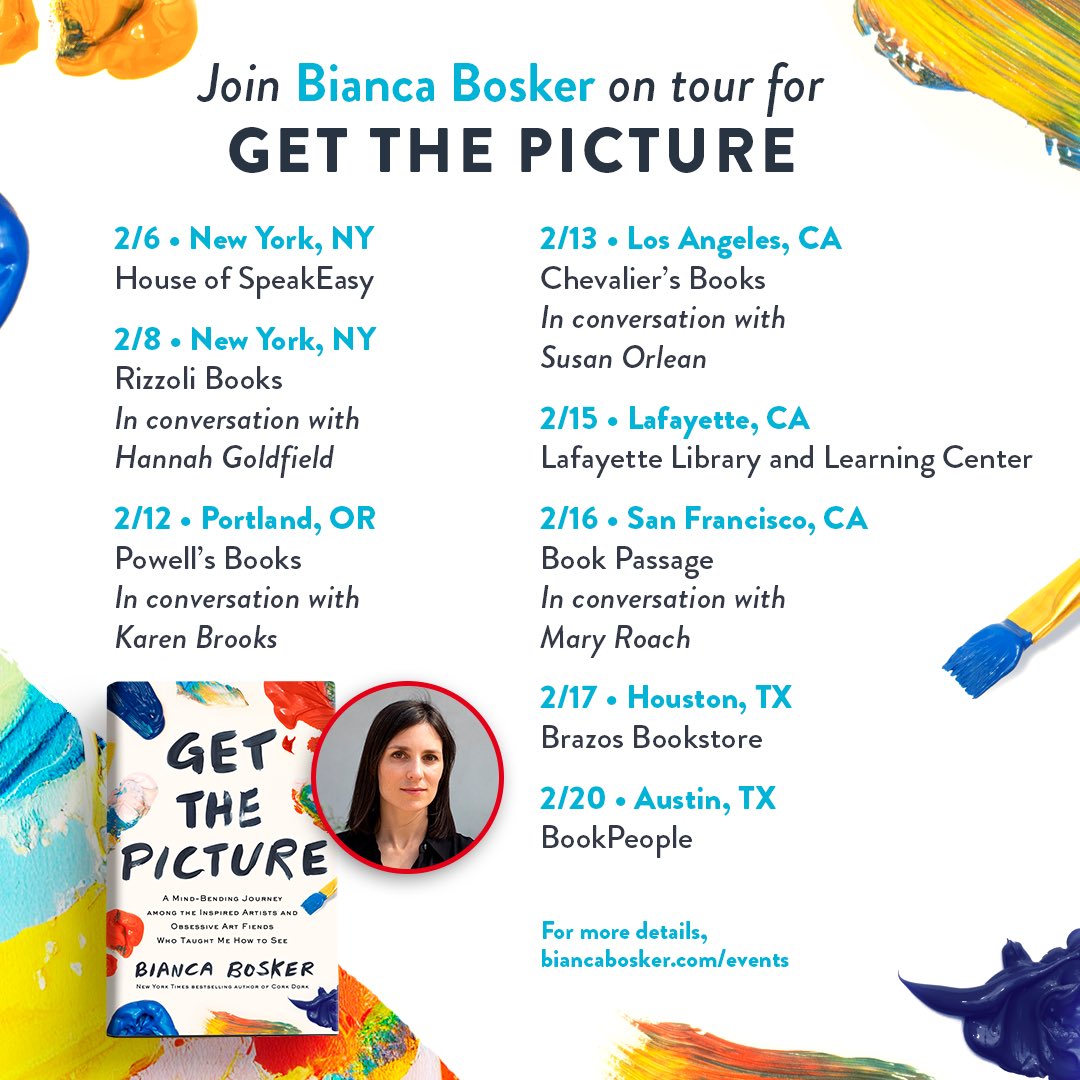
Writer. Ex-studio assistant. Author of CORK DORK & GET THE PICTURE, an adventure in art and looking coming Feb 6, 2024 you can preorder now🙏 (link in bio!)
Joined February 2009
- Tweets 575
- Following 1,680
- Followers 17,760
- Likes 2,540
45 Photos and videos

Pinned Tweet

20 Feb 2024
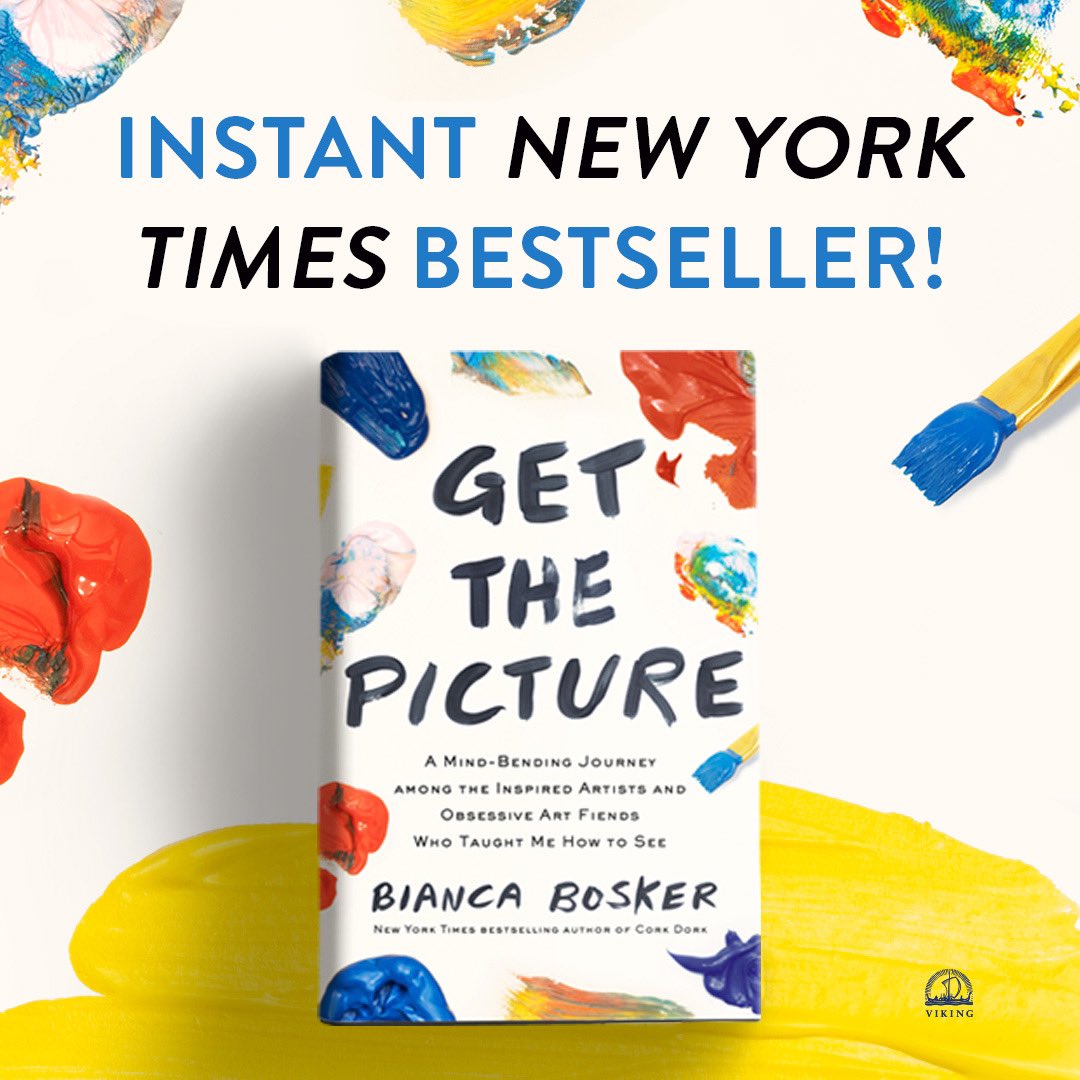
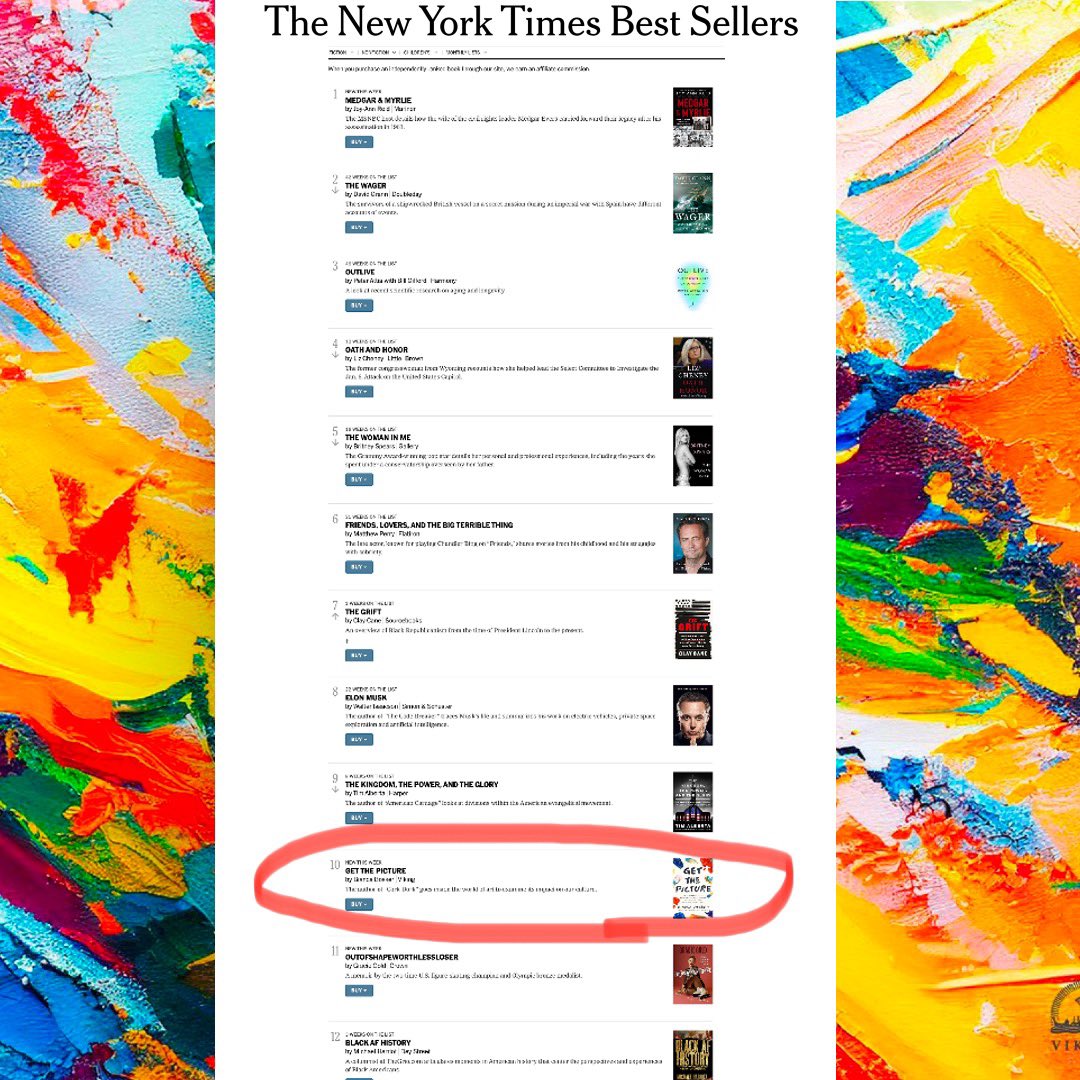
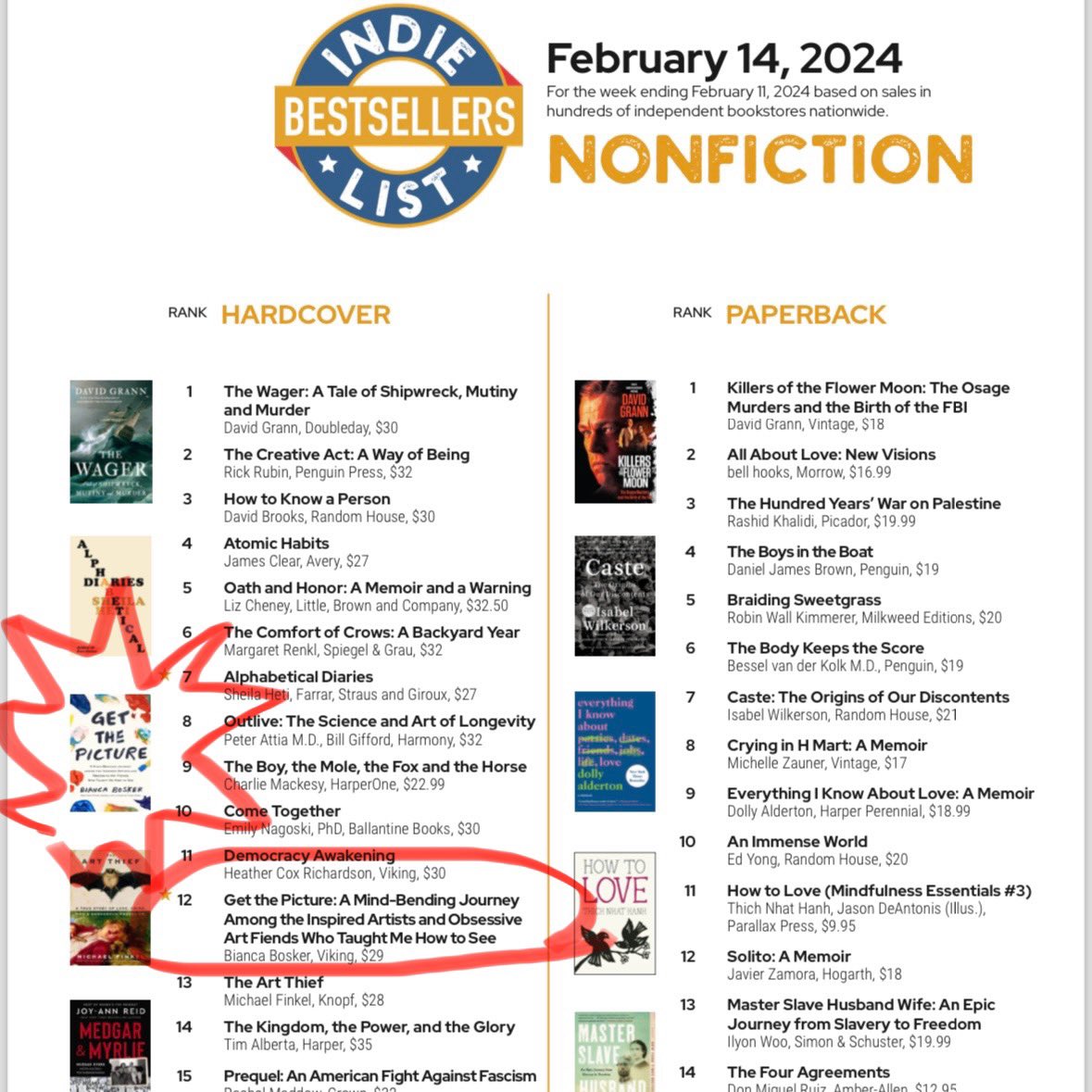
THANK YOU. My new book GET THE PICTURE has hit the New York Times bestseller list and the Indie Bestsellers List. I’m excited, thrilled, and so grateful to you all for making GET THE PICTURE a part of your lives.
9
4
29
3,225
Bianca Bosker retweeted

Apr 27
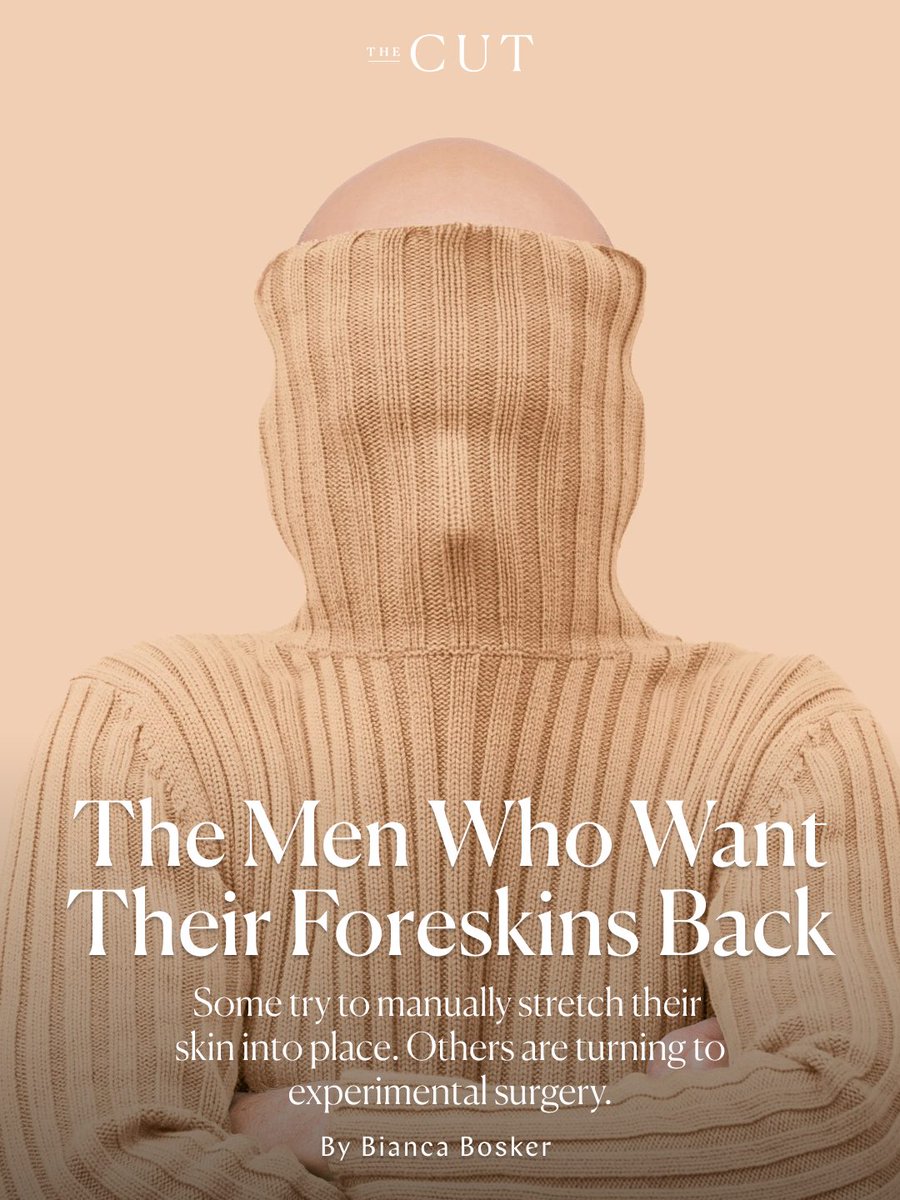
Today we're very excited to announce the launch of a new vertical that a lot of people have been asking for: The UnCut thecut.com/article/the-men-w…
4
1
66
5,991

Over the past few years, doctors and scientists have been quietly tiptoeing into the field of foreskin-restoration surgery, drawn by growing demand, the proliferation of gender-affirmation care (which has helped surgeons hone their skill in reshaping genitals), and circumcision itself falling out of favor. In the United States, circumcision reached its zenith in the mid-1960s, when an estimated 80 percent of males had their foreskins cut off. In 2022 — the most recent year for which data is available — only 49 percent of male infants were circumcised.
That some physicians are now helping to reverse a procedure their peers long touted as a boon for patients’ health is raising fresh tensions over the merits of circumcision and emboldening men to challenge whether the procedure’s toll is greater than doctors have typically recognized. Though the majority of people still opt to take matters into their own hands, procedures like Floyd’s — and the growing body of research into the mechanics and merits of uncircumcision — suggest professional help is finally arriving.
In a new feature for The Cut, @bbosker introduces us to foreskin-restoration surgery, the men seeking it out, and the other methods of circumcision reversal they’ve tried: the-cut.visitlink.me/F6nMKe
4
19
62
9,537
4 Jun 2025
“Really and truly, a horse can be alive forever. Forever and ever.”
2 Jun 2025

Americans still find animal cloning creepy, but it’s happening every day. @bbosker reports on the big business that has sprung up to produce faster horses, superior cattle, and immortal pets: theatlantic.com/magazine/arc…
4
703
11 Oct 2024
I had no idea “hotel inspectors” were now a thing but now I’m fascinated / more than a little jealous. @NYMag nymag.com/intelligencer/arti…
6
741
13 Sep 2024
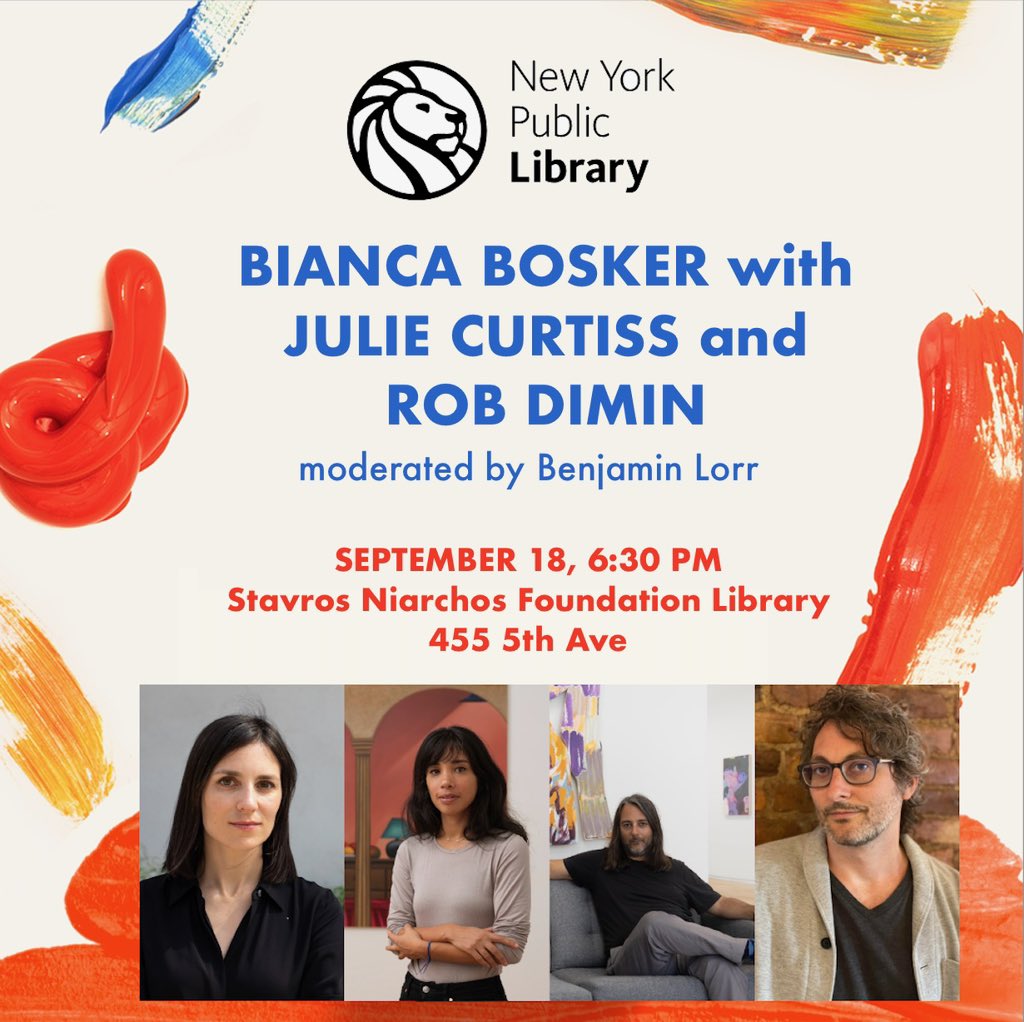
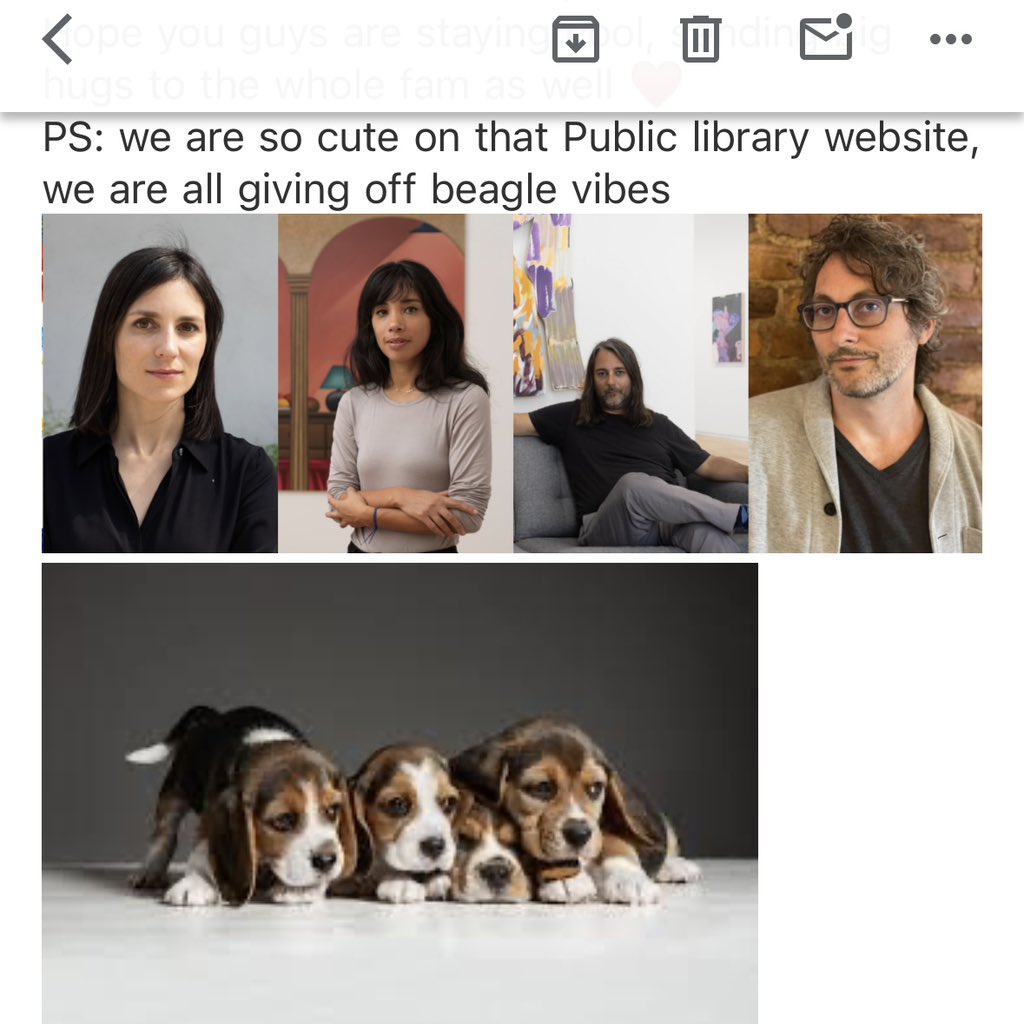
Please join us at @NYPLSNFL 9/18 & ask Julie and Rob all your burning questions about art, looking, and what they really think of my book 😅. Also as Julie noted, we’re like a bundle of baby beagles and what’s more fun than that? Details: nypl.org/events/programs/202…
1
619
1 Aug 2024
“Bosker has written a riotous, clever, immersive story of art in which sensuality is centred, and ultimately triumphs over the industry around it; she succeeds brilliantly.” Thank you for this incredible and incredibly thoughtful review!
29 Jul 2024

Really enjoyed this art world exposé by @bbosker! I wrote about it (and some Tom Wolfe and Philippa Snow) for @studiolatest.
studiointernational.com/inde…
1
1
6
1,931
Bianca Bosker retweeted

24 Jun 2024
In a fantastic review, @TheTLS calls GET THE PICTURE by @bbosker "exceptionally accomplished... a vivid spin through a kaleidoscope of confounding, maddening, surprising and sometimes enrapturing artworks." the-tls.co.uk/lives/biograph…
1
2
1,014
31 May 2024
1
8
843
Bianca Bosker retweeted

22 May 2024
🍷 Why do the art and wine worlds often mix business and pleasure❓
nataliemaclean.com/blog/podc…
🖌️ Do you believe authenticity matters in art and wine❓
Let me know in the comments 👇
@bbosker @VikingBooks
#natdecants #biancabosker #wineandart #author #wineexperience
1
2
564
22 May 2024
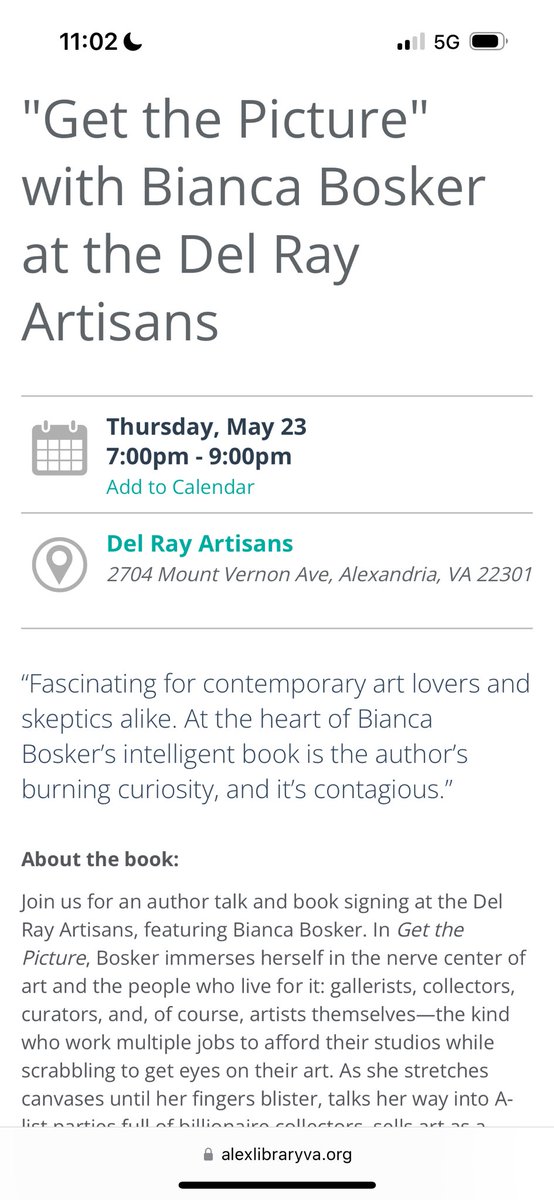
Oh hi. If youre in Alexandria/the DC area/anywhere in the world but can get to Alexandria by Thursday evening: please come join me Thursday at 7pm for this! @alexlibraryva @DelRayArtisans
alexlibraryva.org/event/1009…
1
2
513
21 May 2024
🍾 celebrating over here 🥂
21 May 2024

"Through her funny and fascinating experiences, [@bbosker] does the seemingly impossible: sheds light on a strange world of beautiful things and the sometimes-ugly business around them." ✨🎨
GET THE PICTURE is one of @TandCmag's Best Books of 2024! townandcountrymag.com/leisur…
1
5
787
Bianca Bosker retweeted
15 May 2024
🍷 Why are people with obsessive natures often drawn to both wine and art❓
nataliemaclean.com/blog/podc…
🎨 Do you think wine and art share some similarities❓
Let me know in the comments 👇
@bbosker @VikingBooks
#natdecants #biancabosker #wineandart #author #wineexperience
2
6
995
13 May 2024
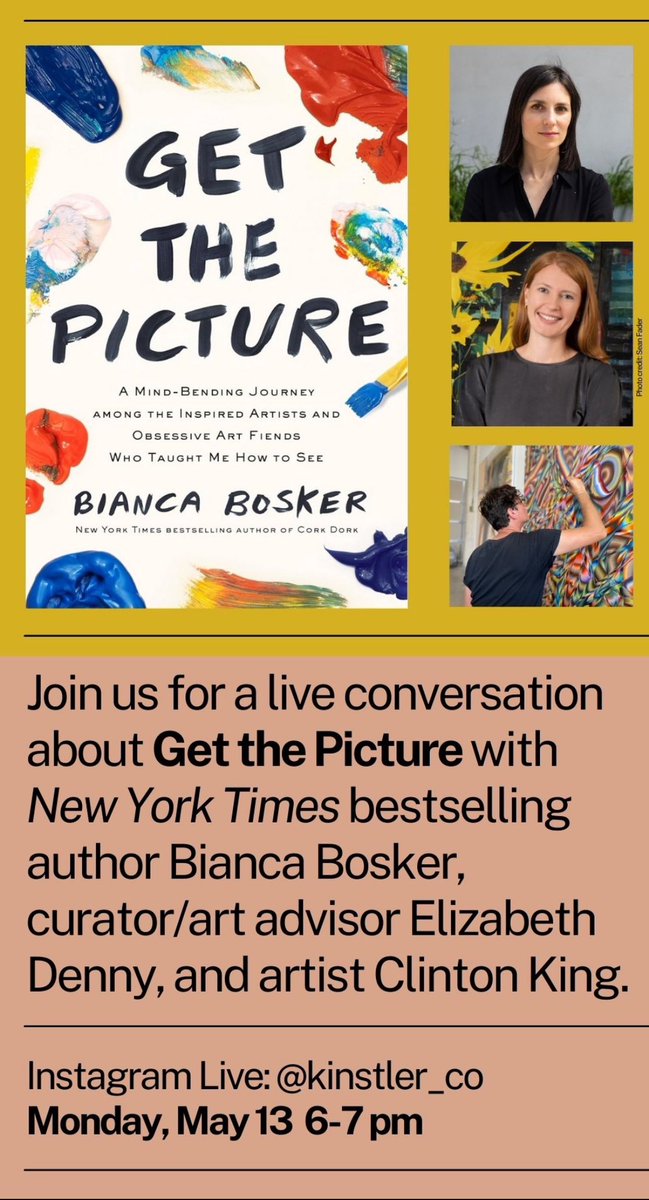
So excited (and SO curious) to speak with artist Clinton King and gallerist Elizabeth Denny about GET THE PICTURE ✨ tonight ✨ on Instagram Live. (See below!) As two of the people featured in the book, I can’t wait for their thoughts…
1
450
10 May 2024
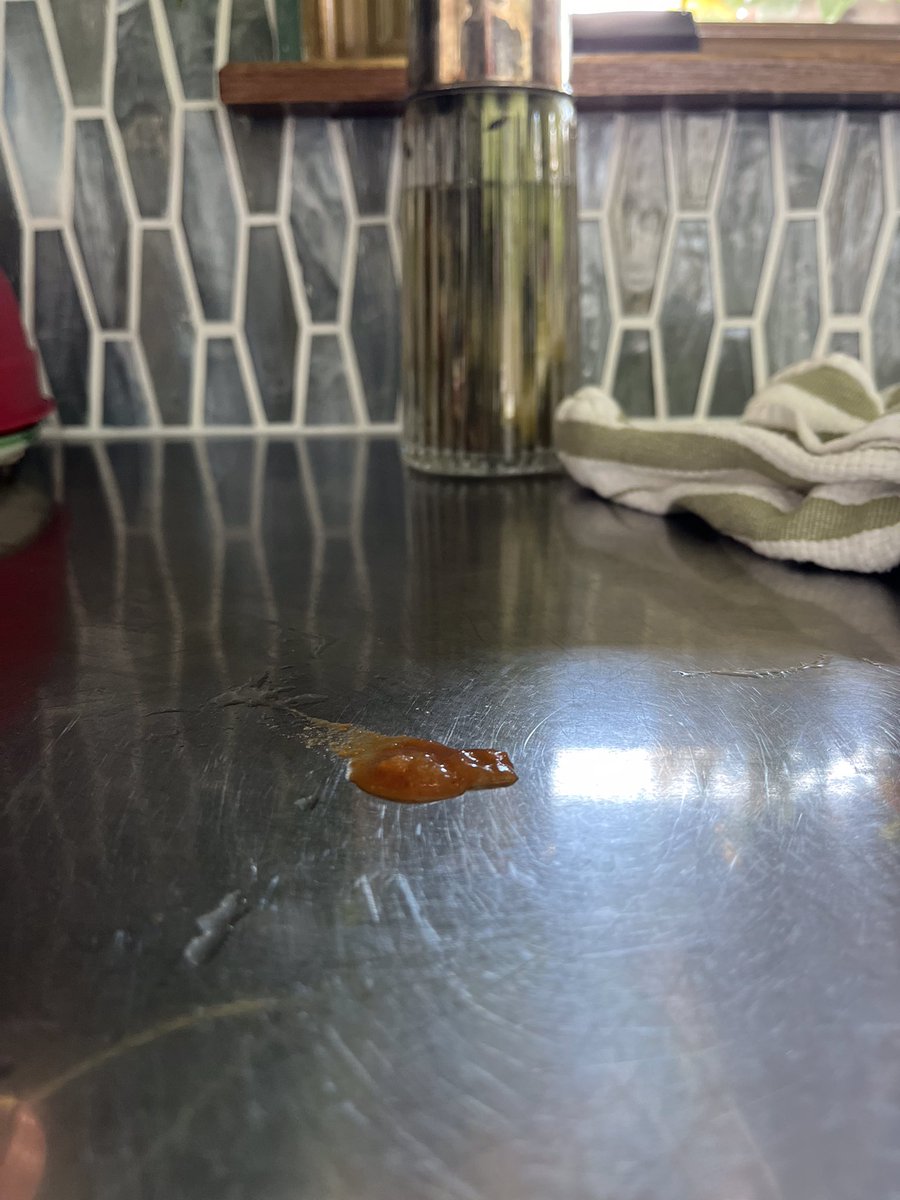
😂 😂😂 the unctuosity of the edible confection engaging in a clash with the earthbound elements questions, problematizes, and challenges the boundaries of traditionally-defined artistic mediums while underscoring the liminal dichotomies inherent in everyday space.

Read the brilliant “Get the Picture” by @bbosker and decided to take quick writing break and focus intensely on installation art. “Essence Unbounded.” I’m waiting for the Met to call.
#WritingCommunity #writerlife
5
874
8 May 2024
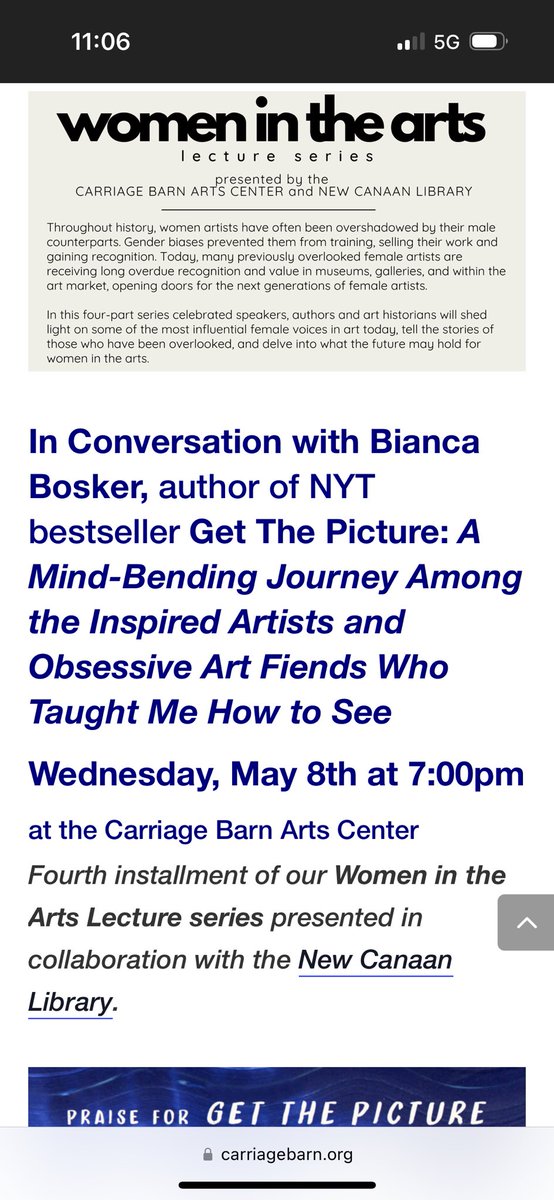
See you tonight in new canaan! Bring all your art questions 👀@CarriageBarnArt @NewCanaanLibr carriagebarn.org/event/women…
290
6 May 2024
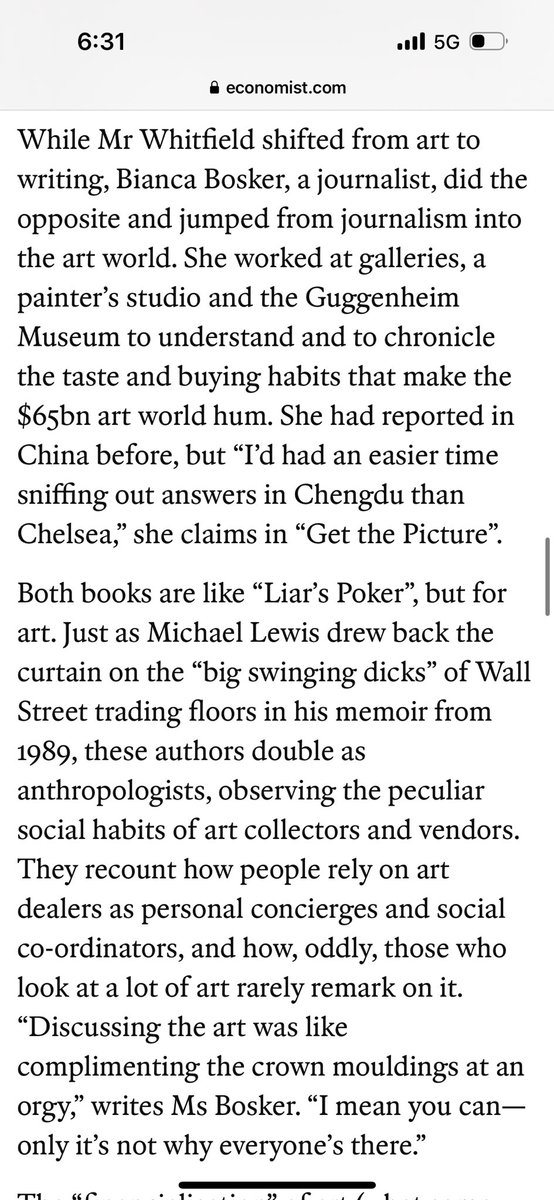
“…like LIAR’S POKER but for art.” ‼️
thank you @TheEconomist for reviewing GET THE PICTURE 🖼️ economist.com/culture/2024/0…
1
2
1,567
21 Apr 2024
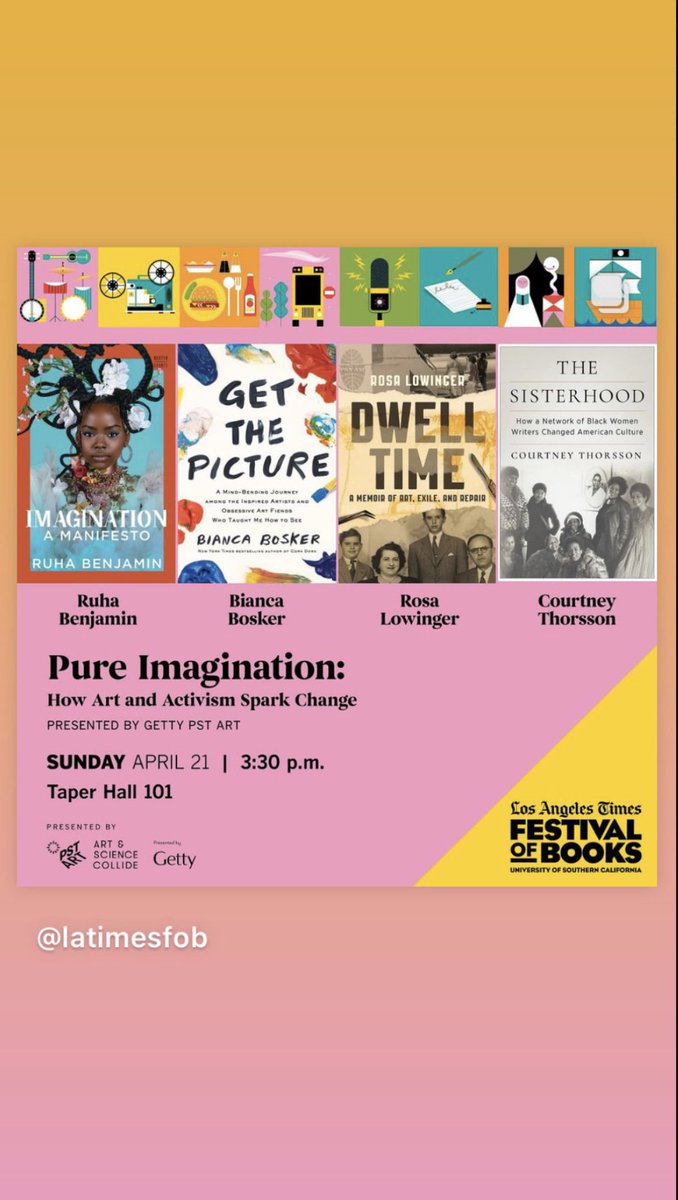
the @latimesfob is the most festival book festival I've ever been to: music! crowds! sun! food! giddy faces! Come today! At 330pm Ill be with @c_thorsson @ruha9 @sansuzie @JDKun
events.latimes.com/festivalo…
1
5
802
3 Apr 2024
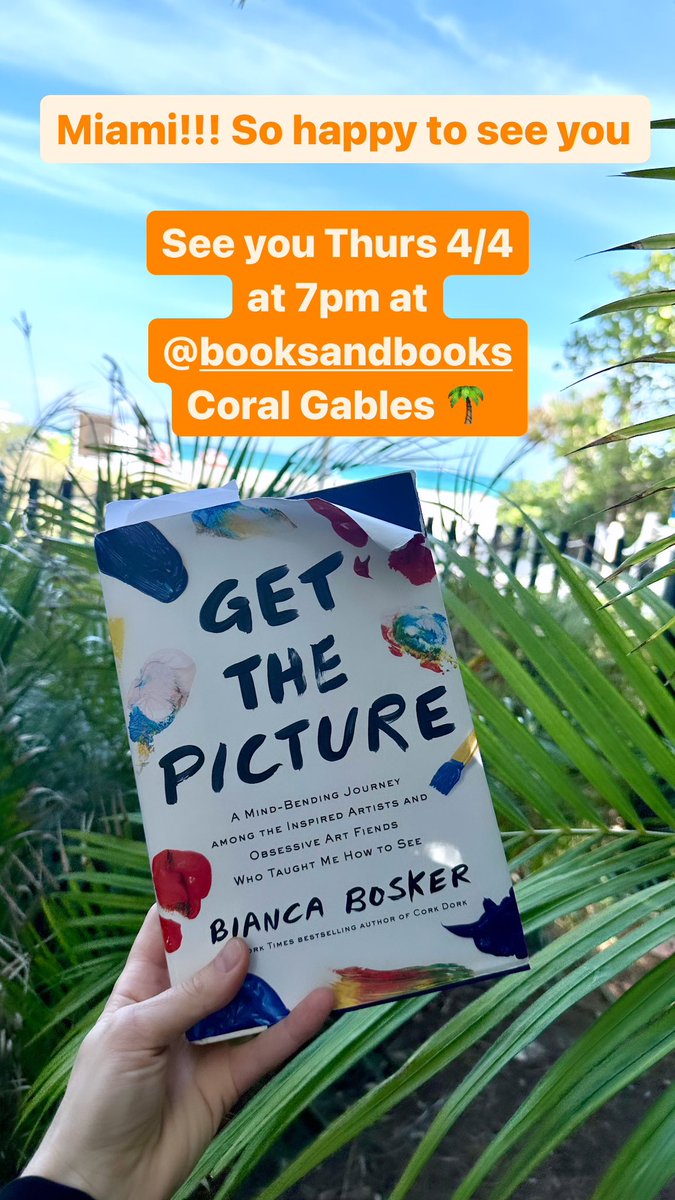
My travel buddy and I just got to Miami and so excited to see you at @BooksandBooks Coral Gables on Thursday 4/4 at 7pm! booksandbooks.com/event/an-e…
1
3
658
1 Apr 2024
....with a surprise ending featuring...a poem!
29 Mar 2024

Why bother with art? This week on the Next Big Idea podcast we're joined by Bianca Bosker @bbosker to delve into her new book Get The Picture: A Mind-Bending Journey Among the Inspired Artists and Obsessive Art Fiends Who Taught Me How to See
Listen now:
podcasts.apple.com/us/podcas…
open.spotify.com/episode/5Nd…
1
699