
100 Photos and videos
Brian Dew retweeted

May 22
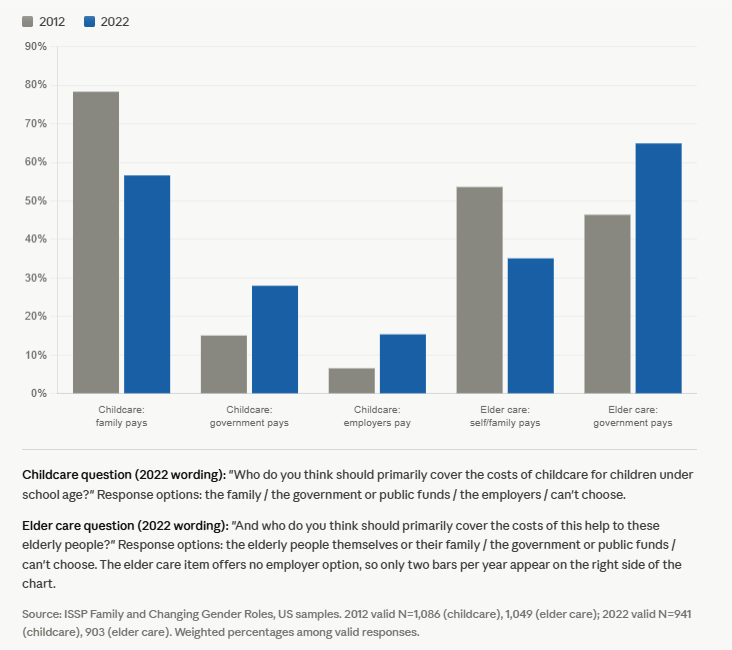
Over a relatively short period of time, we're seeing *much* more openness among Americans to the idea that government should be the primary payer for care costs, and much more rejection of the idea that families should be going it alone.
1
5
13
1,324

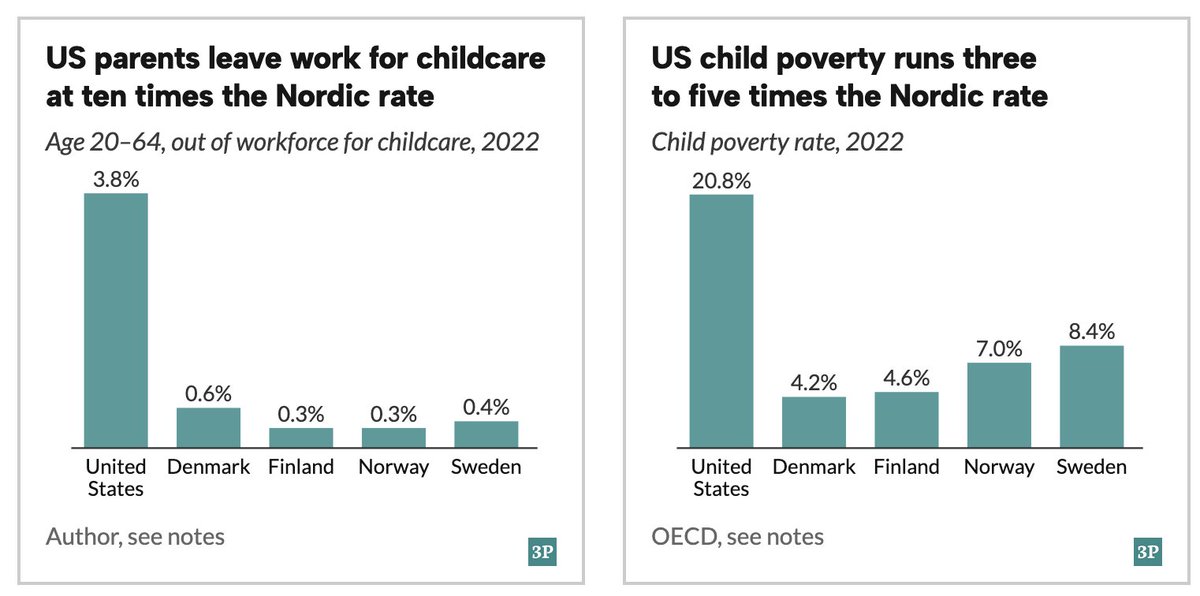
Why almost no one loses their job over childcare in the Nordic countries bd-econ.com/blog/2026/05/20/…
37
Brian Dew retweeted

May 12
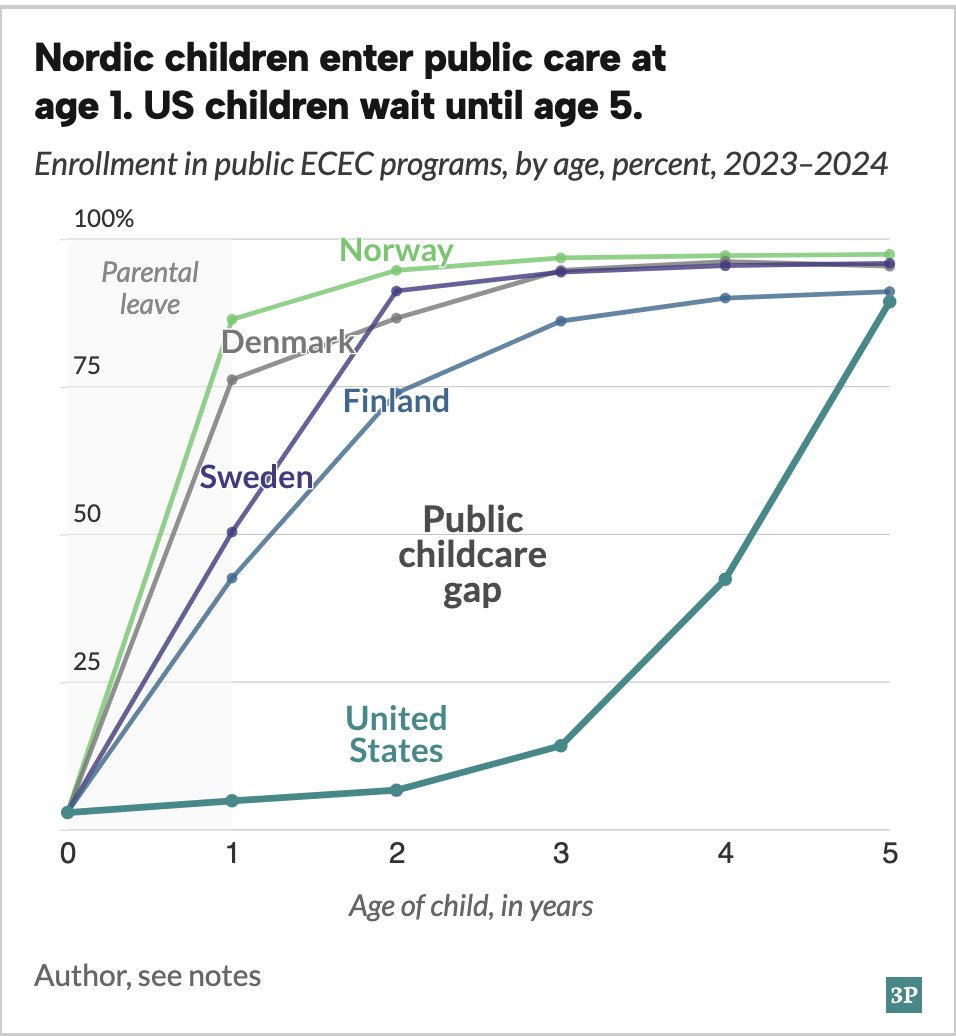
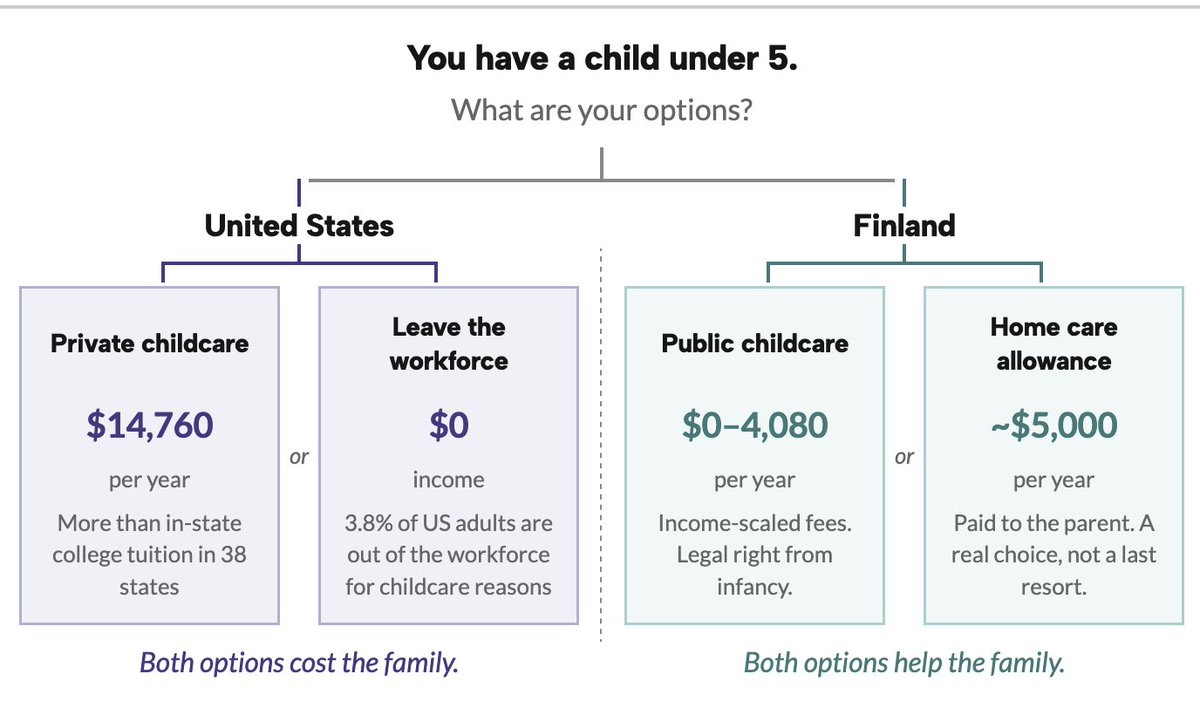
This paper covers literally everything. Differences in childcare worker pay. Differences in benefit structure, spending. History. It's very very good.
peoplespolicyproject.org/pro…
5
26
148
20,807
Pre-K 4 SA expands to infants, toddlers as San Antonio weighs future expressnews.com/news/educati…
245
From 2021 to 2025, Norway's wealth-tax revenue grew sharply from about 21 billion to 34 billion kroner.
ssb.no/en/inntekt-og-forbruk…
1
2
4
162
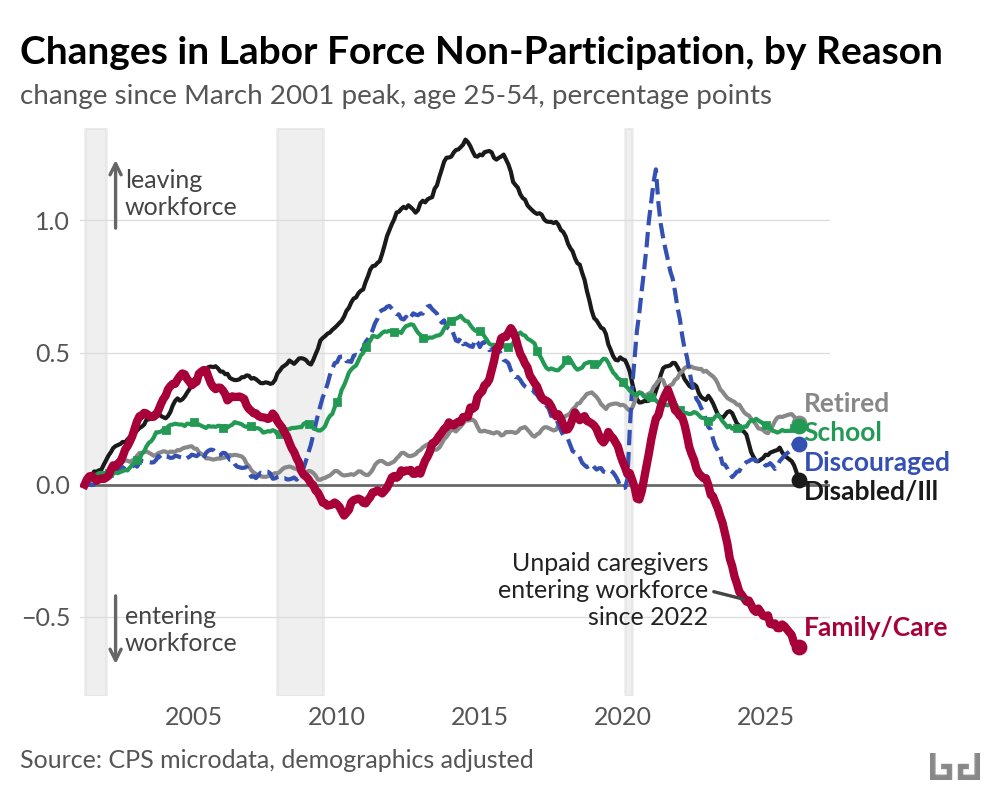
Why Fewer People Are Out of the Workforce for Family briandew.wordpress.com/2026/…
1
138
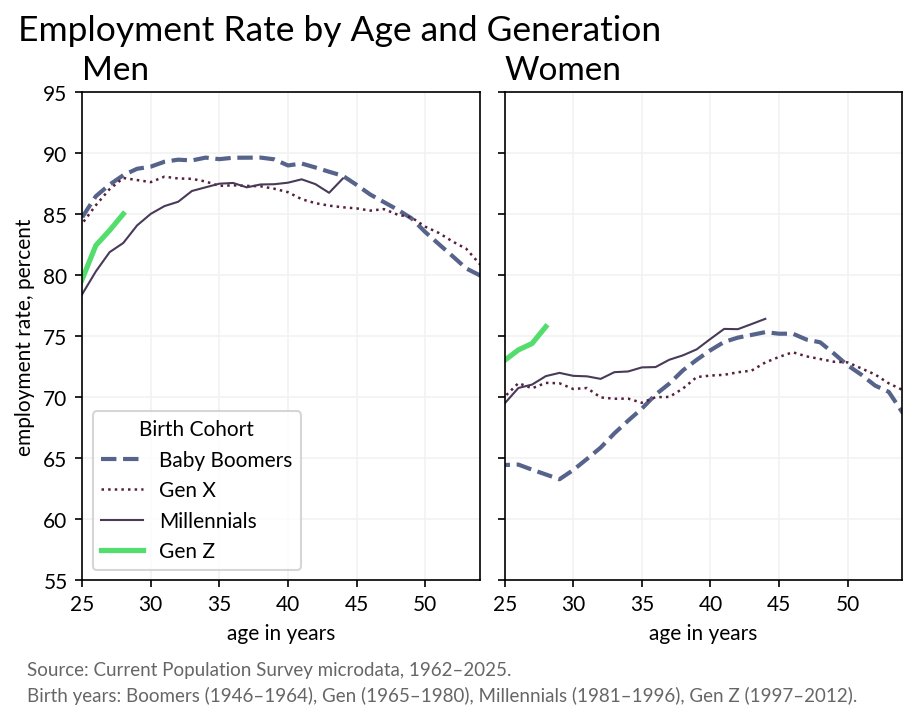
The number of US women out of the workforce for family or caregiving reasons fell by about one million between March 2022 and March 2026, part of an age-adjusted rise in women's labor force participation to record levels.
briandew.wordpress.com/2026/…
113

Brian Dew retweeted

Apr 28
I’m pleased to share my latest report for @TransitionSec: Sunrise After the Blockade.
The report argues that cheap solar could help Cuba break free of US energy dominance — and that the world should help pay for it.
transitionsecurity.org/sunri…
1/
1
8
12
791
Child care costs have risen far faster than overall prices, often making care the second-largest household expense after rent or mortgage and a major drag on family formation.
nytimes.com/2026/04/26/busin…
72
Brian Dew retweeted

Apr 22
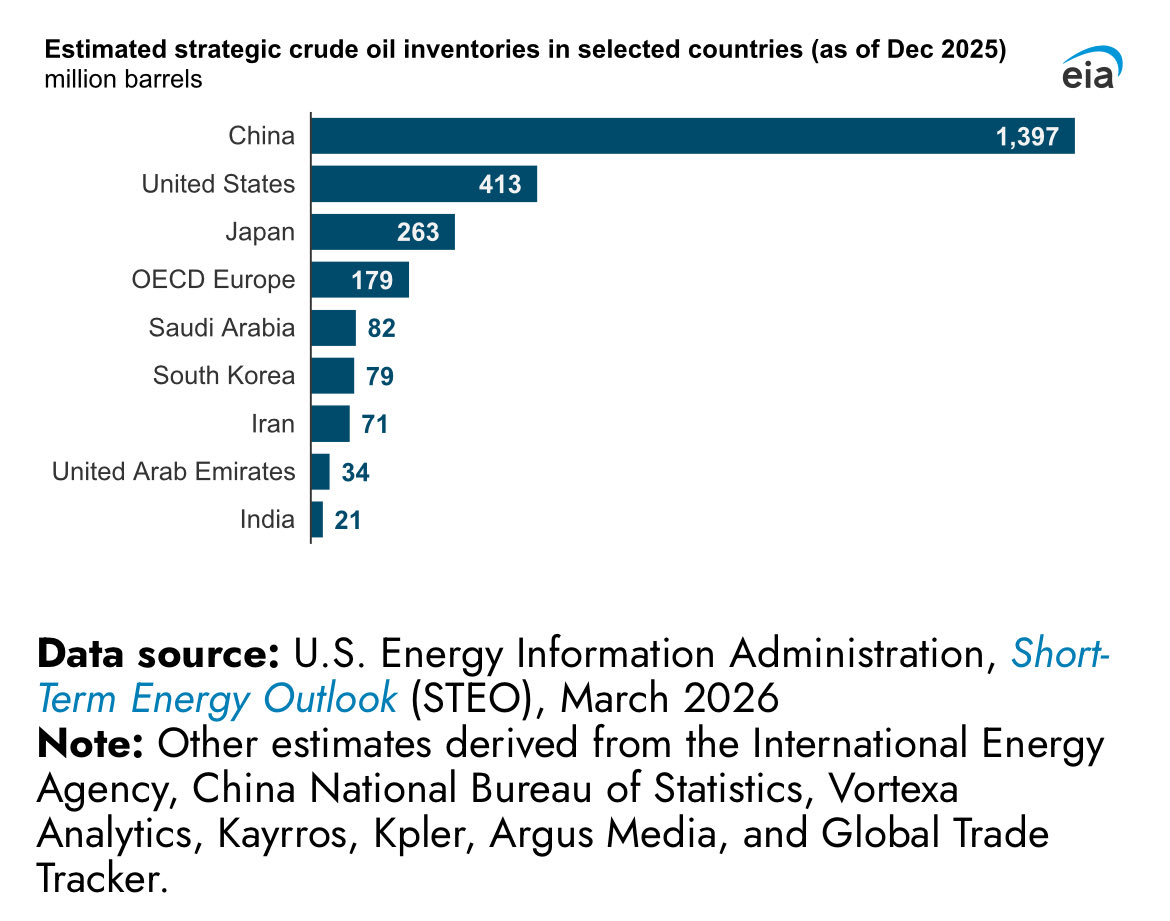
CHART OF THE DAY: The size of the 🇨🇳 Chinese strategic petroleum reserve is mind blowing: larger than 🇺🇸 US 🇯🇵 Japan the whole of 🇪🇺 Western Europe combined.
Via @EIAgov — more: eia.gov/todayinenergy/detail…
440
1,972
4,638
837,916
Universal programs generate buy-in from a broader segment of the population and over time establish themselves as permanent social institutions that are taken for granted and resistant to abolition.
jacobin.com/2026/04/public-c…
1
87
Brian Dew retweeted

Apr 16
You can't mine at Yosemite. You can't mine at Yellowstone. You shouldn't be allowed to mine in the Boundary Waters.
Republicans are trying to sell out our most pristine waters to a foreign mining corporation.
NO.
6,263
9,815
69,025
1,005,669
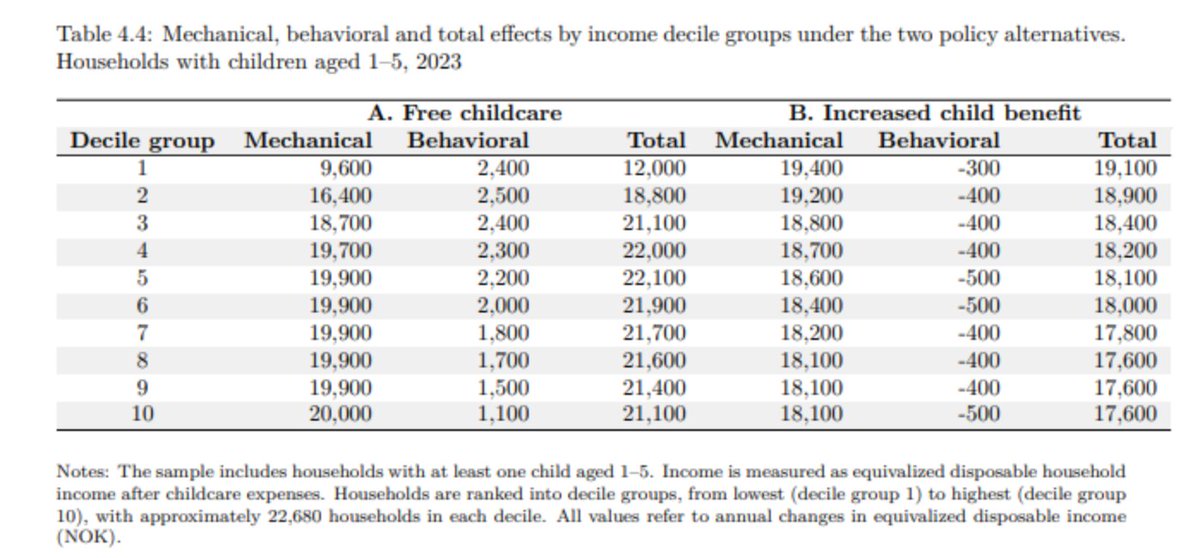
New study from SSB in Norway about childcare and poverty. The US is so far behind on this. Right now more Americans are out of work for childcare than for unemployment and it has huge poverty consequences. ssb.no/en/inntekt-og-forbruk…
1
1
94
Recent Democratic proposals to exempt large swaths of the middle class from federal income taxes accept and reinforce a damaging right-wing frame that taxes are a pure drain on household affordability rather than an investment in shared public goods. epi.org/blog/taxes-are-good-…
75
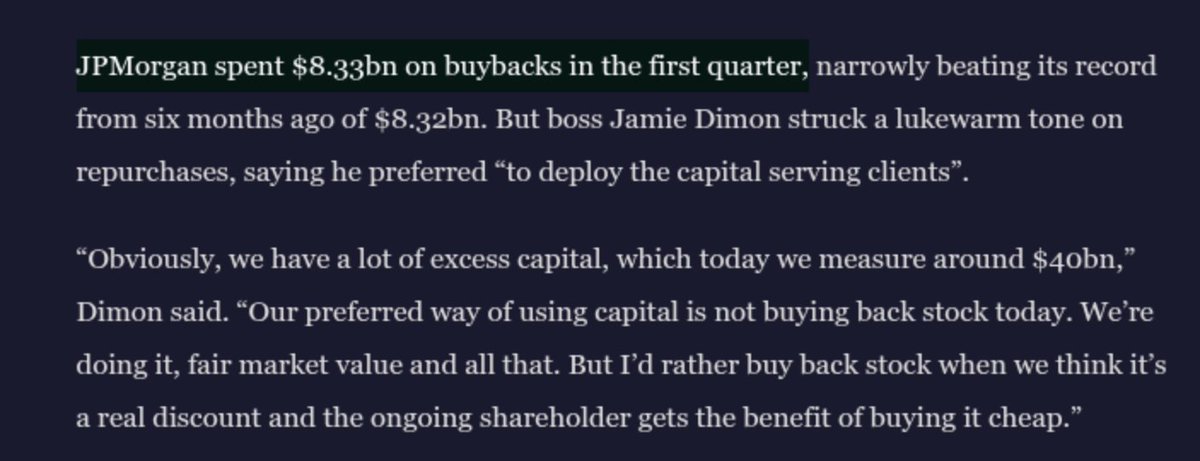
New report shows it would cost $8 billion for Cuba to pass Denmark and have the world's greenest electrical supply (thanks to cheap solar and batteries). For context, JP Morgan did $8.3 billion in stock buybacks last quarter. ft.com/content/67d444ab-bfcf…
Apr 15

A new study by @cashmank_ at @Cmmonwealth's argues that with an $8 billion investment, Cuba could cover 93 % of its electricity needs and no longer need to import fossil fuels for electricity generation. The report also argues that Cuba’s transition can be achieved through international financing. And that this is a test of whether climate commitments, including commitments advanced at COP27 & COP28, can be honoured in practice. The report details a number of concrete mechanisms to achieve this.
theguardian.com/world/2026/a…
1
1
150
Brian Dew retweeted

“Cuba is in the midst of a US-imposed energy and humanitarian crisis.”
Our new briefing by @cashmank_ examines how Cuba could break free of US energy dominance with renewables — and why the world should help pay for it.
🔗 transitionsecurity.org/sunri…
2
13
22
3,576
Brian Dew retweeted

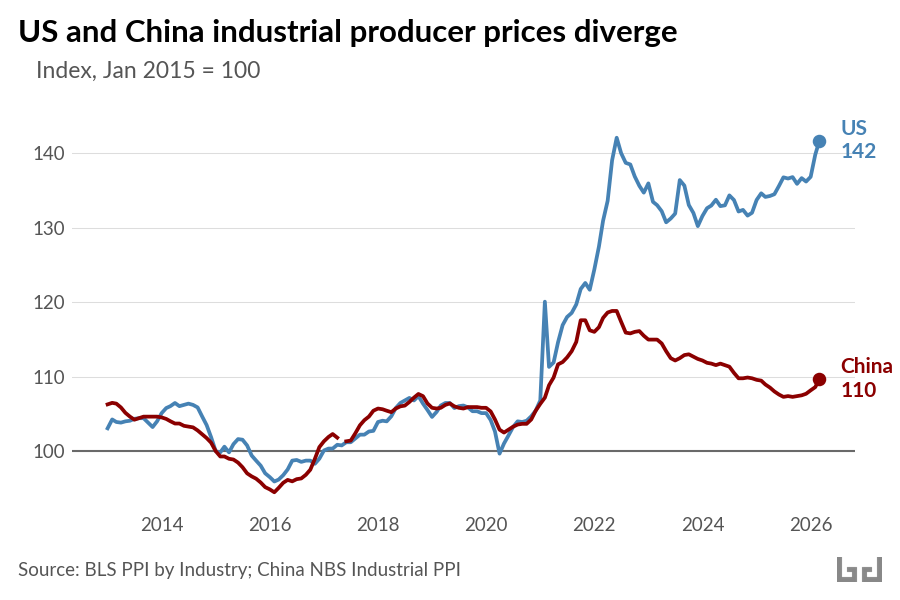
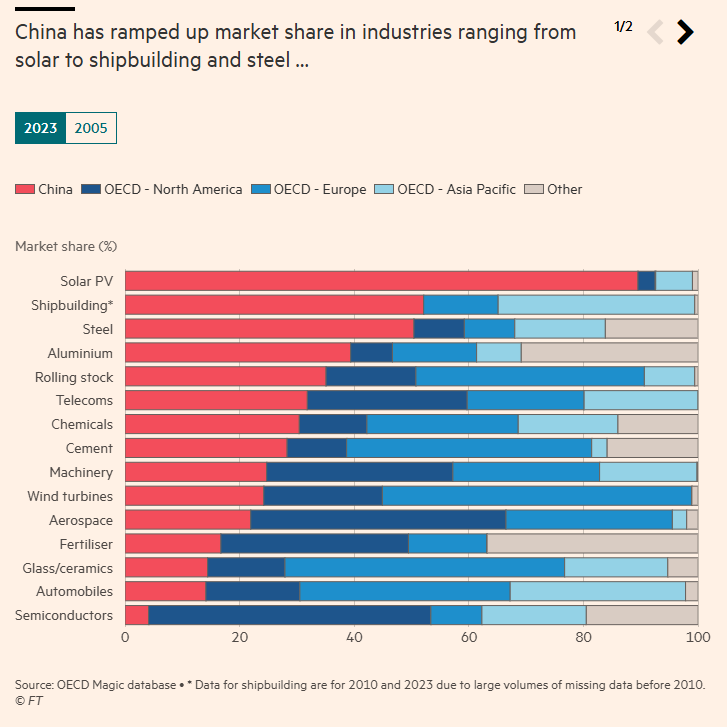
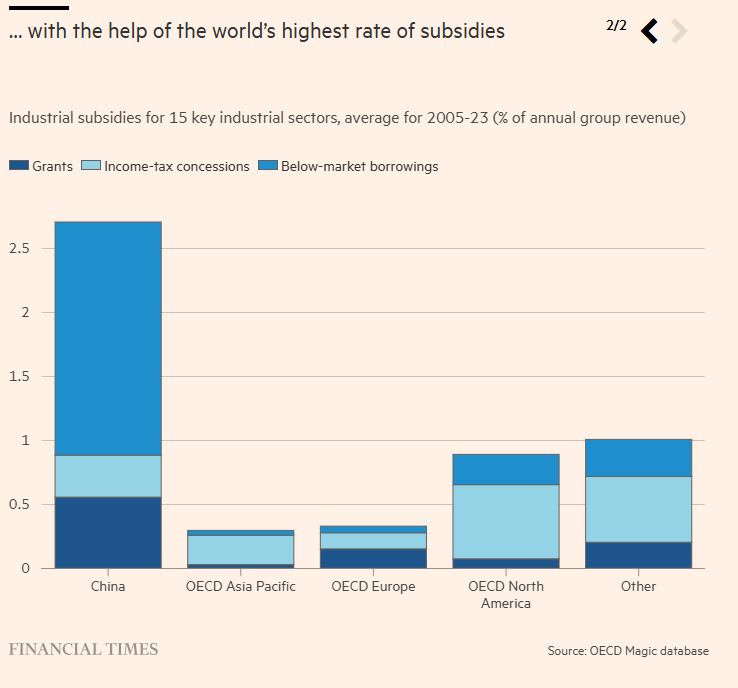
Notice the pejorative “flood”. What these folk can’t say is Chinese abundance is pricing people in, and these people are the ones who’ve been priced out by confected rent-seeking scarcity from the west.
Apr 14

China Shock 2.0: The Flood of High-Tech Goods That Will Change the World
amazing deep dive into the data, from @rwmcmorrow, @Sam1Fleming, @pmdfoster & @leahyjoseph
@FT 👉 ft.com/content/7d51a630-a3de…
7
31
112
2,670