
Photos and videos

6 May 2025
block building must be made decentralised, uncensorable, and neutral. see beaverbuild.org/buildernet.t…, sighash 0xa32c499998e1f55dad0eaab29d33996a30ab1d822d785fb5acc5b6df702c560b1dd7326d5b21cf4884738d5c4493f27ba8c30eaa5e09e7cb7ebb50d7667f6ac61c
21
41
237
84,152
beaverbuild retweeted
6 Sep 2024
Beaver reminds you that all supported features are documented in our amazing website: beaverbuild.org/docs.html
Don't forget to follow us on LinkedIn, too!
7
1
20
7,776

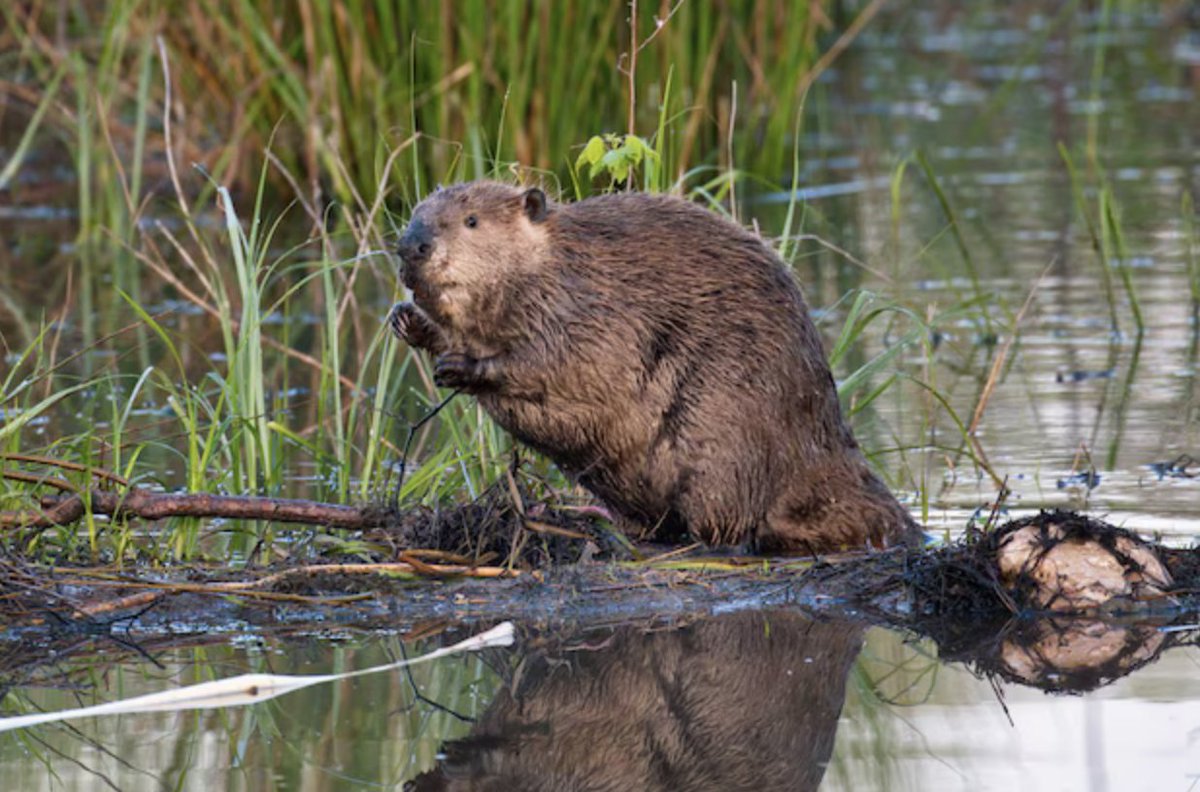
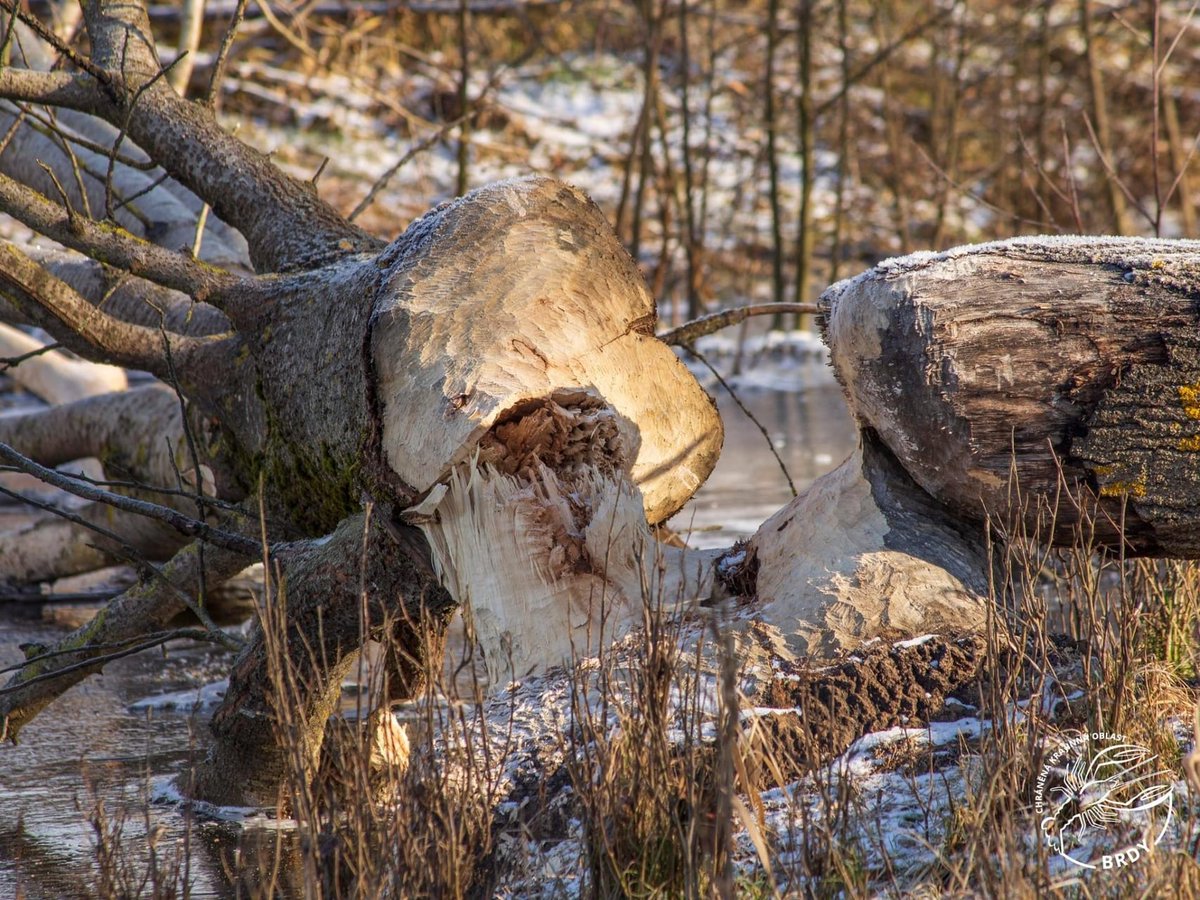
In Czechia beavers built a dam in 2 days, which local authorities had been planning for 7 years
The animals saved the administration $1.2 million.
A project to restore wetlands in the Brdy Landscape Park had been in development since 2018. Over the years, the administration gathered all the necessary permits and was ready to begin construction.
But it turned out to be unnecessary—local beavers, which have lived in the park since 2020, took matters into their own hands, building dams in the required locations.
"The beavers saved us 30 million Czech korunas. They built the dams without any project documentation—and for free," said the head of the nature reserve administration.
297
1,724
15,803
919,318
beaverbuild retweeted

9 May 2024
Beavers Using Tools!
Tool use among rodents is extremely rare; however, beavers are the first rodents documented using sticks in disputes along their territory borders.
2
37
195
31,927
beaverbuild retweeted

31 Jan 2024
In this episode of the Beaver Branch Challenge, wetlands expert Shea Fuller tries to guess how many trips it will take the beavers to get a huge branch into their lodge. Plus, we learn how beavers create habitat for other animals!
8
125
780
46,996
beaverbuild retweeted

9 Dec 2023
In 1948, 76 beavers were parachuted into the Idaho wilderness as part of a relocation program by the Idaho Department of Fish and Game.
The program was initiated to address the growing conflict between humans and beavers in areas where people were building homes, such as Payette Lake. The beavers' natural activities, like dam building and tree cutting, were causing problems for the new residents.
The relocation site, Chamberlain Basin, was chosen because it was a remote and suitable location for the beavers to thrive. However, the area was difficult to access due to the lack of roads. The solution was to use surplus parachutes from World War II to drop the beavers into their new home.
A specially designed crate was created to ensure the safety of the beavers during the drop. After several test drops with a beaver named Geronimo, the project was deemed successful and continued until 1948.
As a result, the beavers transformed the landscape into a lush wetland, creating a haven against fire and drought. Their descendants now live in what is part of the largest protected roadless forest in the continental United States.
448
2,582
23,262
10,277,870
16 Mar 2023
constructing some new stuff, looking for a couple searchers who are already submitting many beaver bundles to help beta test! our dams are open!
19
1
38
16,685
8 Dec 2022
to celebrate reaching 200 followers, we shall be continuing to build blocks
10
2
47