
Speech Pathologist, PhD, lecturer. Clinical & research interests in #autism, #telehealth, early childhood and literacy #slpeep #slphd @Sydney_Uni
Joined November 2017
- Tweets 2,821
- Following 540
- Followers 910
- Likes 8,836
153 Photos and videos

Pinned Tweet

6 Jul 2022
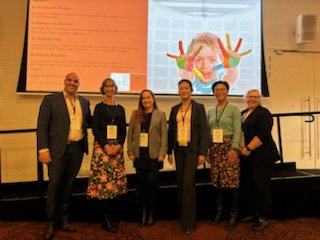
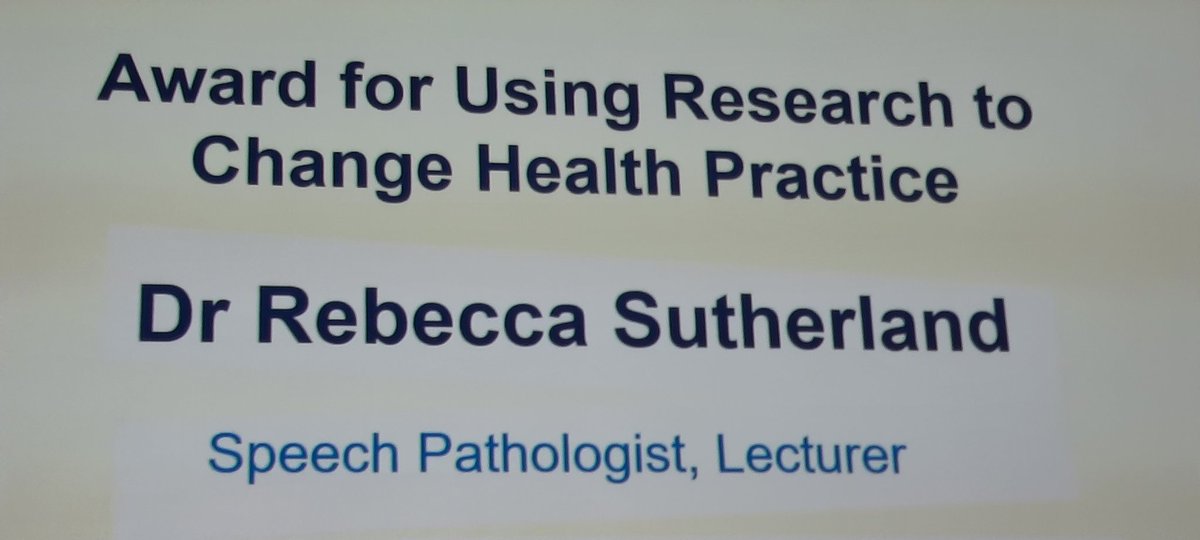
Huge thanks to @SHPartners for this award recognising the work done in collaboration with CDU at the Children's Hospital at Westmead and @CoviuApp
6 Jul 2022

Dr Rebecca Sutherland @becsutherlandSP @SHPartners #SHPforum award for using research to change health practice!

10
6
35
17 Oct 2024
This has to be my favourite part of our new rapid review on #echolalia prevalence in autism - have a look at where @LucyEBryant's deep dive into history and chasing references over time landed! shorturl.at/zjn8p
1
3
8
806
17 Oct 2024
New #OpenAccess rapid review on the prevalence of
#echolalia in autistic people from me,@LucyEBryant, @DrJuliaDray & Prof Jacqui Roberts: shorturl.at/zjn8p Amazing to see the variation among current studies and when in history the mostly commonly cited figures originated!
1
2
160
Dr Rebecca Sutherland retweeted

BRILLIANT! A Linguist’s Take on Blanc’s Proposition of #GestaltLanguageProcessing & #NaturalLanguageAcquisition: An Implausible Theory at Odds with the Research. Does the 🏆author EVER sleep? link.springer.com/content/pd… @AltB56073878 @LucyEBryant @Rooandjoey @rl_grove
@BronwynHemsley
4
9
20
9,956
Dr Rebecca Sutherland retweeted

3 Sep 2024
Interested in doing a PhD @Sydney_Uni to improve functional and social independence of ppl with #dementia in #agedcare? Our@NHMRC funded team is accepting applications now for this wonderful scholarship opportunity 🎓
sydney.edu.au/scholarships/c…
@YunHeeJeon1 @ABICommLab @syd_health
11
24
1,764
Dr Rebecca Sutherland retweeted
🆓🆕🔓
@becsutherlandSP, R. Turnbull, A. Toms, A. Perry, C. & Watts, A. (2024). 🇦🇺Australian SLPs’ knowledge and actions regarding the early signs of #autism: When does caution become gatekeeping? @IJSLP, 1–13. doi.org/10.1080/17549507.202…
1
5
12
860
22 Aug 2024
New from me and a great team of former and current speech path and journalism students from @UniCanberra exploring SLPs' knowledge and actions around early autism. tinyurl.com/5xs4cxkb
Highlights include: a need to support younger and early career speech paths to have 1/2
1
4
6
431
22 Aug 2024
..... conversations with parents which might be difficult, better knowledge of the early signs of autism and a better understanding of the role they can play in supporting families to access diagnostic assessments.
1
72
Dr Rebecca Sutherland retweeted

7 Aug 2024
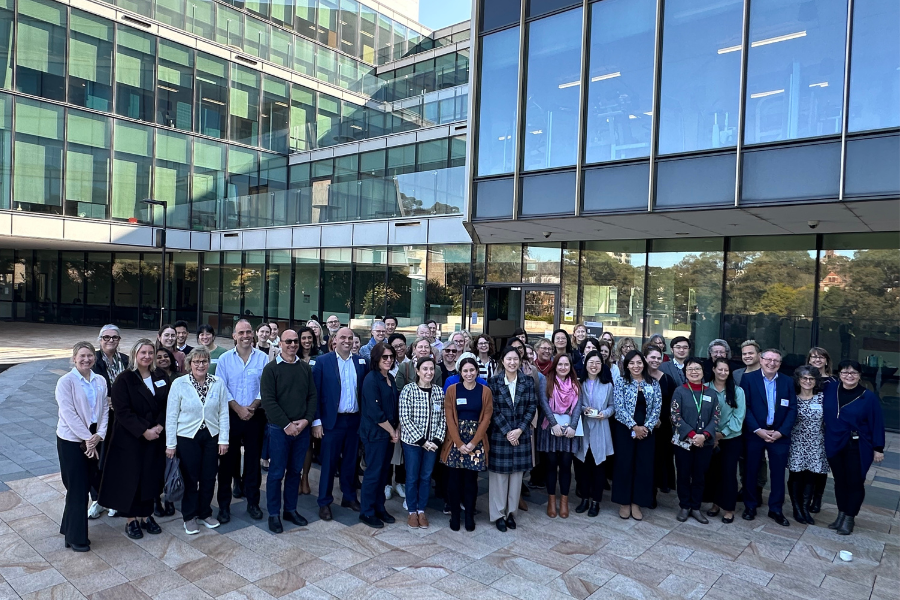
And that's a Wrap!
What a great turnout for the CAG Launch and Inaugural workshop @Adam_Guastella @ian_hickie @Kathy_Refshauge @SHPartners @syd_health
Child Development team ➡️bit.ly/BMCChildTeam
1
8
1,608
Dr Rebecca Sutherland retweeted

You can now find this paper in Vol 26, Issue 3, @IJSLP by Sarah Tzy Yun Chou, @becsutherlandSP & @tricmc #OpenAccess @speechpathaus 2023 national conference special issue #SLP tandfonline.com/doi/full/10.…
4
3
491
Dr Rebecca Sutherland retweeted

11 Apr 2024
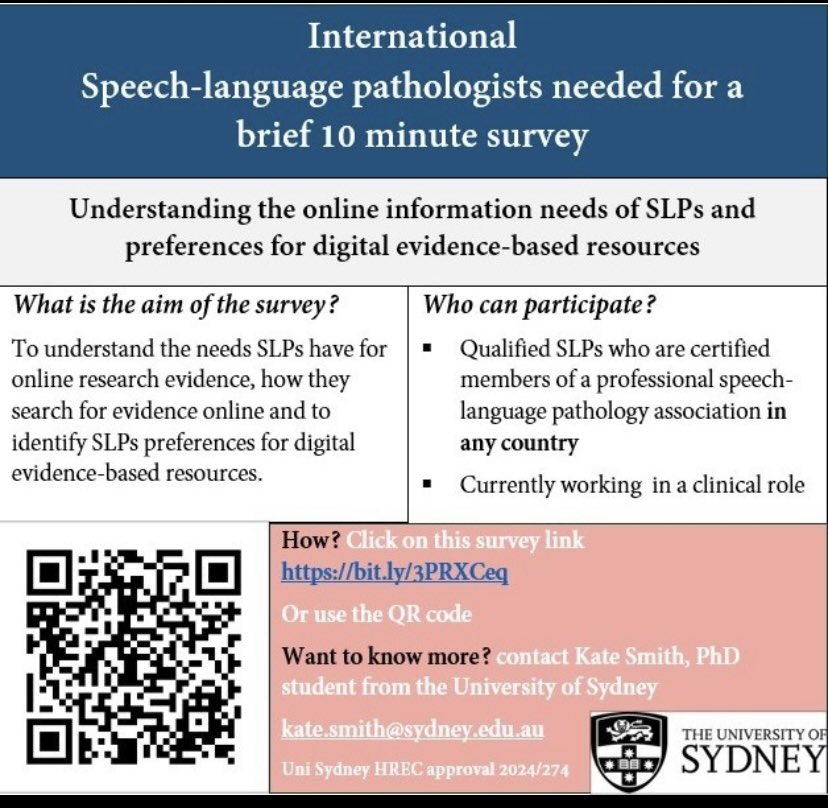
Hi #SLPeeps! Are you working in a clinical role? We’d like your input on an international survey to understand #SLPs needs for online research evidence and #SLPs preferences for digital #EBP resources. @LeanneTogher
Link to survey bit.ly/3PRXCeq
2
24
20
6,264
Dr Rebecca Sutherland retweeted
New paper published in @IJSLP by Sarah Tzy Yun Chou, @becsutherlandSP & @tricmc "A systematic scoping review of the literacy skills of children with childhood apraxia of speech: Recommendations for best practice and further research" #OpenAccess #SLP #SLT tandfonline.com/doi/full/10.…
1
8
11
777
8 Jul 2024
Really happy to have this in print - exploring the world of literacy and childhood apraxia of speech with @tricmc and my first USYD hons student
4
8
746
Dr Rebecca Sutherland retweeted

21 Jun 2024
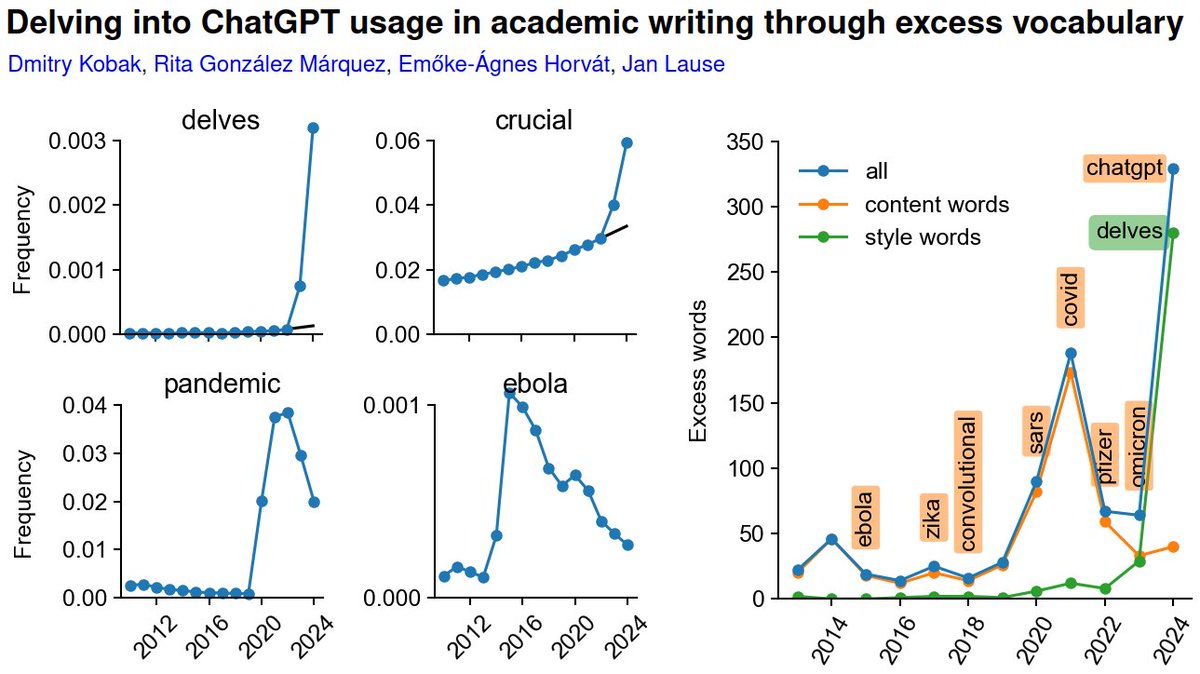
How many academic papers are written with the help of ChatGPT? To answer this question, we analyzed 14mln PubMed abstracts from 2010 to 2024 and looked for excess words:
** Delving into ChatGPT usage in academic writing through excess vocabulary **
arxiv.org/abs/2406.07016
1/11
51
483
1,795
489,511
Dr Rebecca Sutherland retweeted

13 Jun 2024
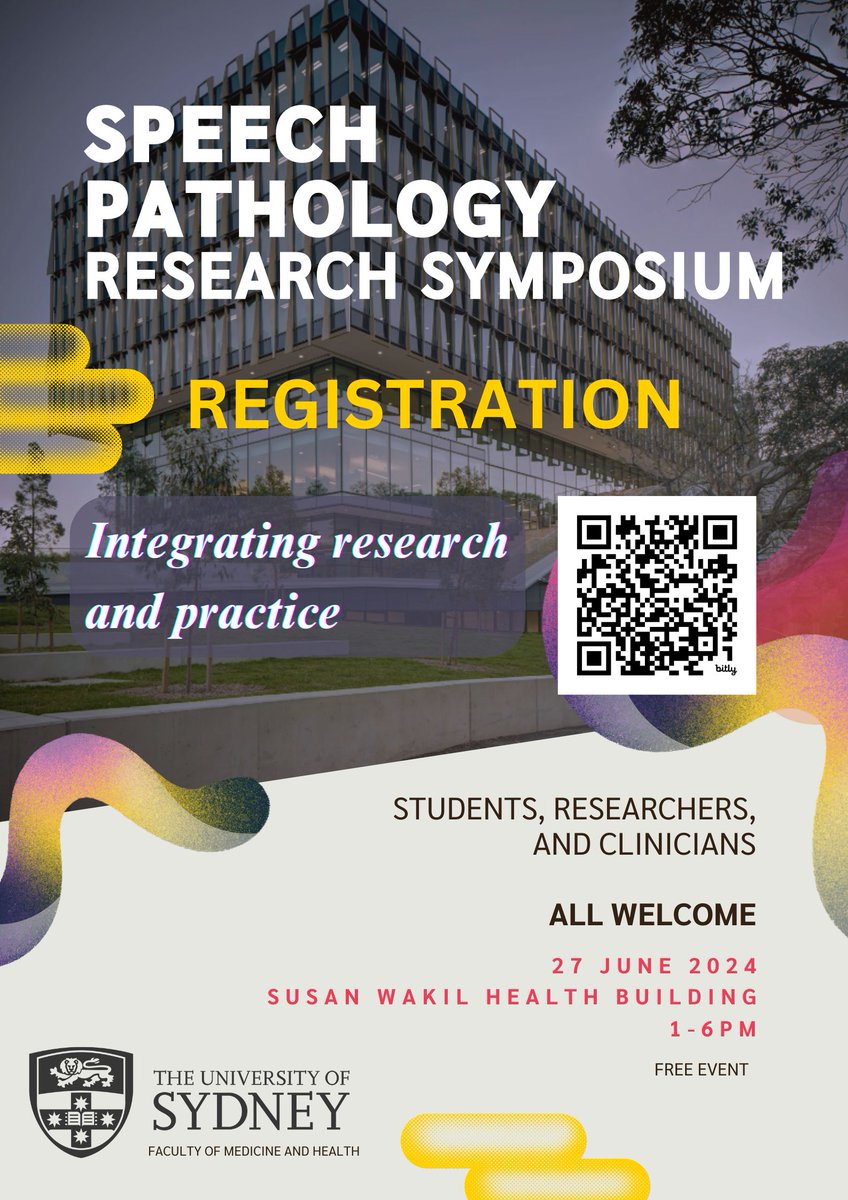
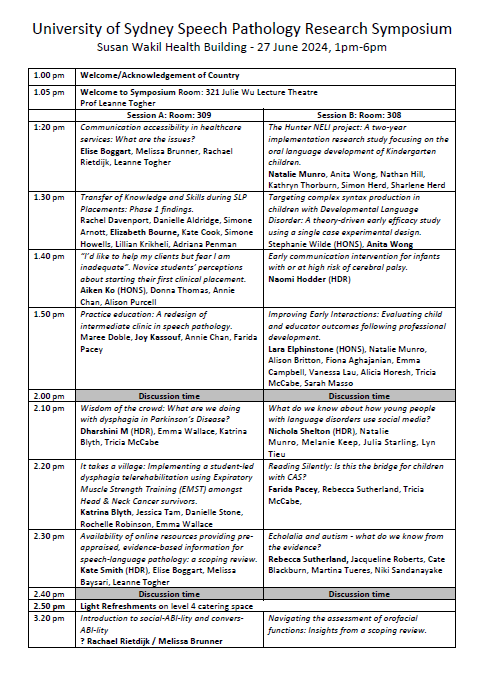
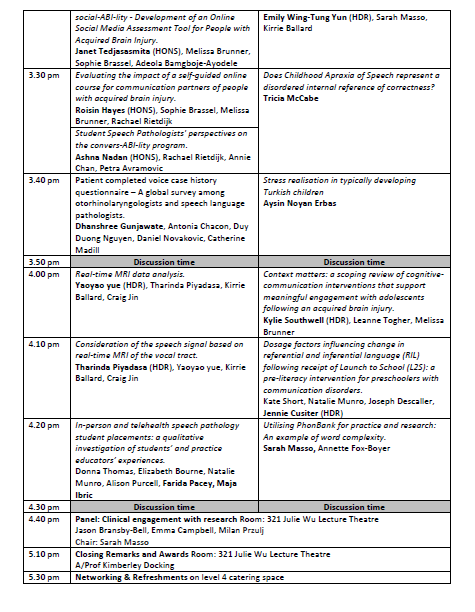
📢Only 2 weeks to go until our @syd_health Speech Pathology Research Symposium!
🗓️27 June, 1-6pm in the Susan Wakil Health Building @Sydney_Uni
✅Come join us - register here: events.humanitix.com/speech-…
Ping @becsutherlandSP @KatrinaBlyth1 @DrKimba @LeanneTogher @tricmc
1
6
6
729
30 May 2024
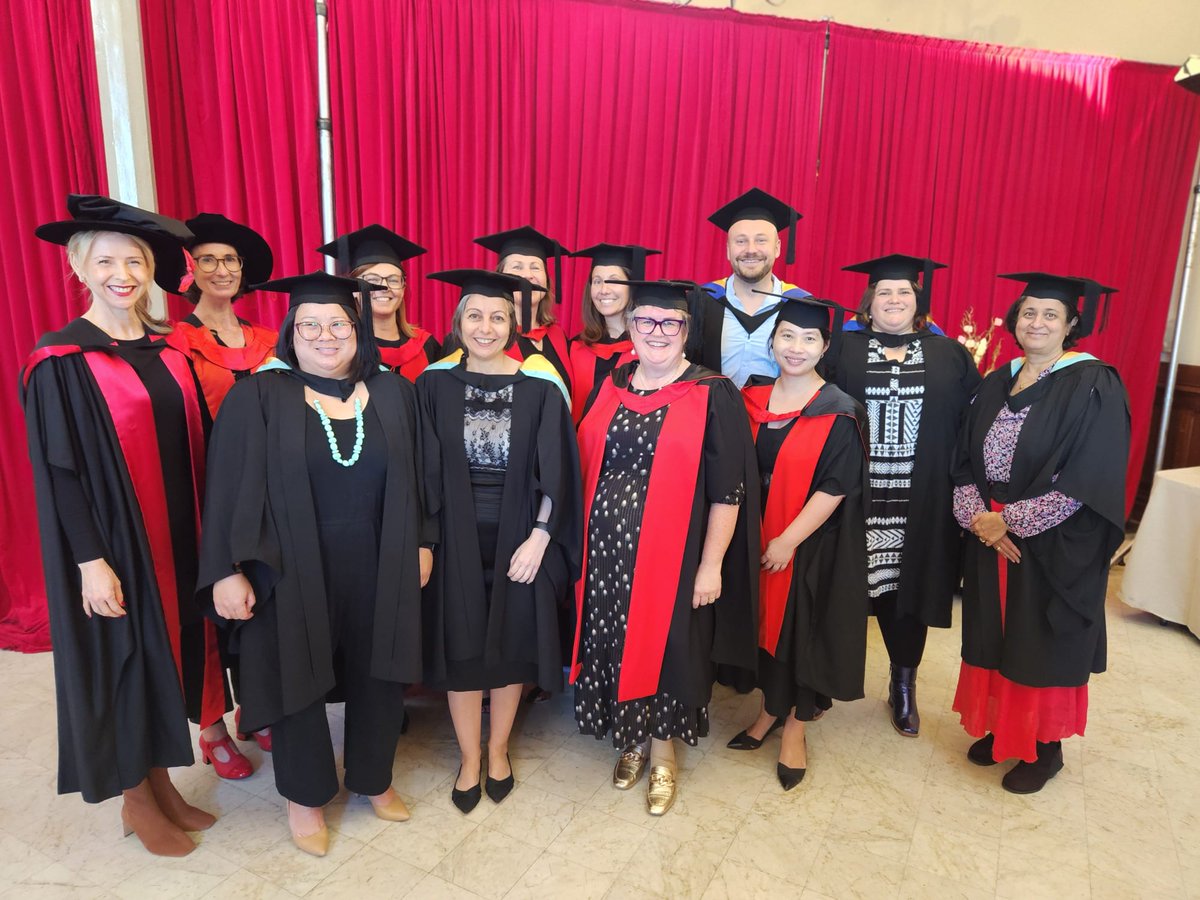
So lovely to see so many of our wonderful students and to get to hear the fabulous Nas Campanella deliver the occasional address 🥰
30 May 2024

Looking forward to celebrating with our graduating students today @Sydney_Uni So many of our speech pathology team ready for the procession!
1
4
320
30 May 2024
Looking forward to celebrating with our graduating students today @Sydney_Uni So many of our speech pathology team ready for the procession!
1
1
9
721
Dr Rebecca Sutherland retweeted

29 May 2024
This was great to work on with @dcjve @becsutherlandSP me, Liz Bourne, Farida Pacey, Maja Ibric, and Alison Purcell. #telepractice #telesupervision #slpeeps #slp2b
1
1
14
608
Dr Rebecca Sutherland retweeted
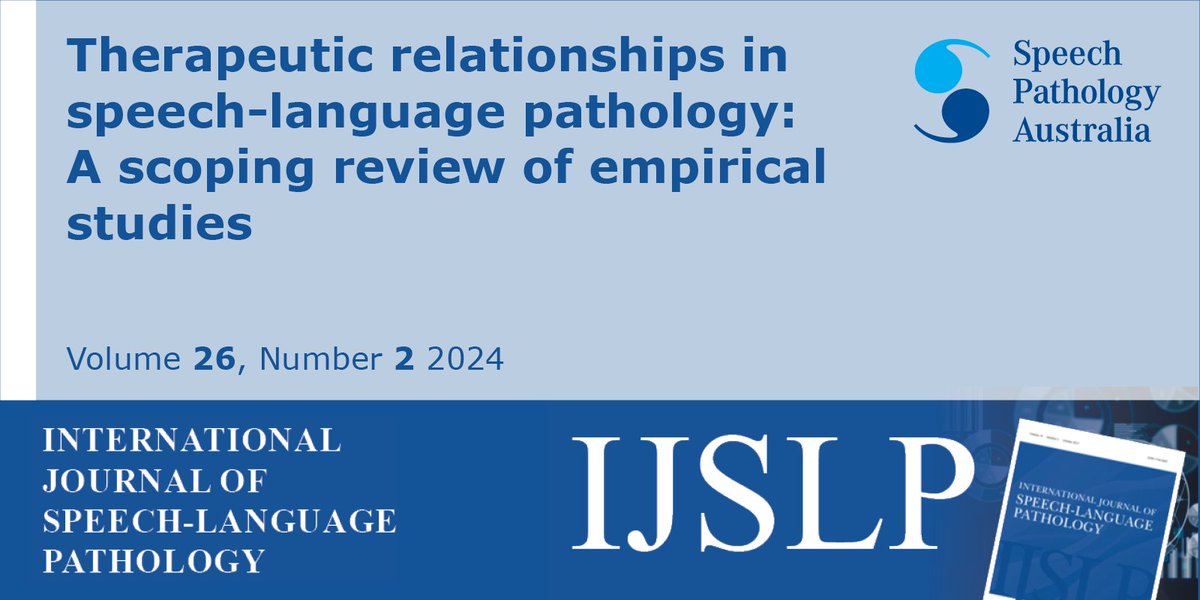
The next paper published in @IJSLP Vol 26, Issue 2 is: "Therapeutic relationships in speech-language pathology: A scoping review of empirical studies" by Hilke Hansen, Kerstin Erfmann, Julia Göldner, Rieke Schlüter & Franziska Zimmermann tandfonline.com/doi/full/10.…
4
5
732