
Anthropologist, Global Health, ento-fan girl, hot spots, materialization of memory, insectaries, semi-fields, the makeshift, emergency R&D
Joined April 2009
- Tweets 1,462
- Following 1,279
- Followers 1,490
- Likes 2,408
38 Photos and videos
Ann Kelly retweeted

19 Mar 2025
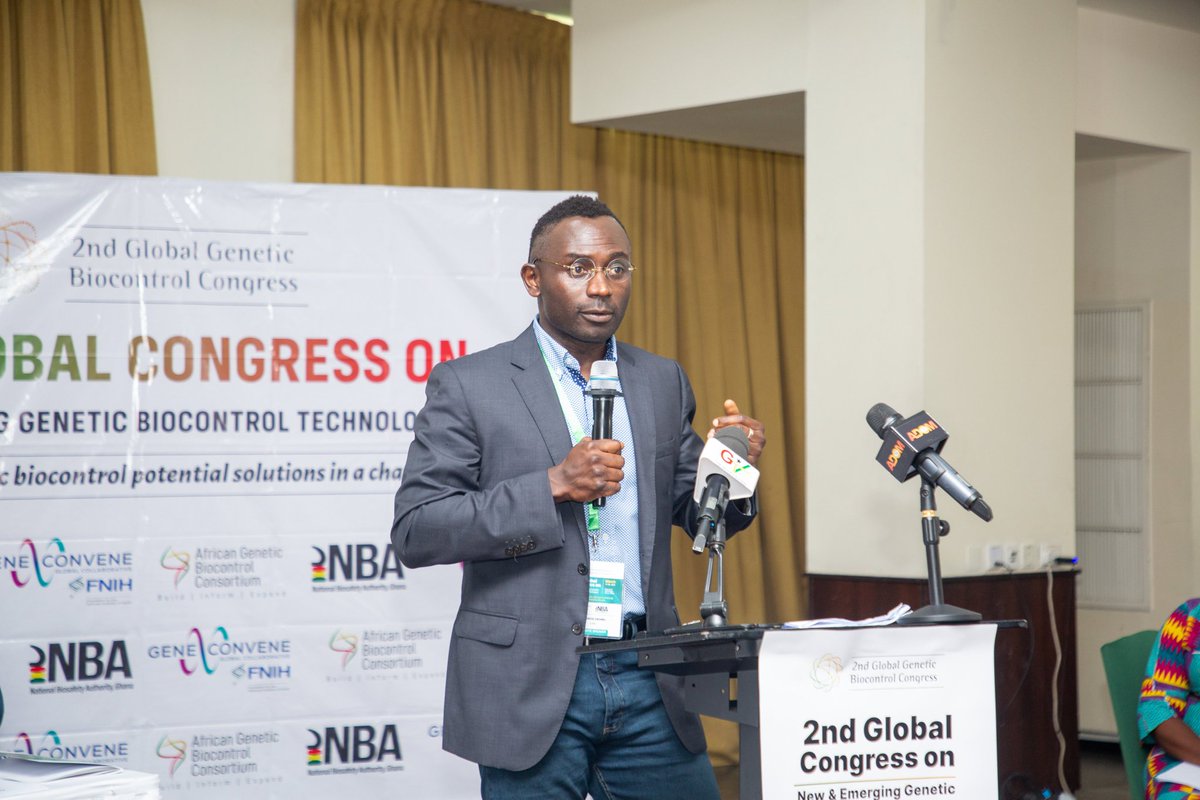
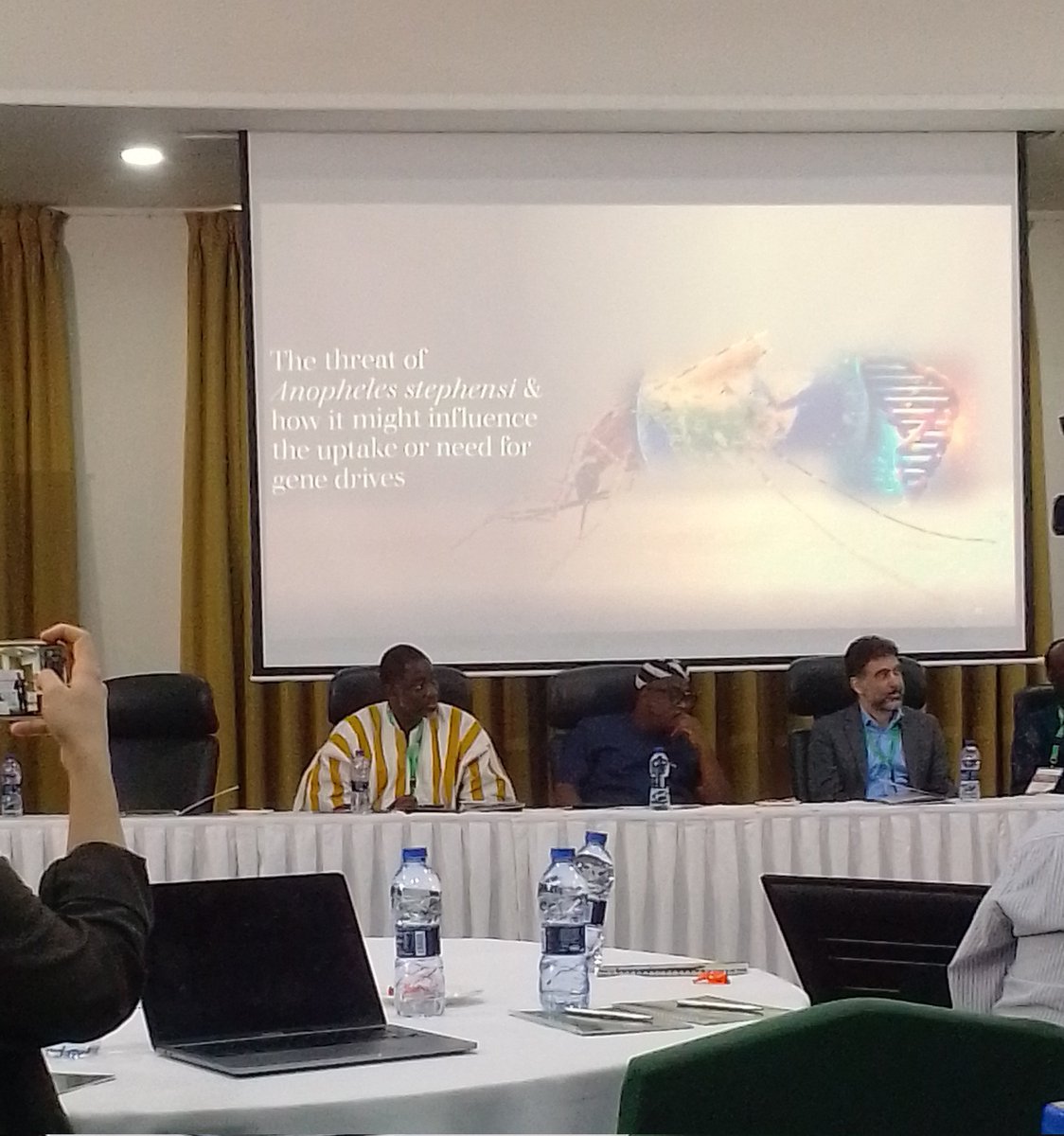
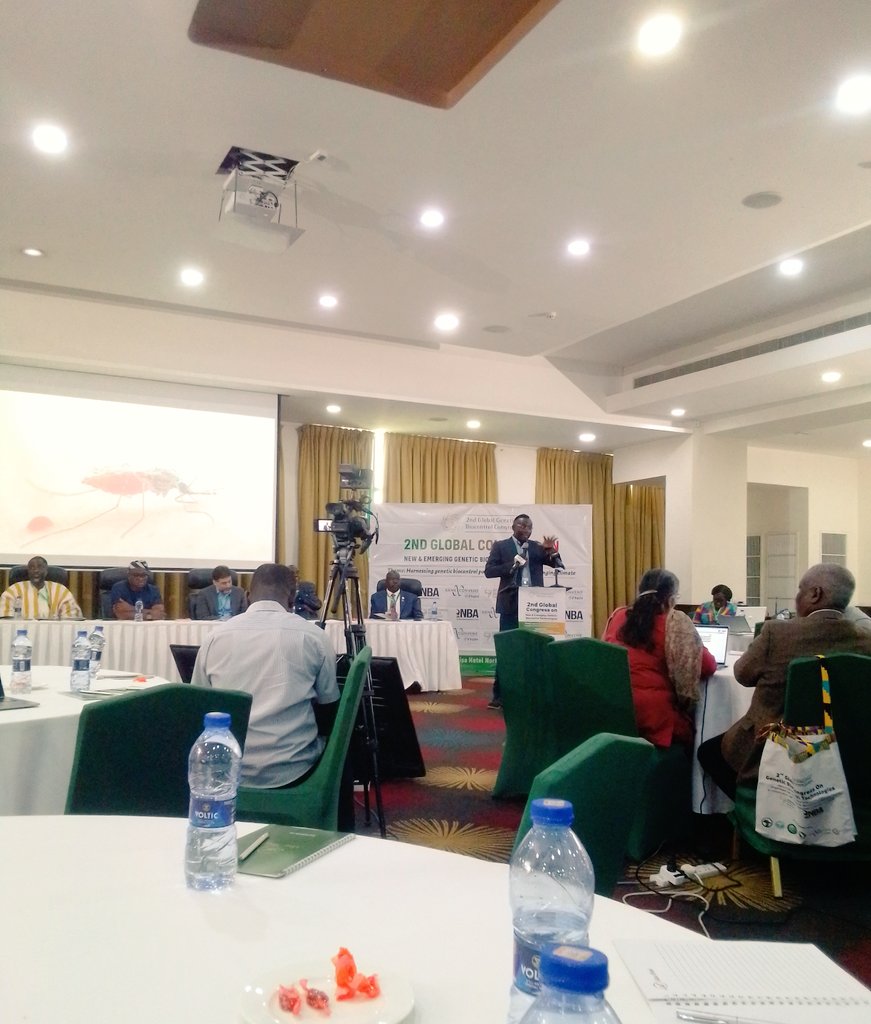
Professor @Fredros_Inc from @UofGlasgow delivered an Insightful, Fascinating & Pivotal Keynote Address on "Integrating #GeneticBiocontrol into #MalariaControlPrograms in a Changing Climate" at the @AfricaGeneBio Congress Opening Ceremony today.
#2ndGlobalCongress #Accra #Ghana
5
10
496

21 Mar 2025
Fabulous opportunity to get direction on a new project from brilliant IHI scientists @ifakarahealth @InSIS
20 Mar 2025

TALK:
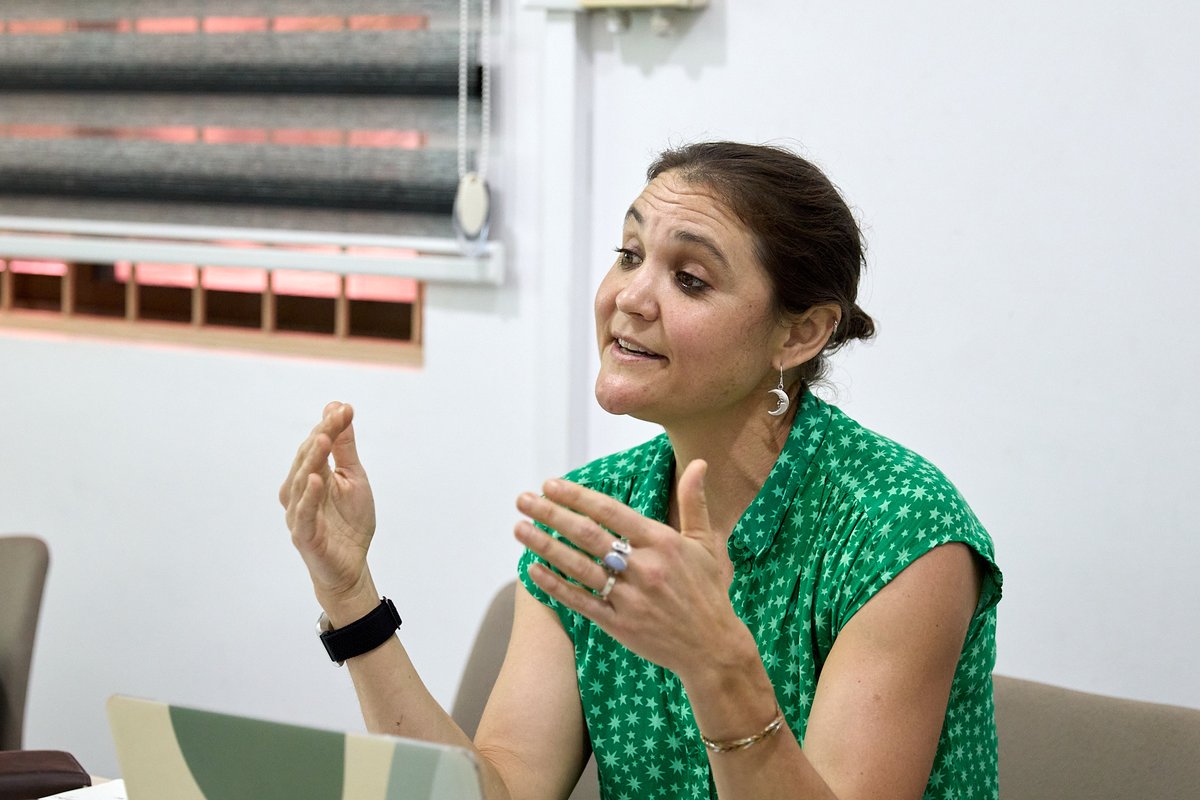
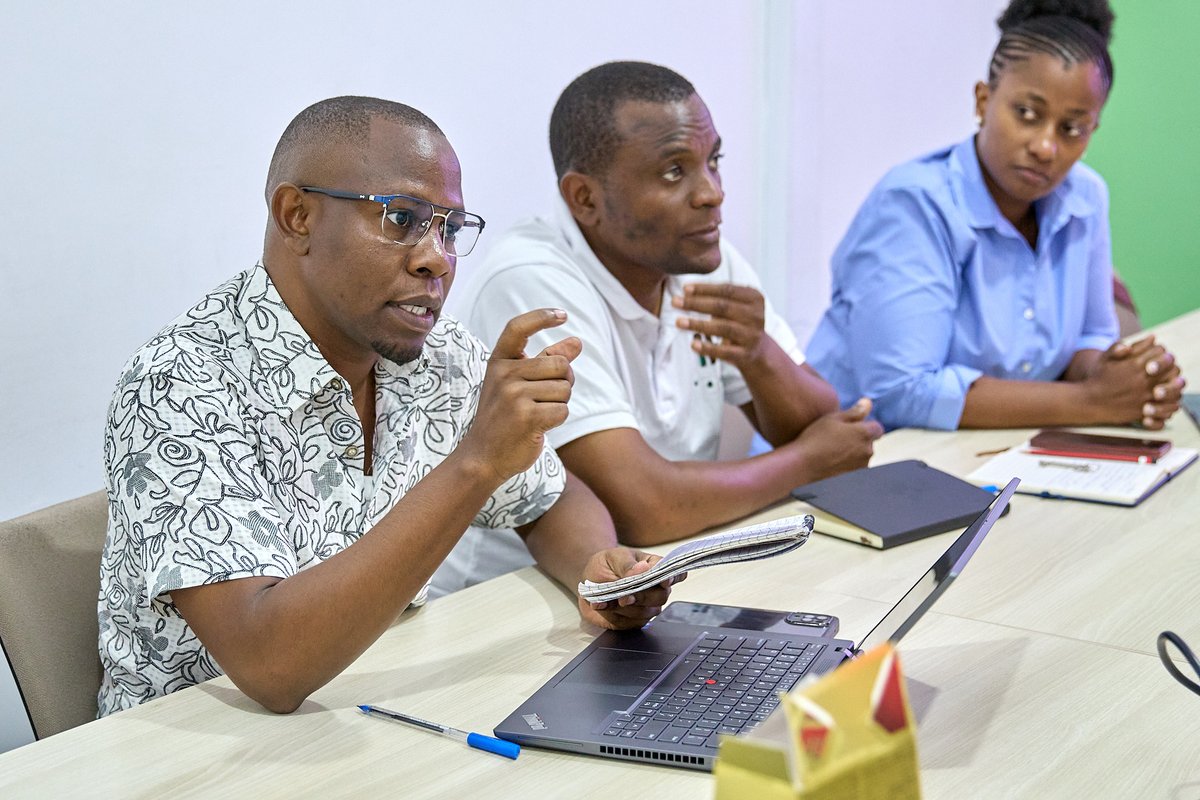
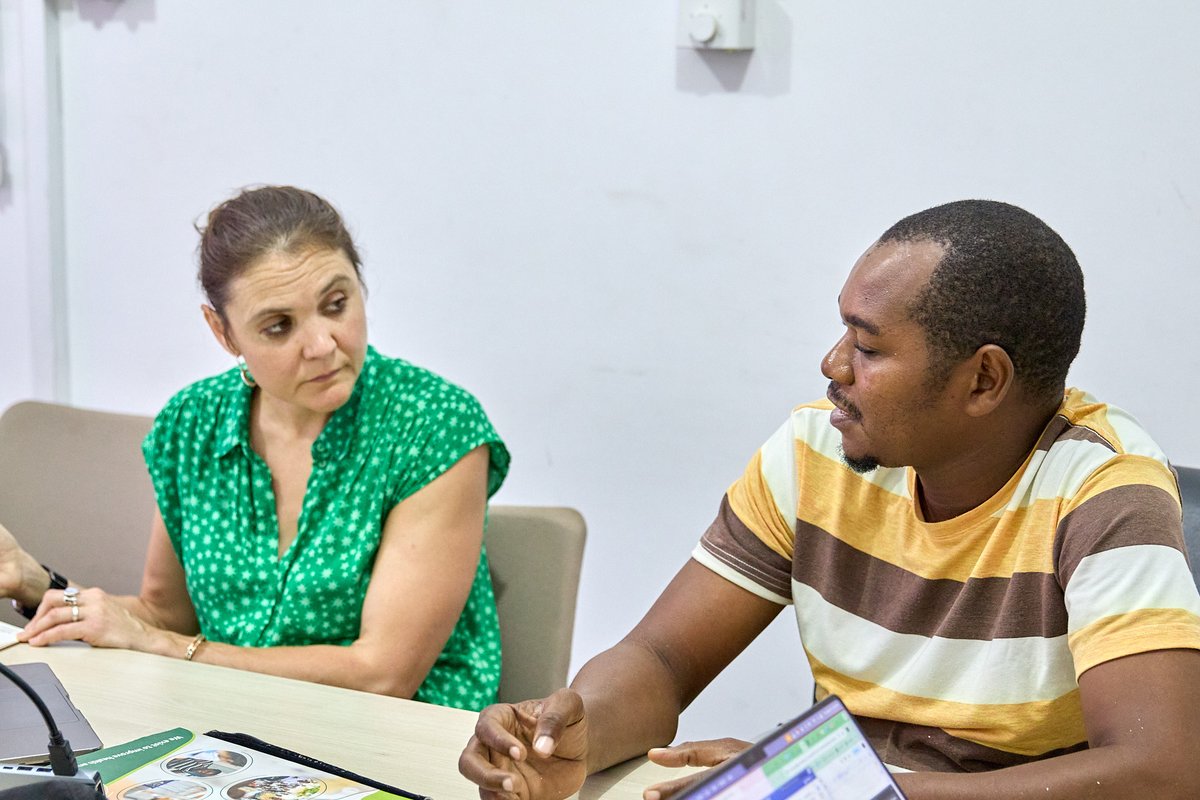
🧱Redesigning the Humble Brick with Oxford’s Prof. Kelly
📢 How can a brick help fight mosquito-borne diseases? Prof. Ann H. Kelly from @UniofOxford shared a fascinating vision at @ifakarahealth—rethinking building materials for health and climate resilience! 🏡🦟🌍
>> ihi.or.tz/our-events/704/det…
>> #IFAKARAevents #IFAKARAtalks #PublicHealth #ClimateResilience #VectorControl
1
3
224
Ann Kelly retweeted

20 Mar 2025
TALK:
🧱Redesigning the Humble Brick with Oxford’s Prof. Kelly
📢 How can a brick help fight mosquito-borne diseases? Prof. Ann H. Kelly from @UniofOxford shared a fascinating vision at @ifakarahealth—rethinking building materials for health and climate resilience! 🏡🦟🌍
>> ihi.or.tz/our-events/704/det…
>> #IFAKARAevents #IFAKARAtalks #PublicHealth #ClimateResilience #VectorControl
3
8
744
Ann Kelly retweeted

17 Oct 2024
Could bricks help to protect people from malaria? 🤔
Exciting news that the 'Transforming the Humble Brick' project, led by Prof Ann Kelly @beetieroot (Professor of Anthropology) has received funding from @UKRI_News!
Full story: anthro.web.ox.ac.uk/article/…
1
6
12
1,526
Ann Kelly retweeted

14 Jun 2024
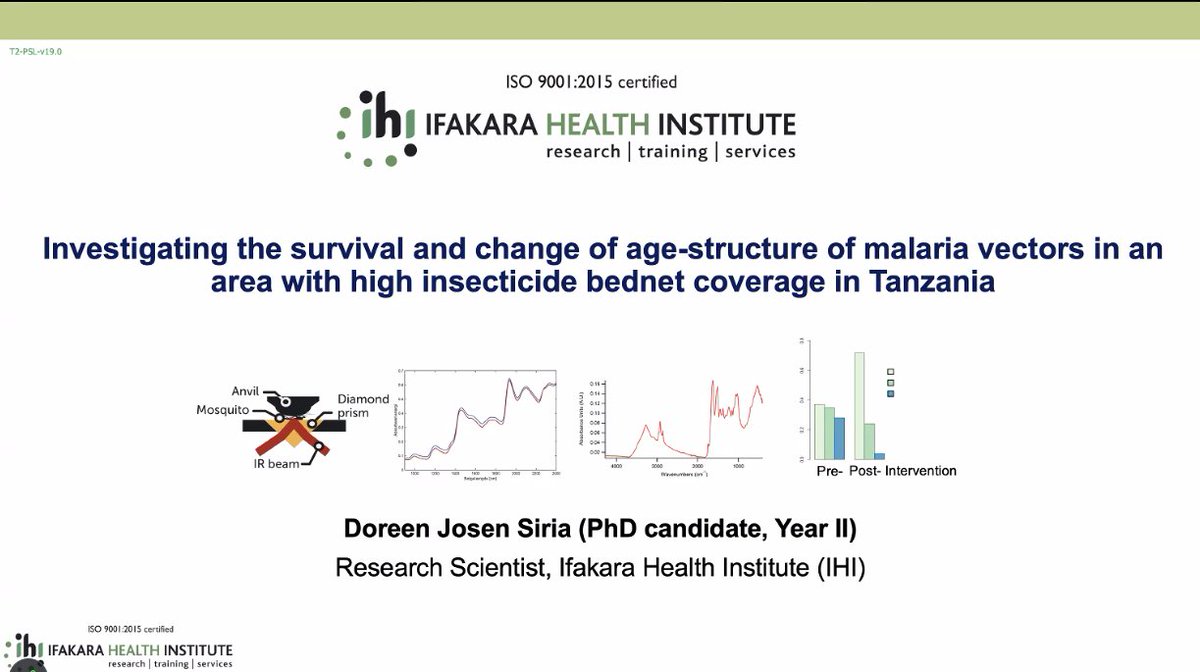
Excellent talk by @DoreenSiria at @UofGSBOHVM PhD seminars on understading age structures of #malaria mosquito populations in Tanzania.
Doreen Siria is a PhD student @UofGSBOHVM @VectorsGlasgow and research scientist @ifakarahealth
@Fredros_Inc @drheatherferg @Baldini_Fra
10
42
1,870
5 Jun 2024
So nice to see this out. With thanks to the editorial grace of our reviewers and STHV! @STHV_journal @MedAnthUoE @GHSMatKCL @GraemeLaurie journals.sagepub.com/doi/ful…
2
5
24
1,881
Ann Kelly retweeted

27 May 2024
Questions about manufacturing of pharmaceuticals in Africa
~
There has been a lot of talk about "the need to manufacture vaccines or medicines" in Africa. Proponents of this idea argue that Manufacturing within Africa, which they label as "Local Manufacturing" will increase access. Here are two questions:
a) Would African countries be more willing to purchase pharmaceuticals manufactured in other African countries than those manufactured in other continents? say in India, China, Europe or Elsewhere? For example, would Tanzanians prefer "Made-in-Nigeria" products over "Made-in Germany" or "Made-in-India" even if the quality were the same?
b) Would the fact that the products are manufactured within the African continent make them more accessible to Africans than products manufactured elsewhere? For example, would products manufactured in Eritrea or Nigeria be more readily accessible to the DRC or Malawi than products manufactured in India?
Any answers would be appreciated.
3
11
788
Ann Kelly retweeted

3 May 2024
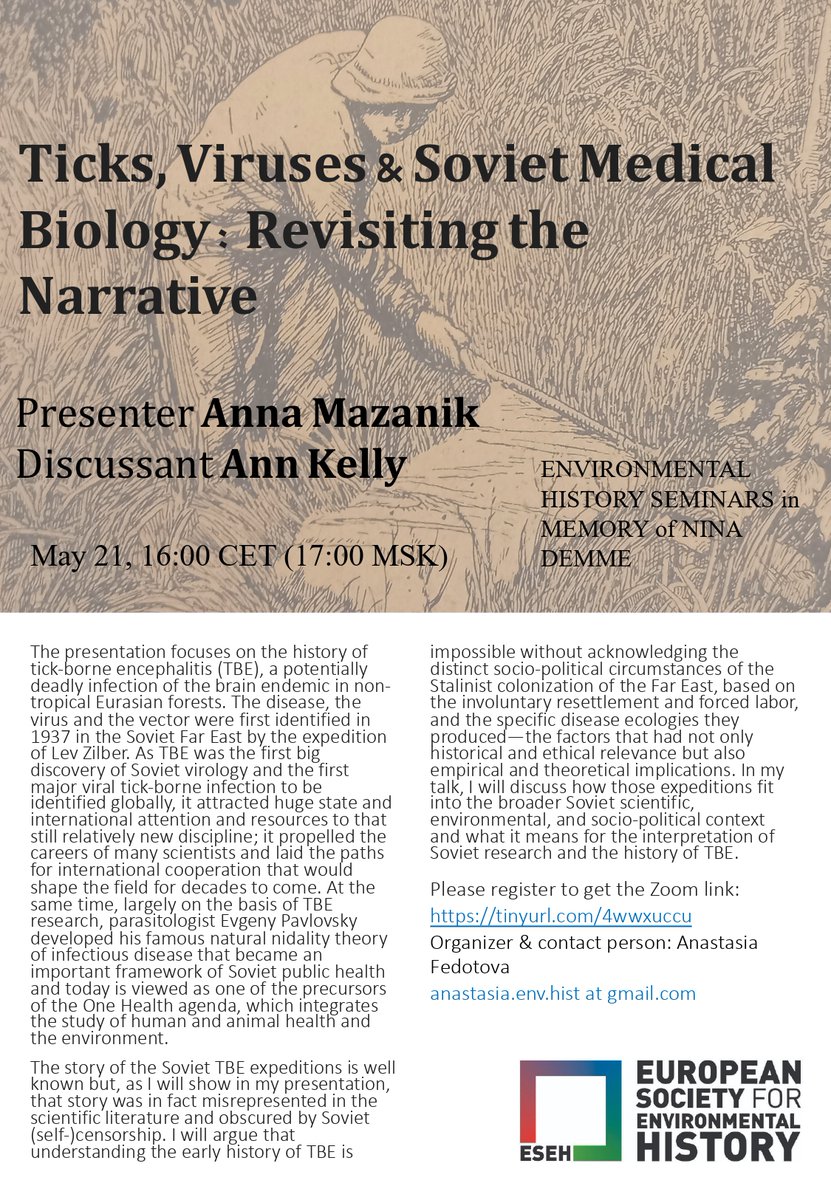
A story of science, human and animal health, and the environment for the next seminar on #soviethistory and #envhist organised by Anastasia Fedotova.
📌May 21, 16:00 CET
Speakers: Anna Mazanik & Ann Kelly
Register here👇docs.google.com/forms/d/1cNN…
1
9
19
1,238
Ann Kelly retweeted

16 Mar 2024
Sharp reflections from Will Davies, well worth reading.
The case for wealth taxes is even stronger now, 10 years on
1
3
857
Ann Kelly retweeted
1 Mar 2024
🦟 MALARIA:
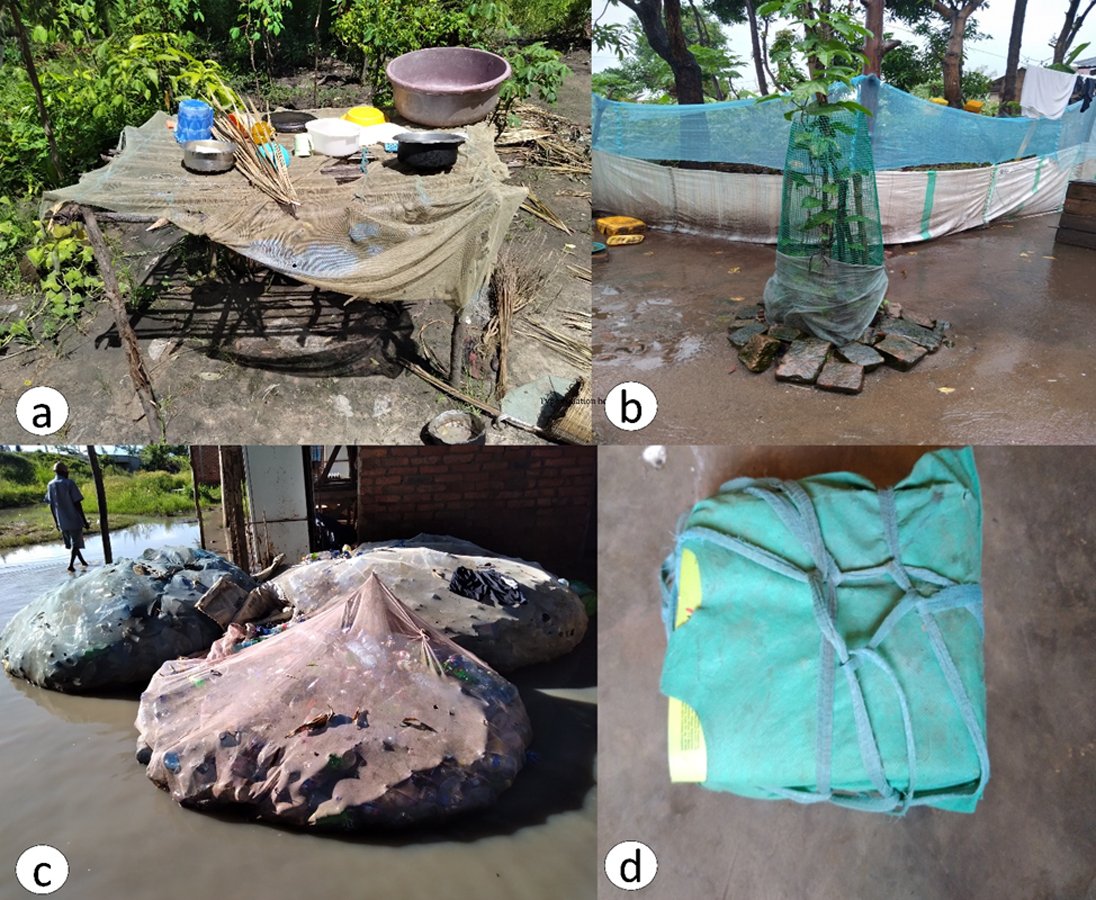
Improper disposal of old bed nets linked to pollution, health risks
🔍 In a recent malaria study published on @PLOSONE, @Ifakarahealth scientists emphasize the importance of proper disposal of old bed nets to curb environmental pollution and protect communities from potential health risks 😷
📚 The study, conducted in 2022 in Kilombero and Ulanga districts in rural Tanzania 🇹🇿, found widespread improper disposal methods such as burning and damping persist among communities, attributing this to a lack of awareness of proper disposal methods.
📌 The scientists call for “strengthening awareness and education” among communities and key stakeholders on proper disposal practices of old bed nets, which is vital not only for enhancing #malaria control efforts but also for preventing environmental #pollution.
>> ihi.or.tz/blog/news/malaria-…
>> #IFAKARAnews #IFAKARAresearch
13
28
2,023
29 Feb 2024
A lifeline in a pandemic: thinking, writing and living the metrics together with such brilliant and compassionate anthropologists @AnthroAMR @GHSMatKCL @vincanne Adams @medanthq @InSIS @GhostManagedMed anthrosource.onlinelibrary.w…
10
32
2,934
Ann Kelly retweeted

15 Feb 2024
Impact of #climate change on #malaria transmission has rightly received much attention. Here @GovellaNico & I consider a much less explored Q: how will #climate change impact the implementation & efficacy of #vector control interventions? 4 areas discussed brill.com/edcollchap-oa/book…
1
39
114
6,603
Ann Kelly retweeted
21 Jan 2024
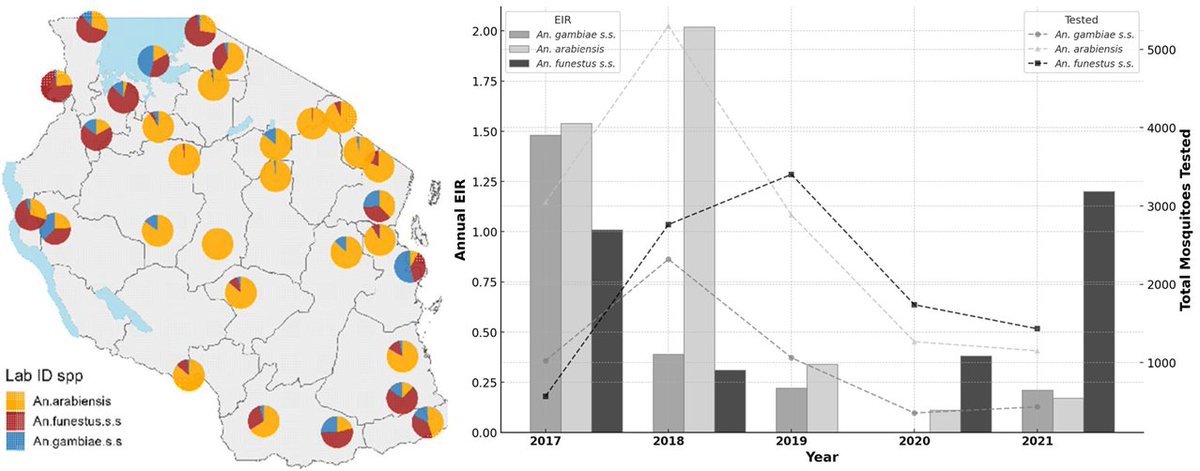
New publication provides details of the evolving trends in malaria transmission in Tanzania - reveals which vector species are most abundant, and more importantly, which species are responsible for the bulk of malaria infections.
~
A new paper by Tanzania's National Malaria Program and partners provides details of their comprehensive surveillance of malaria vectors. The paper shows significant transitions in the abundance and contributions of different malaria vector species across the country between 2017 and 2021. Of particular interest is that while Anopheles arabiensis is the most abundant [and most widespread] across the country, most malaria infections are now being contributed by Anopheles funestus. The prevalence of An. funestus is particularly notable in the high transmission areas in the north-west and south eastern parts of country, where most malaria burden occurs. The paper also shows that while the influence of Anopheles gambiae in malaria transmission gradually diminished from 2017 to 2021, this once-notorious species remains modestly prevalent across the country and still plays a key role in the spread of malaria.
[NOTE: to more clearly depict the role of each Anopheles species, I've used the summaries provided by the authors in Table 2 to chart the year-to-year EIR comparisons]
~
Fantastic work by the NMCP and Partners including @NIMR_Tanzania and @ifakarahealth : @wizara_afyatz @ifakarahealth @GovellaNico @Kiware2 , @YPKitutuJr @Brian__Masanja
~
Mwalimu et al 2024 malariajournal.biomedcentral…
1
13
32
2,356
Ann Kelly retweeted
17 Jan 2024
🌍 ENGAGEMENT:
Promising support for gene drives to end malaria in Africa
After reaching out to dozens of public health stakeholders from 25 countries across Africa, scientists have yet again underlined the potential of #genedrives 🧬 in the continent, suggesting that the technologies can be a useful tool to support ongoing efforts to eliminate #malaria in Africa.
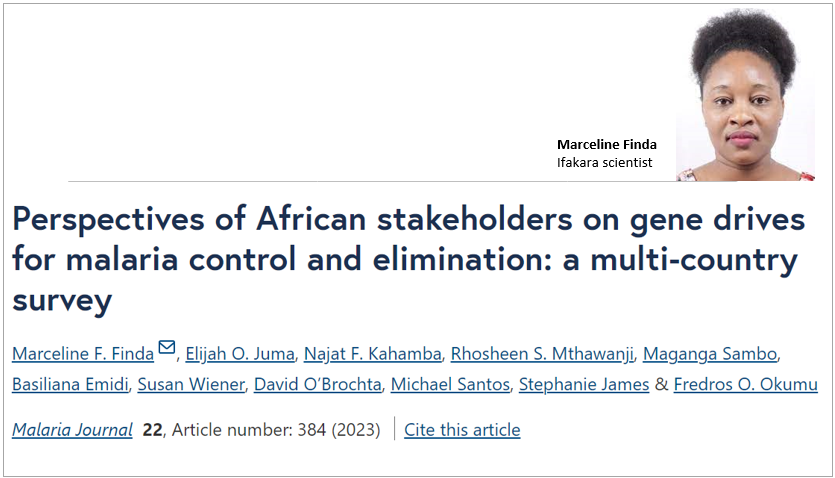
Scientists from Malawi 🇲🇼, Kenya 🇰🇪, the US 🇺🇸, the UK 🇬🇧 and Tanzania 🇹🇿, led by Dr. Marceline Finda from @ifakarahealth, report in their new paper published on the @MalariaJournal recently that most people they engaged with in their study were in support of the technologies.
💬“A majority of the respondents (92.9%) stated that they would support field trials or implementation of GDMMs [gene drive modified mosquitoes] in their respective countries,” they report in their study which sought to explore insights and recommendations of stakeholders across #Africa on the potential of #genedrive modified mosquitoes for #malariacontrol and elimination in the continent 📉
>> ihi.or.tz/blog/news/engageme…
>> #IFAKARAnews #IFAKARApublications #IFAKARAresearch
14
36
1,977
Ann Kelly retweeted
16 Jan 2024
How will climate change affect the risk of mosquito borne diseases ? Here are some thoughts - updated
~
1) Expansions in the geographical range of malaria transmission are more likely to be altitudinal rather than longitudinal. In Africa, this will likely mean more malaria in highland regions; not necessarily in the Sahel
2) The effects of climate warming will be context specific; and must be evaluated with respect to not just temperatures but also other elements such as humidity, hydrology, precipitation, topography etc
3) Malaria mosquitoes (Anopheles) are generally less likely to survive warmer temperatures than Aedes mosquitoes (which transmit dengue, Chikungunya, zika etc). In Africa, we may end up with less malaria but more dengue and the like
4) Increased frequencies of extreme weather events, especially flooding, not only increase the risk of mosquito-borne diseases, but more importantly disrupt health systems. In places that are nearing elimination, where immunity levels might have been significantly reduced, any small upsurges in malaria cases, amid health system disruptions could lead to unexpectedly high mortality rates in both adults and children.
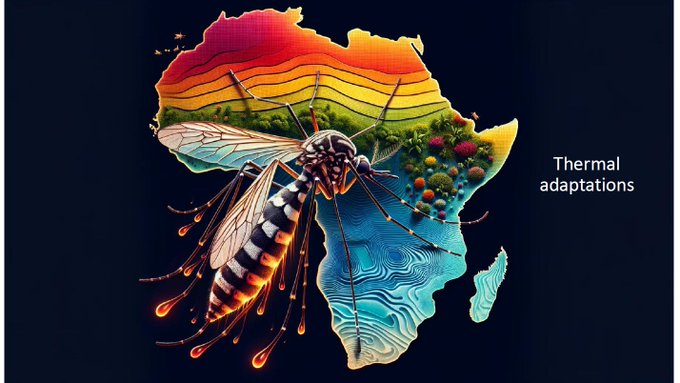
5) Mosquitoes, like all other organisms, are constantly adapting, so some of the predictions we have today may become [partially] invalid depending on the direction of these adaptations. For example, if malaria vectors become more tolerant to heat (as has been demonstrated in some species), they might be able to sustain disease transmission more widely even under increased climate warming
6) Despite current data suggesting a limited direct impact of climate change on malaria, the risk of indirect effects, especially health system disruptions and reallocation of resources, justifies efforts to eliminate malaria proactively. You don't want to be dealing with malaria outbreaks when there are also climate-induced disasters like floods. So malaria control/elimination can be considered an adaptation strategy against climate change
7) In most locations, changes in land-use and land-cover changes, will have greater, more immediate and more direct impact on disease risk than climate change per se - by the way it is easier to measure land-use/land-cover changes than it is to measure climate change
8) The environment, especially the built environment is changing rapidly in Africa. For instance, the proportion of homes that now have metal roofs as opposed to thatch roofs has more than doubled since 2000. My people are building better homes. For Africa's most notorious malaria vectors, such as Anopheles gambiae and Anopheles funestus, which love human dwellings, this change creates a very different microclimate for their survival. How this will impact disease risk remains to be fully understood, but so far, it appears that it will significantly reduce the risk of malaria
9) Broadly speaking, climate science is tough and requires very long-term plans, dedicated scientists and patience. There are still a ton of questions unanswered, especially with regard to local effects of climate change in different localities
3
36
89
8,651
Ann Kelly retweeted
4 Jan 2024
New research underscores the need to increase education and engagement of African stakeholders on field-testing & potential use of gene drive mosquitoes for malaria control and elimination
~
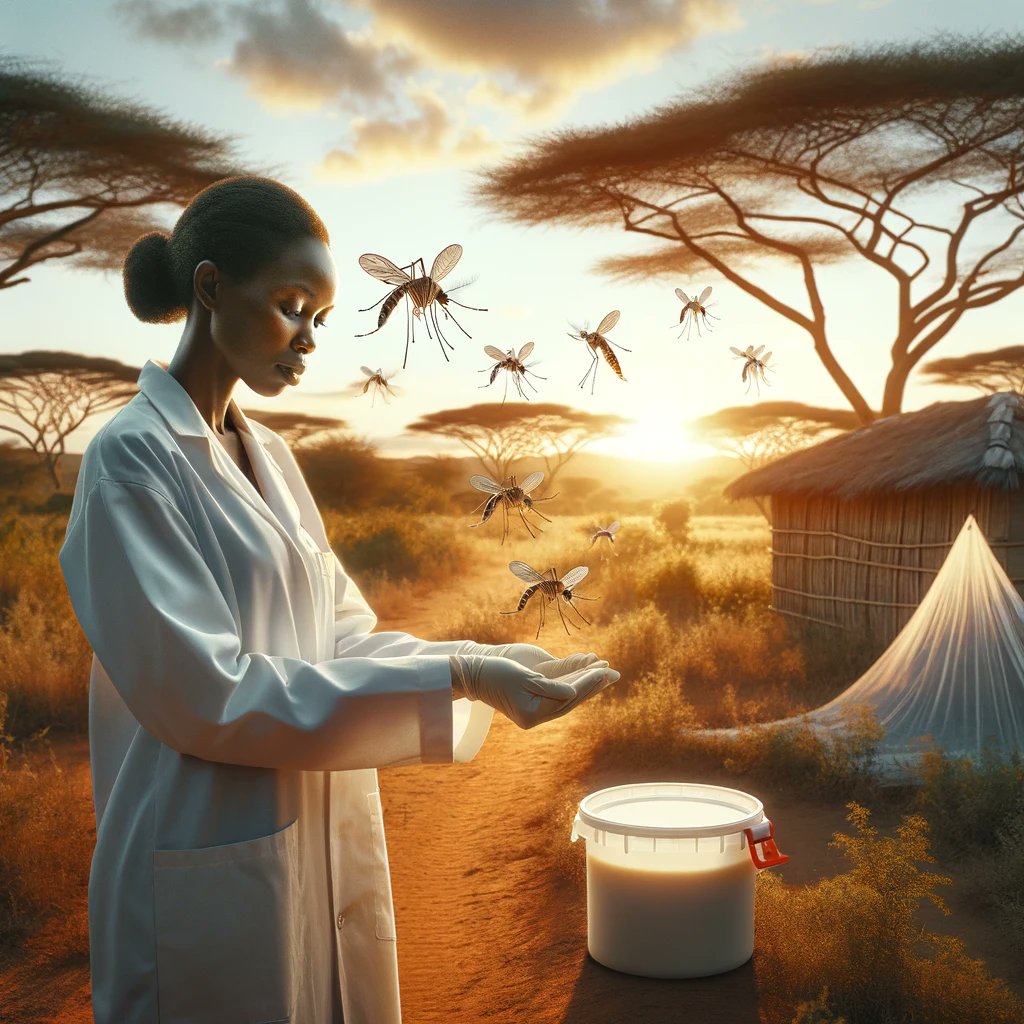
In a study led by my colleague, Dr. Lina Finda, we explored views of key stakeholders across 25 African countries regarding the use of gene drive modified mosquitoes for malaria control and elimination. A significant majority of the stakeholders expressed support for field-testing or implementation of the technology for purposes of disease control. We also found that while there is a general awareness of gene drive technology among the stakeholders, their understanding of how it works (and how it differs from other bio-control technologies) is still limited. To maximize benefits of the technology while reducing any potential risks, we identified various priorities for countries and partners to focus on, including:
i) Enhancing local knowledge and expertise in different aspects of the gene drive technology, - in Africa.
ii) More research to establish safety and effectiveness of gene drives in controlling malaria.
iii) Developing specific regulations for the safe evaluation and use of this technology in Africa.
Interestingly, our study also uncovered widespread misconceptions about the current state of gene drive testing in Africa. For example, many stakeholders incorrectly believed that gene drive modified mosquitoes were already released in certain countries in Africa, which was not the case.
These findings underscore the importance of increasing education and involvement of African stakeholders in gene drive related initiatives. This will ensure that decisions are well-informed and governance structures are robust, which is vital for effectively using this technology to combat malaria in the future
~
Work done at @ifakarahealth, in partnership with @Gene_Convene and @FNIH_Org ; Study continues in 2024 with more in-depth surveys in multiple countries
~
Happy new Year
~
Finda et al 2023: https: malariajournal.biomedcentral…
27
74
4,143
Ann Kelly retweeted
1 Dec 2023
After years of failing malaria strategies, it is tempting [and probably fashionable right now] to point fingers at climate change. But we have to ask ourselves, is this really a fair assessment?
~
WHO’s annual malaria report spotlights the growing threat of climate change: who.int/news/item/30-11-2023…
3
23
65
4,438
Ann Kelly retweeted
24 Nov 2023
Climate, Mosquitoes and Disease: a Masterclass with World Leading Experts
~
Join the 44th Edition of the Masterclasses; Dec 14th, 5pm EAT, 2pm GMT, 6am Pacific Time, 9am ET
~
To register: tinyurl.com/yc7zsyn3
Only 300 places available: First Come First Serve
Confirmed Experts
Prof. Erin Mordecai (Stanford), @morde
Prof. Abdisalan Noor (Harvard), @NoorAbdisalan
Prof. Leah Johnson (Virginia Tech), @virginia_tech
Dr. Kimbely Fornace (Glasgow/) @UofG_SBOHVM
Prof. Sadie Ryan (Florida) @SadieRyan and
Prof. Madeleine Thompson (Wellcome Trust), @wellcometrust
With me and my co-host, Nana Williams from @MESAmalaria
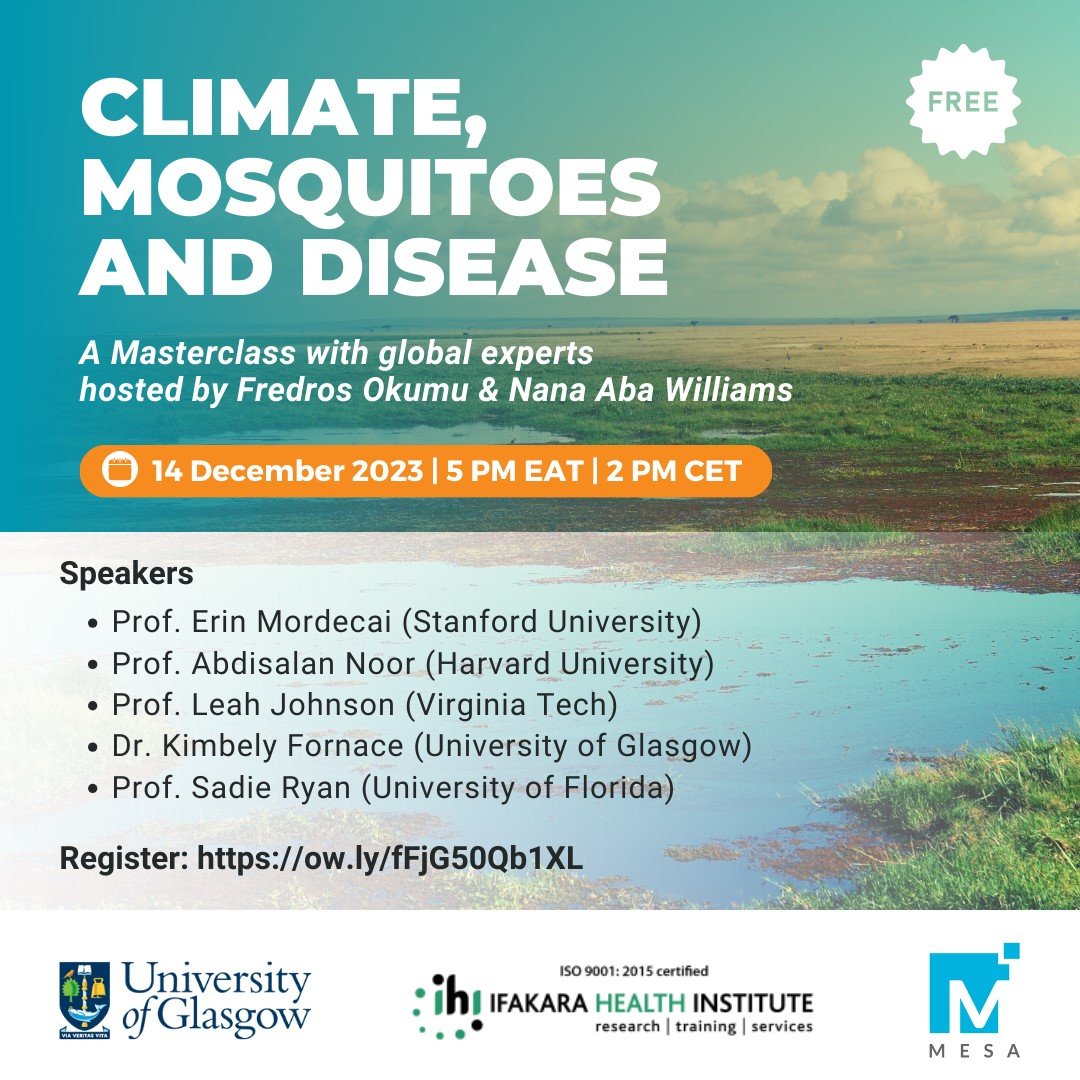
4
73
165
16,147
Ann Kelly retweeted

23 Nov 2023
El equipo de investigación del proyecto #DiseasedLandscapes lo conforman Lina Pinto García (@linabetatri), Javier Lezaun (@InSIS), Diana Ojeda (@diana_ojedao), Ann Kelly (@beetieroot), Juan Camilo Montoya y Alejandro Cañizares
1
1
3
294