
Joined June 2016
- Tweets 21,747
- Following 1,302
- Followers 704
- Likes 10,605
898 Photos and videos

Shadow retweeted

در این چند روز، بارها به مردان افغانستان فکر کردهام؛ به مردانی که پنج سال است زیر سایه شوم طالبان زندهگی میکنند؛ مردانی که شاید کمتر کسی از روزگارشان حرف زده باشد، چون همه نگاهها ــ و بهحق ــ متوجه زنانی است که از آموزش، کار و حضور در جامعه محروماند. اما در کنار این مصیبت عظیم، رنج دیگری نیز وجود دارد؛ رنج مردانی که شاهد خاموش شدن و نابود شدن تدریجی زندهگی و آینده خویشند.
بسیاری از مردان افغانستان از کودکی با این باور بزرگ میشوند که مسوول نفقه خانوادهاند؛ مسوول نان خانه؛ مسوول امنیت و آینده فرزندان. حالا تصور کنید مردی را که نه کاری دارد، نه درآمدی، نه امیدی به آینده. تصور کنید پدری را که هر روز خود را بیشتر از دیروز مسوول نان و آب خانه میداند و هر روز شرمندهتر.
در این سالهای طالبانی، هزاران مرد افغانستان زیر بار همین فشارها خرد شدهاند. خبر بسیاری از آنان هرگز به گوش ما نرسیده است؛ جوانانی سیزدهچهارده، تا مردانی سیچهل ساله، بیشتر و کمتر، که مرگ را بر زندهگی فرسایشی ترجیح دادهاند. همچون اینجینیر شمس بیست و هفت ساله که چند روز پیش در خیابانهای کابل به رسم اعتراض علیه فقر و بیکاری گستردهی روزگار طالبانی، تنش را به شعلههای آتش سپرد. البته داستان آنانی که عطای افغانستان را به لقایش بخشیدند و هجرت را برگزیدند هم پایان بهتری ندارد. منیرِ شانزدهساله همین هفته در مرز بیگانه –ترکیه- با گلولهای کشته شد. این نامها فقط دو نمونه از میان هزاران داستان ناگفته مردان سرزمین من است.
بیشتر بخوانید...
f.mtr.cool/lngydkrqto

4
19
4,997
Shadow retweeted

Jun 12
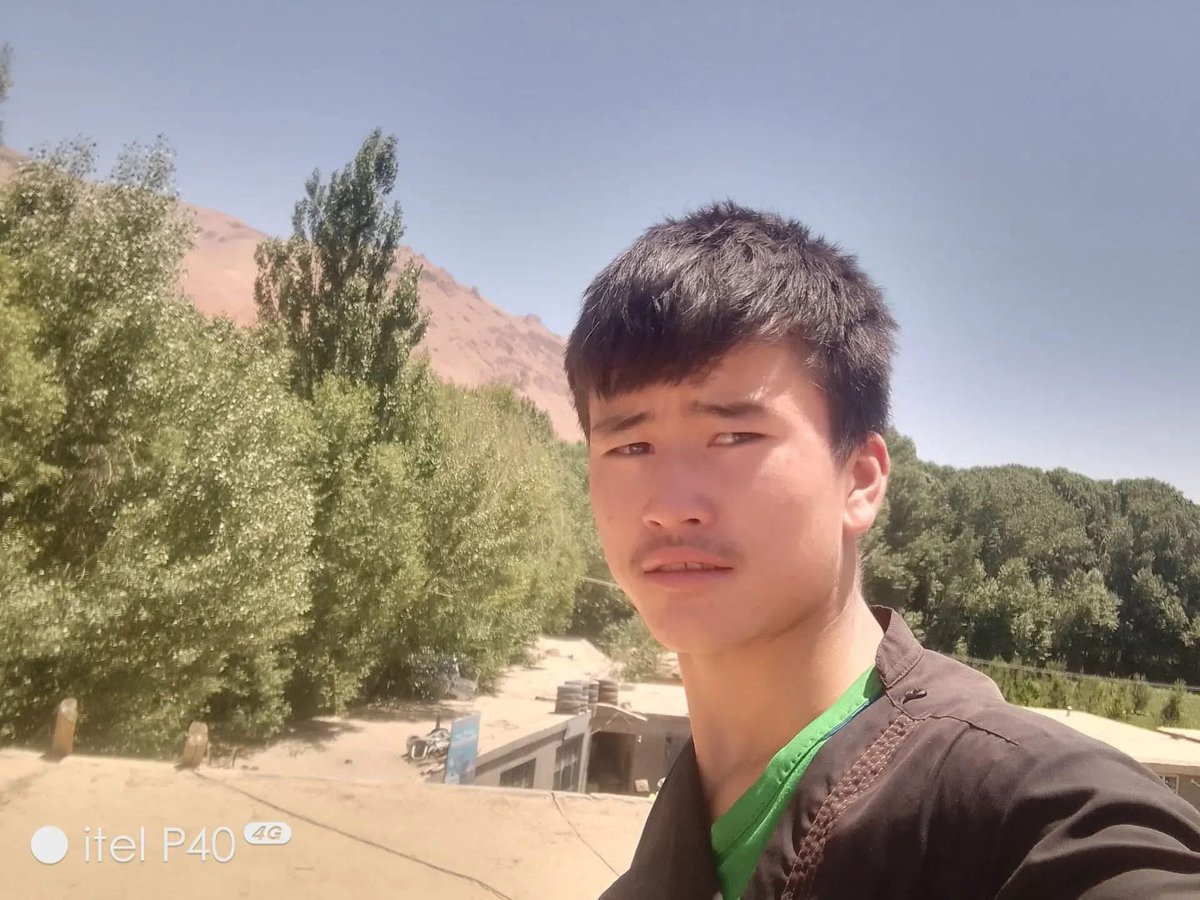
دو شب پیش در یکاولنگ بامیان، چهار مرد مسلح برای ربودن یک دختر ۱۲ ساله وارد خانهای شدند. محمدامین، برادر نوجوان او، برای دفاع از خواهرش در برابر مهاجمان ایستاد و جان خود را از دست داد. او تنها پسر یک خانواده فقیر بود؛ نوجوانی که در برابر خشونت ایستاد و بهای آن را با زندگی خود پرداخت.
این رویداد تنها یک جنایت دردناک نیست، بلکه پنجرهای به واقعیتی است که بسیاری از شهروندان افغانستان هر روز با آن روبهرو هستند. سالهاست که از «تأمین امنیت» سخن گفته میشود، اما امنیت واقعی را باید در زندگی مردم جستوجو کرد؛ در اینکه آیا یک کودک از ربوده شدن در امان است، آیا خانوادهها از شر زورگویان و افراد مسلح مصوناند و آیا قربانیان میتوانند به عدالت دسترسی داشته باشند یا نه.
تنها چند روز پیش نیز خبر کشته شدن یک شهروند استرالیا در منطقه خودبابه جاغوری منتشر شد. پیش از آن نیز موارد متعدد قتل، آدمربایی، زورگویی و خشونت در نقاط مختلف کشور گزارش شده است. همزمان، هرگونه اعتراض مدنی، دادخواهی و مطالبهگری با محدودیت و سرکوب مواجه میشود. نتیجه آن است که صدای قربانیان ضعیفتر و احساس مصونیت عاملان خشونت قویتر میشود.
ماجرای محمدامین فقط داستان یک نوجوان شجاع نیست؛ داستان جامعهای است که در آن شهروندان عادی هزینه نبود عدالت، پاسخگویی و حاکمیت قانون را میپردازند. نام محمدامین باید زنده بماند، نه فقط به خاطر شجاعتی که از خود نشان داد، بلکه به عنوان یادآور این حقیقت که امنیت واقعی با آمار و شعار سنجیده نمیشود؛ امنیت واقعی زمانی معنا دارد که جان، کرامت و حقوق شهروندان در عمل محافظت شود.
1
30
208
4,754
Shadow retweeted

پس از حاکمیت مجدد طالبان بر افغانستان، شمار گردشگران خارجی، ازجمله زنان، که به این کشور سفر میکنند، افزایش یافته است. یکی از دلایل این روند پایینبودن هزینه سفر و مخارج جانبی گردشگری در افغانستان در قیاس با کشورهای دیگر است.
از سوی دیگر، افغانستان کشوری است که چندین دهه جنگ، ناامنی و خشونت را پشت سر گذاشته است. همین موضوع سبب میشود ویدیوها و گزارشهای گردشگران خارجی از این کشور در رسانههای اجتماعی با استقبال و بازدید گسترده روبهرو شود.
همچنین فرهنگ، مهماننوازی و برخورد گرم افغانها با مهمانان خارجی، به افزایش محبوبیت و بازدید ویدیوهای این گردشگران کمک میکند.
اما آنچه اغلب از لنز دوربین بسیاری از این گردشگران پنهان میماند، محدودیتهای گسترده و سرکوب و اختناق حاکم بر زنان و دختران افغان است. این گردشگران اغلب طبیعت بکر، بناهای تاریخی و جاذبههای گردشگری افغانستان را به تصویر میکشند و کمتر به وضعیت حقوق بشر و محدودیتهای اجتماعی موجود در کشور میپردازند.
در نتیجه، بازتاب گسترده جنبههای مثبت افغانستان و تاکید بر بازگشت امنیت ازسوی این گردشگران، از نظر منتقدان عاملی در سفیدنمایی و تطهیر چهره رژیم طالبان تلقی میشود.
این درحالی است که در دوران نظام جمهوری، طالبان یکی از عوامل اصلی جنگ، ناامنی، حملات مسلحانه، انفجاری و انتحاری در افغانستان شناخته میشدند.
4
8
112
16,408
Shadow retweeted

Jun 6
پس از پیدا شدن یک تکه سنگ طلای ارزشمند در بدخشان، طالبان با ادعای مالکیت تمامی معادن مانع فروش و بهرهبرداری مردم از آن شدند. به گفته باشندگان محل، طالبان حتی منابع موجود در زمینهای شخصی را نیز متعلق به «امارت اسلامی» میدانند اقدامی که در شرایط فقر خشم گسترده مردم را برانگیخته
5
11
82
23,605
Shadow retweeted

Jun 5
آیتالله فیاض، انحصار تشیع را از چارچوب ولایت فقیه ایران بیرون کشید و چالشی جدی در برابر دستگاه روحانیت جمهوری اسلامی پدید آورد؛ دستگاهی که از دین و مذهب بهعنوان ایدئولوژی سیاسی و ابزاری برای سلطه استفاده میکند. آنان هرگز خشنود نبودند که یک هزاره شیعه از افغانستان به بلندترین جایگاه دینی، یعنی مرجعیت و اجتهاد، دست یابد.
اما فیاض از یک ولسوالی دور افتاده هزارهنشبن، خود را به بلندترین مقام در اسلام شیعه رساند و با حفظ استقلال مرجعیت، افق تازهای برای شیعیان افغانستان ترسیم کرد. او سرمایهای معنوی برای هزارهها و دیگر شیعیان افغانستان به شمار میرفت؛ سرمایهای برای مردمی که، برخلاف الگوی ولایت فقیه در ایران، دینداریشان عمدتاً سنتی، آرام و غیر سیاسی است. فیاض در نجف فوت کرد.
8
17
128
11,243
Shadow retweeted

Jun 2
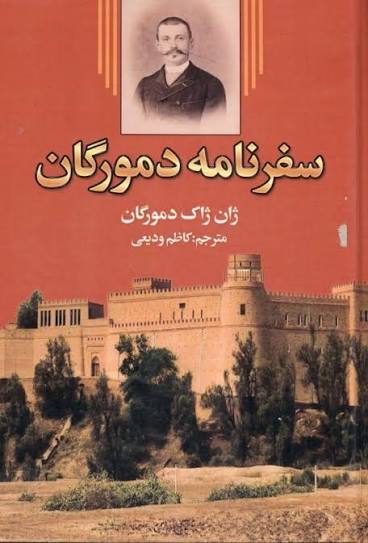
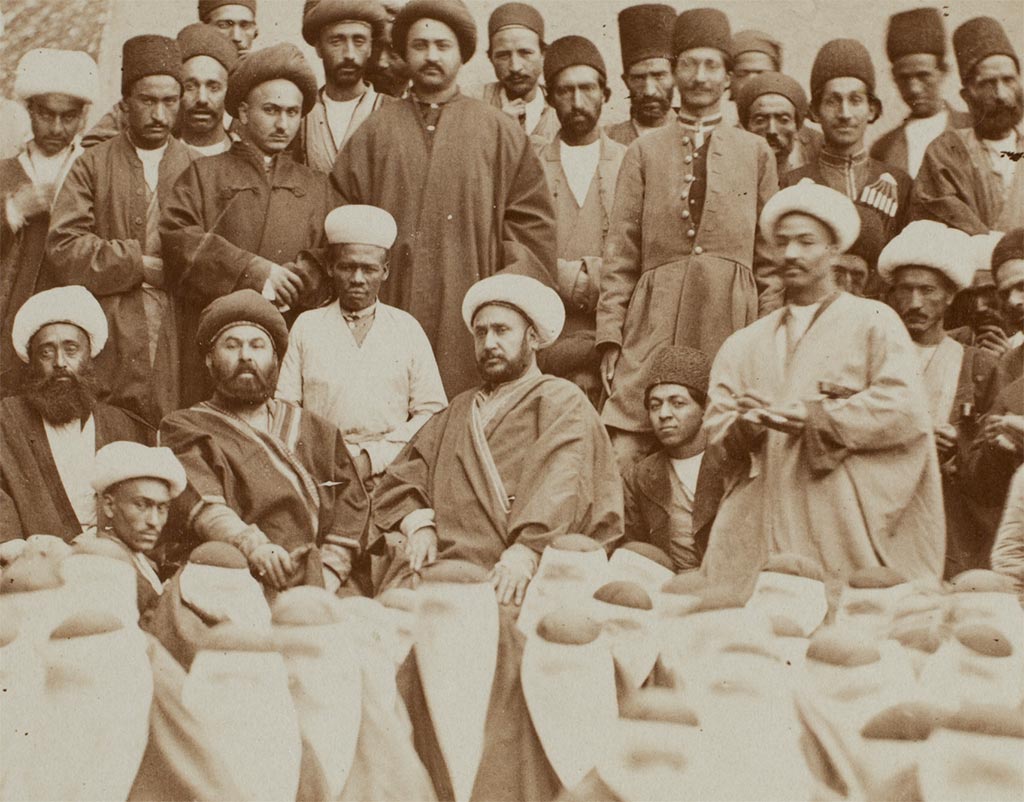
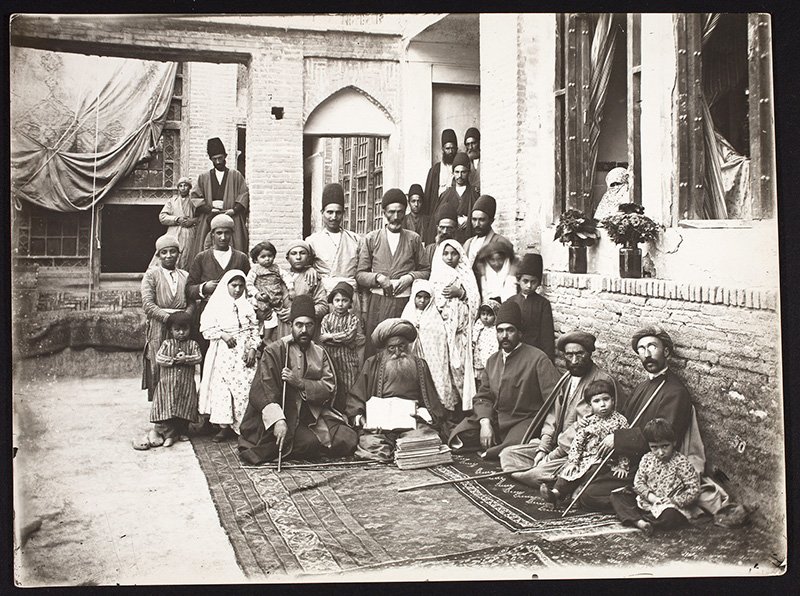
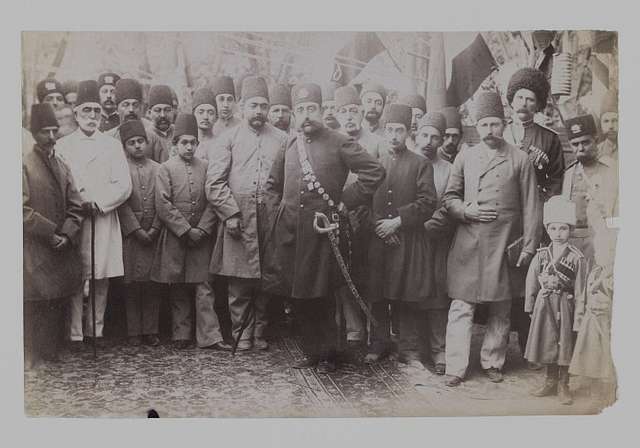
«دمرگان»(باستانشناس فرانسوی که از سال ۱۲۷۶ تا ۱۲۹۱ هجری خورشیدی به مدت ۱۵ سال هدایت تیم باستانشناسان فرانسوی را در ایران و شوش بر عهده داشت) در سفرنامه خود در مورد «سادات» که قشر و گروه متنفذی از طبقهی روحانیان میباشند چنین داوری میکند: «در ایران هزاران نفر هستند که ۷/۱
4
5
112
12,534
Shadow retweeted

Apr 22
خدمت شما عرض شود که مرز دیورند حتی شامل پیشاور هم نمیشد چه برسدبه بخشی کوچک ازبلوچستان یاجای دیگه ،دیورند حوزه مورد ادعای عبدالرحمن برمناطق قبایلی فعلی که نهایتا ۲۷هزار کیلومتر مربع است راشامل میشداین مناطق هم نه به عنوان مناطق مشخص بلکه به عنوان مناطقی باسرنوشت مبهم شناخته میشد
1
1
290
Shadow retweeted

Apr 11
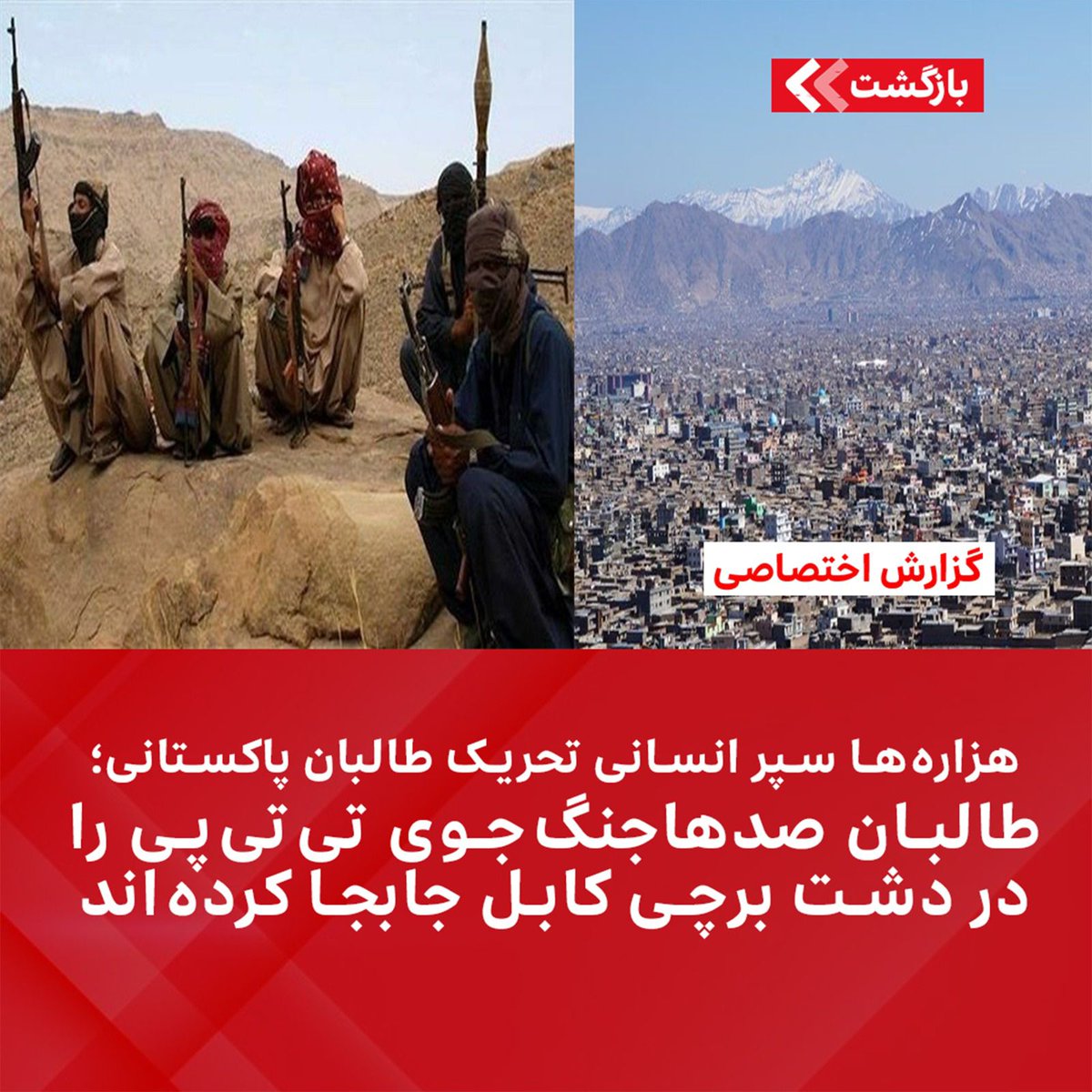
طبق گزارش ها مقامات طالبان اعضای تی تی پی یا طالبان پاکستانی را در بین هزاره های دشت برچی جا بجا کرده اند تا از حمله پاکستان در امان باشند. این بزرگترین جنایت این گروه مزدور است که جنایتکاران پاکستانی را در بین مردم ملکی جا داده وجان صد ها خانواده بیدفاع مردم را به خطر می افگنند.
2
3
23
1,032
Shadow retweeted

Apr 10
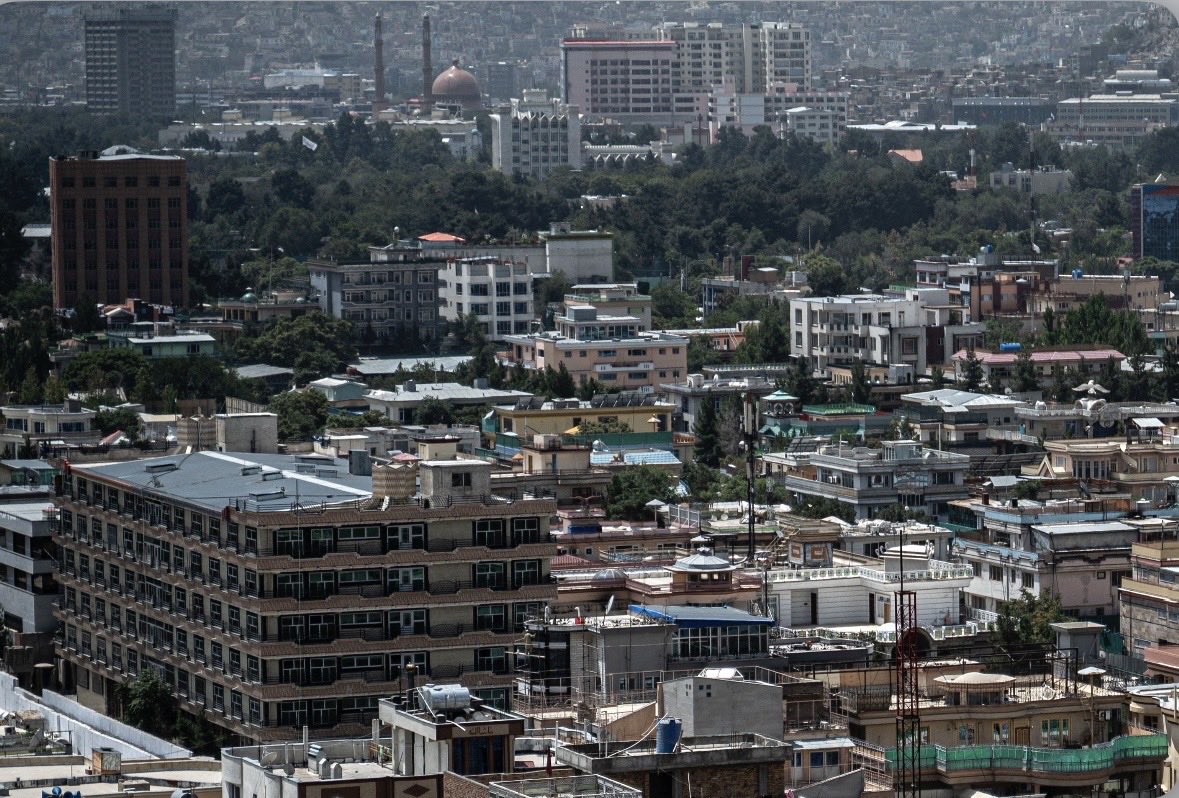
برخی منابع محلی در غرب شهر کابل مدعی شدهاند که استخبارات طالبان در هماهنگی با حوزههای امنیتی، در دو هفتهی گذشته صدها جنگجوی وابسته به تحریک طالبان پاکستان را در منطقهی دشت برچی جا دادهاند.
ساکنان این اقدام را «استفاده از غیرنظامیان به عنوان سپر انسانی» توصیف میکنند.
1
5
14
687
Shadow retweeted

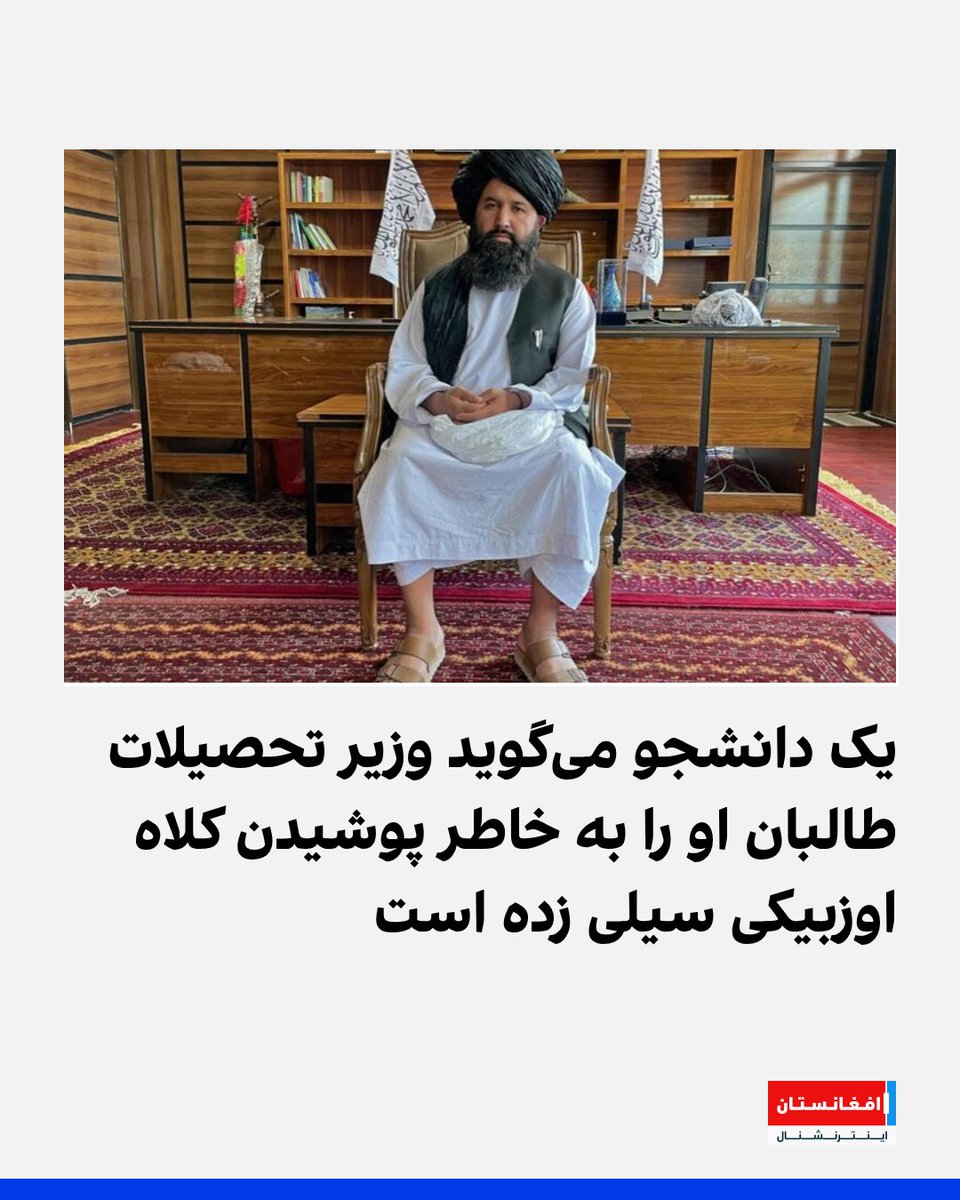
یک دانشجوی دانشگاه کابل میگوید ندا محمد ندیم، وزیر تحصیلات عالی طالبان به خاطر پوشیدن کلاه اوزبیکی او را در صحن دانشگاه بازجویی کرده و با یک سیلی مورد ضرب و شتم قرار داده است.
این دانشجو به افغانستان اینترنشنال گفت که این کلاه نماد فرهنگ اوزبیکها است و وزیر طالبان آن را به فعالیت سیاسی نسبت داده است.
وی میگوید «دلم از سیلی زدن ندا محمد ندیم درد نمیکند بلکه به این خاطر درد میکند که حتا کلاه مرا در این وطن تحمل نمیکند. صورتم از سیلی درد نکرد بلکه قلبم درد کرد. چرا وزیر تحصیلات عالی یک کشور با یک دانشجو چنین رفتار میکند.»
جزئیات بیشتر:
afintl.com/202604093484
49
13
187
17,568
Apr 5
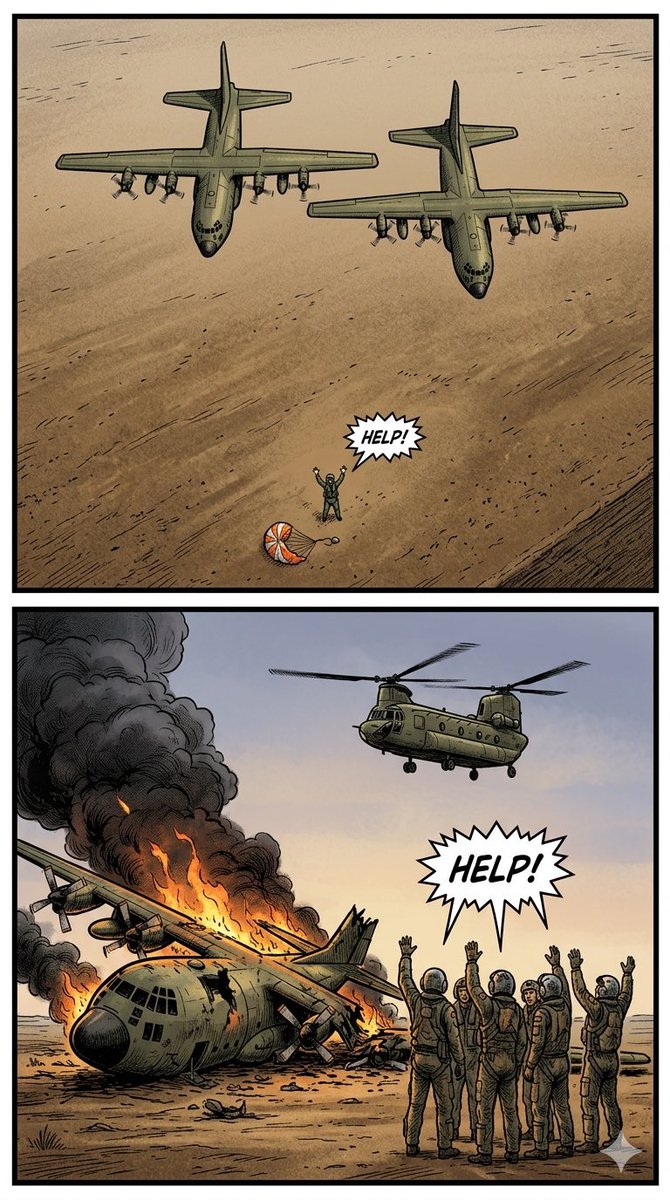
#امریکا برای نجات یک خلبان مجموعا بالای ۳۰۰ میلیون دلار هزینه کرده فقط اگه خود قیمت طیاره های از دست رفته را حساب کنیم،فکر میکنم معنی عملیات موفق نجات را هم فهمیدیم😆😆۳۰ بار ديگه همینطوری نجات بدن فکر میکنم با پولش میشه کل برق افغانستان را تامین کرد بدون کمبود برق در جایی.
1
182
Apr 4
آلمان آن زمان تمركزعلم کل دنیابود حتی دانشمندان خودآمریکا هم آلمانی بودن،برای کشور های مثل ایران آنهم در جایی مثل خاور میانه،این نوع نابودی واقعا برگشت به عصر حجر است مه فقط ضرر مالی ،شایدیک ایران۳۰ سال دیگه،که هنوز نتوانسته اند درتولید فولاد ونفت دوباره به نقطه الان برسن درک کنه
Apr 3

آلمان در جولای ۱۹۴۵ واقعاً به #عصرحجر بازگشته بود، ولی در کمتر از ۱۰ سال تبدیل شد به قطب صنعتی جهان
تمرکز فقط باید روی نابودیِ جا باشد…
161

Shadow retweeted

Mar 31
یکتعداد از افراد سیاسی که در داخل افغانستان هستند و گاهی به بیرون سفر میکنند، یک روایت گمراه کننده به خارجیها میدهند و تمام چالشهای افغانستان زیر حاکمیت طالبان را به حق آموزش زنان و دختران خلاصه میکنند. ۲/۱
14
9
105
8,213
Shadow retweeted

Mar 20
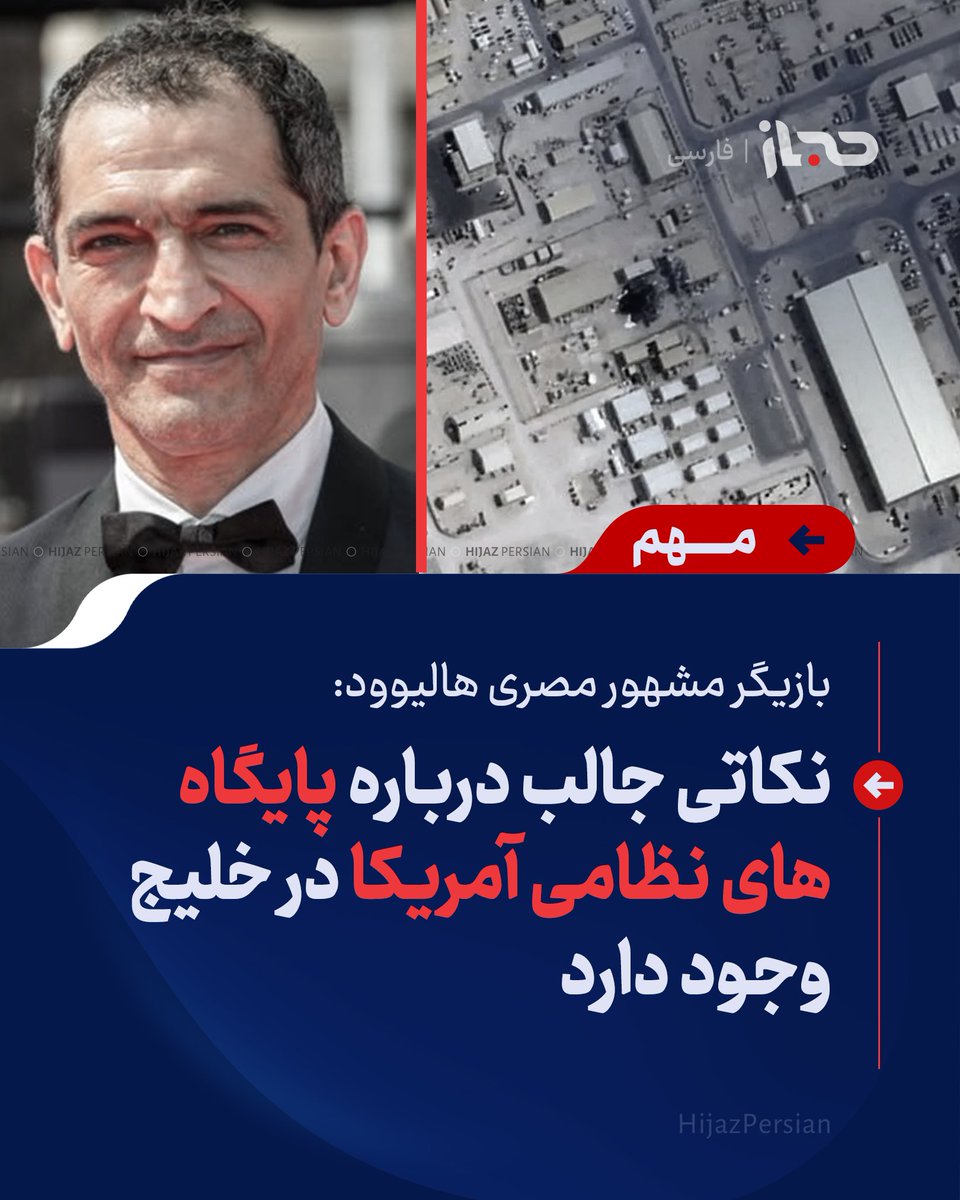
🔴 بازیگر مشهور مصری هاليوود:
نکاتی جالب درباره پایگاههای نظامی آمریکا در خلیج وجود دارد
نکته جالب درباره پایگاههای نظامی آمریکا در خلیج این است که هزینههای ساخت آنها در اغلب موارد بر عهده کشورهای میزبان بوده و همه آنها از سال ۲۰۲۵ شروع به آمادهسازی برای این جنگ کردهاند.
برای مثال، در سال ۲۰۰۳ قطر ۸ میلیارد دالر برای ساخت پایگاه هوایی العدید هزینه کرد و در سال ۲۰۲۵ نیز ۱۰ میلیارد دالر دیگر برای توسعه این پایگاه پرداخت نمود.
همچنین در همان سال، با بستهای از تعهدات اقتصادی به ارزش ۱.۲ تریلیون دالر قرارداد بست که شامل صندوقی دفاعی به ارزش ۳۸ میلیارد دالر برای تأمین هزینههای دفاعی بود.
البته زمین بهصورت رایگان واگذار شده و تمامی خدمات مانند برق و آب و همچنین سوخت نیز رایگان تأمین میشود.
علاوه بر این، تمامی موشکهای رهگیری که از سامانههای قطری شلیک شدهاند، هزینهشان بهطور کامل توسط قطر پرداخت شده و آنهایی که از سامانههای آمریکایی شلیک شدهاند، بر عهده آمریکا بوده است.
هنوز آمار دقیقی از تفکیک این موارد در این جنگ منتشر نشده است. به این معنا که آنها در سال گذشته با سرمایه هنگفت قطر در حال آمادهسازی برای این جنگ بودهاند.
در دهههای هشتاد و نود میلادی، عربستان سعودی حدود ۵۰ میلیارد دالر برای پایگاههای نظامی آمریکا هزینه کرد؛ از جمله ساخت میدانهای هوایی، بنادر، محل سکونت نیروها و شهرکهای نظامی در داخل این پایگاهها.
زمینها نیز رایگان واگذار شده و خدمات هم بهصورت رایگان ارائه شده است.
سپس در سال ۲۰۲۰، عربستان قراردادی به ارزش ۵۰۰ میلیون دالر برای تأمین هزینه انتقال نیروهای آمریکایی امضا کرد و تمامی هزینههای پشتیبانی این نیروها از جمله خدمات درمانی، شفاخانه و دارو را پرداخت میکند.
در دوره ترامپ، یعنی سال گذشته، عربستان با او قراردادی برای خرید موشک و مهمات به ارزش حدود ۱۴۲ میلیارد دالر امضا کرد که بهمنزله پیشپرداخت برای تأمین این تجهیزات محسوب میشود.
در ۳۰ جنوری ۲۰۲۶، عربستان قراردادی به ارزش ۹ میلیارد دالر برای افزایش ذخایر موشکهای پاتریوت امضا کرد که شامل ۷۳۰ موشک از نوع تقویتشده بود و بخشی از همان قرارداد ۱۴۲ میلیارد دالری محسوب میشود.
تمامی هزینههای نگهداری و تعمیرات نیز بر عهده کشور میزبان است.
امارات متحده عربی در مارچ ۲۰۲۵ قراردادی به ارزش ۱.۴ تریلیون دالر در قالب سرمایهگذاری امضا کرد و مانند دیگر کشورها، بخش عمده هزینه پایگاه هوایی الظفره را پرداخت کرده و تمامی خدمات را نیز تأمین میکند. سوخت نیز با یارانه قابل توجه فروخته میشود.
از ۱۵ مارچ ۲۰۲۶، امارات ماهانه بین ۱.۵ تا ۲.۳ میلیارد دالر برای موشکهای رهگیر هزینه میکند و برای دفاع از تأسیسات آمریکایی، به کوریای جنوبی نیز مراجعه کرده و خریدی به ارزش ۳.۵ میلیارد دالر انجام داده است.
کویت پس از جنگ خلیج، توافقنامه همکاری دفاعی امضا کرد و در سال ۱۹۹۹ مبلغ ۱۶ میلیارد دالر برای ساخت پایگاه عریفجان پرداخت نمود که کل هزینه آن بر عهده کویت بود و در یک برنامه دهساله اجرا شد.
همانند دیگر کشورها، خدمات رایگان ارائه شده و هزینه نگهداری نیز ماهانه حدود ۲۰۰ تا ۳۰۰ میلیون دالر برآورد شده است.
در فبروری ۲۰۲۵، کویت قراردادی به ارزش ۱ میلیارد دالر برای توسعه وزارت دفاع و تأسیسات زمینی و دریایی مشترک امضا کرد و در جنوری ۲۰۲۶ نیز قرارداد دیگری به ارزش ۸۰۰ میلیون دالر برای پشتیبانی از سامانهها و باتریهای پاتریوت جهت آمادگی برای مقابله با موشکهای ایرانی امضا نمود.
همچنین هر موشک رهگیری که از سامانههای کویتی شلیک شده، هزینهاش توسط کویت پرداخت شده که بهطور میانگین حدود ۵ میلیون دالر برای هر موشک است.
وضعیت بحرین متفاوت است، زیرا آمریکا هزینه ساخت را پرداخت کرده و بخشی از اجرا نیز توسط شرکتهای بحرینی انجام شده است. زمین نیز بهصورت اجاره تأمین شده و مانند سایر کشورها بهطور رایگان واگذار نشده است.
در سال ۲۰۲۴، بحرین با آمریکا توافقنامهای جامع در زمینه یکپارچگی امنیتی و شکوفایی امضا کرد که بخش عمده هزینه آن را آمریکا پرداخت کرده است.
در سال ۲۰۲۵ نیز بحرین قراردادی به ارزش ۱۷ میلیارد دالر در بخشهای مختلف از جمله امنیت امضا کرد که هزینه آن را بحرین پرداخت میکند.
همچنین بحرین هزینه تمامی موشکهای رهگیری شلیکشده از سامانههای خود را پرداخت کرده که حدود ۱۲۰ موشک یا بیشتر و معادل حدود ۶۰۰ میلیون دالر بوده است.
در تمامی این کشورها، آمریکا اجازه دخالت به کشور میزبان در برخی بخشها بهویژه تأسیسات ارتباطی را نمیدهد و این بخشها را خود تأمین مالی میکند، زیرا شامل اطلاعات نظامی حساس است و اجازه دسترسی به آنها داده نمیشود.
این بدان معناست که بدون هیچ تردیدی، هزینه این جنگ برای آمریکا بهشکل قابل توجهی توسط دیگران تأمین شده یا اینکه کل پروژه در اصل یک پروژه خلیجی است، نه آمریکایی.
کشورهای خلیج با منابع مالی خود این عملیات را پیش بردهاند و هرکدام به اندازه توان و سیاست خود در آن مشارکت داشتهاند.
تمامی این اطلاعات و ارقام از منابع عمومی بهدست آمده و لازم است خواننده برای اطمینان بیشتر آنها را بررسی کند.
#آمریکا
#عربستان
#حجاز_فارسی
1
21
97
7,245
Mar 6
هنوز حتی برق شان قطع نشده داران تحلیل میکنن که چرا ما فرار نمیکنیم و به آن افتخار میکنن ،خوب لااقل بزار اون خریدی که از فروشگاه ها کردی تمام بشه بعد،دو روز که گشنه ماندی و هیچ زیرساختی برای زندگی و کار نبود بعدش از مرز ترکیه وقتی که با خانواده ات قاچاقی میرفتی این را بگو
1
224
Mar 5
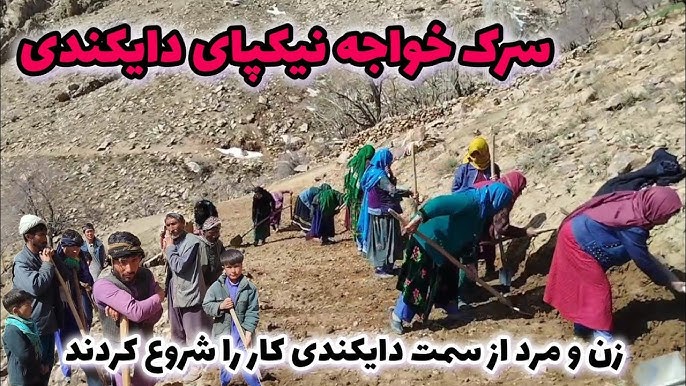
ما هموطنانی داریم که نه تنها غمخوار نیستند بلکه کمر به نابودی ما بسته اند،درحالی که قومی از غصب قدرت و ثروت سرخوش است مردمی پیدا میشوند که برای داشتن فقط یک راه خاکی در کل ولایت شان زن و مرد با پول کمک مردم شان کار میکنن در عین زمانی که پول مالیات زوری را به همان قوم میدهند ،دشمن
1
127
Mar 5
بزرگ ما کشور های دیگر نه بلکه داخل سرزمینی است که ما آنرا به دروغ وطن میخوانیم
#AfghanistanPakistanWar
#Afghanistan
121

مرضیه حمیدی، تکواندوکار اهل افغانستان گفت دختران و پسران در افغانستان نباید به مدرسههای طالبان بروند، زیرا این مدرسهها به گفتهی او، «کارخانههای تولید هراسافگنی هستند.»
او در سخنرانیای به مناسبت دریافت جایزهی بینالمللی حقوق زنان در «اجلاس جنیوا برای حقوق بشر و دموکراسی» گفت طالبان یک «حکومت» نیست، بلکه یک «گروه هراسافگن» است و برای همیشه اینگونه خواهد ماند.
حمیدی خواستار به رسمیتشناسی آپارتاید جنسیتی به عنوان یک جرم شد و تاکید کرد که این اقدام «عادیسازی روابط» با طالبان را متوقف میکند و در نهایت عدالت را برای زنان افغانستان تامین میکند.
6
8
58
3,783
Shadow retweeted

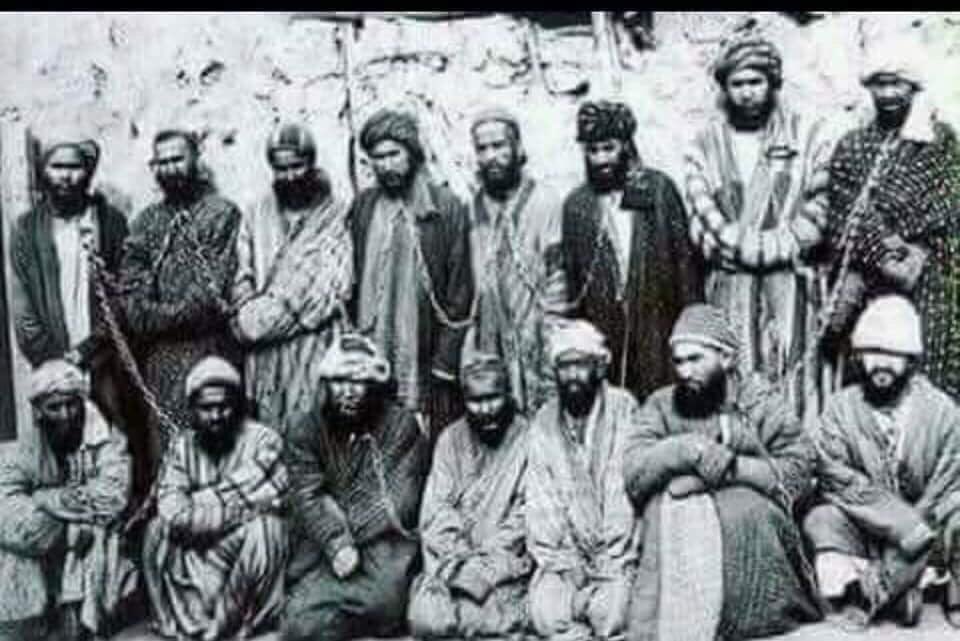
Between 1888-1893, Afghanistan witnessed one of 19th Century's most devastating acts of ethnic cleansing. Under the rule of Emir Abdur Rahman Khan, over sixty percent of the Hazara population—more than half the entire ethnic group, was systematically massacred. This campaign of extermination reshaped Afghanistan's demographic landscape and created wounds that still bleed today.
The Hazaras, a distinct ethnic group with Mongolic and Turkic ancestry speaking a Persian dialect called Hazaragi, had maintained regional autonomy in the mountainous Hazarajat region of central Afghanistan for centuries. But when Abdur Rahman consolidated power after the Second Anglo-Afghan War ended in 1880, he set his sights on bringing Hazarajat under central control. What followed wasn't merely conquest—it was genocide. Villages were burned, populations slaughtered, and survivors driven into exile across Central Asia, Iran, and British India. The Hazara lands were then distributed to loyalist settlers from other ethnic groups, completing the erasure of Hazara presence from vast territories.
The consequences rippled across generations. Fleeing Hazaras scattered to Uzbekistan, Tajikistan, Iran, and what is now Pakistan, where communities survive today. Those who migrated to tsarist Russia gradually lost their language and identity through assimilation. Others in Quetta, Mashhad, and elsewhere managed to preserve their distinct culture. The 20th century brought little relief—persecution under various Afghan governments, targeted massacres by the Taliban in the 1990s (including the murder of 6,000 Hazaras in 1998), and ongoing violence from ISIS-K in the 21st century. The Bamiyan Buddhas, destroyed by the Taliban in 2001, stood as silent witnesses to centuries of Hazara presence before their obliteration symbolized the broader erasure campaign.
Today, the Hazaras constitute roughly 9% of Afghanistan's population, though estimates vary wildly due to deliberate undercounting. They remain Afghanistan's most persecuted minority—facing discrimination in education, employment, land rights, and political representation. The Taliban's return to power in 2021 has renewed fears of systematic targeting, with human rights organizations documenting at least 13 ISIS-K attacks on Hazara communities since August 2021, killing and injuring over 700 people.
#archaeohistories
26
94
349
28,842