
I Craft Viral AI & Tech Content That Drives Attention | Trusted by 100 Founders | DM for Collaborations.
Joined December 2016
- Tweets 17,664
- Following 435
- Followers 28,053
- Likes 22,677
2,496 Photos and videos


Pinned Tweet

Jun 11
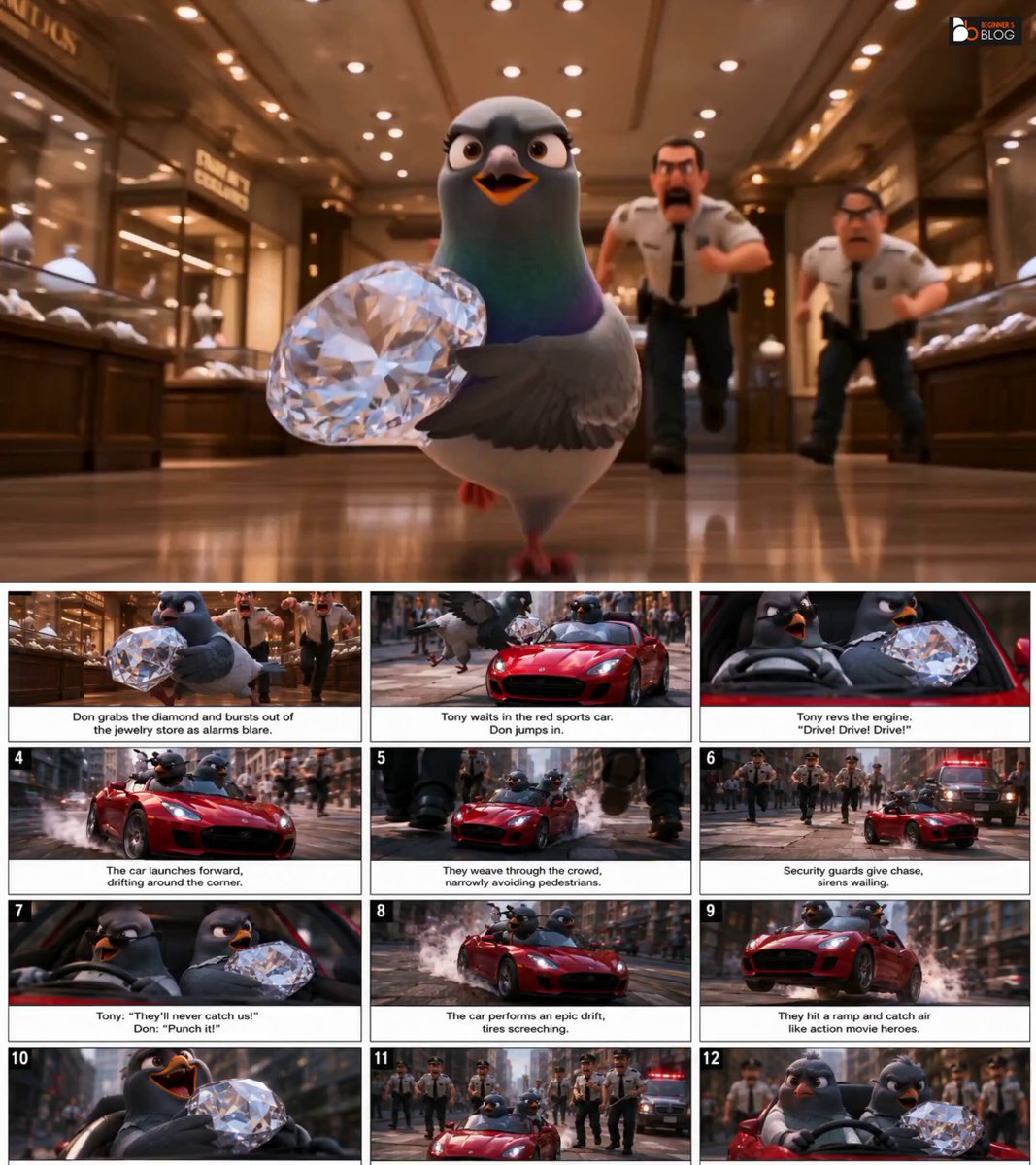
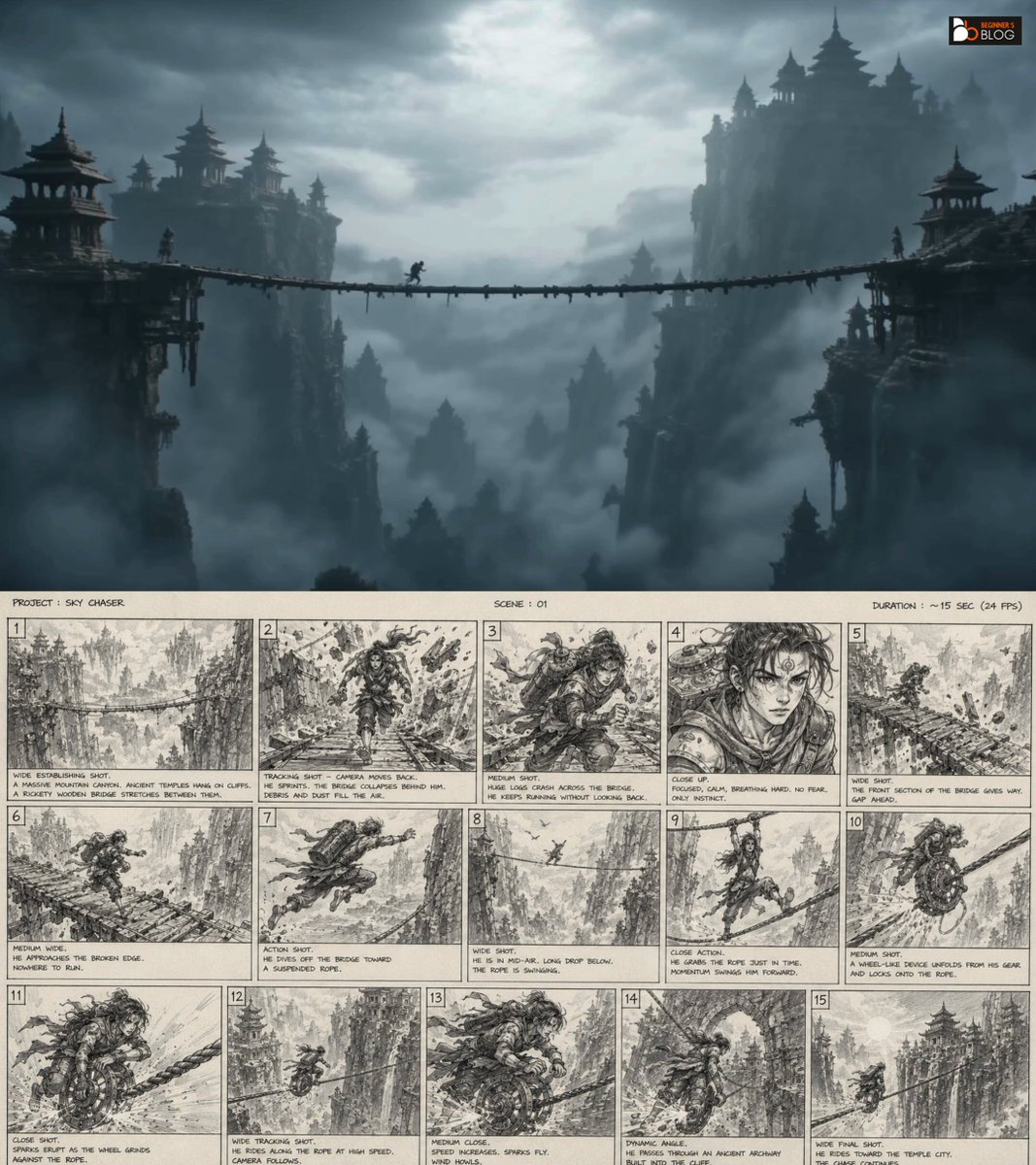
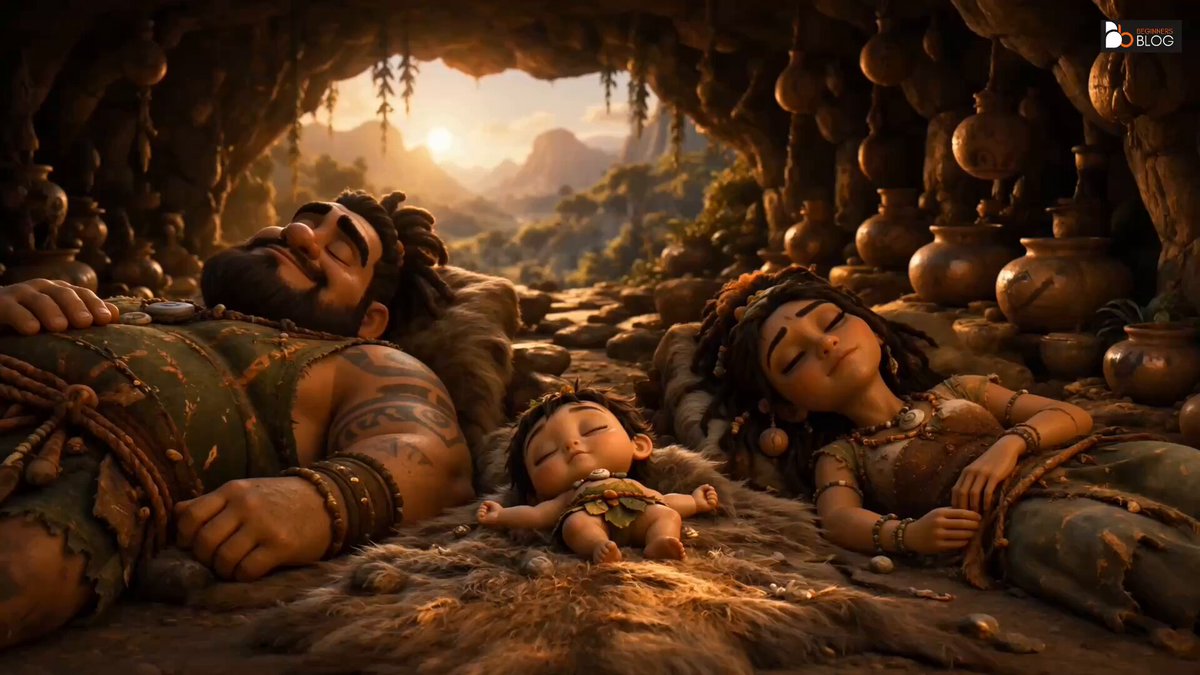
STEPS:
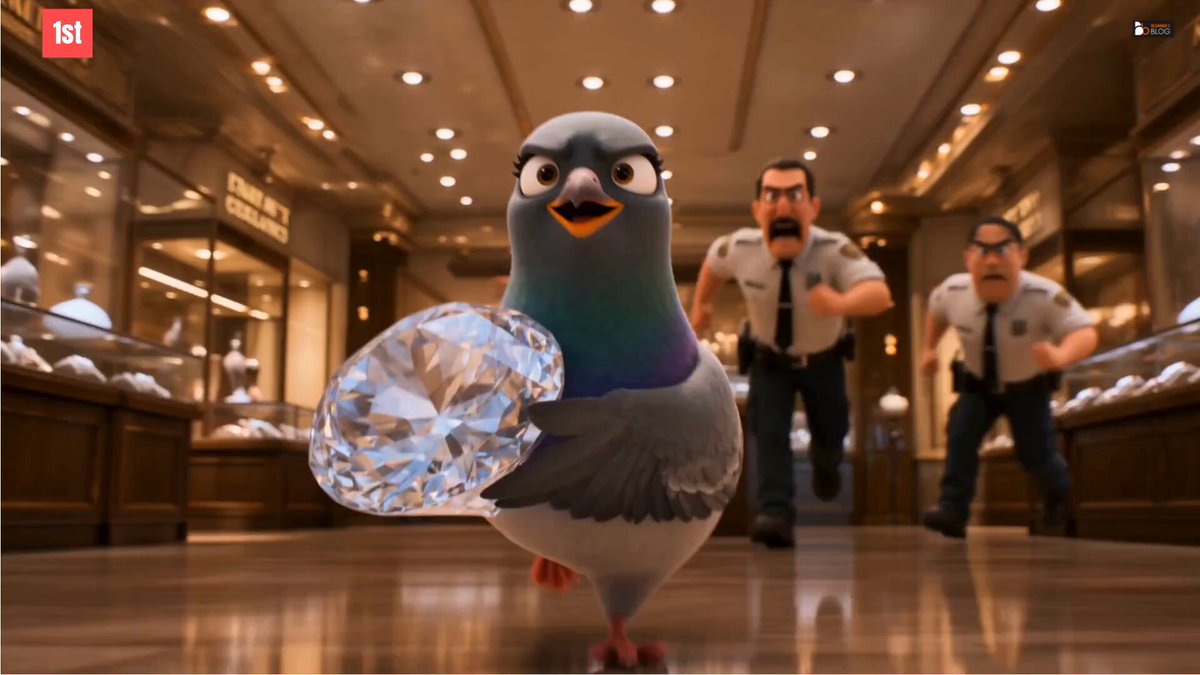
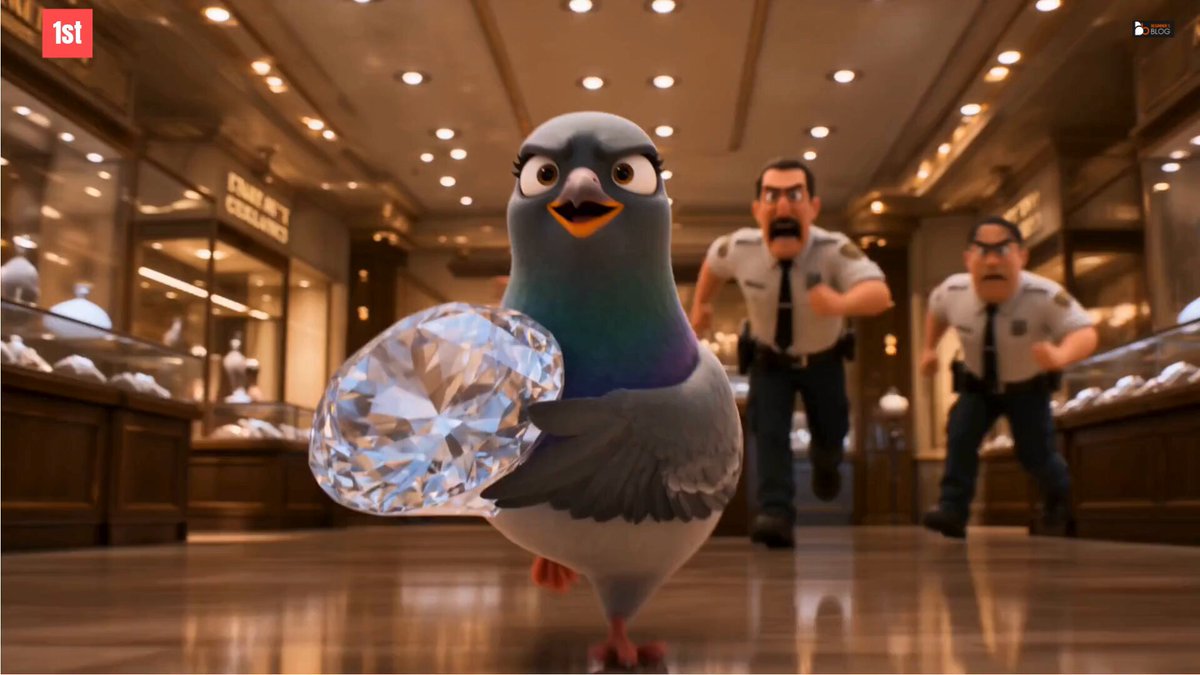
- Write a simple 10-15 second story idea.
- Use ChatGPT to convert the story into a professional director-level storyboard with strict continuity between every frame.
- Generate the storyboard images.
- Upload the completed storyboard back into ChatGPT.
- Ask ChatGPT to analyze the storyboard and convert every panel into a single cinematic Seedance 2.0 video prompt
- Upload the storyboard generated video prompt to Seedance 2.0.
- Generate the final film-quality animated sequence.
The biggest improvement came from treating the storyboard as the source of truth and having AI act like a film director rather than a prompt writer.
28
57
451
43,731
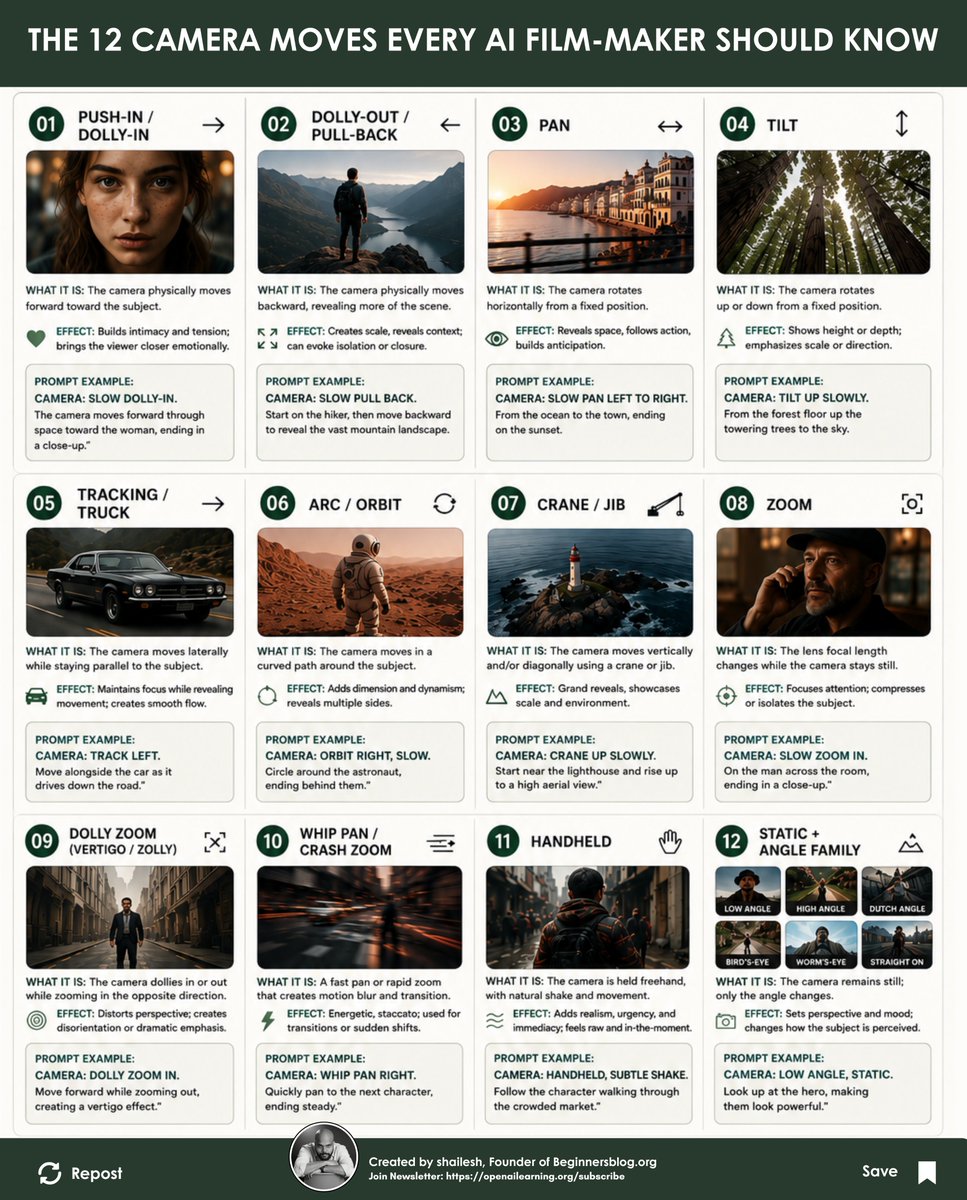
Cinematographers learn 12 camera moves in film school.
Most AI creators don't know a single one. Because nobody told the camera what to do.
.
.
Here they are:
→ Push-in — moves toward the subject
Builds tension. Creates intimacy. Use it slowly.
→ Pull-back — retreats to reveal
Isolation. Scale. Endings. The reveal shot.
→ Pan — horizontal rotation, camera stays fixed
Suspense lives in what you haven't shown yet.
→ Tilt — vertical version of the pan
Tilt up on a hero. They look powerful immediately.
→ Tracking shot — camera travels with the subject
Energy. Forward motion. You feel like you're there.
→ Arc / orbit — circles the subject
Hero moments. Product showcases. Keep it under 30 degrees.
→ Crane / jib — sweeps vertically on a boom
Grandeur. Scale. The "god-view" of cinematography.
→ Zoom — focal length changes, camera doesn't move
Flatter look than a dolly. Fast zoom = music video energy.
→ Dolly zoom — camera goes one way, lens goes the other
Background warps. Subject stays still. Pure psychological dread.
→ Whip pan / crash zoom — extreme speed for transitions
Shock. Comedy. Stops the scroll every time.
→ Handheld — natural shake, no stabilisation
Add "subtle" or the model goes full earthquake.
→ Static angles — low, high, Dutch, bird's-eye, worm's-eye
Low angle = power.
Dutch angle = unease.
Bird's-eye = scale.
The mistake everyone makes: stacking multiple moves into one prompt. One move. One clip. Always.
And add "slow" to almost everything. Slow moves hide what AI can't render cleanly. Fast moves expose every flaw.
31
150
991
42,467
Join Newsletter: openailearning.org
1
2
554
Beginnersblog retweeted
Cinematographers learn 12 camera moves in film school.
Most AI creators don't know a single one. Because nobody told the camera what to do.
.
.
Here they are:
→ Push-in — moves toward the subject
Builds tension. Creates intimacy. Use it slowly.
→ Pull-back — retreats to reveal
Isolation. Scale. Endings. The reveal shot.
→ Pan — horizontal rotation, camera stays fixed
Suspense lives in what you haven't shown yet.
→ Tilt — vertical version of the pan
Tilt up on a hero. They look powerful immediately.
→ Tracking shot — camera travels with the subject
Energy. Forward motion. You feel like you're there.
→ Arc / orbit — circles the subject
Hero moments. Product showcases. Keep it under 30 degrees.
→ Crane / jib — sweeps vertically on a boom
Grandeur. Scale. The "god-view" of cinematography.
→ Zoom — focal length changes, camera doesn't move
Flatter look than a dolly. Fast zoom = music video energy.
→ Dolly zoom — camera goes one way, lens goes the other
Background warps. Subject stays still. Pure psychological dread.
→ Whip pan / crash zoom — extreme speed for transitions
Shock. Comedy. Stops the scroll every time.
→ Handheld — natural shake, no stabilisation
Add "subtle" or the model goes full earthquake.
→ Static angles — low, high, Dutch, bird's-eye, worm's-eye
Low angle = power.
Dutch angle = unease.
Bird's-eye = scale.
The mistake everyone makes: stacking multiple moves into one prompt. One move. One clip. Always.
And add "slow" to almost everything. Slow moves hide what AI can't render cleanly. Fast moves expose every flaw.
31
150
991
42,467
Hey @grok describe each of these in detailed...how can I implement them in prompt..
Give prompts to try
1
1
2
1,320
Beginnersblog retweeted
Jun 12
I love this concept of Skills.
For years, the most valuable knowledge in a company has lived inside people's heads.
- The recruiter who consistently hires great talent.
- The salesperson who closes complex deals.
- The founder who makes the right call under uncertainty.
Now, that expertise can be captured as a skill and taught to an agent in seconds.
A simple exercise:
Think about a task you do exceptionally well.
Ask yourself:
• What steps do I follow?
• What signals do I look for?
• What mistakes do I avoid?
• What would I teach a new hire?
That's probably a skill waiting to be created.
The biggest AI opportunity may not be building smarter agents.
It may be turning your team's hard-earned expertise into reusable skills that scale across the entire organization.
Knowledge is valuable. Captured knowledge compounds.
#HyperagentPartner
Jun 12

We wanted better design fundamentals from our agents.
So we fed them this 162-page pdf on designing with a grid system.
Now our agents use code to adhere to a grid and design beautiful layouts.
Example skill below 👇
6
16
85
10,792
Jun 12
USER REQUEST
│
▼ ┌───────────────────┐
│ RAG │
│ Retrieves Facts │
│ & Context │ └─────────┬─────────┘
│
▼
┌───────────────────┐
│ SKILLS │
│ Applies Expertise │
│ & Executes Tasks | └─────────┬─────────┘
│
▼
HIGH-VALUE OUTPUT
Jun 12

I love this concept of Skills.
For years, the most valuable knowledge in a company has lived inside people's heads.
- The recruiter who consistently hires great talent.
- The salesperson who closes complex deals.
- The founder who makes the right call under uncertainty.
Now, that expertise can be captured as a skill and taught to an agent in seconds.
A simple exercise:
Think about a task you do exceptionally well.
Ask yourself:
• What steps do I follow?
• What signals do I look for?
• What mistakes do I avoid?
• What would I teach a new hire?
That's probably a skill waiting to be created.
The biggest AI opportunity may not be building smarter agents.
It may be turning your team's hard-earned expertise into reusable skills that scale across the entire organization.
Knowledge is valuable. Captured knowledge compounds.
#HyperagentPartner
1
3
2,519
Jun 12
I love this concept of Skills.
For years, the most valuable knowledge in a company has lived inside people's heads.
- The recruiter who consistently hires great talent.
- The salesperson who closes complex deals.
- The founder who makes the right call under uncertainty.
Now, that expertise can be captured as a skill and taught to an agent in seconds.
A simple exercise:
Think about a task you do exceptionally well.
Ask yourself:
• What steps do I follow?
• What signals do I look for?
• What mistakes do I avoid?
• What would I teach a new hire?
That's probably a skill waiting to be created.
The biggest AI opportunity may not be building smarter agents.
It may be turning your team's hard-earned expertise into reusable skills that scale across the entire organization.
Knowledge is valuable. Captured knowledge compounds.
#HyperagentPartner
Jun 12
We wanted better design fundamentals from our agents.
So we fed them this 162-page pdf on designing with a grid system.
Now our agents use code to adhere to a grid and design beautiful layouts.
Example skill below 👇
6
16
85
10,792
Jun 12
Hey @grok what do you thik about this concept...what are the advantage and flaws of this?
1
2
840
Jun 12
WORKFLOW:
- Give ChatGPT a simple story idea and generate a professional storyboard with cinematic continuity.
- Upload the storyboard back to ChatGPT and have it convert every frame into a director-level Seedance 2.0 video prompt.
- Upload the storyboard video prompt to Seedance 2.0 and generate the final animated film sequence.
10
13
112
7,387
Jun 12
Great workflow
Jun 12
WORKFLOW:
- Give ChatGPT a simple story idea and generate a professional storyboard with cinematic continuity.
- Upload the storyboard back to ChatGPT and have it convert every frame into a director-level Seedance 2.0 video prompt.
- Upload the storyboard video prompt to Seedance 2.0 and generate the final animated film sequence.
1
2,554
Jun 11
STEPS:
- Write a simple 10-15 second story idea.
- Use ChatGPT to convert the story into a professional director-level storyboard with strict continuity between every frame.
- Generate the storyboard images.
- Upload the completed storyboard back into ChatGPT.
- Ask ChatGPT to analyze the storyboard and convert every panel into a single cinematic Seedance 2.0 video prompt
- Upload the storyboard generated video prompt to Seedance 2.0.
- Generate the final film-quality animated sequence.
The biggest improvement came from treating the storyboard as the source of truth and having AI act like a film director rather than a prompt writer.
28
57
451
43,731
Beginnersblog retweeted
Jun 11
STEPS:
- Write a simple 10-15 second story idea.
- Use ChatGPT to convert the story into a professional director-level storyboard with strict continuity between every frame.
- Generate the storyboard images.
- Upload the completed storyboard back into ChatGPT.
- Ask ChatGPT to analyze the storyboard and convert every panel into a single cinematic Seedance 2.0 video prompt
- Upload the storyboard generated video prompt to Seedance 2.0.
- Generate the final film-quality animated sequence.
The biggest improvement came from treating the storyboard as the source of truth and having AI act like a film director rather than a prompt writer.
28
57
451
43,731