
Assistant professor @ACUedu. Author: Community, Character, and the Governance of the Social Commons (tinyurl.com/y9c7k4ej). Views mine.
Joined November 2014
- Tweets 1,304
- Following 2,694
- Followers 825
- Likes 8,995
47 Photos and videos











Ben Peterson retweeted

Christians do need sails for navigating the winds of technological and social change. But first, we need anchors.
Ben Peterson on AI, moral limits, faithful witness, and the weapons of the Spirit:
theopolisinstitute.com/ancho…
3
3
320
Ben Peterson retweeted

New Ep of Cicero On Duties! Bk 1, Ch 132-137 with Cicero's advice on oratory and conversation. Read along with @ChrisAnadale , Katherine Bradshaw, @Ethan_AD_, and @ben_2_long. Link to follow:
1
2
3
109
Ben Peterson retweeted

May 29
Community, Character, and the Governance of the Social Commons: Sanctuaries of Order
by Benjamin Peterson
mereorthodoxy.com/community-…
1
409

May 29
Grateful to debut at @mereorthodoxy with this book launch essay. Many thanks @NadyaWilliams81 and @jake_meador
mereorthodoxy.com/community-…
1
2
4
1,191
Ben Peterson retweeted

An Egalitarian Faith? Alexis de Tocqueville probes the relationship between Christianity, equality, and liberal democracy. - @ben_2_long | @LawLiberty lawliberty.org/an-egalitaria…
1
1
84
Ben Peterson retweeted

May 11
Next up: Alumnus Ben Peterson — our third in this series of panelists at the 2026 @ACTC5 Conference — offered a critical analysis of Alexis de Tocqueville's account of religion's place in American democracy.
1
2
2
555
Ben Peterson retweeted

I’m an appellate court judge.
I’ve read thousands of briefs.
Here’s what no one told you about persuasion and how to win. Thread.
55
227
1,598
509,639
Ben Peterson retweeted
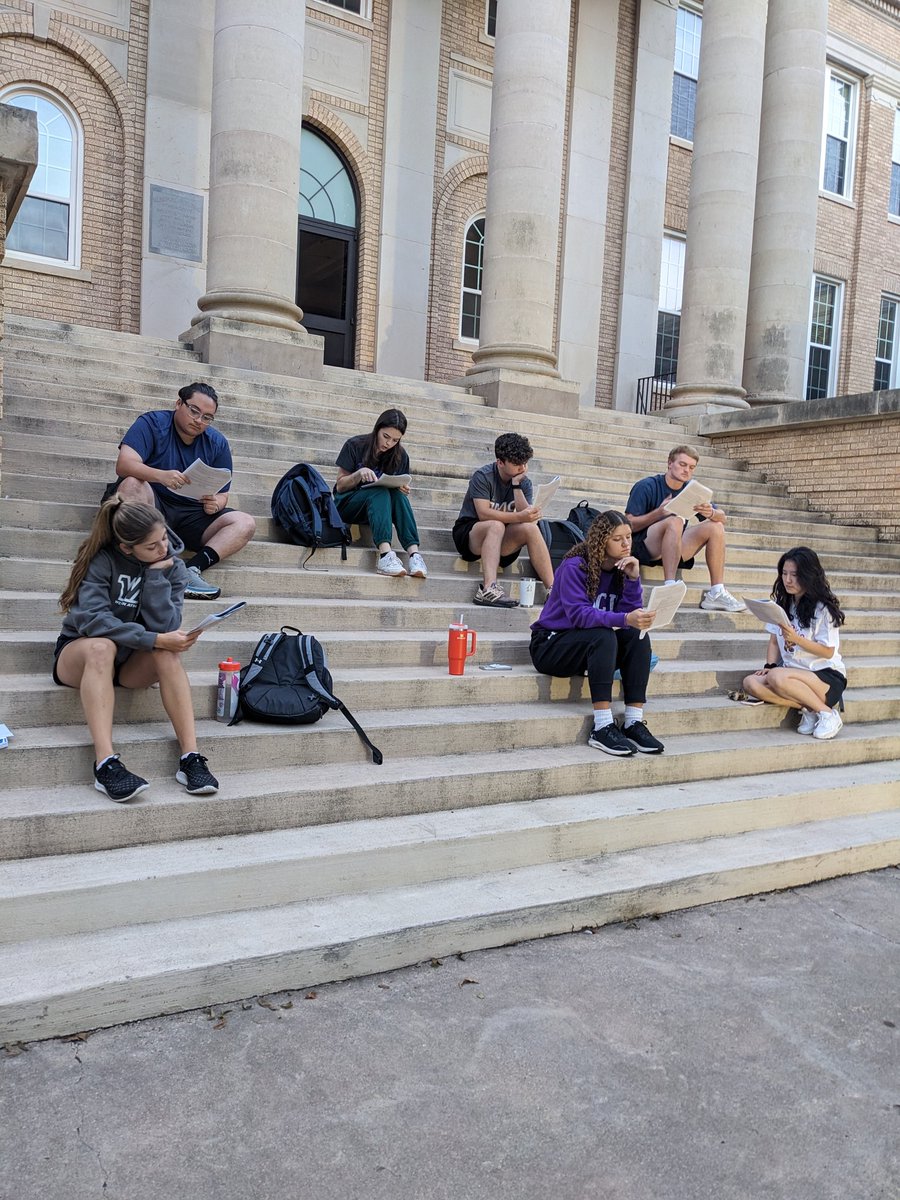
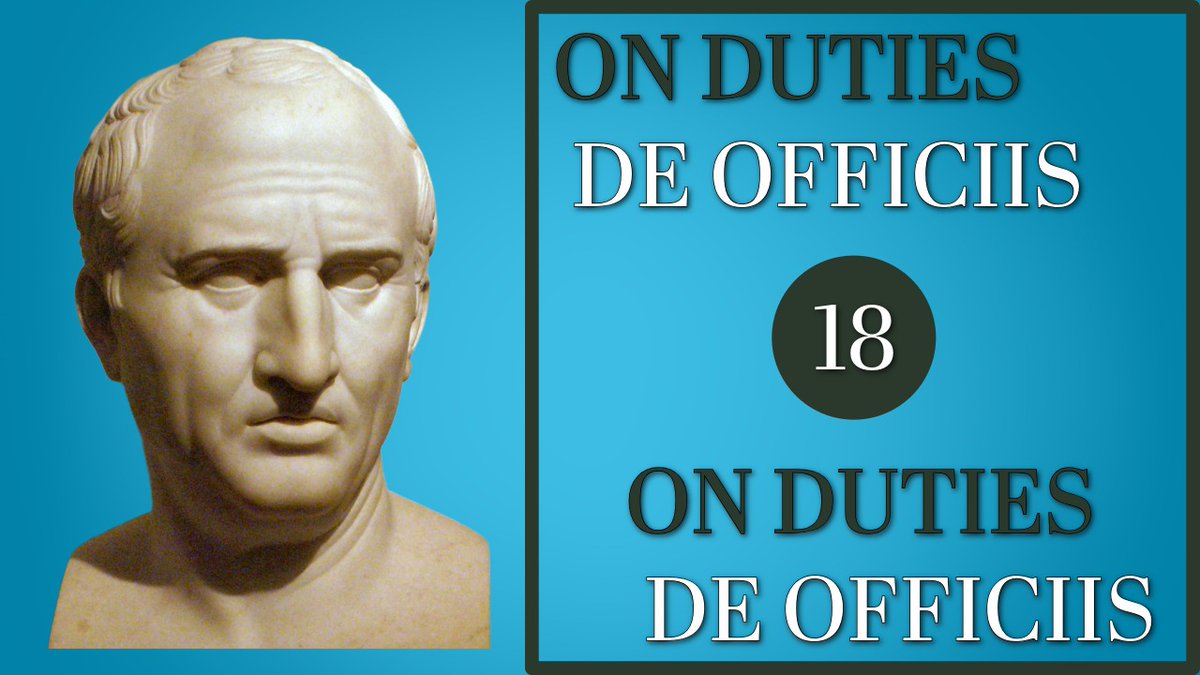
Why behavior that is seemly for one person is unseemly for another. Episode 18 of our podcast reading through and commenting on Cicero's De Officiis.
With @ChrisAnadale, Katherine Bradshaw, @ben_2_long, @McGillPatterson, and @Ethan_AD_. All of us in 1 room for a change.
1
3
4
411
Ben Peterson retweeted
Reason and seemliness should govern even our sense of humor. Cicero explains & we discuss, in episode 17 of our weekly On Duties podcast. With @ChrisAnadale @Ethan_AD_ @ben_2_long and the great Coyle Neal. Links follow.
1
3
5
227
Ben Peterson retweeted

Apr 23
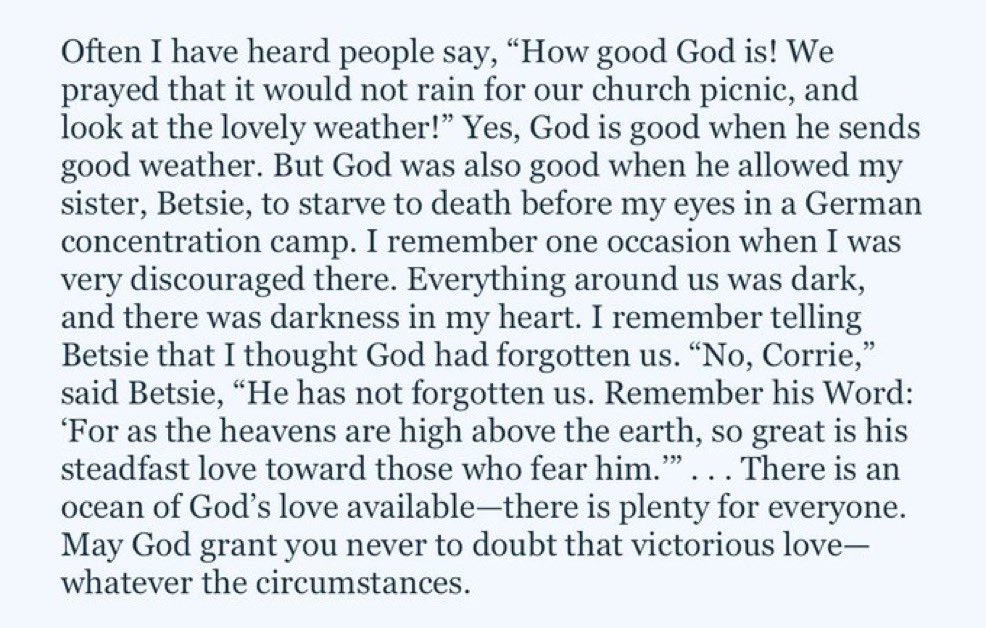
Wow. Sobering truth from Corrie ten Boom. 🔥
22
331
1,990
48,739
Ben Peterson retweeted
The good man has a sense of shame and lives a life of ordered beauty. Cicero On Duties podcast episode 16, with hosts Chris Anadale, Ethan Alexander-Davey, Ben Peterson, and Coyle Neal. Links below.
@ChrisAnadale @Ethan_AD_ @ben_2_long
1
2
3
585
Ben Peterson retweeted

Apr 20
Ben Peterson (@ben_2_long) explores Tocqueville’s account of religion as a formative influence on American political life, considering how Christianity has shaped—and been shaped by—the rise of democratic equality. lawliberty.org/an-egalitaria…
3
4
668
Ben Peterson retweeted

Apr 20
@ben_2_long: "Alexis de Tocqueville probes the relationship between Christianity, equality, and liberal democracy."
lawliberty.org/an-egalitaria…
5
8
131
Apr 20
Thanks to @LawLiberty for posting this essay, a critical reflection on Tocqueville's discussion of religion in American democracy: lawliberty.org/an-egalitaria…
2
71
Apr 17
I was grateful to briefly join this informative and stimulating conversation on crime, community, and policing at The Glenn Show with two excellent scholars, Jeffrey Seaman and Robert J. Sampson, hosted by @GlennLoury:
youtube.com/watch?v=nzaP39ew…
1
1
132
Ben Peterson retweeted

Apr 15
It's not just conservative families. It's conservative religious families:
Guenter Lewy is the author of Why America Needs Religion. "Interestingly, Lewy started out to write a book on the opposite theme—why America does not need religion. Many political conservatives have argued that religion is foundational to morality and social stability, and Lewy intended to prove them wrong.
His book would be, in his own words, “a defense of secular humanism and ethical relativism.”
But as he examined the evidence, Lewy turned around 180 degrees. He ended up writing a book arguing that religion, particularly Christianity, correlates with lower rates of social pathologies such as crime, drug abuse, teen pregnancy, and family breakdown.
Or, to put it positively, Christianity motivates attitudes that signal social health, such as responsibility, moral integrity, compassion, and altruism.
“Contrary to the expectations of the Enlightenment,” Lewy concludes, “freeing individuals from the shackles of traditional religion does not result in their moral uplift.”
To the contrary, the evidence now shows clearly that “no society has yet been successful in teaching morality without religion.”
Today the facts are in: Science itself confirms that biblical principles work in the real world—which is strong evidence that they are true. The Bible describes the way we were created to function, and when we follow its prescriptions, we are happier and healthier.
The best explanation of the positive data is that our lives are lining up with the objective structure of reality."
--from Total Truth
Apr 15

“Boys from liberal families now show higher anxiety than girls from conservative families.”
That surprising reversal — even though girls generally report more anxiety — comes from Abigail Shrier on Joe Rogan.
The gap isn’t just biology. It’s shaped by environment.
Conservative families more often practice authoritative parenting: warm, deeply involved parents who set clear rules and guardrails without being cold or authoritarian. They don’t hand every decision to the child or outsource authority to experts.
Decades of replicated studies, dating back to Diana Baumrind’s work in the 1960s, show these kids consistently end up happier, more resilient, and mentally healthier. They feel the people who love them most are calmly in charge.
Kids intuitively know they’re not ready to steer their own lives. When parents pull back too much, anxiety rushes into the open-ended void. Structure isn’t restriction — it’s the quiet safety net that actually frees them to grow without constant overwhelm.
With youth mental health resources at record levels yet outcomes still declining, this pattern quietly challenges how we’ve been approaching parenting and childhood.
What’s your real-world experience: does loving parental structure with clear guardrails feel more like freedom… or something else?
3
49
198
15,640
Ben Peterson retweeted

Apr 15
An essay on the papal relationship to populism, the just-war debate over Iran, and Trump's relationship to God:
nytimes.com/2026/04/14/opini…
19
18
142
47,853
Ben Peterson retweeted

Apr 15
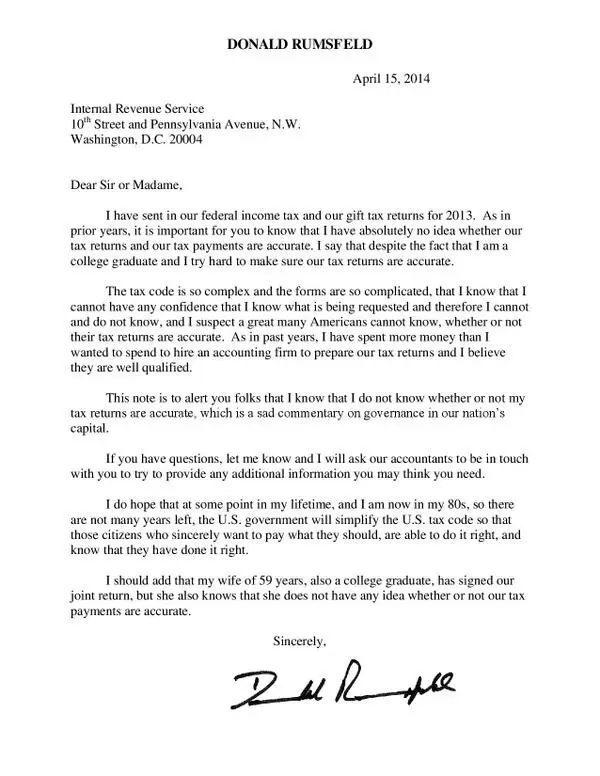
Your annual Donald Rumsfeld IRS Tax Day Letter appreciation post.
127
1,212
7,511
763,701
Ben Peterson retweeted
New Ep of Cicero, On Duties. @ChrisAnadale, @Ethan_AD_, and Ben Peterson discuss Bk 1, Chs. 61-69. Cicero on the “great spirited man.” Link to follow:
1
3
3
199
Ben Peterson retweeted
New Ep of Cicero, ON DUTIES, @ChrisAnadale, @Ethan_AD_, and Ben Peterson discuss Bk 1, Chs 79-86. The great spirited man must govern himself with Reason. What does that mean? Link to follow:
1
2
2
192