
Postdoctoral Scholar @UChicago @UChicagoPME. @UTAustin @TexasChE Ph.D. I study electrocatalysis with @AmanchukwuLab, @JoaquinResasco, @DeliaMilliron.
Joined July 2021
- Tweets 203
- Following 211
- Followers 188
- Likes 843
35 Photos and videos
Pinned Tweet

Feb 12
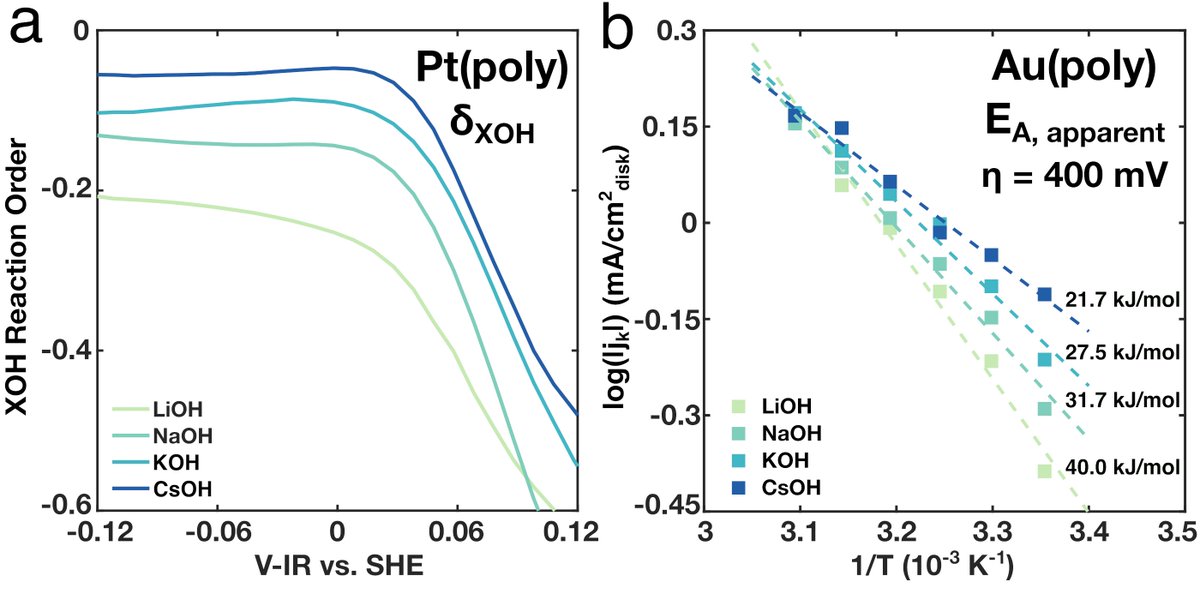
Happy to share my last research contribution from my #PhD guided by @JoaquinResasco and
@DeliaMilliron published in
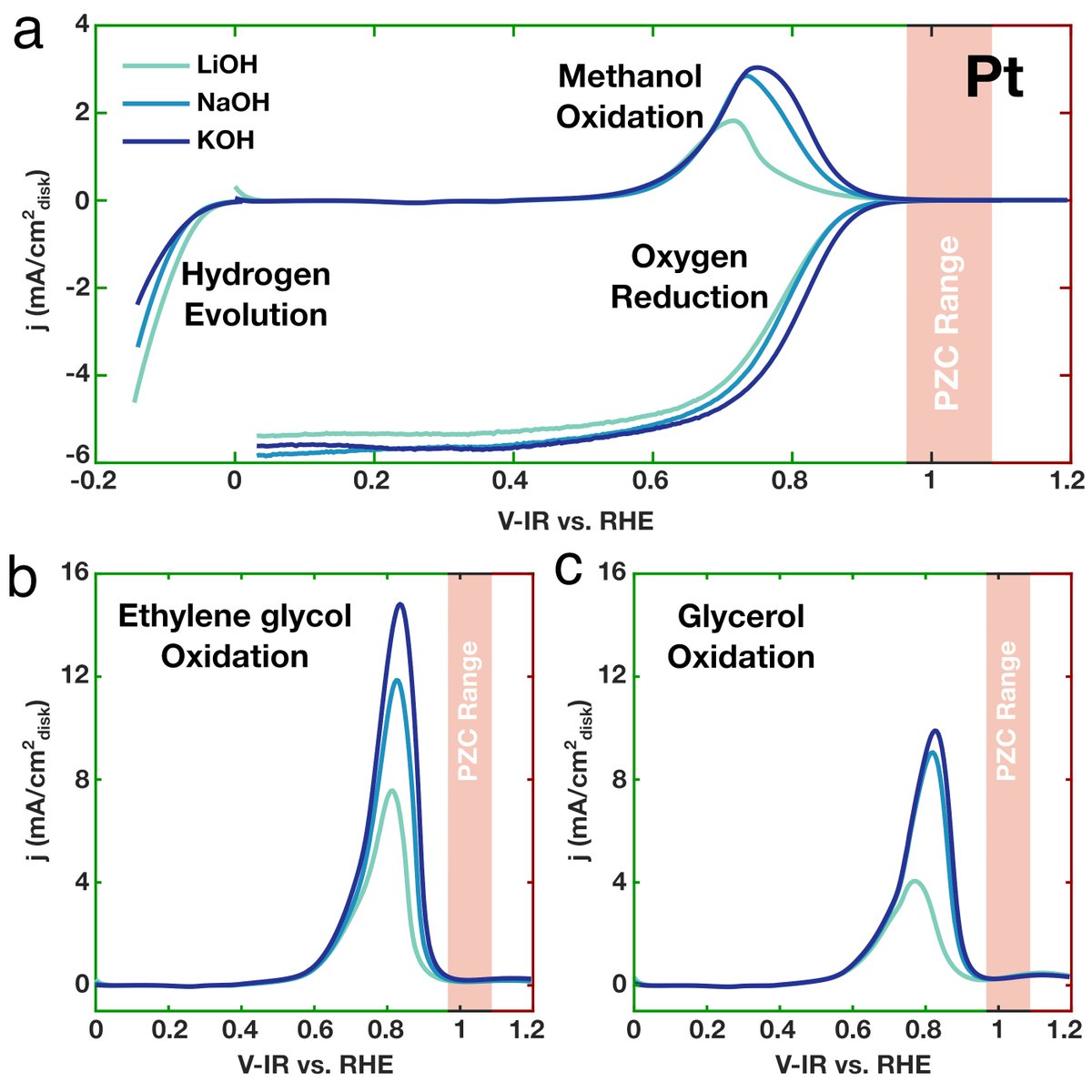
@ACSEnergyLett! When will we observe cation effects in electrocatalysis? Let's go! 👇🏼 (1/n)
doi.org/10.1021/acsenergylet…
1
2
83
Feb 12
Happy to share my last research contribution from my #PhD guided by @JoaquinResasco and
@DeliaMilliron published in
@ACSEnergyLett! When will we observe cation effects in electrocatalysis? Let's go! 👇🏼 (1/n)
doi.org/10.1021/acsenergylet…
1
2
83
Feb 12
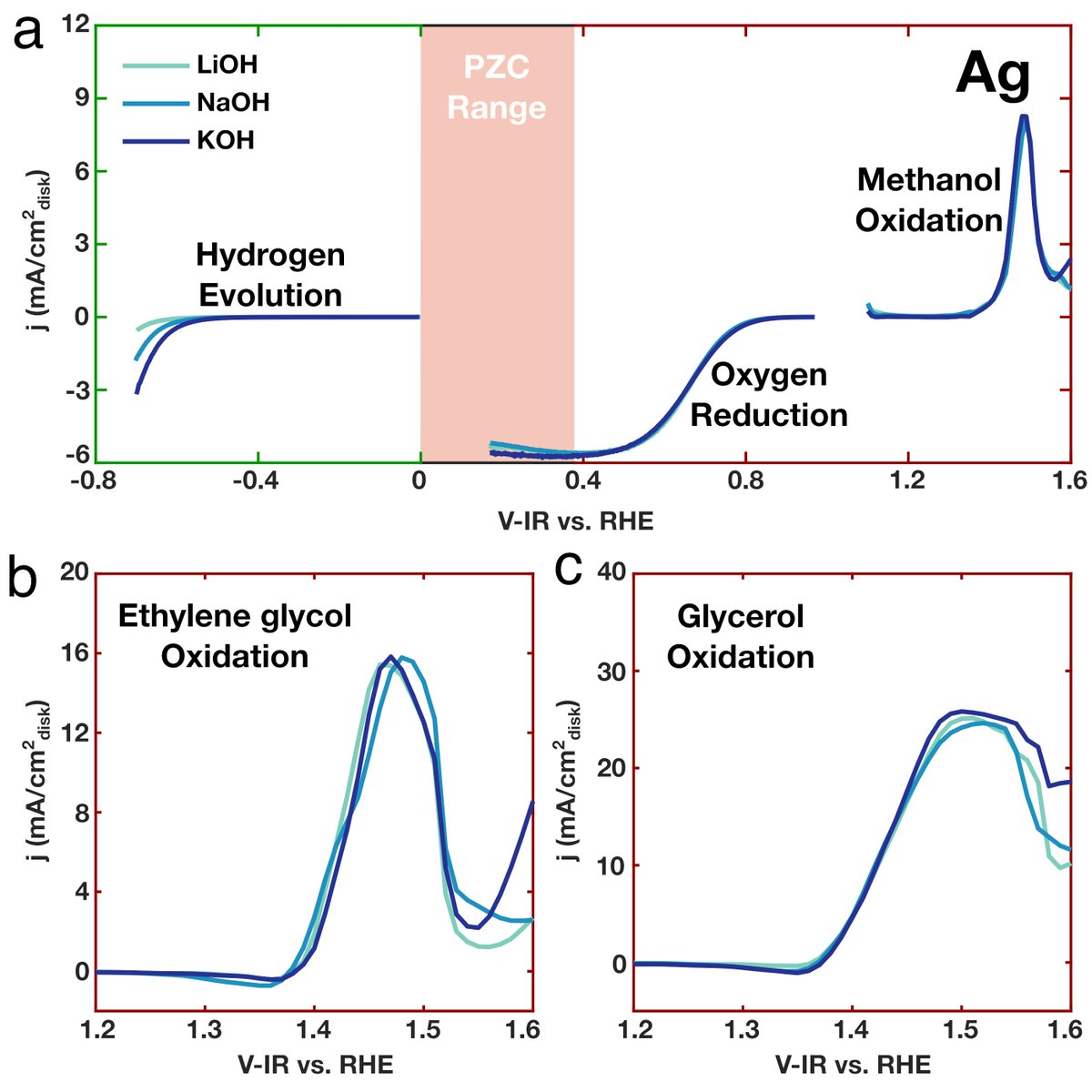
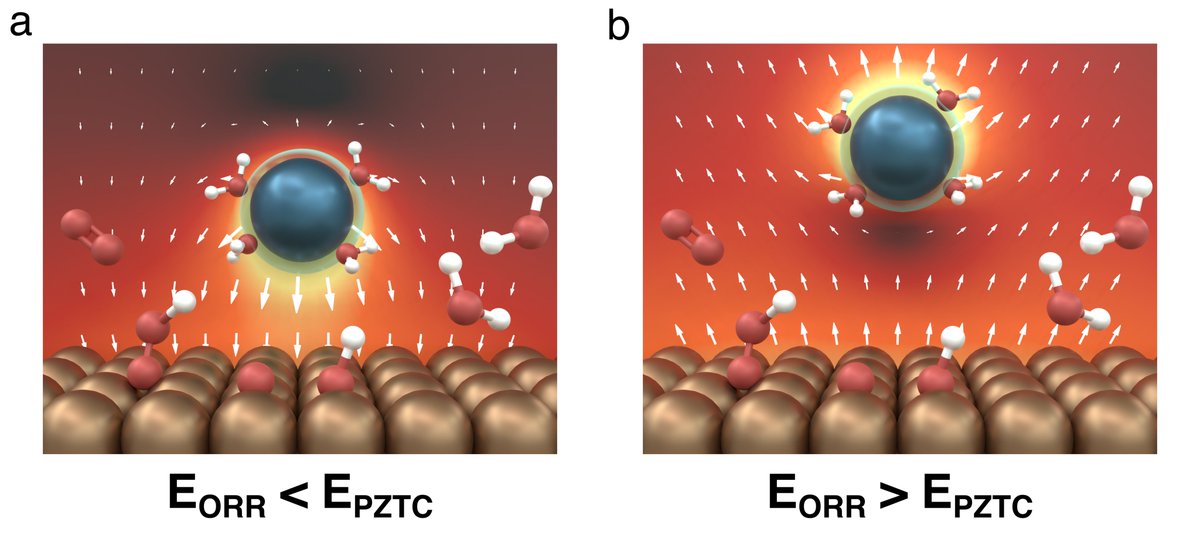
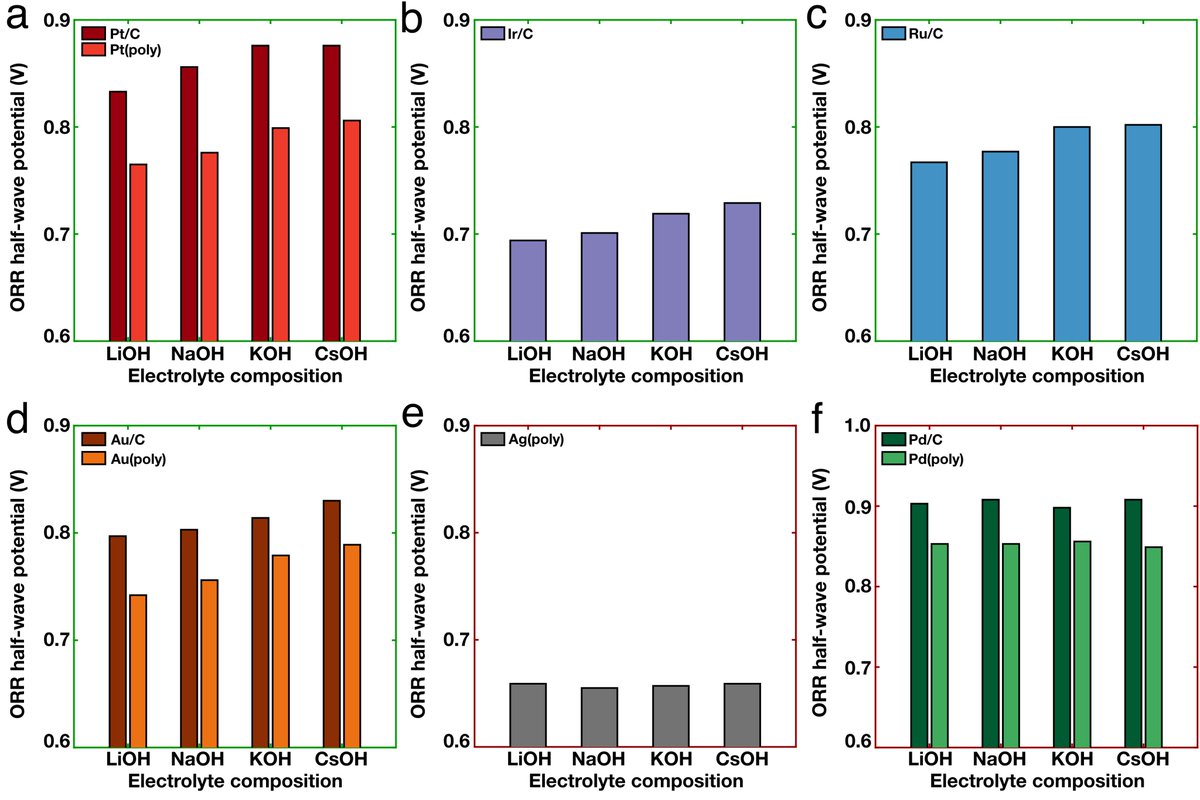
On the other hand, over Ag we only see cation effects for hydrogen evolution because it is the only reaction whose operating potential is negative of its PZC range. (3/n)
1
1
22
Feb 12
This article is in the @ACSEnergyLett
special issue "The Evolving Landscape of Energy Research: Views from the Editorial Team." I'm grateful for being able to contribute my work to this special issue after years of publishing and reading papers from this awesome journal! (4/4)
1
20
Jay T. Bender retweeted
4 Sep 2024
Excited to kick off a new semester by publishing some NEW research guided by @JoaquinResasco, @DeliaMilliron, and @johnkitchin in @ACSEnergyLett! When will we see cation effects for the oxygen reduction reaction? Let's go! 👇(1/n)
pubs.acs.org/doi/10.1021/acs…
2
6
24
2,241
1 Oct 2025
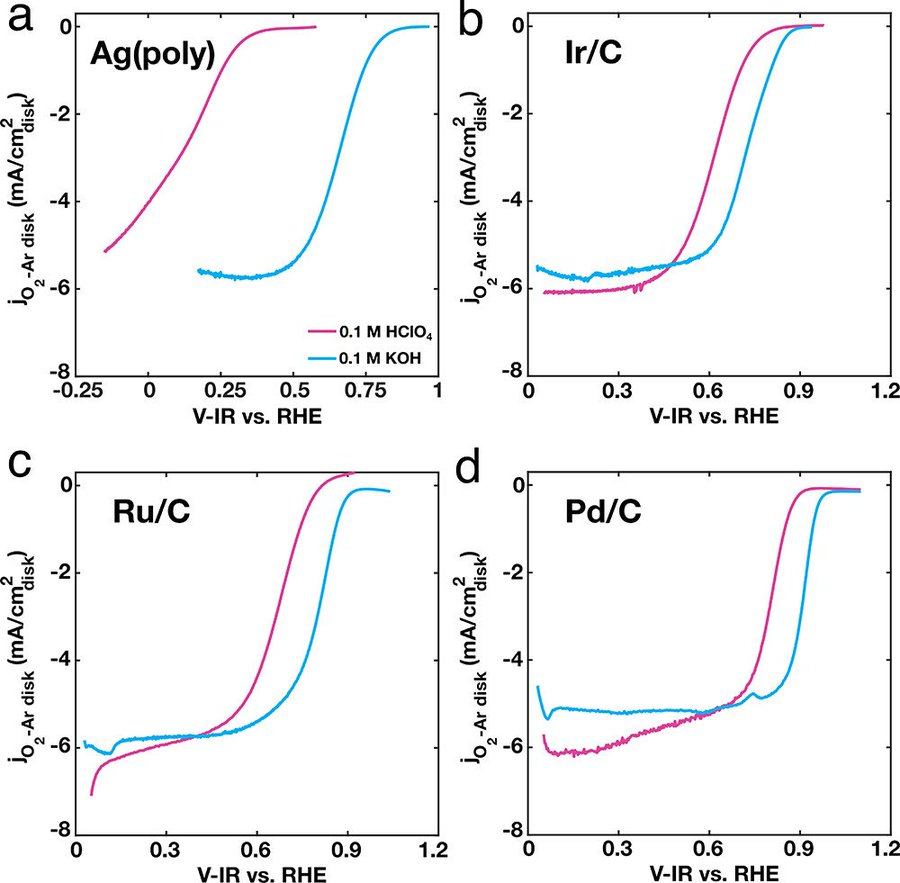
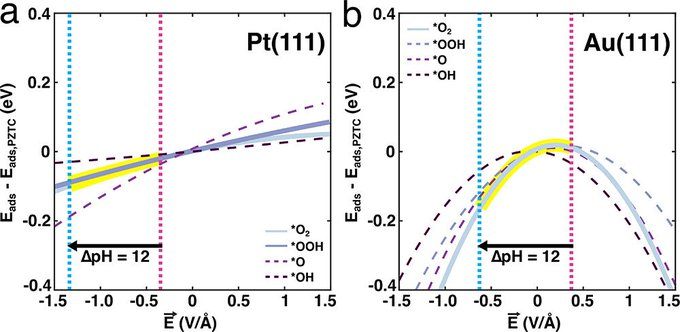
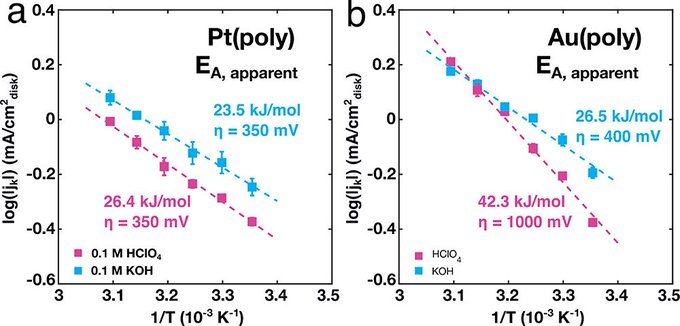
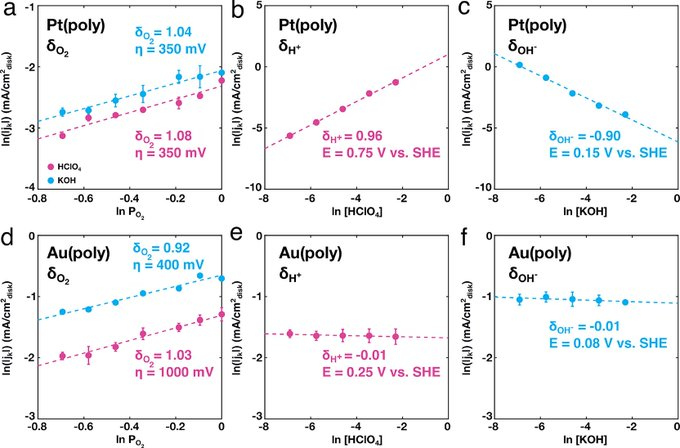
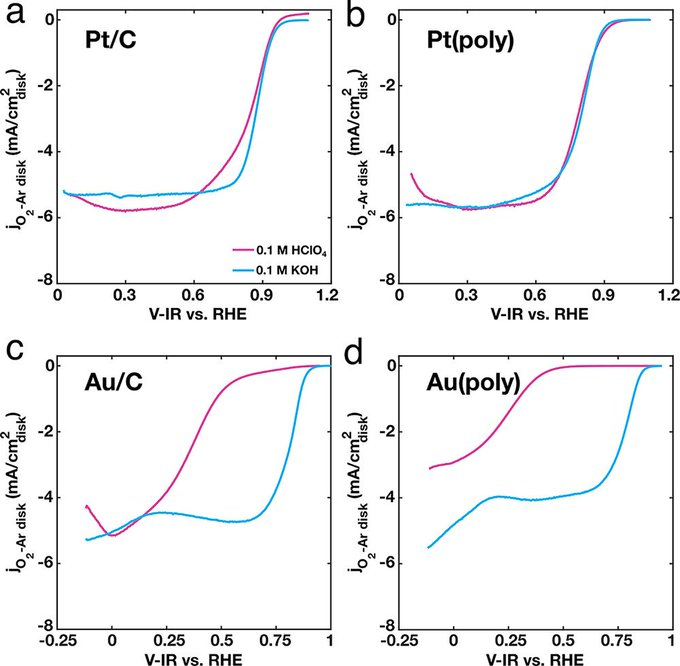
Excited to kick off the fall publishing a first-author paper in @J_A_C_S guided by @JoaquinResasco, @DeliaMilliron, and @johnkitchin! How does electrolyte pH affect the oxygen reduction reaction? Let's go!👇
pubs.acs.org/doi/10.1021/jac…
2
1
7
374
1 Oct 2025
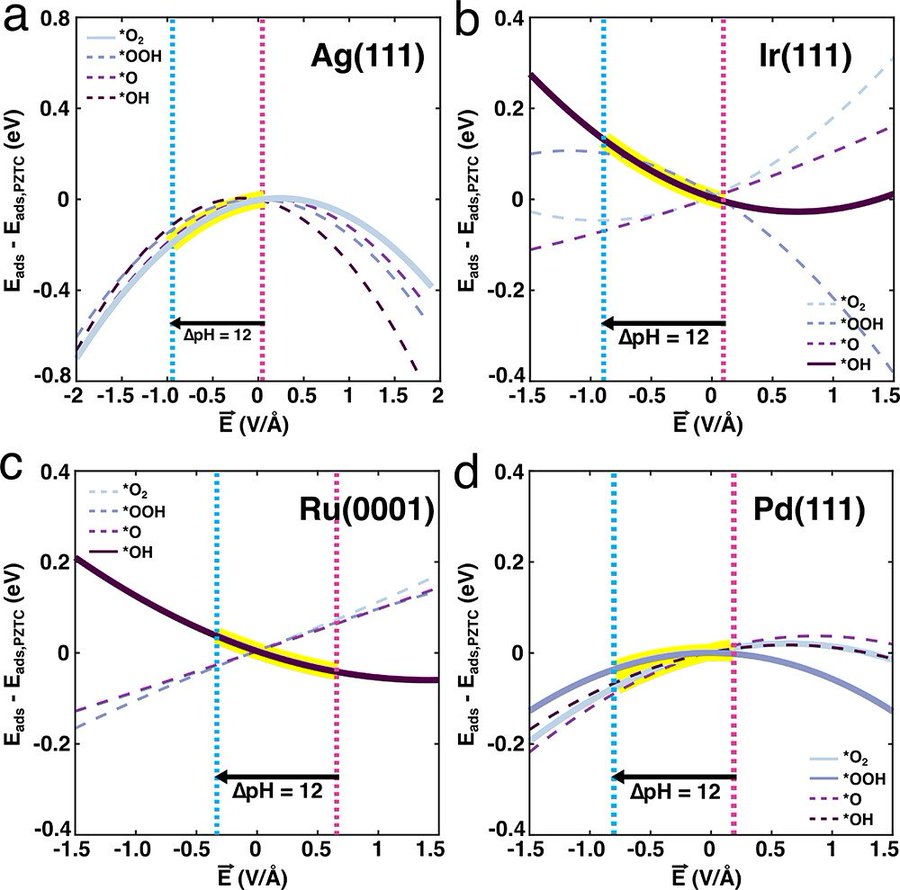
Ultimately, the field sensitivity of kinetically relevant reaction intermediates provides a reasonable explanation for pH effects on the ORR. (7/n)
1
1
51
1 Oct 2025
Thank you to my PhD advisors @JoaquinResasco and @DeliaMilliron for all their support and guidance, my collaborators @CMU_ChemE, my three undergraduate researchers who helped me on this project, Nicolas Bueno Ponce, Angel Valles, & Alyssa Uvodich, and everyone @TexasChE!😁(8/8)
2
72
18 Jun 2025
How do catalyst materials degrade under intermittent operation? Check out our new paper, led by @Ruloufo published in #EESJournal @RSC_Energy. @TexasChE @JoaquinResasco @DeliaMilliron @GroupMullins @jaramillogroup
pubs.rsc.org/en/content/arti…
1
1
8
509
18 Jun 2025
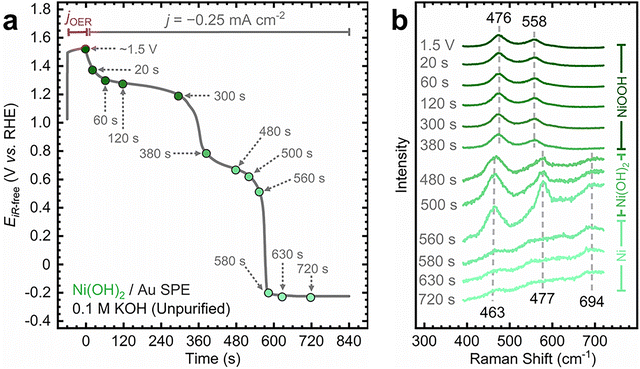
My contribution was using in situ Surface Enhanced Raman Spectroscopy to experimentally measure catalyst phase transitions during discharge.
2
82
3 Apr 2025
It was a pleasure contributing to developing new equipment and protocols led by @Ruloufo to measure interfacial pH during water electrolysis! Check out my friend's work in @ACSEnergyLett. @JoaquinResasco @GroupMullins @jaramillogroup @TexasChE
pubs.acs.org/doi/10.1021/acs…
9
166
10 Jan 2025
I'm excited to start 2025 by contributing to @j_mcgregor876's publication in @NatureCatalysis guided by @JoaquinResasco studying organic cation effects on non-aqueous CO2 reduction! nature.com/articles/s41929-0…
1
1
6
264
10 Jan 2025
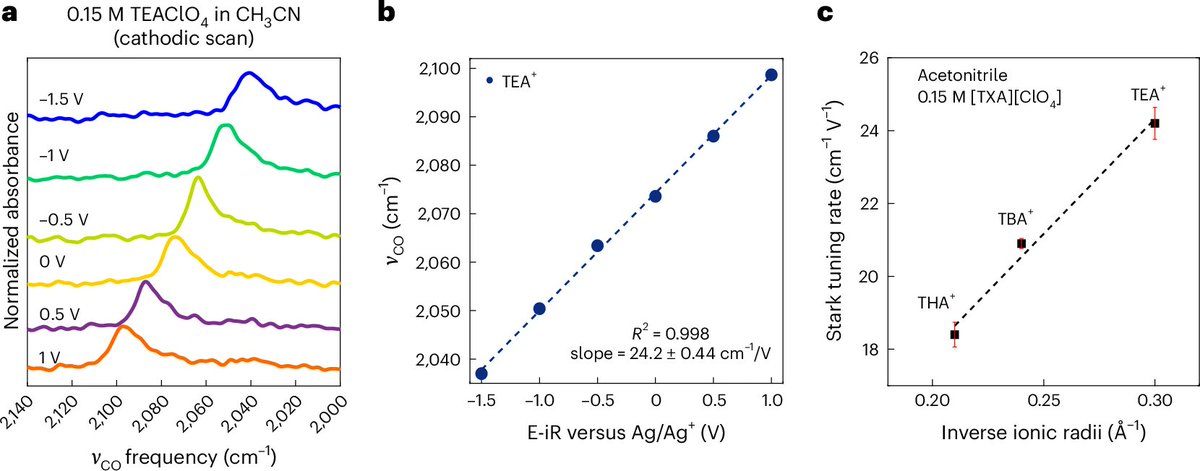
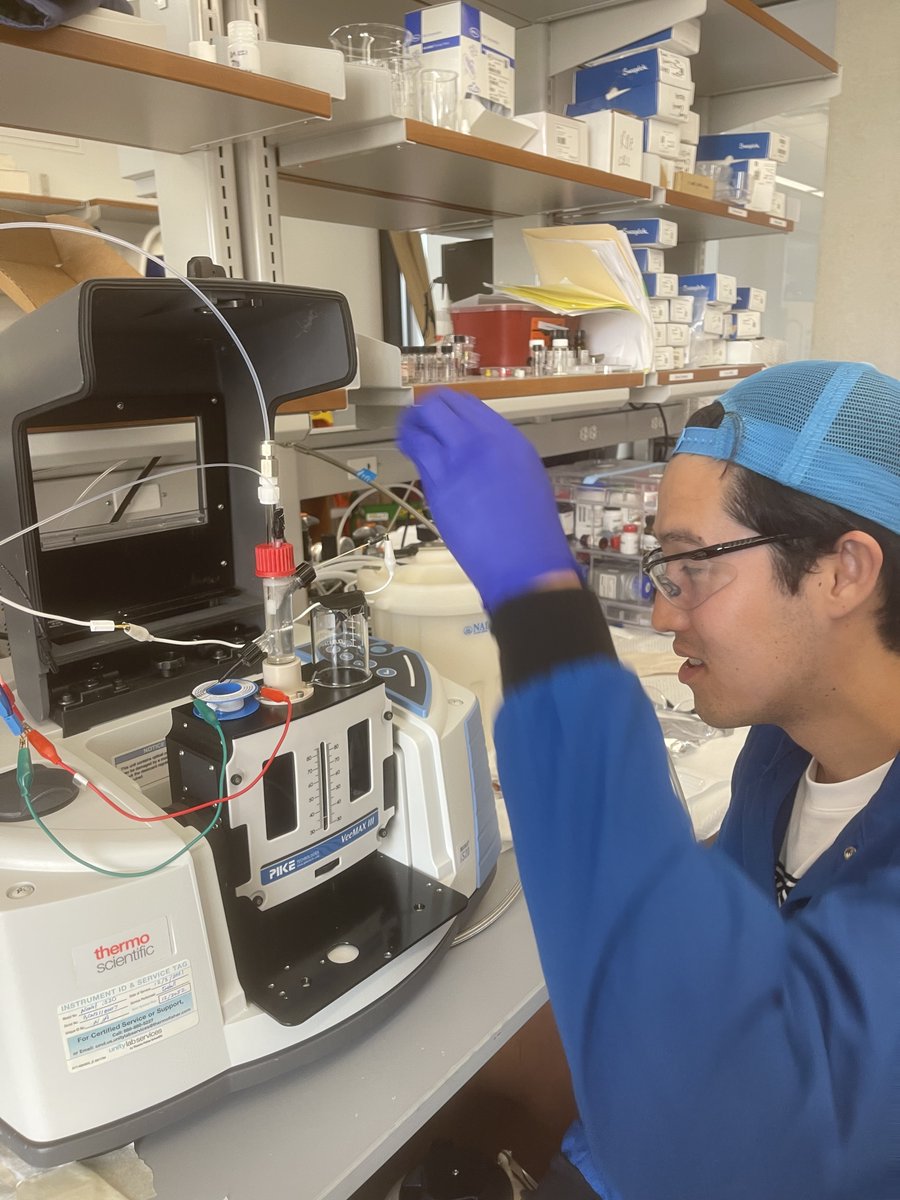
My contribution was using spectroscopic probes to experimentally measure cation-mediated field strength via Vibrational Stark Spectroscopy. What a fantastic learning experience and amazing opportunity to help this interesting work!
96
25 Nov 2024
Thank you @pengtao_xu and coworkers for highlighting my recent @ACSEnergyLett paper in @ChemCatalysis! I am flattered that y'all find this work helpful for your research.
Link to the highlight: sciencedirect.com/science/ar…
Link to my paper: pubs.acs.org/doi/10.1021/acs…
6
242
26 Oct 2024
Looking forward to seeing y'all at #AIChE2024! I am in the last year of my PhD and am looking for postdoc positions. I will be presenting work from my PhD guided by @JoaquinResasco and @DeliaMilliron from @TexasChE in the following 👇🏼
1
9
437
26 Oct 2024
1. "How Electrolyte Composition Influences Electrocatalytic Water Splitting Activity" in Meet the Faculty and Postdoc Candidates Poster Session on Sunday, October 27 at 1:00 PM Poster #184 located in San Diego Convention Center, Exhibit Hall GH
1
187
26 Oct 2024
2. "Using Electric Fields to Understand How Electrolyte Composition Influences Oxygen Reduction Reaction Activity" in Electrocatalysis II: O2 Electrocatalysis on Wednesday, Oct 30 1:06 PM located in San Diego Convention Center, Room 28E
114