
Joined February 2026
- Tweets 3,019
- Following 211
- Followers 113
- Likes 1,593
64 Photos and videos





JB retweeted

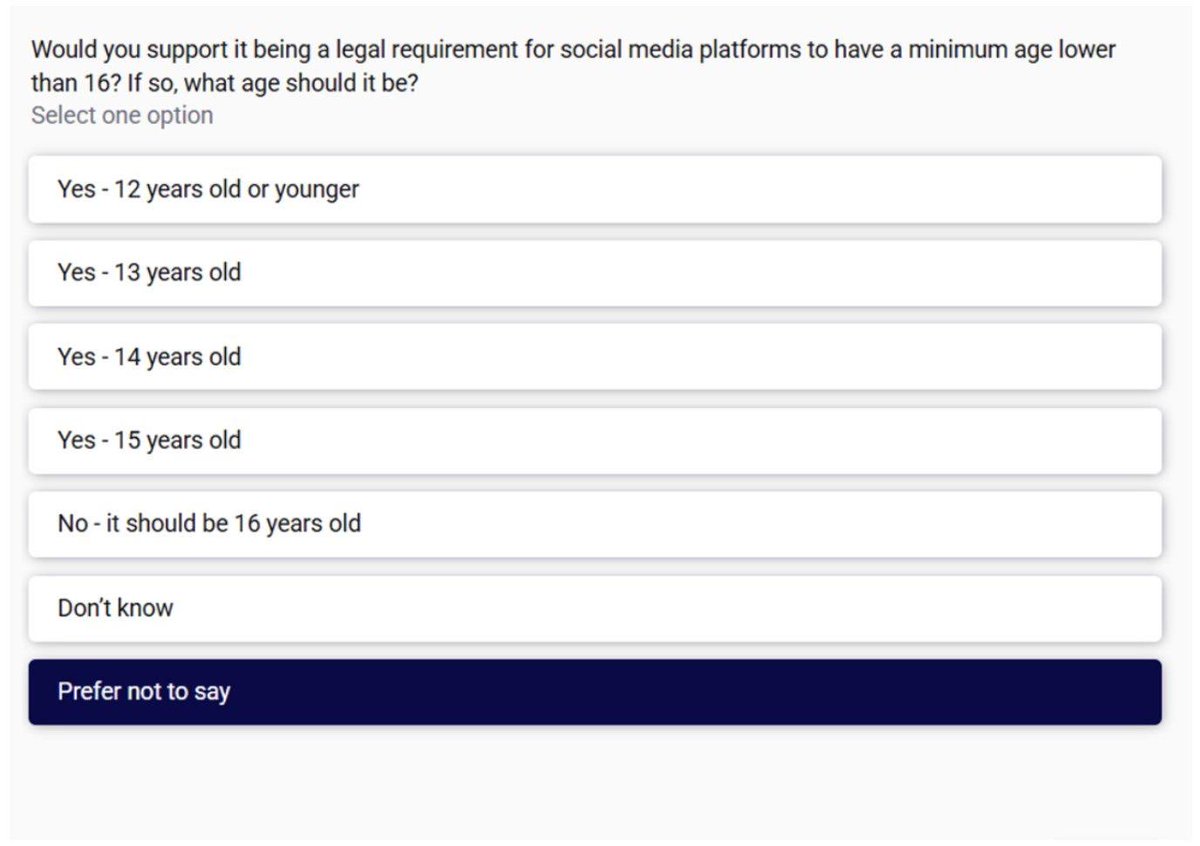
🚨 BREAKING: It has been revealed that the public consultation data Keir Starmer is using to promote his social media ban did NOT have an ‘against’ option
140
1,207
5,955
59,001
16 at Waitrose. Good fun and good pay. Made my shoulders feel 10x broader not having to ask mum for spending money. Shame that teenagers here won’t get that experience anymore due to NMW hikes and immigration policy.

Trying to prove a point:
How old were you when you had your FIRST job?
9
309
JB retweeted
I’ll set aside what this policy is obviously actually about - the erosion of online anonymity and building the quiet infrastructure for silencing (and criminalising) dissent - and play ball by pretending it’s about child protection.
If you want to effectively safeguard children online (speaking as a former safeguarding practitioner among other things - though you don’t need to have any professional experience to see how catastrophically bad a policy this is), this is categorically the wrong approach.
Banning children from social media will not make them safer; it will make them invisible. They will inevitably find their way around the ban - in Australia, seven in ten children retained active accounts after the ban came into force - except now they will do so covertly, without parental oversight, while parents assume that their job has been outsourced to the state and that their child(ren) is not online and thus doesn’t require supervision.
The net effect is less supervision, not more, and a significantly more dangerous online environment for the very children the policy claims to protect.
This is basic stuff. That those who govern us do not understand second and third-order consequences is concerning - and I’m not referring to people who fully understand what is happening here (e.g. the Prime Minister), but instead the moronic people like the former Technology Secretary of State who was on GB News (The Late Show Live) just now who don’t seem to realise that kids are so much more tech savvy than them, and the nagging harridans and moronic Mumsnet cheerleaders.
Your average Gen Alpha kid will figure out a workaround relatively quickly and will soon be surfing the web unregulated and unsupervised. Congrats to everyone who advocated for this and those who continue to cheer it on. You are, with respect, idiots.
(And, again, this isn’t about protecting the kids at all, but instead about controlling adults’ internet usage).

If you outlaw social media for kids, parents will stop monitoring their online activity completely. But the kids - who are far more tech savvy - will just find a workaround (it takes 1 min to download a free VPN) and end up using social media *totally unregulated unsupervised*.
1
4
26
1,104
JB retweeted

16h
So we took jobs that are usually done by teenagers for low salaries.. expanded them massively by staffing them wtih imported grown ass Indians.. paid them a "living wage" since they're not teenagers.. then printed money to counteract the inflation caused.
Genius levels of national suicide.
26
127
1,438
22,038
JB retweeted

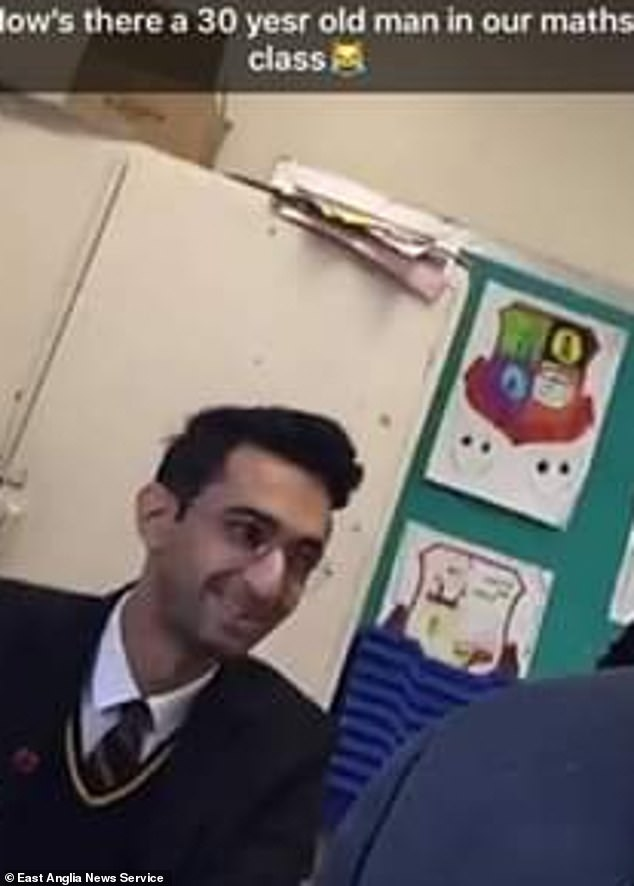
The classroom social media ban is to stop children sharing images of the adult refugees who've been placed in their classrooms.
133
3,600
22,476
321,559

23h
I still see no comment from the likes of Lewis Goodall, Emily Maitlis, Cathy Newman and Robert Peston? Why’s that?

🚨 BREAKING: The BBC has revealed the Russian Government was behind the arson attacks on Keir Starmer's home and car
1
4
284
JB retweeted

Jun 15
The last sentence is the real meat and potatoes of this.
What's being promoted as a 'social media ban for children', is really an ID check for every adult.
Jun 15
🚨 SUMMARY: The UK's social media ban for children from early 2027:
- "User-to-user" apps where people create, share and interact with content (e.g. TikTok, Instagram, Snapchat, YouTube, X, Facebook) will be banned for under-16s
- WhatsApp, Signal and YouTube Kids will be exempt
- Under-16s will also be banned from livestreaming, messaging strangers on gaming apps like Discord and using disappearing messages
- 16 and 17 year olds will face nightly social media curfews and limits on infinite scrolling with more details next month
- AI "romantic companion" chatbots will be banned for under-18s
- Adults can still access social media through age checks like facial recognition, digital IDs, passports and credit cards
421
2,615
13,920
634,225
JB retweeted

You're told it's ALL about migration. It isn't.
Three things are crushing under-30s:
— AI eating entry-level jobs
— a housing ladder with no bottom rung
— a state that shields the old and bills the young
Migration's just the one with a face. So that's what they point at.
3
6
16
1,072
JB retweeted
Makerfield votes Thursday.
A generation locked out of housing.
The Labour candidate's headline offer? Keep the triple lock — and a tax cut for pensioners.
They've stopped even pretending to fight for the young.
2
13
32
2,118
Jun 15
Keir couldn’t have risked it all for any better pair? Everyday he shows his judgement to be lacking.
Jun 15
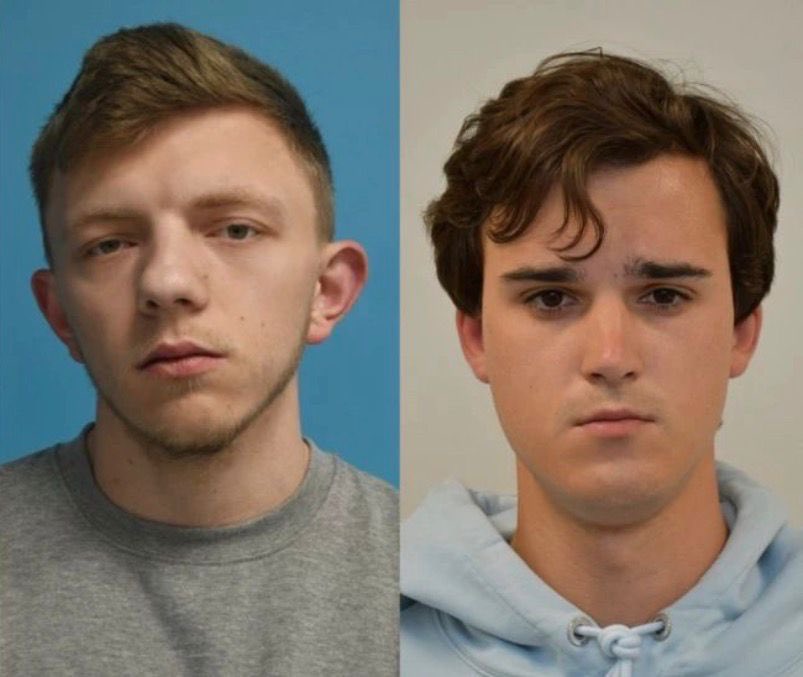
🚨 NEW: A Ukrainian national and Romanian national have been found guilty of setting fire to Keir Starmer’s home and car
1
108
Jun 15
People like Lewis Goodall and Robert Peston will bang on about how great British journalists are at holding power to account but not a peep from them about Starmer’s house and car being set on fire by Ukrainian rent boys …
Jun 15

Ukrainian Roman Lavrynovych, 22, and Romanian Stanislav Carpiuc, 27, have been found guilty at the Old Bailey of plotting to damage property linked to Keir Starmer.
2
2
137
JB retweeted

Jun 15
This all seems to be a ploy to link IP addresses and online activity directly to an identifiable person to make them easier to catch and track down. The government falsely assumed that everyone watches porn and they thought they would get everyone that way. It obviously did not work as well as they were hoping so they are now expanding it. (I have always said that initial laws are just a foot in the door, those laws will always be expanding after the fact into their true original intended purpose).
So their plan now is if you want to use any social media or much of the internet in any way, you will need to prove that you are over 18 which means submitting an ID. This will require far far more ID submissions which will massively expand the government database, which was the real plan all along, not the safety of children.
The funniest thing about this is after all the fuss about the Online Safety Act, this blanket ban on kids using social media pretty much renders the entire act pointless and made it a giant waste of time. Which to be honest, proves that the act was never about protecting children but was really about building a giant database that links all online activity directly to a person.
This database would then be constantly poured over by AI to flag "citizens of concern" to the government who may be potential political dissidents, saying naughty anti-government things etc so the government can pre-emptively act against them.
Minority Report. This is literally the plot of Minority Report.
Jun 15
🚨 SUMMARY: The UK's social media ban for children from early 2027:
- "User-to-user" apps where people create, share and interact with content (e.g. TikTok, Instagram, Snapchat, YouTube, X, Facebook) will be banned for under-16s
- WhatsApp, Signal and YouTube Kids will be exempt
- Under-16s will also be banned from livestreaming, messaging strangers on gaming apps like Discord and using disappearing messages
- 16 and 17 year olds will face nightly social media curfews and limits on infinite scrolling with more details next month
- AI "romantic companion" chatbots will be banned for under-18s
- Adults can still access social media through age checks like facial recognition, digital IDs, passports and credit cards
261
2,854
16,151
426,382
Jun 15
This should tell you everything. The ban has nothing to do with protecting children. Digital ID and censorship via the back door. We have a PM and government thats genuinely more authoritarian than Putin.
Jun 15
STARMER says kids will get around his social media ban (as the vast majority do in Australia) but argues a law’s ineffectiveness should not prevent its introduction.
23
Jun 15
£1bn on taxis but the likes of Gary Stevenson and Aaron Bastani tell us we need to open up our pockets even more
Jun 14

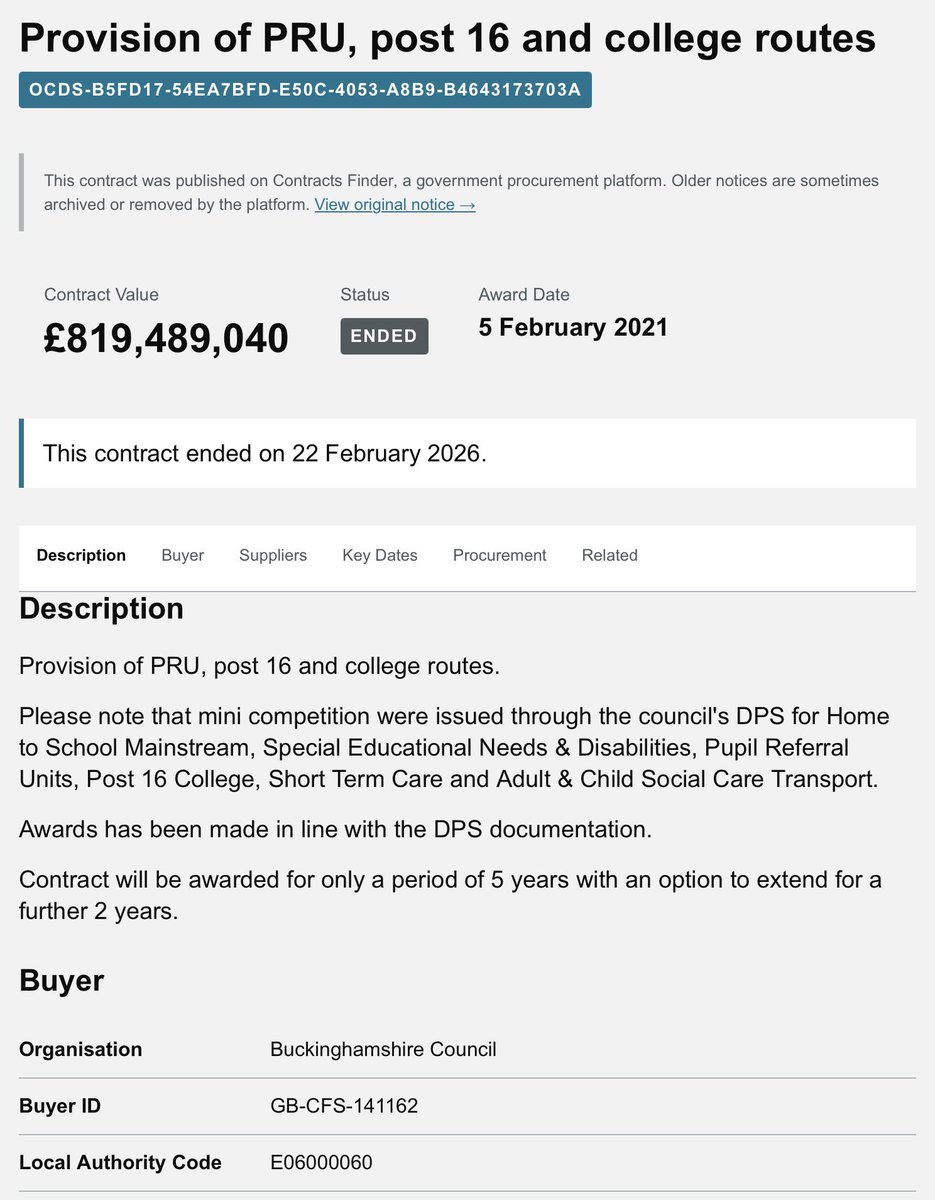
Buckinghamshire council spent £819 million over a five year contract period on taxis. £163 million a year on average.
This is insane. The council could run an equivalent transport service for a fraction of this cost
11
43
551
16,317

I think it’s mad that people think they’re banning kids from social media for the kids benefit. It’s to limit their access to news and information and make sure they only grow with the agreed ideology of those in power.
Jun 15

The UK is heading down a very dystopian path… and the majority of this island is gleefully cheering it on under the guise of “child safety” 🙂
Mind you, none of this would even be a topic of discussion if parents would actually parent their kids…
2
11
26
2,837
JB retweeted

Jun 14
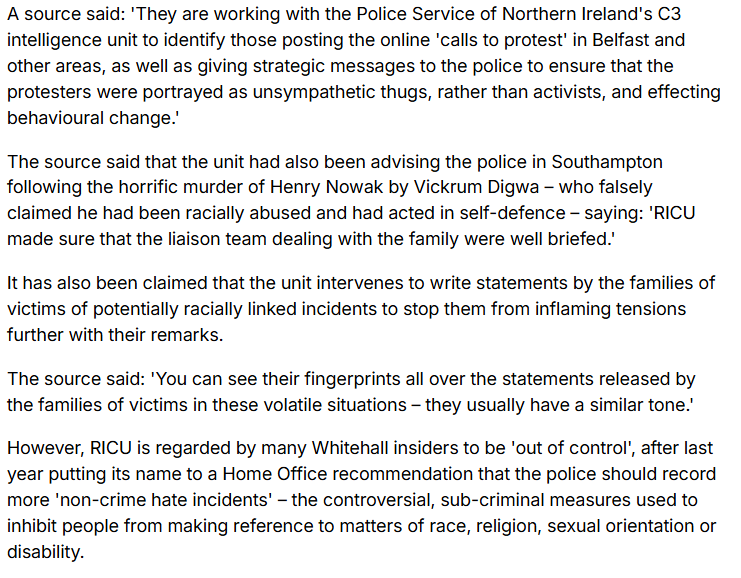
As I've reported in the past, the Home Office's RICU department controls the government's response and press coverage of terror attacks to manipulate public opinion and deflect blame from immigrants and Islam.
After Henry Nowak's murder and the attempted beheading in Belfast, RICU instructed the police and politicians on how to respond.
As I predicted, "Don't Look Back In Anger" messaging has been through Southampton Police's family liaison officers to craft the Nowak family's statement, inserting language about "inclusivity" and how Henry's murder "had nothing to do with Sikhism or racism".
In Northern Ireland, RICU are helping police monitor those organising the protests, and to portray them as "unsympathetic thugs, rather than activists, and effecting behavioural change."
The state is bringing violent foreign criminals into our country, then spending our tax money on psychological warfare operations to gaslight the public into thinking nothing is wrong.
RICU must be disbanded, and its members prosecuted. It takes a special kind of sick individual to manipulate grieving families for your own ideological ends.
67
709
2,571
33,029
Jun 14
People like Aaron Bastani tell us we need a wealth tax because public services are underfunded and we have to find the money from somewhere. This is what he wants to spend your money on …

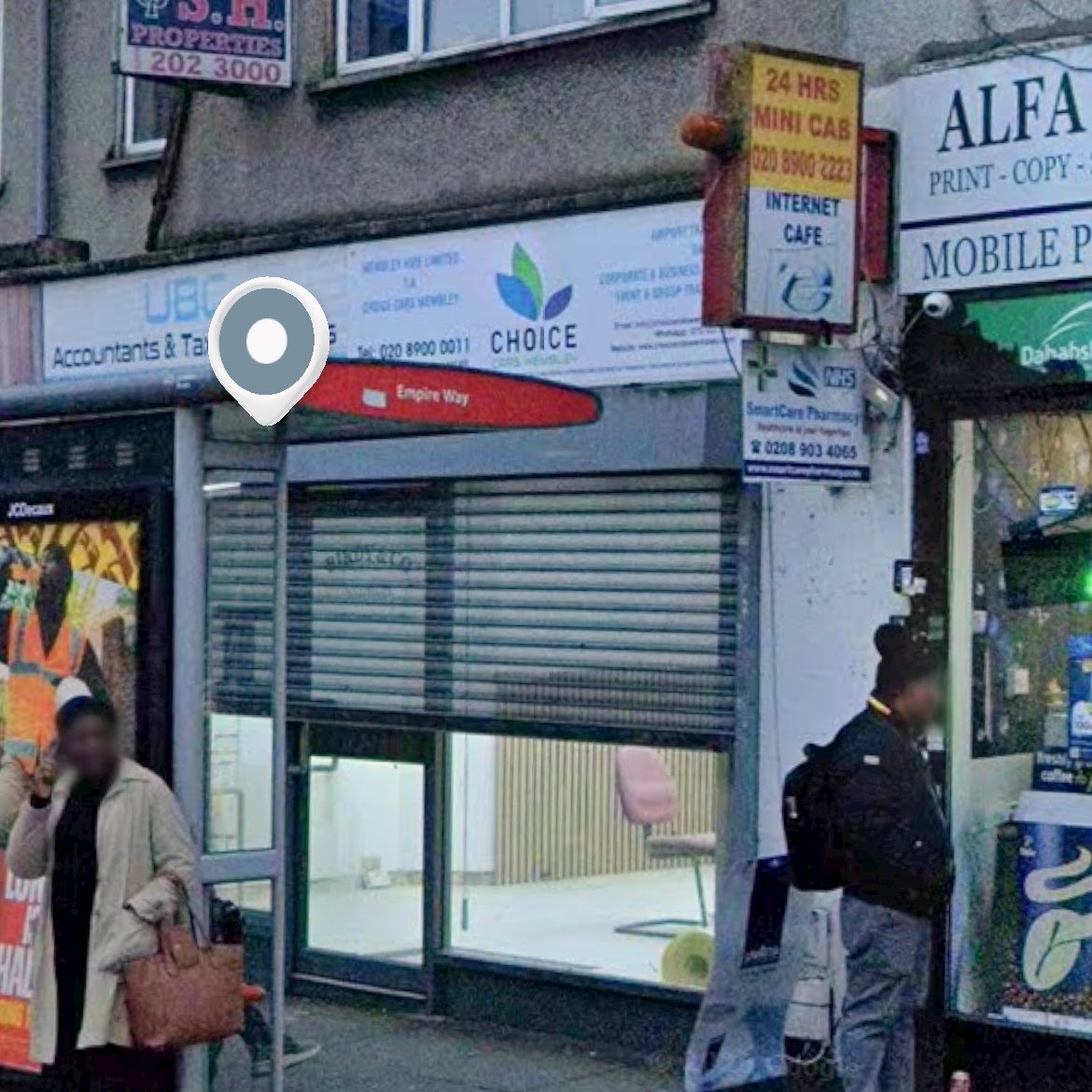
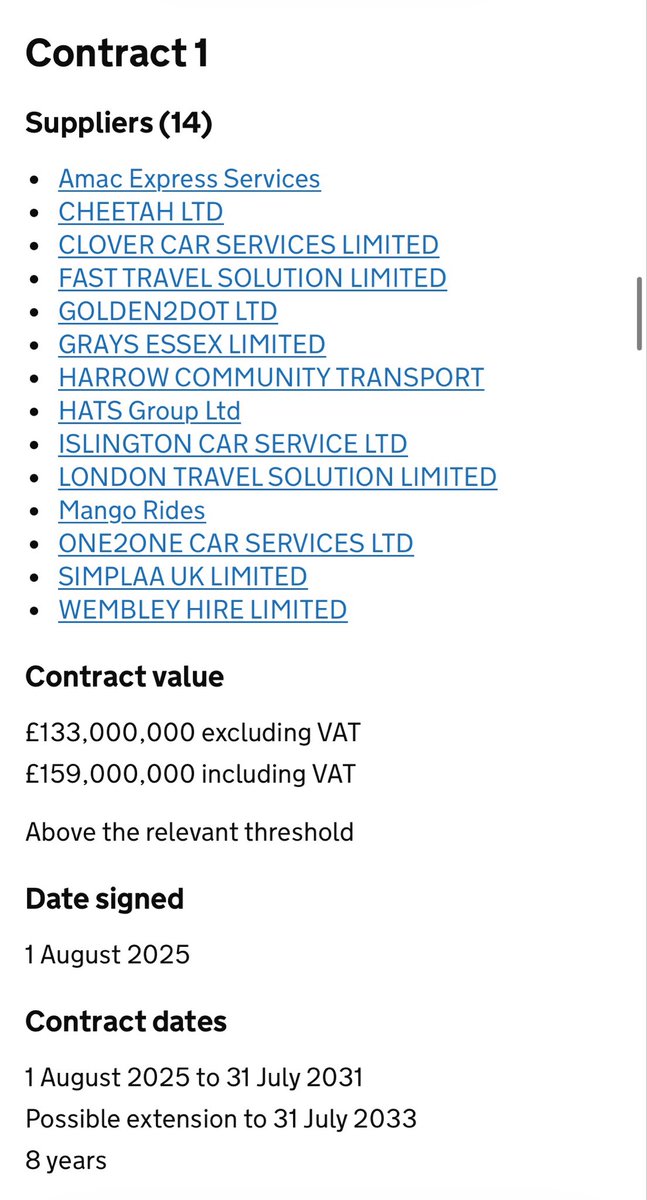
There were 14 successful suppliers on Harrow Council’s 6 yr £133million framework for Hired Transport (Taxis).
One of those suppliers was ‘Wembley Hire Limited’. According to Harrow’s published payments*, Wembley Hire was paid £2.99million last year 🧵1/2
2
21
228
9,969
Jun 14
Glad somebody said this. This is what I tell myself anytime I ghost someone so I can feel a bit better about myself 😅
Jun 13

Ben Affleck says you're supposed to live in a village and see about 100 people in your entire lifetime
"we weren't made evolutionarily as human beings like we're supposed to be living in a village and see about 100 people in our lifetime"
"that's the vast majority of human history...that's how we did it and I still feel like in a way that's how we're socialized...it's why if you feel left out of a group it's very painful"
"even social media for example you looking at stuff you know damn why is everybody life is so good...that's also is a basic primal thing"
38
JB retweeted

Jun 14
There is a peculiar flavour of indignity reserved for the British graduate today - the unemployment, the tax burden, and more - which I often lament. These repeated stories of foreign students taking advantage of our system and doing a runner are demoralising but also deeply frustrating.
It feels as decent British students and graduates are suffering to subsidise foreign students who don’t pay. It’s not dissimilar to the feeling of tapping an Oyster card to board a TfL service whilst watching multiple people fare evade, knowing that you are suffering exorbitant fares in order to subsidise their theft.
Jun 11
There is something distinctly demoralising about entering (or attempting to enter) the British labour market as a young graduate in 2026. One is expected to compete - and to compete hard - against a field that has, through deliberate policy, been enlarged beyond all reasonable proportion.
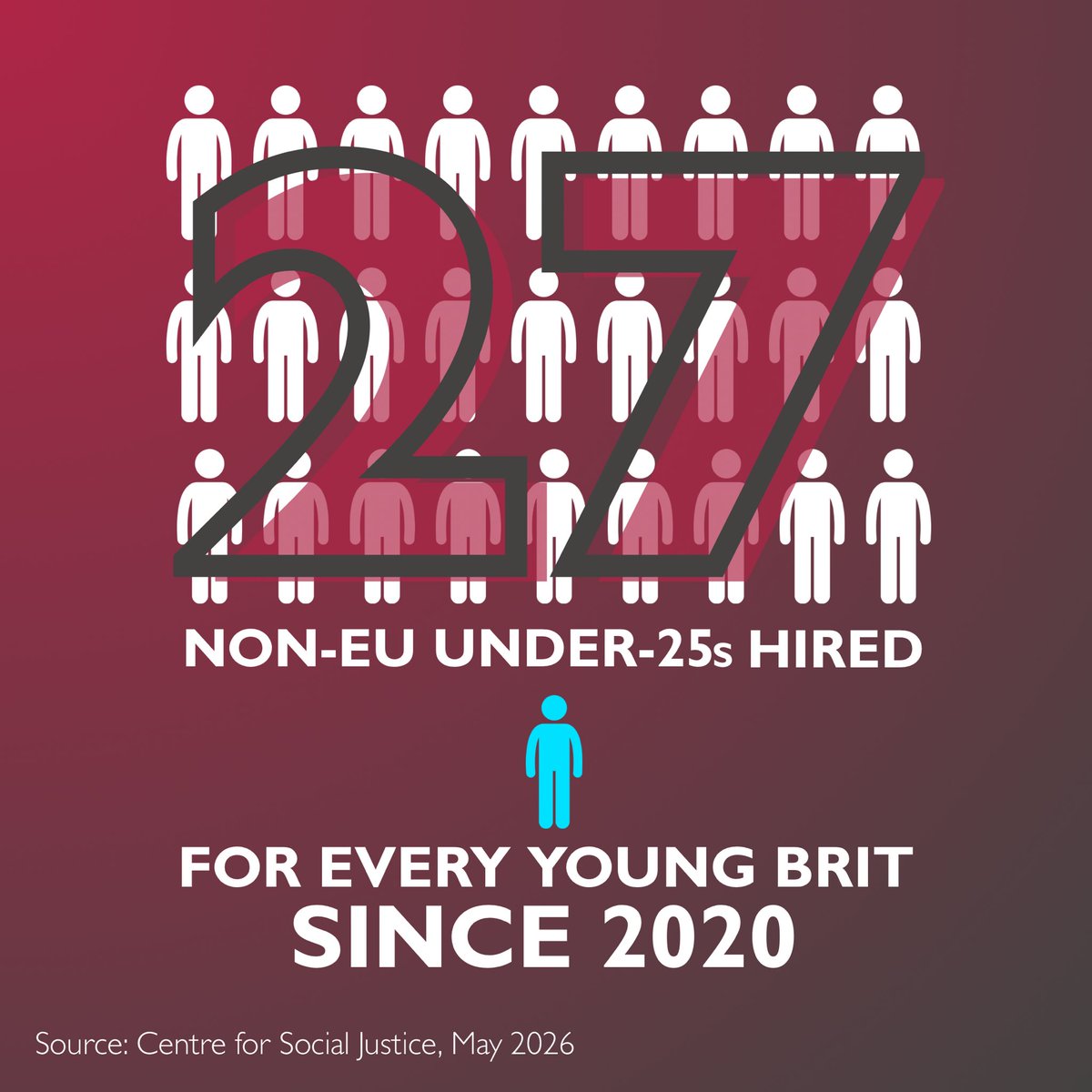
It’s not just the case that many of us are anecdotally complaining about being forced to compete with the world and his wife - the empirical evidence confirms this, and the picture the statistics paint is not a pretty one: for every 1 young Briton finding employment, some 27 young migrants are being taken on.
This is not an accident but rather the foreseeable consequence of very deliberate choices made in Westminster. It often feels as though those who govern us actively want to make our lives miserable - 'thanks for doing everything we asked of you, including going to university, now suffer'.
To add insult to injury, those graduates fortunate enough to secure work find themselves subject to an effective marginal tax rate of 37%. One might, in a spirit of generosity, accept this as the price of living in a functioning state (lol) - were it not that a substantial portion of the proceeds flows towards subsidising the consequences of irresponsible parenting (see Lucy Rigby's defence of keeping high interest rates on student loans to fund 'free breakfast clubs' and lift the two-child benefit cap), and towards the endless stream of migrants, both legal and illegal, which the British state seems keen to import.
Then there is the matter of the job search itself. The experience of looking for work as a young person today is, frankly, soul destroying - as I recently lamented in a rare case of doing personal subject matter on the tl. I’d rather not have to endure the frankly crushing experience that is the job search in 2026 - not least as one of the few Zoomers (going off what employers keep complaining about) who doesn’t seek to change the culture of a workplace, knows how to answer a phone and make eye contact, and doesn’t treat every employer as an obstacle to their preferred work-from-home arrangement.
His Majesty's present Government is, of course, acutely aware of our plight. It surveys the growing cohort of young British NEETs, notes the youth and graduate unemployment figures, sees the explosion in Universal Credit benefit claims and the inevitable growing welfare dependency for a new generation, observes the effective tax burden falling on those in work to fund those who (often) aren’t - and responds by seeking to expand the pool of available labour still further.
Meanwhile, one of the great domestic policy achievements being offered to those lucky enough to secure a job in exchange is *checks notes* 'free breakfast clubs'. The great irony, of course, is given that Zoomers can’t afford to rent, buy, or start families, these breakfast clubs are yet another thing that the young will pay for but never make use of - much like Our NHS and State Pensions. One looks forward to learning what is planned for lunch.
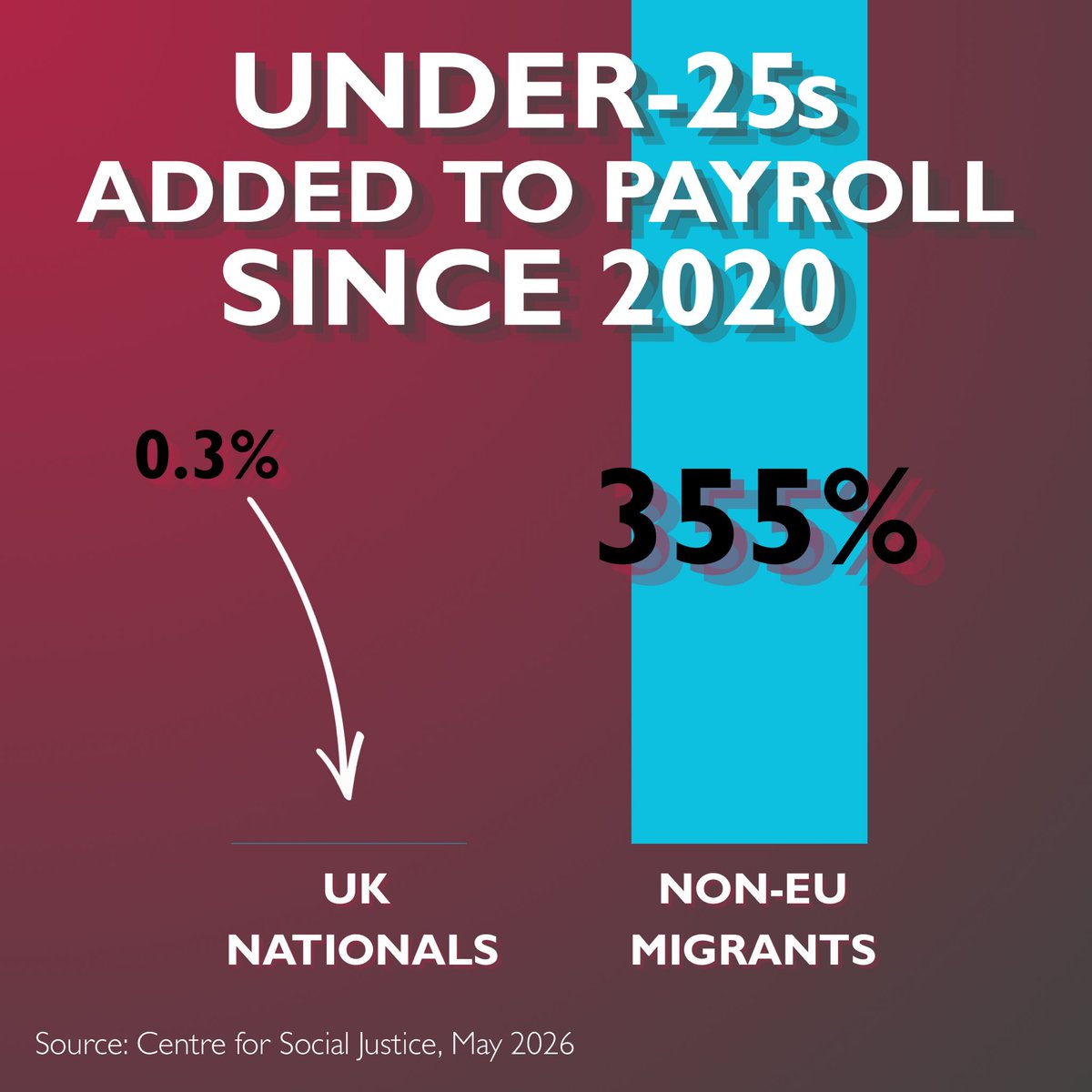
2
19
1,259
Jun 14
Work for the council but LARPing as Rico from Paid in Full. How utterly pathetic.
Jun 12

harrow council why are you employing people who are threatening members of the public this needs sorting out asap!!!! @MPSHarrow @harrow_council @metpoliceuk @TeliYogesh #london #harrow #metpolice #viralvídeo
1
71