Marine Scientist - keen on exploration, archaeology, history, astrobiology, oceanography, climate, technology, military, aerospace & universal mysteries 🌟🌎🌱
Joined May 2009
- Tweets 86,385
- Following 637
- Followers 834
- Likes 84,595
3,314 Photos and videos


Ben John retweeted

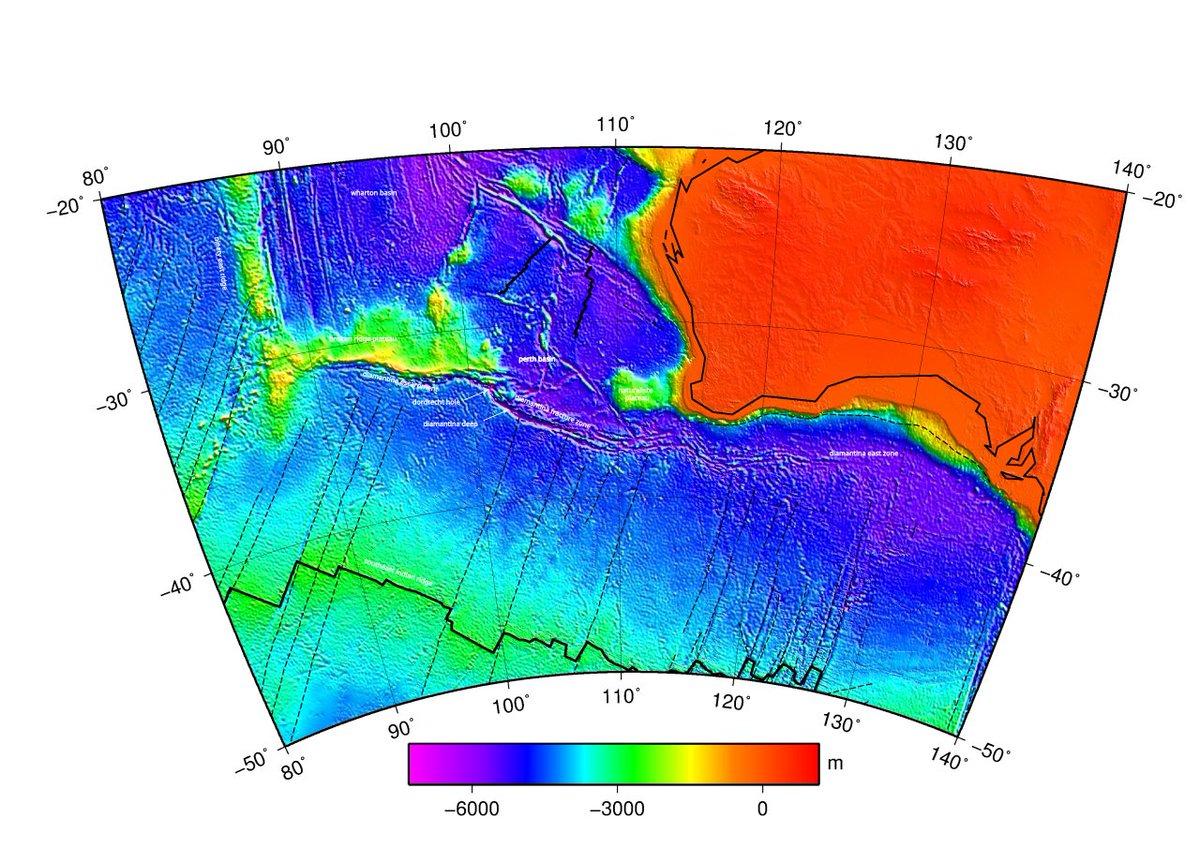
The U.S. Navy has reactivated a submarine squadron that was decommissioned in 2012 to support planned sub rotations in Western Australia that are scheduled to begin next year. (from @WyattwOlson) stripes.com/theaters/asia_pa…
3
11
1,229

The U.S. Navy stands up two new Australian commands in Western Australia to support U.S. and UK submarines and help prepare Australia in supporting its own planned nuclear-powered submarine fleet through the implementation of AUKUS. bit.ly/4ef53sZ
262
Ben John retweeted

The U.S. Navy brought a submarine squadron back from retirement — and placed it in Australia. Nuclear-powered attack subs from the US and UK will start rotating through Perth in 2027.
defence-blog.com/u-s-navy-re…
13
48
2,003
Ben John retweeted

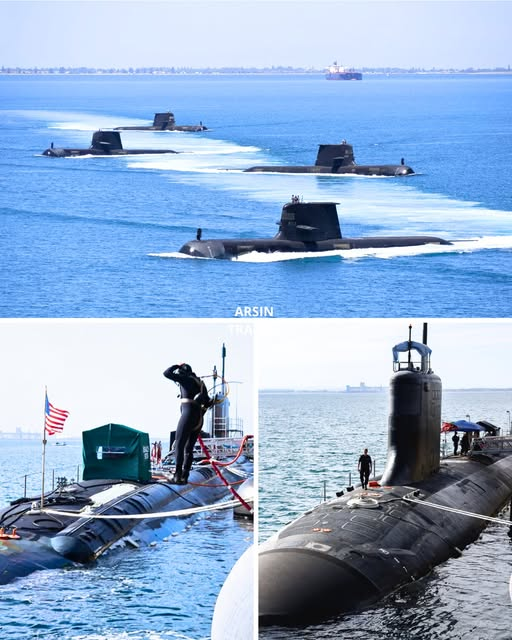
The US Navy Reactivates CSS-3 for Australia. But Why Does This Matter?
At first glance, this sounds like ordinary military news.
A submarine squadron is being reactivated.
The name is old.
The location is new.
But when Submarine Squadron 3, or CSS-3, re-established itself at HMAS Stirling, Western Australia, the story immediately felt bigger.
Because this isn't just about a new command.
It's about how AUKUS is moving from a political promise to a real undersea structure.
DVIDS reports that the US Navy is reactivating CSS-3 to support Submarine Rotational Force-West. The squadron previously operated out of Pearl Harbor and was deactivated in 2012. Now, it will support SRF-West operations at HMAS Stirling, a key hub for US and British submarine rotations in Australia.
This is where the question arises.
Why does the US need to place a submarine command element closer to Australia?
The answer lies in distance.
The Indo-Pacific is too vast to rely on remote bases for all undersea operations. Submarines are powerful because they are difficult to track, but they still require support: logistics, maintenance, coordination, trained crews, and infrastructure capable of handling nuclear-powered submarines.
CSS-3 will help build that foundation.
Its personnel will work with the Royal Australian Navy to provide maintenance, logistics, and operational support for US and UK submarines that will eventually rotate at HMAS Stirling.
Starting in 2027, SRF-West is planned to feature a rotation of one UK submarine and up to four US nuclear-powered, but conventionally armed submarines. The Australian government also emphasizes that these vessels will be rotational, not permanently stationed.
Details matter.
Because AUKUS is often discussed as a future project: Australia purchased the Virginia-class, then built the SSN-AUKUS decades later. But CSS-3 represents a more immediate future. Before Australia had its own nuclear submarines, the allies were already establishing ways to operate, maintain, and support nuclear submarines from Western Australia.
In other words, AUKUS isn't just waiting for new ships to be built.
It's building operational habits.
This is where its strategic value is apparent. HMAS Stirling is on the Indian Ocean side, closer to vital sea lanes than many other, more distant allied bases. From there, submarines can have more efficient transit times and support closer to the operational area.
But this also raises a big question.
Does this move strengthen deterrence and stability, or does it actually push Australia deeper into the Indo-Pacific undersea competition?
For Washington and Canberra, this rotation helps Australia's readiness, training, and ability to operate its own nuclear submarines by the early 2030s. But for other countries in the region, a more regular presence of allied nuclear submarines in Australia could be read as a much stronger military signal.
And that's the point.
CSS-3 isn't a submarine.
It's not a missile.
It's not a new weapon.
But it's a command structure that allows undersea operations to proceed more efficiently, more quickly, and closer to strategic points.
Sometimes major military changes don't start with the launch of a new ship.
Sometimes it starts with a command desk, a maintenance team, and a dock slowly being prepared to receive the most silent asset in modern warfare.
The question now is:
Will the reactivation of CSS-3 in Australia be the foundation of allied undersea deterrence or a sign that the Indo-Pacific competition is moving deeper beneath the surface?
1
1
47
Ben John retweeted

Jun 13
What an embarrassment for the United States
1,914
2,695
19,926
1,102,257
Ben John retweeted

DONALD TRUMP IS THE MOST CORRUPT PRESIDENT IN AMERICAN HISTORY!

1,016
3,204
12,575
174,490
Ben John retweeted

WTF!!!!!
Trump is f-cking using Honor Guards at a UFC event on the Lincoln Memorial.
No this is NOT ok. Don’t you dare call yourself a “patriot” while supporting this crap.
3,563
4,041
22,303
2,022,680
Ben John retweeted

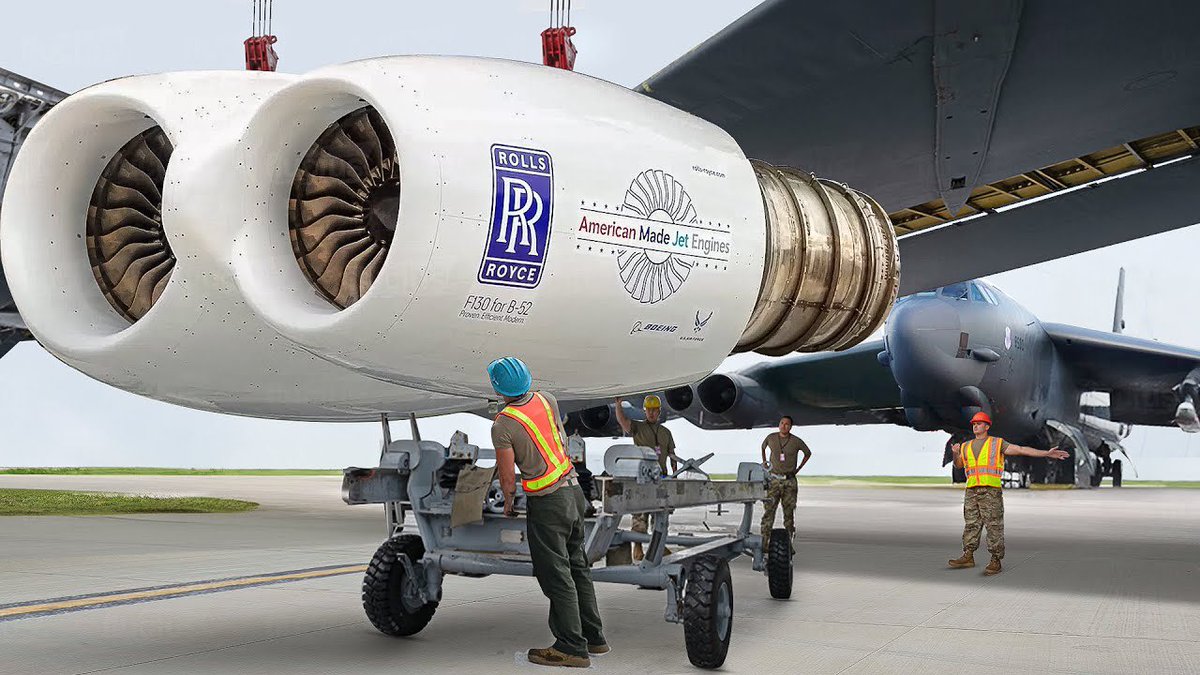
We’re getting new engines!!
The thrust in the new Rolls Royce engines is similar, but they are 20-30% more fuel efficient, allowing for longer flights between refueling
133
543
4,828
195,207

Fair Work Commission rejects gas giant Inpex in Darwin NT that claims strikes would damage Australia's economy abc.net.au/news/2026-06-14/f… via @ABCaustralia
57
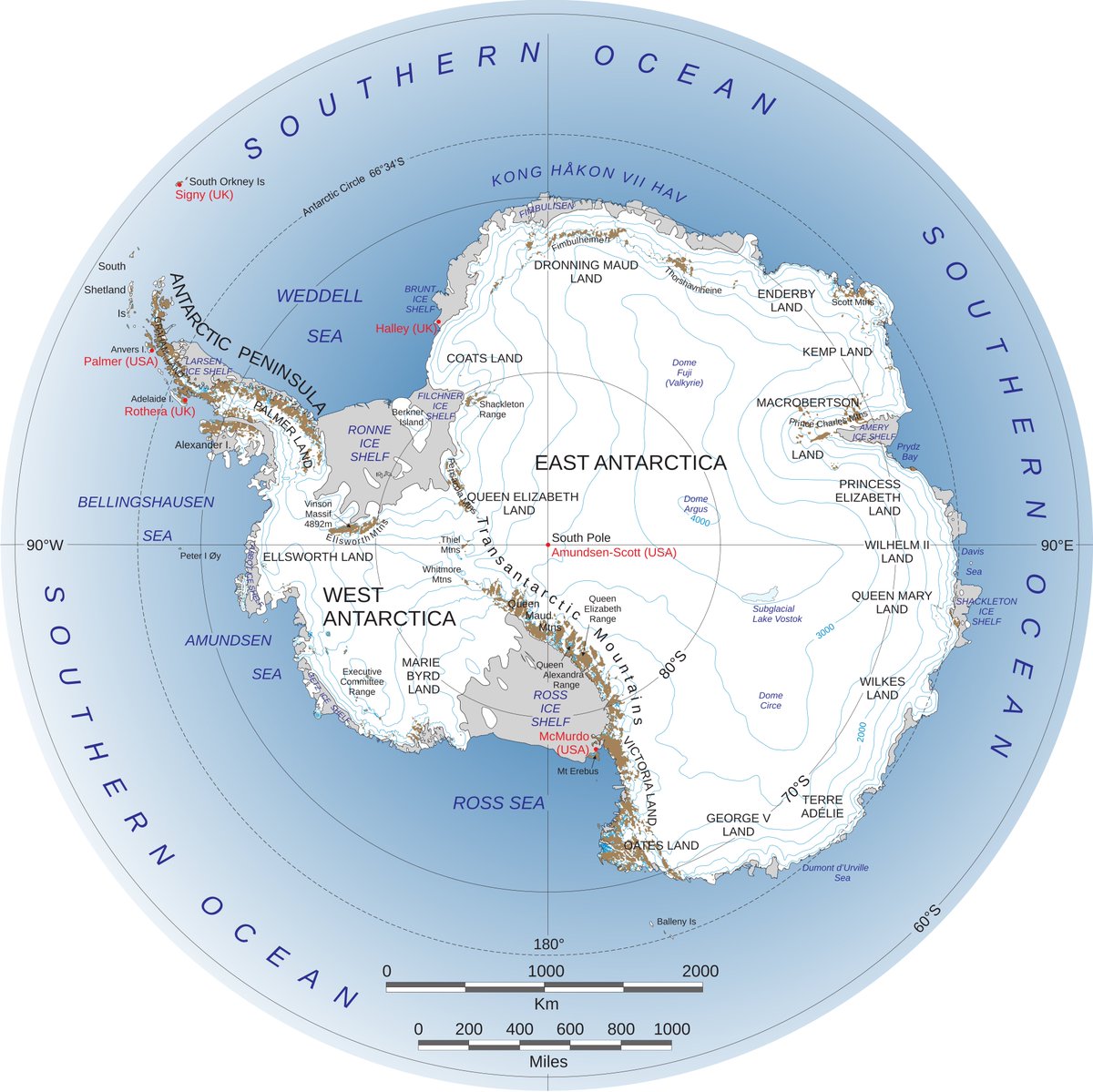
West Antarctic winter ice fails to form in Bellingshausen Sea in area 'size of France' abc.net.au/news/2026-06-14/w… via @ABCaustralia
10
The season doesn't matter as wildflower hunters can always find gold in WA abc.net.au/news/2026-06-14/w…
7
Ben John retweeted

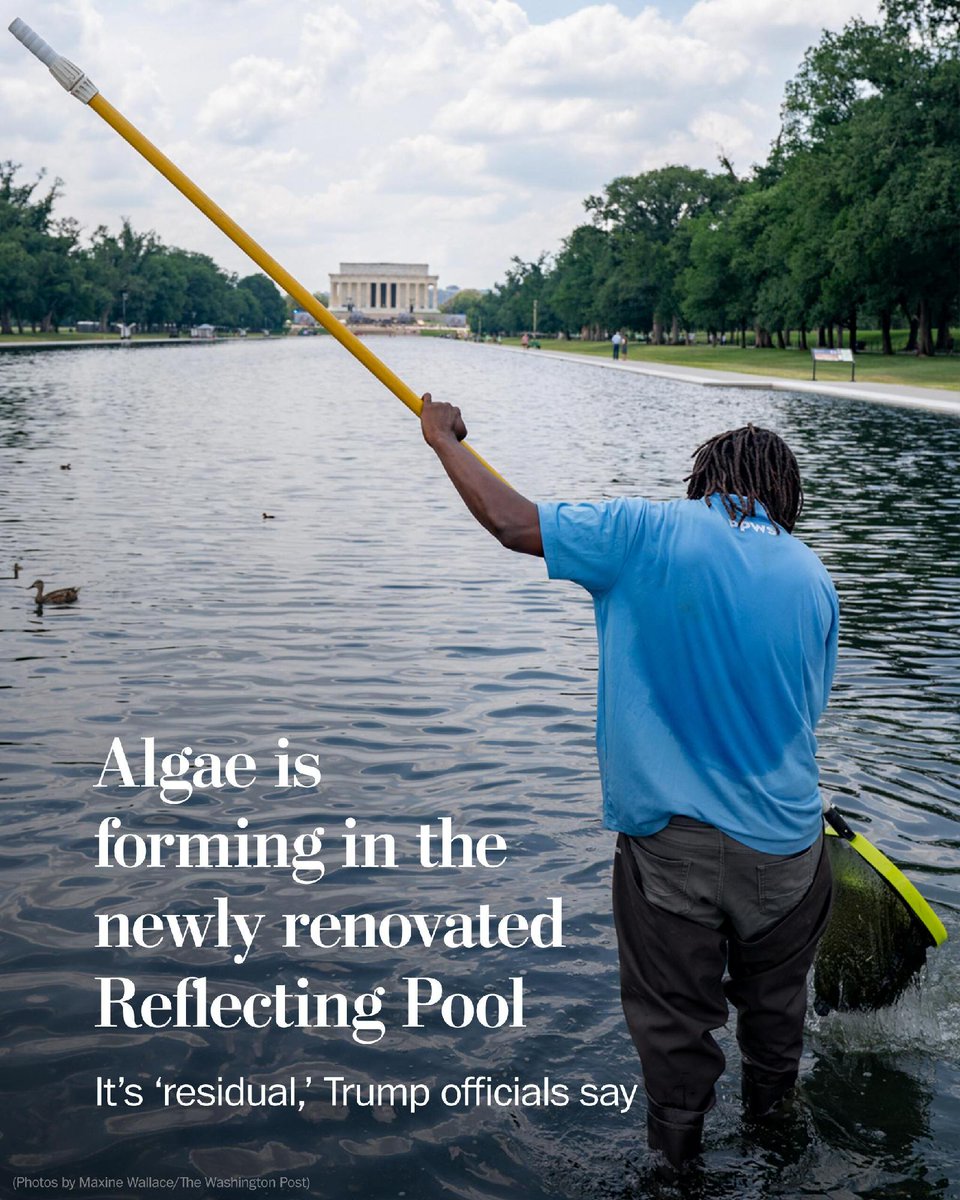
A few days after the $14 million renovation of the Reflecting Pool was completed, along came the algae in the D.C. heat.
It’s being removed, an Interior spokeswoman said, and measures are in place to prevent it from happening again. wapo.st/49PJEE4
180
218
701
64,048
Ben John retweeted

BREAKING: A Qatari delegation has traveled to Tehran to push for final approval of a deal to end the US-Israel war on Iran, an unnamed source familiar with the matter told Reuters news agency.
🔴 LIVE updates: aje.news/vpg0nz
40
189
863
36,278
Ben John retweeted

UK armed forces intercept Russian shadow fleet in Channel, MoD says bbc.in/49Y3o8q
142
406
1,910
168,276
Ben John retweeted

We’re not a serious country anymore
2,879
1,845
13,063
699,505
As the US marks freedom from a king, Donald Trump makes Washington DC his own
abc.net.au/news/2026-06-14/d…
24

Ben John retweeted

Jun 13
A Delta Air Lines flight was delayed in Cancun on June 11 after a swarm of bees settled on the 737’s wing.
The issue was resolved with forward speed on takeoff.
61
109
790
69,925
Ben John retweeted
Online federal contracting records show that $1.7 million was awarded to Green Water Solutions for the ozone nanobubbling system, while $14.2 millionwas awarded to Atlantic Industrial Coatings to line the pool in the color “American Flag Blue.”
The renovations ended up costing far more than the original pricetag of around $1.5 million that Trump quoted when he announced the reflecting pool work.

Politico: Algae resurfaces in reflecting pool after multimillion-dollar fixes
The reflecting pool construction project started in April and work was completed last week as part of President Donald Trump’s sprawling plan to spruce up the capital ahead of the nation’s 250th anniversary
politico.com/news/2026/06/12…
29
225
720
53,872