
I grew up in the Saint Paul, Minnesota, which was entirely too cold. I started at the University of Minnesota at the age of 16 which was entirely too young.
Joined May 2009
- Tweets 29,484
- Following 69,710
- Followers 227,095
- Likes 592
3,648 Photos and videos




BEN PATRICK JOHNSON retweeted

🚨#BREAKING: Amazon has just announced they have launched one-hour shipping across more than 100 cities in the United States
373
386
6,504
684,623
BEN PATRICK JOHNSON retweeted

Keep on keeping on. Sober looks good on you !
1
2
7
814
BEN PATRICK JOHNSON retweeted

Apr 30
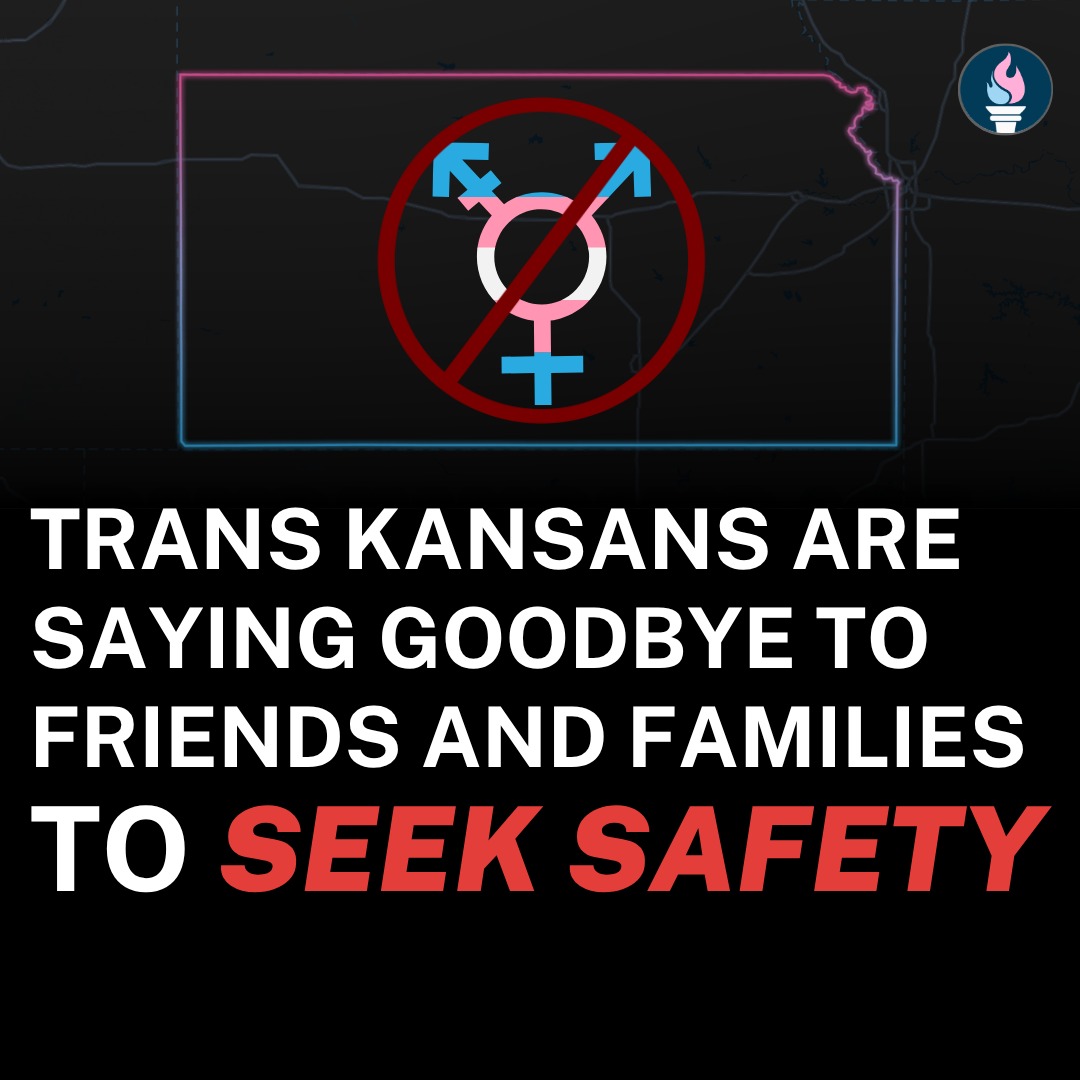
We have 55 trans Kansans who need help leaving Kansas since SB 244 voided their driver's licenses and birth certificates without warning.
Your donation, no matter the amount, provides direct support to our trans siblings across Kansas 👉
564
779
2,638
866,000

Sarah Mae. Wait, was that supposed to be a secret?


1
4
1,223
BEN PATRICK JOHNSON retweeted

Apr 22
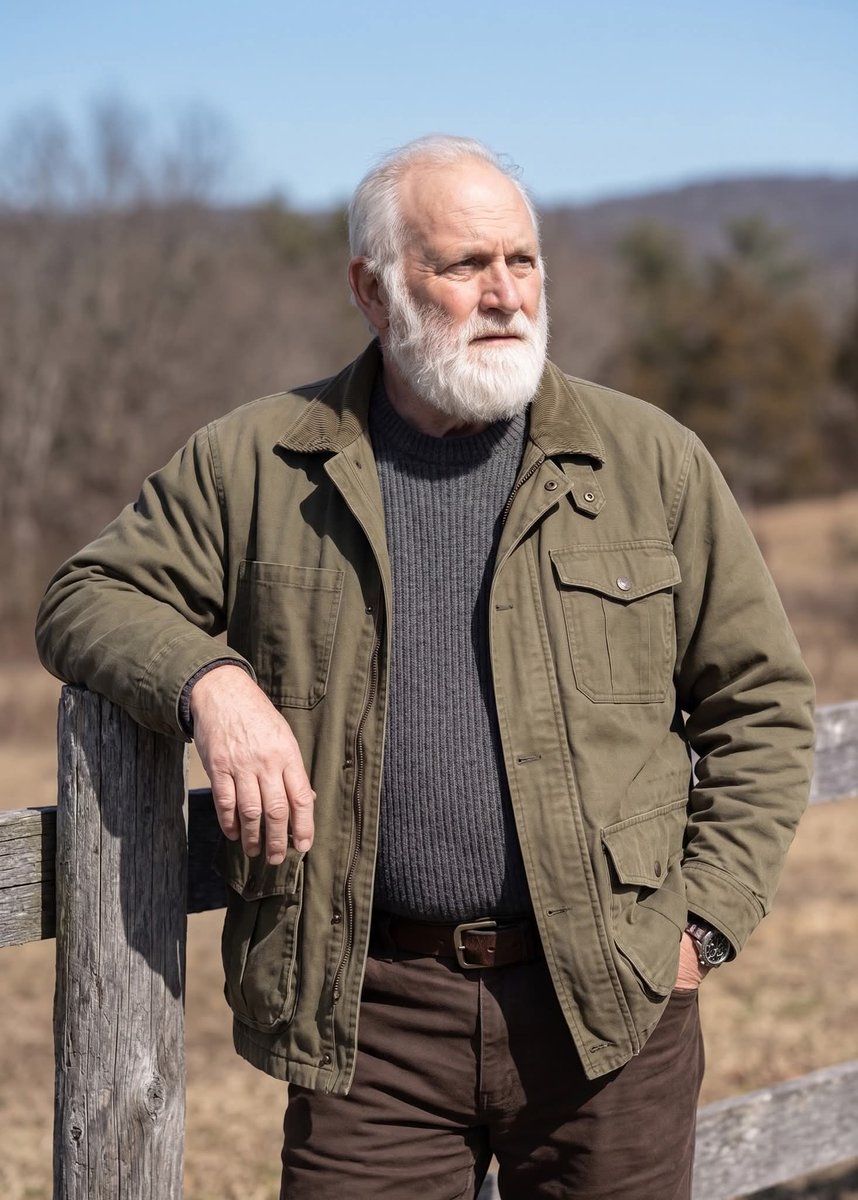
I almost threw a punch in the checkout line last Tuesday—not because I’m violent, but because at 74 years old, I finally woke up.
I’m a retired mechanic from outside Detroit. I live alone in a house that smells like dust and silence. My wife, Ellen, passed away six years ago. My kids? They’re busy in New York and Atlanta, chasing careers and raising grandkids I mostly see on FaceTime.
Recently, I realized I had become invisible. Just “that old guy” blocking the aisle with his cart, counting pennies because Social Security doesn’t stretch as far as it used to.
Every Friday, I go to the big superstore on the edge of town. It’s the highlight of my week—which tells you everything you need to know about my life.
That’s where I met Mateo.
He was the cashier at Lane 4. Young—maybe 22. He had an eyebrow piercing and tattoos running down his arms, sleeves of ink disappearing under his blue vest. To a lot of folks from my generation, he looked like trouble.
His English carried a heavy accent. He’d say, “Did you find everything okay, sir?” and most people wouldn’t even look up from their phones. They’d just shove their credit card into the machine.
I watched people treat him like furniture.
A woman in a fancy coat huffed, “Can’t you go faster?”
A man muttered, “Learn the language or go home.”
Mateo never flinched. He just kept scanning, smiling, and saying, “Have a blessed day.”
Three weeks ago, I was standing behind a young mother. She looked exhausted—dark circles under her eyes, a baby crying in the cart. She was buying store-brand diapers and two jugs of milk.
When she swiped her card, the machine buzzed.
Declined.
She turned red. “I… let me put the milk back,” she stammered, holding back tears. “I get paid on Monday.”
Before I could reach for my wallet, Mateo was already moving.
He didn’t make a scene. He didn’t announce it. He simply pulled a crumpled ten-dollar bill from his pocket, scanned it, and handed her the receipt.
“It is covered, miss,” he said quietly. “Go feed the baby.”
She stared at him, shocked, whispered thank you, and hurried out. The next customer immediately started complaining about the wait.
But I saw.
That night, I sat in my recliner staring at the wall. Here was this kid—working for minimum wage, getting treated like dirt—giving away his own money to a stranger.
Meanwhile, I’d spent the last five years feeling sorry for myself.
The next Friday, I wrote a note on a napkin. When I got to his register, I slid it over. It said:
“You are a good man. I saw what you did.”
Mateo read it. He looked up, and for the first time, his professional mask slipped. His eyes filled with tears.
“Thank you, Mr. Frank,” he whispered.
We started talking.
I learned he works two jobs and takes online night classes to become a paramedic.
“I want to save lives,” he told me. “My parents sacrificed everything to get me here. I cannot waste it.”
Then came last Tuesday.
The store was packed. Tensions were high—these days, everyone seems on edge. A large man in a baseball cap slammed his items onto the belt.
Mateo made a small mistake. He had to void an item. It took an extra thirty seconds.
The man exploded.
“Are you stupid?” he shouted, loud enough for three lines to hear. “This is America. Why do they hire people who can’t even run a register? Go back to where you came from!”
The air went still.
People stared at the floor. The cashier next to us looked terrified.
Mateo just stared at the scanner, his hands trembling slightly.
My heart pounded. My whole life, I’ve been the “keep your head down” type. Don’t make waves. Mind your business.
But this was my business.
I stepped forward. My joints ached, but I stood as tall as my 5'9" frame would allow.
“Hey!” I barked. My voice cracked—then steadied.
The man turned. “What?”
“He works harder in one shift than you probably do all week,” I said, pointing at Mateo. “He’s studying to save lives. He helped a mother buy diapers when she had nothing. What have you done today besides yell at a kid?”
The man’s face turned red. “Mind your business, old man.”
“Decency is everyone’s business,” I said. “You want to be tough? Be tough enough to show some respect.”
The line fell silent.
Then a woman behind me started clapping. Slowly.
Another person nodded. “He’s right,” someone muttered.
The man grabbed his bags and stormed off, still muttering under his breath.
I looked at Mateo.
He wasn’t trembling anymore. He stood straighter, shoulders back. He met my eyes and nodded.
A quiet understanding passed between us—between a 74-year-old retiree and a 22-year-old trying to build a future.
I walked to my car shaking.
I cried in the parking lot—not out of sadness, but because for the first time in years, I felt alive.
I felt like a human being again.
Yesterday, Mateo handed me my receipt. On the back, in neat handwriting, he had written:
“My father is far away. Today, you were like a father to me.”
I’m sharing this because we are living in angry times. We are told to hate each other. We are told to pick sides.
But here’s what I learned in that checkout line:
You don’t have to fix the world.
You don’t have to solve every problem.
Sometimes, all you have to do is change the air in the room.
Be the one who speaks up.
Be the one who sees the person behind the name tag.
Because at the end of the day, we’re all just walking each other home.
Make sure you’re good company.
283
882
4,008
93,364
Omelet. Wait, we only get one? Awwwww no fair.


2
3
846
Smokey


10
7
1,309
It’s a tough one. I could see Mayor Pete as a viable vice president, but with Kamela top of ticket it’s a pretty heavy lift.
Apr 22

Dumbest fucking idea ever. Don't do this. You'll lose, again. Just no.

1
2
670
This is an outstanding list of incorrect “facts“ they may be an opinion, but nearly every one of them was wrong and provably so. Like dialogue.
Apr 22

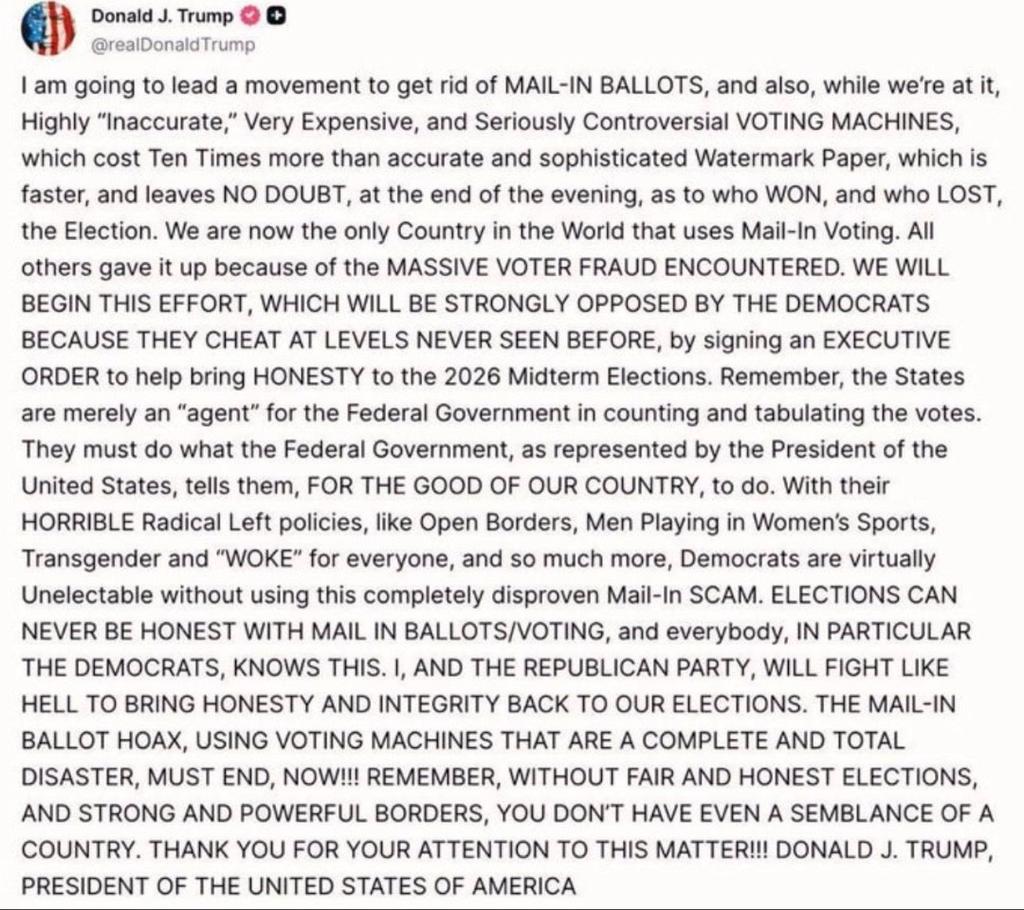
As of today, Do you consider Hillary Clinton a trustworthy leader?
1
498

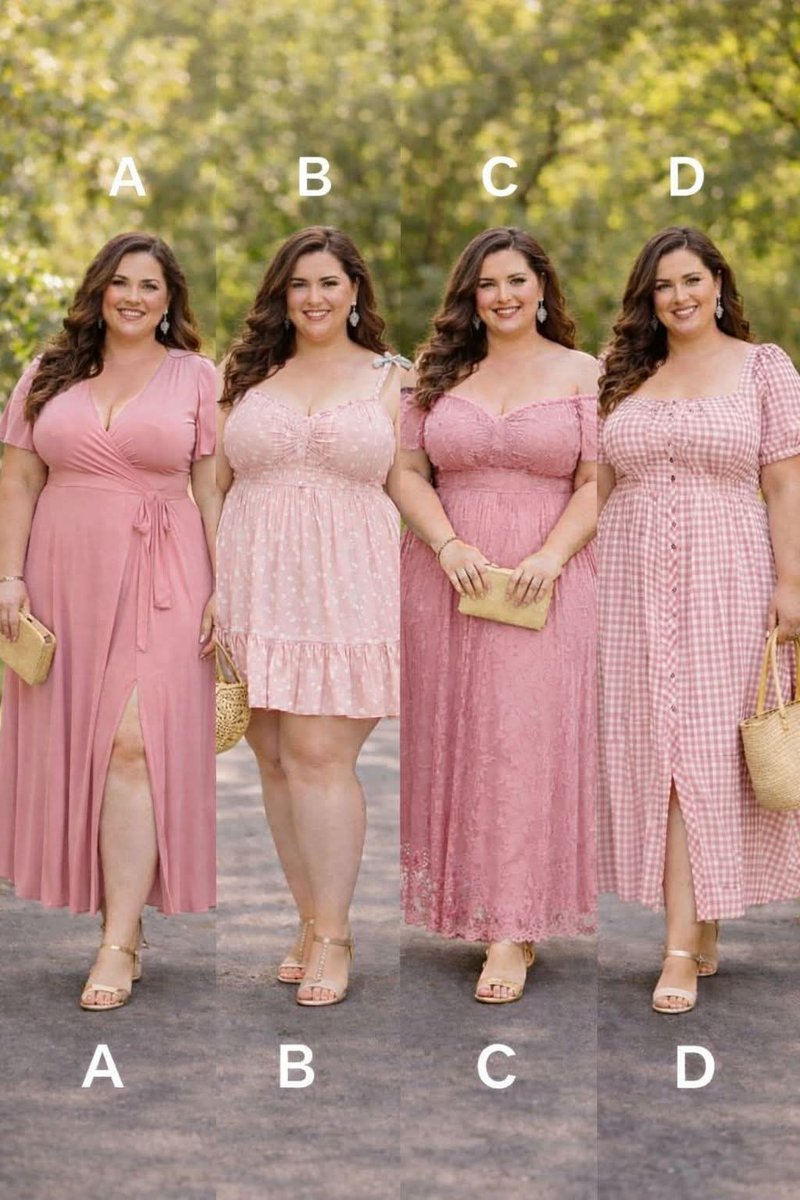
Where all of them in turn. Lots of costume changes.

2
1
832
Self deprecating humor

1
394
Engagement with others.
Apr 22

without saying drugs... what is the cure for depression? x.com/lady_valor_07/status/2…
1
382
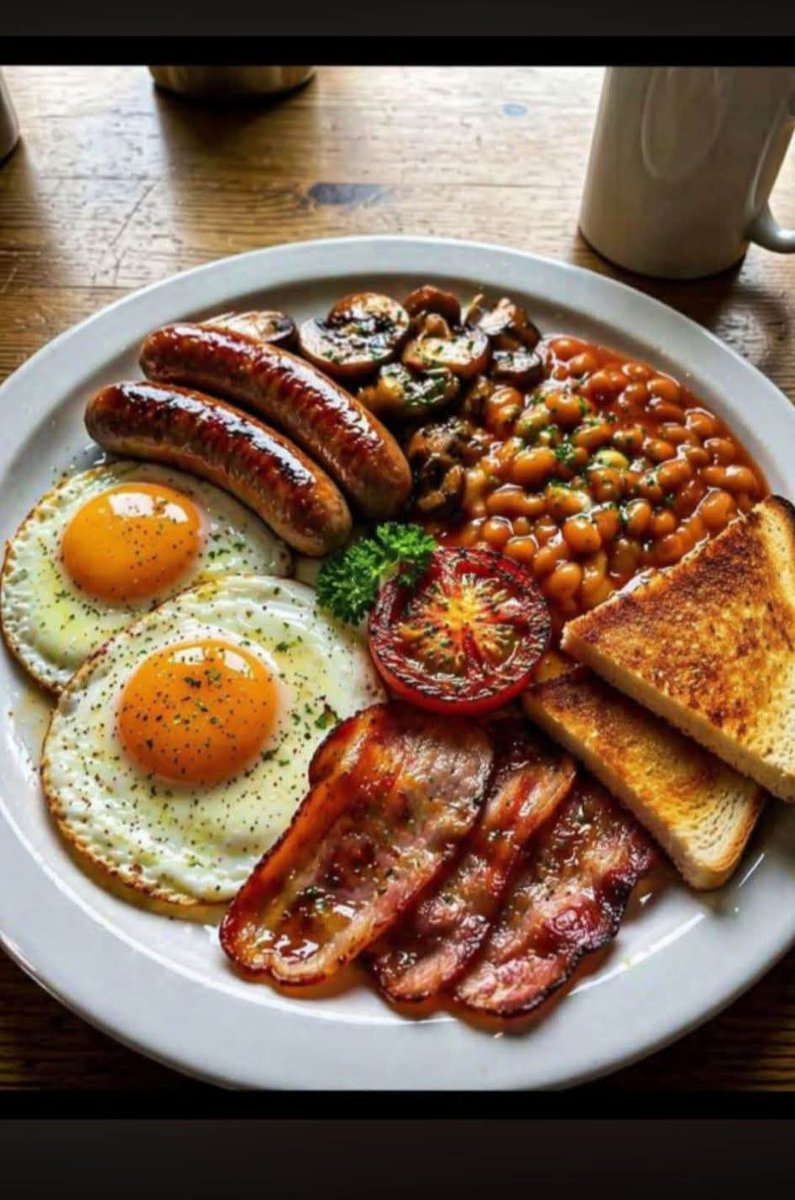
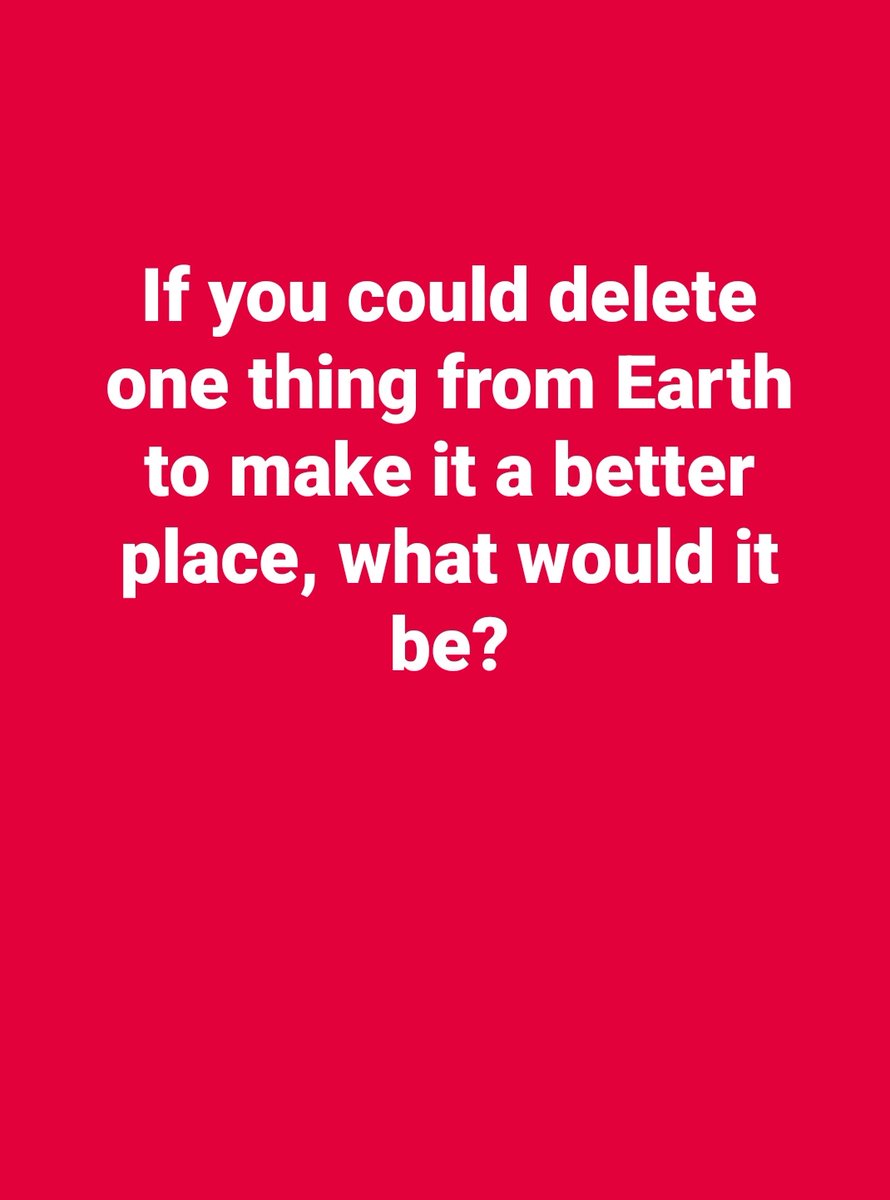
Not a damn thing. When do we get to go to your house for breakfast?

434
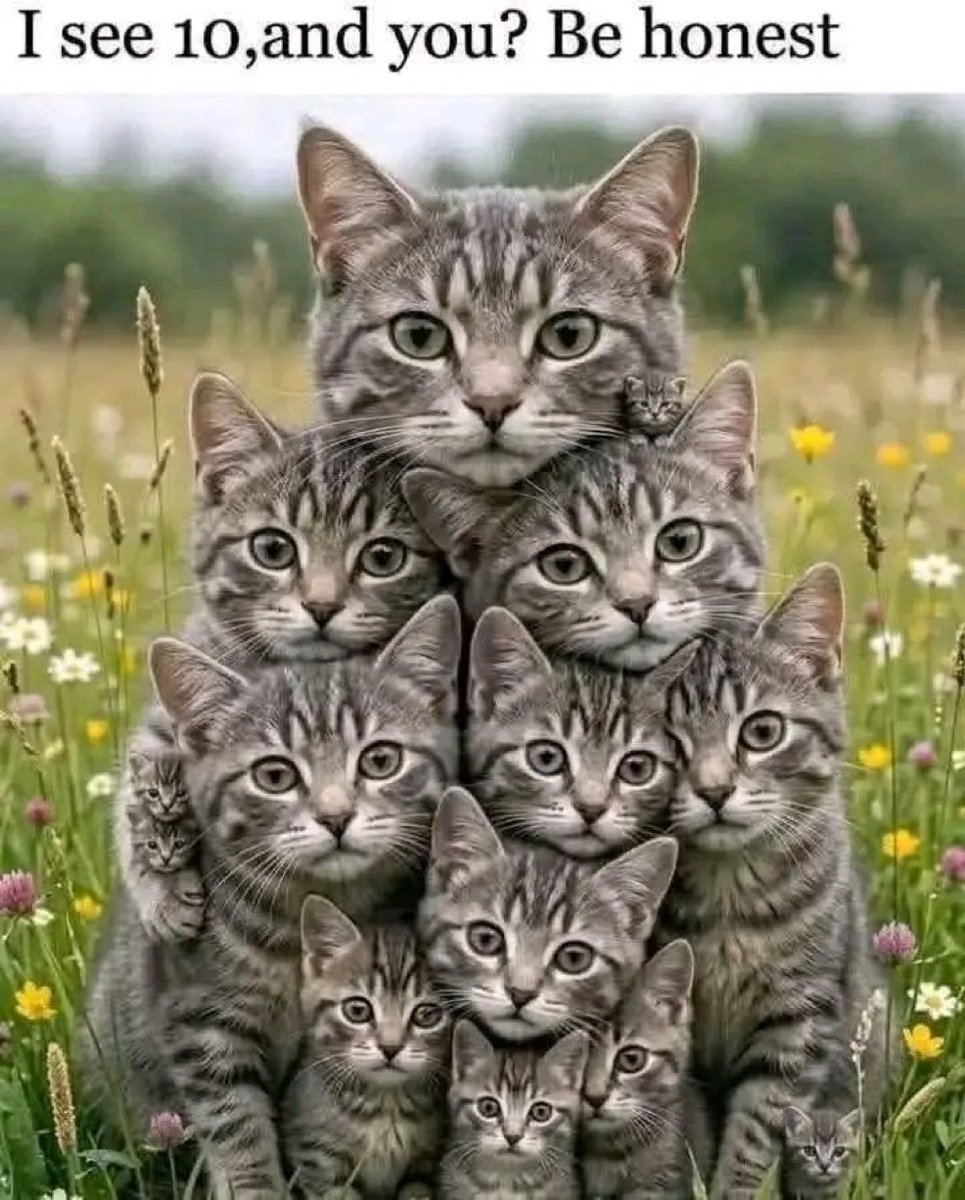
You say be honest. Why would anyone alive be dishonest about counting cats? The question is implausible.

4
1
1
628
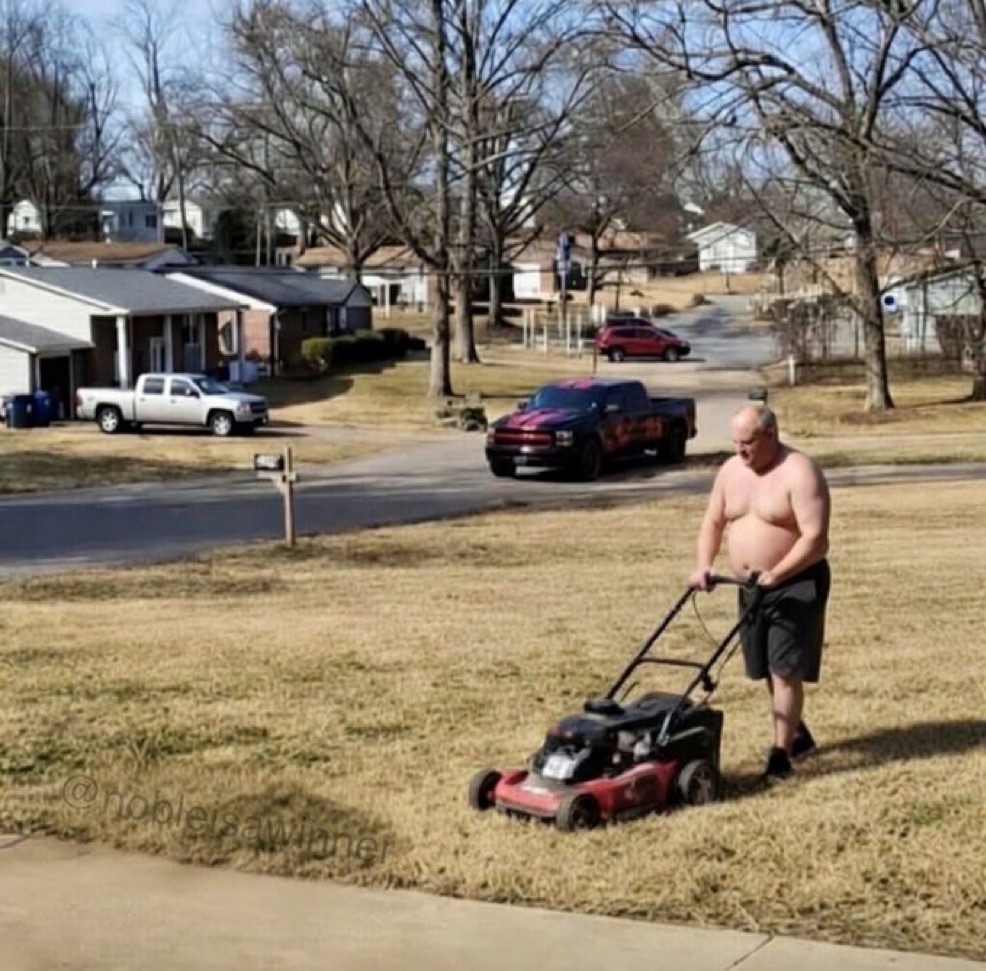
Spend your energy volunteering or making yourself an asset to the community rather than obsessing on your neighbors lack of shirt while he mows the lawn. You’ll make the world a better place and you’ll be a better person.
Apr 19
WHOSE SIDE ARE YOU ON?
Is this guy in the picture OK with you?
Someone’s story: “To my neighbor who thinks mowing the lawn shirtless in a family neighborhood is totally normal. I've already contacted the authorities. This isn't a beach. It's not a gym. It's a residential street where families live and kids are outside all the time. I don't care if it's 90 degrees out—PUT A SHIRT ON! Basic standards and common courtesy still exist for a reason. Broad daylight. Front yard. Acting like this is completely acceptable behavior.”
Then he asks: “Am I crazy for thinking there should be at least some level of decency in shared spaces, or are we just throwing social norms out the window now? Your thoughts?”
7
1,087

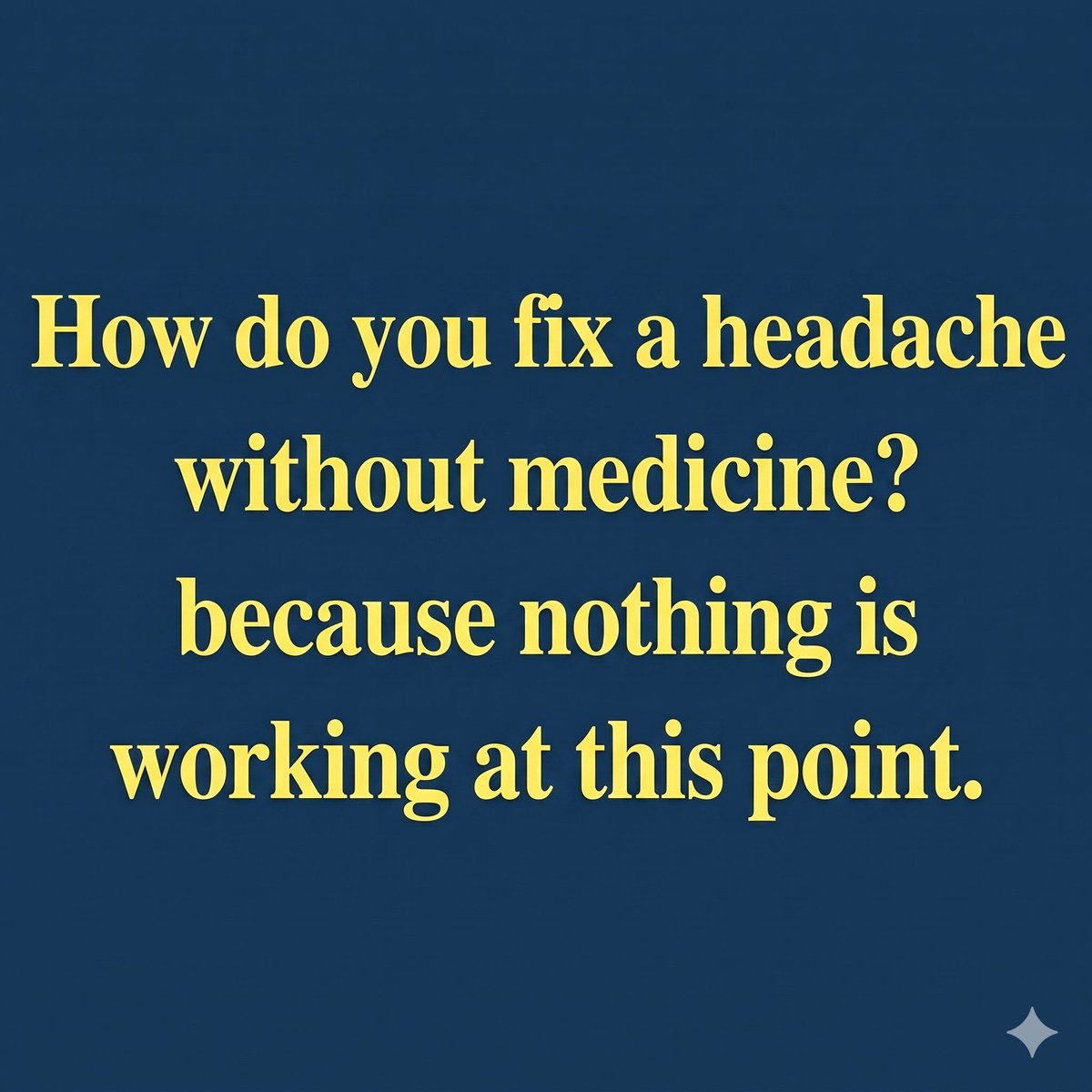
Drink a lot of water and take a nap.
2
5
816