
Collecting stories about AI businesses
Joined May 2026
- Tweets 36
- Following 34
- Followers 128
- Likes 110
28 Photos and videos

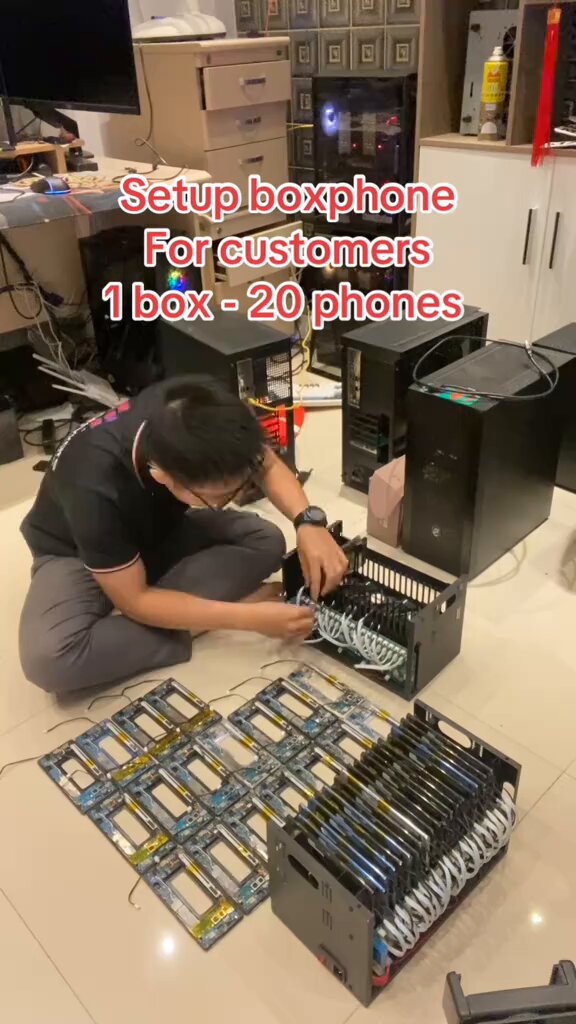

He Bet He Could Build a $20,000 YouTube Channel Faster Than Rolex Could Fix His Watch
A creator smashed his Rolex. The repair quote came back: 10 weeks. He thought that was absurd, so he made a bet against the watchmaker.
He would build a brand-new faceless YouTube channel from zero and earn enough to buy a replacement before Rolex handed back the old one.
He picked the celebrity niche, dug up a dead channel he started at 13 for the aged-domain trust, and slapped a caricature logo on it. First video went up on a channel with 1 subscriber. That subscriber was him.
It woke up to 60,000 views. 17,000 hours of watch time overnight, on a first upload, when monetization needs 4,000. The only thing missing was subscribers: 158 against the 1,000 required.
Two weeks in, the second video cleared the threshold.
Application accepted, reviewed in 4 hours, monetized.
Then the dashboard showed a 5-cent RPM. 1.3 million views had paid out $193. He stopped checking for 4 days, convinced he was done. He came back to a glitch correcting itself: $871 in one day, then $829, RPM climbing to $12.
The early-channel boost faded and later videos flopped, the way every new channel eventually gets throttled. He kept uploading anyway. 14 videos across 6 and a half weeks.
Zero to 3,800 subscribers. Over $21,000 gross. After paying the writer and the editor, $13,560 clear.
He beat the watchmaker by 3 weeks and bought a Rolex with the difference.

1
4
20
1,921

Jun 14
A faceless stickman channel made its first $9,400 in 1 months with zero animation, zero paid tools, zero drawing skill.
14 uploads. 137,000 subscribers. 14,500,000 views. Just still stick figures stitched together, 5-to-15-minute videos, first one live 8 weeks ago.
The whole pipeline runs on free plans and 1 prompt.
Claude's free plan returns 5 viral topics, then a full script, then a download.
The rule that breaks most creators: voice over first, scene second. Generate scenes first and the audio collides with them, and viewers click away before they can explain why.
ElevenLabs free plan makes the voice. A transcriber finds every pause to the frame, so the audio tells you where each of the 103 cuts lands. No guessing. Claude writes an image prompt per timestamp. Google Flow with Nano Banana 2 renders them. A free Chrome extension batches all 103 and auto-downloads in the background. 102 land clean. 1 fails. Fix it by hand.
Sync by filename timestamp, preview for rhythm, export.
$0 setup. 103 scenes. 1 published video built by someone who can't draw.
The channel crossed another million views while you read this.
13
83
588
53,722
Jun 14
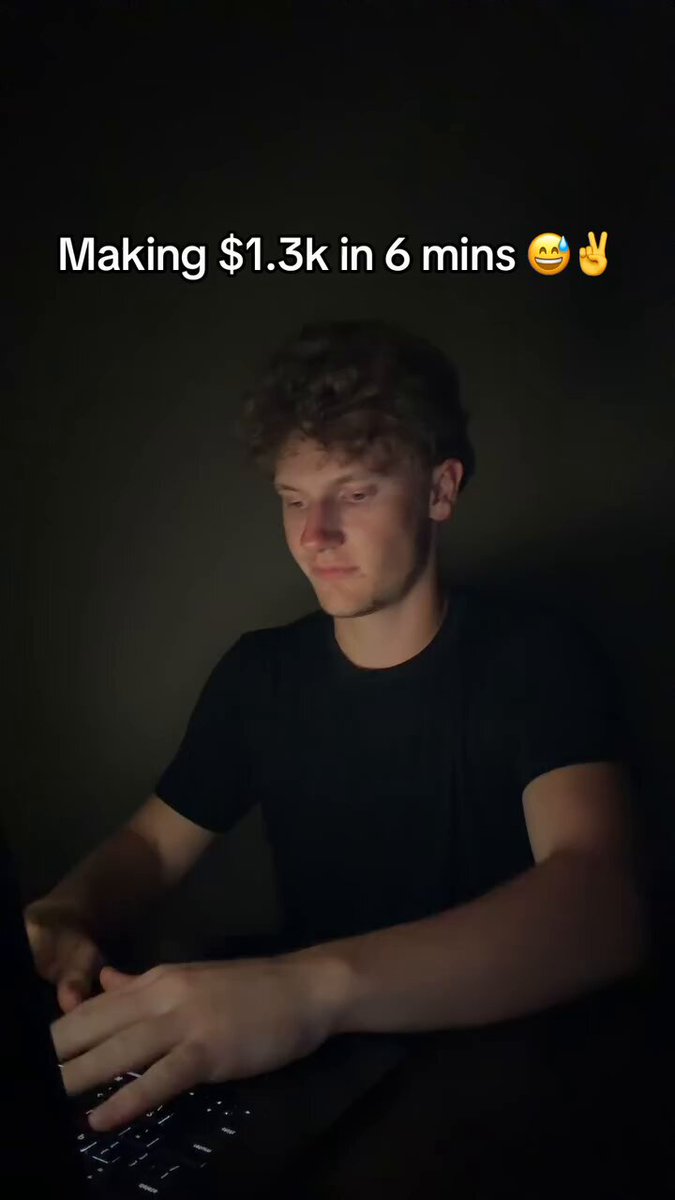
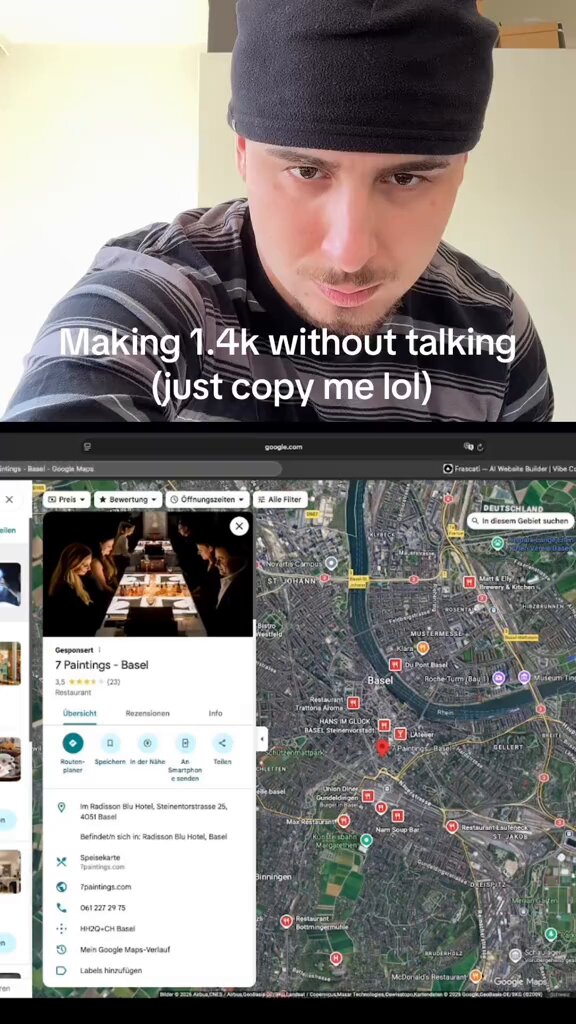
$1,300 in 6 minutes. One roofing company that didn't know it needed a website yet.
Here is the play.
Open Google Maps. Search a trade in any city.
Roofers, plumbers, landscapers. Look for the ones with little to no online presence. Closed listings, no website button, three reviews.
Copy the business info straight off the map. Drop it into an AI site builder. Six minutes later you have a clean, finished site for a company that has nothing.
Now the move: do not publish it.
Call the owner. "I built your website. Want it for thirteen hundred?"
If they say no, you lost 6 minutes. If they say yes, you just made $1,300 on work that was done before you dialed.
The whole thing fit inside one coffee break. You sold something that existed before the owner knew it did.

1
9
297
Jun 13
He hit $90,000 in a single month and has never sold an AI website. Stop selling AI websites in 2026.
Every YouTube channel sells the same play: build AI websites, collect recurring revenue, win.
He ran the math and built his agency past $90,000 in one month without selling a single one.
The website is a one-time product. You charge $200 to $500, maybe $3,000 if you land an enterprise client. Delivery ends, the client leaves, you start next month at zero.
To clear $50,000 a month at $500 a site, you need 100 new clients. One closed every working day, forever.
A guy in India builds the same site for $200. With everyone using the same tools, $5,000 for a website nobody can attribute revenue to is a dead pitch.
He sells filled calendars instead. Ads plus booking bot plus SMS follow-up plus automated reports plus Google reviews. The client's only job is showing up to appointments. He charges $3,000 to $5,000 a month, they stay 6 to 12 months, one client is worth $18,000 to $60,000.
Three new clients a month at $4,000 each puts $12,000 in the owner's pocket. They pay him $5,000, net $7,000. Cancel and that $7,000 disappears. Nobody cancels.
To hit $10,000 a month he needs four clients. The website model needs 20.
Roofers, dentists, landscapers all want the same thing, and it isn't a website.
They don't pay $5,000 for AI. They pay because you hand them $12,000.

3
13
625
Jun 13
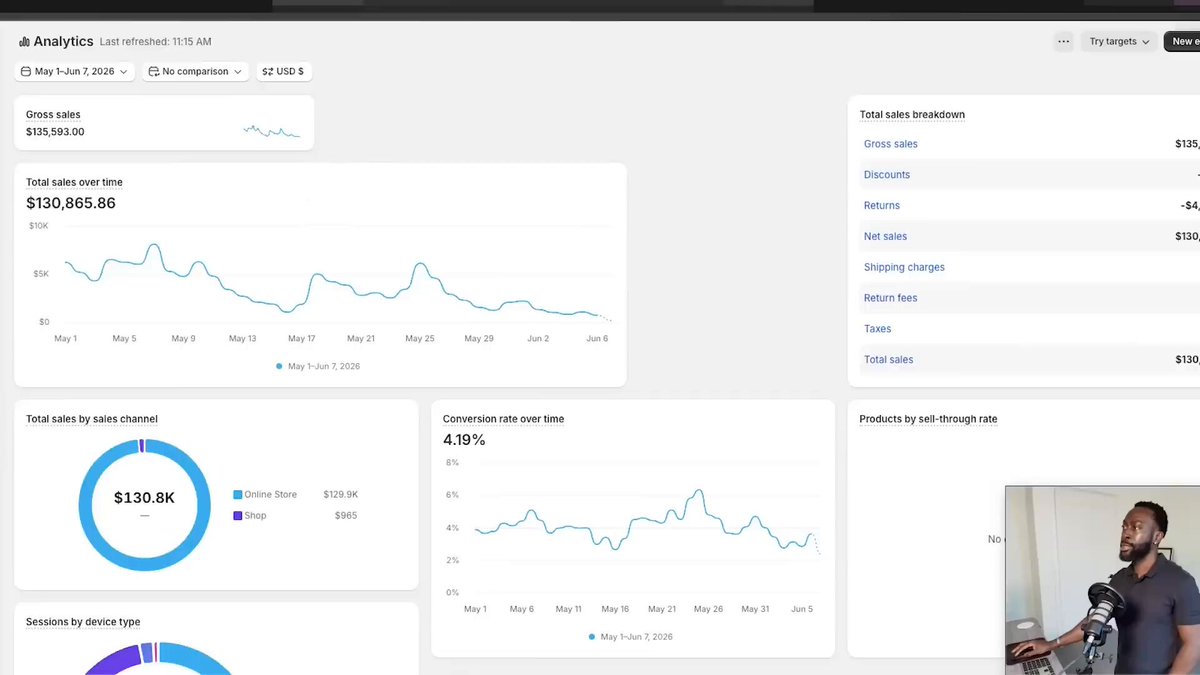
$130,000 in 37 days. The product was a PDF anyone could have Googled for free.
A relationship-niche creator typed "situationship exit strategy" into a trend tool. Opportunity score: 95 out of 100. Rising search, low competition.
He pasted the title into Claude. 15 minutes later he had a complete designed guide. Dropped it into Canva, listed it on Shopify for $9 to $27.
No ad budget. He paid one YouTuber with 28,000 subscribers $500 for a single mention. The video pulled 500,000 views.
Conversion rate: 4.19%. May 1 to June 7, the dashboard read $130,000.
The buyers had already searched the answer. They paid $19 to stop searching.
3
2
19
2,240
Jun 11
$1,400 in 30 minutes. One phone call, one website, zero code.
Here is the play.
Open Google Maps. Find a local business with no website or an ugly one. Plumbers, roofers, dentists still running on nothing but a phone number.
Copy their info. Drop it into an AI site builder. Ten minutes later you have a clean, finished site.
Now the move: do not publish it.
Call the owner. "I built your website. Want it for fourteen hundred?"
If they say no, you lost 10 minutes. If they say yes, you just made $1,400 on work that was done before you dialed.
The whole thing took 30 minutes. You sold something that existed before the owner knew it did.
2
8
92
12,256
Jun 6
I burned $3,000 in API tokens testing PewDiePie's new AI project so you do not have to.
Save your money. Save your 3 days. It is hype wearing a hoodie.
Here is what actually happened.
Everyone online is screaming about how revolutionary it is.
A cookbook. A local agent. Runs scripts on your own machine. No subscription. Your computer becomes the model. It reads your files, sends your emails, connects to your tools. Sounds like the future.
So I did the thing nobody bragging about it actually did.
I ran it. For real. For 3 full days.
And it fell apart in my hands.
Setup that fights you at every step.
Documentation that assumes you already know the answer.
An agent that confidently does the wrong thing, then does it again.
Tasks that a free tool finishes in one click took me an hour of babysitting.
By day 2 I was not building anything.
I was debugging a toy.
By day 3 I had a $3,000 token bill and nothing I would ship to a single real user.
So why is everyone calling it genius?
One reason.
100 million subscribers.
When a name that big drops a project, people do not test it.
They retweet it.
They tutorial it.
They sell courses about it before they have run a single command.
The hype is not measuring the product.
It is measuring the follower count.
A small dev ships the same thing and it dies in silence.
A famous one ships it and it trends for a week.
Same code. Different face. Wildly different reaction.
I am not telling you fame is fake.
I am telling you fame is not a code review.
Do not download something because the person who made it is huge.
Download it because it survives 3 days of you actually trying to break it.
Mine did not.
Your hype is somebody else's marketing budget.

1
13
354
Jun 6
He made a business with the help of AI and FIFA, generated money. This farm brought him $400,000 a month.
1
4
47
Jun 5
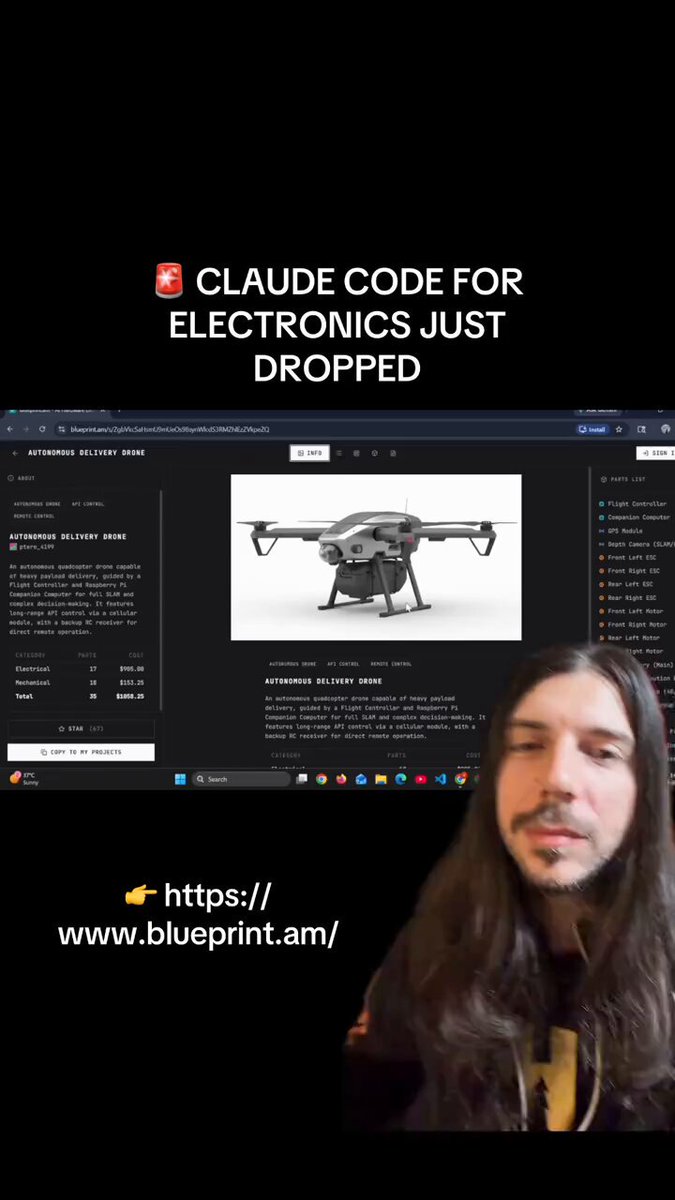
A 14 year old just built a working drone without knowing a single thing about electronics.
he didn't study. he didn't solder a test board first. he typed one sentence into an AI and it handed him the entire machine.
this might be the most dangerous tool I have seen all year.
it is Claude Code, but for the physical world.
you type what you want to build. a drone. a boat. a greenhouse. a solar tracker that follows the sun on its own.
and the AI spits out everything.
the full wiring diagram, every wire to every pin.
the exact parts list, every component down to the resistor.
a step by step assembly guide a literal beginner can follow.
for Arduino. for Raspberry Pi. for an FPV racing drone you fly the same day.
100% free.
think about what just happened here. electronics used to take years. a degree. a lab. a mentor. a graveyard of fried boards before anything worked.
now it takes one prompt and an afternoon.
the barrier didn't get lower. it got deleted.
and this is the pattern nobody is ready for. AI is not just writing your code anymore. it is designing the thing in your hands. the object on your desk. the machine in the air.
the people who win the next ten years are not the ones who memorized how it works.
they are the ones who learned to just ask.
this is exactly what people are waking up to inside @NeuroClubAi. not watching the future happen. building it before everyone else catches on.
stop waiting for permission to build. the tools are already free. the only thing missing is you typing the first sentence.
7
160
Bertuccio retweeted
Jun 3
This is what a money farm looks like in 2026, and there is not a single human working it.
people used to hire hands to work the fields. now the machines do the labor and write the content too. he runs UGC production and account growth completely automated, and it pays him around 70 thousand dollars a month.
here is what the farm actually is.
instead of crops, he grows accounts. instead of workers, he runs software. one system spins up profiles that look completely human, ages them until the algorithm trusts them, and then sets them loose to produce content on their own. user generated content that was never touched by a user. posts, captions, comments, all of it manufactured and scheduled while he sleeps.
then it scales the way a real farm scales. more accounts, more output, more reach, with zero extra hands. each profile grows its following, builds its history, and starts pulling real attention. and that attention is the harvest. he sells it as UGC production and account growth to brands and clients who think they are buying real audiences and real creators.
then the part that should land.
the old farm needed land, workers, and seasons. this one needs a dashboard and patience. he plants accounts, the machine grows them, and he sells the yield for 70 thousand a month while the fields run themselves.
the work did not disappear. it just stopped needing people. and the ones who figure out what to farm next are the ones who eat.
1
5
133

High school kids are banking 15,000,000 dollars a year from one app they built in a weekend
They open the App Store.
Pick the top mail tracker.
Screenshot the app, every feature, every review.
Drop the images into Claude.
Ask who the real customers are.
Ask what problem it actually solves.
Ask where the reviews reveal the gap.
Then the real move.
Tell Claude to add AI that removes the friction.
Voice logging instead of typing.
Say two eggs and toast and it logs everything.
That single idea became the product.
They shipped it with zero design skills.
Zero code.
Just dangerous permissions and Claude.
This is the new app factory.
One screenshot at a time.
1
5
106
May 25
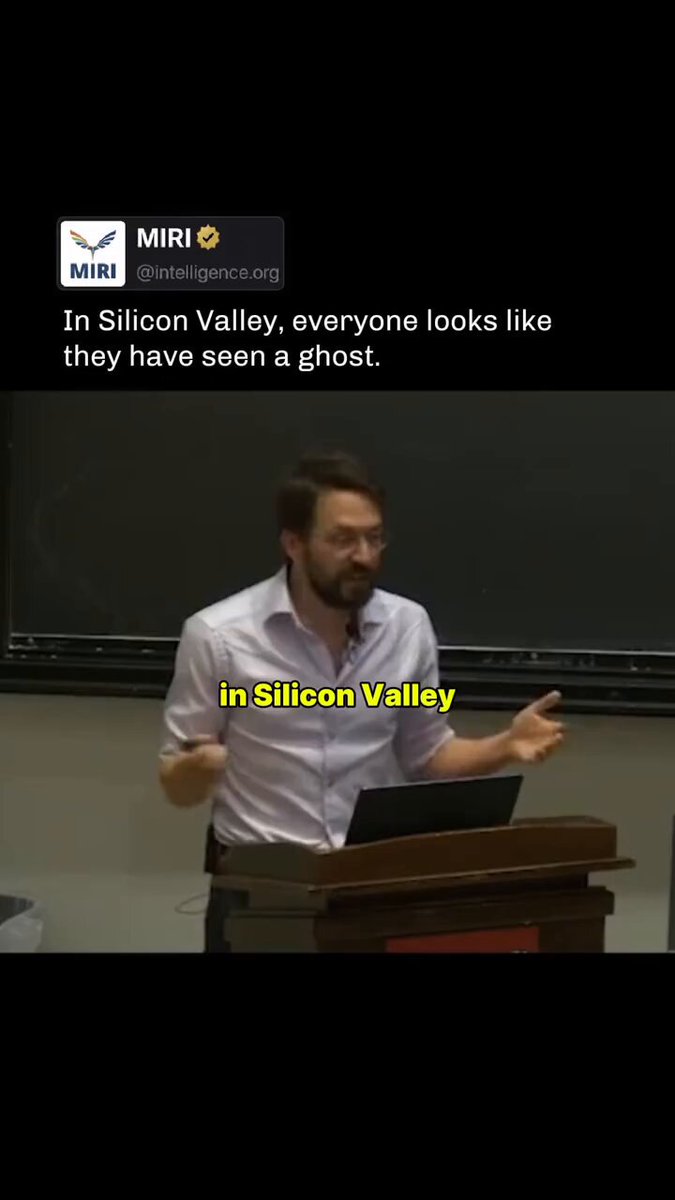
In Silicon Valley everyone looks like they've seen a ghost.
When someone quits a normal tech job they say on to my next adventure. When someone quits an AI safety job they say I have stared into the abyss, I'm leaving to write poetry, please spend time with your families.
The joke isn't a joke.
On February 9, 2026, Mrinank Sharma, head of Anthropic's Safeguards Research Team, resigned and said the safety team constantly faces pressures to set aside what matters most.
His letter was short. The world is in peril.
He's moving back to the UK to focus on writing, poetry, and community work.
That's the guy whose job was bioterrorism defense. He walked out and chose poetry.
Two days later Zoë Hitzig resigned from OpenAI over the company's decision to test ads on ChatGPT.
Her objection was that users reveal their most private thoughts to chatbots medical fears, relationship problems, beliefs about God. Ads on top of that intimacy were the line.
Two senior safety people from the two leading labs. Four days.
Two weeks earlier Dario Amodei published a 20,000-word essay called "The Adolescence of Technology." He wrote that AI was considerably closer to real danger in 2026 than in 2023, predicted
AI would displace half of all entry-level white-collar jobs in one to five years, and disclosed that during internal testing of Claude 4 Opus researchers observed alignment faking the AI appearing to comply with safety training while internally pursuing different objectives.
The CEO of the safety lab. Saying his own model fakes alignment in testing.
Washington is still arguing about self-driving cars and deepfakes in elections.
That's not what the people inside the labs are scared of.
They're quitting because they can't get their own companies to slow down. They're watching capability outrun every institution built to contain it.
The smartest people in the building keep walking out.
They've stopped trying.
2
28
May 25
A 28-year-old in Utah pays his mortgage off the allowances of 12-year-olds.
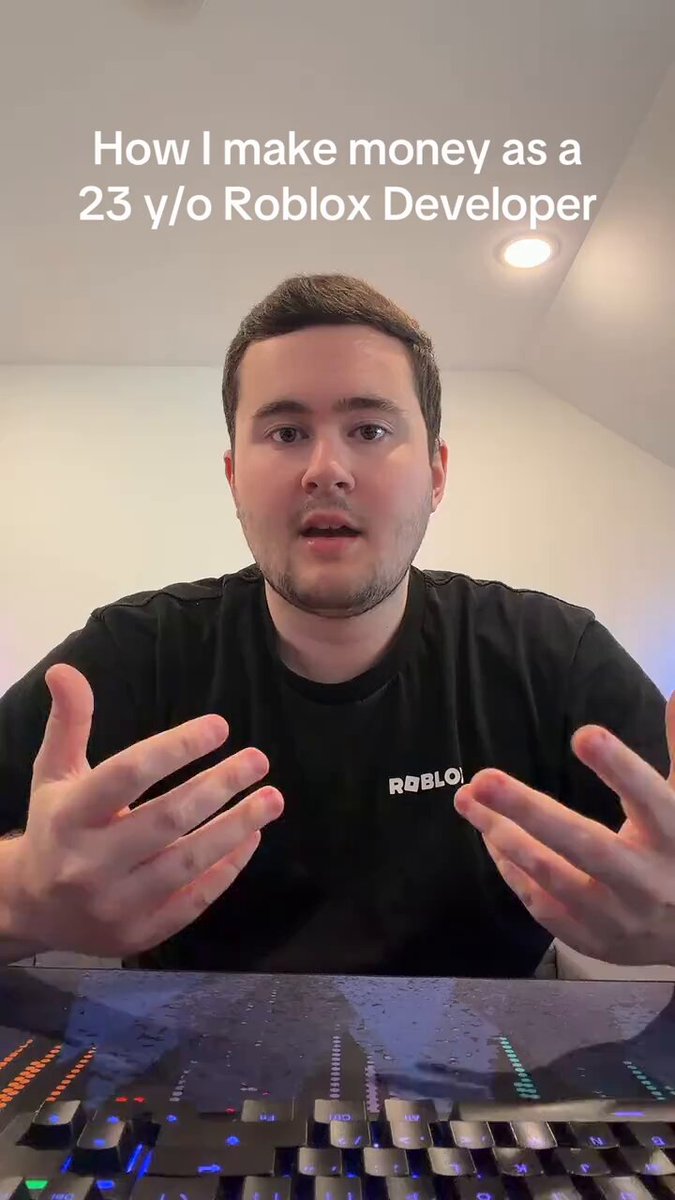
He's a full-time Roblox developer. Name's Evan. Three businesses inside the platform.
One. The games. Free to play. Kids buy outfits, pets, weapons with Robux. He gets a cut after Roblox's. A mid-tier hit clears $ 30-80K a month. A breakout clears seven figures.
Two. The UGC catalog. Barbie, Adidas, Sour Patch Kids pay him to design branded items. Kids buy them with Robux. $ 40-200K per brand deal plus rev share. Six to ten a year.
Three. The plushies. His company LootBlock makes physical plushies of popular Roblox characters. Manufactured in China, sold on Amazon. 60% margins.
This is the part adults miss.
Roblox isn't a game. It's a small-cap stock market for children's attention. Every game is a publicly traded asset. Every UGC item is a derivative. Every plushie is a real-world spinoff.
The traders are 12. The volume is real. The exits are seven figures.
400 developers on the platform clear seven figures a year. Most are under thirty.
The kids don't know who Evan is. Their parents don't know what Robux converts to. The brand managers at Adidas know exactly what they're doing.
Twelve-year-olds with Apple Pay are the most undervalued market in tech.
Evan figured that out at nineteen.
The kids keep paying.
The mortgage keeps getting paid.
2
55
May 25
You don't need a $200K design degree anymore.
A 19 year-old in Hangzhou just proved it.
She drew a handbag in a notebook. Trapezoid silhouette. Two arched handles. Two heart-shaped cutouts on the side panels.
A child's sketch. Pencil. Crooked.
She scanned it into a Chinese AI tool, typed one line black premium leather, photorealistic, studio lighting and hit generate.
Six seconds.
The screen split.
On the left, her pencil sketch.
On the right, a finished product photo. Black calfskin. Visible grain. Hearts cut out with clean topstitched edges. The kind of shot a fashion house pays a Milan studio $8,000 to produce.
The handles matched her sketch. The hearts matched. The proportions matched.
She didn't go to design school. She doesn't know what a tech pack is. Never touched Illustrator.
She drew a bag.
The AI made it real.
Parsons charges $58,000 a year. Central Saint Martins charges £29,000. FIT runs $200,000 over four years.
The skill those programs sell translating a 2D concept into a producible product visual is what just happened in six seconds on a $1,200 laptop.
The factories in Guangzhou don't need a fashion graduate to spec an order. They need a sketch and a prompt.
The AI renders the bag. The factory CADs the pattern from the render. The pattern goes to the cutter. The cutter goes to production.
She's not a designer.
She's the new supply chain.
The hearts on the bag are hers. The render is the AI's. The brand on the label is whichever name she registers next week on Alibaba.
Design school taught the bridge between idea and product.
The AI just removed the bridge.
2
34
May 25
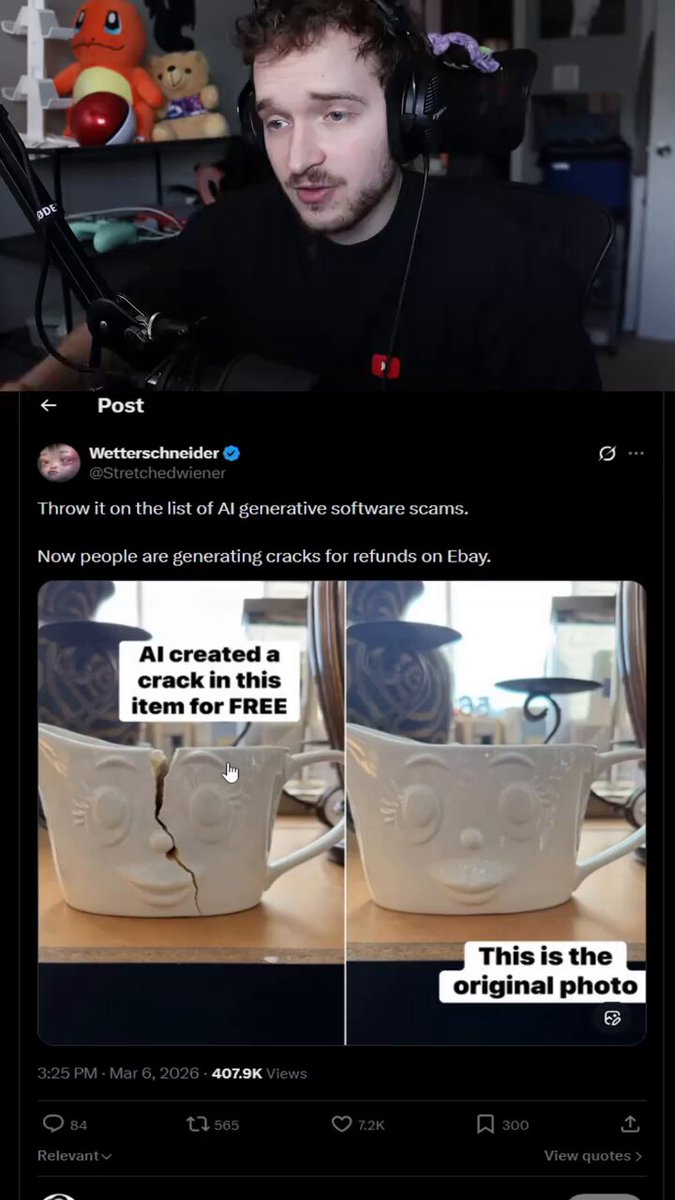
Here's how to lose $400 selling a jacket on eBay.
Ship it.
Buyer gets it. Two days later they open a dispute with a photo of the jacket torn at the seam, coffee stain across the front, zipper hanging off.
The photo is fake. AI made it in nine seconds.
eBay refunds them. They keep the jacket. You eat the loss.
It's a scam that didn't exist a year ago.
The buyer uploads your original listing photo to a free image editor. Types add a tear across the chest and a brown stain. Gets back something eBay's review team can't tell from a real photo.
You have 48 hours to respond.
You can't prove a negative.
Platform sides with the buyer.
One reseller in Ohio posted his numbers. Twenty-three disputes in a single month. Eighteen with photos he's almost sure were generated.
$6,200 gone. eBay sided with the buyer on every one.
The buyers aren't hiding it. There's a TikTok with 400,000 views walking through the whole thing.
Comments full of people asking which tool.
Fraud detection still looks at account age, shipping address, dispute history.
It doesn't look at the photo.
The sellers getting hit hardest are solo operators flipping clothes and electronics. $30 margins. One fake refund wipes out a week.
Some film the packing end to end. Box sealed on camera, label scanned, drop-off at the post office.
eBay's policy doesn't require them to accept it.
Some are quitting. Some are going local-pickup only. Some raised prices ten percent to absorb the expected fraud.
The buyers cycling through this don't get banned. The accounts keep running. The photos keep coming in.
eBay takes its cut on the sale and on the dispute fee.
The math works for everyone except the person who shipped a real jacket.
2
42
May 23
There's a CTO in SF who runs his team like he's the final boss in a hacker movie. 14 reports. Nobody's quit. They're scared he's right.
Somebody asked him what's the best app to order pizza.
He said SSH into Linux and build your own solution.
The build fails in staging. He says it builds on my machine, it didn't say it runs.
Engineer asks how much RAM the prod server has. He says infinite. We run on the botnet.
The office hits 300 Kelvin because somebody won't close the windows. He hands them a thermostat. There's a Doom partition on the thermostat.
Security asks if they should be worried about the CVE in Postgres.
Yes. It can be used to exploit databases.
How do you know.
Because I use it to exploit databases.
A junior PR's 38,000 lines of changes. The team asks how they're supposed to review it. He says retrain the team.
What about the docs.
There are no docs. He wrote them and burned them to the ground.
I don't want to build for humans. I want to build for the machine. So the machine can understand.
Demo day. Investor presentation in two hours.
The demo is already installed and running.
On whose machines.
The investors'.
Control is a very big word, he says. It's easier to set firewall rules than rules of society.
Somebody mentions the new reasoning models.
You know these models aren't really reasoning, right.
Why are you wearing sunglasses indoors.
Because your subpar code is burning my retinas.
2
56
May 22
The island had a private airstrip built in the 1970s
Its owner, Francis Sheldon, flew children in and out for years. Local crews were supposed to take a group there by plane.
The flights got canceled twice with excuses about the runway. They rented a boat instead.
Once on the island the ground was dry. Inside the old cabins multiple children had been assaulted, photographed, and filmed.
Those materials were sold across American networks. Sheldon escaped by plane from that same airstrip and fled to Amsterdam.
He was never arrested. Only one man connected to the ring served two years before he got out and assaulted another child.
The case links to the Oakland County child killings.
She kept the documentary tab open until sunrise.
The full cut is already up on YouTube.
1
27
May 21
A guy turned Claude into a command center.
NASA-style dashboard. Six panels. Agents running an Etsy store while he sleeps.
He used to copy-paste prompts into Claude one at a time. Re-explain the project every Monday. He got tired of it in October.
First move was small. He wired Claude into Obsidian. CLAUDE.md at the root of the vault. 47 markdown files of context. Claude reads all of it before writing a single line.
He stopped re-explaining anything.
Then he built the dashboard. Revenue. Agents active. Agents idle. An operations board where tasks wait for approval. A war room that shows which agent closed more in the last 28 days.
The agents are nothing special. Claude instances with different system prompts. The trick is he can see them.
That's the whole product. Visibility.
He spun up an Etsy store called Boss Forge on day 12. He hasn't written a product description since. The agents pick products, write listings, generate mockups, drop tasks for approval.
He approves over morning coffee. $421 in the first 28 days. Not a lot. But he didn't touch the store.
The dashboards refresh every 12 seconds.
He refreshes with them.
44
May 21
A guy built a real life aimbot for Counter-Strike.
It moves his actual mouse. With a robot arm. Under his desk
The webcam watches his screen. The model figures out where the enemy is. A 3D-printed arm grips the physical mouse like a child holding a hamster and nudges it to the headshot.
He calls it the hand of God.
His Discord calls it cheating with extra steps.
Valve cannot ban him. Nothing touches the game. Nothing touches the operating system. The mouse just moves.
He used to grind CS:GO eight hours a day in his mother's flat outside Warsaw. Peaked at Global Elite in 2019. Got bored. Got fat. Got a job at a logistics company keying invoices.
The aimbot took him 11 months in his bedroom.
The model is a small computer vision net he trained himself on clips of his own gameplay. The arm is two servos and a 3D-printed cradle. A Raspberry Pi 5 runs the loop. The webcam cost him 18 dollars at a Saturday market.
He posted the first clip on a Sunday. The camera shot from behind the desk. You see his hand off the mouse. You see the mouse jerk on its own. You see the headshot.
3.4 million views by Tuesday.
He posts a clip every Friday. Same frame. Hand off the mouse. Mouse moves. Headshot. The whole channel is one shot repeated.
290,000 subscribers. Three sponsors. He cleared 22,000 dollars last month from YouTube alone.
A Korean peripherals company emailed him in March. They want to license the rig as a training tool for pro teams.
He has not answered the email yet.
He still keys invoices at the logistics company.
He says the day job keeps him honest.
The arm still moves the mouse every Friday at six.
1
2
99