1,044 Photos and videos










Pinned Tweet

12 Aug 2023
Please take 10mins out of your day and try helping a good family, if you can? We hate being in this situation and really need the support.
Donate or share. ❤
gofundme.com/f/rearended-fam…
2
3
4
2,163
10 Oct 2023
3
1
388
10 Oct 2023
"The greatest enemy, or threat to peace, is the oppression of others, and the inability to remember the past." ~JAK
The Jewish faith and administration of Israel needs to remember their own oppression by Germans before the start of WW2. When Jews were segregated, refused food, trade, and water. Regulated to slums, and mistreated at every opportunity.
These fowl deeds, are exactly the same deeds delivered out to Palestinians for many years. An all-powerful nation, against the weak, and mistreated.
Its a shame of humanity, to ignore the reasons for the attack against Israel, and to only cheer the oppressors, not defend the oppressed.
This is not their 911, this is their Karma.
God Bless ✝️ the Weak.
1
303
Beta Syndicate Magazine retweeted
12 Aug 2023
Please take 10mins out of your day and try helping a good family, if you can? We hate being in this situation and really need the support.
Donate or share. ❤
gofundme.com/f/rearended-fam…
2
3
4
2,163
Beta Syndicate Magazine retweeted

5 Oct 2023
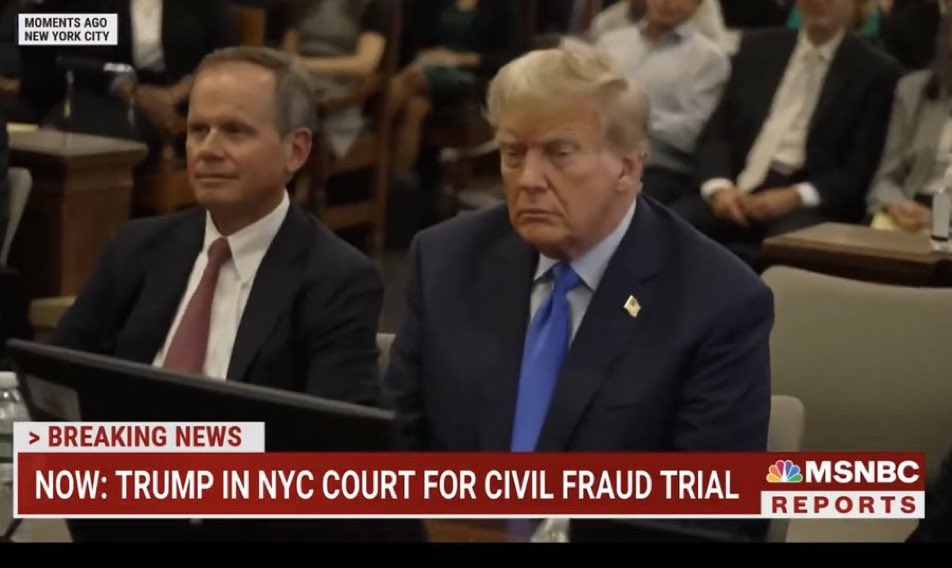
Is Donald Trump the most corrupt president in American history or the dumbest and the most incompetent one?
13,529
2,752
19,945
1,583,085
5 Oct 2023
Oh look, @elonmusk is spreading rightist propaganda. Again. Might as well start posting Nazi stuff again, and playing stupid. Do what you're good at, Elon.

102
5 Oct 2023
🤗Can you accept my invitation to help me get up to $100 credit? Click here and accept my invitation on Temu app! 🎁
temu.com/s/EM5eBgrAxlIRwLE
57
5 Oct 2023
Can you do me a favor? Just accept this invitation, up to $50 for each of us!!
temu.com/s/hDLxiTc4i4ftdJq
63
5 Oct 2023
Can you do me a favor? Just accept this invitation, up to $50 for each of us!!
temu.com/s/reIDiLzTSqKIF
53
5 Oct 2023
TEMU makes shopping more fun, and more importantly, business wise, even more addictive.
Will @amazon take notice and emulate TEMU with interactive fun additions?
One would hope @JeffBezos would look at what TEMU does that Amazon doesn't, and make some changes.
Sign up for TEMU here:
temu.to/m/umrckjoat26
Read our quick review here: publish0x.com/smash-and-grab…
137
Beta Syndicate Magazine retweeted

4 Oct 2023
1
4
14
388
Beta Syndicate Magazine retweeted

3 Oct 2023
Happy anniversary, sweetheart! @MichelleObama, you're brilliant, kind, funny, and beautiful—and I'm lucky to call you mine.

37,082
55,144
1,124,616
61,762,692
3 Oct 2023
Vivek Ramaswamy, a candidate vying for the presidency, has put forth a proposition to increase the minimum voting age in the United States from 18 to 25, with a requirement to pass a test.
However, this proposal immediately raises concerns about the potential suppression of voting power. At the age of 18, individuals attain legal adulthood, allowing them to enlist in the military and potentially be deployed to combat zones. It's essential to recognize that the decisions made in America have broad consequences affecting everyone, and as responsible adults, citizens should possess the autonomy to exercise their judgment when voting, even if their choices might be considered less favorable.
In the context of the American legal landscape, the Constitution safeguards the right to vote. The 26th Amendment, ratified in 1971, established that "the right of citizens of the United States, who are eighteen years of age or older, to vote shall not be denied or abridged by the United States or by any State on account of age." This Amendment firmly solidified the voting rights of young adults, emphasizing the importance of their participation in shaping the nation's future.
Moreover, attempting to implement a test for voting eligibility could potentially infringe upon citizens' constitutional rights, as it might create a barrier to the free exercise of this fundamental democratic privilege. Historically, the U.S. has strived to expand voting rights and dismantle obstacles that hinder the populace's ability to partake in the democratic process.
Additionally, focusing on Generation Z voters, who fall within the 18 to 25 age range, reveals a prevalent issue of disengagement from the political process. Stripping these individuals of their voting rights based on a test could inadvertently generate a counterproductive backlash, kindling enthusiasm and motivating young voters to fight against such limitations.
In light of these considerations, it appears that Vivek Ramaswamy's proposal to raise the voting age and introduce a test for eligibility might run afoul of the Constitution's established principles. Rather than limiting voting rights, a more effective approach could involve initiatives to educate and engage young voters, fostering a sense of responsibility and empowerment in their role as active participants in shaping the nation's trajectory.
1
93