Scientist | author | traveler. My latest book - When the Drugs Don’t Work: amazon.in/When-Drugs-Dont-Wo…
Joined December 2009
- Tweets 84,899
- Following 562
- Followers 14,333
- Likes 35,130
7,364 Photos and videos
Anirban retweeted

bixonimania - AI Is Diagnosing People With A Made Up Disease
How a fake disease fooled AI, by @bhalomanush open.substack.com/pub/gyande…
1
171
Anirban retweeted

"What looks like a complete record can be incomplete for a century, simply because the right reader has not arrived. The data was there. The expertise to read it was elsewhere. And the two had not been introduced." writes @bhalomanush
open.substack.com/pub/gyande…?
1
1
217

May 7
peak Twitter/X when every single long post bashing ai is also written by ai
5
267
Apr 29
What a time to be alive when reality doesn’t matter to humans and nearly every AI chatbot response goes “here’s my honest take…”
1
2
344
Apr 29
We are not living in the simulation. The simulation is living in us
1
2
183
Apr 29
Are firstborn children smarter because of germs in early life? linkedin.com/posts/mahapatra…
2
5
394
Apr 16
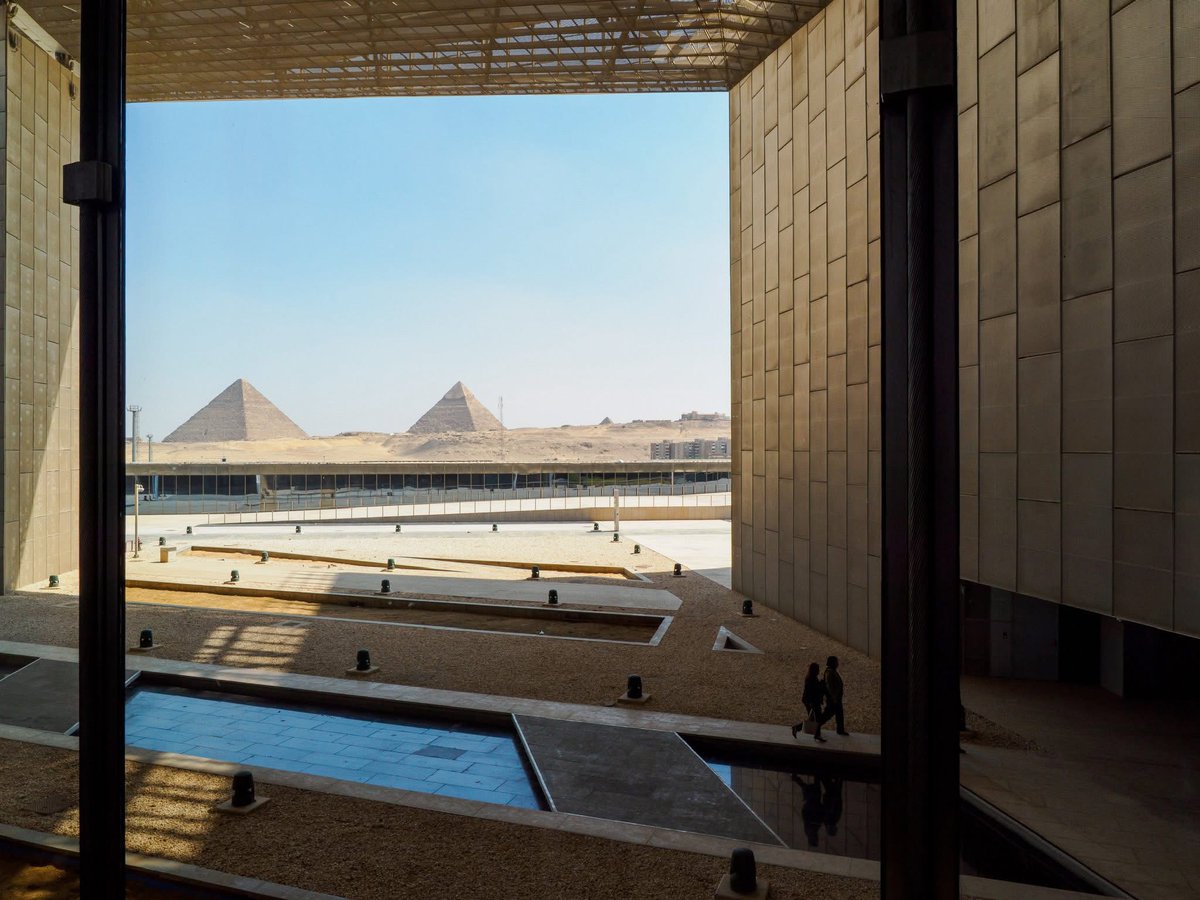
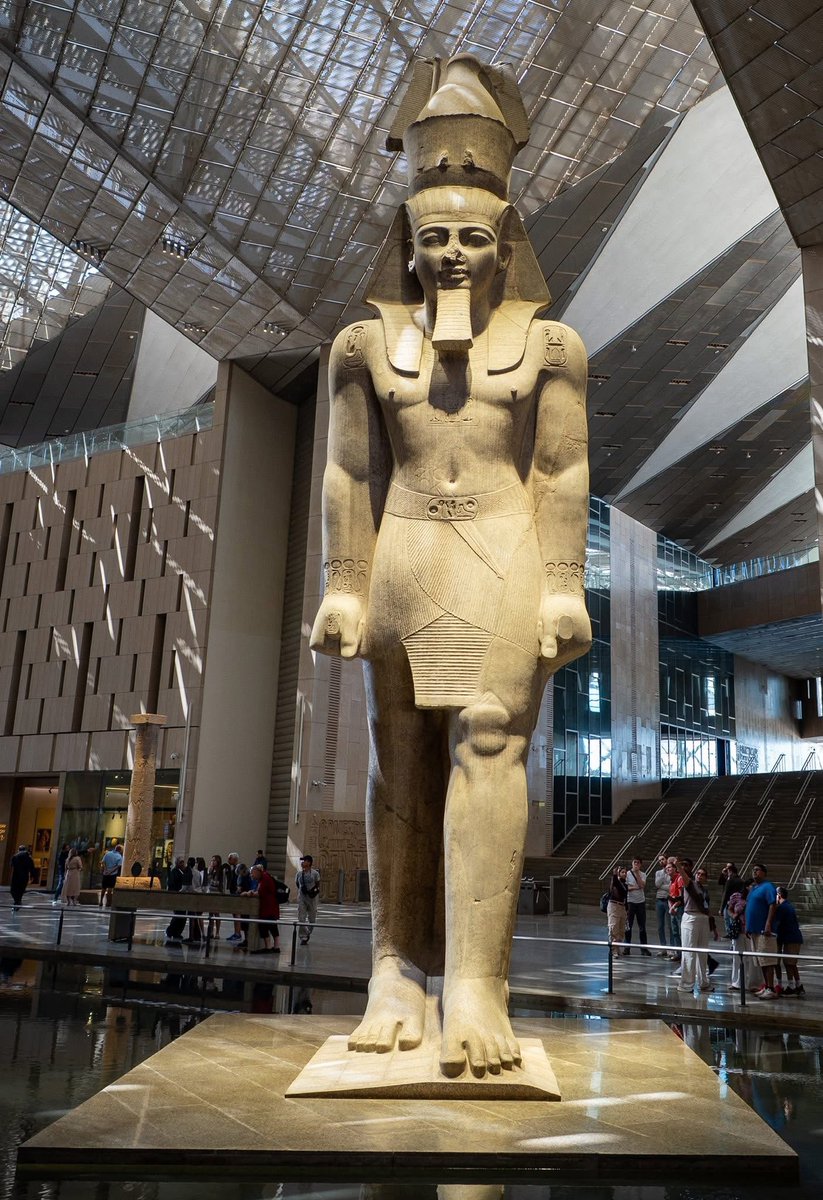
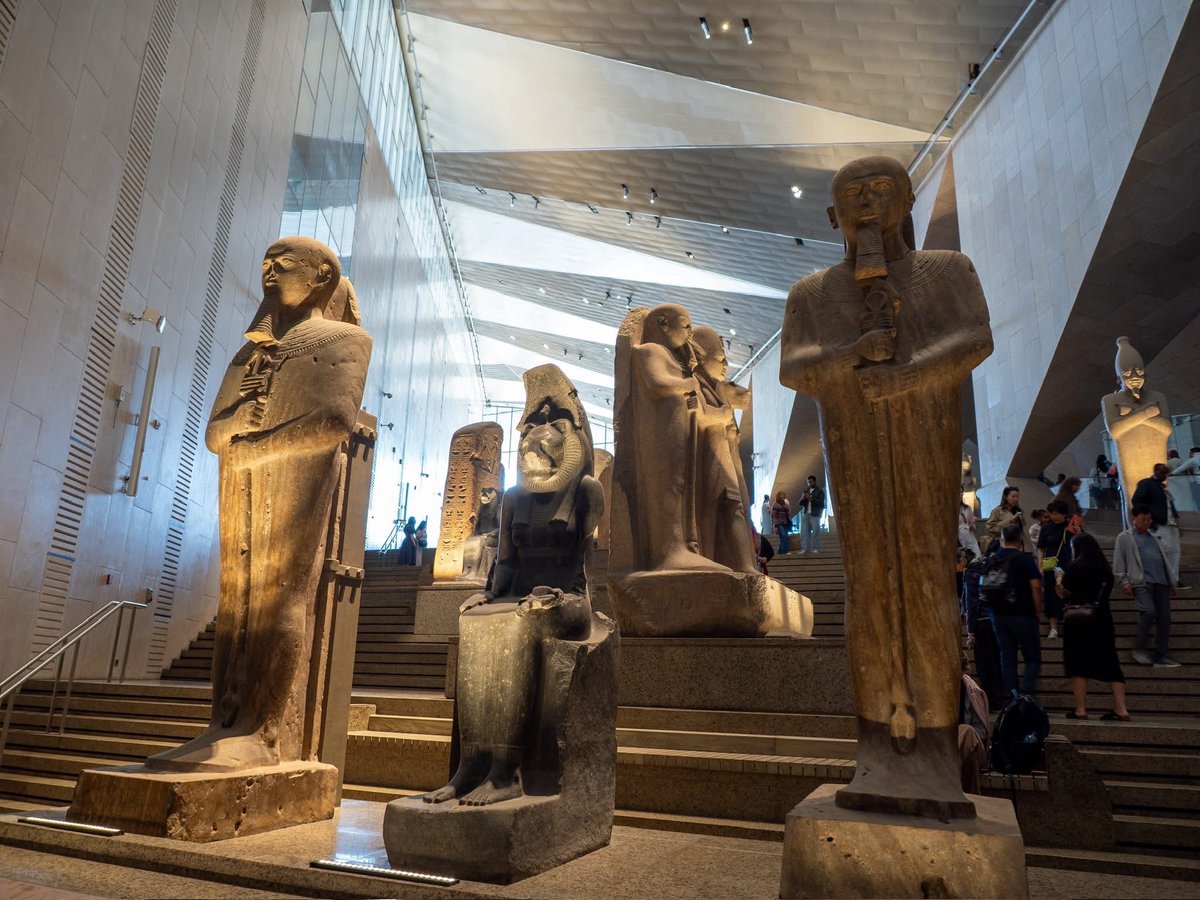
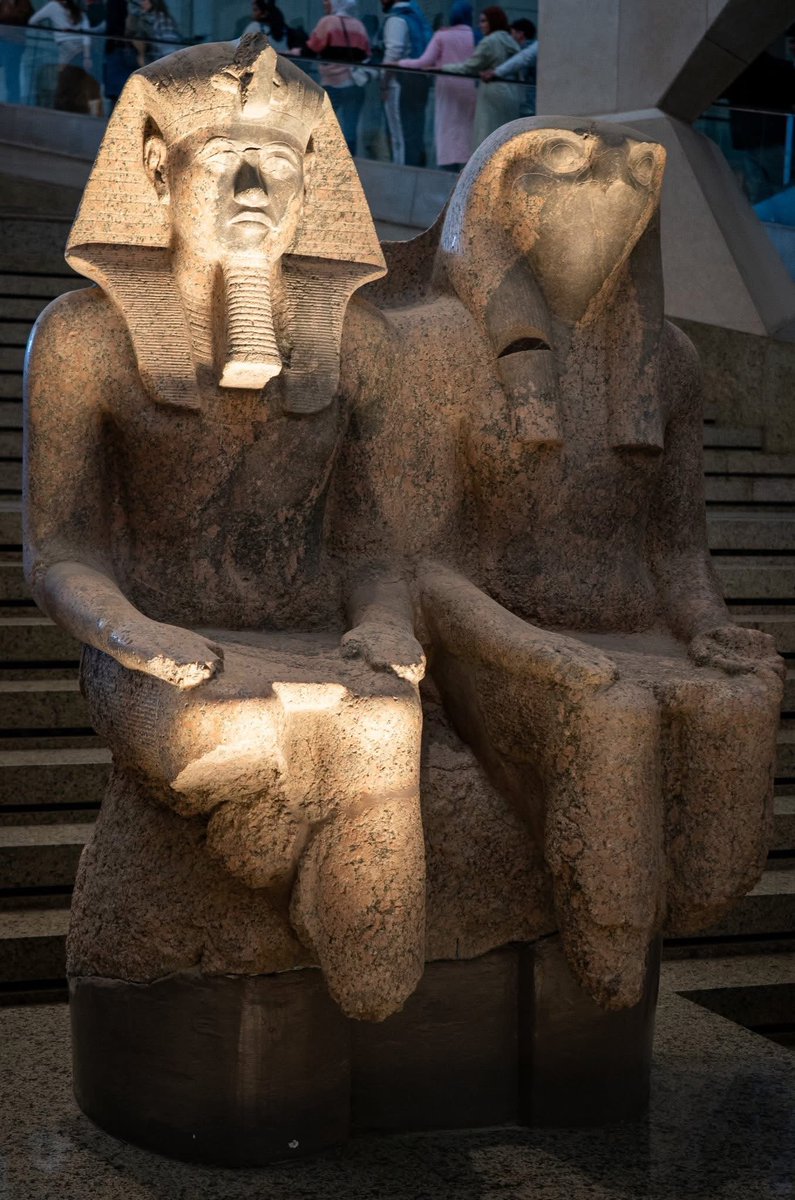
The Grand Egyptian Museum opened in November 2025 after more than twenty years of construction, delays from revolution and pandemic, and a national will that refused to let the project die. It is why we visited Egypt when we did. Most breathtaking museum I’ve ever visited.
1
10
524
Apr 16
Absolutely no reason why western museums should hold on to precious Egyptian artifacts like the Rosetta Stone or the bust of Nefertiti. Send them back to Egypt where they belong.
1
2
217
Apr 15
I must’ve aged 10 years during those two Bayern UCL quarterfinals 😅
2
287
Apr 15
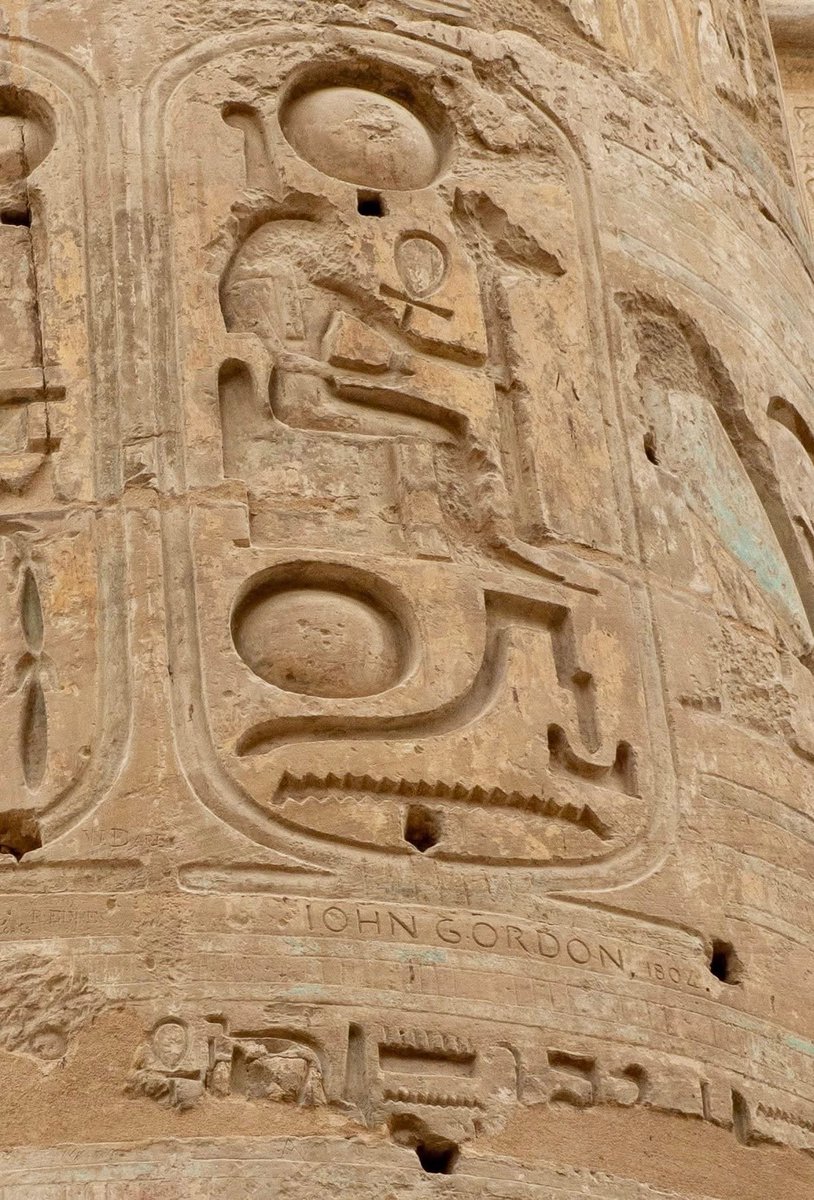
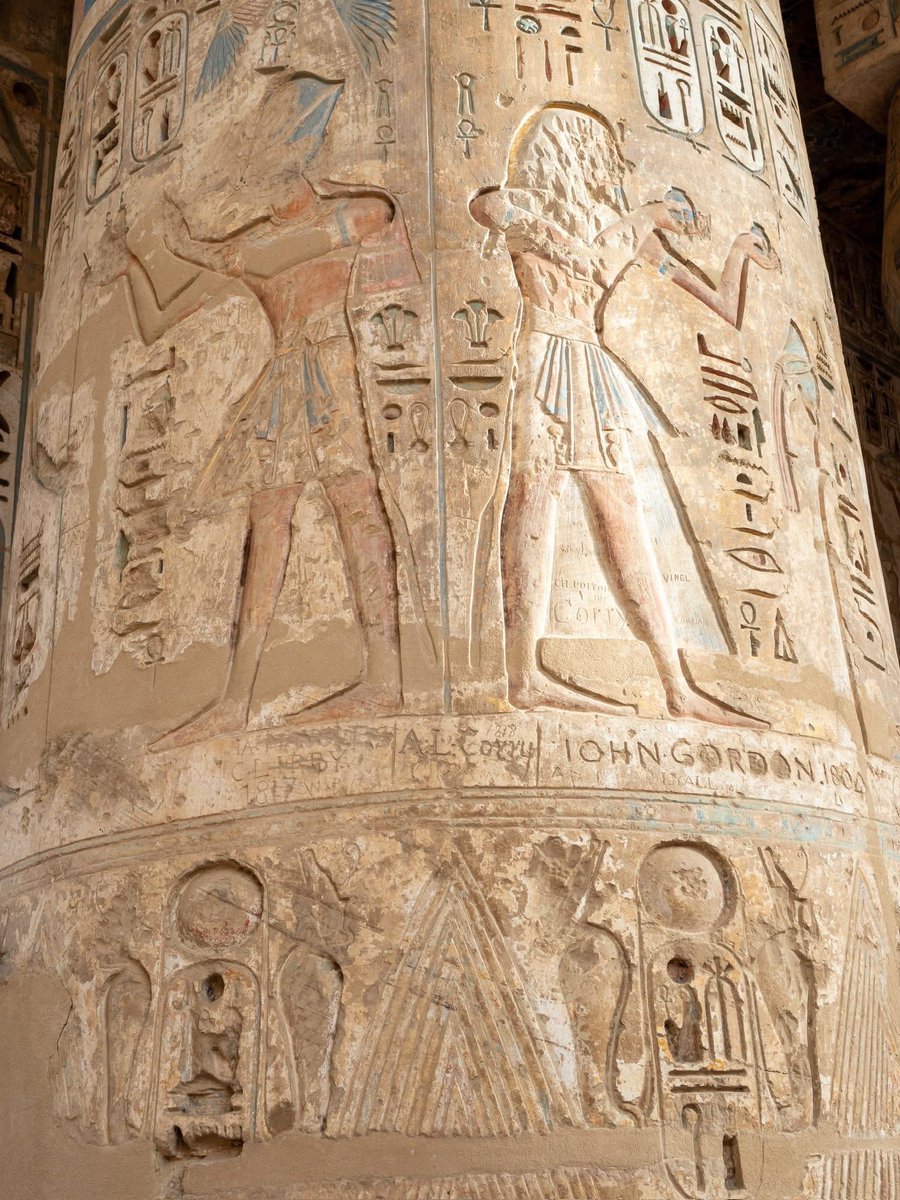
Look closely at the columns of Medinet Habu in Luxor and you will find, carved beneath three thousand years of hieroglyphs: JOHN GORDON, 1804.
1
1
2
351
Apr 15
You will see it at the Temple of Luxor. Same name carved into stone more than three millennia earlier.
Who was this man?
1
1
3
286
Apr 15
He was a Scottish militia officer on a grand tour of Egypt. He carved his name on monuments across the Nile valley, then sailed home.
He inherited a castle, bought four islands in the Outer Hebrides, and served in Parliament.
1
3
235
Apr 15
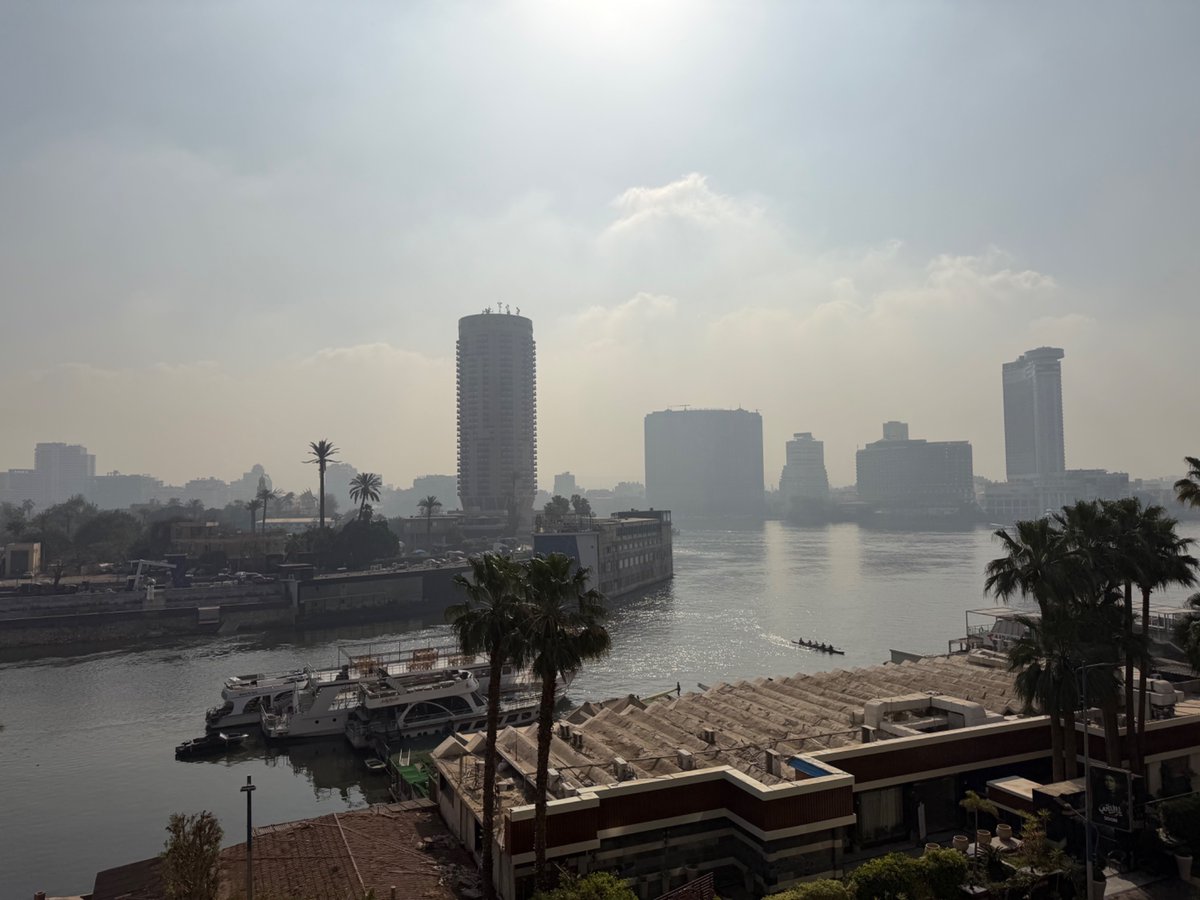
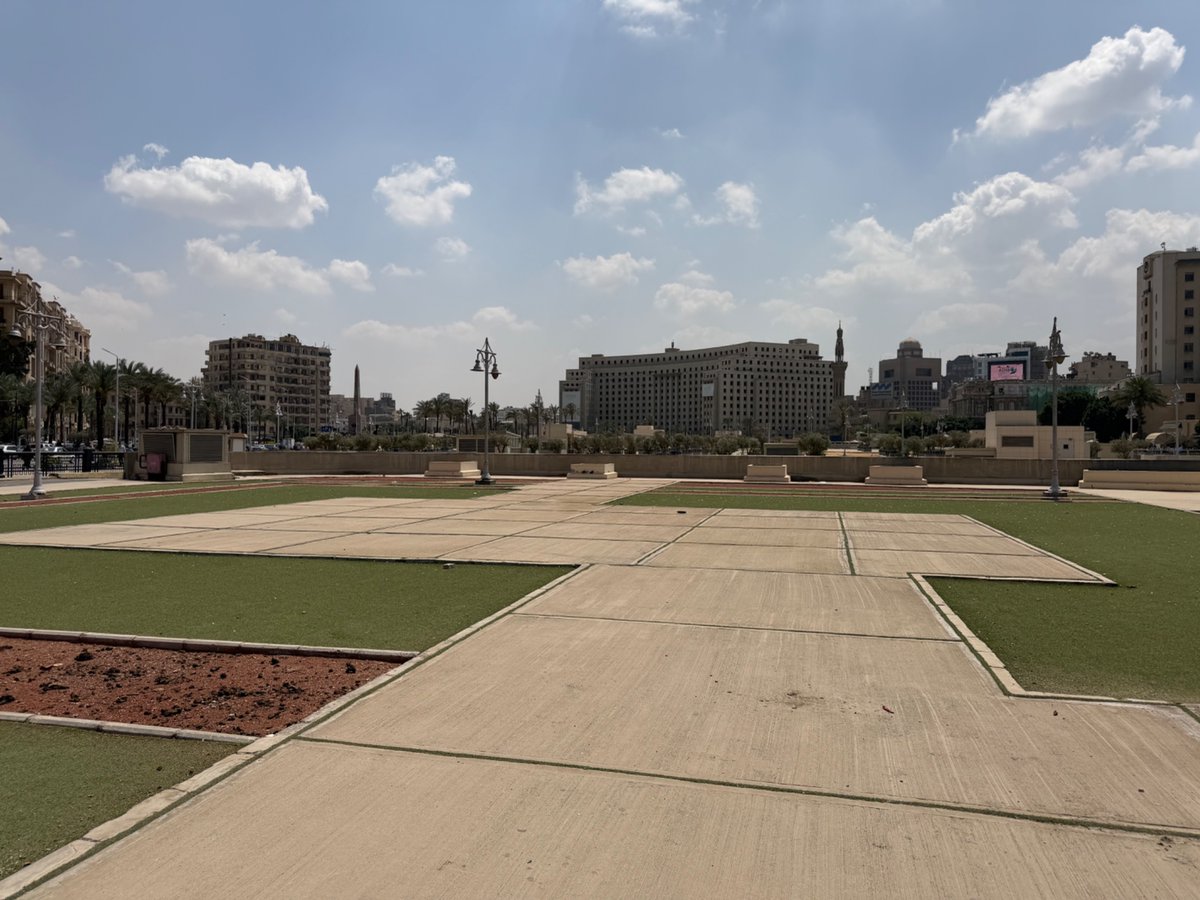
Move over, naan bread and chai tea. This is Gezira Island, on the Nile in the middle of Cairo. Gezira means island in Arabic, so the name is basically Island Island.
2
8
618

Apr 15
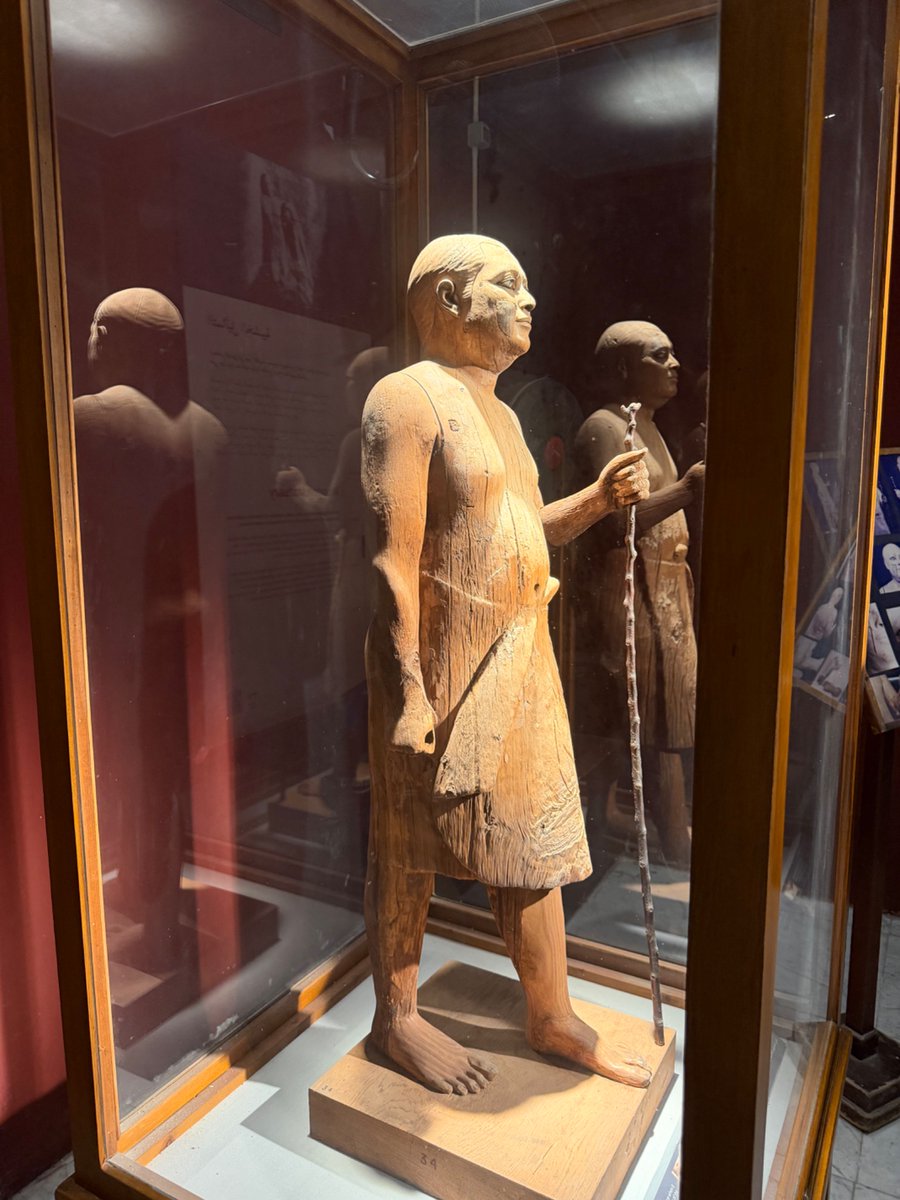
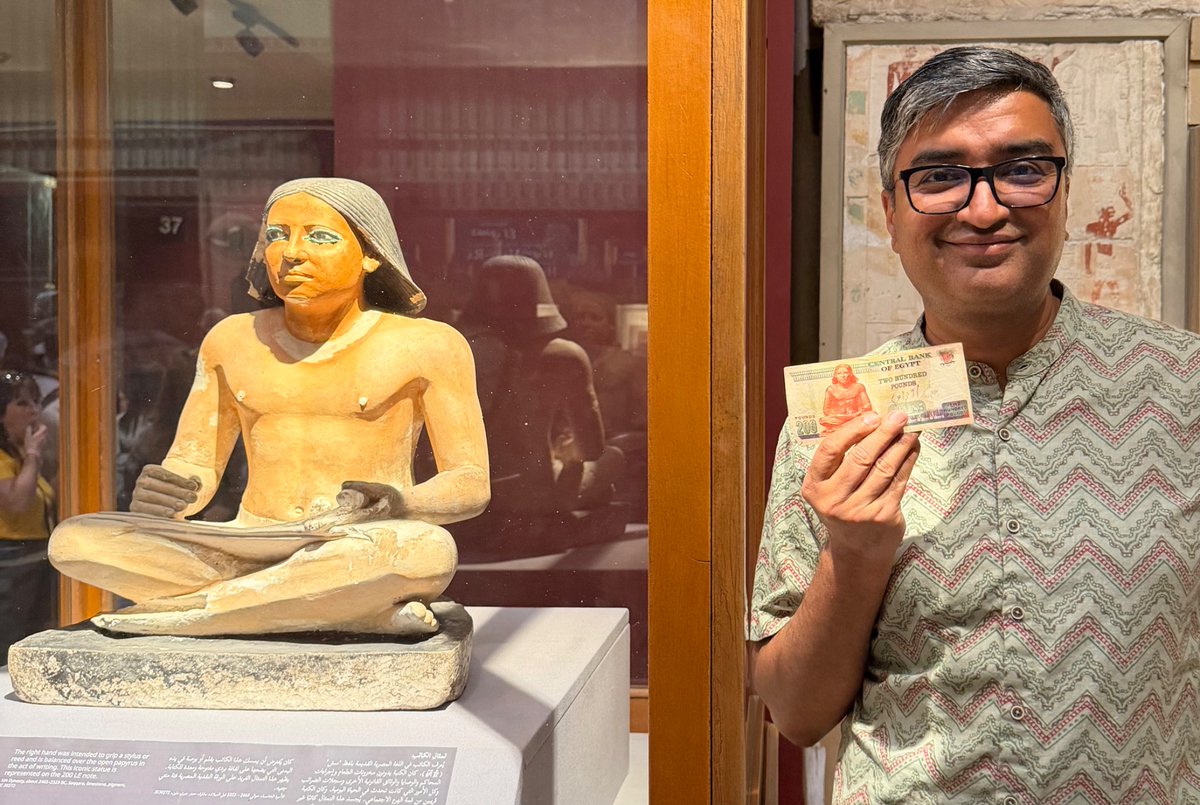
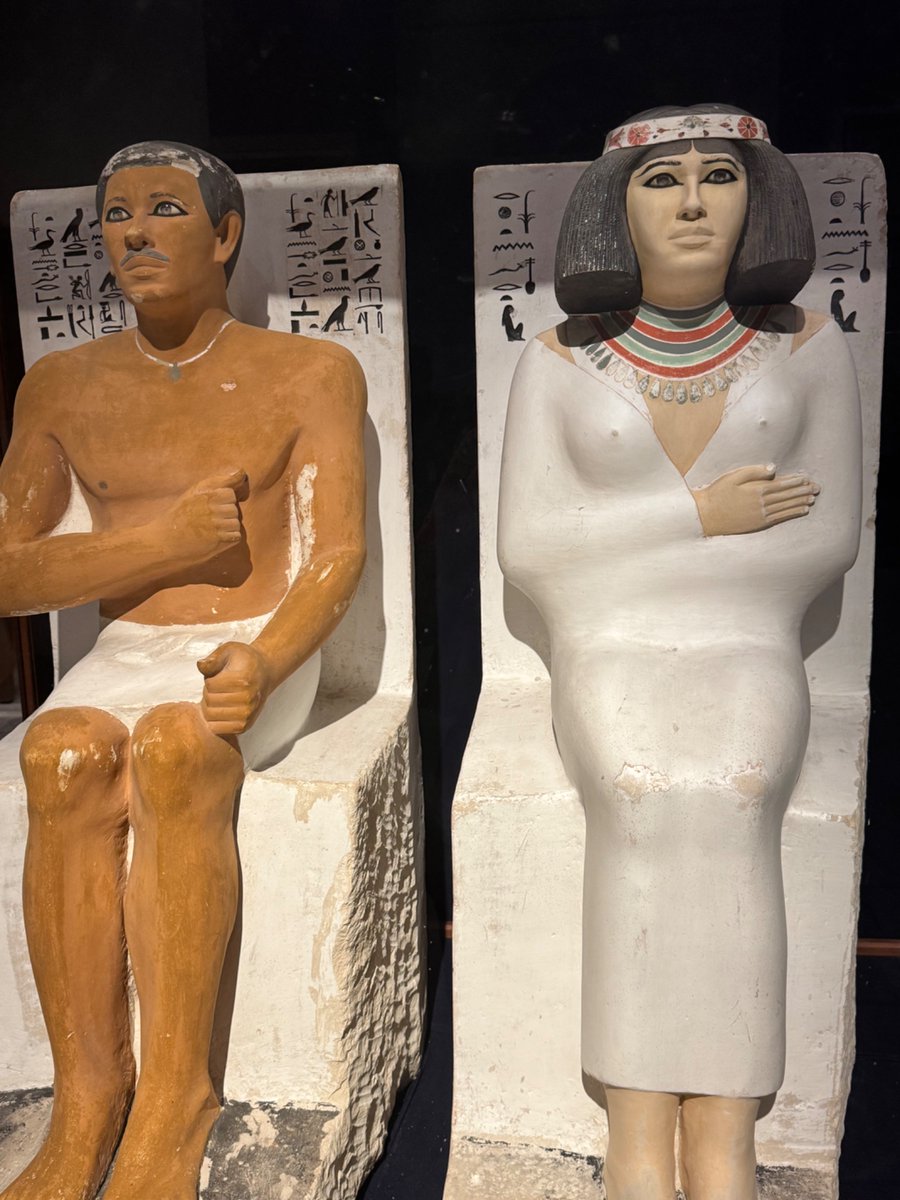
Here is Ka-aper, about 4,500 years old, carved from sycamore wood. When excavators found him in 1870, the workers shouted that he looked exactly like their village mayor. They called him Sheikh el-Balad.
6
33
2,189
Apr 14
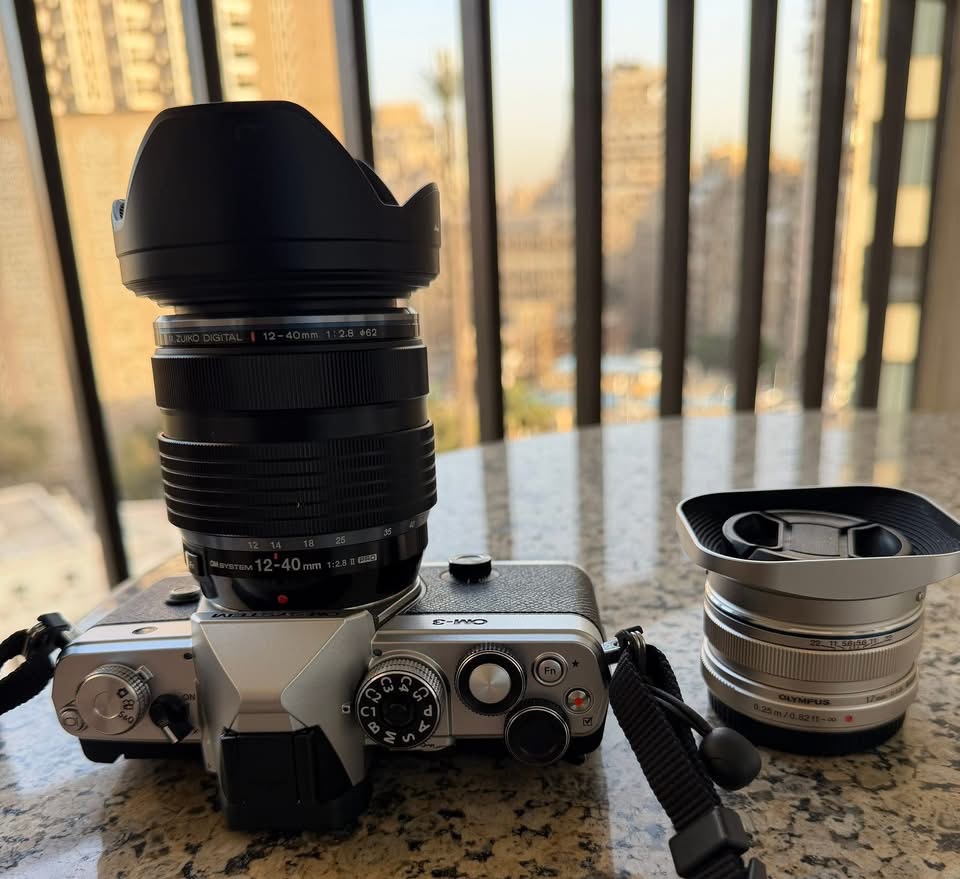
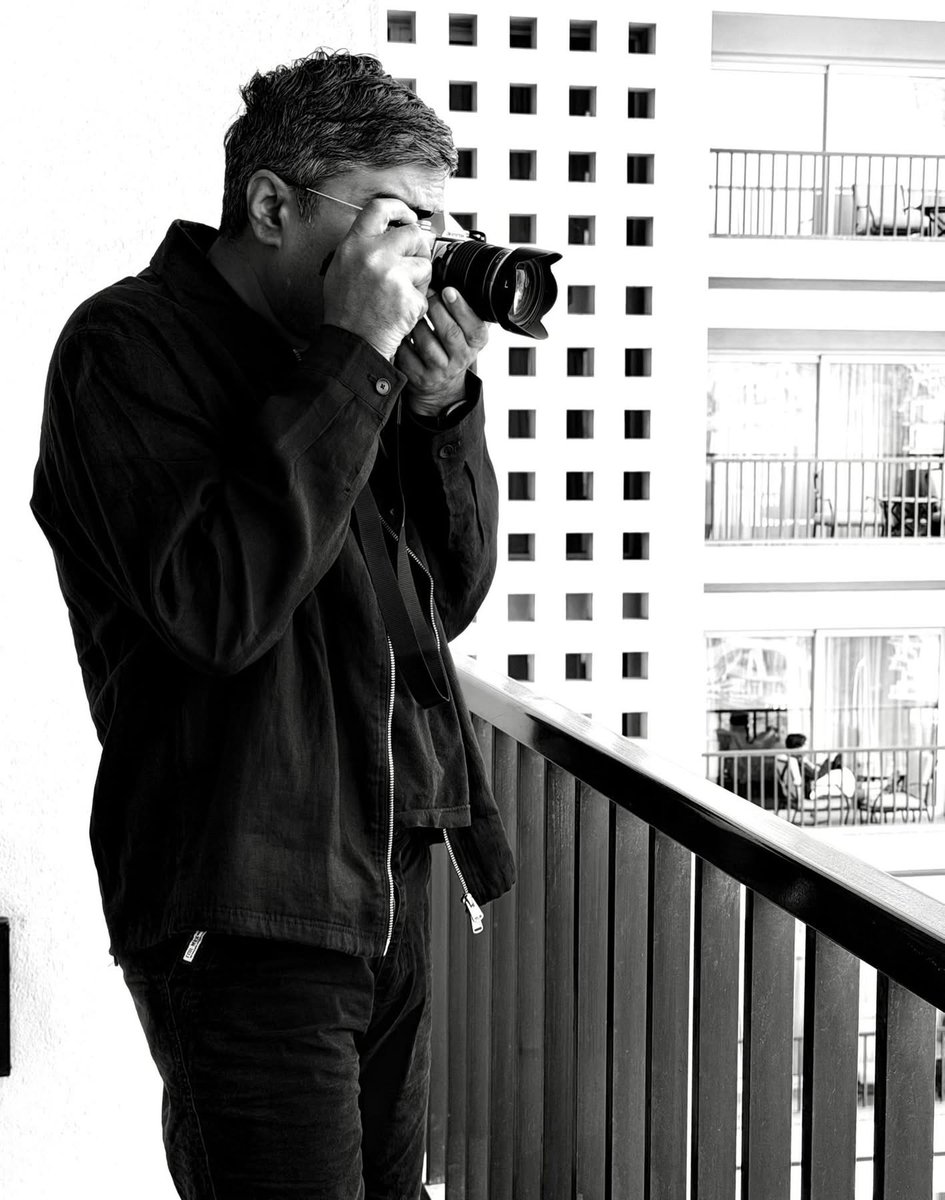
A two lens set-up has worked really well (12-40 mm 2.8 and 17 mm 1.8 ) in Egypt. I had to leave a lot of lenses at home. I also have the iPhone 17 pro for quick shots at 1X, but much prefer a camera for composition, color accuracy, and less distortion. Also weather sealed!
2
6
726
Apr 14
I do not like ai enhancements, smartphone photos, filters. I like slow photography. Talking to people and hearing their stories first. Fumbling with dials. Taking a lot of bad shots and an occasional good one by accident. 😊
3
300
Apr 14
Hundreds of pages of notes and tens of thousands of photos. Egypt, Peru, India, China, Mexico, Southeast Asia, Ancient Rome and Greece, Turkey and the great cultures that shaped the world. I may write a book from this. Stay tuned.
3
9
576
Apr 14
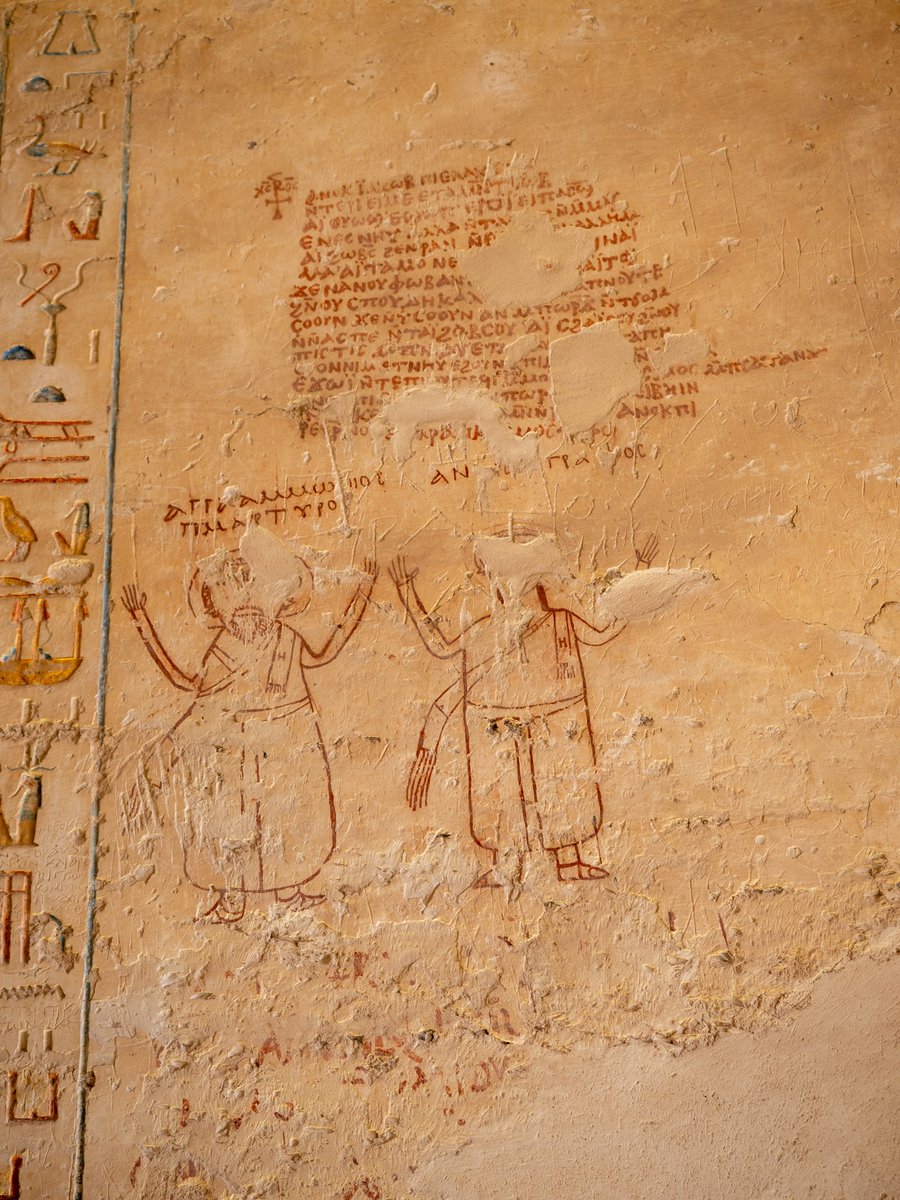
Graffiti inside a pharaoh’s tomb. In the centuries after the Roman Empire adopted Christianity, Coptic monks and communities moved into pharaonic tombs in the Valley of the Kings and temples across the West Bank of Luxor. The tomb of Ramesses IV was used as a residence.
1
280