You may not be rated in my books🖐🏿👏🏼producing Melodic rid-dim🎶🎼 ❤️YNWA . FX tutor📈,Programmer, Mec Robotics👩💻, Tutor, Zoologist. Ifa Philosophy ! 👏🏼
Joined May 2014
- Tweets 11,313
- Following 1,814
- Followers 617
- Likes 121,640
390 Photos and videos

Pinned Tweet

Jan 27
Thanks to everyone. She has been found in the police custody. Nigeria police head her in custody for 5 days without granting her access to phone or anything. What kind of cruel system is this.
413
3,439
7,240
631,994
1. Inability to read or write doesn’t mean you can’t author a book, with his experience in merchant trading, he had great repertoire of Jewish, Arabic, Sabaerian history which greatly influenced the Quran he authored.
2. Its “ Accurately detailing prehistoric events” were of course known to Muhammad and everyone in Arabia, and he included it in the Quran, Nothing divine in this. Its prediction of future events are vague, and they are predictions every 2 legged man could make. One was it’s the Fall of constantinople, if you ask me as a citizen of Constatinople then, It was obvious it was gonna fall, so making vague predictions are not divine
3. How does this sound to you? Mohammed said Allah challenge humans via him that humans should produce such verses. You don’t boast divinity by challenging humans to produce something as that. Divinity challenge should be that the Quran itself should self collect its verses without needing any intermediary or humans to gather it.
4. 7th century is 600-700 AD, before this century Hippocrates, Archimedes, Ptolemy, Euclid had made huge advances in Medicine, Astronomy, mathematics, surgery, physics, chemistry.
Hippocrates was father of Medicine he reigned 300 years before mohammed was even born so you think he was too dumb to know egg and sperm is what makes an embryo?
Archimedes pioneered fluid mechanics which was the bedrock of buoyancy and fluid science.
Ptolemy measured the planets motions and roughly measured gravity,
Euclid father of geometry and modern science.
All of these scientists lived 300-400 years before the so called divine book came to reveal that it was sperm and egg that makes a man. Do you think we are dumb? Even a 15 year old kid can figure this out from observations, then a 50 year old man who had traveled down the whole of Arabia is saying a book that subtly talks about these already established observations from 3 centuries back is divine.
It should have predicted world war 1 and 2 with accurate date of start and end of it. Not vaguely saying constantinople will fall and calling that divine. Haba

Thank you for asking. No birds were involved 😂 The proof of its divine origin lies in the text itself.
1. It was revealed by Allah through the Angel Jubril to Prophet Muhammad, who was unlettered (could not read or write), making it impossible for him to author it.
2. It accurately detailed historical events before his time and made precise future predictions that later came true.
3. Allah openly challenged mankind to produce even a single short chapter like it. Despite centuries of attempts by top Arabic linguists, no one has ever successfully met this literary challenge.
4. It contains precise facts about embryology, geology, and oceanography that were completely unknown to 7th-century humans and only verified by modern science.
1
1
322
Akinola Olanrewaju retweeted

Jun 13
To my Yoruba people listen
For too long, others pushed false narratives, distorted our history, and spread prejudice against us. Many of us decided that silence was no longer an option. We stepped forward, challenged misinformation, defended our heritage, and pushed back against those narratives.
The result is clear,many of those falsehoods no longer go unchallenged, and the narrative has already begun to change.
But our work is not finished.
Let us do even more. Let us learn our history, share our achievements, support our own people, and continue correcting misinformation wherever we find it. We are more than capable of defending our legacy and telling our story with confidence.
No one will protect our image better than us. No one will preserve our history better than us.
Stay united. Stay informed. Stay proud. The progress we’ve made proves that our voices matter,and together, we can achieve even more💪💪💪💪
27
152
362
4,324
Jun 9
A common point raised in discussions about gender within Ifá concerns the traditional restriction of the title of Babaláwo in certain lineages. Modern observers often interpret this through the lens of gender inequality, but traditional explanations are rooted in Yoruba metaphysics rather than social hierarchy.
According to traditional Ifá understanding, a Babaláwo is not merely a priest but a diviner who serves as a conscious channel between the spiritual and physical realms. During divination, the Babaláwo performs what may be described as an active divine computation, connecting human consciousness with the apparent randomness through which divine messages are revealed. The objective is to obtain the most accurate manifestation of an Odù and its accompanying message.
Within this framework, the diviner is expected to function as a single and undivided spiritual vessel. Women, however, are traditionally understood to possess a unique relationship with creation itself. Through the womb, they are regarded as the sacred pathway through which life enters the world from Òrun into Ayé. In this sense, women are not viewed as carrying only their own spiritual essence but also the potential for future life.
Some traditional interpretations therefore hold that the womb represents a direct connection between the visible and invisible realms. Because of this unique spiritual function, women are considered to possess a form of creative power distinct from that of men. The traditional restriction of certain divinatory roles is thus explained not as a consequence of inferiority, but as a recognition of the special responsibilities and spiritual capacities attributed to women.
Whether one accepts this explanation or not, it is important to understand that the traditional reasoning is metaphysical rather than political. Within this worldview, women are not excluded because they are considered lesser; rather, they are assigned different sacred responsibilities because they occupy a unique position in the cosmic order. They are viewed as the portal through which life itself enters the world.
This perspective is consistent with numerous Ifá teachings that emphasize that men should not assume certain female responsibilities, just as women should not assume certain male responsibilities. The underlying principle is not domination but complementarity, where each gender fulfills roles believed to be essential for maintaining balance within society and the universe.
For this reason, many traditional practitioners argue that Ifá should not be understood as either patriarchal or matriarchal. Instead, it is more accurately described as a system based on balance, reciprocity, and the harmonious interaction of masculine and feminine forces. While leadership roles, ritual functions, and spiritual responsibilities may differ, the underlying philosophy emphasizes the necessity and sacred value of both energies in maintaining order within society and the universe.
Therefore, the debate may not be whether Ifá is patriarchal or matriarchal, but whether modern categories adequately capture the complexity of a worldview that prioritizes complementarity over dominance.
Jun 9

Is Ifá a Patriarchal or Matriarchal System?
When discussing whether Ifá is a patriarchal or matriarchal system, we must first be careful not to impose modern social and political frameworks onto a traditional Yoruba worldview without proper examination.
Patriarchy is commonly defined as a social system in which men hold primary power and dominate political leadership, moral authority, social privilege, and control of property. Matriarchy, on the other hand, refers to a system in which women hold primary authority and occupy the central positions of leadership and social organization.
The question then becomes: Does Ifá fit into either of these categories?
From a traditional Yoruba perspective, the answer is not straightforward. Ifá is fundamentally built upon the principle of balance between complementary forces rather than the supremacy of one gender over another. The Yoruba worldview recognizes masculine and feminine energies, known as Ako and Abo, as necessary and interdependent aspects of existence. Neither is complete without the other.
In ancient Yoruba society, responsibilities were often distributed according to function, capacity, and spiritual purpose. Men and women were assigned different roles, not necessarily because one was considered superior to the other, but because each was believed to possess unique abilities and responsibilities essential to the survival and continuity of society.
This distinction is reflected in Yoruba language and philosophy. The Yoruba language does not distinguish between “he” and “she” in its third-person pronouns. This suggests a worldview that places greater emphasis on personhood and function than on rigid gender separation. Likewise, concepts such as Ako and Abo describe energies and attributes rather than strict biological categories. A woman may embody Ako qualities, while a man may embody Abo qualities.
Within Ifá itself, women occupy indispensable positions. The Odù, which form the foundation of Ifá divination, are often associated with feminine creative power. Numerous verses emphasize the importance of respecting the unique roles assigned to both men and women and caution against disrupting the balance between them.
It is true that certain rituals, titles, and responsibilities are traditionally restricted to men, while others are reserved exclusively for women. However, traditional Yoruba thought does not necessarily interpret these distinctions as evidence of male or female superiority. Rather, they are understood as expressions of complementary responsibilities within a larger cosmic order.
34
Jun 9
Is Ifá a Patriarchal or Matriarchal System?
When discussing whether Ifá is a patriarchal or matriarchal system, we must first be careful not to impose modern social and political frameworks onto a traditional Yoruba worldview without proper examination.
Patriarchy is commonly defined as a social system in which men hold primary power and dominate political leadership, moral authority, social privilege, and control of property. Matriarchy, on the other hand, refers to a system in which women hold primary authority and occupy the central positions of leadership and social organization.
The question then becomes: Does Ifá fit into either of these categories?
From a traditional Yoruba perspective, the answer is not straightforward. Ifá is fundamentally built upon the principle of balance between complementary forces rather than the supremacy of one gender over another. The Yoruba worldview recognizes masculine and feminine energies, known as Ako and Abo, as necessary and interdependent aspects of existence. Neither is complete without the other.
In ancient Yoruba society, responsibilities were often distributed according to function, capacity, and spiritual purpose. Men and women were assigned different roles, not necessarily because one was considered superior to the other, but because each was believed to possess unique abilities and responsibilities essential to the survival and continuity of society.
This distinction is reflected in Yoruba language and philosophy. The Yoruba language does not distinguish between “he” and “she” in its third-person pronouns. This suggests a worldview that places greater emphasis on personhood and function than on rigid gender separation. Likewise, concepts such as Ako and Abo describe energies and attributes rather than strict biological categories. A woman may embody Ako qualities, while a man may embody Abo qualities.
Within Ifá itself, women occupy indispensable positions. The Odù, which form the foundation of Ifá divination, are often associated with feminine creative power. Numerous verses emphasize the importance of respecting the unique roles assigned to both men and women and caution against disrupting the balance between them.
It is true that certain rituals, titles, and responsibilities are traditionally restricted to men, while others are reserved exclusively for women. However, traditional Yoruba thought does not necessarily interpret these distinctions as evidence of male or female superiority. Rather, they are understood as expressions of complementary responsibilities within a larger cosmic order.
91
Akinola Olanrewaju retweeted

Islam or Christianity is your personal business. Religion should never be elevated into a national conversation. That is why I often conclude that our traditional faiths remain among the most civilized expressions of spirituality.
You will hardly find a devotee of Ogun roaming the streets in search of Sango worshippers to convert. To each, his own path.
The river does not quarrel with another river because both are flowing to the sea.
And if we are to be honest with ourselves, in our modern era, no war has been declared, no bomb detonated, and no bloodshed justified in the name of the Orisas.
Their adherents have largely minded their shrines while others battle endlessly over whose road alone leads to heaven.
Good Morning Severally...
56
333
795
18,589
Akinola Olanrewaju retweeted

Jun 4
Imagine arguing tribe/religion with person wey believe say he go get 72 virgins in heaven
Waste of time and energy😭😭😭😭
74
380
1,500
30,882
Jun 6
Women are not to be debated about if they should have their rights or not. It not something that needs to be given, they have it right from birth, right from Orun! In your Religion, As a woman if your rights are listed to you and being checked by a man then you are in the wrong place.
May 13
Women are the backbone of the Yoruba Philosophy and cosmology.
Let’s look at the family set up
Superficially, the traditional Yoruba extended family looks like a patriarchy. That is
not true, as women have veto power over what is apparent in public. There is a balance of
power within the structure of community. For example, if you go through an Ifa initiation, it
looks like you are being initiated by a fraternity of men. But the last thing you do involves a
blessing from the mothers. If they do not give their blessing, you are not initiated. You have
to walk past them to come into the world after your rebirth.
I believe the historical genesis of the human relationship to Ogun may have emerged
out of the tradition of men as hunters and women as time keepers. This is a separation of
gender roles likely established for practical reasons. Women on their cycle leave a scent
easily picked up by animals making it difficult for women to effectively hunt at certain times
of the month. At the same time, the cycle becomes a built in clock. These two social functions became separated by gender as a matter of practical convenience. The point is there is no indication in this separation of functions that men are better than women. There is simply
an indication of aptitude making certain tasks easier to accomplish.
The relationship between Obatala and Yemo represents the mystery of androgyny, the idea that every human has male
and female elements of Ori or consciousness. For this reason, initiations in traditional
Yoruba culture, for men involve illuminating the feminine principles of consciousness and
initiations for women involve illuminating the masculine principles of consciousness. This
balance is symbolized in ritual by cross dressing meaning male mediums for male Orisa at times dress in women’s cloths, and female mediums for female Orisa are depicted with
beards. This phenomenon has nothing to do with sexual fetishes; it is a symbolic expression
of balance in Nature.
It is also evident that gender segregation is non existent in the Yoruba world lets take a look at the pronouns to describe both genders, He and She are used to describe a male and a female gender respectively, in Yoruba both are addressed as (‘O’- singular or younger than the subject, ‘E’- Plural or older than the subject) there are no references to the gender or sex of the object. This simply means that the Yoruba sees both genders as a compliment of anothet. They are one, and not separated. They must exist as different entities to form a one. This follows the duality we see across the universe, you can’t simply have a day without the night. They are into each other, they are the basis of the universal law. Its evident in modern science and astronomy.
Happy Women’s day♥️to all the backbones of the world 🌎🌸
4
Akinola Olanrewaju retweeted
May 13
Women are the backbone of the Yoruba Philosophy and cosmology.
Let’s look at the family set up
Superficially, the traditional Yoruba extended family looks like a patriarchy. That is
not true, as women have veto power over what is apparent in public. There is a balance of
power within the structure of community. For example, if you go through an Ifa initiation, it
looks like you are being initiated by a fraternity of men. But the last thing you do involves a
blessing from the mothers. If they do not give their blessing, you are not initiated. You have
to walk past them to come into the world after your rebirth.
I believe the historical genesis of the human relationship to Ogun may have emerged
out of the tradition of men as hunters and women as time keepers. This is a separation of
gender roles likely established for practical reasons. Women on their cycle leave a scent
easily picked up by animals making it difficult for women to effectively hunt at certain times
of the month. At the same time, the cycle becomes a built in clock. These two social functions became separated by gender as a matter of practical convenience. The point is there is no indication in this separation of functions that men are better than women. There is simply
an indication of aptitude making certain tasks easier to accomplish.
The relationship between Obatala and Yemo represents the mystery of androgyny, the idea that every human has male
and female elements of Ori or consciousness. For this reason, initiations in traditional
Yoruba culture, for men involve illuminating the feminine principles of consciousness and
initiations for women involve illuminating the masculine principles of consciousness. This
balance is symbolized in ritual by cross dressing meaning male mediums for male Orisa at times dress in women’s cloths, and female mediums for female Orisa are depicted with
beards. This phenomenon has nothing to do with sexual fetishes; it is a symbolic expression
of balance in Nature.
It is also evident that gender segregation is non existent in the Yoruba world lets take a look at the pronouns to describe both genders, He and She are used to describe a male and a female gender respectively, in Yoruba both are addressed as (‘O’- singular or younger than the subject, ‘E’- Plural or older than the subject) there are no references to the gender or sex of the object. This simply means that the Yoruba sees both genders as a compliment of anothet. They are one, and not separated. They must exist as different entities to form a one. This follows the duality we see across the universe, you can’t simply have a day without the night. They are into each other, they are the basis of the universal law. Its evident in modern science and astronomy.
Happy Women’s day♥️to all the backbones of the world 🌎🌸
1
2
64
Akinola Olanrewaju retweeted

Jun 5
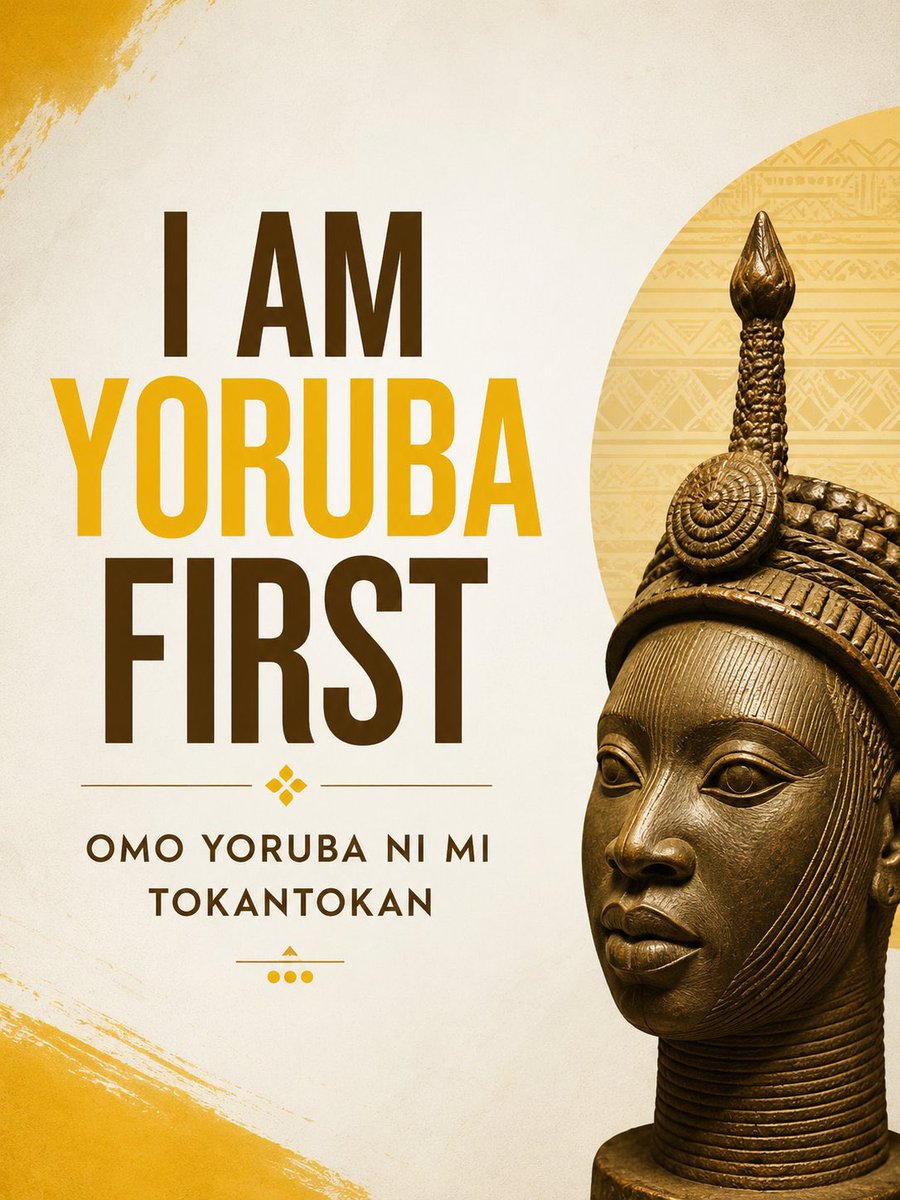
I still can’t believe some people think putting Yoruba first means not putting God first.
Protecting your people, culture, and God-given inheritance does not make you less faithful. In fact, many would argue it is part of your responsibility.
Your religious affiliation does not automatically prove your devotion to God, and prioritizing the welfare of your people does not mean you have abandoned Him.
Only a shallow understanding of both faith and identity would treat those things as mutually exclusive.
6
9
23
495
Jun 6
Yoruba and Islam are not similar comparison because they are different sociological class. Yoruba is a tribe, a nation. While Islam is like every religion which was specifically designed for a tribe Surah An-Nahl 16:36 said that..
So What you should answer is, are you Yoruba or Arab? Even if we must force the comparison of Nation and Religion which obviously are different sociological class, we must ask ourselves which of these classes does an individual first belong to.
The obvious answer is the nation class. Before you are born, you have already been assigned a nation, tribe , family that you will belong to. When you are then born, you are then assigned a name as the second identity you bear, then the other identification follows in the course of your lifetime.
So now if you ask a sane man, which comes first or let me employ the popular statement of “ which are you first, your religion or nation(tribe, family, lineage)?” His answers will be my nation, tribe, family, lineage. These are your natural identities. On the other hands religions, politics, peer groups, ideologies are man’s creation and you can either join or belong to anyone of them as you deem fit or forced into any of them as the society demands.
Your statement is invalid even in face of Allah, because you are your tribe first before any religion. There were Arabs that lived ages before Muhammad came, do you think in Allah’s classification world these people are muslims? Of course not, but they were Arabs. Same way Muhammad identified and continued to be an Arab for his first 40 years before and beyond his prohethood, afterall Islam was created in his first 40 years as a merchant.
Jun 5

My religion is the essence of my entire existence and therefore my primary identity.
My primary loyalty therefore to my Creator, the creator of the heavens, the earth and all that is above, beneath and within it.
This is the Islamic creed and no amount of gaslighting, blackmail, or threat of excommunication will alter it.
2
102
Jun 5
Yoruba and Islam are not similar comparison because they are different sociological class. Yoruba is a tribe, a nation. While Islam is like every religion which was specifically designed for a tribe Surah An-Nahl 16:36 said that..
So What you should answer is, are you Yoruba or Arab? Even if we must force the comparison of Nation and Religion which obviously are different sociological class, we must ask ourselves which of these classes does an individual first belong to.
The obvious answer is the nation class. Before you are born, you have already been assigned a nation, tribe , family that you will belong to. When you are then born, you are then assigned a name as the second identity you bear, then the other identification follows in the course of your lifetime.
So now if you ask a sane man, which comes first or let me employ the popular statement of “ which are you first, your religion or nation(tribe, family, lineage)?” His answers will be my nation, tribe, family, lineage. These are your natural identities. On the other hands religions, politics, peer groups, ideologies are man’s creation and you can either join or belong to anyone of them as you deem fit or forced into any of them as the society demands.
Your statement is invalid even in face of Allah, because you are your tribe first before any religion. There were Arabs that lived ages before Muhammad came, do you think in Allah’s classification world these people are muslims? Of course not, but they were Arabs. Same way Muhammad identified and continued to be an Arab for his first 40 years before and beyond his prohethood, afterall Islam was created in his first 40 years as a merchant.

May Almighty Allah never make me believe I’m a Yoruba before being a Muslim. Islam first, Islam always, Islam everyday. If that makes me less Yoruba, AlhamduliLah…. May Allah preserve me upon Khayr.
165
Jun 5
If your father was able to give you something it meant only one thing, that thing doesn’t belong to you originally.
You don’t say “ my father gave me Yoruba, Or gave me Igbo or Hausa or say my father gave me his height or figure” why? Because these are characteristics that belongs to your generation, they are passed to you, not given. And whatever that was passed to you from the natural order of parents to kid is your truest gift from the creator. One is your Gene, DNA, Tribe, lineage.
You can’t decide to say that “I don’t want a sister or brother who is Igbo or Hausa” you have no control over this. If you are born into a Yoruba family your siblings will of course be Yoruba. But your siblings might have different faiths- Christianity or Islam, you have a control over this,
This explans to you that your tribe, family, father, mother are your Natural identity in the universe, any social organization like religion and political system or cults groups are simply human creations to classify and they do not transfer naturally to your next generation. Your future generations might choose to be in that organizations or not, but they can’t choose not be Yoruba or Igbo Or whatever or choose not to be from you, they are simply that! And thats the true essence of Yoruba first before anything else!
Jun 5

In that my father house my father gave me religion... so when I'm out I should dispose what my father gave me from the household?
37
Jun 5
Funny that everything you listed is actually in The Yoruba Metaphysical world! Is it about how to believe in Olodumare? , or about always saying the truth?, or about humility, kindness, seeking knowledge, understanding oneself and seeking balance, respecting elders and old people, is it about protecting nature? Loving one another? Everything you said you are putting first is exactly the essence of Iwa rere ( good character) which is the basis of the IFA’s Metaphysical, Philosophical, and spiritual teachings. So what you are looking for in Sokoto is in your Sokoto!
Putting Yoruba first means exhibiting the true character and values of the Yoruba ideologies. Which is Good character, and this encompasses everything you listed here.
Jun 5

Why do we say Islam first?
Because Islam first means God first.
Islam first means truth first.
Islam first means justice first.
Islam first means humanity first.
Islam first means honesty first.
Islam first means peace and security first.
Islam first means the protection of life first.
Islam first means the protection of human dignity first.
Islam first means standing with the oppressed first.
Islam first means opposing oppression first.
Islam first means fairness before ethnicity.
Islam first means principles before tribe.
Islam first means integrity before personal interest.
Islam first means righteousness before partisanship.
Islam first means mercy before hatred.
Islam first means knowledge before ignorance.
Islam first means accountability before impunity.
Islam first means the sanctity of human life before political ambition.
Islam first means condemning crime even when committed by one's own people.
Islam first means defending the innocent regardless of their religion or ethnicity.
Islam first means fulfilling trus
Islam first means loving for others what you love for yourself.
Islam first means protecting society from corruption and chaos.
Islam first means serving humanity for the sake of Allah.
Islam first means being a source of benefit, not harm.
Islam first means brotherhood without injustice.
Islam first means strength without oppression.
Islam first means faith without extremism.
Islam first means identity without tribalism.
Islam first means conviction without hatred.
Islam first means firmness without bigotry.
Islam first means confidence without arrogance.
Islam first means loyalty to principles, not blind loyalty to people.
Islam first means standing for what is right even when it is against yourself, your family or your tribe.
Islam first means refusing to compromise the truth for popularity, politics or ethnic sentiment.
Islam first means judging people by their character and conduct, not by their race, tribe or social status.
Islam first means having the courage to say "my people are wrong" when they are wrong and "my opponent is right" when he is right.
Islam first means submission to God above every ideology, ethnicity, race, tribe, nation and worldly interest.
That is why a Muslim says Islam first, not because he hates his people, but because he believes that the best guarantee of justice, peace, dignity, security and human flourishing is to place the guidance of Allah above every other loyalty.
23
Akinola Olanrewaju retweeted

Jun 3
You are either a Yoruba Ist or a Muslim 1st. Islamic values (Arabian values) are against our essence as Yoruba people. We practice Islam with omoluabi values in time past. Unfortunately, that value is now a subject of irritation to fundamentalists. We are going to resist it.
35
38
219
144,244
May 31
We need to report this account, cos the level of misinformation this guy is doing is beyond comprehension.
May 31

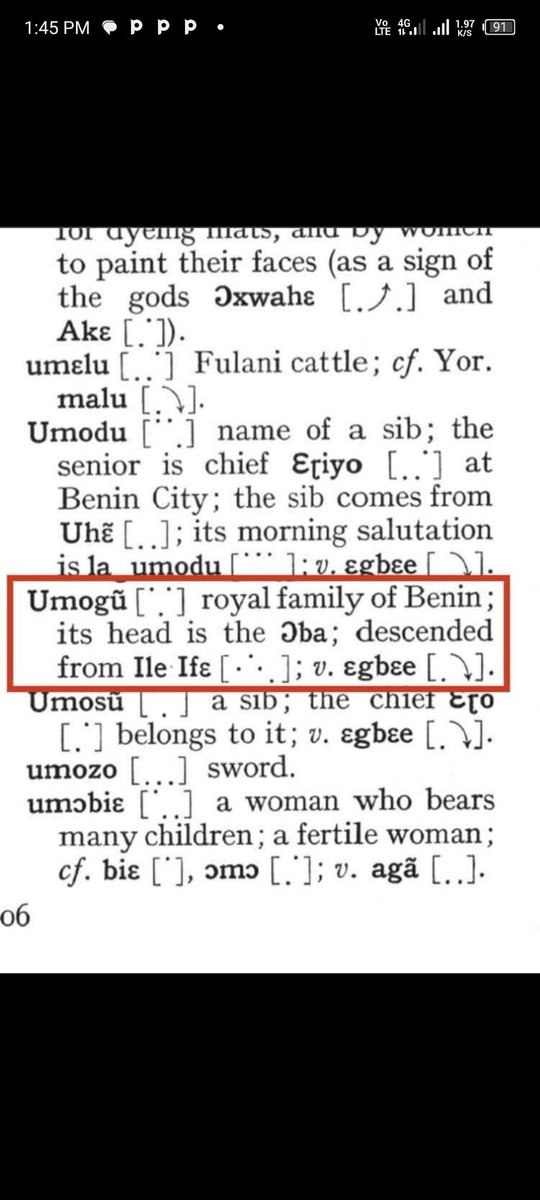
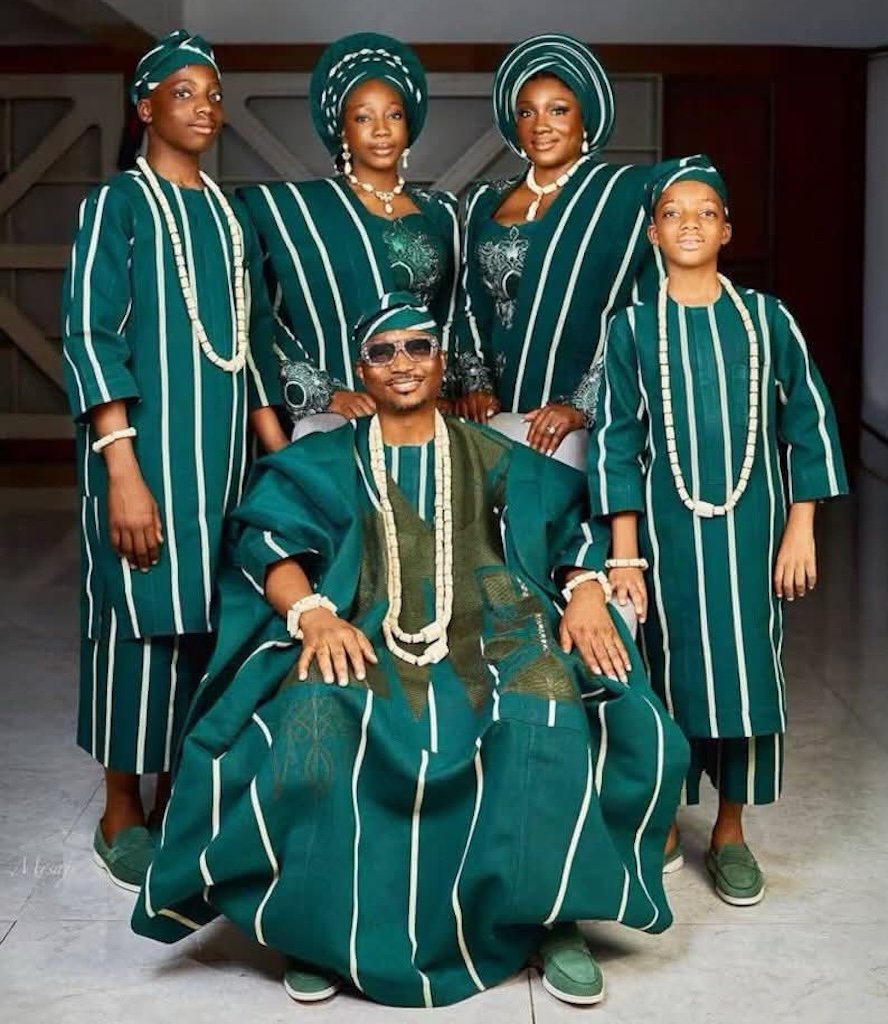
There's really no such thing as a pure Yoruba man or woman; we're all mixed blood in today's Yoruba-land. The one thing that unites us is Oyo and the throne of the Alaafin.
* The Oyo Empire was a huge empire that included various people from different backgrounds. There were Nupe, Ibariba, Hausa, and Fulani folks who were integral to the Oyo Empire, even though these groups are seen as separate tribes in Nigeria today.
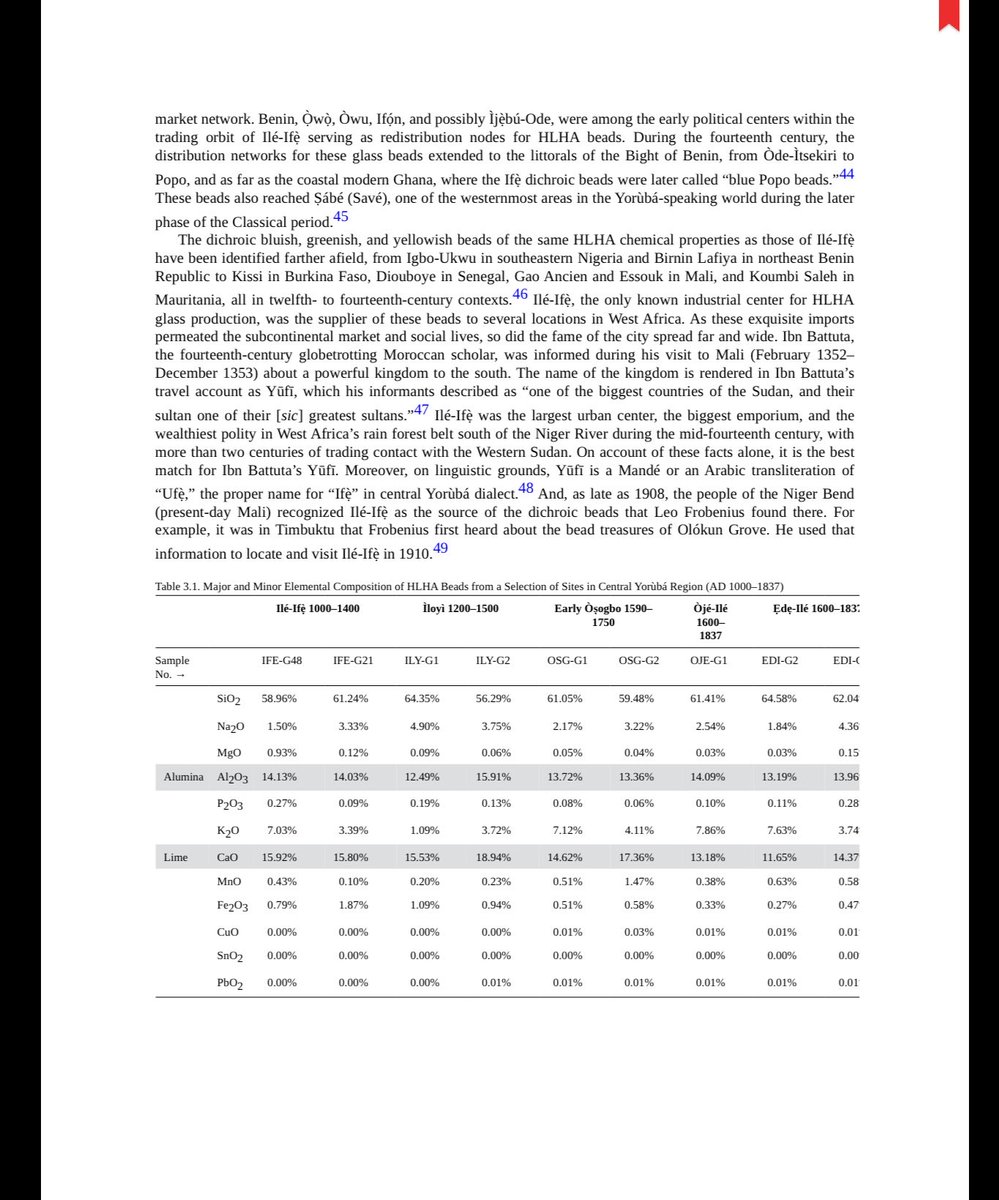
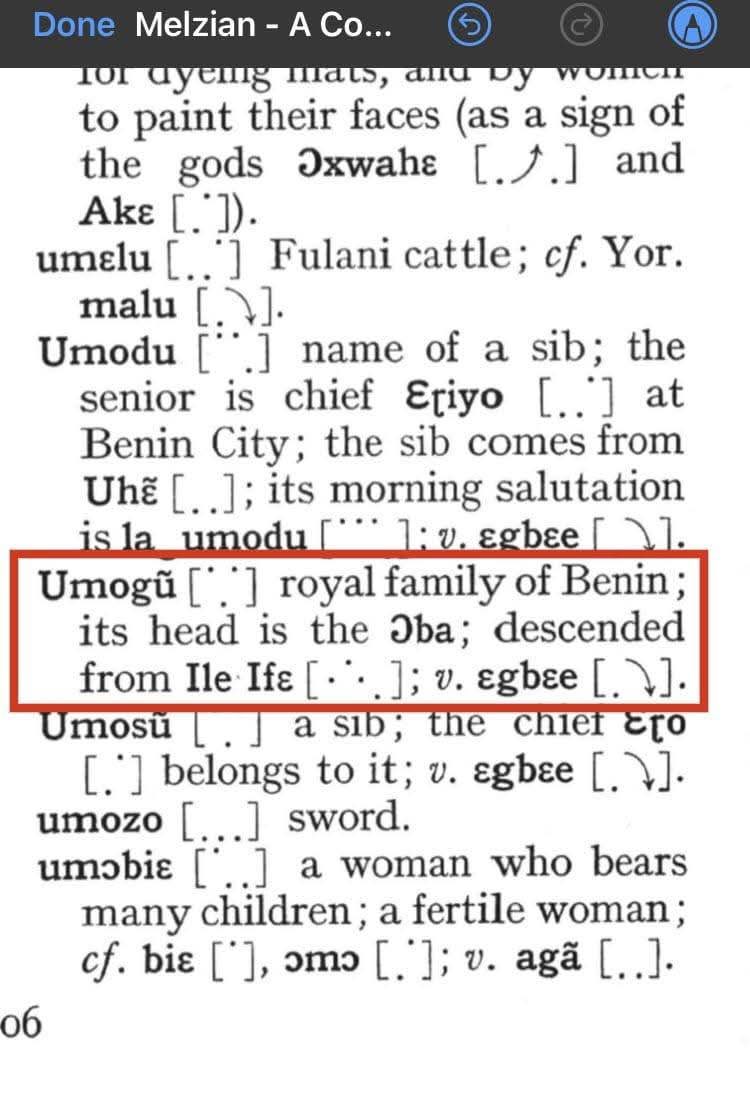
* Additionally, some Yoruba people today actually have Benin roots, especially in places like Lagos, Ondo, and Ekiti. They were categorized under the Oyo-Yoruba identity back in 1914. Lastly, we have the Ijebu people, who originally came from Waddai in Sudan but are now also classified under the Oyo-Yoruba identity.
1
24
May 26
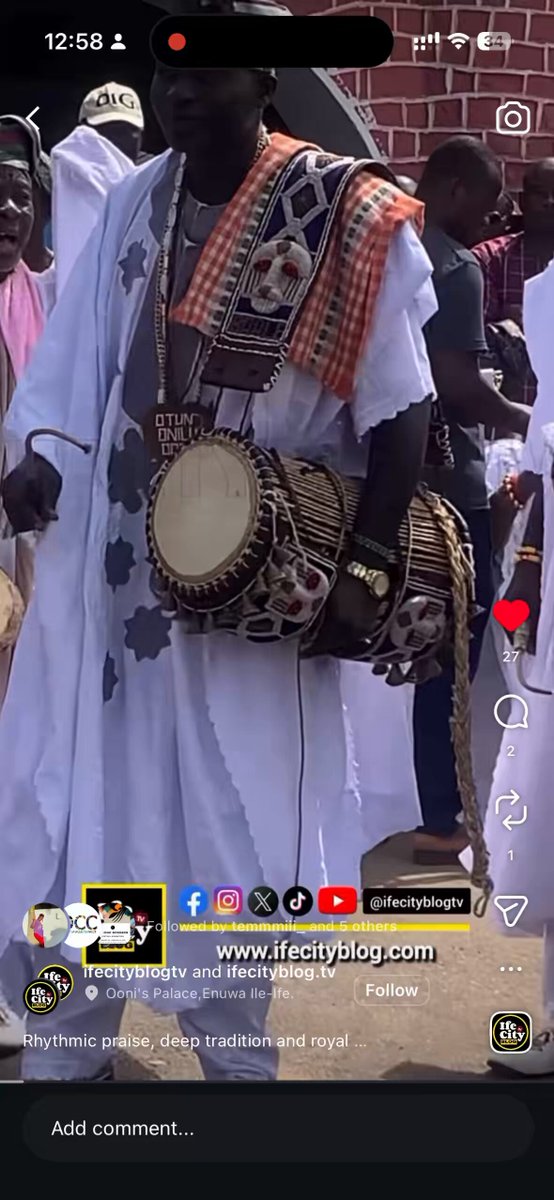
I saw this video On IG and it was so interesting in the way the lead drummer is playing strokes of notes which are then transcribed by the Egbe(Fellow drummers who support the lead) . Imagine how our ancestors were able to utilize mechanical energy (the act of drumming) to sound energy(the playing of the notes) and transmission via sound (air) to the interpreters.
For researchers it will be interesting to understand the deeper knowledge and wisdom behind this, I think as a technologist we can create/train an AI that can interpret this notes. It will be a very nice project
5
35
Akinola Olanrewaju retweeted
May 14
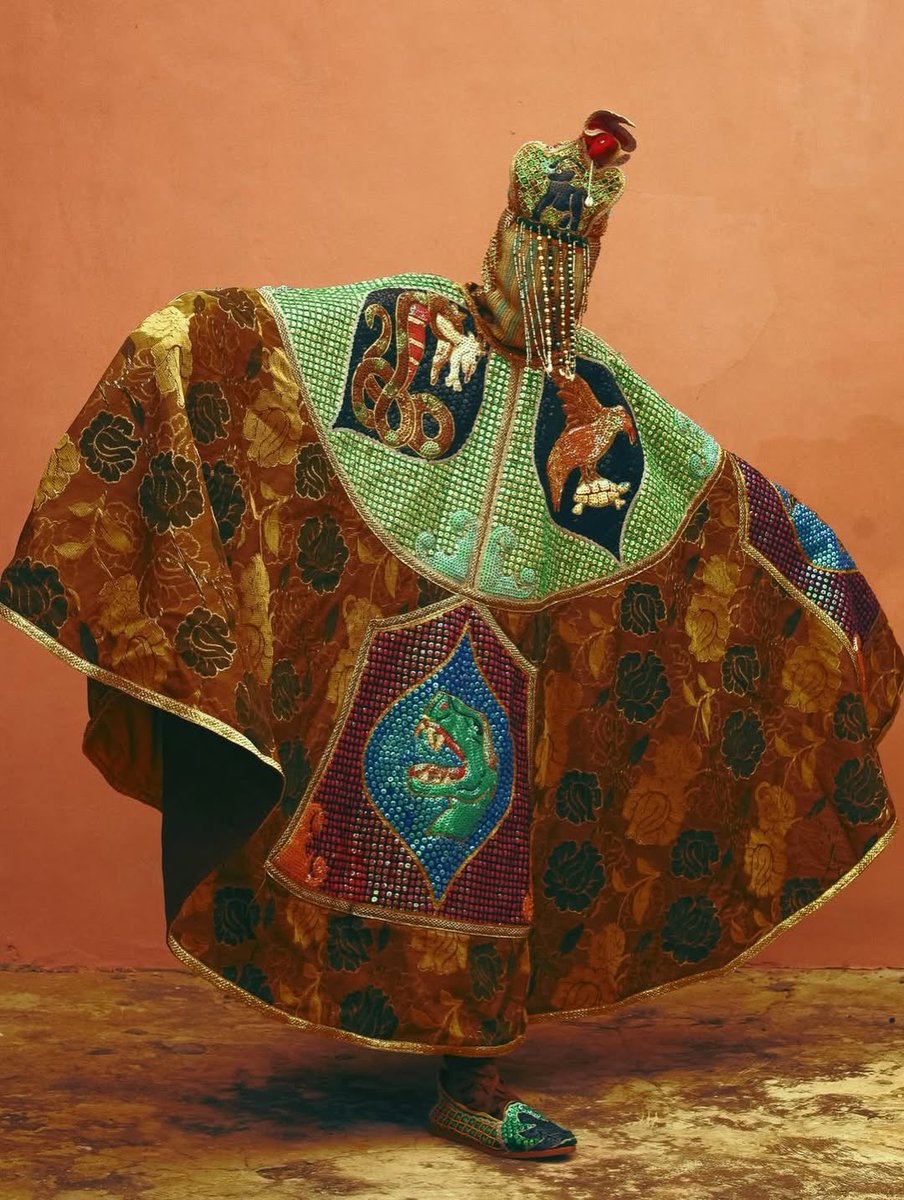
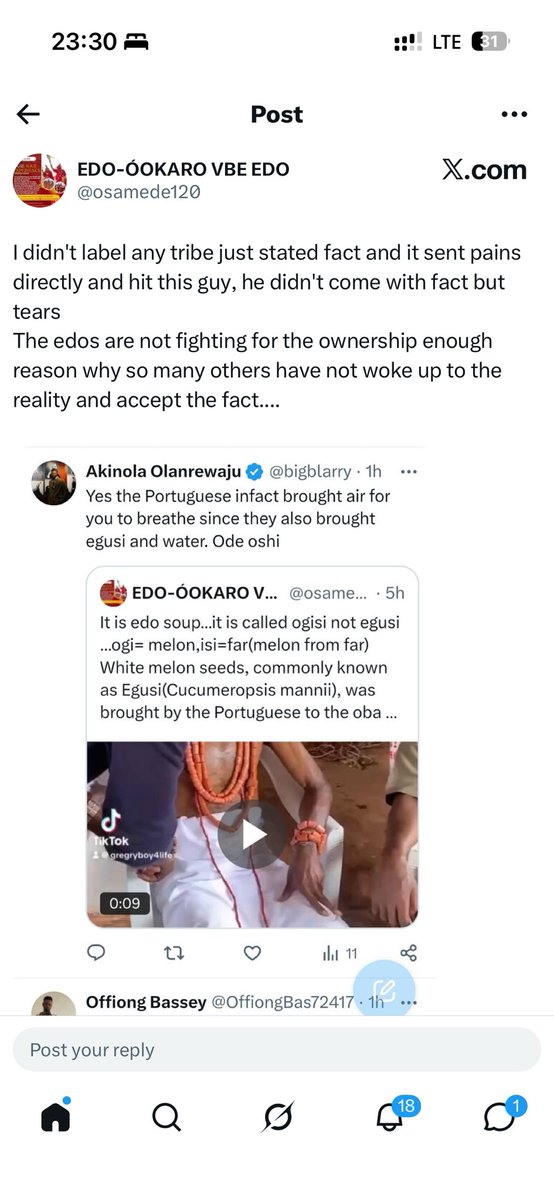
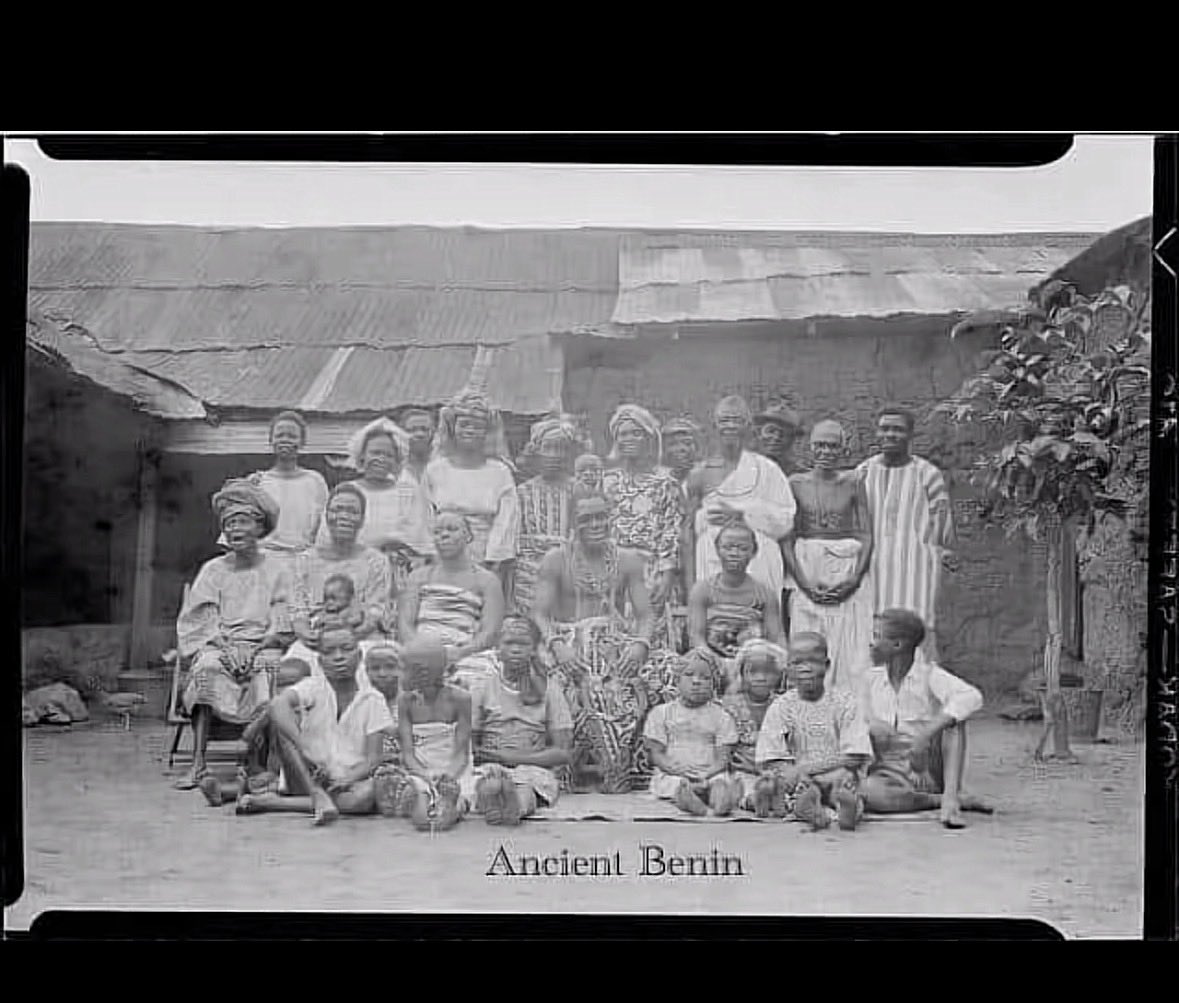
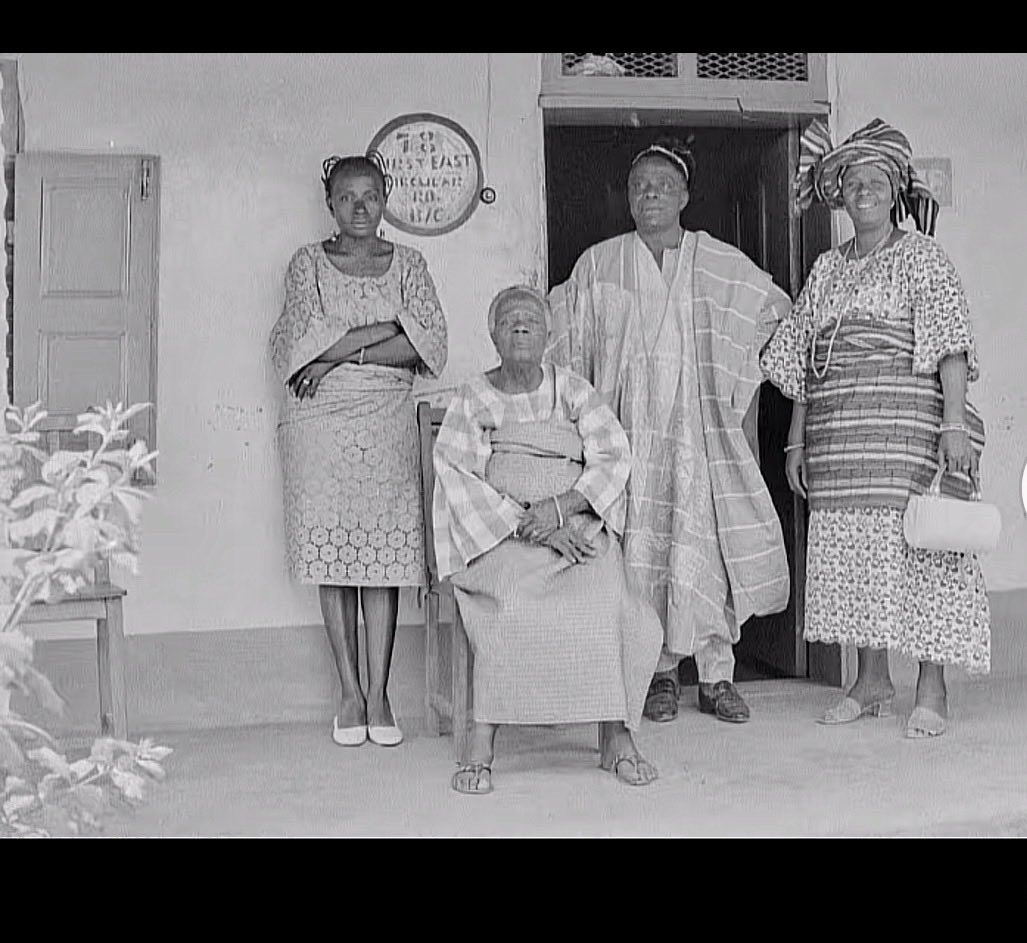
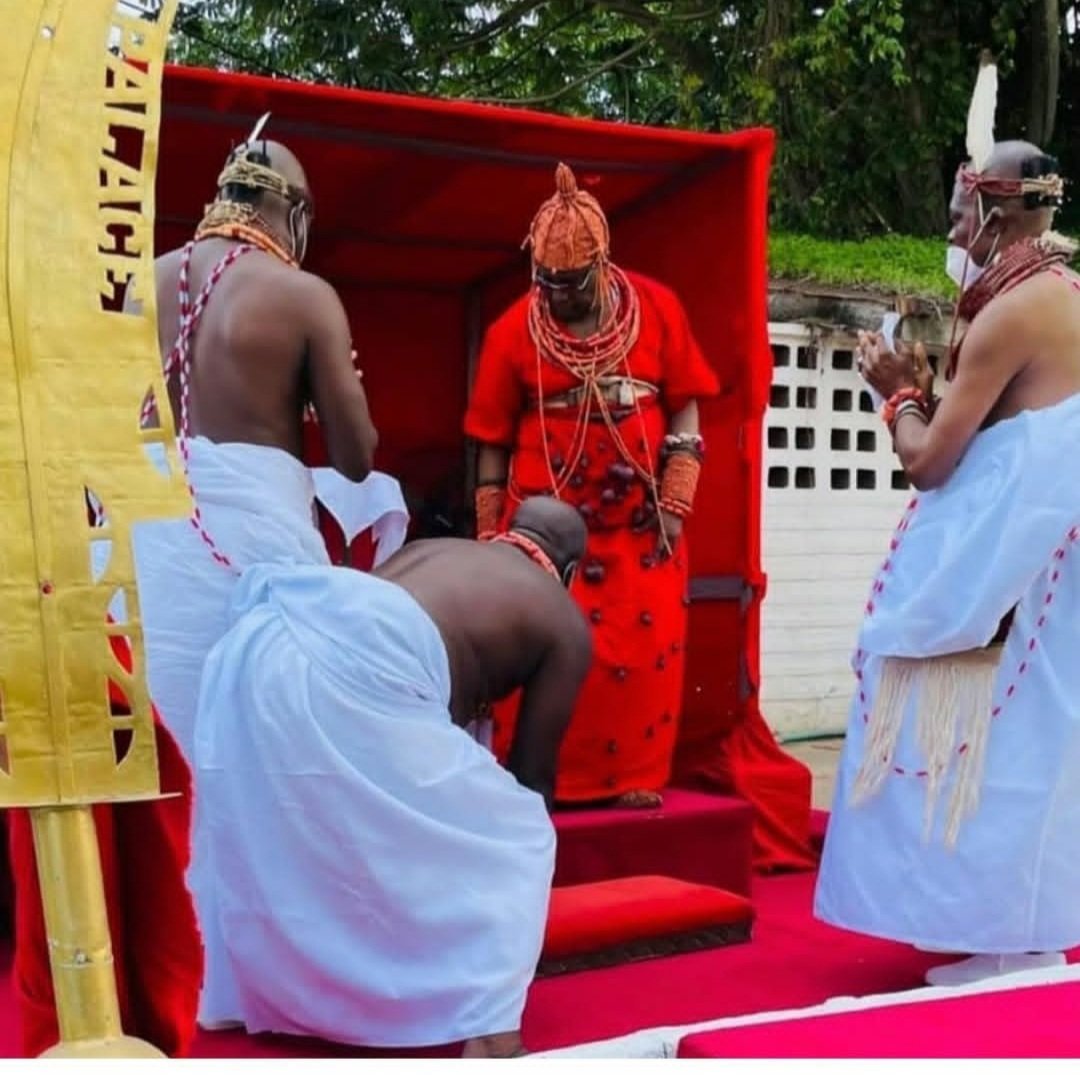
These are Bini ancestors /forefathers before politics changed the narrative. I will wait for the day they can truly showcase their original culture, artefacts, and deities before the Yoruba influence changed the dynasty to “Oba.” Everything ,and I mean everything they are posting or showing right now still reflects Yoruba.civilisation 🤷♂️cus everything oba oba oba and still a Yoruba man🤷♂️🤷♂️🤷♂️
13
25
61
2,689
May 14
How many cultures did it influence
May 13
Benin City, located in Edo State, Nigeria, is the heart of African culture and traditions.
1
30