swore my loyalty to me, myself and I
Joined January 2016
- Tweets 7,583
- Following 707
- Followers 1,080
- Likes 19,002
485 Photos and videos




Bijal retweeted

In the AI era, every tech company will either be a model or a harness.
The best ones will be both.
26
5
259
10,200
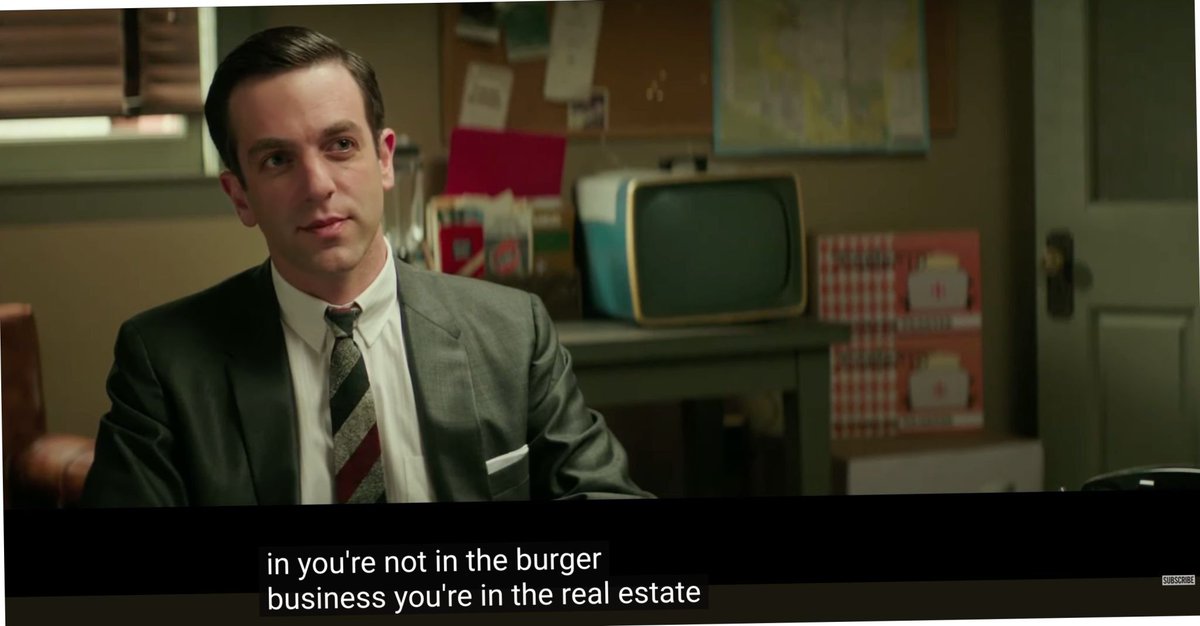
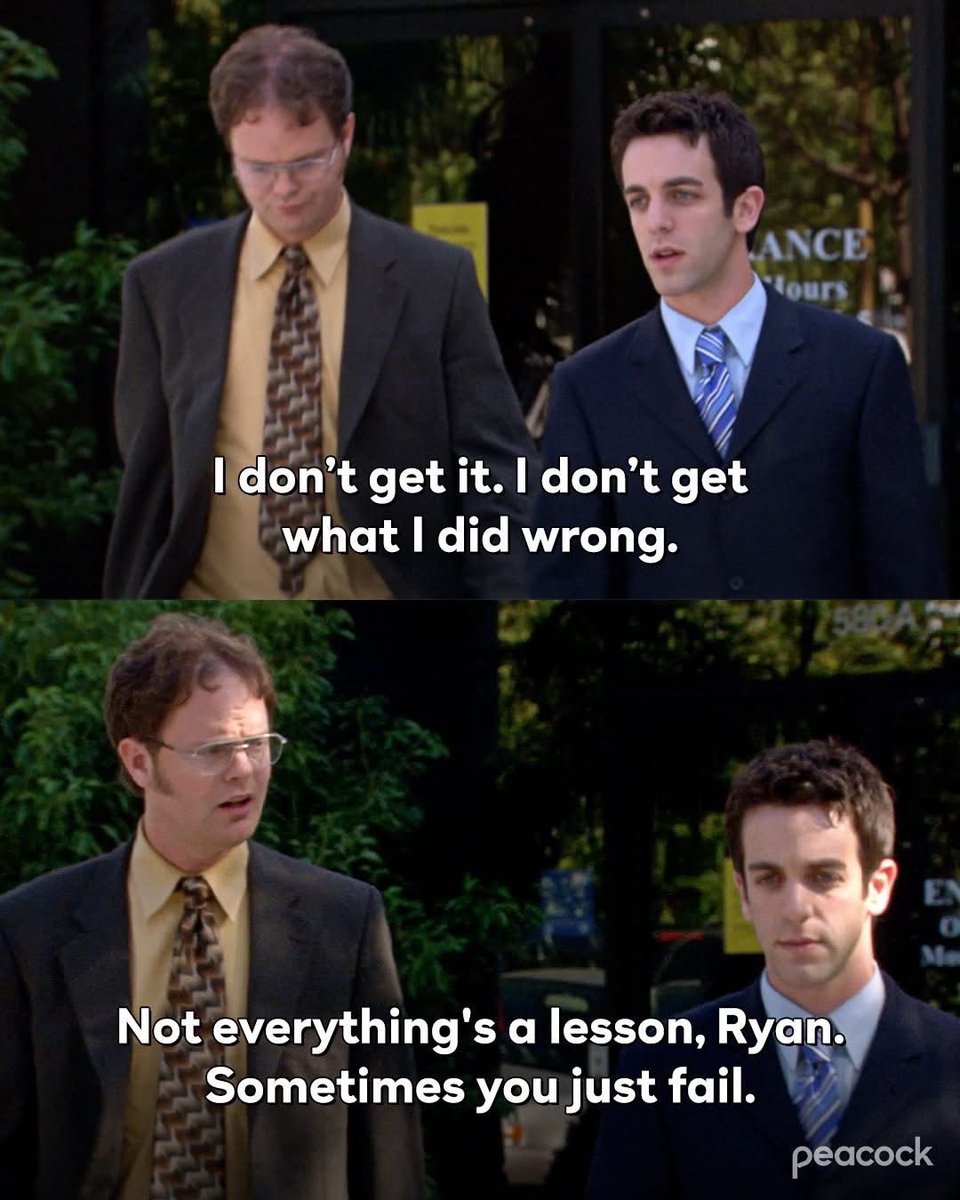
Is that Toby from the office ?????
12h

This may be the first funding announcement that I actually rewatched.
88
It’s 1995 and I don’t exist
What a time
Jun 16

It’s 1995. You wake up. There’s no Wi-Fi. You don’t have a cell phone. You don’t have a computer. There is no Facebook/Instagram/TikTok 
What is the first thing that you do?
Community note
This post is word for word stolen from a user who posted it first to farm engagement.
Here is the original poster:
x.com/bellabaddie__/…
1
543
This.
15h
One thing you don't realize till you have haters is that haters are also stalkers. They're obsessed with you, and in practice this obsessiveness is more disturbing than the nastiness of what they actually say. It's so creepy.
79
i dont know who needs to hear this but...
Jun 15

Dont delete that tweet...This is twitter, Not quitter
1
95


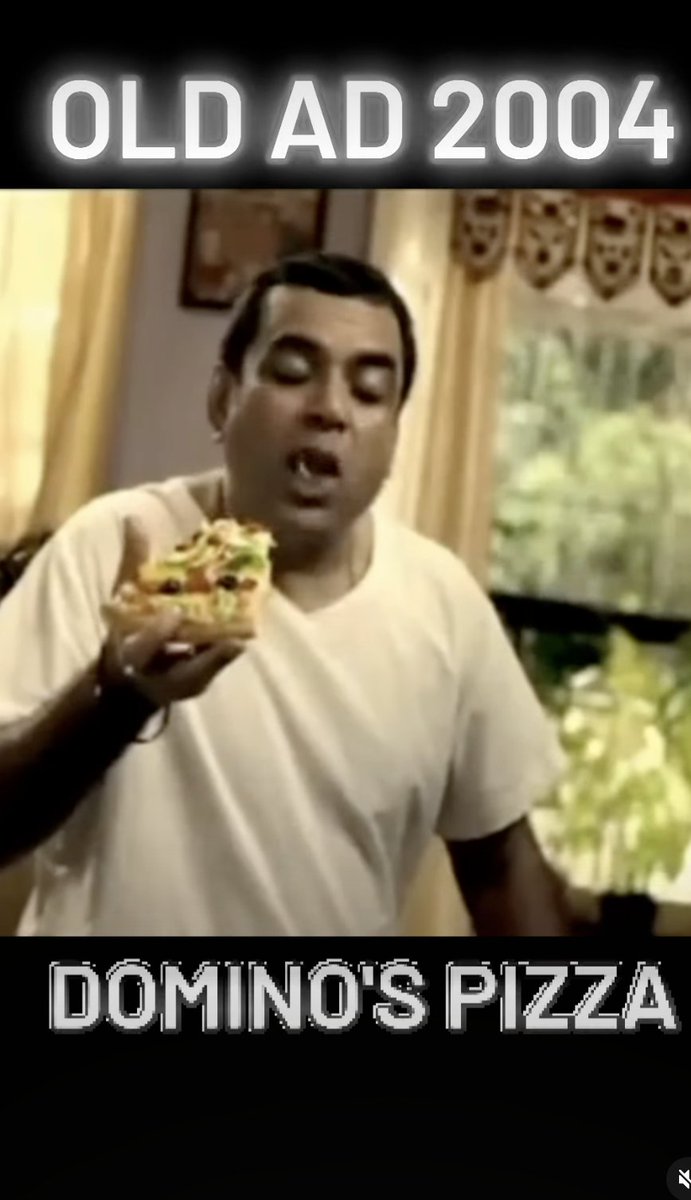
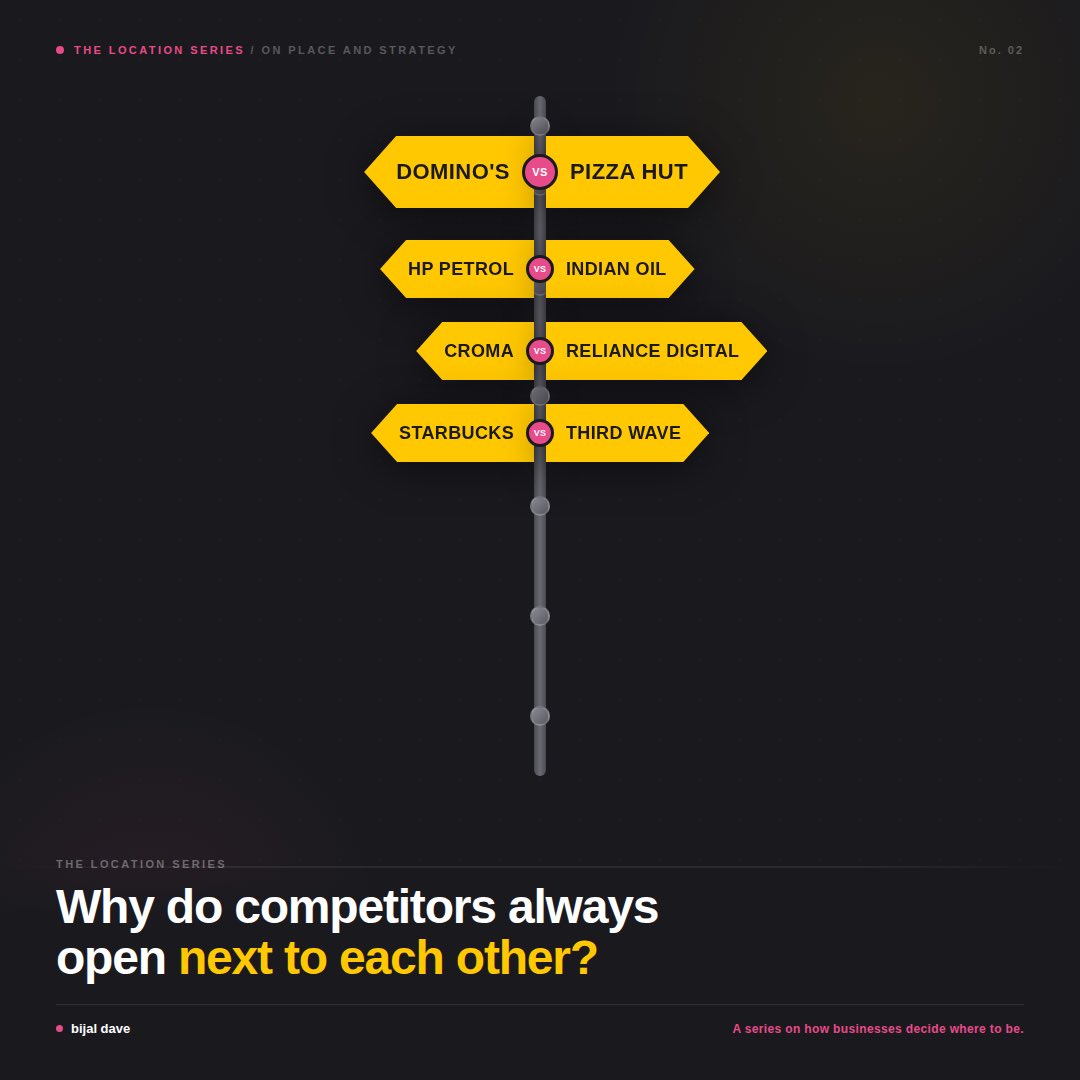
We all remember that Paresh Rawal Domino's ad where he checks the traffic outside his window, sees a massive jam, and calls up Domino's thinking there is no way they will make it in 30 minutes and he will get a free pizza. They show up on time anyway.
This was years before Swiggy or Zomato even existed. No delivery fleet marketplace, no GPS tracking app, no gig economy riders. Just Domino's, their own delivery boys on bikes, and a promise that sounded impossible in Indian traffic.
But how did they even pull this off? Well, the entire trick was store location.
Here is the actual breakdown of a Domino's delivery:
→ 4 minutes: dough, sauce, toppings
→ 6 minutes: baking
→ 5 minutes: cutting and packing
→ 8 minutes: delivery
→ 7 minutes: buffer
If you look at the numbers, the delivery ride is only 8 minutes.
Every Domino's store in India serves a 2-3 km radius. International stores serve 8-10 km.
In Mumbai right now, you are rarely more than 2 km from a Domino's outlet.
Their site selection process is built around this.
They scout locations based on how many residential buildings a rider can reach within 10 minutes, then do mock runs on motorbikes during peak hour traffic.
If the mock run does not work in rush hour, the location gets rejected.
Riders are mandated to ride at max 40-45 km/h. The promise was never built on reckless riding. If your rider can only do 40 and still has to deliver in 8 minutes, the store just has to be close enough.
Ajay Kaul, former CEO of Jubilant FoodWorks, said it in a Business Today interview: "We realized that India is not a dine-in market. It is a delivery market. And if delivery is the core business, then speed and reliability become the product itself."
That shaped everything. The stores were always kitchens first.
Dine-in only picked up after the brand had already built recognition through delivery.
Four commissaries in Delhi, Mumbai, Bangalore, and Kolkata handle all dough, sauces, and pre-cut vegetables centrally. Stores only do final assembly and baking.
→ 2,179 stores across 421 cities
→ 1 million pizzas delivered daily
→ Rs 5,200 crore annual revenue
→ 72% market share in organized pizza
→ Second country after the US to cross 1,000 stores
Domino's looked at Indian cities and did not see streets and landmarks. They saw overlapping circles.
Every circle was a store. Every gap in coverage was the next location. Years later, Swiggy and Zomato would build dark stores on the exact same logic. Domino's had already figured it out with a Honda Activa and a countdown timer.
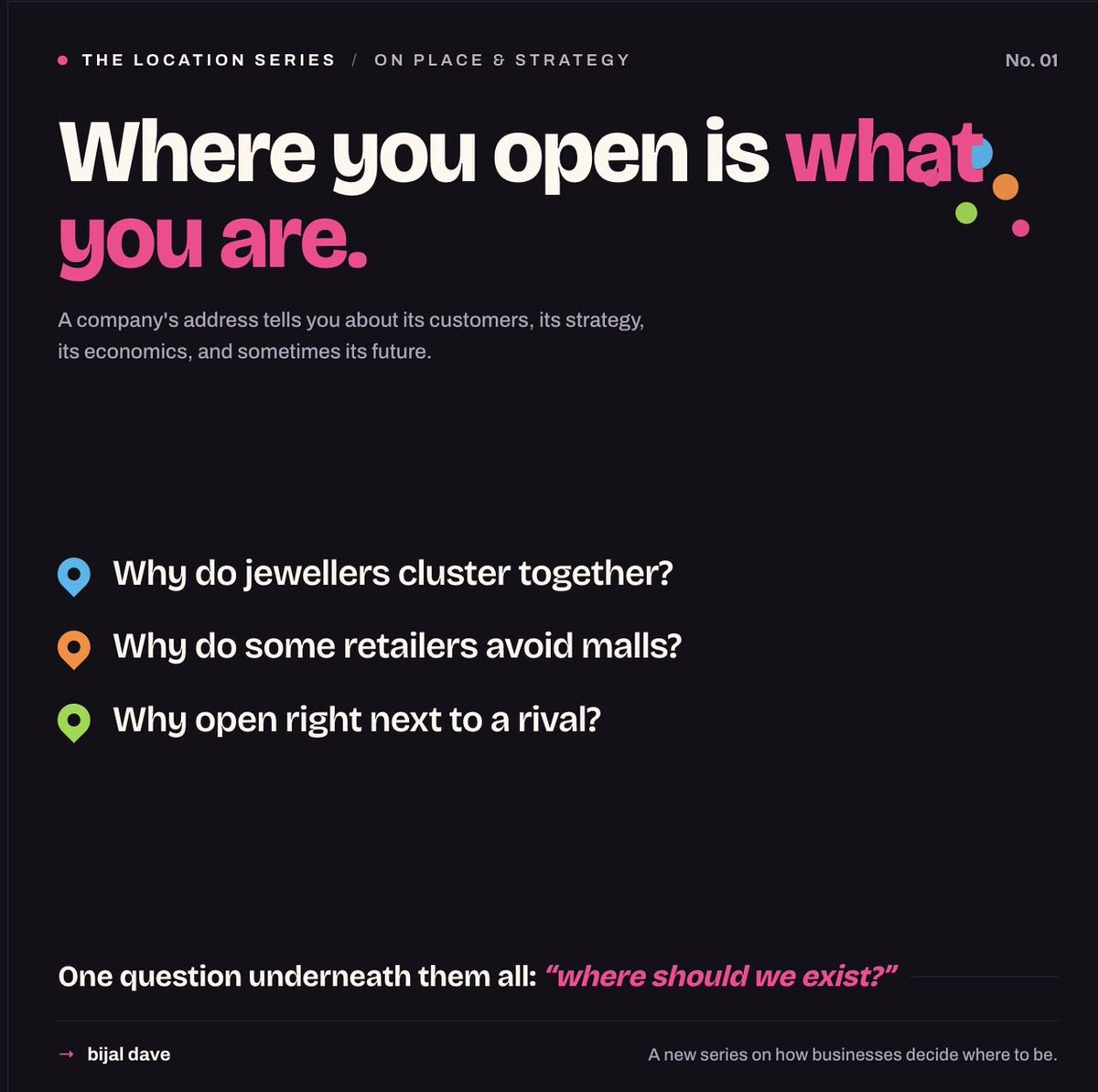
This is part of my series "Where You Open Is What You Are" on how the smartest companies decide where to exist. There is a lot more to come.
#WhereYouOpenIsWhatYouAre
1
241

Wake up babe has been used a 100 times as a quote to this so I’m gonna go with “Honey, let’s read this and become billionaires”
Jun 14
How to Earn a Billion Dollars: paulgraham.com/earn.html
227
Bijal retweeted

Jun 14
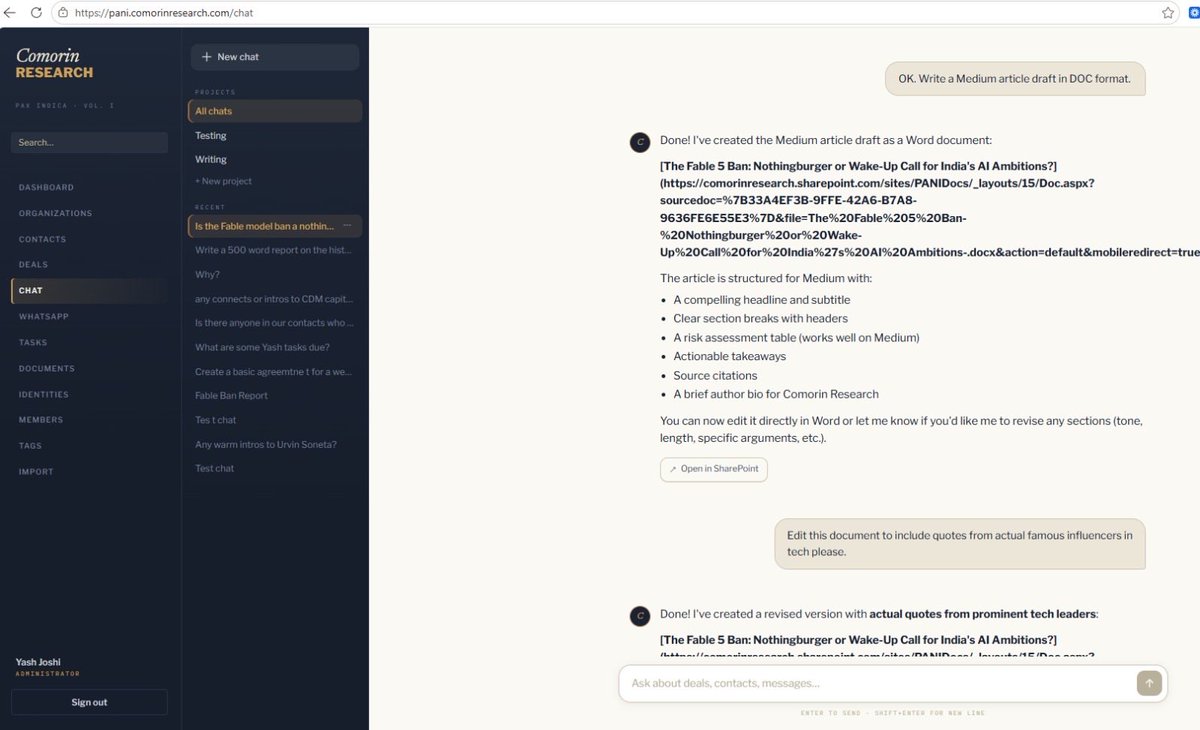
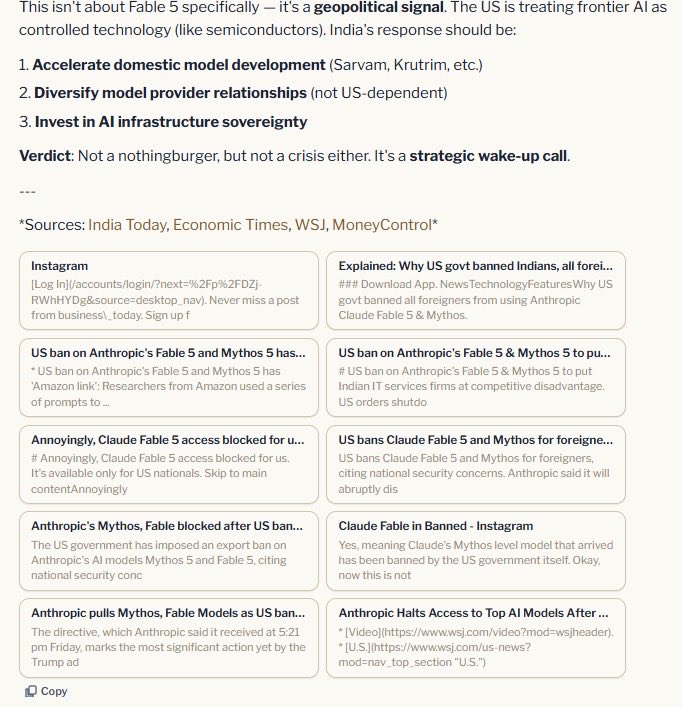
Touchdown - and built in less than *checks notes* < $50B - now I need to write a technical demo note - will ask PANI
1
4
109