Husband, Father, Physical Therapist, Educator. Speaker of the House @APTA_Official, Professor @TuftsDPT. Tweets/RT represent my personal opinions.
Joined February 2009
- Tweets 2,765
- Following 658
- Followers 1,088
- Likes 2,076
213 Photos and videos


Bill McGehee retweeted

Feb 18
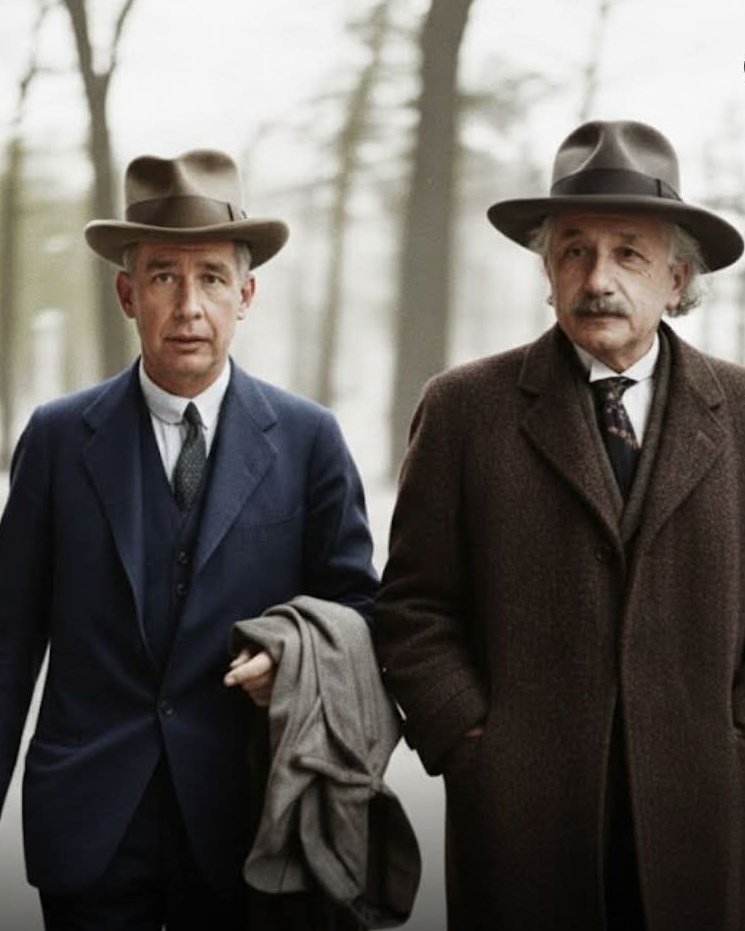
The clash between Albert Einstein and the pioneers of quantum mechanics was one of the most electrifying intellectual battles in scientific history.Einstein, the architect of relativity, could not accept the role of pure randomness at the heart of nature. When Werner Heisenberg unveiled his Uncertainty Principle in 1927—revealing that certain pairs of properties, like position and momentum, cannot be known simultaneously with perfect precision—Einstein pushed back hard. To him, the universe operated by deep, hidden deterministic laws waiting to be uncovered. Chance? It felt like an incomplete theory, a puzzle with missing pieces.His famous retort—“God does not play dice”—wasn't about religion; it was a passionate defense of an orderly, predictable cosmos.
Heisenberg's principle wasn't a limitation of our tools—it was baked into the fabric of reality itself. The more precisely you pin down a particle's position, the more its momentum blurs into uncertainty...
Niels Bohr, the champion of the Copenhagen interpretation, stood firm against Einstein's objections. Their exchanges—sharp, personal, and brilliant—reached iconic status during the famous Solvay Conferences, especially in 1927 and 1930, where the greatest minds of physics gathered.
Bohr's legendary comeback to Einstein? “Stop telling God what to do.” For Bohr, nature had no obligation to conform to human intuitions of certainty—probability was fundamental.The debate raged for years, forcing physics to confront profound questions: Is reality deterministic beneath the quantum haze, or does chance rule at the deepest level? Countless experiments since—from Bell tests to quantum entanglement demonstrations—have repeatedly confirmed the “weird” predictions of quantum mechanics, upholding uncertainty and non-locality.Yet the true power of this story lies beyond equations. It shows that even titans like Einstein can wrestle passionately with uncomfortable truths. Scientific progress often springs from fierce disagreement, from the courage to question everything. The universe didn't bend to their arguments—but our grasp of it deepened forever because of them.A timeless reminder: sometimes the greatest insights emerge not from tidy certainty, but from bold, unrelenting doubt.
26
63
249
11,437

3 Feb 2025
.@GabeforColorado I urge you to cosponsor the Medicare Patient Access & Practice Stabilization Act (H.R. 875). This bipartisan bill will eliminate the 2.8% cut to providers and provide much-needed inflationary updates. #PTAdvocacy
1
65
Bill McGehee retweeted

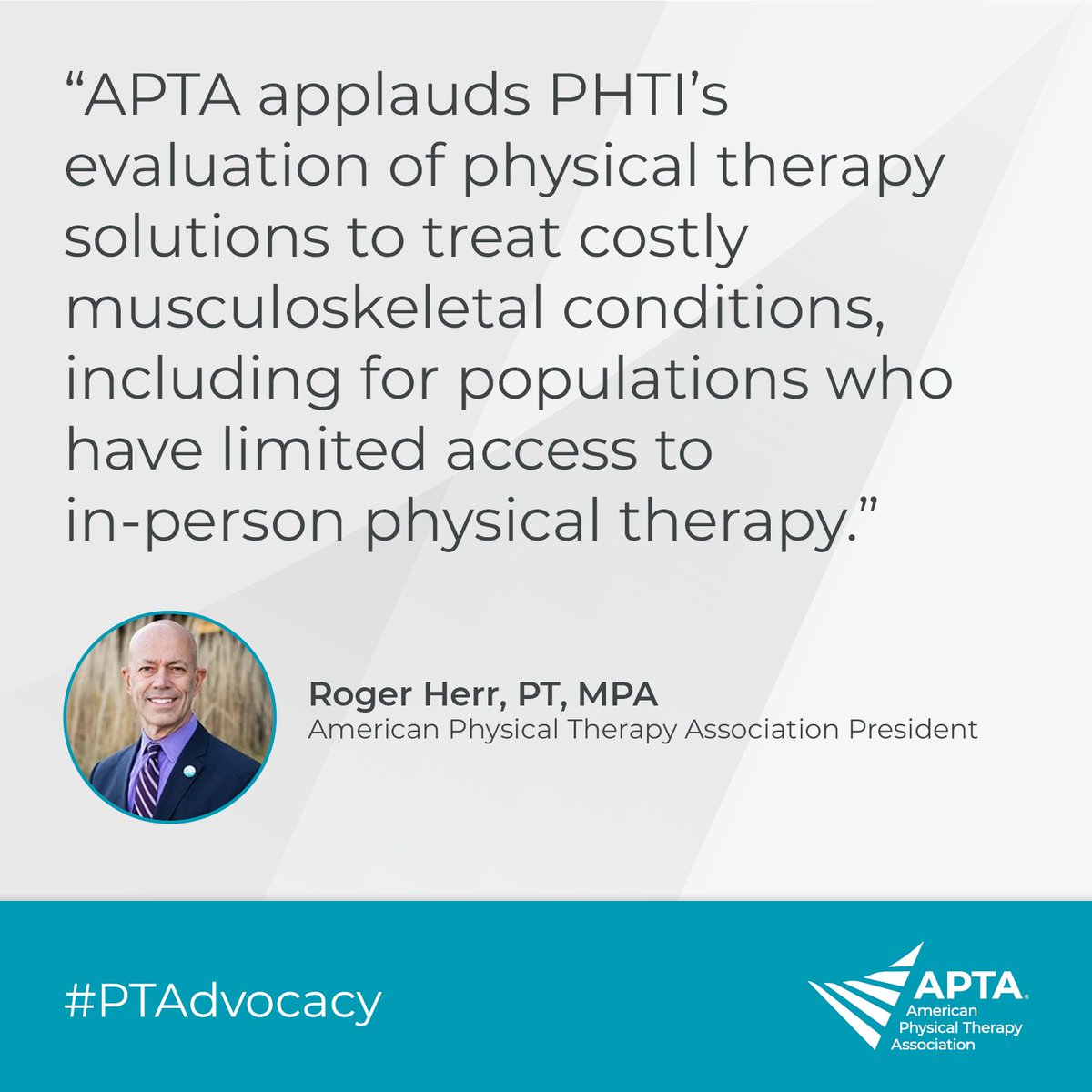
Check out APTA's statement on @Peterson_HTI's Report on Virtual Musculoskeletal Solutions Health Technology Assessment: apta.org/article/2024/06/05/…
6
14
4,049

Bill McGehee retweeted

6 Jan 2024
Smarts. Humor. Intellectual humility. Jumbo’s got it! @TuftsDPT @TuftsMedSchool
1
2
12
538
6 Jan 2024
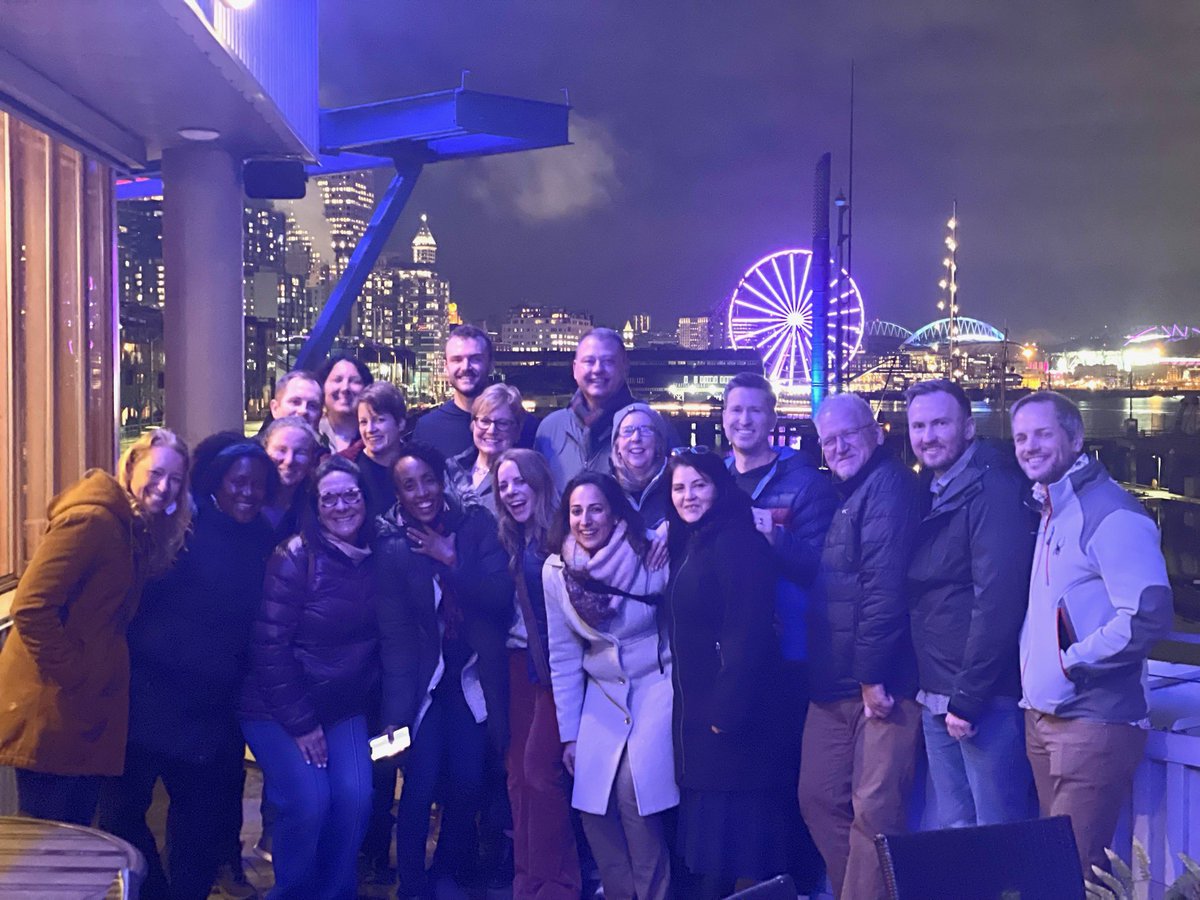
I feel fortunate to be able to work a special group of people.
6 Jan 2024

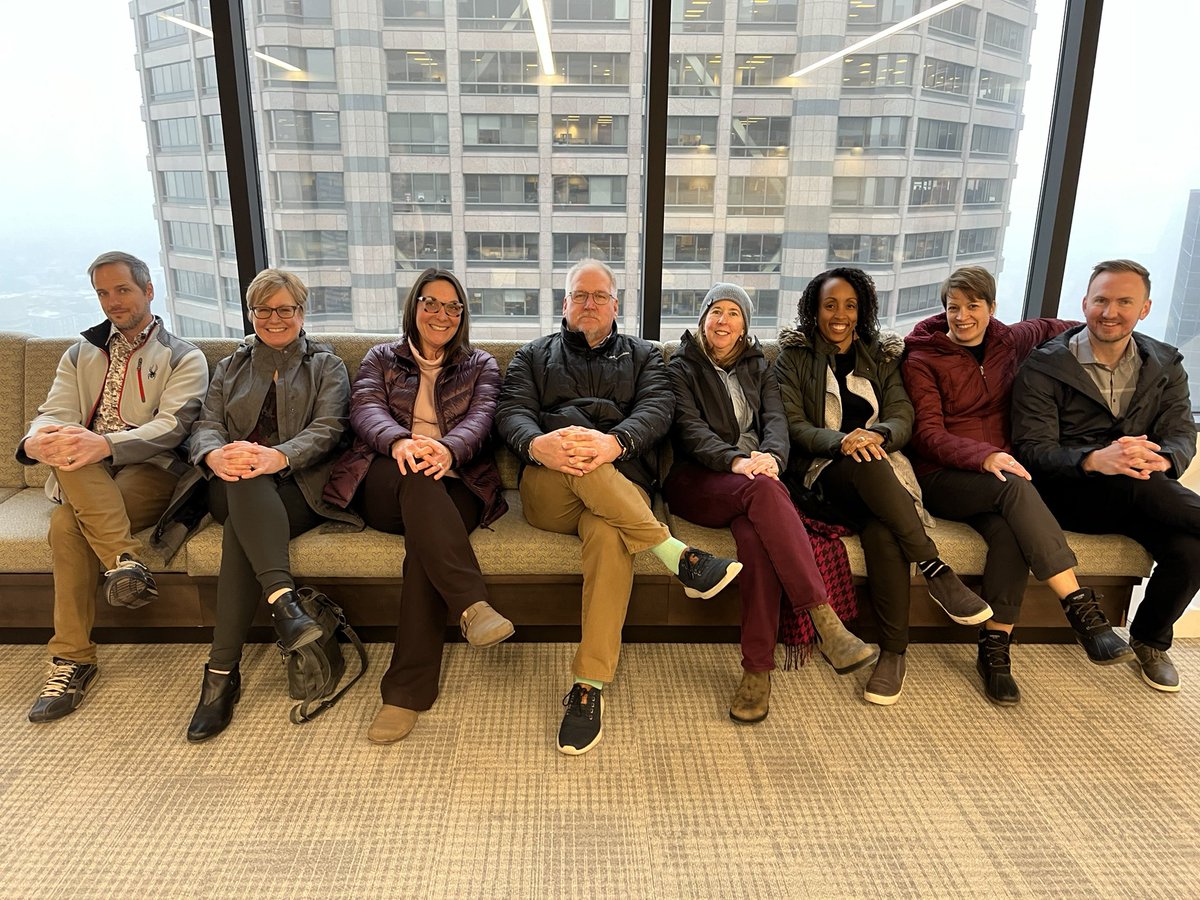
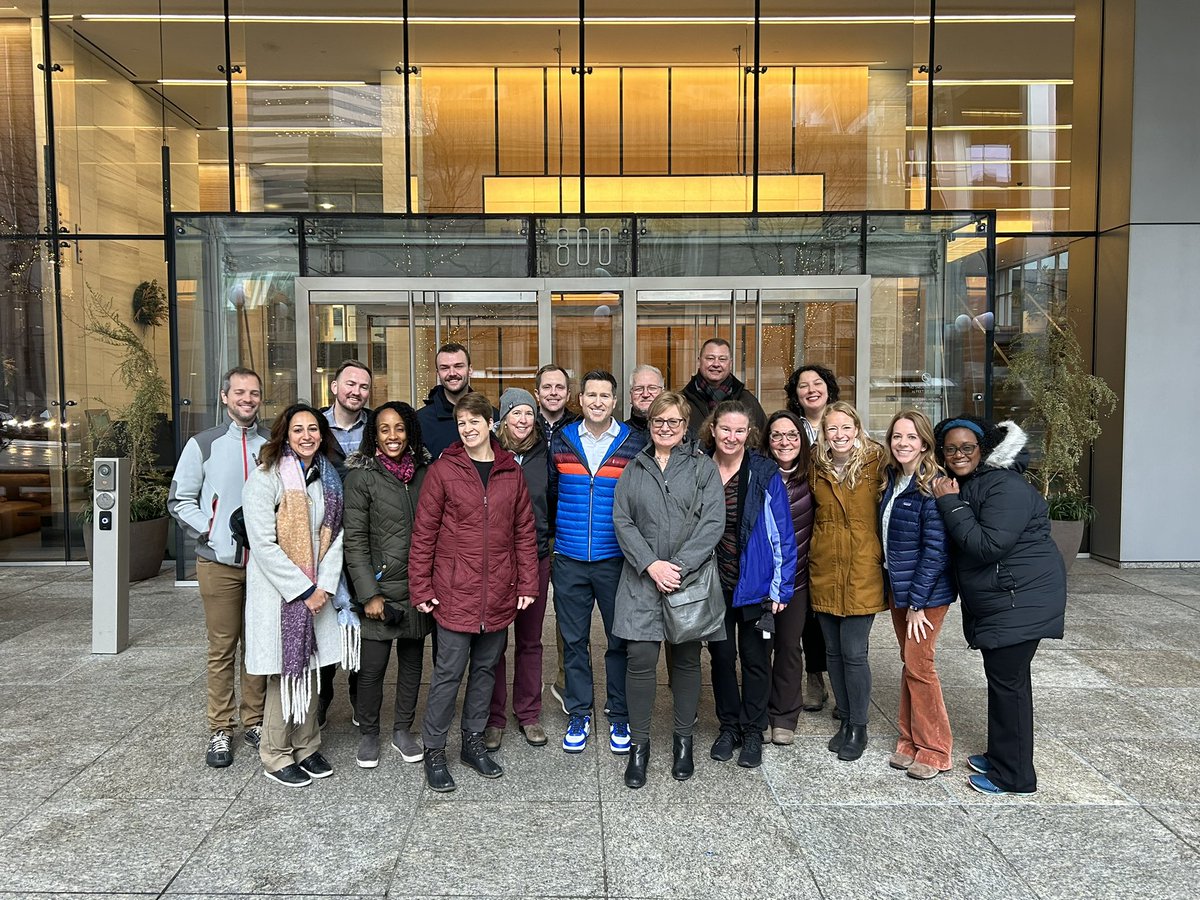
It was so inspiring to host our inaugural faculty retreat @TuftsDPT Seattle. I was blown away by how quickly this amazing group of faculty came together to strategize, collaborate, and unite around common goals. @ironmomPT @ben10dpt @billypt @alphakidsshine @leisellep @jsmoliga
13
638
10 Dec 2023
Giving thanks to @TTChilders for all the music. This year I couldn't stop listening to Feathered Indians. #SpotifyWrapped open.spotify.com/artist/13ZE…
1
88
9 Nov 2023
.@SenatorHick @SenatorBennet @RepCaraveoMD Congress must act! Stop harmful Medicare cuts to physical therapy #FightTheCut
2
81
Bill McGehee retweeted

October is #NationalPTMonth! Hear from @TuftsDPT -SEA Program Director, @papaevanPT about their inspiring journey into this incredible field. Get ready to be inspired & celebrate the impact of physical therapy on people’s lives! #ValueofPT
youtu.be/eWlBkAu_KtI?si=D-6V… via @YouTube
1
3
565
26 Sep 2023
Take a look at this important report and milestone in demonstrating the economic value of physical therapist services!

APTA's landmark report confirms that physical therapy can help Americans live better lives while saving the health care system millions of dollars annually. Learn more at valueofpt.com.
5
193
21 Sep 2023
.@RepDianaDeGette Please co-sponsor the Optimizing Postpartum Outcomes Act (H.R. 2480) #FAS2023 #PTAdvocacy
3
129
Bill McGehee retweeted
11 Aug 2023
We’re looking for skilled clinicians to join our adjunct faculty @TuftsDPT Seattle. Retweets and shares appreciated: apply.interfolio.com/127961 @BobbyHandPT @kescaff @APTAWashington @scattonesilva @twinmomplus @mattcurrierPT @HoboHealth @DJGPedsPT @neonatalPT @nixedpt @HaseelBhattPT

2
31
41
5,970
Bill McGehee retweeted

10 Aug 2023
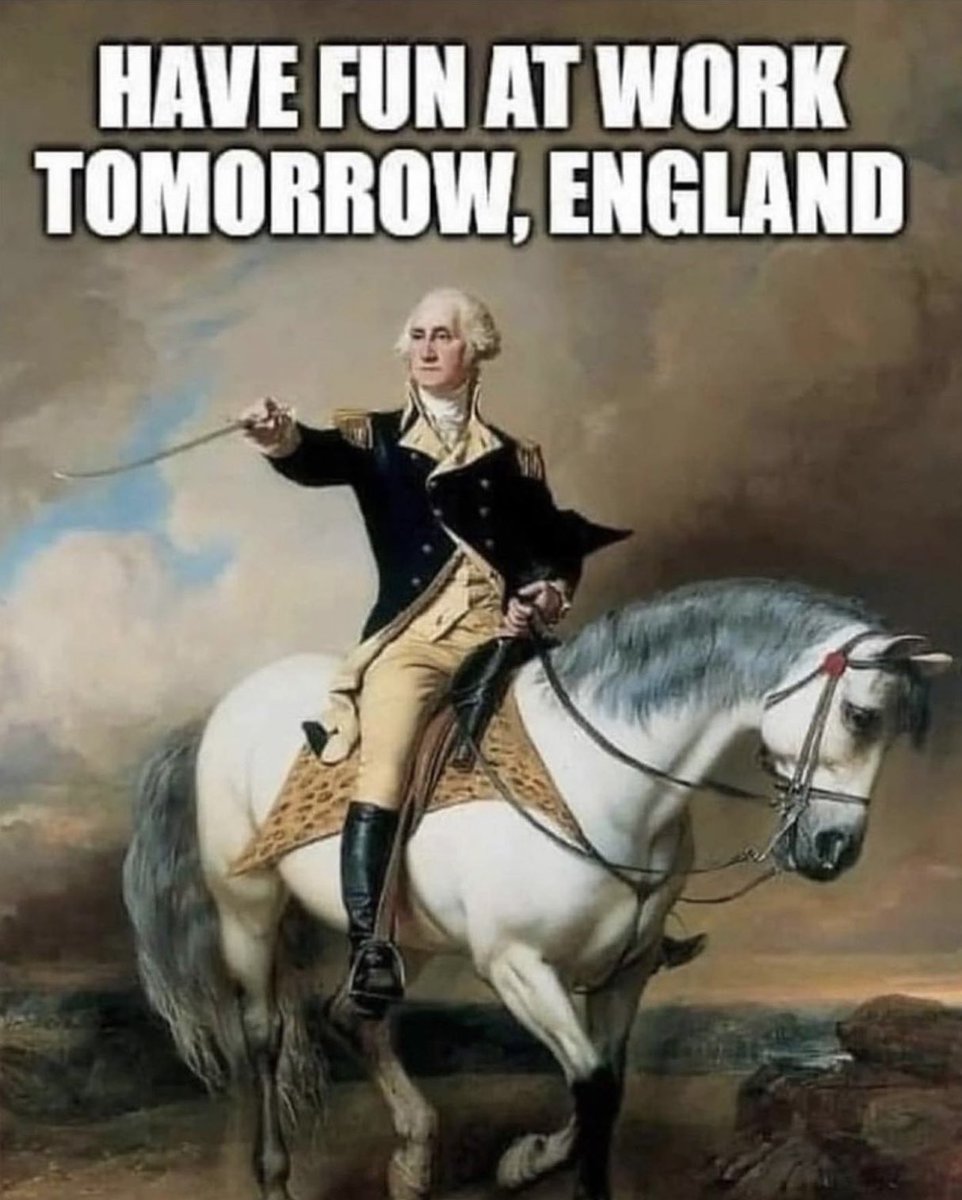
Of course we should assess assessment. But the Director of the Programmatic Assessment Office won’t approve any of the proposed rubrics we send over! She said “Trust us. We just know it works.”
5
19
138
22,062

Bill McGehee retweeted

3 Jun 2023
1. BMI does not measure body fat distribution
2. Not a good measure of body fat
3. BMI does not provide any insights into the heterogeneity of obesity or its origins
No single measure tells us the entire story of a patients lifestyle/activity & health behaviors
@lauradavisson
3 Jun 2023

Beyond BMI — an essential read for clinicians who treat people with obesity. Written by one of the giants in the field of obesity, George Bray.
mdpi.com/2072-6643/15/10/225…
4
13
45
6,787
Bill McGehee retweeted

28 May 2023
27 May 2023

Today #WHA76 agreed on a landmark resolution on strengthening rehabilitation in health systems. Rehabilitation services play a key role in ensuring the enjoyment of human rights including the highest attainable standard of physical and #MentalHealth.
5
7
1,336
Bill McGehee retweeted
22 Feb 2023
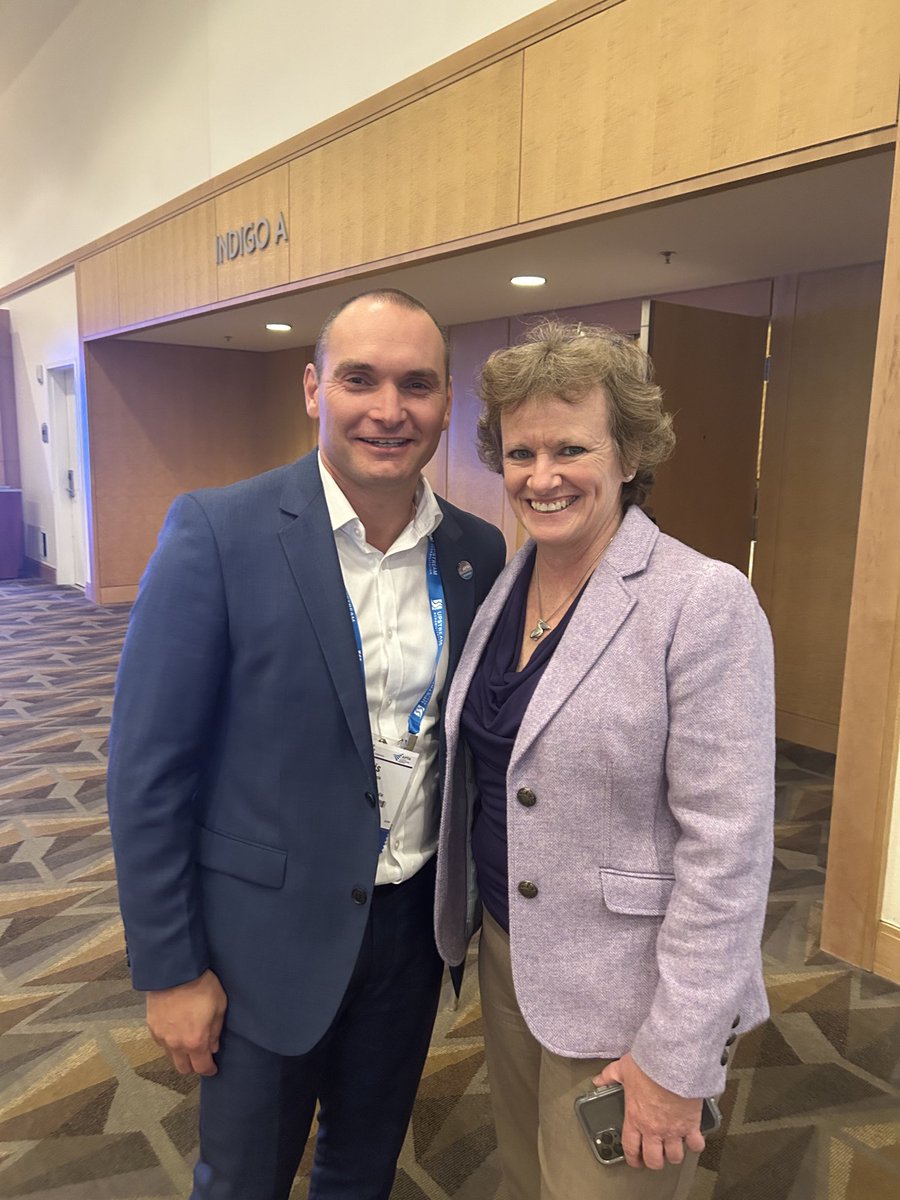
Vision and impact. @DunnSdunn2 and the @APTAtweets board sought to kick off our next century by adding a public member to our leadership on the board. @crismassis serves that role at the highest level. Vision and impact for PT & APTA!
4
3
46
6,607