Entomologist fascinated by flies (#Diptera), biodiversity & taxonomy. Telling the story of biodiversity, one species at a time. He/Him. Profile pic: Kerascoët
I really didn’t want to do this because Twitter has been a huge part of my professional development and identity, but I’m starting to migrate. I’ll still be here as it crashes into the sun, but I’m already spending more time in the 🟦sky @bioinfocus.
Get it now from the Apple App store. Bugdex is here to inspire, educate, and delight. Bugdex is available for free with the support of Novo Nordisk, Augustinus and 15 Juni foundations.
Link in bio.
Music- Unstoppable Fuzzeke
Stay tuned for the Android release.
researchgate.net/publication…
DOI: 10.3390/d15101053
Today a Perspective paper was published that I coauthored with my European friends and colleagues Ivan Löbl, Bernhard Klausnitzer, and Matthias Hartmann on the current situation of biodiversity science/taxonomy.
Well, the inevitable happened: spotted lanternfly has been found and recorded in Canada (Oakville Ontario – inaturalist.ca/observations/…). CFIA and other local organizations are assuredly on it to hopefully find a way of reducing its spread, but vital for folks to watch out for more!!
@UofGuelphOAC is hiring for an Assistant Professor in Field Crop Entomology at the Ridgetown Campus. This is a great opportunity for someone with a PhD in Agricultural Entomology, or closely related discipline.
uoguelph.ca/facultyjobs/post…
Next Friday 22 September is the 20th anniversary of the release of Mesquite, a program/system for phylogenetic data and analyses developed by @DavidRMaddison and me, and currently in version 3.8. Some thoughts & a party! — a 🧵. mesquiteproject.org
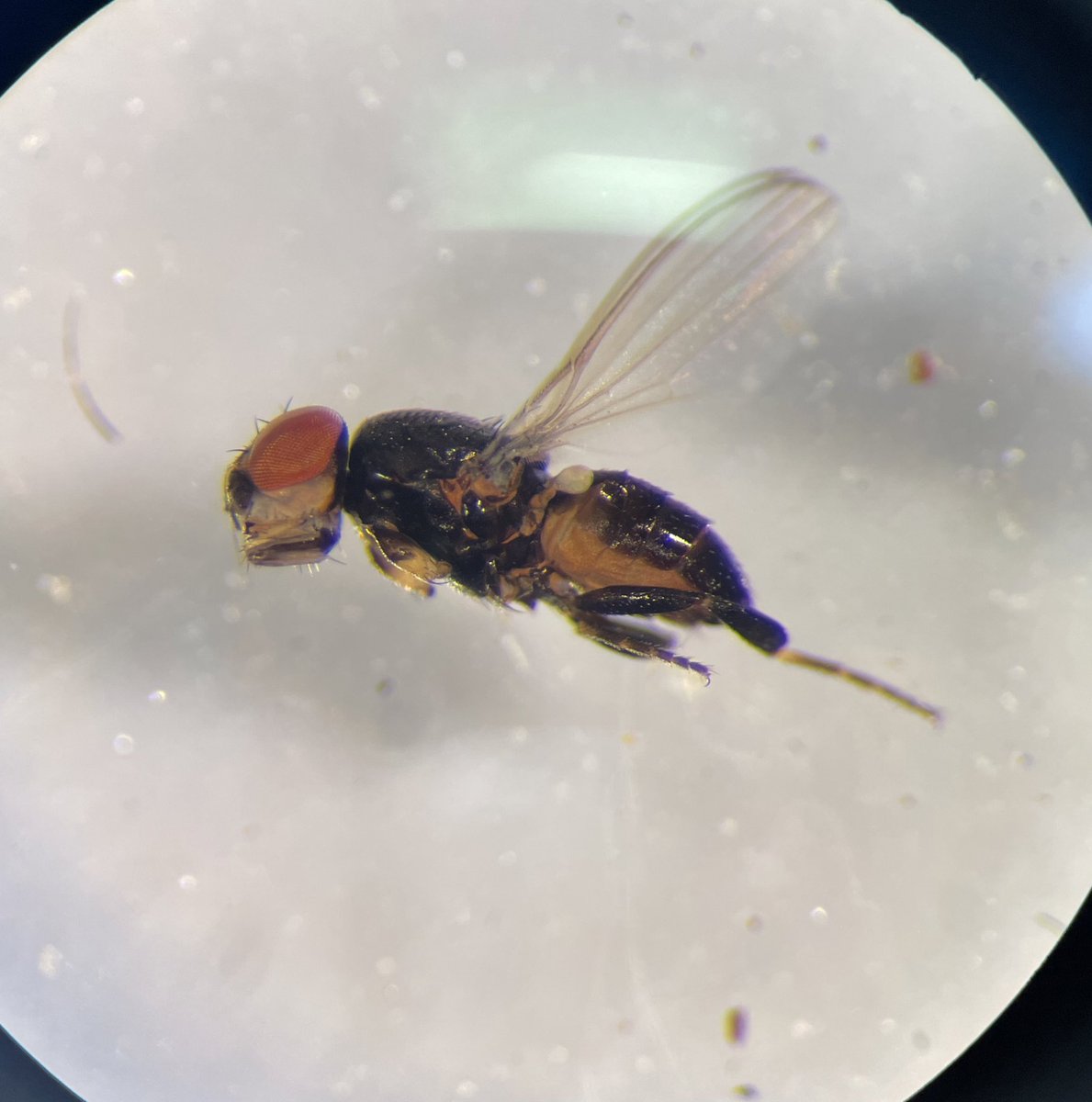
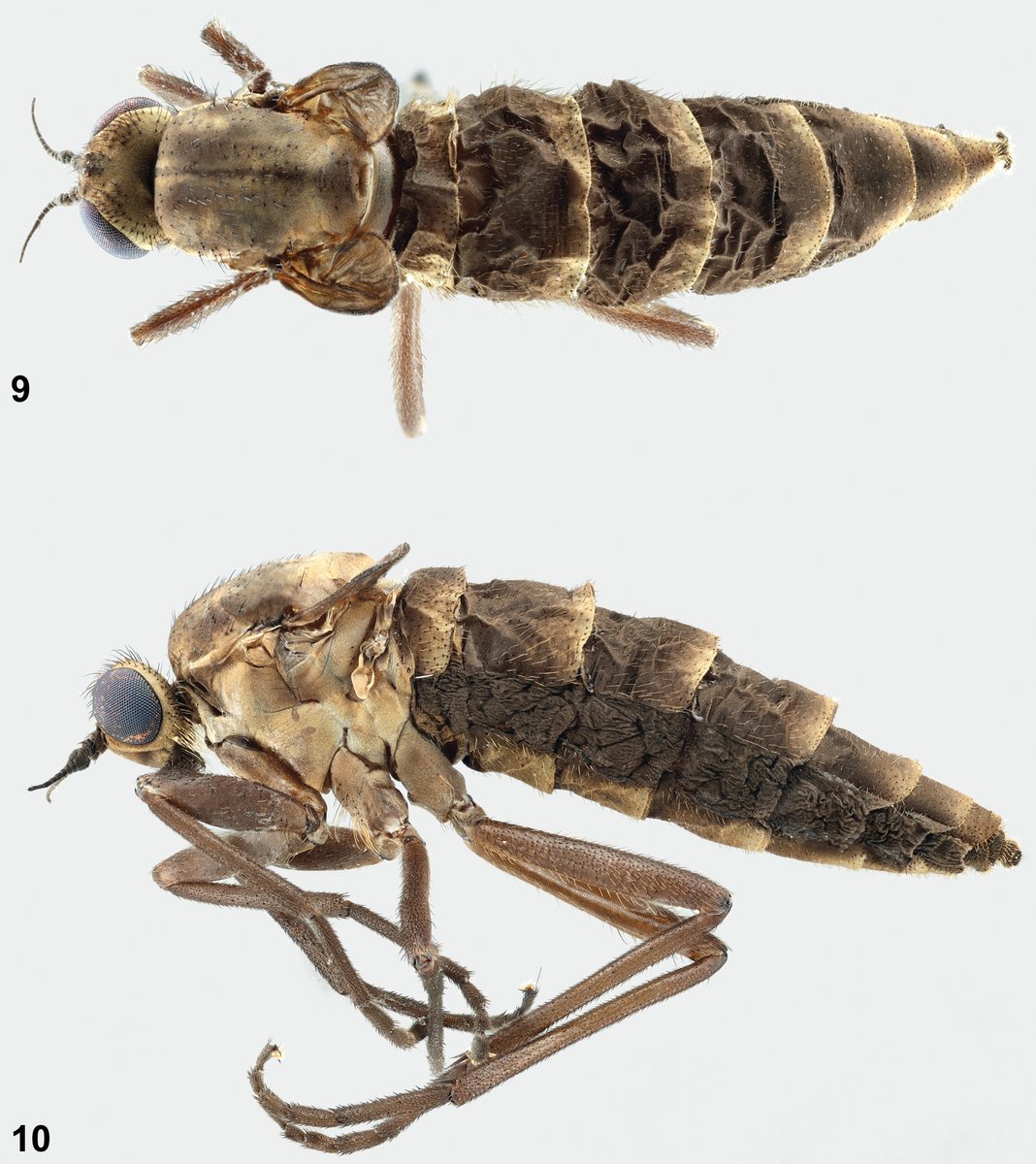
The female of Atherimorpha latipennis, collected for the first time in 2021, is described. It represents the first recorded case of brachyptery in the family Rhagionidae.
🔗Read more: doi.org/10.3897/zookeys.1178…#Diptera
Two Volucella zonaria hoverflies at Common Wasp V. vulgaris nest over our front door. One prospecting, one seems to be ovipositing in nest entrance. Their larvae live in the nests of social wasps (thanks @_alanbradbury for that knowledge). Wasps not a problem so far.
I am also looking for at least one more person to ID birds from audio in Oregon. The job is flexible and paid hourly. Please share with your bird buddies!
If interested please fill in this form:
forms.office.com/Pages/Respo…
Hey, that's me! Today the #BantingCanada award recipients were announced, & I am very grateful to be one of them!
Thank you @CIHR_IRSC/@NSERC_CRSNG! I am looking forward to continuing to study the ecology of spiders in agro-ecosystems and beyond at @mcgillu
ALT header image from the banting website featuring photos of three people wearing glasses (three of the postdoc awardees, including me) with text that reads: 2023 Banting Postdoctoral Researchers
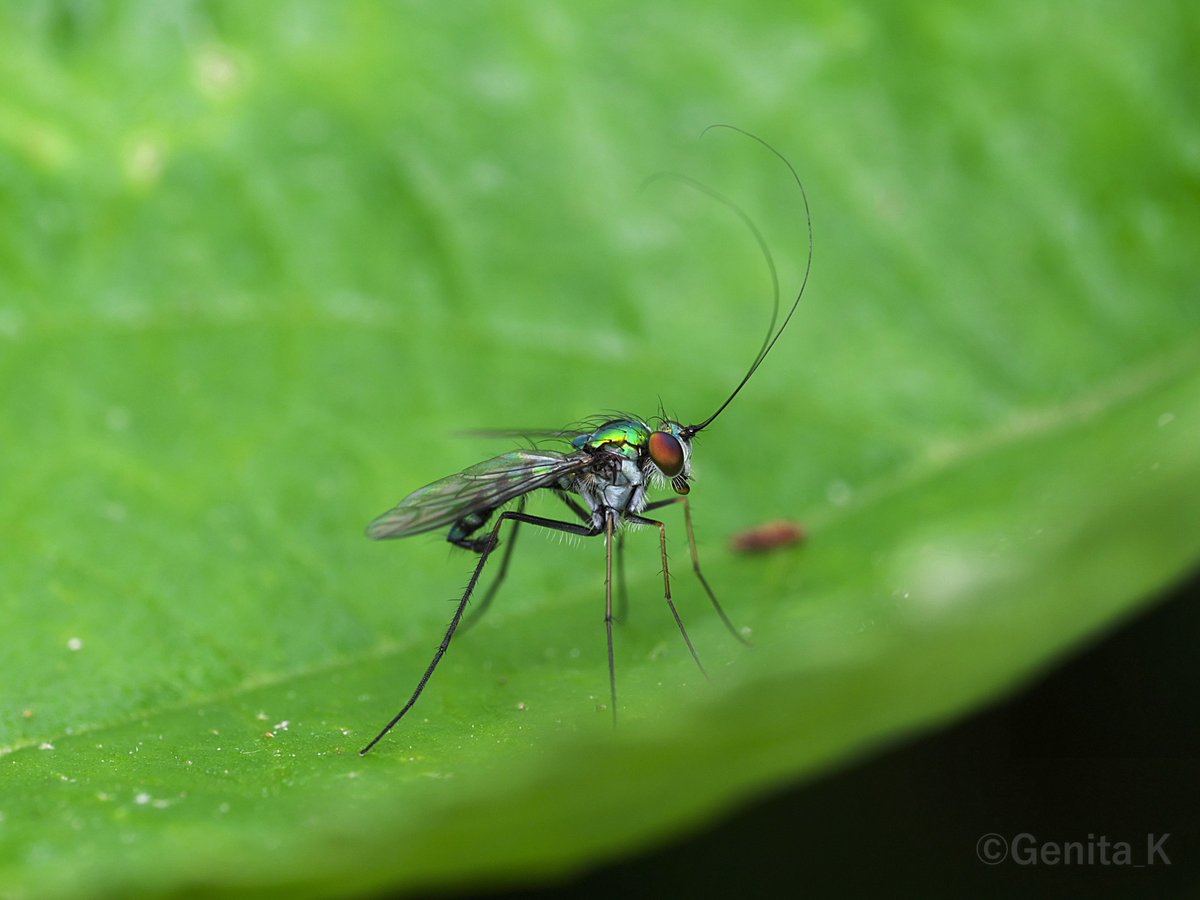
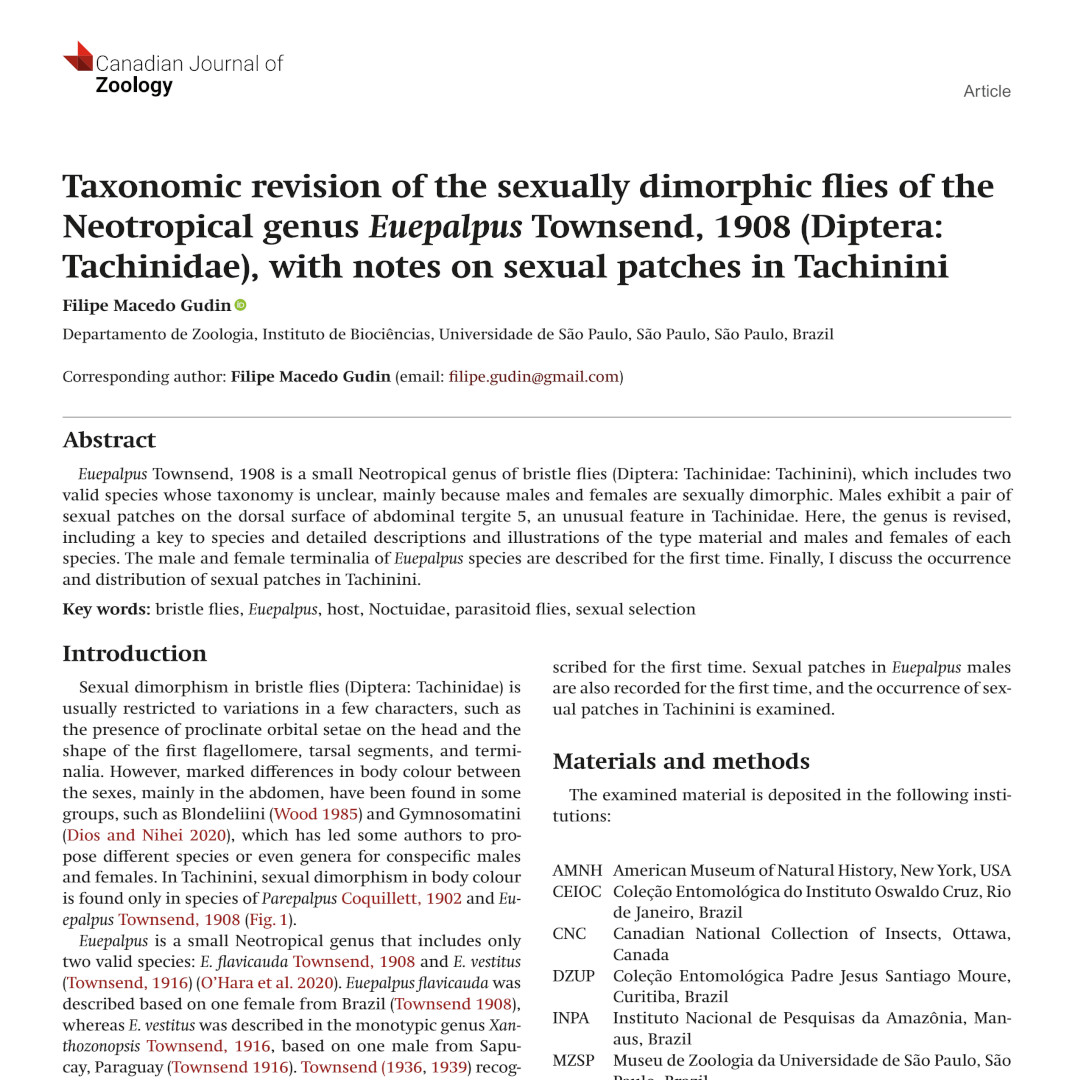
What if you couldn't find your soul mate because they were described in a different species?!
In this article, I reviewed a remarkable group of parasitoid flies that show striking sexual dimorphism in body color. Check the short thread!
#tachinidae#diptera#scicomm#Entomology
A new statement/comment from the ICZN is available on @ResearchGate: researchgate.net/publication… It is about DNA-based descriptions and will hopefully initiate wide discussions that help us wording the next edition of the Code.
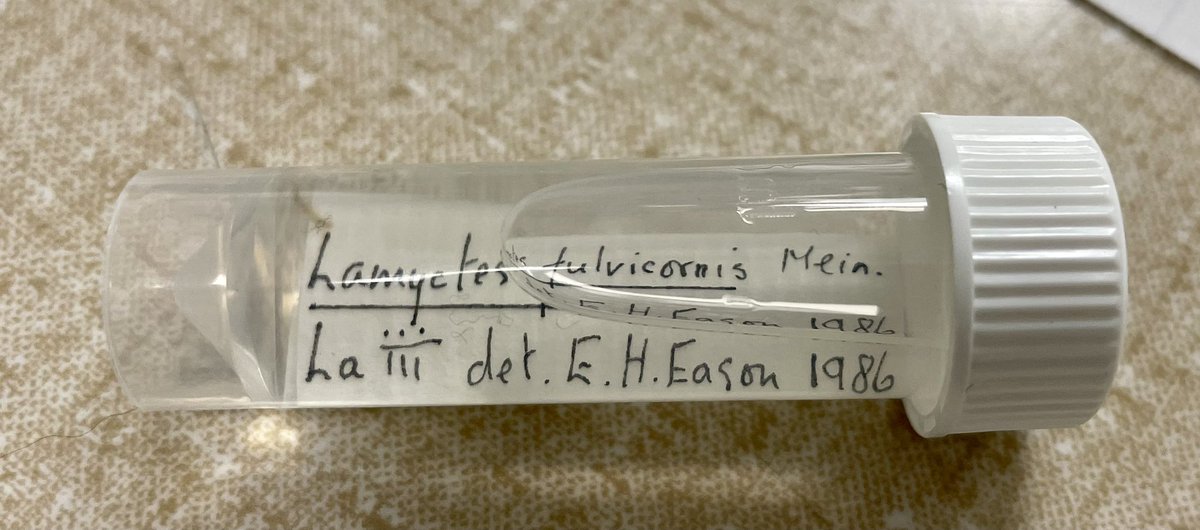
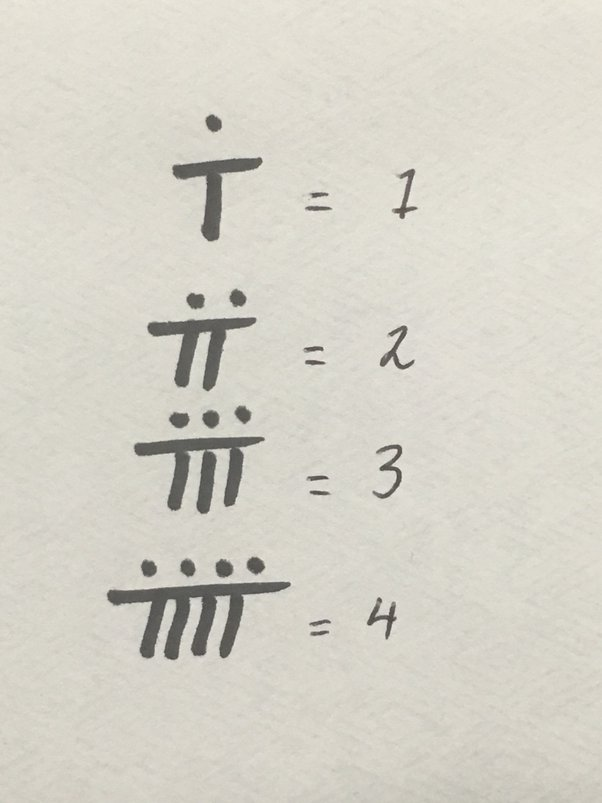
Twitter to the rescue again! Mystery solved; the La iii is signifying it’s a juvenile in its 3rd larval stadium. The “iii” with the line appears to be a medical/pharmaceutical shorthand for the number 3 that is fading from use. Thanks everyone in the replies!
One of our students is curating our millipedes and came across a museum det label code I’ve never seen before; does anyone have any idea what the “La iii” means? I seem to remember an old HTML webpage that had tons of these label marks translated, but I can’t find it…
ALT Specimen vial filled with ethanol and showing a white paper determination label that reads “Lamyctes fulvicornis Mein. La iii det. E.H.Eason 1986”. The “iii” is stylized with a line separating the dots from the lines of the I’s
One of our students is curating our millipedes and came across a museum det label code I’ve never seen before; does anyone have any idea what the “La iii” means? I seem to remember an old HTML webpage that had tons of these label marks translated, but I can’t find it…
ALT Specimen vial filled with ethanol and showing a white paper determination label that reads “Lamyctes fulvicornis Mein. La iii det. E.H.Eason 1986”. The “iii” is stylized with a line separating the dots from the lines of the I’s
Speaking of “can’t find it”, the number of people I tried to tag from old Twitter who used to help out collectively with stuff like this but who have deactivated their accounts is a significant setback. 😢