
Sustainable solutions for #bitcoinmining. Data centers network since 2017.
Joined June 2020
- Tweets 987
- Following 979
- Followers 1,543
- Likes 19,649
387 Photos and videos









Jun 4
US spot bitcoin ETFs have recorded the longest ever nine‑day streak of net outflows, with a total of about $2.8 billion pulled from these products
The flows reversed on May 15, and by the end of this outflow period the year‑to‑date balance for the ETFs had turned negative, whereas as recently as the spring they had been one of the main drivers of institutional demand for BTC
34
Jun 4
US spot bitcoin ETFs have recorded the longest ever nine‑day streak of net outflows, with a total of about $2.8 billion pulled from these products. The flows reversed on May 15, and by the end of this outflow period the year‑to‑date balance for the ETFs had turned negative, whereas as recently as the spring they had been one of the main drivers of institutional demand for BTC
1
29
May 29
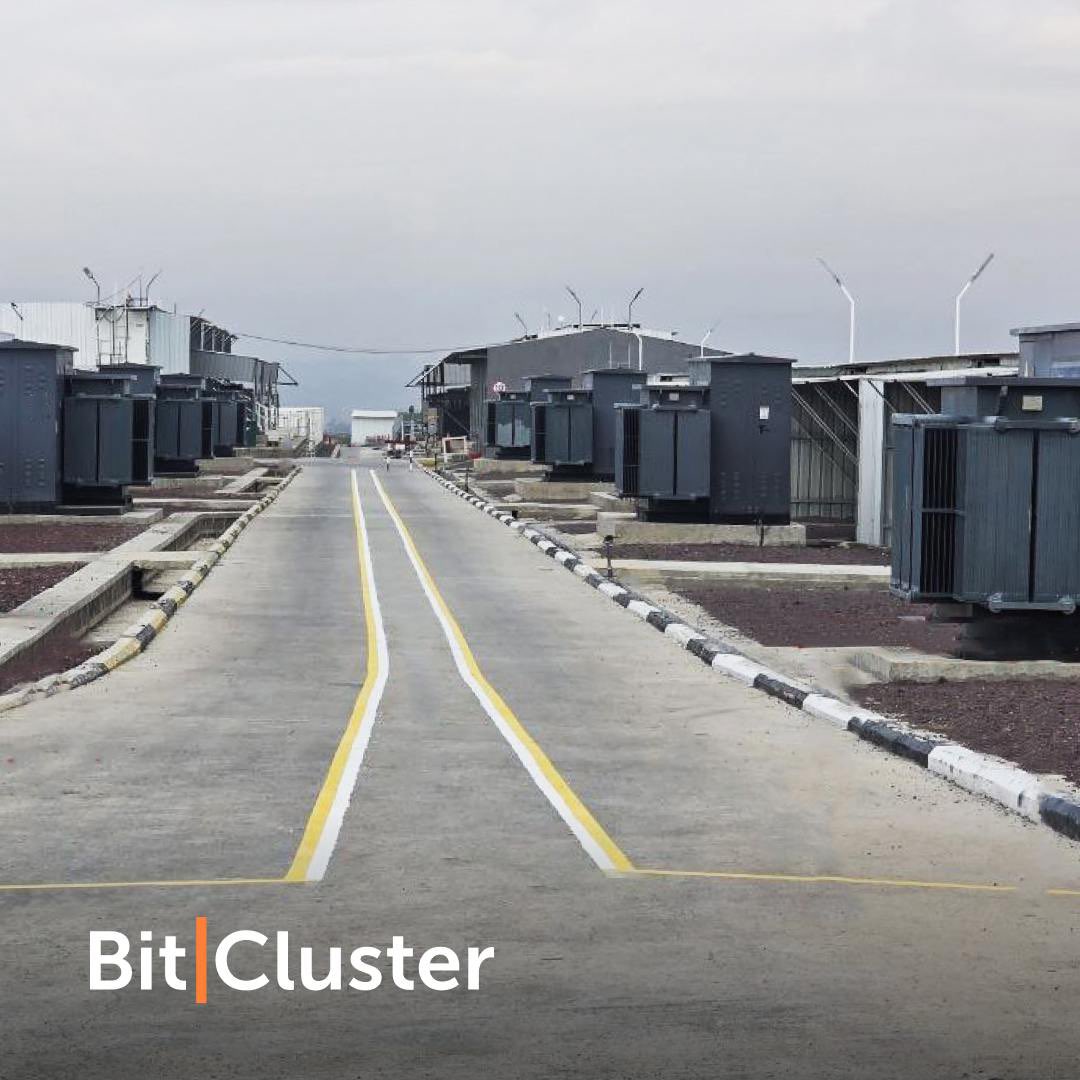
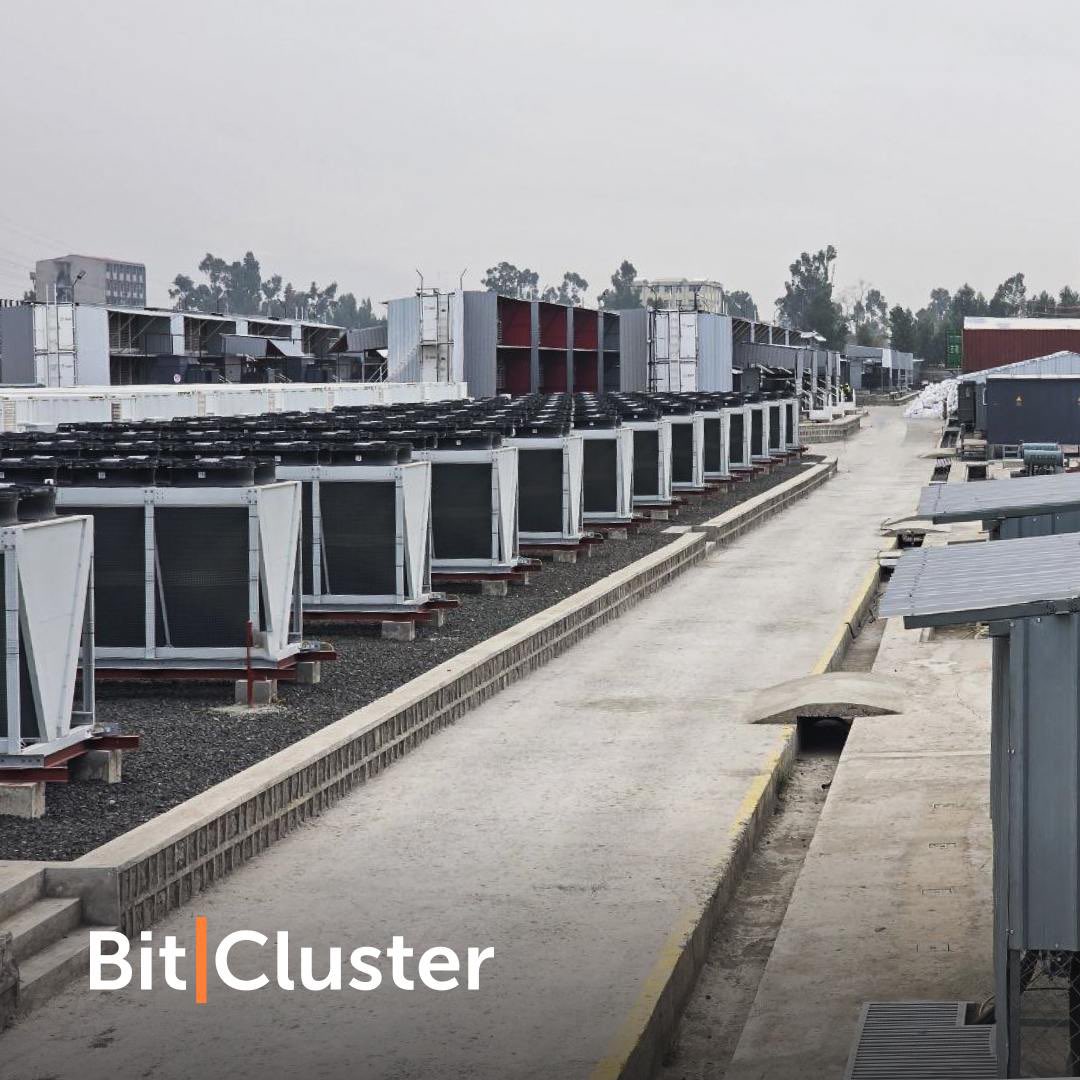
☁️ Behind the scenes of our data center in Ethiopia
Cloudy in Addis Ababa, 22°C
4
69
May 19
According to the Central Bank of El Salvador, the share of cryptocurrency‑related remittances sent to El Salvador rose by nearly 50% in the first quarter of 2026 compared to the same period in 2025
2
30
May 13
At the end of April 2026, U.S. Secretary of Defense Pete Hegseth stated during Congressional hearings that the Pentagon is considering Bitcoin infrastructure as a strategic asset and is incorporating it into a number of classified programs related to national security. He noted that the Department of Defense is implementing both “support” and “countermeasure” initiatives regarding this technology, with some of these efforts remaining classified and already being used in the interests of the United States
A few days earlier, the U.S. Indo-Pacific Command confirmed the launch of a full Bitcoin node as part of testing the protocol for cybersecurity and network resilience purposes. Against this backdrop, public discussions have also emerged around the possibility of the government establishing a strategic Bitcoin reserve, as well as the role of the United States as one of the largest holders of the leading cryptocurrency through a combination of direct and indirect ownership
2
59
Apr 21
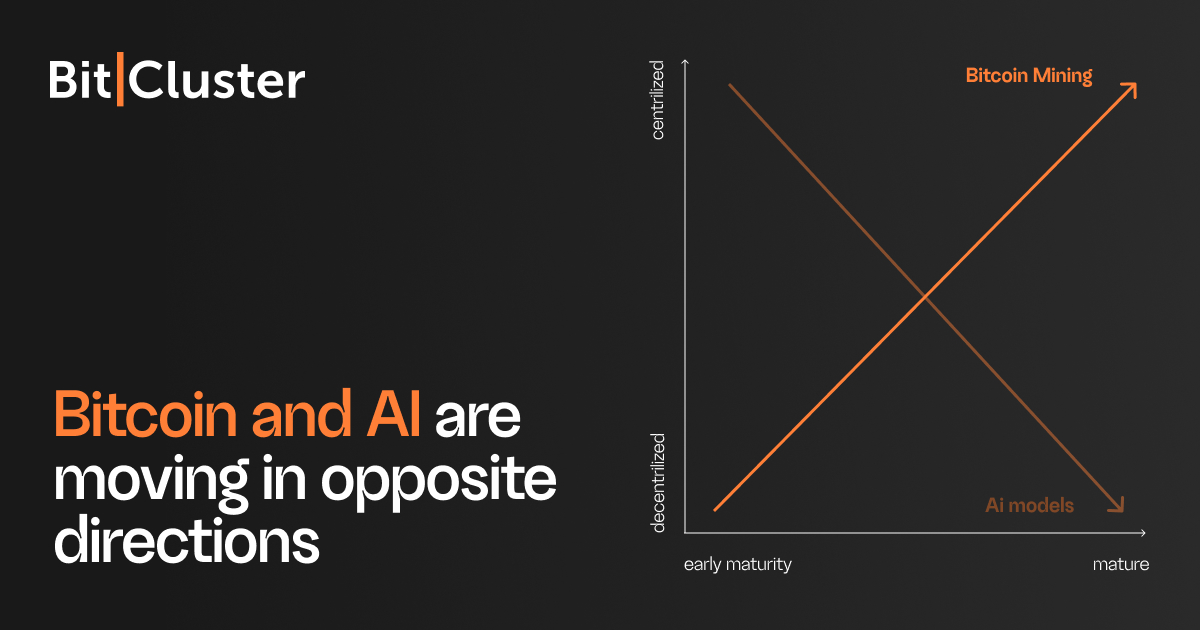
Head of Galaxy Research Alex Thorn believes that Bitcoin and AI are moving in opposite directions. Bitcoin mining is evolving from an enthusiasts’ hobby into a capital‑intensive infrastructure business controlled by large players with access to cheap energy and extensive ASIC fleets
AI, by contrast, is shifting from the monopoly of hyperscalers toward a more distributed model: local and open‑source solutions, edge inference on users’ devices, and a growing role for independent developers. In essence, we are seeing a divergence of two narratives: Bitcoin is becoming a bet on industrial scale and regulatory regimes, while AI is becoming a bet on the diffusion of compute resources and software stacks “at the edge.” The question is where exactly along this fork you are currently allocating your capital
1
52
Apr 17
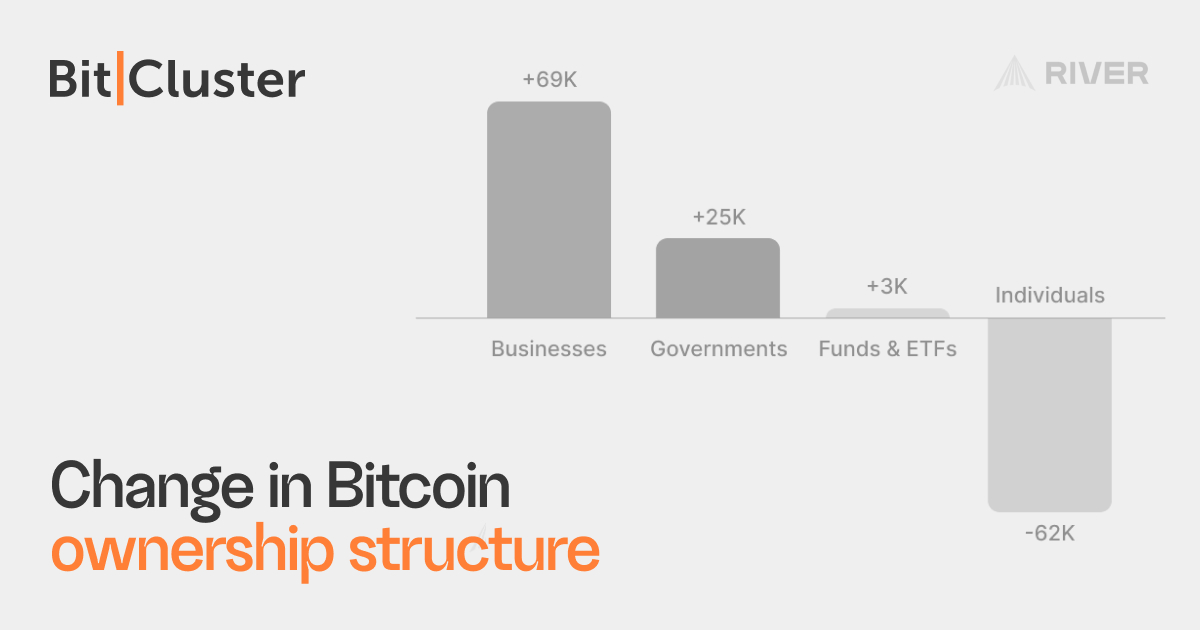
River has published a report on changes in the structure of Bitcoin ownership in Q1 2026. Companies, governments, and funds continue to increase their positions, while retail investors are reducing theirs. According to the chart, businesses added about 69k BTC, governments 25k BTC, and funds and ETFs another 3k BTC, whereas individual investors, on the contrary, cut their balances by roughly 62k BTC
1
60
Apr 15
Public companies have already announced over $70 billion in long-term contracts in the AI and HPC segment. With the current hashprice at around $28–30 per PH/day and average cash costs of roughly $80k per BTC, this shift represents a way to transform a traditional miner into a sustainable data center provider with predictable cash flow.
For long-term BTC holders, this isn’t a sign of “network weakness,” but rather a cleansing phase: capital-intensive yet inefficient operations are leaving, while players with better energy costs, access to capital, and diversified business models remain. Altogether, this improves infrastructure quality rather than diminishing the network’s fundamental value.
1
41
Apr 12
Congratulations on Fasika Easter Sunday!
We congratulate our colleagues and partners in Ethiopia on Fasika Easter Sunday. May the end of the eight‑week fast bring peace to your homes, strengthen your families, and fill the new year with light. Melkam Fasika!
1
79
Apr 10
🛑Crypto Law 2026: banks stay cautious, regulators speed up
Late March 2026 brings an interesting contrast: investment banks are cutting their BTC and ETH targets amid regulatory uncertainty in the US, while regulators are preparing for a year of “clear rules.” Weekly crypto‑law reports note that the ongoing turf war between the SEC and CFTC is still slowing down institutional capital, yet in parallel a roadmap of key dates and bills for 2026 is taking shape
Countries like Vietnam are testing hybrid models — licensing local exchanges and tightening their stance on offshore platforms, setting a trend toward “regulated” liquidity instead of outright bans or full anarchy. For the mining industry, this means access to banking services, hedging, and financing is increasingly tied to compliance with new KYC/AML and ESG standards, and not just to the price of electricity
1
52
Apr 7
$14.16B in Bitcoin Options: How One Date Reshaped Market Volatility
On March 27, Bitcoin options worth approximately $14.16 billion expired on Deribit—nearly 40% of the exchange’s total open interest. The concentration of positions around the $75k strike created a “magnet” effect for price: market makers intensified delta hedging, while spot BTC repeatedly tested the $67–70k range amid extreme market fear.
Derivatives define liquidity and the volatility range, and large expirations increasingly act as standalone macro events for the crypto market. In this environment, mid-term strategies are shifting away from “buy and hold” toward active risk management around the options calendar and portfolio rebalancing
2
61
Apr 1
On March 21, the Bitcoin network experienced one of the largest difficulty drops of 2026 — a sharp 7.76% decrease to ~133.79T, with the average hashrate around 930–940 EH/s. This marks the second major decline this year following February’s −11.16%, bringing the metric to nearly 10% below the end of 2025
At the same time, BTC output per TH/s is increasing at the same level of computing power. We’re also observing a structural shift: large public miners are selling off reserves and reallocating infrastructure toward AI workloads, which reduces competition in mining
1
33
Mar 31
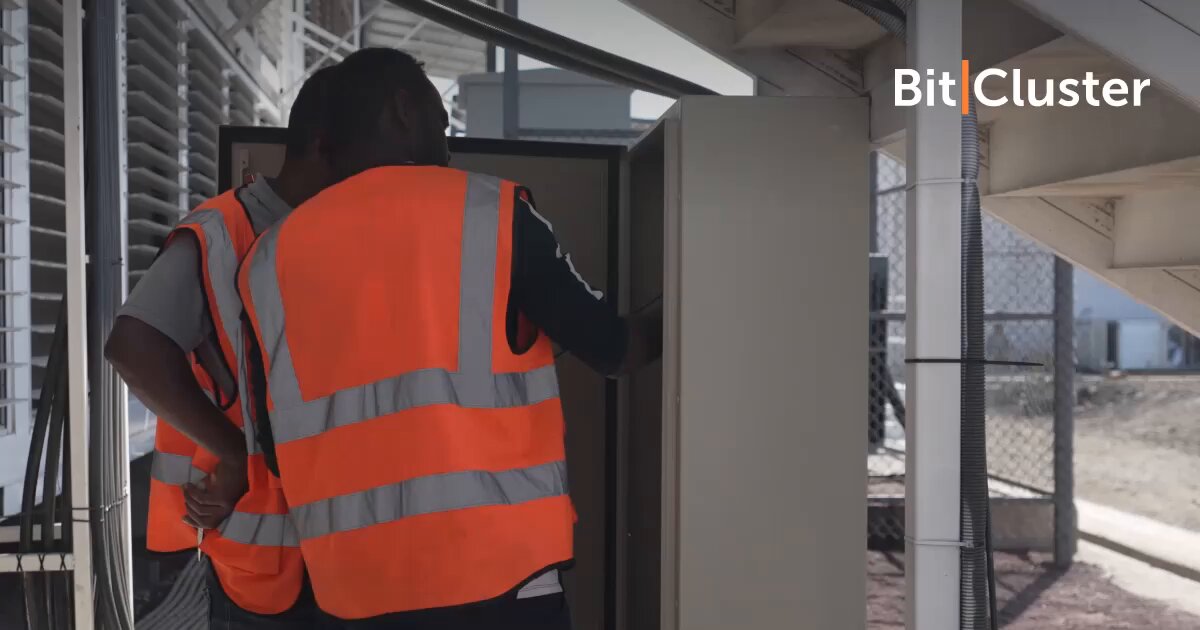
Scheduled maintenance on site: the on-duty team inspects racks with ASIC miners, checks configurations, connections, and temperature to keep the farm running smoothly with no downtime. This is the routine part of mining that usually stays off camera, yet it is exactly what ensures stable hashrate and readiness of the infrastructure for peak loads
1
43
Mar 22
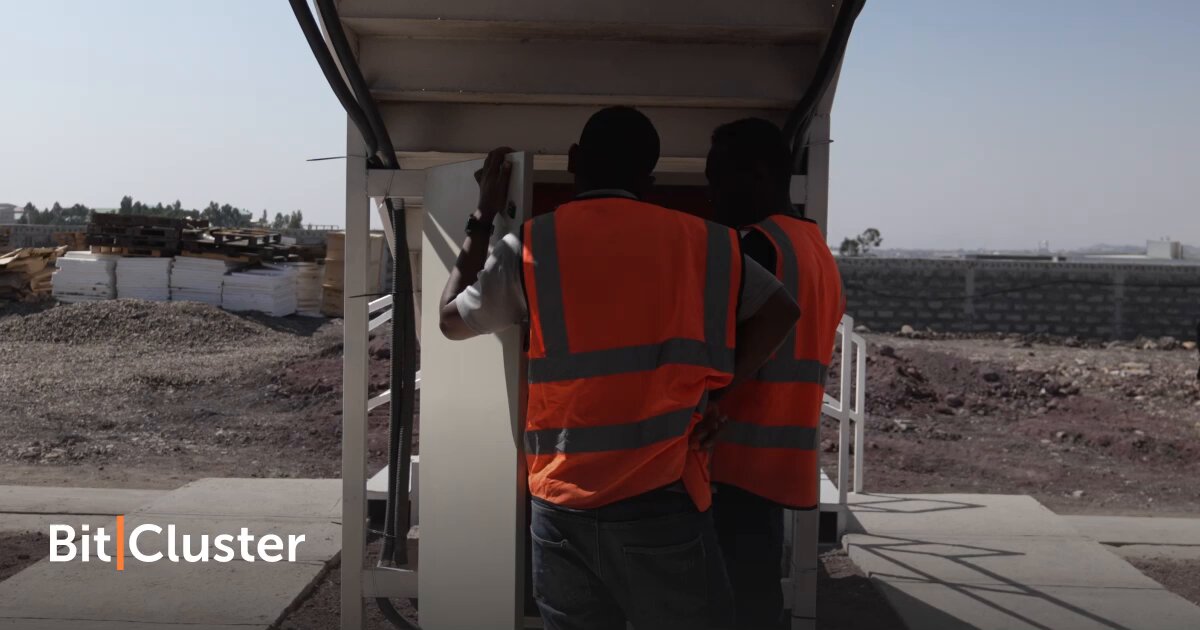
Morning shift at the data center site. The team is checking the racks and the cooling system’s engineering units, monitoring the sensors and the steady supply of air. Off screen, the usual hum of the infrastructure and the smooth operation of the miners
1
1
53
Mar 13
💥Mining market forecasts
According to a report by The Business Research Company, the global cryptocurrency mining equipment market is estimated at 5.1 billion USD in 2025 and is forecast to grow to 6.74 billion USD by 2030, with a compound annual growth rate of 5.6%
The report notes that key growth drivers include demand for energy‑efficient solutions, the expansion of mining operations powered by renewable energy sources, and the increasing professionalization of mining operations. A separate 2026 market analysis indicates that the broader crypto mining segment is expected to continue attracting investment over the coming years, while major players are already reallocating part of their capacity to high‑performance computing and AI to increase data center utilization and diversify revenue streams
1
61
Mar 8
Happy International Women’s Day!
Mining is not only about hardware — it’s about the people who keep the infrastructure, security, and quality of service running every day. At BitCluster, women work across various teams — from marketing to engineering and operations at our data center in Ethiopia
Thank you for your professionalism, attention to detail, and calmness in situations where the industry often operates under “high voltage” — both literally and figuratively. Congratulations on March 8th! We wish you energy, growth, and results as reliable as a well-tuned infrastructure

1
37
Feb 25
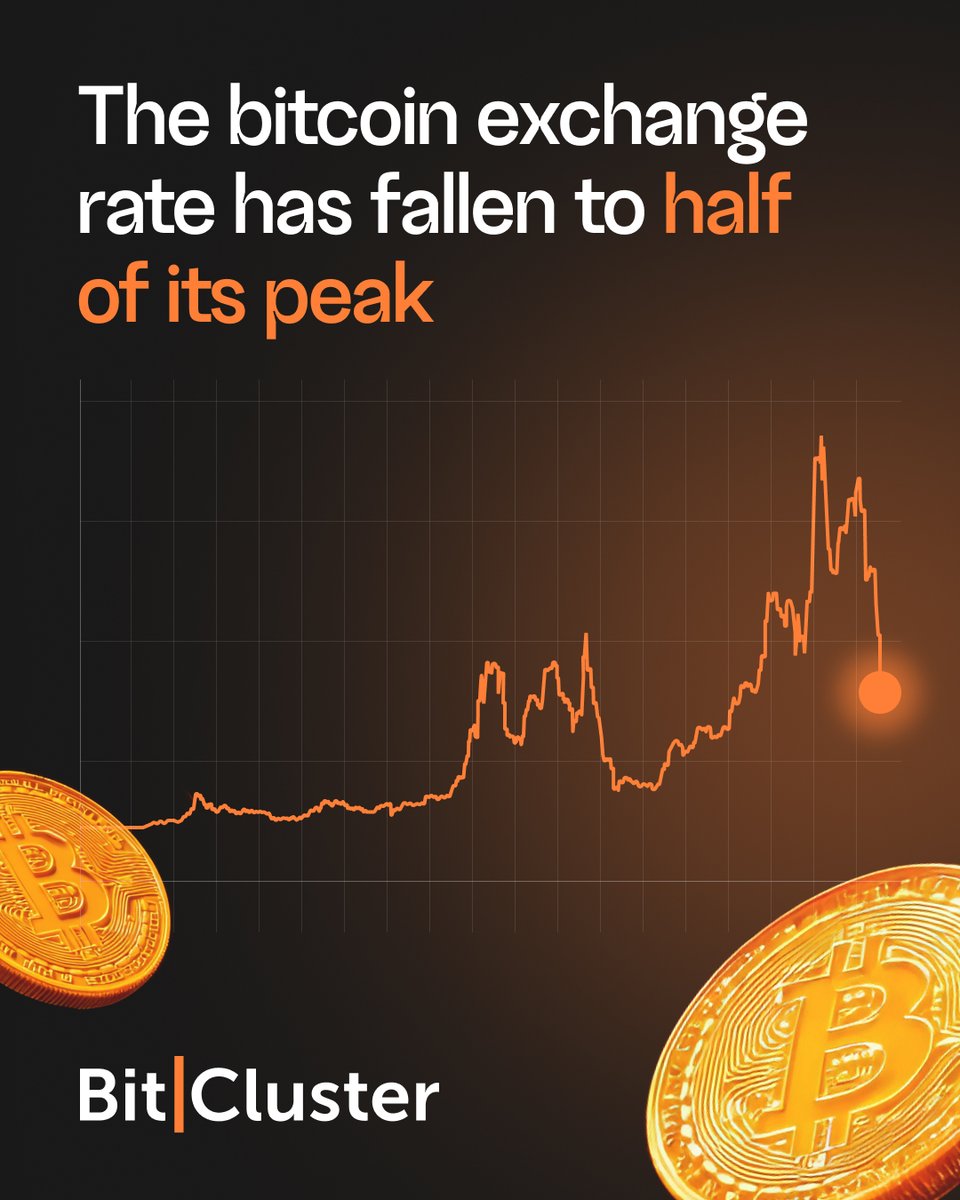
Bitcoin’s Price Has Halved from Its Peak
On the morning of February 24, Bitcoin (BTC) fell to around $62,700 — that’s 50% below its peak reached four months ago, when the price was about $126,000. This drop serves as a reminder that Bitcoin cannot rise endlessly: every rally eventually enters a phase of overheating and a painful correction
In such moments, it makes sense to think ahead — not about an “eternal bull market,” but about the rules of the game: how to partially lock in profits near the highs and at what levels you’re ready to buy more on dips. The market doesn’t owe anyone a return to its peak, so strategies of partial exits and gradual re-entry at lower levels aren’t about greed — they’re about surviving the next −50% without illusions or panic.
1
67




Feb 4
Bitcoin is heading toward its largest mining difficulty decrease since the shocks of 2020–2022, when the network went through the COVID crisis, China’s hashrate migration, and energy disruptions
Already in the first adjustment of 2026, difficulty dropped by about 2.6%, and analysts expect further downward corrections — the fifth consecutive decline and a potential double‑digit cumulative drop since the late‑2025 peak. The pressure comes from a wave of miner capitulations after a tough post-halving year, as well as a sharp hashrate decline caused by a winter storm in the U.S. that temporarily shut down a significant share of American mining capacity
For the mining economy, this marks a “unit‑economics reset.” The falling difficulty increases the amount of BTC earned per unit of hashpower, partially offsetting the doubled scarcity after the 2024 halving — but it also makes the market increasingly binary: efficient operations with cheap, stable energy can reach acceptable ROI, while players with expensive electricity and outdated equipment are being forced out of the game
2
111