Words, numbers, bits, pixels.
Joined June 2011
- Tweets 929
- Following 340
- Followers 1,045
- Likes 517
254 Photos and videos



1 Sep 2023
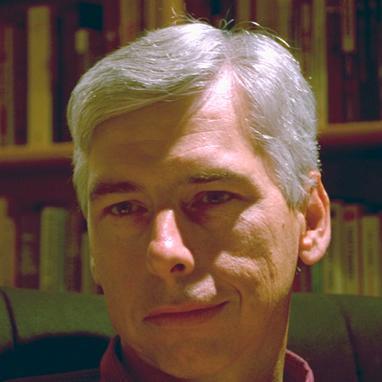
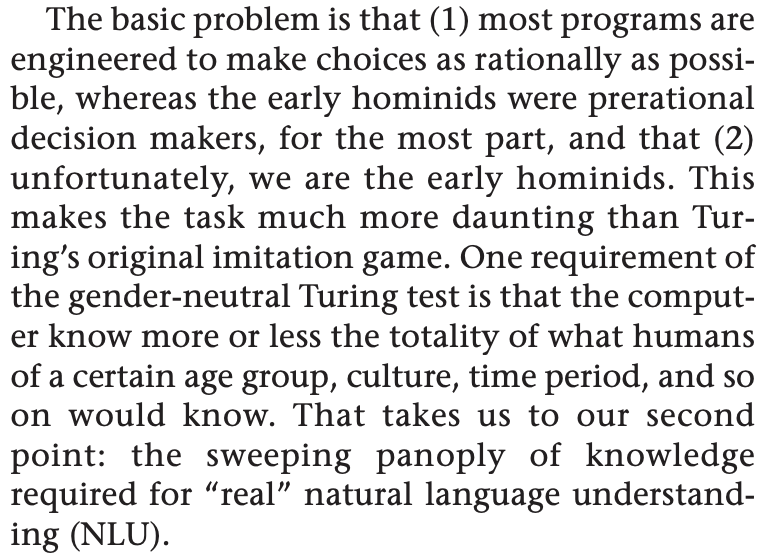
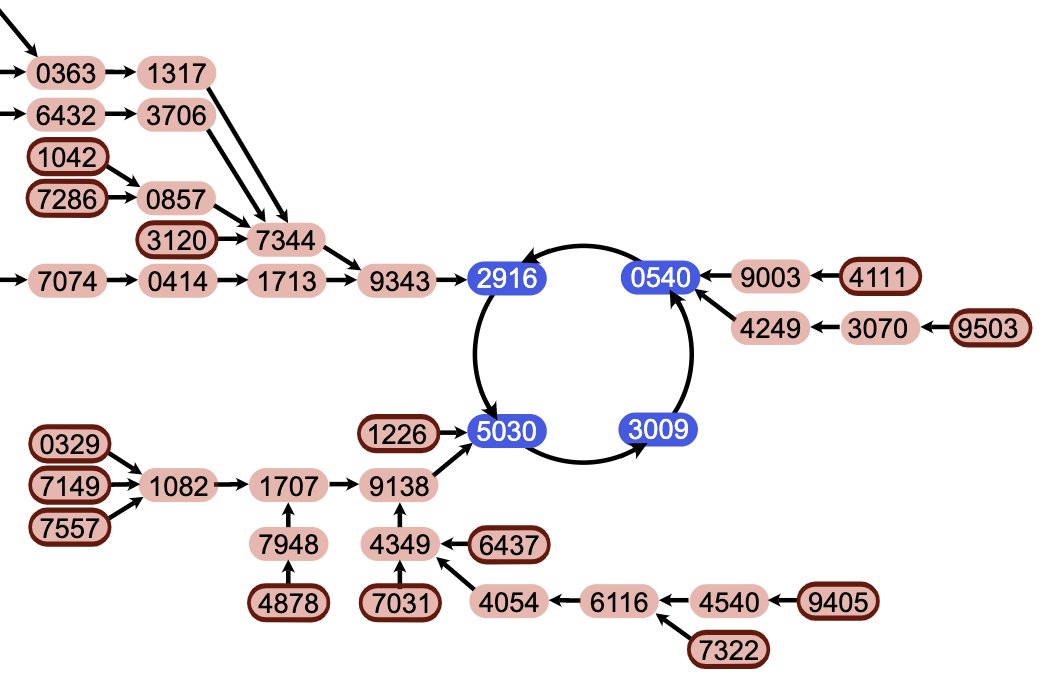
Doug Lenat has died. Doug was both a champion and a critic of artificial intelligence. He argued for the importance of common sense in AI (and in life, for that matter). From 2008, commenting on the Turing test:
4
10
864
28 Mar 2023
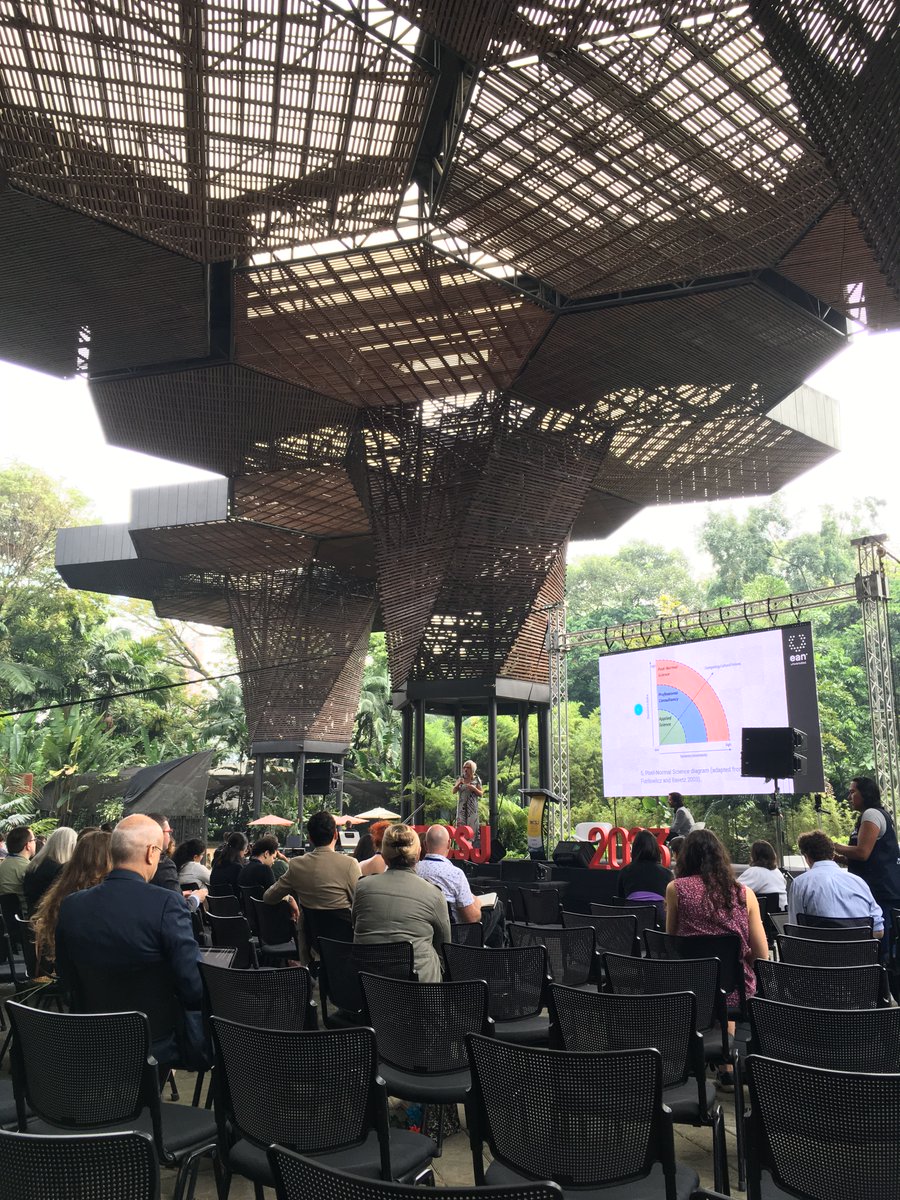
World Conference of Science Journalists, Medellín, Colombia. Venue for plenary talks: la Orquideorama at the Jardin Botanico.
2
325

12 Jan 2023
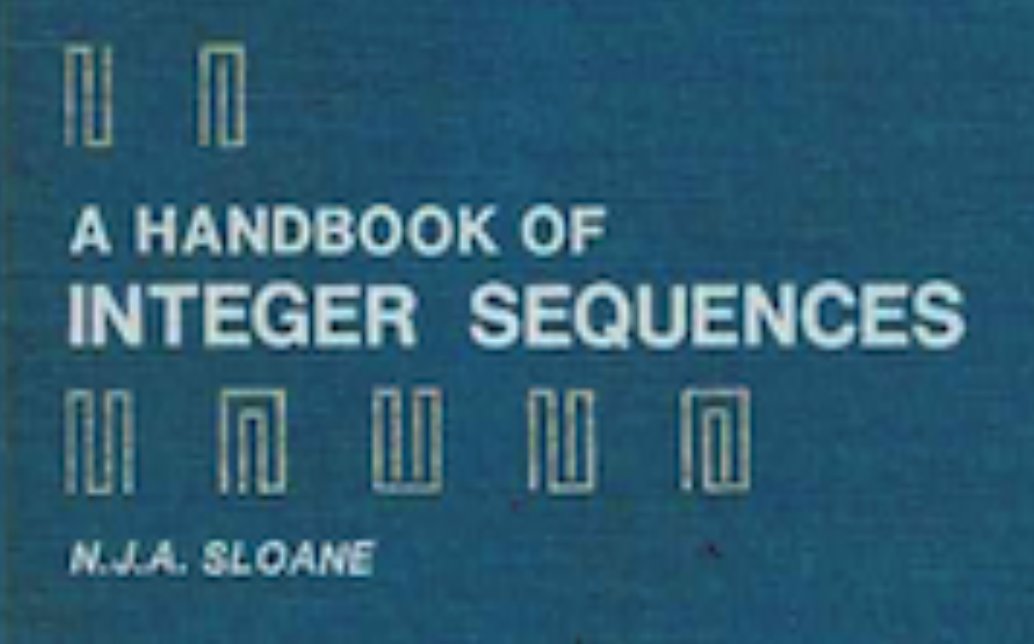
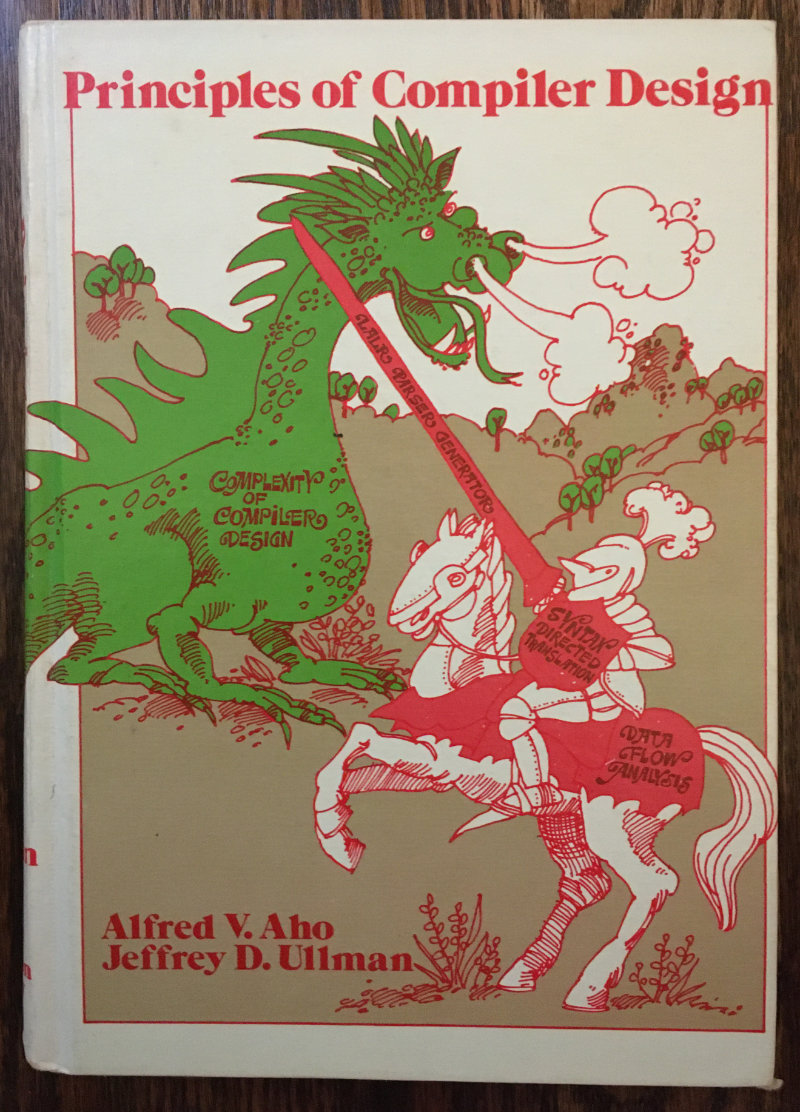
Grandparent of the OEIS, published 50 years ago. See arxiv.org/abs/2301.03149.
(The squiggles above and below the title are stamp-folding diagrams. "The full sequence begins 1,1,2,5,14,38,120,353,1148,3527,..., A001011. No formula is known.")
1
8
35
2,923
4 Nov 2022
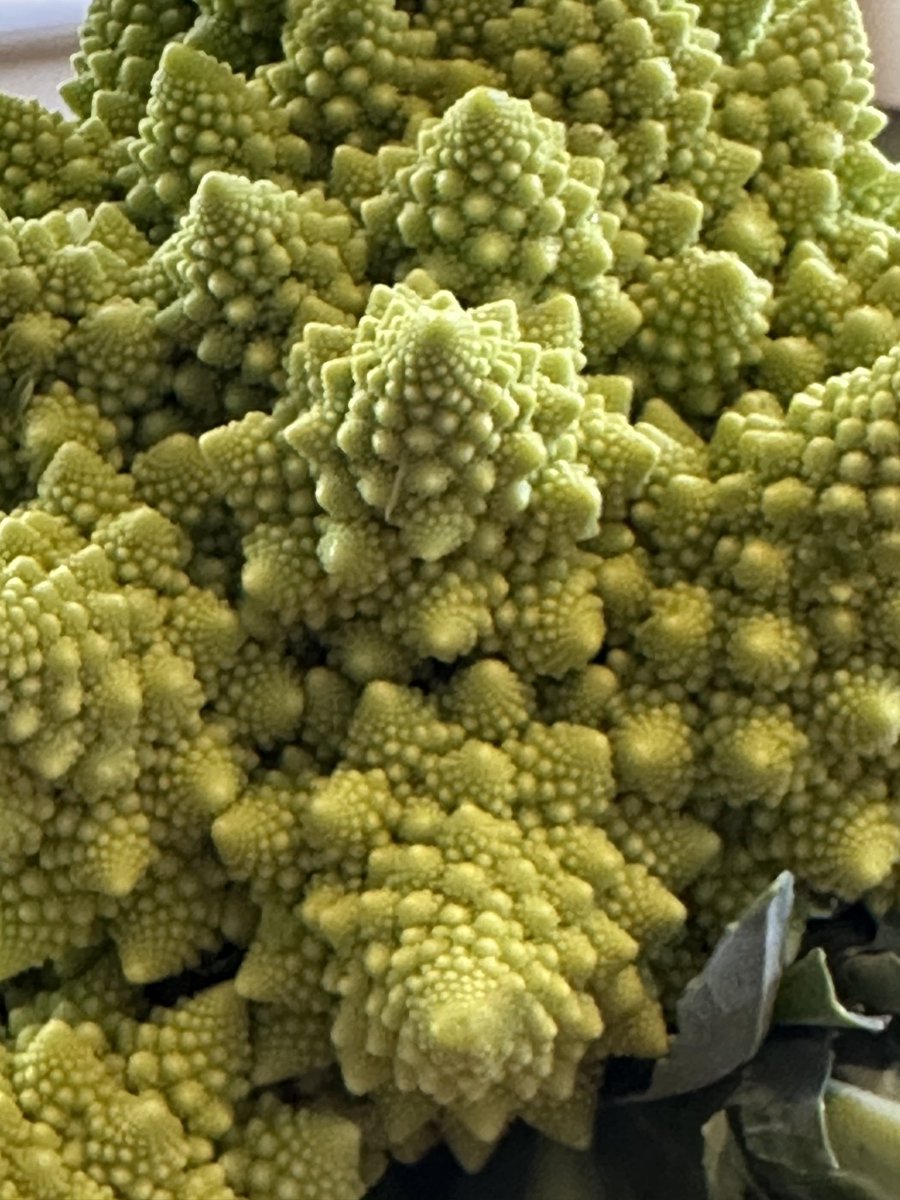
But who would dream of eating such an objet d'art?

2
4
9 Aug 2022
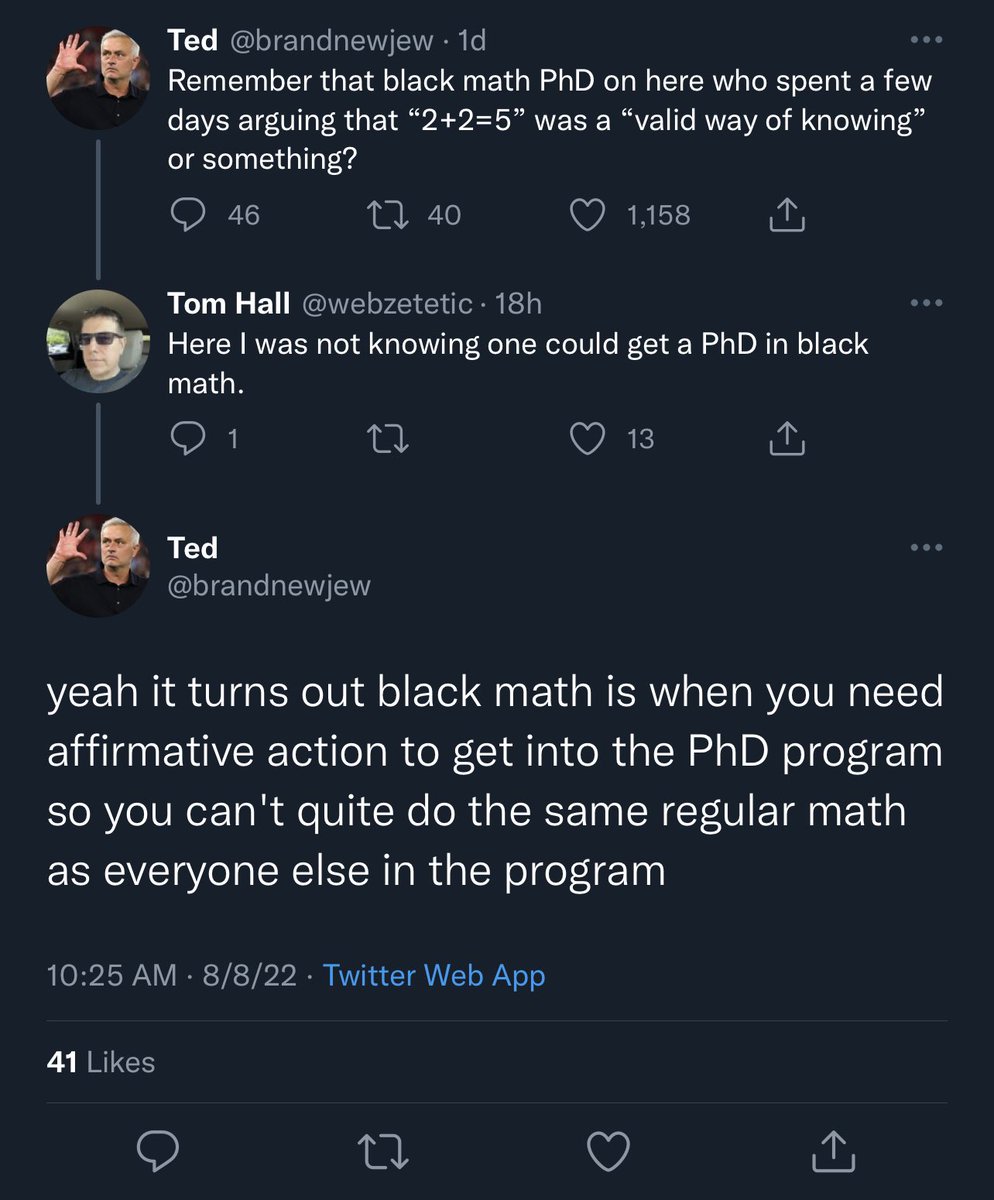
Just the other day I was marveling out loud about the sweetness and rationality of mathematical Twitter. No hate and snark in *this* corner of the Twitterverse. I should have known the experience might be different without my white face.
9 Aug 2022

Feeling a bit bummed out by all the racism I have to deal with on this site.
It feels so excessive given I mostly tweet about math and statistics not politics.
So many people on here can’t see past my skin color.
They make up wild statements about me and question my humanity.
1
3
20 Jul 2022
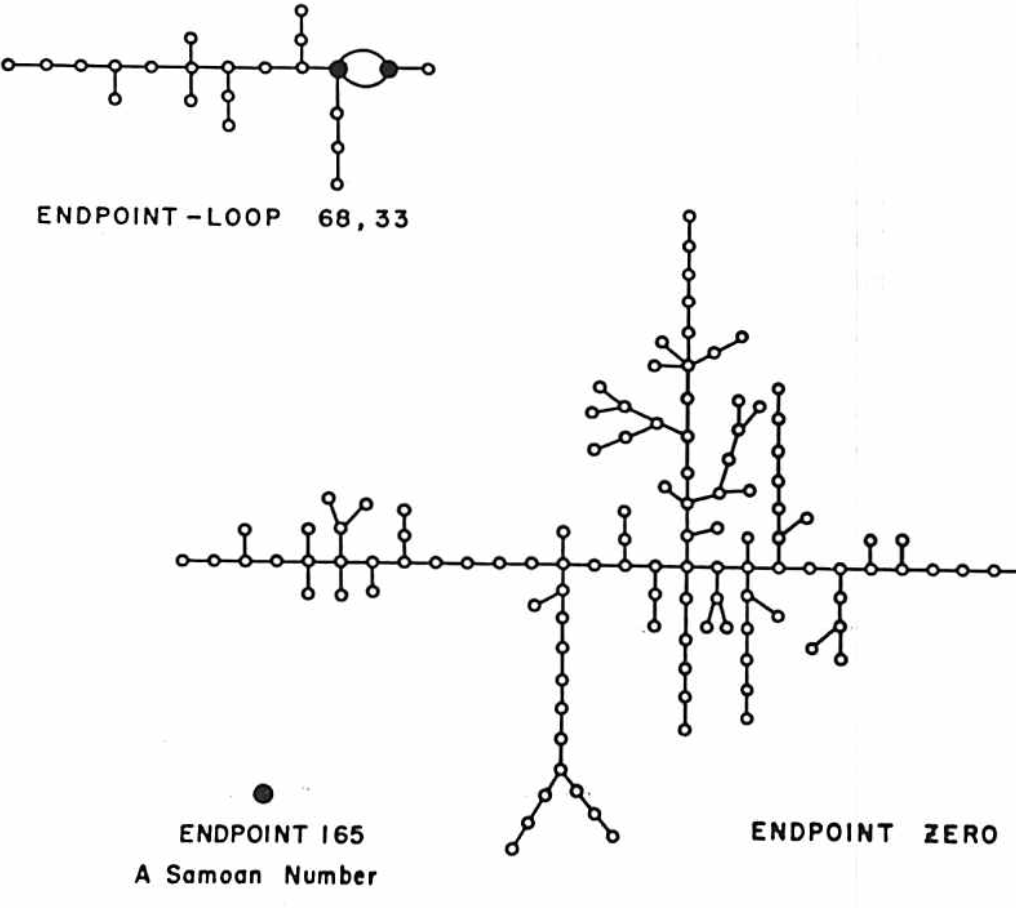
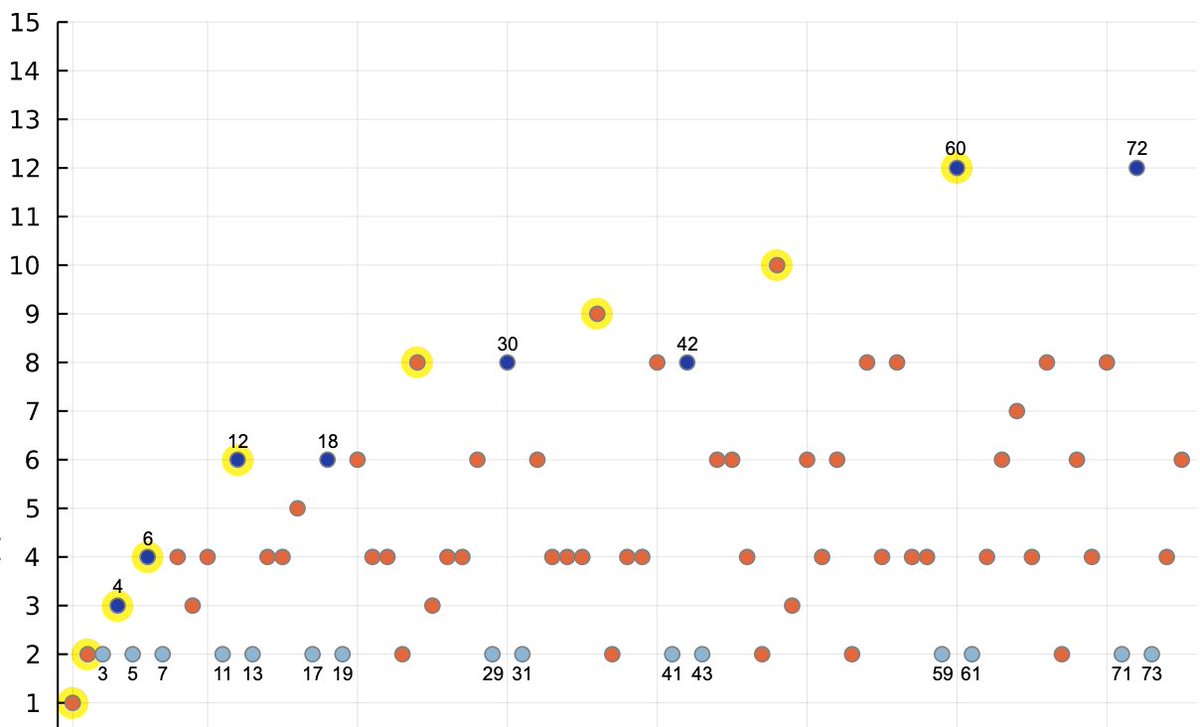
In 1954 Nick Metropolis discussed a certain iterated function system with an isolated fixed point (lower left of the diagram). "Such a number is called 'samoan'," he says. Can anyone explain the meaning or origin of that term?
4
1
6
20 Jul 2022
The paper: Metropolis, N. 1954. Phase shifts—middle squares—wave equation. In Meyer, Herbert A. (ed.). 1956. Symposium on Monte Carlo Methods.
2
17 Feb 2022
Wordle has moved to the NY Times domain. They've done a little list-scrubbing. Six words are no longer wordle-of-the-day candidates: agora, fibre, lynch, pupal, slave, wench. And 19 words have been nixed as legal guesses.
1
3
2 Feb 2022
Every word has the same frequency/probability: 1/2315.
2 Feb 2022

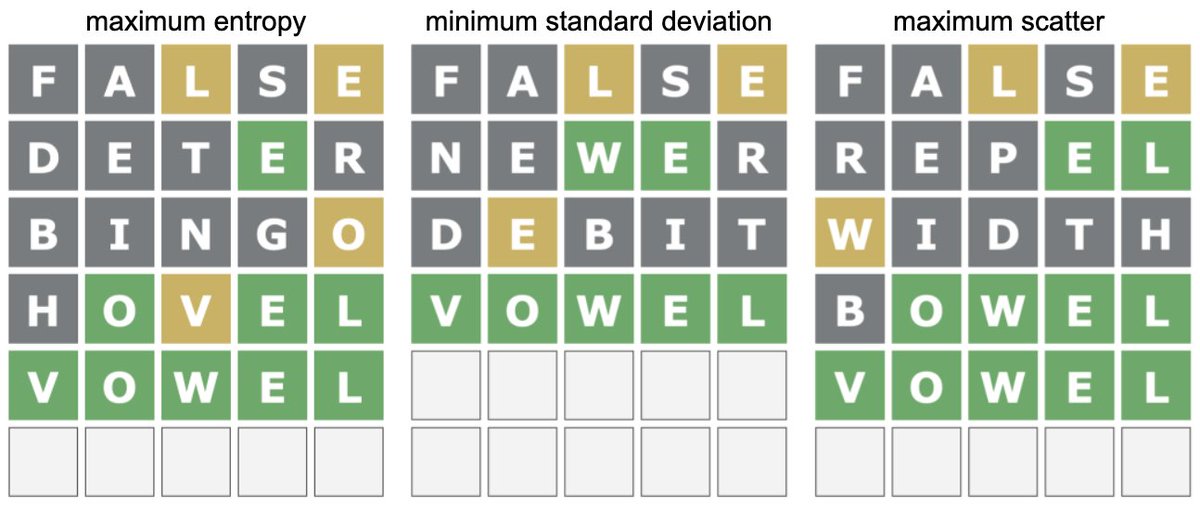
Wordle 228 4/6
⬛⬛🟩⬛⬛
⬛⬛⬛🟨🟨
⬛🟩⬛🟩🟩
🟩🟩🟩🟩🟩
Do we know the distribution of Wordle words? Suppose you've narrowed it down to two possible words and you have to guess. Is the most common one more likely, or do they have the same chance of being right?
1
11 Dec 2021
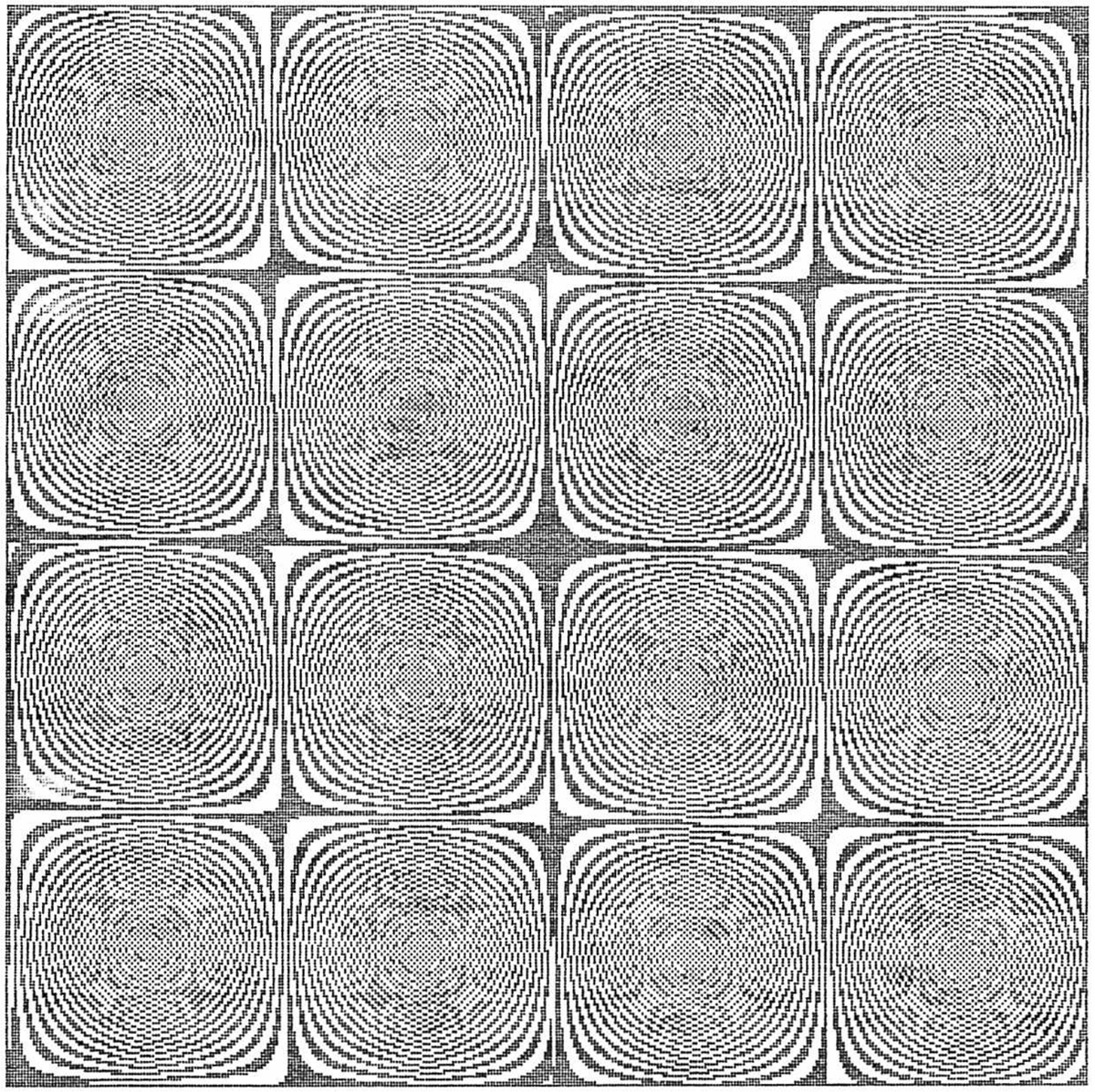
Something very like it, from an era when my only graphic device was a dot-matrix printer. (See also bit-player.org/wp-content/ex….)
11 Dec 2021

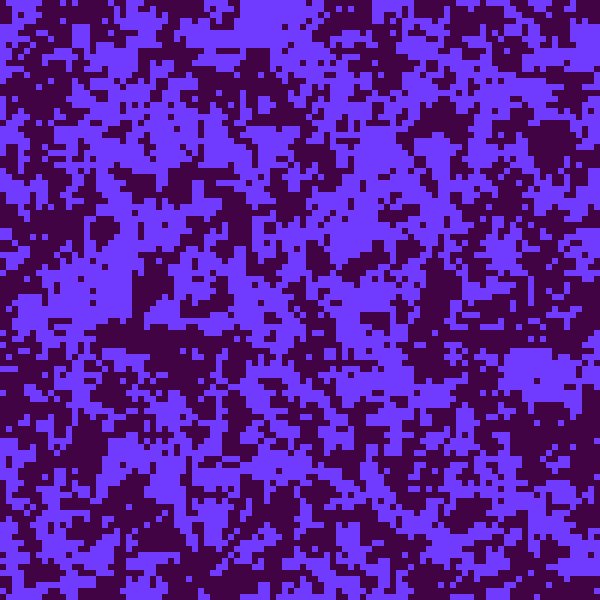
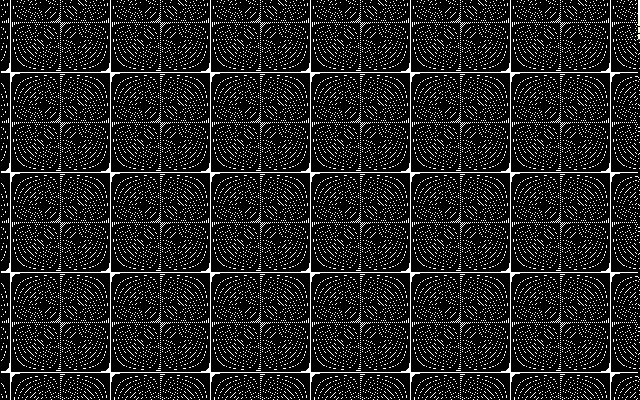
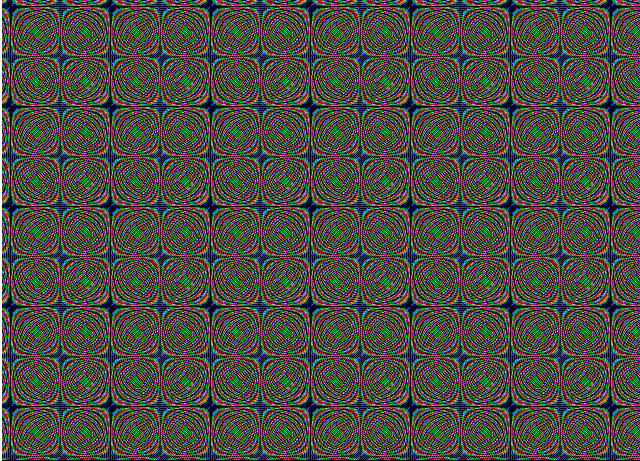
My son proposed that we plot the set of points (x,y) such that the ones digit of x y equals the tens digit of x*y. The following beautiful pictures emerged. (The second picture's pixels are colored by the absolute value of the difference.) Have you seen it before?
ALT The GP set, take 1
ALT The GP set, take 2
1
1
7
5 Nov 2021
New on bit-player: Does having prime neighbors make you more composite? bit-player.org/2021/does-hav…
1
7
15 Oct 2021
Weeks after opening registration, #JMM2022 has finally acknowledged that Covid is a thing, announcing safety protocols including mask mandates and socially distanced seating. Note the photos in the email header. (JMM is my favorite meeting, but cmon, you can do better than this.)
8 Oct 2021
And do you know about Honk Fest? (honkfest.org/about/). Happening this weekend. Wish I could be there.
7 Oct 2021

Somerville, MA is my favorite municipality. They have an ACLU backed facial recognition ban and marshmallow FLUFF!
1
1
24 Sep 2021
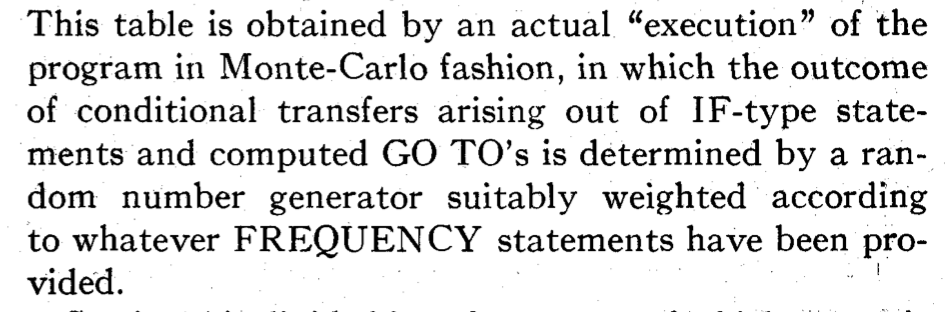
Well, from one of several early papers. Another from
1957 (softwarepreservation.org/pro…) suggests that the Monte Carlo algorithm *did* exist in the compiler, using the probabilities provided by the programmer in FREQUENCY statements.
2
24 Sep 2021
I believe the Wikipedia page is incorrect. The 1956 Fortran reference manual says that the FREQUENCY statement allows the programmer to estimate the likelihood of branches, not that the compiler will calculate it from a simulation.
2
5 Sep 2021
But why didn't they wait until 1991 to release it?
4 Sep 2021

ABBA are the only palindromic act to have a palindromic hit (SOS) in a palindromic genre (pop)
4

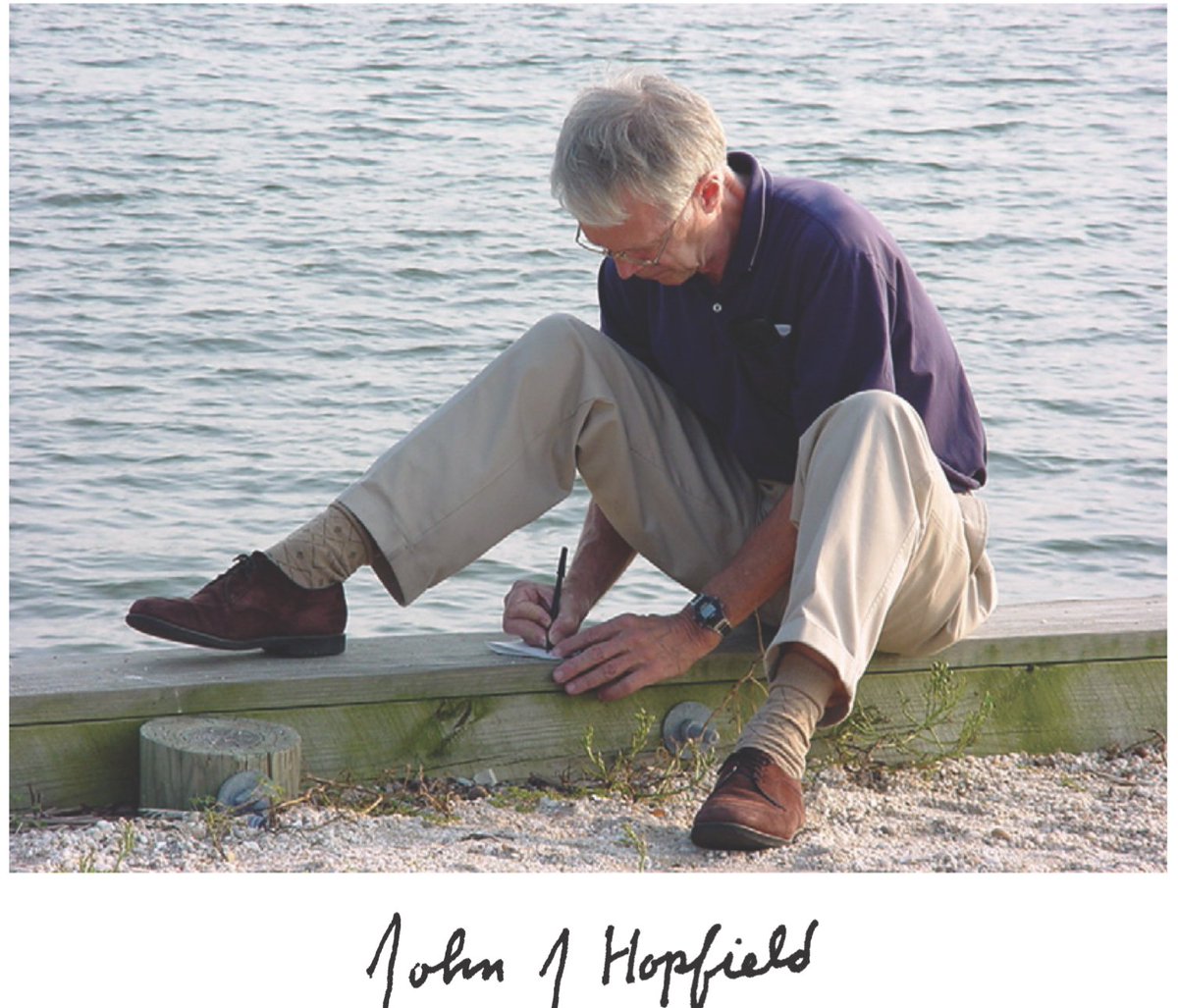
For physicists attracted to solving biological puzzles.. a great read 'Whatever happened to solid state physics?" by John Hopfield.
annualreviews.org/doi/pdf/10…
7
71
406